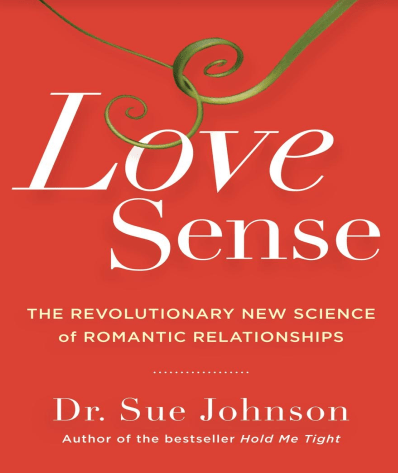
This book explores the science of love and attachment, asserting that our need for close emotional bonds is a fundamental aspect of human nature and well-being. It examines how these connections shape our thoughts, feelings, and behaviors from infancy through adulthood, influencing everything from our physical health and mental stability to our intimate relationships and societal interactions. The author draws upon research in psychology, neuroscience, and other social sciences to challenge traditional notions of independence and self-sufficiency, emphasizing the crucial role of emotional interdependence. By understanding the dynamics of attachment, the book aims to provide insights into why relationships succeed or fail and offers a framework for fostering more secure and fulfilling connections. Ultimately, it argues that recognizing and prioritizing our innate need for love and secure attachment can lead to personal growth, stronger relationships, and a more compassionate society.
The Science of Love Relationships: Attachment, Emotion, and Connection
The sources indicate a significant interest in understanding love and love relationships. The book itself is dedicated to enriching these relationships and is written with the hope of guiding readers towards more fulfilling and lasting love.
Historically, despite being a central human experience, love has remained a mystery, eluding philosophers, moralists, writers, scientists, and lovers. Even with advancements in other fields, a clear and rigorous understanding of the intense connection in love has been lacking. The fact that “What is love?” was a top Google search in Canada in 2012 highlights this ongoing quest for definition.
However, the sources emphasize that there has been a “relationship revolution” in the social sciences over the past twenty years. Love, along with other emotions, is now being taken seriously as a topic of study. This marks a paradigm shift from previous perspectives that viewed emotions as irrational and secondary to reason.
A key development in this revolution is the understanding of love relationships as dynamic interactions rather than focusing solely on individuals. Researchers began observing couples to identify patterns of behavior during conflict and connection. This led to the recognition that the way individuals “dance” together is crucial.
The book introduces attachment theory as a central framework for understanding adult love. Moving away from the idea of love as rational bargains, the author posits that love relationships are fundamentally about emotional bonds, similar to those between a mother and child. Our early relationships are seen as building the brain and forming neural templates for future close relationships. These “mental models” shape how we regulate emotions and our expectations in love. The source describes different attachment styles:
- Secure individuals see themselves as worthy of love and others as trustworthy.
- Anxious individuals doubt their own value and seek constant reassurance.
- Avoidant individuals suppress self-doubt and view others as unreliable.
These attachment styles influence how people behave in their love relationships, especially under stress. Securely and anxiously attached individuals tend to seek comfort from loved ones when facing external threats, while avoidant individuals withdraw. However, responses differ during internal conflicts. Importantly, the sources note that attachment styles are not immutable and can be modified by a partner, especially a secure one.
Emotions are presented as playing a vital role in love relationships. They act as signals to ourselves and our partners, conveying our deepest needs. Emotion is described as the “music of the dance between lovers”. While love is often associated with happiness, fear is highlighted as a particularly powerful emotion in the context of attachment, serving as a basic survival mechanism signaling threat. Hurt feelings in love are understood as composite emotions involving anger, sadness (at a perceived loss of value), and fear of rejection and abandonment. Sharing difficult emotions is seen as the most functional way to regulate them in love relationships.
The sources discuss why love relationships fail. They argue that focusing solely on conflict and communication skills addresses symptoms rather than the root cause: the overwhelming fear of being emotionally abandoned. Discord is often an unconscious protest against emotional disengagement and an attempt to regain connection. Destructive patterns such as criticism and stonewalling are identified as toxins that erode emotional balance and fuel insecurity.
However, the book offers hope through Emotionally Focused Therapy (EFT), a systematic model of treatment that honors our need for connection and support. EFT has a high success rate in healing faltering relationships. A simplified version is available in the author’s previous book, “Hold Me Tight”. Repairing bonds involves more than just stopping distance creation; it requires actively turning toward each other and revealing fears and longings. “Hold Me Tight” conversations are presented as transformative experiences where partners disclose vulnerabilities and engage with tenderness and compassion. These conversations aim to build a secure bond characterized by:
- Accessibility: giving attention and being emotionally open.
- Responsiveness: accepting needs and fears and offering comfort.
- Engagement: staying connected emotionally.
These moments of connection build a mental model of the relationship as a safe haven. Studies show that EFT can make partners more securely attached.
The book also touches on love across time, emphasizing that love is not static but needs to be actively “made” and “remade”. The initial infatuation phase involves both sexual desire and emotional yearning. The development of a formal bond, such as marriage, signifies a deeper level of commitment and dependence.
Ultimately, the sources stress the profound impact of love relationships on our overall well-being. Strong and stable relationships are the strongest predictor of happiness and resilience. Understanding the new science of love offers the potential to shape, repair, and renew our most important adult relationships.
The Power of Emotional Connection in Relationships
Emotional connection is presented in the sources as a fundamental aspect of love relationships and overall human well-being. The author dedicates the book to fostering richer and deeper love relationships, hoping to guide readers toward more fulfilling connections. We are described as being “obsessed with love and love relationships”, highlighting the central role they play in our lives.
The sources argue that emotional connection is not just an emotion but a fundamental bond, akin to the bond between a mother and child. This perspective contrasts with the idea of love relationships as purely rational bargains. Instead, love relationships are fundamentally about emotional bonds built on the need for connection and support. This need is so vital that the fear of losing emotional connection is identified as a primary source of relationship distress. The author emphasizes that to truly help couples, the foundation of loving connection must be shored up.
Emotions play a crucial role in forging and maintaining emotional connection. We are described as being “designed to deal with emotion in concert with another person—not by ourselves”. Emotions act as signals to ourselves and our partners, conveying our deepest needs. Emotion is even referred to as the “music of the dance between lovers”, guiding their interactions. Learning to tune in to our emotions and express our desires openly is essential for receiving sympathy and support from a partner, which in turn helps balance our emotions. Furthermore, our early relationships teach us about the nature of emotion and how to handle it. Clearly signaling our emotions is vital for our partners to understand our fears and longings, allowing them to provide a safe harbor.
Attachment theory provides a key framework for understanding emotional connection in adult love. Our early relationships build the brain and form neural templates (“mental models”) for future close relationships. These models shape how we regulate emotions and our expectations in love. The sources discuss different attachment styles (secure, anxious, avoidant) and how they influence behavior in love relationships, particularly under stress. A secure bond, characterized by accessibility, responsiveness, and engagement, fulfills the core attachment question: “Are you there for me?”.
Oxytocin, the “cuddle hormone,” plays a significant role in promoting strong emotional bonds. It is described as the “master chemical of social connection”. Oxytocin is released during physical closeness and even when thinking of loved ones. It increases trust and empathy, reduces the threat response in the brain, and lowers stress hormones. Studies have shown that oxytocin can even improve the accurate reading of emotional signals and increase positive communication during conflict.
Empathy is another crucial element of emotional connection, described as the capacity to perceive and identify with another’s emotional state. We are considered a “naturally empathetic species” with brains wired to resonate with others’ emotions. Mirror neurons are highlighted as playing a role in this capacity. Feeling another’s pain is essential for forgiveness. Secure attachment fosters emotional balance, which in turn enhances the ability to feel empathy. Increasing perceived familiarity and similarity between partners can also promote empathy.
When emotional connection is lost or weakened, relationships suffer. The fear of emotional abandonment can lead to destructive patterns like criticism and stonewalling. Stonewalling, or emotional withdrawal, can trigger intense negative emotions in the other partner. The way we perceive our partner’s actions depends on our sense of emotional connection.
However, emotional connection can be repaired and renewed. Emotionally Focused Therapy (EFT) is presented as a highly successful approach to healing faltering relationships by honoring our need for connection. “Hold Me Tight” conversations, a simplified version of EFT, aim to help partners disclose vulnerabilities and engage with tenderness and compassion, building a secure bond. Repairing bonds involves turning toward each other, revealing fears and longings, and creating a “safe-haven relationship”. These conversations help partners tune in to their softer emotions, regulate their emotions, send clear signals, and explicitly state their needs. Successful repair involves acknowledging moments of distance and actively reaching for each other, fostering a new positive bonding cycle.
Finally, the sources emphasize the broader significance of emotional connection for society. We are seen as biologically driven to be associative and altruistic. Recognizing our emotional interdependence and the need for safe, trusting relationships is considered central to human nature and a thriving society. Educating for connection and supporting loving bonds are seen as crucial for cultivating empathy and cooperation. Secure love promotes inner peace, exploration, and growth.
The Science of Love: Attachment Theory and Relationships
Attachment theory is a revolutionary perspective on personality and relationships, pioneered by the British psychiatrist John Bowlby. Despite being a seemingly unlikely figure for such a groundbreaking theory, Bowlby, a conservative Englishman, fundamentally changed our understanding of love and loving forever. His insights are the foundation upon which the new science of love relationships rests.
Bowlby proposed that we are designed to love a few precious others who will be there for us. His theory posits that adult romantic love is an attachment bond, just like the one between mother and child. This was a significant departure from the long-held assumption that as adults, we outgrow the need for intense closeness and that romantic attachments are primarily sexual. Bowlby argued that our need to depend on one precious other, to know they will be there for us when we “call,” never dissolves and endures “from cradle to grave”. As adults, we simply transfer this need from our primary caregiver to our lover. He viewed romantic love not as illogical or random but as a continuation of an ordered recipe for survival.
Bowlby’s thinking was influenced by Darwin’s theory of natural selection and the work of ethologists. He challenged Freud’s view that the mother-child link is forged after birth as a conditioned response (baby loves Mom because she provides food). Instead, Bowlby was convinced that the emotional tie is wired in before birth and is automatic. Support for this came from Harry Harlow’s experiments with rhesus monkeys, which demonstrated the crucial need for “contact comfort” beyond mere sustenance. Bowlby initially hesitated to call his theory a “theory of love,” fearing ridicule from the scientific community. He was significantly aided by the work of Canadian psychologist Mary Ainsworth, who helped shape and test his ideas. Together, they identified four key elements of attachment:
- We seek out, monitor, and try to maintain emotional and physical connection with our loved ones. Throughout life, we rely on them to be emotionally accessible, responsive, and engaged with us.
- We reach out for our loved ones particularly when we are uncertain, threatened, anxious, or upset. Contact with them gives us a sense of having a safe haven, where we will find comfort and emotional support. This sense of safety teaches us how to regulate our own emotions and how to connect with and trust others.
- We miss our loved ones and become extremely upset when they are physically or emotionally remote. This separation anxiety can become intense and incapacitating. Isolation is inherently traumatizing for human beings.
- We depend on our loved ones to support us emotionally and be a secure base as we venture into the world and learn and explore. The more we sense that we are effectively connected, the more autonomous and separate we can be.
These elements are considered normal and universal across cultures, with the formation of a deep mutual bond being the first imperative of the human species. Bowlby viewed life at its best as a series of excursions from the safety of a secure relationship into the uncertainty of the world.
Attachment theory revolutionized our understanding of child development. Ainsworth’s “Strange Situation” experiments helped identify different attachment styles in children: secure, anxious, and avoidant, based on their responses to separation and reunion with their mothers. Children with warm and responsive mothers tended to be secure, those with inconsistent mothers often showed anxious attachment, and those with cold and dismissive mothers were more likely to be avoidant.
Crucially, Bowlby maintained that the need to be close and to attach persists through life and shapes our adult love relationships. This perspective was initially rejected by many in the social sciences who favored “exchange theory,” viewing love relationships as rational bargains. However, observations of distressed couples revealed that their issues were not primarily about profit and cost but about a lack of emotional connection – they were not bargains, but emotional bonds, just like those between mother and child.
Research by Phil Shaver and Cindy Hazan provided empirical evidence supporting Bowlby’s assertions about adult attachment. Their studies confirmed that our need to attach continues beyond childhood and that romantic love is indeed an attachment bond. At every age, we habitually seek and maintain physical and emotional closeness with at least one irreplaceable other, especially when feeling stressed, unsure, or anxious.
A person’s basic attachment style is formed in childhood. Secure attachment develops when caregivers are consistently accessible and responsive, leading to comfort with closeness and a lack of worry about betrayal or abandonment. Insecure attachment styles, either anxious or avoidant, result from inconsistent or neglectful caregiving. Anxiously attached individuals tend to worry about abandonment and seek constant reassurance, while avoidant individuals suppress their emotions and attachment longings, viewing others as unreliable. While we have a main attachment style, we can sometimes shift into alternative strategies.
Observational studies of adults under stress further validated these concepts. Securely and anxiously attached individuals tend to reach for loved ones for comfort when the threat comes from outside the relationship, while avoidant individuals withdraw. However, in the face of internal conflict, anxious partners tend to become dysregulated, while secure and even avoidant partners can stay more on topic, though secure individuals are better at finding solutions. Attachment style also influences how individuals cope with the dissolution of relationships. Anxiously attached individuals tend to be more frantic and angry during breakups, while avoidant individuals cope by lessening contact. Interestingly, a secure bond is linked to faster emotional recovery from the loss of a partner.
Bowlby emphasized that in love relationships, “presence and absence are relative terms”, meaning a loved one can be physically present but emotionally absent. Both children and adults need a readily accessible and responsive loved one to feel secure. Relationship distress is often rooted in the overwhelming fear of being emotionally abandoned. Discord arises as an unconscious protest against emotional disengagement and an attempt to regain connection.
Emotionally Focused Therapy (EFT), developed by Sue Johnson (the author of the sources), is a systematic model of treatment grounded in attachment theory. EFT helps couples understand the survival significance of their love relationship and the patterns of disconnection that trigger panic. It focuses on helping partners turn toward each other, reveal their fears and longings, and create a safe-haven relationship characterized by accessibility, responsiveness, and engagement. “Hold Me Tight” conversations are a key component of EFT, facilitating transformative experiences where partners disclose vulnerabilities and engage with tenderness and compassion, ultimately making the bond more secure. Research shows that EFT can indeed make partners more securely attached.
In essence, attachment theory provides a powerful lens for understanding the dynamics of love relationships. It highlights our fundamental need for emotional connection, the enduring impact of early experiences, and the patterns of behavior that either foster secure bonds or lead to distress. Understanding these principles offers valuable insights into how we can shape, repair, and renew our most important adult relationships. Secure attachment not only enhances our personal well-being but also fosters emotional balance, empathy, and even prosocial behavior. The new science of love, built on the foundation of attachment theory, offers an empowering consciousness about what it means to be a lover.
The Social Science Revolution of Adult Love
Social science has undergone a revolution in its approach to understanding adult love. Previously, love didn’t receive much respect as a topic of study within social sciences. Emotions in general were often associated with our “lower animal nature” and considered irrational, making them suspect subjects for scientists. For a long time, social scientists focused on simple behaviors and how to change them, often neglecting public concerns about the quality of everyday life.
However, a quiet movement began in campus laboratories and academic journals, challenging the orthodox view. In the 1990s, emotions, including love, emerged as legitimate topics of inquiry across various social science disciplines like anthropology, psychology, and sociology. It became apparent that feelings weren’t random but logical and “intelligent”.
Therapists and mental health professionals also began to shift their focus from the individual’s troubled psyche to the dynamic interactions within relationships. They realized that couples were not distinct entities but part of a dyad where each person’s actions influenced the other. This led to researchers videotaping couples discussing everyday issues to identify critical moments and patterns of behavior.
The new science of love, a part of this revolution in social science, employs various methodologies:
- Clinical studies: The author mentions thirty years of clinical studies contributing to their understanding of love. Working with thousands of despairing couples led to the creation of Emotionally Focused Therapy (EFT).
- Laboratory experiments: The text mentions laboratory experiments as a source of discovery about love. For instance, the first observational study of attachment behavior in adults was born from an experiment setting up an upsetting situation for dating couples.
- Applied therapies: The author’s primary contribution lies in relationship repair through applied therapies like EFT.
- Observational studies: Researchers started videotaping couples to observe their interactions and identify patterns. Studies by Jeffry Simpson’s team used stressful situations to observe how securely and anxiously attached individuals reach for comfort, while avoidant individuals withdraw when the threat is external.
- Questionnaires: Researchers used questionnaires to assess individuals’ opinions and attitudes, as well as their attachment styles.
- Brain imaging technology (fMRI): More recent studies utilize fMRI brain scans to demonstrate the neurological impact of secure attachment, showing that holding a partner’s hand can dampen fear and pain after EFT.
Key insights from social science regarding love include:
- Love as a basic survival code: An essential task of our mammalian brain is to read and respond to others, and the ability to depend on others makes us strong.
- Rejection and abandonment as danger cues: These cues trigger real physical pain.
- The importance of emotional connection: Emotional connection is the glue in vital, unique relationships. The overwhelming fear of emotional abandonment is a primary source of relationship distress.
- Attachment theory as a foundation: The work of John Bowlby and Mary Ainsworth, furthered by Phil Shaver and Cindy Hazan, established that adult romantic love is an attachment bond similar to that between mother and child. Attachment style (secure, anxious, avoidant) shapes expectations and behaviors in love relationships.
- Emotionally Focused Therapy (EFT) as a successful approach: EFT, grounded in attachment theory, helps couples address their emotions differently and repair their bond, achieving a high success rate in healing faltering relationships.
- Empathy as a crucial human capacity: Social science suggests humans are biologically driven to be associative and altruistic, with empathy being a key factor in cooperation and positive relationships.
Overall, social science has moved from largely ignoring or dismissing love as an irrational phenomenon to rigorously studying it through various scientific methods. This has led to a deeper understanding of the fundamental role of emotional connection and attachment in adult love relationships and has provided effective approaches like EFT for relationship repair. This “relationship revolution” within social science offers hope for creating more fulfilling and lasting love.
The Brain’s Pathways to Love and Connection
The true locus of love is the brain, contrary to ancient beliefs that favored the heart. In fact, Egyptians discarded the brain during mummification, and Aristotle considered it of minor importance, mainly to cool the blood. However, modern research has revealed that the brain is integral to the process of loving relationships. The brain is a profoundly social organ, oriented towards forming and managing connections with others.
From our earliest days, our brain grows and develops in response to our love relationships. During the first four years of life, the brain grows rapidly as emotional interactions with a loving caregiver stimulate biochemical processes that enhance nerve growth and connectivity. This constant dialogue between neurons structures our brain; the more often they communicate, the stronger the connection becomes, a principle summarized as “fire together, wire together“. Emotional interaction advances brain development, while a lack of it has the opposite effect, leading to stunted neural connections and a shortage of messenger chemicals. Isolated infant monkeys and human babies show deficits in brain areas involved in emotion processing and may experience developmental problems. Loving contact is crucial for the growth of mirror neurons, which are associated with empathy. Early interactions with loved ones are also vital for the organization of the right brain, a key site for processing emotions and nonverbal cues. These early positive interactions tune youngsters’ brains to the social channel, teaching them to communicate their needs and evoke satisfying responses.
The brain is not just shaped by early experiences; it continues to adapt throughout life. The brain is amazingly plastic, and we can create new neural circuits, altering how we perceive and signal our emotions. Experiences of love and loving can lead to the flowering of new neurons and networks in the adult brain. Falling in love and bonding with a partner are major events that naturally create massive neural reorganization.
The brain is responsible for processing emotions, which are not random impulses but efficient information-processing and signaling systems designed for survival. Emotion automatically sorts through stimuli, highlighting what matters and guiding us to appropriate actions. Rejection and abandonment are processed as danger cues in the brain, triggering real physical pain. Neuroscientist Jaak Panksepp has shown that mammals have specific brain pathways dedicated to registering the “primal panic” resulting from the loss of an attachment figure.
Different brain regions play specific roles in emotional and social processing:
- The thalamus receives cues and provides a fast initial assessment of the emotion required.
- If immediate action is needed, the message goes directly to the amygdala, the processing center for fear.
- If there is no urgency, information travels to the frontal cortex, the thinking part of the brain, for a more detailed assessment before reaching the amygdala. The frontal cortex also processes emotional cues.
- The dorsolateral prefrontal cortex (DLPFC) regulates the impact of external cues on the limbic system, the emotional brain. Decreased activity in the DLPFC is seen in depressed individuals.
- The hippocampus is rich in oxytocin receptors and is key in retrieving memories, potentially aiding in the interpretation of facial expressions.
Neurochemicals play a crucial role in love and social connection:
- Oxytocin, the “cuddle hormone” or “molecule of monogamy,” promotes strong bonds, increases trust, improves social memory, and reduces fear. It is released during breastfeeding and orgasm, and even thinking of a loved one can trigger its release. Oxytocin also increases the accuracy of reading others’ emotional states and is linked to the release of dopamine.
- Vasopressin, closely related to oxytocin, has similar linking effects but also stimulates mate-guarding behavior.
- Dopamine is a neurotransmitter that makes us feel elated and euphoric and is involved in attachment between partners, as we tend to stay close to those who bring us pleasure.
Mirror neurons are a fascinating aspect of brain function related to social connection. These neurons fire both when we perform an action and when we observe someone else performing the same action, allowing us to literally feel what others are feeling and understand their intentions. This mirroring process is the basis of empathy. Super mirror neurons help us distinguish between our own feelings and those of others. Reduced activity in facial muscles due to Botox can impair the ability to accurately read others’ emotions, highlighting the importance of mimicry facilitated by mirror neurons.
The brain functions as an integrated whole, with all parts working together to create our experience. The old dichotomy of a purely “feeling” right brain and a purely “rational” left brain is illusory. Both emotion and reason are interconnected and contribute to our responses and behaviors.
Secure attachment has a positive impact on brain function. fMRI studies show that after Emotionally Focused Therapy (EFT) leads to more secure attachment, holding a partner’s hand can dampen fear and the pain of an electric shock. Secure attachment also furthers emotional balance, which is crucial for empathy. Insecure attachment, on the other hand, is linked to stronger physiological reactions to stress and difficulties in interpreting a partner’s signals.
Even the simple act of naming an emotion can calm the emotional center of the brain, as demonstrated by fMRI studies. This highlights the brain’s capacity to regulate emotional responses through cognitive processes.
Overall, the brain is a remarkably complex and dynamic organ deeply intertwined with our social world and emotional experiences. Understanding its functions is crucial to understanding love, attachment, and the dynamics of human relationships.
Love Sense Study Guide
Key Concepts
- Attachment Theory: The framework that posits that humans are biologically predisposed to form strong emotional bonds with others, and that the nature of these bonds significantly impacts well-being and relationship dynamics.
- Secure Attachment: An attachment style characterized by comfort with intimacy and autonomy; individuals with this style tend to view themselves as worthy of love and others as trustworthy and reliable.
- Anxious Attachment: An attachment style marked by a preoccupation with relationships, a fear of rejection, and a need for constant reassurance from partners. Individuals with this style often doubt their worthiness of love.
- Avoidant Attachment: An attachment style characterized by a discomfort with closeness and a suppression of dependency needs. Individuals with this style tend to view others as unreliable and untrustworthy, while maintaining a conscious stance of self-sufficiency.
- Safe Haven: The role that a secure attachment figure plays in providing comfort, reassurance, and support during times of stress or threat.
- Secure Base: The role that a secure attachment figure plays in providing a sense of safety and security that allows individuals to explore their environment and take risks.
- Emotional Regulation: The ability to manage and respond to emotional experiences in a healthy and adaptive way. Attachment security plays a crucial role in developing effective emotional regulation.
- Mirror Neurons: Brain cells that fire both when an individual performs an action and when they observe the same action being performed by another. They are crucial for empathy, understanding intentions, and social connection.
- Oxytocin: A hormone often referred to as the “cuddle hormone” or the “molecule of monogamy.” It plays a key role in promoting bonding, trust, and social connection.
- Vasopressin: A hormone closely related to oxytocin that also has a linking effect but is also associated with mate-guarding and aggressive behavior in males.
- Reappraisal: A cognitive strategy for managing emotions by changing the way one thinks about an emotionally charged situation, leading to a different emotional response.
- Suppression: A strategy for managing emotions by trying to inhibit or conceal emotional expression, which can be less effective than reappraisal and may even heighten emotional activity in the brain.
- Sealed-Off Sex: Sexual activity that is primarily focused on one’s own physical sensations and achieving climax, often lacking emotional connection, vulnerability, and mutual engagement.
- Responsive Desire: A model of female sexual desire that suggests it is often triggered by intimacy, emotional connection, and feeling safe, rather than solely by spontaneous physical arousal.
- Spontaneous Desire: A model of male sexual desire that is often characterized as more readily triggered by visual or physical cues, leading to a more linear progression from desire to arousal.
- Attachment Needs: The fundamental human needs for closeness, security, and responsiveness from significant others.
- Bids for Connection: Small, often subtle attempts that partners make to connect with each other, such as a touch, a question, or a joke.
- Stonewalling: A withdrawal tactic in relationships where one partner becomes unresponsive, shuts down, and avoids interaction, often as a way to cope with feeling overwhelmed.
- Hold Me Tight Conversations: A model for therapeutic dialogues aimed at helping couples identify negative interaction patterns and create more secure emotional bonds by expressing needs and fears openly.
Short-Answer Quiz
- According to the text, why is love considered a basic survival code? What is the essential task of our mammalian brain in relation to others?
- Explain the concept of “Homo vinculum.” How does this relate to the insights gained about romantic relationships?
- Describe the three basic attachment styles outlined in the text. What are some of the core characteristics of each style in relationships?
- How does secure attachment relate to emotional regulation? What did Omri Gillath’s study on women with different attachment styles reveal about their brain activity when dealing with difficult emotions?
- What is the role of oxytocin in social connection and romantic relationships? Provide at least two examples of how oxytocin affects behavior or perception.
- Explain the function of mirror neurons. How do they contribute to understanding others’ intentions and fostering connection in love relationships?
- Contrast “sealed-off sex” with a more emotionally connected sexual experience. What are the typical characteristics and underlying motivations associated with sealed-off sex?
- According to the text, how does female sexual desire often differ from male sexual desire? What is a crucial prerequisite for women to feel desire?
- Describe the “Alien Argument” as presented in the text regarding why relationships fail. What does the author say about actual sex differences?
- Explain the downward spiral that can occur in distressed relationships, highlighting at least three key stages or patterns.
Answer Key
- Love is a basic survival code because our mammalian brains are essentially wired to read and respond to others; being able to depend on others is what makes us strong. Rejection and abandonment are perceived as danger cues, causing real physical pain.
- “Homo vinculum” means “one who bonds,” suggesting that the fundamental nature of human beings is the capacity to form connections. Understanding that lovers are safe havens provides new insights into why romantic relationships succeed or fail, shifting focus beyond surface-level arguments.
- The three basic attachment styles are secure, anxious, and avoidant. Secure individuals are comfortable with closeness and autonomy, anxious individuals crave closeness but fear rejection, and avoidant individuals are uncomfortable with intimacy and suppress dependency needs.
- Secure attachment fosters emotional balance, allowing individuals to engage with and respond to others’ concerns. Gillath’s study found that anxiously attached women had more active emotional brains (especially the anterior temporal pole processing sadness) and less active emotion-regulating regions (orbital frontal cortex) when thinking about painful scenarios, while avoidant women also struggled to suppress negative emotions.
- Oxytocin is the master chemical of social connection, promoting strong bonds and trust. It is released during physical closeness and even when thinking of loved ones, increasing our tendency to fixate on others and improving our ability to read their facial expressions and intentions.
- Mirror neurons fire both when we perform an action and when we observe it, helping us understand others’ actions and intentions. In love relationships, they enable us to automatically “know” what our partner is feeling and to coordinate our responses effectively.
- Sealed-off sex is self-centered, focused on individual sensations and climax, with little foreplay or aftercare, and often dismisses the partner’s feelings. In contrast, emotionally connected sex involves openness, vulnerability, expressions of love, and a focus on mutual pleasure and intimacy.
- Female sexual desire is often a more complex physical and emotional experience than male desire, which tends to be more linear and triggered by visual cues. A crucial prerequisite for many women to feel desire is feeling safe and trusting in the relationship.
- The “Alien Argument” suggests that men and women are too different to ever get along. However, the author argues that men and women are remarkably alike, with significant differences appearing in only a few cognitive areas (verbal facility, math skills, visual-spatial ability, with women excelling in verbal and men sometimes in the others depending on expectations) and one psychological area (aggression, with men being quicker to anger).
- The downward spiral in distressed relationships involves stages like little black weeds of doubt and distrust sprouting, moments of hurt solidifying into negative patterns, small bids for reconnection going unnoticed or being rebuffed, and partners describing transgressions and each other in absolute terms, ultimately leading to a transformation of the partner from friend to fiend.
Essay Format Questions
- Discuss the implications of attachment theory for understanding the dynamics of adult romantic relationships. How do different attachment styles manifest in relationship behaviors and expectations?
- Explore the roles of the brain and neurochemicals, particularly oxytocin and mirror neurons, in the formation and maintenance of loving connections. How does scientific understanding support the idea of love as more than just an emotion?
- Analyze the concept of “sealed-off sex” in relation to attachment security. How might an individual’s attachment style influence their approach to intimacy and sexual expression within a relationship?
- Critically evaluate the traditional linear model of sexual response in the context of both male and female sexuality. How does the text challenge this model, particularly regarding women’s desire and the importance of emotional safety?
- Examine the process by which relationships can deteriorate, as described in the text. What are the key warning signs and patterns of negative interaction that contribute to relational distress, and how might an understanding of attachment needs help in reversing this process?
Glossary of Key Terms
- Attachment Theory: A psychological theory that emphasizes the importance of early parent-child relationships in shaping an individual’s capacity for forming secure and healthy adult relationships.
- Secure Attachment: An attachment style characterized by trust, comfort with intimacy, and the ability to seek and receive support from a partner without fear of rejection or abandonment.
- Anxious Attachment: An insecure attachment style marked by a strong desire for closeness, coupled with a fear of rejection and abandonment, leading to clinginess and neediness in relationships.
- Avoidant Attachment: An insecure attachment style characterized by a discomfort with intimacy and a tendency to suppress emotional needs and distance oneself from close relationships.
- Safe Haven: The experience of having a trusted person to turn to for comfort and reassurance during times of distress, a key function of secure attachment.
- Secure Base: The experience of having a reliable and supportive person who provides a sense of security, allowing one to explore the world and take risks.
- Emotional Regulation: The ability to effectively manage and respond to one’s emotions in a healthy and adaptive manner.
- Mirror Neurons: Neurons that fire both when an individual performs an action and when they observe someone else performing the same action, believed to play a crucial role in empathy and understanding intentions.
- Oxytocin: A neuropeptide hormone that plays a significant role in social bonding, trust, and the formation of close relationships; often released during physical affection and intimacy.
- Vasopressin: A hormone similar to oxytocin, also involved in bonding but also associated with territorial behavior and mate guarding, particularly in males.
- Reappraisal: A cognitive strategy for changing the way one thinks about a situation in order to alter its emotional impact.
- Suppression: A conscious effort to inhibit or hide one’s emotions, which can sometimes be counterproductive and lead to increased internal arousal.
- Sealed-Off Sex: Sexual activity primarily focused on individual gratification without significant emotional connection or mutual engagement.
- Responsive Desire: A model of sexual desire, particularly applicable to women, where desire emerges in response to intimacy, emotional connection, and feeling safe, rather than solely being spontaneous.
- Spontaneous Desire: A model of sexual desire, often associated with men, where desire arises proactively from physical or visual stimuli.
- Attachment Needs: The fundamental human requirements for security, comfort, and closeness in relationships.
- Bids for Connection: Actions or words that one partner uses to try to engage the other in a positive interaction.
- Stonewalling: A behavior in which one partner withdraws from an interaction, refusing to respond or engage, often as a defense mechanism against feeling overwhelmed.
- Hold Me Tight Conversations: A structured approach to communication for couples, focusing on identifying negative patterns and fostering secure attachment through open expression of needs and fears.
Briefing Document: Main Themes and Ideas
This briefing document summarizes the main themes, important ideas, and key facts presented in the provided excerpts from “01.pdf.” The text appears to be from a book about the science of love and relationships, focusing heavily on attachment theory and its implications for romantic bonds.
I. Core Argument: Love as Attachment and a Basic Survival Code
The central theme revolves around the idea that love is not merely a fleeting emotion or a rational bargain but a fundamental human need rooted in our biological drive for attachment and security. The author posits a “Relationship Revolution,” suggesting a paradigm shift in understanding love based on scientific findings from clinical studies, laboratory experiments, and applied therapies.
- Love as a Survival Code: The author states, “You will learn that love is a basic survival code, that an essential task of our mammalian brain is to read and respond to others, and that it is being able to depend on others that makes us strong.” This highlights the evolutionary significance of connection.
- Rejection as a Danger Cue: The excerpts emphasize the profound impact of rejection and abandonment, describing them as “danger cues that plunge us into real physical pain.” This underscores the biological basis of our need for acceptance and belonging.
- Dependence as Strength: The traditional view of independence as strength is challenged. The author argues, “…it is being able to depend on others that makes us strong.” This reframes dependence within secure relationships as a positive and necessary aspect of human well-being.
- Homo Vinculum: The author proposes a new designation for humans: “Homo vinculum—’one who bonds.’” This emphasizes the fundamental human drive to form connections.
II. Attachment Theory as the Key to Understanding Love
A significant portion of the excerpts focuses on attachment theory, presenting it as a crucial framework for understanding how we form and maintain love relationships.
- Attachment Styles: The text introduces three primary attachment styles: secure, anxious, and avoidant. These styles are described in detail, outlining how individuals with each style perceive themselves and others in relationships.
- Secure: “I find it relatively easy to get close to others and am comfortable depending on them and having them depend on me.”
- Anxious: “I often worry that my partner doesn’t really love me or won’t want to stay with me.”
- Avoidant: “I am uncomfortable being close to others; I find it difficult to trust them completely, difficult to allow myself to depend on them.”
- Mental Models: Attachment styles are linked to “mental models” that shape emotional regulation and expectations in relationships, acting as “If this, then that” templates for interaction.
- Impact on Brain Activity: Research by Omri Gillath is cited, showing that anxiously attached individuals have more active emotional brains when thinking about painful relationship scenarios, while avoidantly attached individuals also struggle to suppress negative emotions.
III. The Role of the Brain in Love and Connection
The excerpts emphasize the brain as a “profoundly social organ” that is integral to the process of loving and connecting with others.
- Brain Development and Relationships: Our brains grow and develop in response to early love relationships, and throughout life, they actively work to maintain bonds with loved ones. Psychologist Dan Stern is quoted stating that our nervous system is “constructed to be captured by the nervous systems of others, so that we can experience others as if from within their skin, as well as from within our own.”
- Oxytocin and Vasopressin: These neurochemicals are highlighted as crucial for social connection. Oxytocin, the “master chemical of social connection,” is released during physical closeness and even when thinking of loved ones, promoting bonding and trust. Vasopressin, a close cousin, has similar linking effects but can also stimulate mate-guarding behavior in males.
- Mirror Neurons: These brain cells are described as essential for empathy and understanding others’ intentions, allowing for automatic coordination in relationships. A subset, “super mirror neurons,” differentiate between our own and others’ experiences.
- Emotional Balance: The text argues that emotional balance, fostered by secure attachment, is crucial for empathy and responding to others’ concerns.
IV. Re-evaluating Sex in the Context of Attachment
The excerpts challenge the purely biological or performance-driven views of sex, emphasizing the importance of emotional connection and security for fulfilling sexual relationships, particularly for women.
- Sealed-Off Sex: This term describes sex focused on personal sensation without emotional engagement, often linked to insecure attachment.
- Women and Libido: Research suggests that women’s desire is often linked to feeling safe and the quality of the relationship, contrasting with the more visually triggered and linear model of male arousal. Omri Gillath’s work is cited, suggesting women have a “natural tendency to pair safety concerns with lust.”
- Subliminal Sexual Priming and Attachment: Gillath’s research indicates that even subliminal exposure to erotic images can trigger intimacy-related thoughts and a greater willingness to cooperate and make sacrifices in romantic relationships, suggesting a link between lust and bonding.
- Pornography and Attachment: The text touches upon the negative impact of pornography on distressed couples, with women feeling deceived and men often using it as an escape or a benchmark for their partners’ “sexiness.” The addictive potential of cybersex is also discussed.
- Mature Sexuality: The author concludes that “mature sexuality grows from and flourishes in a secure sense of attachment to others.”
V. Understanding Why Relationships Fail: Debunking Myths
The excerpts address common explanations for relationship failure, often presented through the perspective of a client named Sam and his friend Al.
- The Alien Argument (Men are from Mars, Women are from Venus): This idea is largely dismissed. The author argues that men and women are remarkably alike, with significant differences appearing in only a few cognitive areas and aggression. Empathy levels are shown to be similar.
- The “Just Not Meant to Stay Together Forever” Argument: This fatalistic view is countered by the book’s premise that understanding and addressing attachment needs can lead to lasting love.
- The Evolutionary Imperative to Move On: While acknowledging the biological drive for procreation, the author suggests that human relationships are more complex than simply passing on genes and that the desire for connection is paramount.
- The Impact of Criticism: Jill Hooley’s research is cited, demonstrating the damaging effects of critical comments from loved ones, even potentially triggering relapse in individuals with a history of depression.
VI. The Downward Spiral of Relationship Distress
The excerpts outline a typical pattern of how relationship problems escalate when attachment needs are not met. This includes:
- Little Black Weeds of Doubt and Distrust: Unmet needs and unresolved issues create growing insecurity.
- Moments of Hurt and Misattunement Solidify into Negative Patterns: Repeated negative interactions become entrenched.
- Small Bids for Reconnection Go Unnoticed or Are Rebuffed: Attempts to repair the relationship are missed or rejected.
- The Couple’s Downward Spiral Gains Momentum: Partners describe transgressions and each other in absolute negative terms, creating a narrative of blame.
VII. The Path to Relationship Repair: Emotionally Focused Therapy (EFT) Principles
The text introduces concepts from Emotionally Focused Therapy as a way to repair and strengthen relationship bonds. Key elements include:
- Tuning in to Softer Emotions: Identifying and expressing underlying vulnerabilities beyond surface anger or defensiveness.
- Regulating Emotions: Managing intense feelings to allow for open and curious engagement with the partner.
- Tolerating Fears of the Other’s Response: Staying engaged despite anxieties about how the partner will react.
- Explicitly Stating Needs: Clearly communicating attachment needs and desires.
- Hearing and Accepting the Needs of the Other: Responding with empathy and honesty to the partner’s vulnerabilities.
- Reacting to the Other’s Response with Balance and Trust: Building on positive interactions and managing negative ones constructively.
VIII. The Importance of Community and Connection Beyond Romantic Relationships
The final excerpts briefly touch upon the broader human need for community and the potential negative impact of modern isolated living. The author contrasts their upbringing in a close-knit pub community with more isolated modern environments and highlights examples of communities designed to foster connection. The question of technology replacing human connection is also raised with the introduction of sex robots.
IX. The Evolutionary Function of Empathy and Attachment in Reducing Aggression
Mario Mikulincer’s “Hot Sauce Study” is mentioned, suggesting that subliminally priming individuals with attachment figures can reduce aggression towards out-groups, highlighting the societal implications of secure attachment.
Key Quotes:
- “Measure, measure your life in love.”
- “Love consists in this, that two solitudes protect and touch and greet each other.”
- “…our nervous system is actually ‘constructed to be captured by the nervous systems of others, so that we can experience others as if from within their skin, as well as from within our own.’”
- “Even lust, the slightest simple sexual arousal, automatically triggers attachment or bonding responses.”
- “Mature sexuality grows from and flourishes in a secure sense of attachment to others.”
- “Abide with me; fast falls the eventide; The darkness deepens; still with me abide. When other helpers fail and comforts flee, Help of the helpless, O abide with me.”
Conclusion:
These excerpts from “01.pdf” present a compelling argument for understanding love and relationships through the lens of attachment theory and neurobiology. The author emphasizes the fundamental human need for secure connection, the profound impact of attachment styles on relationship dynamics, and the crucial role of emotional safety and responsiveness in fostering lasting and fulfilling love. The text also challenges traditional views on sex and debunks common myths about why relationships fail, offering hope for repair through emotionally attuned communication and a focus on attachment needs.
Frequently Asked Questions about Love and Attachment
1. What is the central argument presented in this book about love?
The book argues that love is not merely a fleeting emotion or solely based on sexual attraction, but a fundamental survival code deeply rooted in our mammalian brain. It posits that the ability to form secure attachments and depend on others is a source of strength and joy, and that these attachments are essential for navigating life’s challenges. The central theme revolves around understanding love through the lens of attachment theory, emphasizing that our need for connection and a safe haven in our relationships is paramount.
2. How does attachment theory explain our behavior in romantic relationships?
Attachment theory suggests that the bonds we form with our primary caregivers in early childhood shape our expectations and behaviors in adult romantic relationships. The book outlines three primary attachment styles: secure, anxious, and avoidant. Securely attached individuals find it easy to get close to others and are comfortable with mutual dependence. Anxiously attached individuals crave closeness but often worry about their partner’s love and commitment. Avoidantly attached individuals are uncomfortable with intimacy and find it difficult to trust or depend on others. These attachment styles influence how we regulate our emotions, interpret our partner’s actions, and respond to conflict.
3. The book mentions that love is a “paradigm shift.” What does this imply about traditional views of love?
The idea of a “paradigm shift” suggests a fundamental change in how we understand love, moving away from traditional views that often overemphasize sexual infatuation, novelty, and individual fulfillment. This new paradigm, based on attachment science, highlights love as a basic need for security and connection, akin to a survival mechanism. It emphasizes the importance of mutual support, emotional responsiveness, and the creation of a safe haven within a relationship, suggesting that lasting love is built on dependability and emotional intimacy rather than solely on passionate feelings.
4. What role does the brain play in our experience of love and attachment?
The brain is presented as a profoundly social organ that is integral to the process of loving and forming attachments. From infancy, our brain develops in response to our love relationships, and throughout our lives, it actively works to connect us with loved ones. The book discusses the role of neurochemicals like oxytocin (the “cuddle hormone”) and vasopressin in promoting bonding and influencing our ability to read social cues. It also highlights the function of mirror neurons, which allow us to empathize and understand the intentions of others, underscoring the brain’s inherent design for social connection and emotional attunement.
5. How does the book challenge common notions about sex in relationships?
The book challenges the prevalent view that sex is the primary driver and measure of a successful romantic relationship. It argues that while sex is important, mature sexuality flourishes within a secure attachment. It distinguishes between “sealed-off sex,” which is self-centered and focused on physical release, and emotionally connected sex, which is intertwined with affection, vulnerability, and the desire to express love. The book also explores gender differences in libido and arousal, suggesting that women’s desire is often linked to feeling safe and emotionally connected, contrasting with the more visually triggered and genitally focused model often applied to men.
6. What are some of the common reasons why relationships falter, according to the book?
The book identifies several key reasons for relationship failure, often stemming from insecure attachment patterns and the inability to meet core attachment needs. These include: failing to provide a secure base and safe haven for one’s partner, misinterpreting each other’s emotional signals, engaging in negative interaction patterns like the pursuer-withdrawer dynamic or stonewalling, and the accumulation of unaddressed hurts and misattunements that lead to doubt and distrust. The book also debunks common “alien arguments” suggesting inherent incompatibility between men and women.
7. What is a “Hold Me Tight” conversation, and how can it help repair relationships?
A “Hold Me Tight” conversation, rooted in Emotionally Focused Therapy (EFT), is a structured approach to addressing key moments of disconnection and rebuilding emotional bonds. It involves partners tuning into their softer emotions, expressing their attachment needs clearly, and responding to each other with empathy and honesty. The goal is to create moments of attunement where partners feel seen, understood, and cherished, thereby fostering a more secure connection. The book suggests that practicing these types of conversations can help couples break negative cycles and create a more loving and resilient relationship.
8. In an increasingly disconnected modern world, how does the book suggest we can foster stronger connections and love?
The book emphasizes the fundamental human need for connection and belonging, drawing parallels to our evolutionary history and the social structures that once supported these needs. In a world where digital interactions can sometimes replace face-to-face connection, the book implicitly suggests the importance of prioritizing real-life interactions, emotional openness, and responsiveness to our loved ones. It highlights the idea that our primary love relationships bear a significant weight in providing the security and support we need, especially when broader community connections may be weaker. The principles of attachment and emotional attunement discussed throughout the book offer a roadmap for nurturing these vital bonds.

By Amjad Izhar
Contact: amjad.izhar@gmail.com
https://amjadizhar.blog
Affiliate Disclosure: This blog may contain affiliate links, which means I may earn a small commission if you click on the link and make a purchase. This comes at no additional cost to you. I only recommend products or services that I believe will add value to my readers. Your support helps keep this blog running and allows me to continue providing you with quality content. Thank you for your support!

Leave a comment