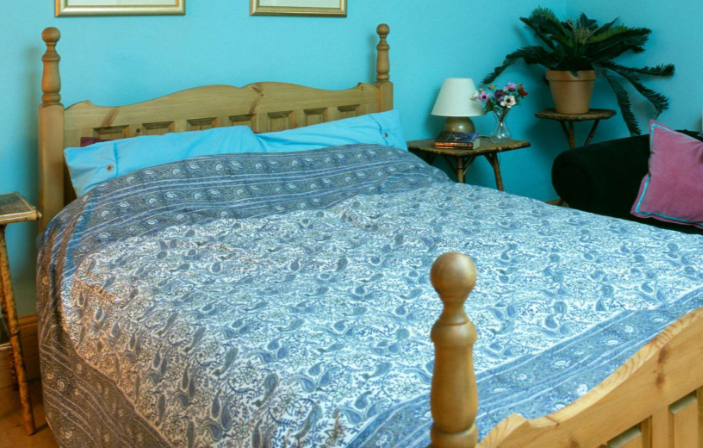
Nothing evokes a sense of comfort quite like the familiar textures, shapes, and patterns of the past. As trends in home décor continue to cycle, retro homewares are making a stunning comeback—not just as stylistic choices, but as emotional touchstones that connect us to earlier, simpler times. Whether it’s the shimmer of a lava lamp or the soft hum of a vinyl record player, these iconic items offer more than just aesthetic—they’re memory triggers, transporting us to family gatherings, cozy living rooms, and technicolor kitchens.
This nostalgia isn’t just a trend—it’s a cultural phenomenon. According to sociologist Fred Davis, author of Yearning for Yesterday: A Sociology of Nostalgia, the pull of retro design reflects a deeper longing for continuity and identity in a fast-changing world. These vintage pieces are not only visually appealing but also serve as anchors to the past, rooting us in personal history. They bring back not only design trends but also values, moods, and the cultural zeitgeist of decades gone by.
In this curated list of 40 retro homewares, we explore the vintage treasures that once defined homes across the globe. From funky wallpapers to iconic appliances, each item is a window into the past. So dust off your rotary phone and fluff that bean bag chair—this journey through yesteryear promises to delight, inform, and maybe even inspire a redesign.
1 – The ultimate throwback homewares of yesteryear
Retro homewares are more than just decorations—they’re time capsules of interior design history. From mid-century modern to ’70s kitsch, these pieces often represented the latest in innovation, utility, or pop culture flair during their time. Items like mushroom lamps, avocado-colored kitchen appliances, and sunburst mirrors were not only popular but symbolic of optimism and domestic pride.
According to interior design expert Judith Miller in Retro Revival: Living with the Past, these classic items have found new life among vintage lovers and collectors, offering a sustainable and emotionally rich alternative to fast furniture. Their lasting charm lies in the blend of form and function, as well as the stories they continue to tell in modern settings.
2 – Shaggy carpets
A staple of 1970s interior décor, shaggy carpets—often referred to as “shag rugs”—were synonymous with cozy luxury. Their long, plush fibers offered an indulgent underfoot feel, often in bold, earthy tones like burnt orange, mustard, or avocado green. These carpets were not just functional; they were tactile centerpieces that encouraged barefoot living and laid-back lounging.
While modern minimalism sidelined them for a time, shag carpets are making a modest return in retro-themed spaces. Their ability to soften a room’s acoustics and create visual warmth makes them a favored choice in bohemian or eclectic interiors today. As author Emily Henderson notes in Styled: Secrets for Arranging Rooms, from Tabletops to Bookshelves, texture is an underrated but vital element in creating dynamic, livable spaces.
3 – Rotary telephones
There’s a distinct charm in the click-click-whirr of dialing a number on a rotary phone. Once the standard of communication, these chunky devices now serve as both design statements and conversation starters. Their tactile experience offered something modern smartphones can’t: intention and patience.
Design historians see rotary phones as artifacts of a pre-digital world where communication felt more deliberate. Their curvy silhouettes and pastel hues make them ideal for vintage-inspired décor. As historian David Sax points out in The Revenge of Analog, analog objects like rotary phones foster deeper emotional connections than their digital successors—a reminder that slower can sometimes be better.
4 – Fringeing
Fringeing, whether on lampshades, curtains, or cushions, brought a touch of elegance and movement to home interiors during the early to mid-20th century. This decorative technique added visual interest and a sense of drama, particularly in art deco and mid-century modern settings.
Today, fringeing is enjoying a refined comeback in high-end interior design, especially when used in moderation. It adds a sense of playfulness and retro glamour to modern spaces. As highlighted by design writer Charlotte Fiell in Design of the 20th Century, details like fringe demonstrate how ornamentation can elevate everyday items into objets d’art.
5 – Animal ornaments
Porcelain poodles, ceramic cats, and glass dolphins once proudly sat on mantels, coffee tables, and window sills across homes worldwide. These animal ornaments weren’t just kitsch—they were treasured collectibles that reflected personal interests and aesthetic tastes.
While once dismissed as dated, these figurines have found new life among vintage collectors and fans of maximalist décor. When thoughtfully curated, they can serve as charming focal points or as nostalgic nods to childhood homes. As collector Judith Miller notes in Antique Hunter’s Guide, such items often carry sentimental value, representing the emotional richness of domestic life.
6 – Crochet cushions
Handmade and heartfelt, crochet cushions were a mainstay in many living rooms during the 1960s and ’70s. These vibrant, textured accents often featured granny square patterns or floral motifs, showcasing the artistry and domestic skill of their makers. In an era when mass production was gaining ground, such handcrafted items offered a personal, tactile contrast to factory-made furnishings.
Today, crochet cushions are making a spirited comeback, appreciated for their retro charm and sustainability. They embody the slow-living movement, where time, care, and craftsmanship are once again prized. According to The Craft Reader by Glenn Adamson, objects made by hand foster deeper emotional attachment and offer resistance against throwaway culture, making crochet cushions both nostalgic and meaningful.
7 – Lava lamps
First introduced in the 1960s, lava lamps were the epitome of psychedelic chic. Their undulating wax blobs floating in neon liquid symbolized freedom, rebellion, and a new wave of interior expression. Placed in bedrooms or dens, they served as ambient lighting that was as much about mood as illumination.
These iconic lamps remain a pop culture favorite, often associated with teenage bedrooms and ’70s lounge aesthetics. Interior designer Jonathan Adler has frequently emphasized their kitschy appeal, stating that “every room should have a wink.” A lava lamp offers that wink—a playful, hypnotic throwback that doubles as a conversation piece in modern retro-themed homes.
8 – Toilet seat covers
Toilet seat covers, particularly those made of plush fabric, were a curious staple in homes from the ’60s through the ’90s. Often part of a matching bathroom set, they were less about practicality and more about adding a cozy, domestic touch to an otherwise utilitarian space.
Though they’ve largely fallen out of fashion due to hygiene concerns, some homeowners still embrace them as a nostalgic gesture. In vintage-inspired bathrooms, these covers—especially in velour or pastels—serve as decorative nods to an era when every room, including the bathroom, was treated with stylistic consideration. Design historian Penny Sparke, in The Modern Interior, argues that even the smallest domestic spaces reflect larger social and cultural ideals.
9 – Dried flower arrangements
Popular in the 1970s and ’80s, dried flower arrangements brought a rustic, countryside charm indoors. Lavender, statice, and baby’s breath were often the stars, arranged in ceramic jugs or wicker baskets. These displays represented timeless beauty—flowers that could be enjoyed indefinitely without the need for watering or sunlight.
Dried florals are now experiencing a revival, especially among fans of vintage and boho interiors. Their muted tones and fragile textures add a romantic, nostalgic air to any room. As described in Ariella Chezar’s The Flower Workshop, the enduring nature of dried flowers evokes an appreciation for imperfection and transience—a poetic reminder of beauty preserved through time.
10 – Wallpaper borders
Wallpaper borders—those decorative strips that ran along the top or middle of a wall—were once considered the height of sophistication in home design. They often featured florals, ivy vines, or country motifs and were used to visually frame or break up wall space.
Though now largely replaced by minimalist paint jobs or full-wall wallpapers, borders are returning in vintage-inspired homes as a charming, old-school flourish. When used sparingly, they can evoke the cozy warmth of a cottage or the cheerful nostalgia of a childhood bedroom. According to Walls: The Revival of Wall Coverings by Laura May Todd, wallpaper borders are seeing a reappraisal as designers look to the past for inspiration in creating layered, personalized interiors.
11 – Iconic artwork
From Andy Warhol’s soup cans to velvet Elvis paintings, iconic artwork in the mid-to-late 20th century was bold, mass-produced, and unmistakably memorable. These pieces weren’t confined to galleries—they adorned suburban walls and brought art into everyday life.
Such artwork is now collected and displayed not only for its visual impact but also for its cultural significance. The resurgence of pop art and mid-century prints reflects a desire to reconnect with a time when visual culture was undergoing a revolution. As art critic Robert Hughes noted in The Shock of the New, these works challenged traditional notions of taste and helped democratize access to art—an ethos that continues in retro revival décor today.
12 – Crocheted toilet roll covers
Crocheted toilet roll covers, especially those fashioned to look like dolls or animals, were once ubiquitous in home bathrooms. These quirky creations blended utility with whimsy, reflecting the era’s embrace of handmade domestic décor.
Though often the subject of ridicule in modern minimalist circles, these covers are experiencing a niche resurgence among retro collectors and crafters. They symbolize a time when even mundane items were lovingly embellished. As discussed in Crafting the Woman Professional in the Long Nineteenth Century, such handiwork is part of a broader tradition of women asserting creativity and identity through domestic arts.
13 – Sputnik chandeliers
Named after the Soviet satellite launched in 1957, Sputnik chandeliers became icons of atomic-age design. With their starburst formations and metallic finishes, they embodied the futuristic optimism of the space race era. These fixtures became staples in mid-century homes, adding flair and drama to dining rooms and foyers.
Today, Sputnik lighting is a darling of the retro-modern aesthetic. Their sculptural forms and radiant symmetry continue to captivate designers aiming to blend past and present. In Mid-Century Modern: Furniture of the 1950s, author Cara Greenberg explains how such lighting represents not just design innovation, but a bold optimism that illuminated postwar homes.
14 – Decorative cookware
Before the era of sleek stainless steel, cookware came in vibrant enamel hues and floral prints. Brands like Pyrex and CorningWare created casserole dishes and baking pans so attractive they doubled as serving ware at dinner parties.
Decorative cookware has seen a resurgence, not only due to its aesthetic charm but also its durability and collectability. Enthusiasts scour vintage shops for these iconic kitchen staples. As seen in The Vintage Baker by Jessie Sheehan, these pieces often evoke family traditions and shared meals—making them as emotionally nourishing as the food they helped prepare.
15 – Geometric wallpaper
Bold, repeating patterns in oranges, browns, and yellows dominated walls during the 1960s and ’70s. Geometric wallpaper reflected the era’s love for symmetry, psychedelia, and optical play. These designs turned walls into visual adventures, often dictating the mood of the entire room.
While modern interiors often lean toward subtler palettes, geometric wallpaper is making a strong comeback. In the right context, it adds energy, depth, and a retro-chic vibe. As Barbara Stoeltie explains in Living in Style: Retro, embracing such prints is about “capturing a moment in time and letting it breathe life into the now.”
16 – Starburst clocks
Nothing says mid-century modern quite like a starburst clock. With their radiating metal or wooden spokes, these timepieces combined functionality with striking, sculptural design. Originally popular in the 1950s and ’60s, they adorned kitchens, living rooms, and hallways, often becoming the focal point of an entire wall.
Their return to popularity today is a testament to timeless design. Starburst clocks capture an era when space-age optimism influenced everyday objects. As noted in Atomic Ranch: Midcentury Interiors, these clocks symbolize a period where form followed function—but always with flair.
17 – Flying ducks
Once perched proudly on the walls of British and Australian homes, ceramic flying ducks—usually in a trio—symbolized harmony and the idyllic countryside. Their presence was comforting, a sign of both tradition and light-hearted charm.
Today, flying ducks are appreciated not just for their kitschy appeal but for the nostalgic serenity they evoke. In retro-inspired homes, they are used ironically or affectionately to add warmth and a sense of whimsy. As cultural historian Judy Attfield suggests in Wild Things: The Material Culture of Everyday Life, objects like these transcend their function, becoming emotional symbols in the domestic landscape.
18 – Beaded curtains
Popularized in the 1960s and ’70s, beaded curtains offered a tactile and visual alternative to traditional doors. Often seen in teenage bedrooms or bohemian apartments, they allowed for privacy without complete separation, creating a sense of freedom and fluidity.
Though they fell out of mainstream use, beaded curtains have regained favor in boho and eclectic interiors. With their subtle clinking sounds and movement, they bring texture and nostalgia to open-plan spaces. As anthropologist Daniel Miller writes in The Comfort of Things, our attachment to such items lies in the memories they activate and the sensory experiences they evoke.
19 – Vinyl records
Once the gold standard for music listening, vinyl records have outlasted many of their successors. The crackle of the needle, the warmth of analog sound, and the large-format album art made playing records a multi-sensory ritual.
Vinyl’s resurgence is more than a trend—it’s a rebellion against digital ephemerality. Collectors and audiophiles appreciate its authenticity and tangible connection to music history. In How Music Got Free by Stephen Witt, the transition from analog to digital is dissected, showing how the tactile, immersive experience of vinyl continues to resonate in a streaming age.
20 – Tupperware
Invented in the 1940s and popularized through the social phenomenon of Tupperware parties in the ’50s and ’60s, these colorful, airtight containers revolutionized food storage. More than just practical, Tupperware symbolized postwar domestic progress and female entrepreneurship.
Though newer food storage options abound, vintage Tupperware remains collectible and functional. Its retro pastel palette and ingenious design have stood the test of time. Alison J. Clarke’s Tupperware: The Promise of Plastic in 1950s America explores how it became a cultural icon that reshaped kitchen dynamics and gender roles.
21 – Stand mixers
Bulky yet beautiful, vintage stand mixers—especially models by KitchenAid—became heirlooms in many households. Their sturdy construction and pastel colors made them a stylish fixture on countertops, reflecting a time when appliances were built to last.
Modern stand mixers have retained much of their retro look, with many newer models intentionally echoing mid-century aesthetics. In The Design of Everyday Things, Donald Norman emphasizes the emotional satisfaction derived from well-designed, durable tools—something vintage stand mixers deliver in spades.
22 – Radio alarm clocks
Before smartphones ruled the bedside table, radio alarm clocks were a morning essential. Whether they had flip-digits, digital red numbers, or woodgrain casings, these devices played the soundtrack of daily life—from morning news to classic rock.
Their nostalgic value now surpasses their utility. Vintage models evoke memories of slow mornings and simpler routines. As Susan Stewart writes in On Longing: Narratives of the Miniature, the Gigantic, the Souvenir, the Collection, such objects become repositories of personal and collective memory, anchoring us in time.
23 – SodaStream machines
These fizz-making marvels let families create their own soda at home—a novelty and a money-saver in the 1970s and ’80s. SodaStream machines captured the DIY spirit of the time and were beloved for their customizable flavors and instant carbonation.
Recently reintroduced with a sleek design, the SodaStream’s retro charm continues to appeal. Its earlier iterations remain collectibles, cherished for their quirky look and nostalgic fizz. As Carl Honoré discusses in In Praise of Slow, rediscovering such rituals invites a more mindful, connected way of living.
24 – Hi-Fi music systems
Bulky and beautiful, Hi-Fi stereo systems once commanded living room space, housed in wood cabinets with turntables, tape decks, and radio tuners. Listening to music was a shared event, often ritualized with care and reverence.
While technology has evolved, the nostalgia for Hi-Fi systems persists. Many audiophiles restore vintage units to recapture the full-bodied sound and communal listening experience. In Perfecting Sound Forever by Greg Milner, the Hi-Fi era is celebrated for its unmatched audio intimacy—something lost in today’s compressed digital files.
25 – Corner baths
A symbol of opulence in 1980s bathrooms, corner baths were the pinnacle of suburban luxury. Their generous size and angled positioning made them ideal for soaking and unwinding, often installed with mirrored walls or pink tiling.
Though less common in modern designs, corner baths are resurfacing in retro-inspired renovations. Their curves and spaciousness lend a sense of indulgence and romance. As interior theorist Witold Rybczynski explains in Home: A Short History of an Idea, bathroom design reflects evolving notions of comfort, privacy, and domestic bliss.
26 – CD storage
During the CD boom of the 1990s, towers, binders, and cabinets were dedicated solely to organizing music collections. These storage units reflected pride in one’s taste and ownership of tangible media.
Now obsolete in function, CD storage furniture has become a nostalgic artifact. Some repurpose these units creatively, while others keep them as reminders of a tactile relationship with music. As Neil Postman warned in Technopoly, the erosion of physical media may cost us more than we realize in terms of memory and meaning.
27 – Bean bag chairs
Laid-back and squishy, bean bag chairs were the ultimate symbol of teenage cool in the 1970s and ’90s. They broke the mold of formal furniture and embraced informality, fun, and comfort.
Today, bean bags still appeal to the young at heart and are a staple in retro-themed game rooms or dens. Their fluid shape and adaptability resonate with the current craving for flexible, relaxed living spaces. In Designing Interiors, Rosemary Kilmer highlights how comfort-centric pieces like bean bags reflect changing attitudes toward space and posture.
28 – Inflatable furniture
Invented in the 1960s and revived in the 1990s, inflatable chairs and couches were cheap, playful, and utterly modern. Often translucent and neon-colored, they offered a youthful, rebellious counterpoint to traditional furnishings.
Though seen as a passing fad, inflatable furniture is once again being embraced in nostalgic pop culture settings and retro photoshoots. Their light-hearted spirit and portability still hold appeal for certain audiences. As noted in The Pop Art Tradition, even ephemeral design can have lasting impact when it captures the spirit of its time.
29 – Tiled worktops
Before the rise of granite and quartz, many kitchens boasted tiled countertops in vivid colors. They were durable, easy to clean, and offered a distinctive, handcrafted aesthetic.
Though out of favor due to maintenance concerns, tiled worktops are re-emerging in cottagecore and vintage-inspired homes. Their character and color can’t be matched by uniform slabs. In Kitchen Kulture, the authors explore how such surfaces embody the lived-in warmth of traditional kitchens.
30 – Tissue box covers
From quilted to crocheted, tissue box covers were a decorative necessity in many mid-century homes. Rather than leaving boxes bare, homeowners opted to dress them up—often to match bathroom or bedroom décor.
While modern minimalists scoff, these covers are embraced by retro enthusiasts as part of a broader return to domestic detail. As scholar Grant McCracken points out in Culture and Consumption, these small embellishments signify care and personalization in the home.
31 – Sofa skirts
Sofa skirts—fabric that extended to the floor—offered a prim and polished look in 1980s and ’90s living rooms. They hid sofa legs and created a tidy silhouette, often coordinated with matching arm covers or cushions.
Today, designers are reconsidering the elegance of tailored upholstery. Sofa skirts, when styled thoughtfully, lend a traditional and grounded feeling to a room. According to Nina Campbell in Interiors, a well-dressed sofa remains central to the emotional tone of a space.
32 – Salad spinners
Manual salad spinners were a marvel of kitchen engineering—simple, satisfying, and efficient. Spinning lettuce became almost a domestic ritual, especially in homes that favored fresh eating.
While newer versions exist, vintage salad spinners hold appeal for their nostalgic design and satisfying mechanics. As Michael Pollan suggests in Cooked, the tools we use shape our relationship with food—making even a humble salad spinner part of a greater culinary story.
33 – Bedroom posters
Teenage bedrooms once served as shrines to pop idols, movie stars, and fantasy worlds—all through posters. From Michael Jackson to Star Wars, these visuals expressed identity and aspiration.
Though digital fandom now dominates, retro bedroom posters have become nostalgic wall art in adult spaces. As Susan Sontag explores in On Photography, the images we choose to display say much about how we see ourselves—and want to be seen.
34 – Patchwork quilts
Hand-sewn from fabric scraps, patchwork quilts are heirlooms of warmth, memory, and resourcefulness. Often made by grandmothers or passed down through generations, each square tells a story.
Their aesthetic and emotional value have ensured their place in modern vintage interiors. In The Fabric of Civilization, Virginia Postrel writes about how textiles, especially handmade ones, carry the legacy of culture and craftsmanship in every stitch.
35 – IKEA icons
Pieces like the POÄNG chair or BILLY bookcase defined affordable design for a generation. Though mass-produced, these IKEA staples became beloved fixtures in dorms, starter apartments, and family homes.
Now celebrated as design classics, these items evoke shared experience and democratic style. As discussed in The Truth About IKEA by Johan Stenebo, the company’s blend of simplicity, affordability, and innovation helped redefine what a home could look like.
36 – Novelty phones
Shaped like lips, hamburgers, or Garfield the cat, novelty phones were playful décor statements as much as they were communication tools. Their quirky charm made them popular gifts and bedroom accessories.
They now serve as retro collectibles, loved for their whimsy and ability to spark joy. In Made to Play House, Miriam Formanek-Brunell suggests that such items blur the line between function and fantasy—making home life more imaginative.
37 – Cassette tape players
Before MP3s, cassette players were the heart of music consumption. Making mixtapes, rewinding with a pencil, and pressing “record” on the radio were rites of passage.
Collectors now cherish the analog warmth and nostalgic rituals of cassette players. As highlighted in Retromania by Simon Reynolds, the analog revival reflects a hunger for authenticity and emotional connection in a digitized world.
38 – Flip-up bread bins
Chrome or enamel, bread bins with flip-up lids kept loaves fresh and counters tidy. They were both practical and stylish, often matching other kitchen appliances.
These bins are now making a comeback in retro-themed kitchens for their functionality and vintage appeal. In The Kitchen as Laboratory, food historians emphasize how even small items like these contribute to the culture of cooking and domestic rhythm.
39 – Old box-style TVs
Bulky and boxy, these televisions with faux wood paneling once dominated living rooms. Families gathered around them for shared viewing experiences that shaped collective memory.
Though replaced by sleek flat screens, old TVs are treasured by vintage lovers and nostalgic cinephiles. As Marshall McLuhan famously said, “The medium is the message”—and these old boxes were once powerful vessels of entertainment and connection.
40 – Paisley prints
Once everywhere—in curtains, bedding, and wallpaper—paisley prints brought swirling color and exotic flair to home interiors. Rooted in Persian design, the print gained Western popularity in the 1960s and ’70s.
Now re-emerging in retro décor, paisley offers a rich, expressive alternative to sterile minimalism. In Pattern Design, Lewis Day explores how recurring motifs like paisley tap into deeper cultural rhythms and artistic traditions, making them perennially stylish.
Conclusion
Retro homewares are more than design relics—they are memory keepers, cultural touchstones, and emotional anchors. Each item on this list carries with it a story: of childhoods, family gatherings, and long-forgotten trends that now feel fresh again. In an era of rapid change and digital overload, these nostalgic objects remind us of the comfort in familiarity and the charm of imperfection.
Reclaiming these vintage pieces isn’t just about style—it’s about reclaiming a piece of our history. As the philosopher Gaston Bachelard notes in The Poetics of Space, home is where memory lives. And through these retro treasures, we reconnect with a slower, more intentional way of living—one colorful lava lamp and plush toilet seat cover at a time.

By Amjad Izhar
Contact: amjad.izhar@gmail.com
https://amjadizhar.blog
Affiliate Disclosure: This blog may contain affiliate links, which means I may earn a small commission if you click on the link and make a purchase. This comes at no additional cost to you. I only recommend products or services that I believe will add value to my readers. Your support helps keep this blog running and allows me to continue providing you with quality content. Thank you for your support!

Leave a comment