
The lessons we teach our children in their early years shape the adults they will become. Good manners, personal responsibility, and empathy are not just virtues but essential life skills that pave the way for success and positive social interactions. Parents who instill these habits early on help their children grow into respectful, responsible, and well-adjusted individuals. As Aristotle famously said, “Good habits formed at youth make all the difference.”
Teaching kids foundational rules is not just about discipline—it’s about equipping them with a moral compass that will guide their decisions for life. Children are like sponges, absorbing behaviors, attitudes, and ethics from their surroundings. When parents and caregivers set clear expectations and model good behavior, they create an environment where respect, honesty, and responsibility become second nature. Books like “The Whole-Brain Child” by Daniel J. Siegel highlight how early childhood experiences shape brain development, making these formative years crucial for instilling lasting values.
In this guide, we explore 30 essential rules that every child should learn while they are young. These principles will help them navigate social situations, develop strong character, and foster a sense of responsibility. By integrating these rules into daily routines, parents can nurture independent, compassionate, and well-mannered individuals who contribute positively to society.
1 – Never take what isn’t yours
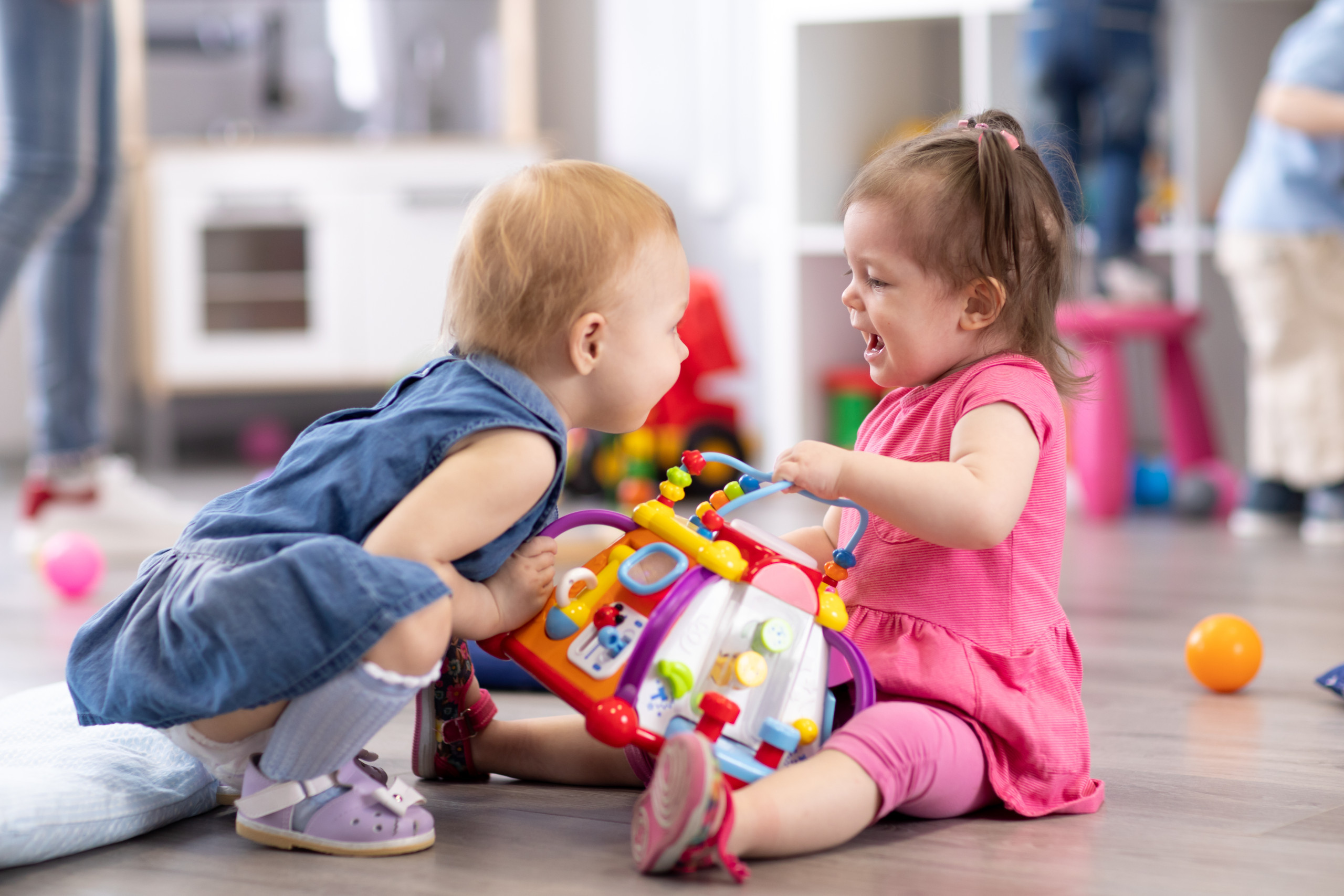
Teaching children the importance of respecting others’ belongings is one of the first moral lessons they should learn. Understanding the difference between borrowing and stealing lays the foundation for integrity and trustworthiness. When kids learn that taking something without permission is wrong, they begin to develop a sense of honesty and accountability. Encourage them to ask before using anything that doesn’t belong to them and explain why returning borrowed items is just as important. Aesop’s fable “The Boy Who Cried Wolf” illustrates how dishonesty can lead to a loss of trust, reinforcing the lesson that respect for others’ property is crucial.
©Shutterstock
Parents can reinforce this rule by setting clear boundaries at home. If a child takes a sibling’s toy without asking, use the moment to teach empathy by asking, “How would you feel if someone took your favorite toy without asking?” By helping children see situations from others’ perspectives, they begin to understand why fairness and respect matter in everyday interactions.
2 – Close what you open
Small habits, like closing doors, drawers, and bottles after using them, teach children responsibility and consideration for others. Leaving things open or unfinished can lead to accidents or unnecessary messes. When kids learn to complete small actions, they also develop the discipline needed for bigger responsibilities. As Benjamin Franklin wisely stated, “Small leaks sink great ships.” Teaching attention to detail through simple tasks prepares children for lifelong organization and accountability.

©Shutterstock
Parents can encourage this habit by making it a part of daily routines. For instance, turning it into a fun game—”Who can close the cupboard the fastest?”—can reinforce the lesson playfully. Consistency is key; gentle reminders and modeling the behavior yourself will ensure children internalize this practice over time.
3 – Put things away when you’re done
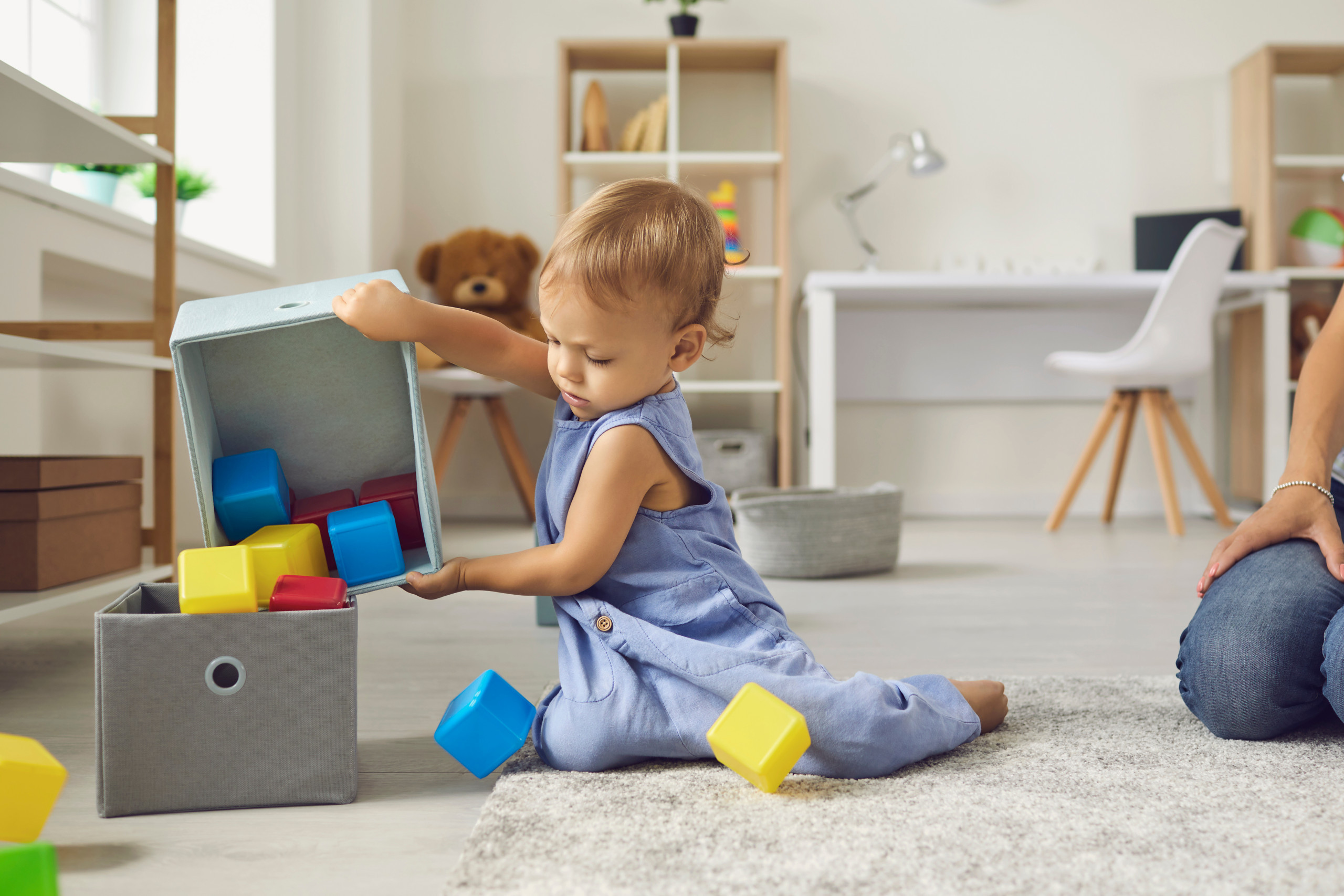
A tidy space leads to a tidy mind. Teaching children to clean up after themselves fosters responsibility, discipline, and respect for shared spaces. When kids develop the habit of putting things back where they belong, they also build a sense of order that will serve them well in school, work, and life. Marie Kondo’s book “The Life-Changing Magic of Tidying Up” emphasizes how organization improves mental clarity and reduces stress, making this an essential rule for children to adopt early.
©Shutterstock
One way to instill this habit is through positive reinforcement. Praising a child when they clean up after playtime encourages them to keep up the good work. Additionally, creating a designated place for toys, books, and clothes makes it easier for children to follow through with the habit.
4 – Say “please” and “thank you”
Politeness is a fundamental social skill that sets the tone for positive interactions. Teaching children to use “please” and “thank you” instills a sense of gratitude and respect. Studies in psychology suggest that gratitude fosters happiness and strengthens relationships. In “Raising Grateful Kids in an Entitled World”, author Kristen Welch emphasizes how simple manners shape a child’s worldview and emotional intelligence.

©Shutterstock
Parents can reinforce polite language by modeling it themselves. When children see their caregivers expressing appreciation, they naturally adopt similar behaviors. Role-playing exercises, where kids practice polite interactions, also help them internalize this important rule.
5 – Treat others how you want to be treated
The golden rule—treating others with kindness and respect—lays the foundation for strong relationships and emotional intelligence. When children learn to empathize with others, they develop compassion and social awareness. Teaching this principle early helps them understand the impact of their words and actions. As philosopher Confucius said, “Do not do to others what you do not want done to yourself.” This timeless wisdom fosters a culture of kindness and fairness.

©Shutterstock
Parents can reinforce this lesson through real-life examples and storytelling. Asking questions like, “How would you feel if someone excluded you from a game?” helps children recognize the importance of treating others with dignity. Encouraging small acts of kindness, such as helping a friend or sharing a toy, strengthens their ability to practice empathy in everyday situations.
6 – Finish what you start
Teaching children the value of persistence builds resilience and work ethic. When kids learn to complete tasks—even when they become difficult—they develop self-discipline and a sense of accomplishment. According to Angela Duckworth’s book “Grit: The Power of Passion and Perseverance”, the ability to push through challenges is a key predictor of success.

©Shutterstock
Parents can encourage perseverance by celebrating small victories. Whether it’s finishing a puzzle or completing homework, recognizing their efforts reinforces the habit of following through. If a child wants to quit an activity, guide them to reflect on their progress and encourage them to set realistic goals. Teaching children to persist, even in the face of challenges, prepares them for adulthood.
7 – Listen when others are speaking
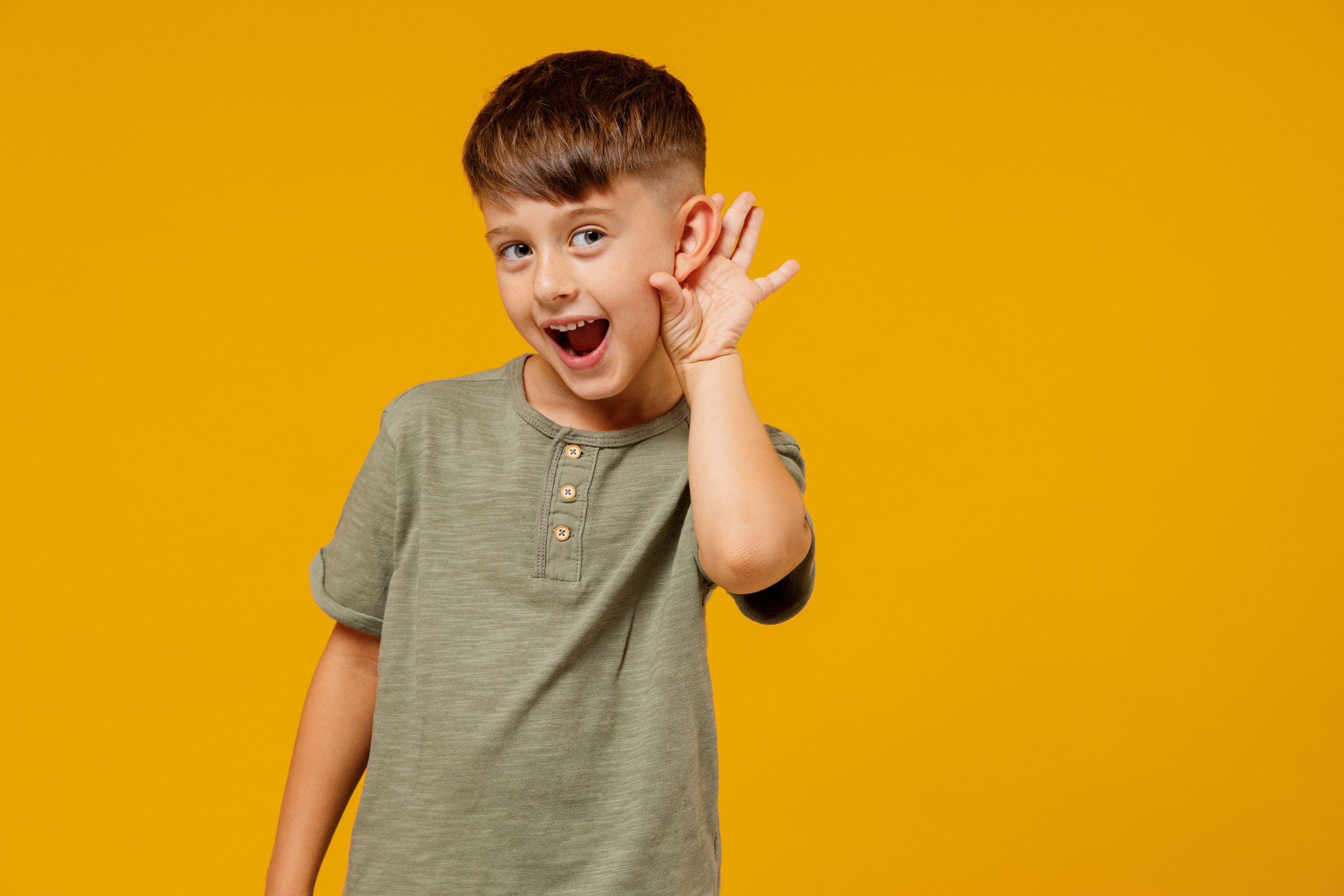
Active listening is a crucial social skill that fosters respect and understanding. When children learn to truly listen instead of just waiting for their turn to talk, they develop stronger relationships and become better communicators. Research in “How to Win Friends and Influence People” by Dale Carnegie highlights how listening attentively makes others feel valued and respected.
©Shutterstock
One way to cultivate this habit is through modeling. When children speak, give them your full attention, making eye contact and nodding to show you’re engaged. Encourage them to do the same when others are talking. Simple exercises, such as repeating back what someone said before responding, can reinforce the importance of listening actively.
8 – Apologize when you’re wrong
Owning up to mistakes is a sign of maturity and integrity. Teaching children to apologize sincerely helps them develop accountability and fosters trust in relationships. According to psychologist Brené Brown in “The Gifts of Imperfection”, vulnerability—including admitting faults—strengthens emotional connections and self-awareness.
©Shutterstock
Parents can help children understand that apologies are not just about saying “sorry” but about making things right. Encourage them to express what they did wrong and how they plan to fix it. For example, instead of a simple “I’m sorry,” guide them to say, “I’m sorry for taking your toy without asking. I’ll ask next time.” This approach teaches genuine accountability.
9 – Share with others
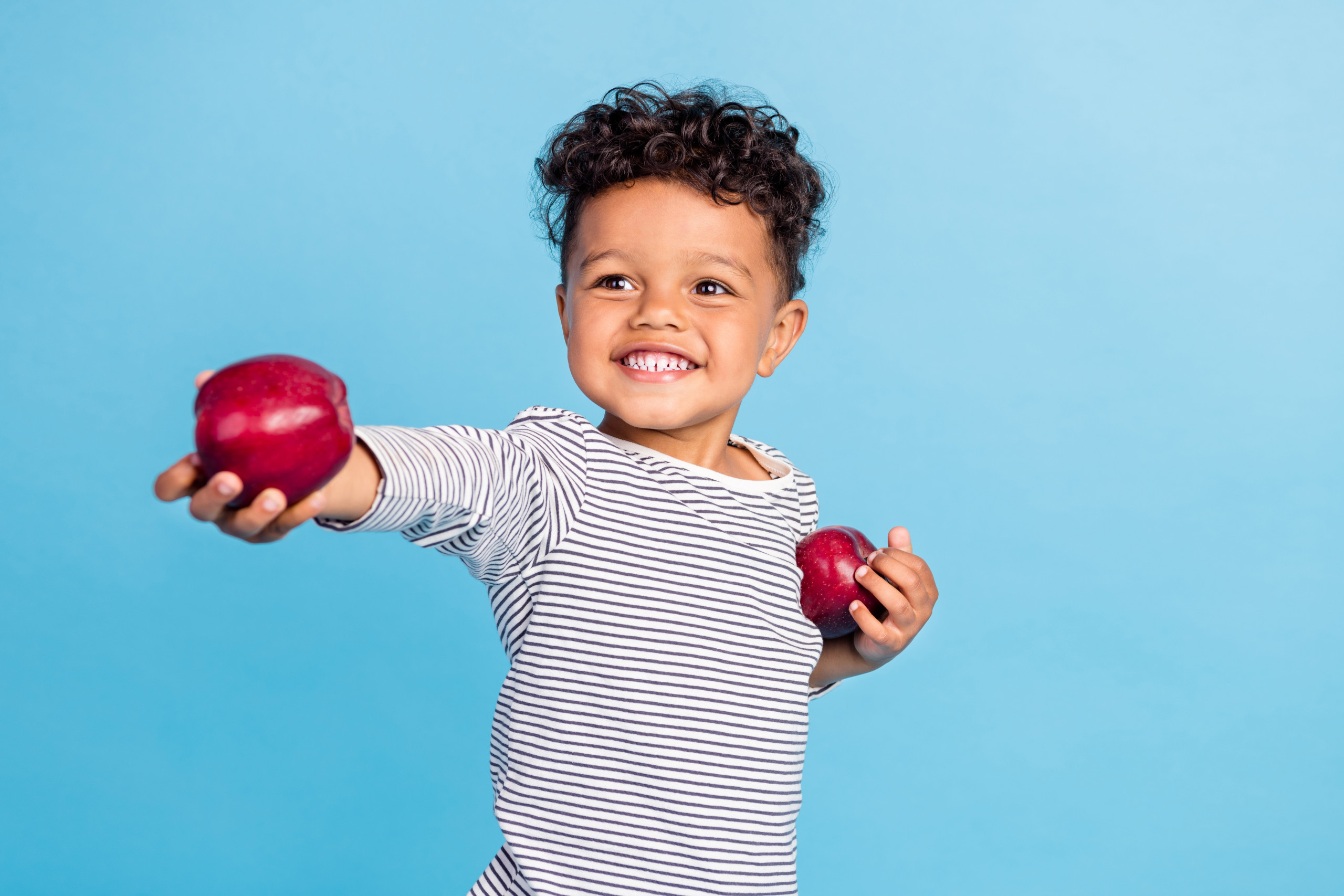
Sharing teaches generosity, cooperation, and social harmony. Children who learn to share develop better friendships and emotional intelligence. Studies in child psychology show that early lessons in sharing lead to better conflict resolution skills later in life. In “Mind in the Making”, Ellen Galinsky discusses how sharing fosters cognitive and social growth.
©Shutterstock
To encourage sharing, parents can create positive reinforcement systems. Praising a child when they willingly share reinforces the behavior. Using storytelling—such as reading books like “The Rainbow Fish”, which highlights the joy of sharing—can also help instill this habit.
10 – Respect other people’s space and belongings
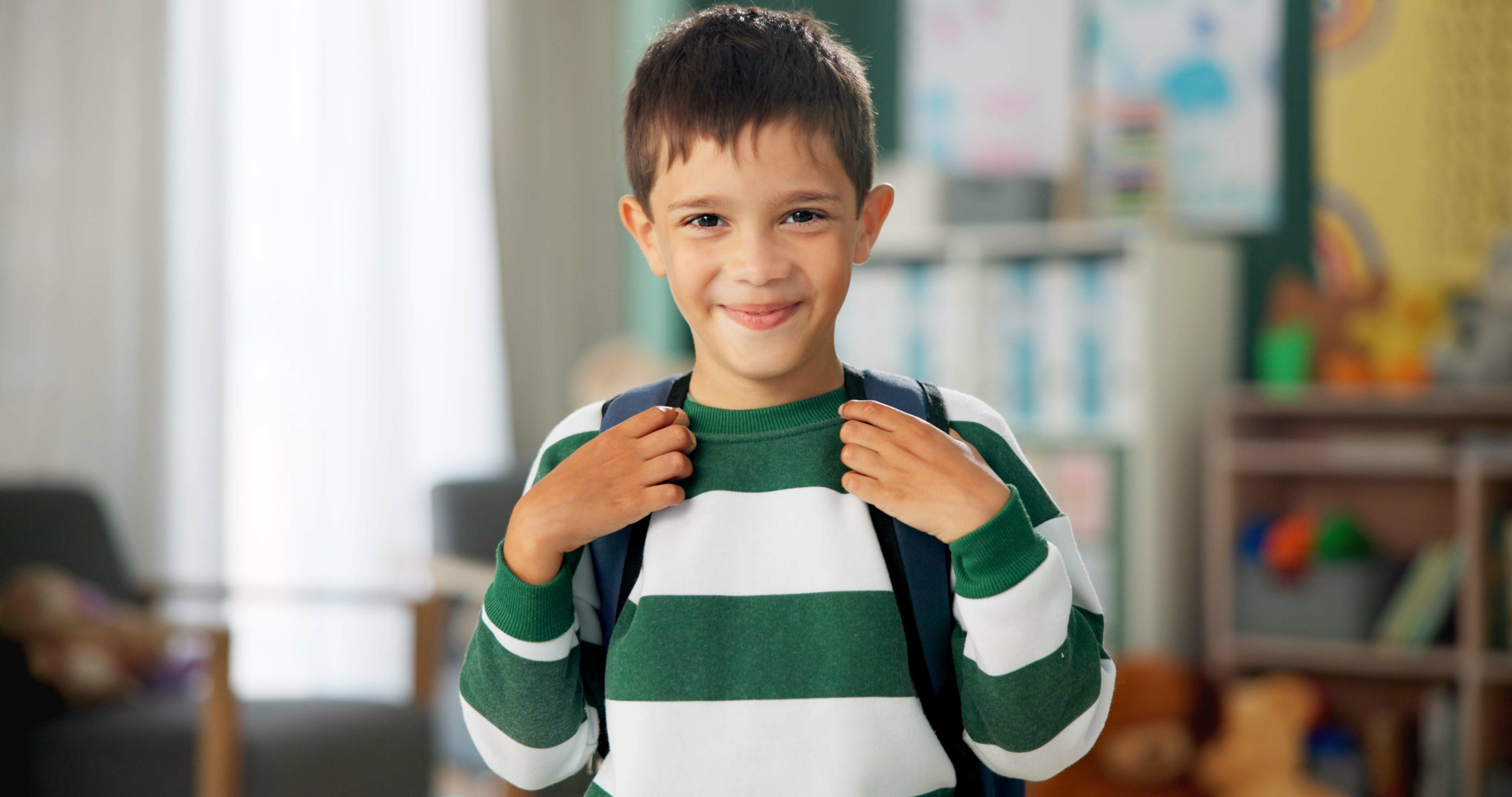
Teaching children to respect personal boundaries is essential for developing healthy relationships. This includes understanding that others may not want to be touched, that their belongings should be left untouched, and that personal space matters. Psychologist Dr. Henry Cloud, in “Boundaries with Kids”, emphasizes how teaching respect for personal space helps children develop emotional intelligence and self-control.
©Shutterstock
One practical way to teach this is through role-playing scenarios. For example, parents can ask, “How would you feel if someone barged into your room without knocking?” By discussing personal experiences, children gain a clearer understanding of why respecting others’ space and belongings is important.
11 – Say “excuse me” when interrupting
Politeness and patience go hand in hand. Teaching children to say “excuse me” before interrupting instills respect and consideration for others. This small phrase helps them understand the importance of waiting their turn to speak, reinforcing social etiquette. As Emily Post, a pioneer in etiquette, once said, “Manners are a sensitive awareness of the feelings of others.”

©Shutterstock
Parents can practice this rule through gentle reminders. If a child interrupts, calmly pause and say, “Let’s wait until I’m finished talking. Then you can have your turn.” Over time, children will naturally adopt this habit, leading to more respectful communication.
12 – Be honest
Honesty is the foundation of trust. When children learn the value of truthfulness, they develop integrity and strong moral character. Research in “The (Honest) Truth About Dishonesty” by Dan Ariely reveals that small lies can snowball into bigger deceptions, highlighting the importance of honesty from a young age.

©Shutterstock
Encouraging honesty requires creating a safe space for children to tell the truth without fear of harsh punishment. Parents should praise honesty, even when the truth is difficult. Instead of reacting with anger, use mistakes as learning opportunities by discussing how honesty builds trust and strengthens relationships.
13 – Take care of your own things
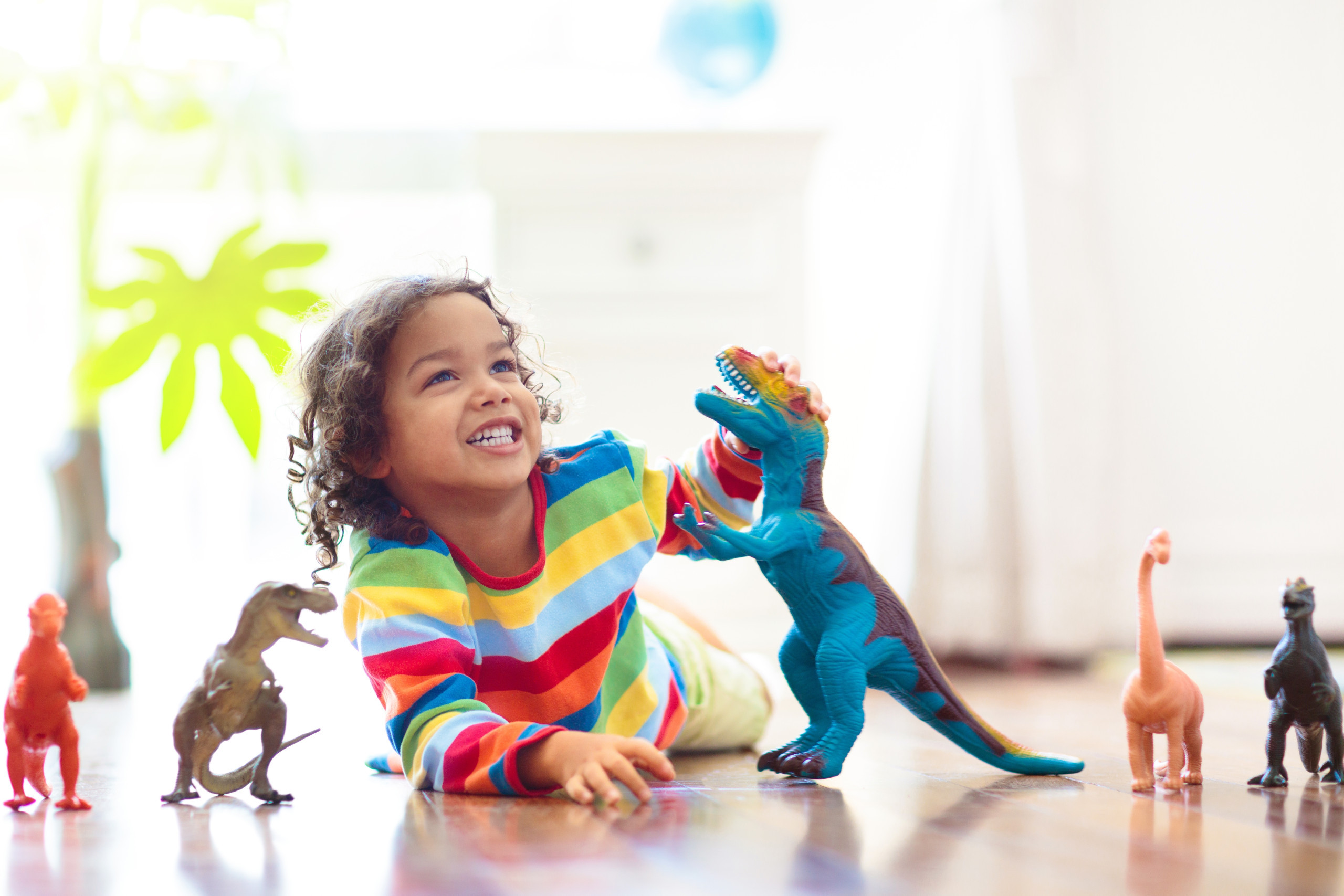
Responsibility starts with taking care of one’s belongings. Teaching children to be mindful of their possessions helps them develop a sense of ownership and accountability. When they learn to keep their toys, clothes, and school supplies in order, they cultivate habits that will serve them well into adulthood. As psychologist Dr. John Rosemond emphasizes in “Parenting by The Book”, giving children responsibility for their belongings fosters independence and self-discipline.
©Shutterstock
Parents can encourage this habit by making organization a daily routine. Assigning children small tasks, such as making their bed or putting away their toys, helps them develop a structured mindset. Reinforcing the idea that taking care of their belongings means they last longer also instills a sense of value and appreciation.
14 – Wait your turn
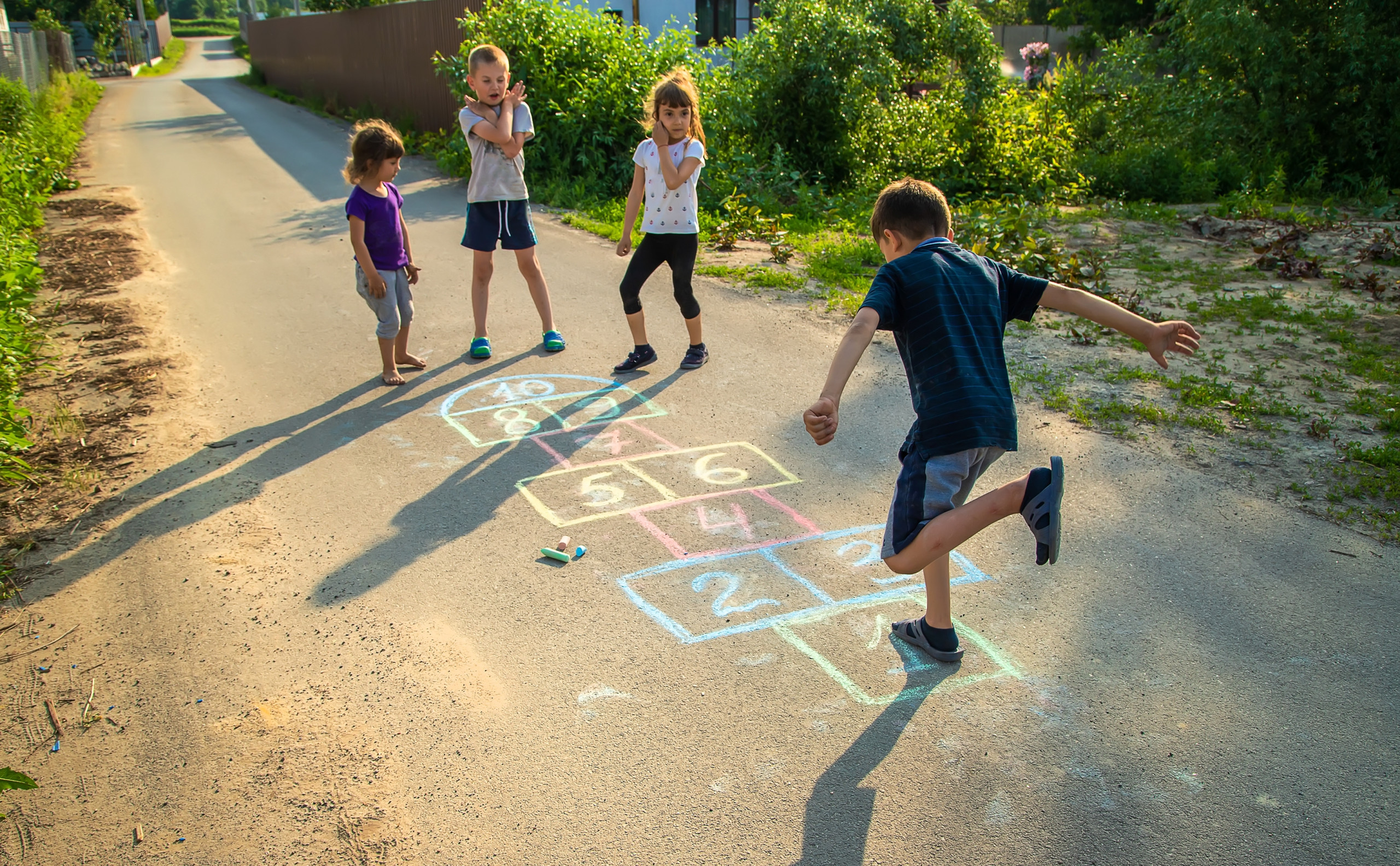
Patience is a virtue, and waiting one’s turn is a key social skill. Whether in conversations, games, or waiting in line, learning to wait teaches children respect, self-control, and consideration for others. Studies in child development suggest that delayed gratification is a strong predictor of future success. In “The Marshmallow Test”, psychologist Walter Mischel explains how children who learn to wait for rewards tend to perform better academically and socially.
©Shutterstock
Parents can help children develop patience through everyday activities. Playing board games, where each participant must wait their turn, is a practical way to reinforce this rule. Another method is using a timer to help children visualize waiting periods, making patience more tangible and manageable.
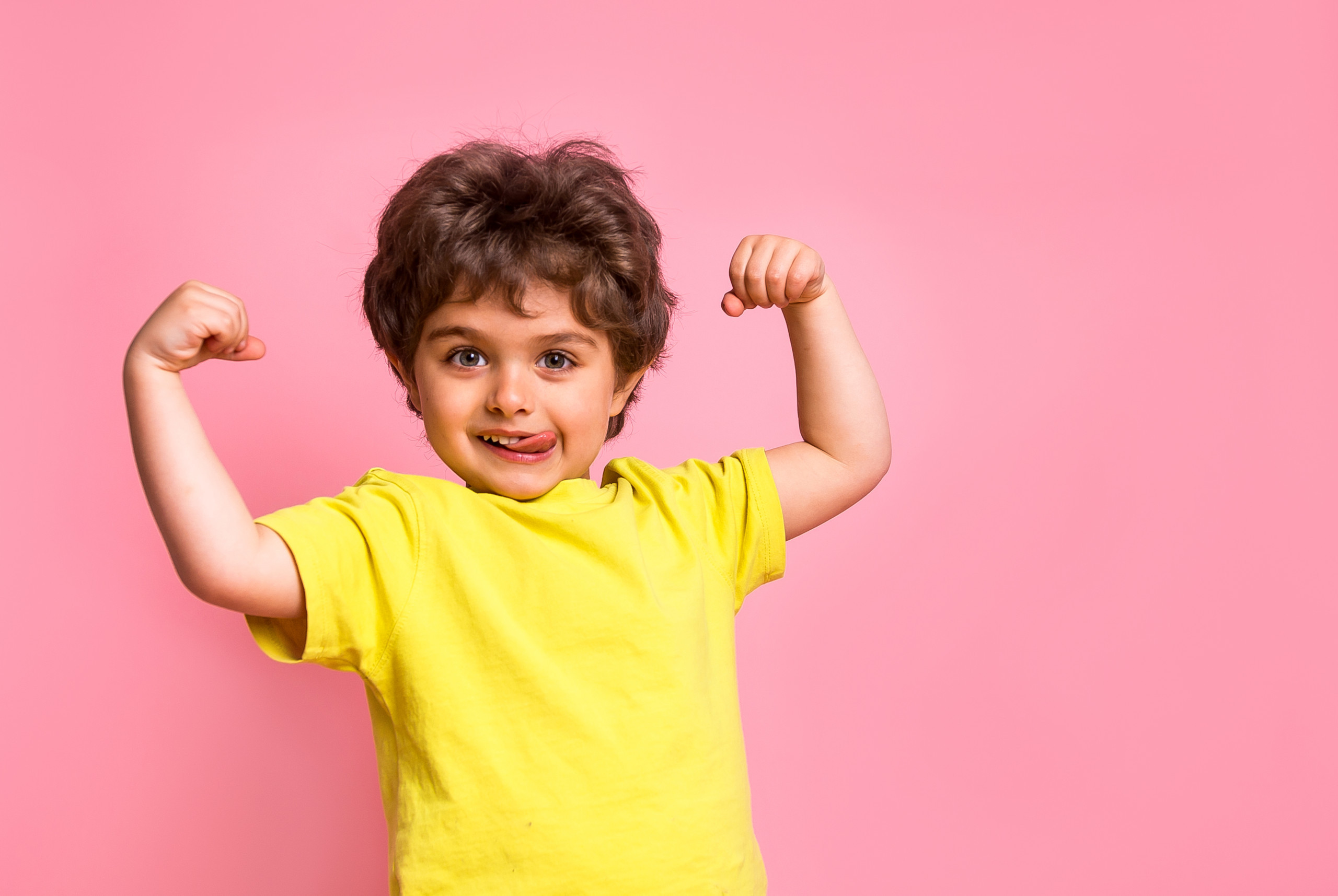
15 – Do your best in everything you do
Excellence is a habit, not a one-time effort. Teaching children to put forth their best effort in school, hobbies, and daily tasks fosters perseverance and a strong work ethic. In “Mindset”, Carol S. Dweck explains how a growth mindset—believing that effort leads to improvement—helps children develop resilience and ambition.
©Shutterstock
Parents should emphasize the value of effort over perfection. Encouraging children to take pride in their work, whether it’s a school project or a chore, builds confidence. Praise should focus on hard work rather than just the outcome, reinforcing the idea that persistence is more important than immediate success.
16 – Wash your hands before eating
Basic hygiene is a crucial lesson in self-care. Teaching children to wash their hands before meals helps prevent illness and instills lifelong healthy habits. Studies by the Centers for Disease Control and Prevention (CDC) highlight how proper handwashing reduces the spread of germs and infections.

©Shutterstock
One effective way to reinforce this habit is by making it routine—washing hands before every meal, after using the restroom, and after playing outside. Parents can also use fun songs or timers to make handwashing enjoyable for younger children, ensuring the habit sticks.
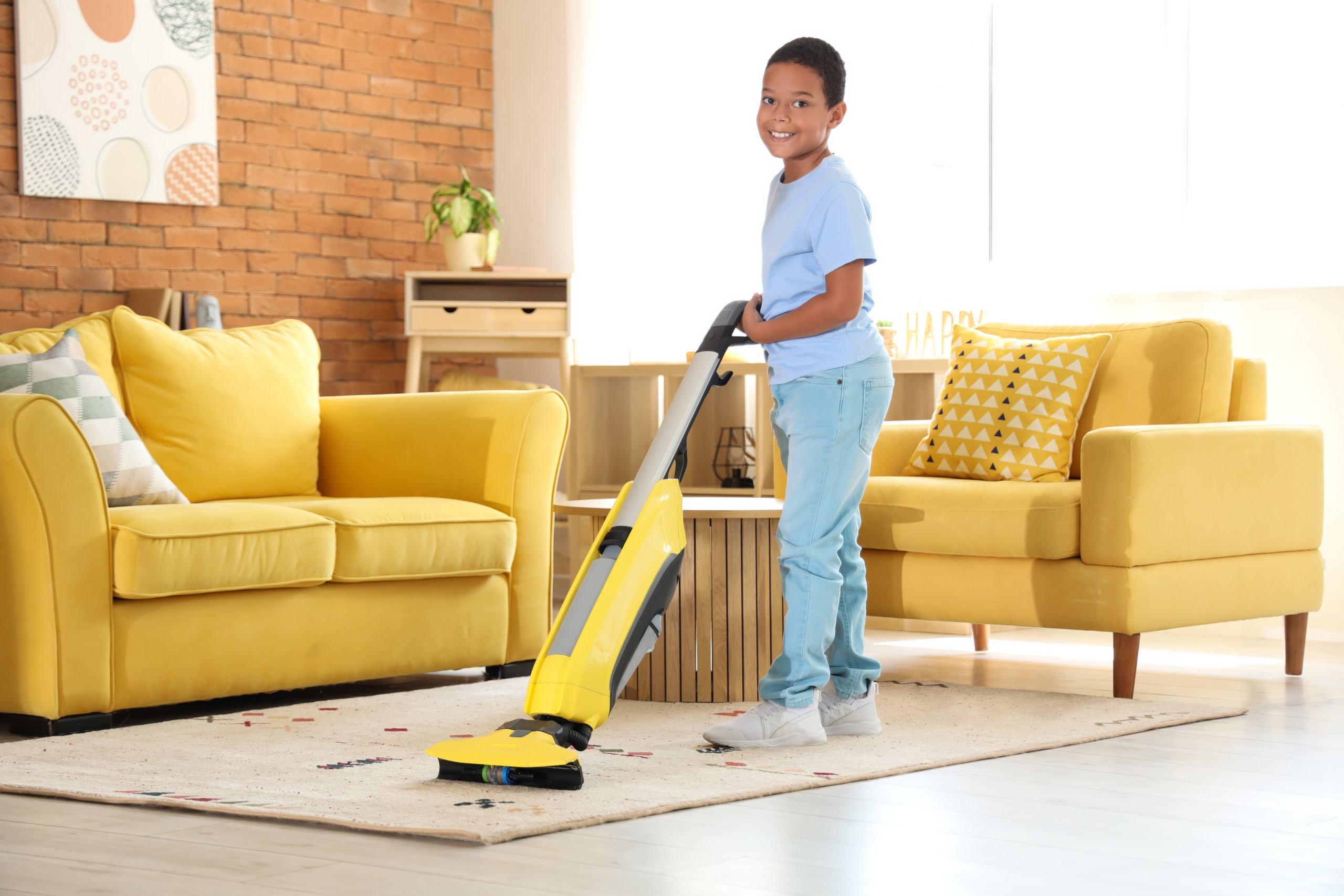
17 – Leave places better than you found them
A sense of responsibility extends beyond personal spaces. Teaching children to clean up after themselves, whether at home, school, or public places, fosters respect for the environment and community. Environmentalists like Rachel Carson, in “Silent Spring”, stress the importance of small actions in creating a cleaner world.
©Shutterstock
Parents can model this behavior by demonstrating simple habits, like picking up trash at the park or wiping down a table after use. Encouraging children to take pride in leaving spaces neat reinforces the idea that everyone has a role in maintaining a respectful and clean environment.
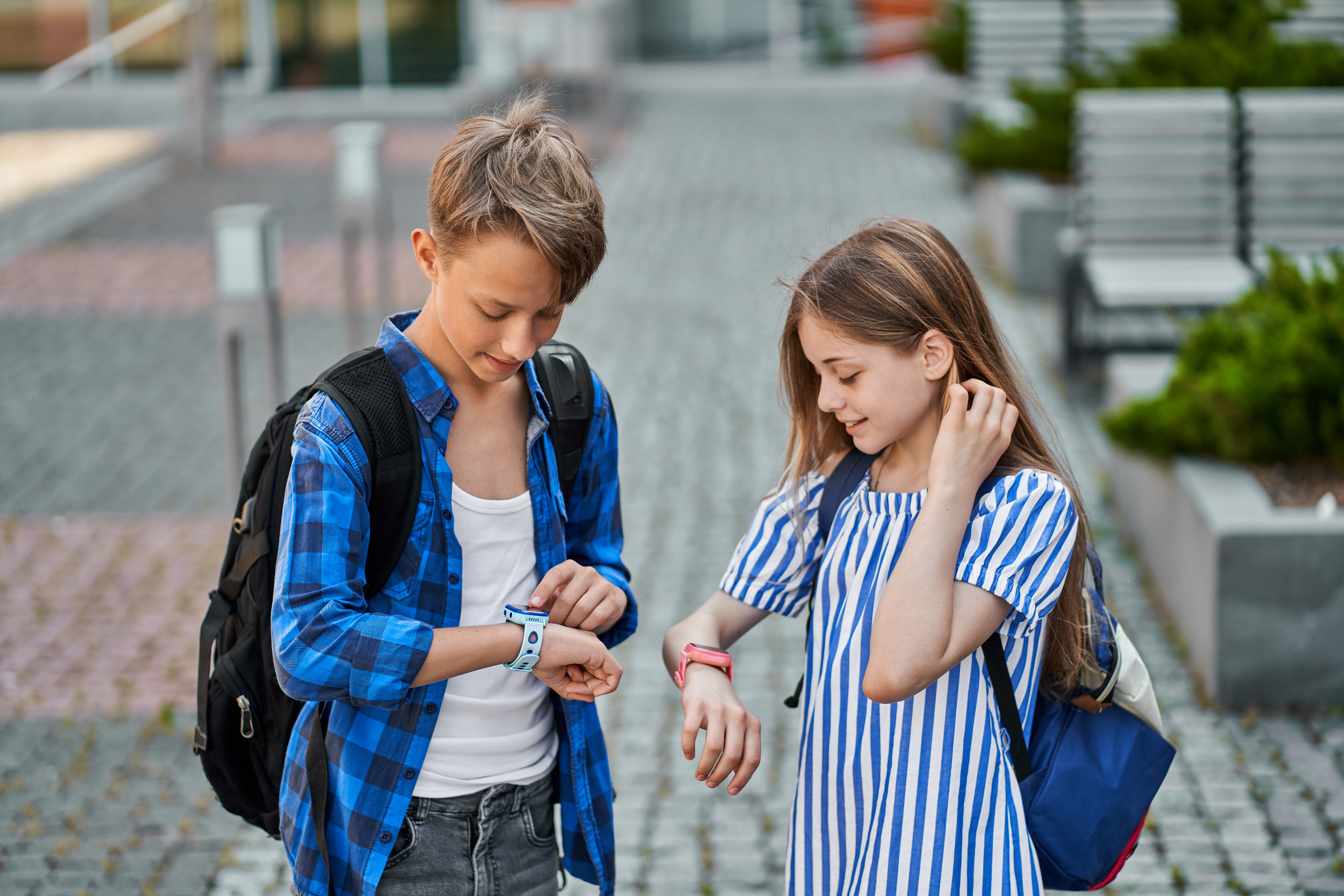
18 – Be on time
Punctuality is a sign of respect for others’ time and a key trait of responsible individuals. When children learn to be on time, they develop discipline, reliability, and time management skills. In “Atomic Habits”, James Clear emphasizes that small habits, like showing up on time, build a foundation for success.
©Shutterstock
Parents can instill punctuality by setting structured routines, such as leaving for school at a specific time every morning. Teaching children to plan ahead—laying out clothes the night before or setting alarms—helps them take responsibility for their schedules.
19 – Help others when you can
Acts of kindness enrich both the giver and the receiver. Teaching children to help others, whether through small gestures or bigger acts of service, fosters empathy and social responsibility. Studies in “The How of Happiness” by Sonja Lyubomirsky show that helping others contributes to personal happiness and fulfillment.

©Shutterstock
Parents can encourage helpfulness by creating opportunities for children to assist at home, such as setting the table or helping a sibling. Volunteering as a family at community events also reinforces the value of giving back and making a positive impact.
20 – Keep your promises
Trust is built on keeping one’s word. When children learn that promises are meant to be kept, they develop integrity and reliability. In “The Seven Habits of Highly Effective People”, Stephen Covey explains that following through on commitments builds credibility and self-respect.

©Shutterstock
Parents can demonstrate this lesson by honoring their own promises, whether it’s a planned family outing or a bedtime story. Teaching children that broken promises lead to disappointment helps them understand the importance of being dependable.
21 – Eat your vegetables
Good nutrition starts early. Encouraging children to eat their vegetables helps develop lifelong healthy eating habits. Research in “The Omnivore’s Dilemma” by Michael Pollan highlights the long-term health benefits of a balanced diet, emphasizing whole, unprocessed foods.

©Shutterstock
Parents can make vegetables more appealing by involving children in meal preparation or presenting them in fun ways, such as colorful plates or creative shapes. Positive reinforcement—like praising them for trying new vegetables—also encourages healthier eating habits.
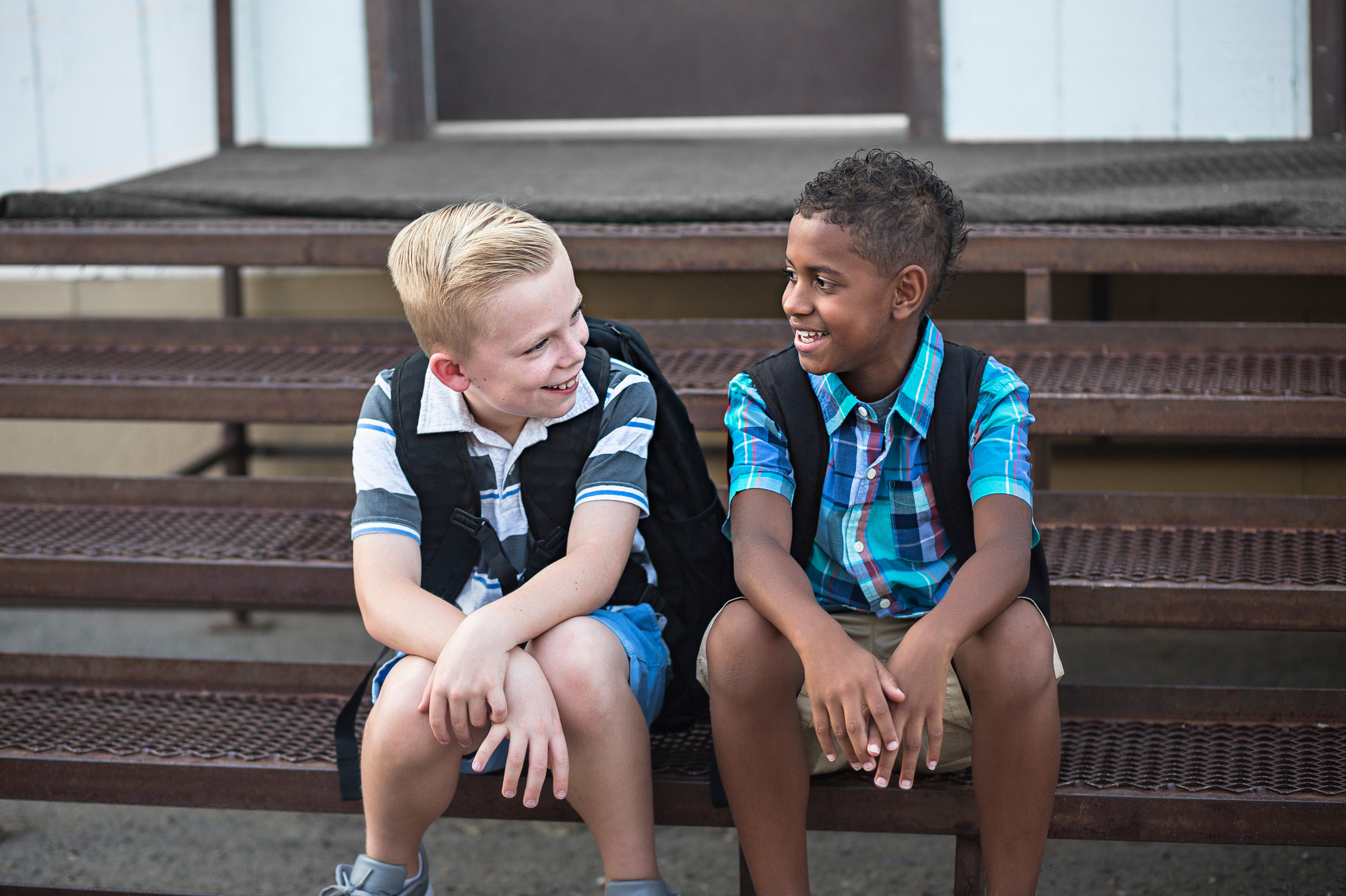
22 – Ask before borrowing
Respecting others’ belongings includes asking for permission before using something that isn’t yours. This simple rule teaches children the importance of consent and boundaries. In “Boundaries: When to Say Yes, How to Say No” by Dr. Henry Cloud, the concept of personal ownership is emphasized as a fundamental social skill.
©Shutterstock
Parents can reinforce this rule by setting a household standard—if a child wants to borrow a sibling’s toy, they must ask first. Practicing polite requests, such as “May I use this?” helps children internalize this respectful habit.
23 – Respect animals and nature
Teaching children to respect animals and the environment instills compassion and responsibility. Studies show that children who grow up caring for pets or spending time in nature develop stronger empathy and environmental awareness. Jane Goodall, in “Reason for Hope”, discusses how fostering a love for animals helps create a more compassionate society.

©Shutterstock
Parents can encourage this respect by involving children in pet care or outdoor activities. Teaching them to pick up litter, avoid disturbing wildlife, and treat animals gently reinforces the value of respecting all living things.
24 – Use your indoor voice inside
Learning when and where to use different tones of voice teaches children social awareness. Speaking softly indoors shows consideration for others and helps maintain a peaceful environment. In “NurtureShock”, Po Bronson highlights how teaching self-regulation from an early age improves emotional intelligence.

©Shutterstock
One way to reinforce this habit is through gentle reminders. Parents can establish “quiet time” routines where children practice speaking softly, helping them develop volume control in different situations.
25 – Look people in the eye when speaking
Eye contact is a key aspect of confident communication. Teaching children to look at others when speaking helps build self-assurance and respect. Research in “The Charisma Myth” by Olivia Fox Cabane shows that eye contact enhances credibility and social connection.

©Shutterstock
Parents can practice this by engaging in face-to-face conversations with their children. Role-playing exercises, where they practice maintaining eye contact during greetings or discussions, can make this habit second nature.
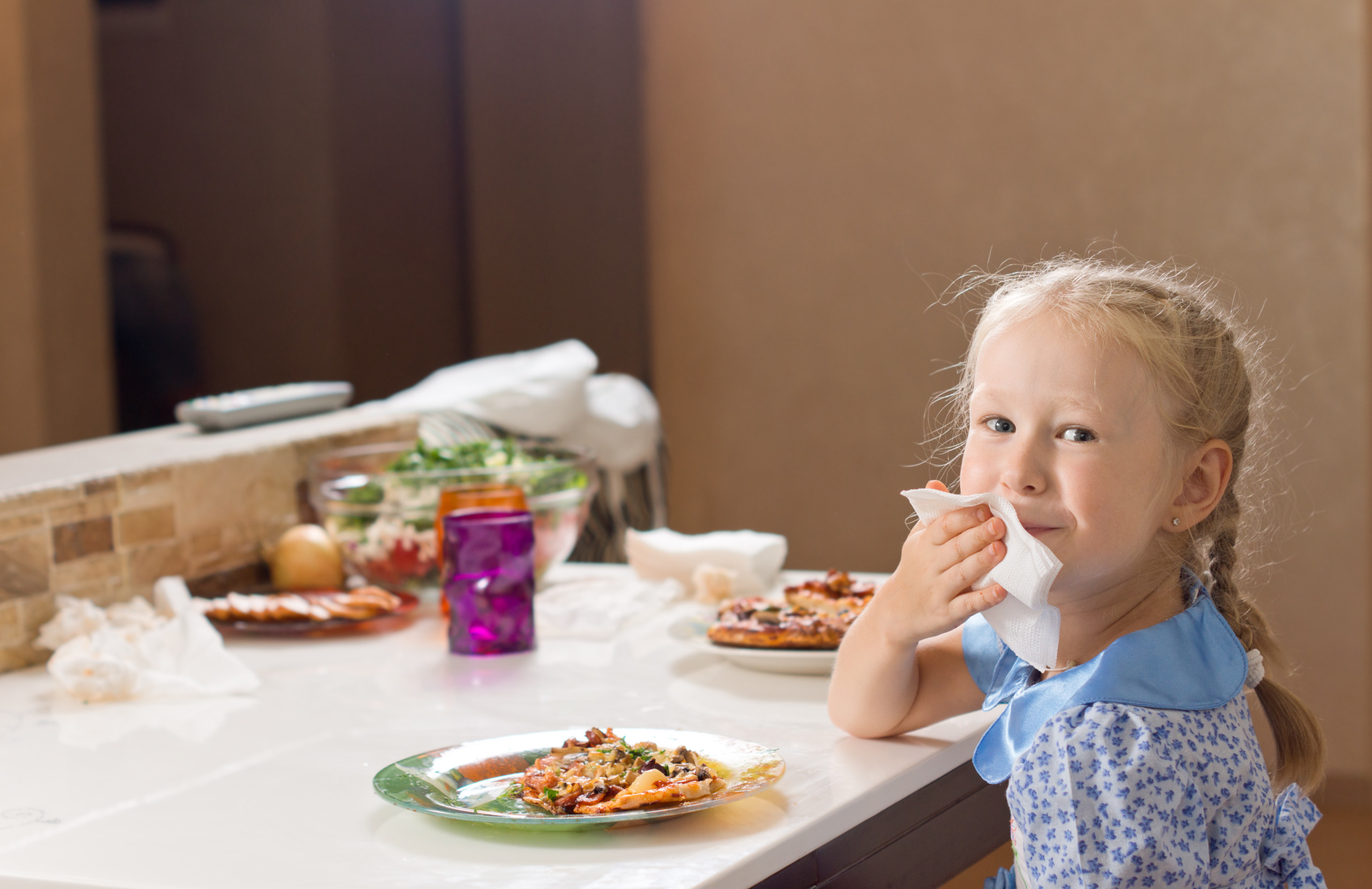
26 – Don’t talk with your mouth full
Table manners reflect respect for others and personal etiquette. Teaching children not to talk with their mouths full helps them develop good dining habits that will serve them in social and professional settings. According to etiquette expert Emily Post, proper table manners create a positive impression and show consideration for those around us.
©Shutterstock
Parents can reinforce this rule by modeling good behavior during family meals. If a child forgets, gently remind them to finish chewing before speaking. Fun activities, like role-playing a fancy dinner, can make learning etiquette enjoyable while reinforcing the importance of mindful eating.
27 – Help clean up, even if it’s not your mess
Responsibility extends beyond personal belongings. Teaching children to help clean up, even if they didn’t create the mess, fosters teamwork and accountability. Research in “The Montessori Method” by Maria Montessori emphasizes that children develop a sense of community and responsibility when they participate in shared tasks.

©Shutterstock
Parents can encourage this habit by making cleaning a group effort. Instead of saying, “Pick up your mess,” try, “Let’s clean this up together.” Praising children when they take the initiative to tidy up reinforces their willingness to contribute.
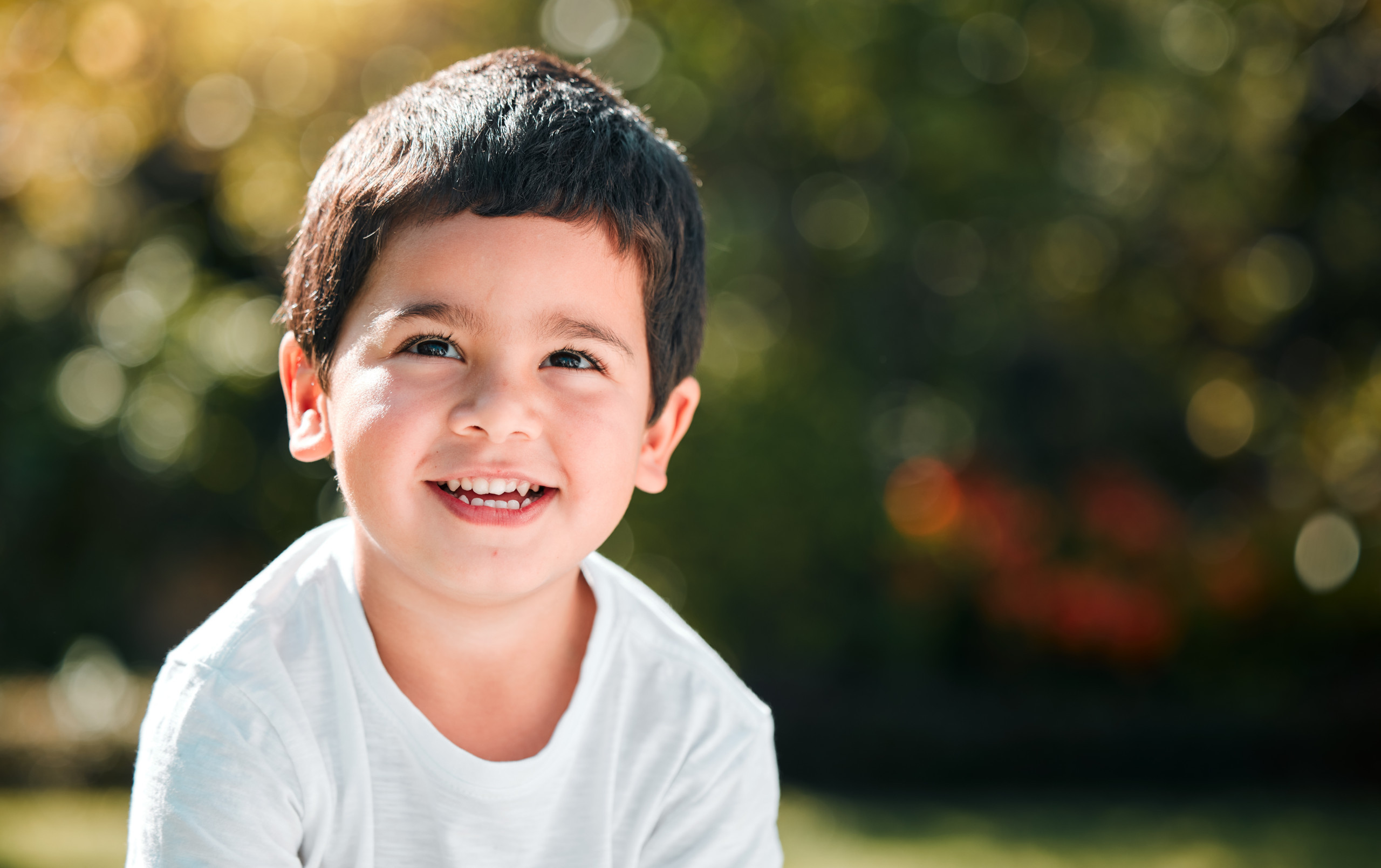
28 – Speak kindly to others
Words have power. Teaching children to choose kind words helps build strong relationships and emotional intelligence. Dr. Marshall Rosenberg, in “Nonviolent Communication”, explains how mindful speech fosters empathy and prevents conflicts.
©Shutterstock
Parents can set an example by speaking kindly themselves. Encouraging children to use phrases like “That was a great job!” or “I appreciate you” helps them recognize the impact of positive words. If unkind words are used, discussing how they make others feel reinforces the importance of speaking with kindness.
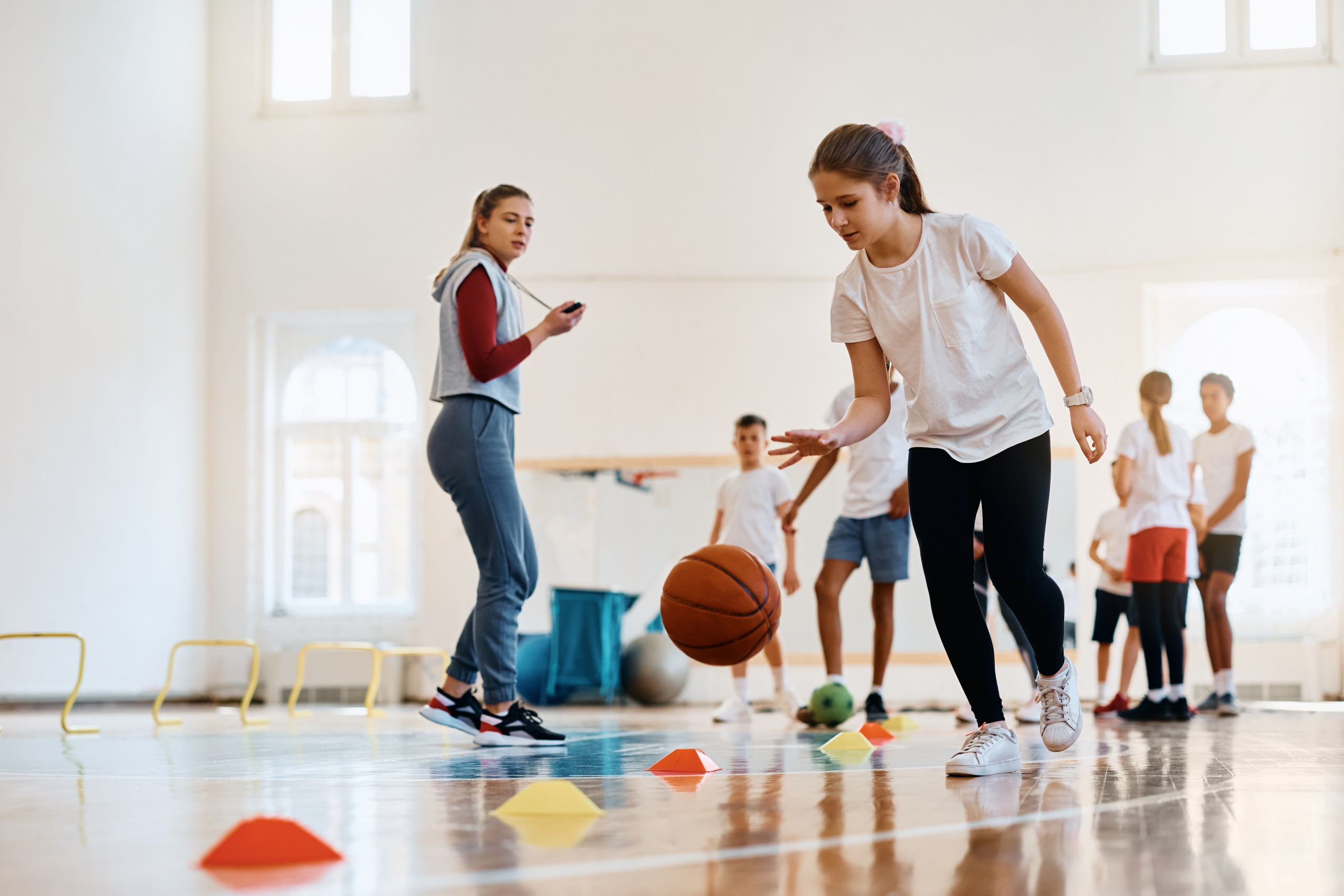
29 – Be a good sport
Winning and losing with grace is an essential life skill. Teaching children sportsmanship—whether in games, school, or social situations—helps them handle challenges and setbacks with resilience. In “Raising Resilient Children”, Dr. Robert Brooks emphasizes that learning to lose gracefully builds emotional strength and character.
©Shutterstock
Parents can reinforce this by praising effort over outcome. Instead of focusing on winning, encourage children to reflect on what they learned from the experience. Modeling good sportsmanship—such as shaking hands after a game—helps them adopt this behavior naturally.
30 – Take care of your own health
Good health is a lifelong priority. Teaching children to maintain their physical and mental well-being fosters long-term self-care habits. Dr. Benjamin Spock, in “Baby and Child Care”, highlights that children who learn self-care early are more likely to make healthy choices as adults.

©Shutterstock
Parents can support this by creating routines around healthy habits—regular exercise, balanced meals, and sufficient sleep. Encouraging children to listen to their bodies, such as drinking water when thirsty or resting when tired, helps them develop an awareness of their own well-being.
Conclusion
Teaching children these fundamental rules while they are young sets them up for success in adulthood. These lessons go beyond simple instructions—they shape character, foster social skills, and build a foundation of responsibility, empathy, and integrity. As Aristotle once said, “Good habits formed at youth make all the difference.” By reinforcing these principles through daily practice and parental modeling, children grow into thoughtful, respectful, and well-rounded individuals.
Raising children with these values is a long-term investment, but the rewards are invaluable. They will not only navigate the world with confidence but also contribute positively to their communities. Ultimately, these small lessons create a ripple effect, shaping not just one child but an entire generation of responsible and kind individuals.

By Amjad Izhar
Contact: amjad.izhar@gmail.com
https://amjadizhar.blog
Affiliate Disclosure: This blog may contain affiliate links, which means I may earn a small commission if you click on the link and make a purchase. This comes at no additional cost to you. I only recommend products or services that I believe will add value to my readers. Your support helps keep this blog running and allows me to continue providing you with quality content. Thank you for your support!

Leave a comment