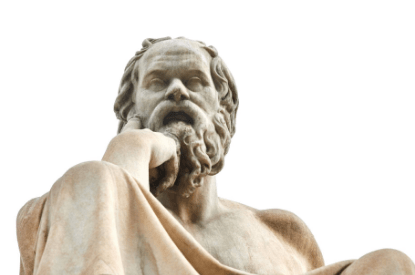
Month: March 2025

  • Stoicism: Aligning Actions with Goals for a Purposeful Life

    Stoicism: Aligning Actions with Goals for a Purposeful Life

    The provided text explores the principles of Stoicism and their application to modern life. It focuses on cultivating inner peace and resilience by managing emotions, expectations, and self-perception. The document emphasizes the importance of self-awareness, purpose, and aligning actions with values to achieve a fulfilling life. It provides practical guidance on overcoming anger, insecurity, and the fear of judgment and promotes practices like mindfulness, goal setting, and embracing discomfort for personal growth.

    Stoicism: A Study Guide

    Quiz

    Answer the following questions in 2-3 sentences each.

    1. According to Stoicism, where does disappointment originate?
    2. How does anger relate to the ego, according to the source material?
    3. What is the Stoic perspective on forgiveness and its impact on anger?
    4. How does low self-esteem contribute to anger?
    5. Why is living with purpose crucial for managing emotions, according to Stoics?
    6. How can cultivating gratitude help diminish anger?
    7. What is the importance of setting healthy boundaries, and what does it protect?
    8. Why is it essential to separate facts from beliefs, and what can happen if we do not?
    9. Explain how Stoics can develop a healthy self-image that is not reliant on the opinions of others.
    10. Explain the Stoic process described as “Rin” for managing anger, and what each letter stands for.

    Quiz Answer Key

    1. Disappointment does not come from life itself, but from our resistance to accepting life’s unexpected turns and the rigid expectations we impose on it. By relinquishing these expectations, we open ourselves to greater peace and reduce our susceptibility to disappointment.
    2. Anger arises from a wounded ego that feels threatened when disrespected or not valued by others, demanding recognition and defending its image. However, according to Stoics, anger stems from our interpretation of others’ actions and the stories our ego tells us about them.
    3. Forgiveness is seen as an act of self-love that frees us from the mental prison of anger and resentment, allowing us to move forward without reliving past pain. It isn’t about condoning the actions of others, but rather about liberating oneself from the need to continue suffering.
    4. Low self-esteem makes us interpret reality in a distorted way, causing us to perceive others as constantly judging us and any negative comment as a threat. This insecurity triggers anger as a defensive reaction to protect our self-image.
    5. Having a clear purpose in life provides direction and meaning, reducing irritability and reactivity by giving individuals something greater to focus on beyond minor frustrations. When life has purpose, peace becomes a natural state.
    6. Cultivating gratitude allows us to focus on what we already possess, shifting our perspective from what we lack to what we have and what we love, diminishing anger by showing that life is good despite setbacks. The secret to happiness, according to Epicetus, is not in having more but in wanting less.
    7. Setting healthy boundaries is crucial for defining how others treat us and protecting our time, energy, and patience, which prevents frustration and emotional drainage. It’s not about being confrontational or rejecting people, but about valuing yourself enough not to allow disrespect.
    8. Separating facts from beliefs is essential to avoid unnecessary emotional suffering, which arises from interpreting events based on stories and perceptions rather than objective reality. When we fail to make this distinction, we become entangled in unnecessary negative emotions like anger, sadness, and fear.
    9. According to Stoics, developing a healthy self-image involves grounding one’s perception of oneself in self-knowledge and acceptance, rather than relying on external validation. By understanding their strengths, flaws, and values, individuals can define who they are without needing others’ approval.
    10. The RIN process is a method for managing anger effectively and without impulsivity: Recognize that anger is happening, Immerse yourself in the feelings (but do not act), Navigate (investigate) the root of the anger, and Nurture the part of you that needs healing.

    Essay Questions

    1. Discuss the Stoic view on expectations and how relinquishing them can lead to a more fulfilling and peaceful life. Use examples from the text to support your arguments.
    2. Explore the relationship between ego and anger as presented in the source material. How does the Stoic philosophy offer a way to manage anger by addressing the ego?
    3. Analyze the role of forgiveness in Stoicism as a means to overcome anger and achieve inner peace. How does forgiveness benefit the individual, and why is it considered an act of self-love?
    4. Examine the importance of self-esteem in the Stoic approach to managing anger. How does improving self-esteem affect one’s susceptibility to external provocations?
    5. Evaluate the Stoic perspective on living with purpose. How does having a defined purpose contribute to emotional stability, and how can one identify and cultivate their purpose?

    Glossary of Key Terms

    • Acceptance: Acknowledging and embracing reality as it is, without resistance or the demand for it to be different.
    • Anger: An emotion arising from a perceived threat or injustice, often linked to a wounded ego or unmet expectations.
    • Boundaries: Limits set to protect one’s time, energy, and emotional well-being in relationships and interactions with others.
    • Ego: The part of the mind that mediates between the conscious and the unconscious and is responsible for a sense of self-identity.
    • Expectations: Rigid beliefs or anticipations about how people or events should behave or unfold.
    • Facts vs. Beliefs: Objective truths contrasted with subjective interpretations or stories we create about events.
    • Forgiveness: The act of releasing resentment and anger toward someone who has caused harm, benefiting the forgiver by freeing them from emotional burden.
    • Gratitude: Acknowledging and appreciating the positive aspects of one’s life, focusing on what one has rather than what is lacking.
    • Healthy Self-Image: A positive and realistic perception of oneself, based on self-knowledge and acceptance rather than external validation.
    • Inner Peace: A state of calmness and tranquility within oneself, undisturbed by external events or opinions.
    • Living with Purpose: Having a clear and meaningful direction in life, aligned with one’s values and contributing to a sense of fulfillment.
    • Resentment: A feeling of bitterness or indignation at having been treated unfairly.
    • Self-Esteem: Confidence in one’s own worth or abilities.
    • Stoicism: An ancient philosophy emphasizing virtue, reason, and acceptance of what one cannot control as paths to happiness and inner peace.

    Stoic Principles for a Fulfilling Life

    Okay, here’s a detailed briefing document summarizing the key themes and ideas from the provided text excerpts, emphasizing actionable insights and Stoic principles:

    Briefing Document: Stoic Principles for a Fulfilling Life

    Document Goal: To synthesize key Stoic principles from the provided text, offering practical advice for managing emotions, finding purpose, and living a more fulfilling life.

    Main Themes:

    • Managing Expectations and Accepting Reality:
    • The world owes you nothing; focus on your reactions to external events.
    • Resisting reality leads to suffering; acceptance brings peace.
    • Disappointment stems from rigid expectations, not life itself.
    • Stoics understand change is constant, thus avoid being dictated by external factors.
    • Controlling Anger and the Role of the Ego:
    • Anger is a reflection of a wounded ego demanding recognition.
    • Challenge your interpretation of others’ actions; don’t take everything personally.
    • The key to controlling anger is recognizing the ego’s role.
    • True strength lies in not resembling those who hurt you.
    • Inner peace is achieved by controlling your reaction to events, not controlling others.
    • The Power of Forgiveness:
    • Forgiveness frees you from the burden of anger and resentment.
    • Forgiveness is an act of self-love, not a gift to the offender.
    • Holding grudges prolongs the offender’s control over you.
    • The best revenge is not to be like the person who hurt you.
    • Building Self-Esteem and Reducing Reactivity:
    • Anger is often a defense mechanism against insecurity.
    • Low self-esteem distorts reality, making you believe others are constantly judging you.
    • Improve self-esteem to become less reactive and more serene.
    • True strength lies in governing yourself, not imposing your will on others.
    • Living with Purpose:
    • A lack of purpose leads to emptiness, frustration, and irritability.
    • Having a purpose aligned with your values brings peace of mind.
    • Define your own purpose; don’t wait for life to hand it to you.
    • With purpose, obstacles become part of the journey, not sources of anger.
    • The Importance of Gratitude:
    • Cultivating gratitude reduces anger by shifting focus to what you have.
    • Happiness is not about having more but wanting less.
    • Setting Healthy Boundaries:
    • Without boundaries, others will dictate how they treat you.
    • Setting limits is an act of self-respect, not rejection.
    • Saying “no” without guilt is a valuable skill.
    • Protect your peace by setting limits.
    • Focusing Your Attention Wisely:
    • Not everything deserves your attention; filter out the inconsequential.
    • Tranquility comes from ignoring what doesn’t concern you.
    • Don’t be a slave to other people’s opinions.
    • Strength is in choosing which battles are worth fighting.
    • Distinguishing Facts from Beliefs:
    • Suffering often stems from our beliefs about events, not the events themselves.
    • Question your limiting beliefs; they may not be true.
    • Separate facts from interpretations to regain control and clarity.
    • Developing a Healthy Self-Image:
    • Your self-image should not depend on others’ opinions.
    • True strength comes from looking inward and defining yourself.
    • Self-acceptance means recognizing your value without depending on external factors.
    • Avoiding the False Binary of Good and Evil:
    • No one is wholly good or evil; everyone is a blend of qualities.
    • Reducing people to labels blinds you to their humanity.
    • See others as flawed human beings shaped by their experiences.
    • Managing Anger with the RINN Process:
    • Recognize the anger.
    • Immerse but do not act.
    • Navigate/Investigate the root cause.
    • Nurture the part of yourself that needs healing.
    • Transforming Loneliness and Sadness:
    • Loneliness is an opportunity for self-knowledge.
    • Eliminate unrealistic expectations to minimize disappointment.
    • Change your perspective on pain; see it as a teacher.
    • Find peace in simplicity.
    • Embrace the power of gratitude.
    • Focus on what you can control.
    • Breaking Free from External Approval:
    • Measure yourself with actions instead of needing to showcase your worth.
    • Hope in Dark Times:
    • Stoicism isn’t pessimistic, it provides hope during adversity.
    • Unshakeable Inner Freedom:
    • Our mind can govern what happens externally.
    • Accepting the Impermanence of Everything:
    • Everything changes; detach to avoid suffering.
    • Getting Used to Internal Silence:
    • Mastering your mind calms the mental chaos and maintains peace.
    • Developing Active Detachment:
    • Enjoy life without needing what surrounds you for your happiness.
    • Focusing Only on What you Can Control:
    • Direct energy towards your thoughts, actions, and responses.
    • Practicing Tolerating Uncertainty:
    • Trust that you can adapt to whatever comes your way.
    • Being the Guardian of Your Emotions:
    • React to emotions consciously and use them as a shield.
    • Accepting Pain as Part of Growth:
    • It is up to us to use what hurts us to strengthen our character.
    • Challenging Your Fears with Reasoning:
    • Fear does not have to dictate your decisions; we always have the power to choose how to react to adversity.
    • Cultivating a Serene and Impenetrable Mind:
    • With an unbreakable mind, one can find opportunity in every moment.
    • Focus on Yourself to Reduce Distractions:
    • Self-mastery can help you take control of your life.
    • Let Actions Speak for Themselves:
    • Social pressures should not alter progress on tangible and inspirational efforts.
    • Learning to Say No to What Does Not serve You:
    • Protect energy and time by not letting it get exhausted by demands that only take away.
    • Letting Go Opens the Door to New Opportunities:
    • Trust this process to get you to where you want to be.
    • Arrival is Not The End of The Journey:
    • New challenges and constant growth is what should be sought after in all of life’s trials and triumphs.
    • Purpose is The Engine of Life:
    • Without a purpose, one is like a rudderless ship; swayed by all forces.
    • Value Time as a Limited Resource:
    • Prioritize your time in order to focus on meaningful objectives.
    • Build Habits In Line With Your Goals:
    • Consistently work to better yourself in aspects that benefit you.
    • Design Your Destiny in Five Years:
    • Always remember that all actions you take contribute to what will come and all actions have a result.
    • Mentalize Your Growth:
    • Reframing failures as a chance to learn is an opportune way to adapt your mind in times of adversity.
    • Set Clear and Realistic Goals:
    • Having smaller, tangible goals can create motivation and momentum.

    Key Quotes:

    • “We should accept what happens as if we had chosen it because resisting it only generates suffering.”
    • “Anger is nothing more than a reflection of the wounded ego.”
    • “The best revenge is not to resemble the person who has hurt us.”
    • “…true strength lies not in imposing our will on others but in governing ourselves.”
    • “The secret of happiness is not in having more but in wanting less.”
    • “Tranquility comes when we ignore what does not concern us.”
    • “It’s not external events that bother us but our interpretations of them.”
    • “…true strength comes from looking Inward and defining who you are without expecting external validation…”
    • “We should not judge people solely by their actions but recognize that each acts according to their current understanding.”
    • “Tranquility comes when we ignore what does not concern us”
    • “Each step forward proves your determination and effort no words required”
    • “…our ability to keep hope alive can guide us through storms helping us find the inner strength that remains after the rain the sun eventually shines.”
    • “By embracing impermanence you not only become emotionally stronger but also cultivate a deep inner peace free from the fear of loss or future pain.”
    • “…when you focus on what you can control you find a genuine sense of power”
    • “…stoicism teaches that such fear is unnecessary and that we can learn to embrace uncertainty instead of letting the unknown paralyze you trust in your ability to adapt to whatever comes you do not need to know all the details…”
    • “Stoicism teachers that to be human is not to be enslaved by emotions being the guardian of your emotions means recognizing and accepting them without letting them rule you…”
    • “Each time you face pain whether physical or emotional you have the choice to let it weaken you or to use it to strengthen your character this choice is essential for resilience”
    • “The most paralyzing fears are those you haven’t examined. Once identified, break them down, ask what evidence supports this fear what’s the worst case scenario, and How likely is it…”

    Actionable Insights:

    • Practice Daily Reflection: Use journaling or meditation to examine your thoughts and actions.
    • Identify and Challenge Limiting Beliefs: Question negative self-talk and replace it with more realistic and positive affirmations.
    • Set Clear, Value-Driven Goals: Define your purpose and create specific, achievable steps to move towards it.
    • Embrace Discomfort: View challenges as opportunities for growth and self-improvement.
    • Focus on What You Can Control: Release the need to control external events or other people’s behavior.
    • Practice Gratitude: Regularly acknowledge the good things in your life to counter negativity.
    • Set Boundaries: Protect your time and energy by saying “no” to commitments that don’t align with your values.
    • Forgive Others (and Yourself): Let go of resentment and anger to free yourself from their burden.

    Conclusion:

    These Stoic principles offer a practical roadmap for cultivating inner peace, resilience, and purpose. By focusing on what you can control – your thoughts, actions, and reactions – and accepting what you cannot, you can live a more meaningful and fulfilling life, even in the face of adversity. The excerpt provides a compelling framework for moving beyond reactivity and embracing a more intentional and virtuous existence.

    Stoic Strategies: Managing Anger, Expectations, and Self-Esteem

    FAQ

    1. What is the Stoic view on expectations, and how can managing them lead to greater peace of mind?

    Stoicism emphasizes that the world owes us nothing and we can only control our reactions, not external events or others’ behavior. By accepting that people can fail us and life doesn’t always follow a predictable path, we reduce stress and frustration. Accepting reality doesn’t mean abandoning goals, but being prepared for any outcome, striving without clinging to rigid expectations. Disappointment stems from resisting life’s unexpected turns. Peace is found in flexibility and accepting what comes without resistance.

    2. How does the concept of the “wounded ego” relate to anger, and how can we diminish anger’s power over us?

    Anger is a reflection of a threatened ego, arising from our interpretation of others’ actions, not the actions themselves. Our ego demands recognition, takes offense, and defends its image, leading to anger when it feels disrespected or devalued. To diminish anger, we must reduce the ego’s influence by not taking things so personally and understanding that others’ behavior is their burden, not ours. By improving self-esteem and detaching from others’ opinions, we become immune to provocations and react intelligently rather than emotionally.

    3. What does forgiveness mean in a Stoic context, and why is it important for inner peace?

    Forgiveness, in Stoicism, is not about justifying or forgetting harmful actions, but about freeing ourselves from the need to continue suffering. It’s an act of self-love, essential for recovering peace of mind. Clinging to anger traps us in a mental prison, reliving the pain. Forgiveness opens the cell, allowing us to move forward. By forgiving, we cease to give power to those who hurt us and reclaim control over our emotions.

    4. How does low self-esteem contribute to anger, and what can we do to improve our self-image and reduce reactive anger?

    Low self-esteem creates a perception of vulnerability, making us feel constantly judged and threatened. Any negative comment reinforces this belief, leading to anger as a defense mechanism. To improve self-image, we must recognize that no one has the power to make us feel inferior unless we grant it to them. By building a solid self-image, external opinions lose their power. Anger signals unresolved internal issues; we can use these moments to identify areas for improvement.

    5. What is the importance of living with purpose, and how does a defined purpose contribute to peace of mind?

    A clear purpose gives life meaning and direction, motivating us beyond routine. Without purpose, life feels empty and chaotic, leading to frustration and reactivity. Stoics understood that having a purpose aligned with our values is key to peace of mind. With a purpose, minor irritations lose importance as our energy is focused on something greater. We define, not find, our purpose, taking action to create something that makes us feel alive.

    6. According to Stoicism, how does focusing on gratitude and love help to manage anger?

    Anger often arises from focusing on injustice, what we lack, or what upsets us. Stoicism suggests shifting our focus to what we have, what we love, and what we are grateful for. Cultivating gratitude helps us realize we already have enough, reducing the need to react angrily to setbacks. While we can’t control external events, we can choose which emotions to feed our minds, and love and gratitude leave no space for anger to grow.

    7. What is the Stoic perspective on setting healthy boundaries, and why is it essential for emotional well-being?

    Setting boundaries defines how far our patience, time, and energy can go, preventing others from deciding how to treat us. Lack of boundaries sends the message that disrespect is acceptable, breeding frustration and anger. Setting limits is not about rejection but self-respect. When a line is crossed and we do nothing, we reinforce that behavior. Calmly and firmly communicating our boundaries sends a clear message that we value ourselves. Learning to say no without guilt is a valuable skill that protects our peace.

    8. What are the key steps in the “Ritten Process” for managing anger, as outlined in the sources?

    The Ritten Process for managing anger involves:

    • Recognize: Acknowledge the feeling of anger without denial.
    • Immerse: Allow anger to be present without acting on it, creating separation between you and the emotion.
    • Navigate: Investigate the root of the anger to understand its true source, which is often fear, insecurity, or unmet expectations.
    • Nurture: Nurture the part of yourself that needs healing instead of punishing yourself, practicing self-compassion and addressing underlying issues.

    Stoic Philosophy: The Destructive Nature of Anger

    The destructive nature of anger is a central theme within Stoic philosophy. Here’s a breakdown of why anger is considered destructive:

    • Harms the individual Anger corrodes from within, weakening the mind and leading to regrettable decisions. It can cloud mental clarity, harm relationships, and negatively impact well-being. Science has confirmed that anger raises blood pressure, weakens the immune system, and can trigger cardiovascular problems.
    • Impairs Rationality When anger takes control, rationality diminishes and people become slaves to their impulses.
    • Damages Relationships Outbursts of anger and impulsive comments can destroy relationships that took years to build, leaving lasting wounds.
    • Disproportionate Reactions Angry reactions are often disproportionate and lack logic. In the heat of the moment, harsh words may seem necessary, but with hindsight, a wiser approach is often evident.
    • Internal Enemy Anger is described as an internal enemy that can consume a person if not tamed.
    • Weakness Experiencing anger is not a sign of strength, but proof of lost self-control.
    • Cycle of Resentment Instead of seeking solutions, anger can lead to seeking revenge, which only feeds a cycle of resentment and pain.
    • Momentary Delirium Anger is like a momentary delirium, a state in which one loses control of words and actions.
    • Reflection of Wounded Ego Anger arises from the interpretation of others’ actions and a threatened sense of identity. The ego demands recognition and takes offense when it doesn’t receive the treatment it believes it deserves.
    • Prevents Moving Forward Clinging to anger locks a person in a mental prison and prevents them from moving forward.
    • Loss of Control When acting in anger, one is not in control of their own actions.
    • Drains Energy Anger consumes and wears a person down, leading to a loss of control.
    • A Habit Anger is a habit that grows stronger if fed.
    • Rooted in Insecurity Anger often reflects insecurity; when someone is not at peace with themselves, any challenge to their self-image can trigger anger.
    • Hindrance to Purpose When life lacks a clear purpose, people can become irritable and reactive, with any inconvenience feeling significant.

    The Root of Negative Emotions: Managing Expectations and Reality

    Negative emotions such as frustration, anger, sadness, and resentment share a common root in the difference between reality and expectations. People often believe the world should behave in a certain way, and when it doesn’t, they feel let down.

    Key points on unfulfilled expectations:

    • Source of suffering The frustration doesn’t come from the event itself, but from the clash between what was wanted and what really happened. Seneca stated that suffering occurs more in imagination than in reality because what hurts most is the interpretation of events, not the events themselves.
    • Distorted image Negative emotions arise from a distorted image created in the mind, clinging to an illusion.
    • The world owes nothing The key to inner peace involves understanding that the world owes nothing. It is not about resignation but about understanding that we cannot control the behavior of others or external events, only our reaction to them.
    • Acceptance Accepting reality as it is does not mean giving up goals or desires; it means being prepared for any outcome.
    • Unexpected turns Disappointment comes from resistance to accepting life’s unexpected turns. A Stoic understands that everything changes, that nothing is guaranteed, and that is why they do not allow their emotions to be dictated by external factors.
    • Adaptability Peace is found in flexibility and in the ability to accept whatever comes without resistance. Happiness lies not in making everything fit expectations but in learning to flow with reality without letting it rob peace of mind.
    • Learning Instead of getting frustrated when something doesn’t go well, consider what can be learned. Instead of feeling betrayed, understand that people act according to their own nature, not the one imagined for them.
    • Eliminating Rigid Expectations Eliminating rigid expectations stops the demand that the world adapt to beliefs.
    • Expectations about other people If rigid expectations are eliminated, there is no longer a need to expect people to treat you in a certain way. You accept that they can fail you, and life does not follow a predictable order; you eliminate a large part of your stress and frustration.

    Fragile Self-Confidence: Destructive Emotional Responses

    Fragile self-confidence can lead to destructive emotional responses. Here’s how:

    • Defensive Reactions When confidence is fragile, any setback can shake one’s foundation, leading to defensive reactions, including anger, as a defense mechanism.
    • Perception of Vulnerability Insecurity fosters a sense of vulnerability, causing someone to constantly protect their image, fearing judgment and perceiving negative comments as threats.
    • Personal Attacks The mind interprets situations as personal attacks and responds aggressively.
    • External Validation A fragile self-image relies on external validation. Criticism can be devastating, and praise becomes essential for feeling worthy.
    • Distorted Reality Low self-esteem distorts reality, leading someone to believe others are constantly judging them. The problem is not the outside world but the way it’s perceived.
    • Inability to Handle Provocations When self-confidence is weak, there is a need to respond or defend against provocations.
    • Belief in Negative Comments Negative comments can lead to believing negative things about one’s self.
    • Dependence on Approval When perception of self is built on a need for external approval, instability arises. One day praise leads to feeling invincible, and the next day, criticism leads to collapse.
    • Inauthentic Living Living by the world’s expectations creates disconnection from who someone truly is. Decisions are not based on personal desire but on what might win approval.
    • Comparison to Others Leads to dissatisfaction because the reality of others is unknown.
    • Unrealistic Expectations Creates an environment in which someone expects the world to accommodate their desires.

    Living with Purpose: Finding Meaning and Reducing Irritability

    Living with purpose is essential for peace of mind and can change how one perceives challenges. Here’s how:

    • Direction and Meaning When there is a clear purpose, life feels meaningful, providing a reason to get going each day.
    • Reduced Irritability Lack of purpose can lead to frustration and irritability, with inconveniences feeling larger than they are.
    • Values Alignment Purpose should align with one’s values, making existence feel meaningful.
    • Focus With a purpose, irritations lose importance as attention is directed toward something greater.
    • Defined Purpose Purpose is not found, but defined, created through action and seeking what makes one feel alive.
    • Reduced Frustration When you work towards your purpose, frustration decreases because there is less worry about what cannot be controlled.
    • Opportunity Living with purpose transforms life from a series of problems into an opportunity.
    • Internal Satisfaction There is no need for external validation when you know what must be done, leading to feelings of satisfaction.
    • Finding Your Purpose To find your purpose, identify talents, passions, and what truly motivates.
    • Unique Role Everyone has a unique role and something only they can contribute.
    • Constant Growth Purpose helps those who embrace it to focus on constant growth.
    • Foundation Focusing on self-improvement builds a foundation that keeps you grounded when your surroundings get chaotic.
    • Action True virtue lies not in intention but in action.
    • Not a Final Destination Life isn’t about arriving at a final destination, it’s about continually pushing onward, learning, and tackling new challenges.
    • Shield Against Despair Having a purpose can act as a shield against despair.
    • Guide Through Storms Even in the bleakest moments, our ability to keep hope alive can guide us through storms.
    • Constant Reminder Hope becomes your companion, a constant reminder that rebirth and transformation are always possible.

    Stoicism: Facts vs. Beliefs for Peace of Mind

    Separating facts from beliefs is vital for maintaining peace of mind. Stoicism emphasizes that suffering often arises not from what happens, but from interpretations and stories people tell themselves.

    Key aspects of differentiating between facts and beliefs:

    • Trapped in interpretations A failure to distinguish facts from interpretations leads to being caught up in unnecessary emotions like anger, sadness, and fear, reacting to something that may not be real.
    • Objective reality versus perception Without the distinction between objective fact and perception of that fact, people become entangled in unnecessary emotions.
    • Subjective interpretations The human mind excels at creating stories, which are then treated as irrefutable truths, even though they often stem from past experiences, others’ words, or mistakes from which permanent labels are drawn.
    • Challenge limiting beliefs To achieve emotional freedom, it’s essential to recognize that beliefs are not absolute facts. Whenever a limiting belief is sensed, questioning it and replacing it with a more realistic version is essential.
    • Example of criticism If someone is called “useless,” the comment itself doesn’t cause the hurt, but the decision to believe it does.
    • Opportunity for improvement or personal attack Criticism can be interpreted as an opportunity to improve or as a personal attack.
    • Mental self-discipline Mental self-discipline is required to examine thoughts and filter out what deserves attention.
    • Assumptions Many assumptions about the ability to reach a goal or overcome a problem are based on the belief that one cannot adapt, learn, or persevere.
    • The Power of Choice Even though we cannot control external circumstances we can always control our interpretation of them.
    • Reality Check Ask for evidence to determine if a thought is really true or if it has been accepted without proof.
    • Stoic Questioning Ask if you are exaggerating.
    • Release The objective fact is that someone said some words. If we pause to see if it’s true, we can start letting it go.
    HOW TO NEVER GET ANGRY OR BOTHERED WITH ANYONE | 15 LESSONS OF STOICISM

    The Original Text

    imagine living in unshakable peace where nothing and nobody has the power to upset you where criticism insults and problems no longer rob you of your calm it sounds impossible doesn’t it but the stoics achieved it while the world reacted with anger and frustration they remained Serene not because they felt no emotions but because they had learned to control them I am going to reveal to you how you can do the same if you apply these teachings you will never again get angry or annoyed with anyone not because the world changes but because you will have changed before we start go to the comments and write today my best version begins I am a stoic with this you commit to taking control of your mind and living with discipline write it down now and let’s get started issue one the destructive nature of anger anger is one of the most destructive emotions a human being can experience not only does it harm those around us but it also corrodes us from within weakening our minds and dragging us toward decisions we will sooner or later regret the stoics considered it one of the greatest threats to Virtue because when anger takes control we cease to be rational and become slaves to our impulses it is not a sign of strength but of weakness proof that we’ve lost control of ourselves anger is like an uncontrollable fire it starts with a spark perhaps a misinterpreted word an action we consider unfair or an unexpected obstacle if we give it oxygen with ruminating thoughts it quickly grows into a blaze that devastates our mental Clarity our relationships and our well-being Marcus Aurelius warned that the best way to fight anger is to prevent it from arising in the first place if we learn to recognize its first signs we can extinguish it before it consumes us completely the consequences of anger are devastating not only does it cause unnecessary conflict but it also affects our health science confirms what the stoics already knew anger raises blood pressure weakens the immune system and can trigger cardiovascular problems it is not just a momentary emotion it is a poison that if allowed to grow destroys both body and mind epic tetus taught that it is not external circumstances that disturb us but our interpretation of them if someone insults us it is it is not the insult that harms us but the importance we give to it learning to control our perception is the first step to mastering anger when we let ourselves be carried away by anger our actions become irrational at the time it seems justifiable to shout insult or even hit something but when the storm passes we realize that we have only made the situation worse an outburst of anger can destroy relationships that took years to build an impulsive comment can leave wounds that never fully heal senica said that anger is like a momentary delirium a state in which we cease to be in control of our words and actions if we observe ourselves carefully we will see that most of our angry reactions are disproportionate and devoid of logic imagine an argument with a D One In the Heat of the Moment harsh words seem necessary but once everything calms down we realize we could have handled the situation more wisely most problems can be solved with dialogue and patience but anger blinds our ability to reason instead of looking for Solutions we seek revenge and in doing so we only feed a cycle of resentment and pain the stoics teach us that the best way to combat anger is through self-discipline and reflection Marcus Aurelius recommended remembering that life is short and that most of the problems that enrage us are insignificant in the grand scheme of things senica suggested practicing patience and indifference in the face of provocation true strength does not lie in responding with violence but in remaining calm when everything around us seems to be trying to make us lose control anger is an internal enemy a beast that if not tamed can consume us but the good news is that we can train ourselves not to let it drag us down the next time you feel anger Rising stop ask yourself if it’s really worth it remember that no external Force has power over you unless you give it to them peace is not found in the absence of provocations but in the ability to face them with equinity and control number two all negative emotions arise from unfulfilled expectations negative emotions are not born of what happens but of what we expected to happen and did not frustration anger sadness resentment all these feelings share a common root the difference between reality and our expectations we believe the world should behave in a certain way and when it does not we feel let down but in reality the fault lies with us in the distorted image we create in our minds we cling to an illusion and when reality destroys it instead of adapting we react with suffering we get angry because people don’t act the way we want them to because the results are not what we expected because life does not follow the script we wrote in our minds we believe we deserve a certain treatment a certain success a clear path but the world doesn’t play by our rules the frustration doesn’t come from the event itself but from the clash between what we wanted and what really happened senica said that we suffer more in our imagination than in reality because what hurts us most is not what happens but our interpretation of it if we learned to accept events without resistance we could avoid much of the unnecessary pain imagine someone who believes that their partner will never cheat on them because that is how it should be they’ve built up an expectation based on their own view of what is right but if betrayal occurs the anger does not arise from the act itself but from the contrast with the idealized image they had created instead of accepting real ity as it is they fight against it in their mind and that internal conflict becomes suffering another example is the person who expects their friends to always be there for them for traffic to flow smoothly or for their boss to Value their efforts when any of this does not happen they feel disappointment and anger because they assumed the world should follow their rules the stoics teach us that the key ke to Inner Peace is to eliminate unrealistic expectations it is not about resignation but about understanding that the world owes us nothing we cannot control the behavior of others or external events only our reaction to them epic tetus said we should accept what happens as if we had chosen it because resisting it only generates suffering if we stop expecting people to treat us in a certain way if if we accept that they can fail us that life does not follow a predictable order we eliminate a large part of our stress and frustration accepting reality as it is does not mean giving up goals or desires it means being prepared for any outcome we can strive to achieve something but without clinging to the idea that it must happen exactly as we want or else failure will destroy us disappointment does not come from life but from our resistance to accepting its unexpected turns a stoic understands that everything changes that nothing is guaranteed and that is why they do not allow their emotions to be dictated by external factors if we eliminate rigid expectations we stop demanding that the world adapt to our beliefs instead of getting frustrated when something does not go well we ask ourselves what we can learn instead of feeling betrayed we understand that people act according to their own nature not the one we imagine for them peace is found in flexibility and in the ability to accept whatever comes without resistance happiness does not lie in making everything fit our expectations but in learning to flow with reality without letting it Rob us of our peace of mind number three anger is a reflection of the ego anger is nothing more than a reflection of the Wounded ego when we feel that someone disrespects us treats us unfairly or does not recognize our value we react with anger because our sense of identity is threatened we believe we deserve different treatment that others should see us as we see ourselves and when that does not happen we feel that something sacred within us has been violated but the truth is that anger does not arise from what others do it arises from our interpretation of their actions it is our ego that demands recognition that takes offense that needs to defend its image if that ego were not so inflated if we did not take things so personally anger would lose its power over us when someone speaks rudely to us our first reaction is to think we are being attacked but what if that person is simply having a bad day what if their words have nothing to do with us but with their own internal chaos most of the time other people’s actions are not a reflection of us but of themselves however the ego makes us believe that everything revolves around us we tell ourselves he disrespected me he made me look bad he didn’t value me but what would happen if we simply stopped seeing ourselves as the center of every situation if we understood that the behavior of others is their burden not ours we could free ourselves from anger Marcus Aurelius reminded us that it is not what happens that disturbs us but our opinion of it if someone insults us the insult itself has no power until we give it meaning we can choose to ignore it we can see it as a reflection of the other person and move on without letting it affect our peace but the ego wants to fight defend itself prove its right and in that desire to protect our image we fall into the Trap of anger losing control and acting impulsively but if someone’s insult doesn’t change who we are if their attitude doesn’t Define us why allow it to drag us into into a state of chaos a clear example is when we’re in traffic and someone cuts us off the ego tells us it is disrespect that we should react that we cannot allow ourselves to be treated like that but the other driver likely wasn’t even thinking about us they’re simply caught up in their own world however our ego turns the situation into something personal and with that anger takes over our our mind if instead of reacting we simply accept what happened in any context whether work relationships or daily routines our reaction is not caused by events themselves but by the story We Tell ourselves about them the stoics teach us that the key to controlling anger is recognizing the role our ego plays in it if we improve our self-esteem if we stop needing validation from others if we understand our worth does not depend on how we are treated we can be immune to provocations senica said that the best revenge is not to resemble the person who has hurt us if someone treats us badly and we respond with anger we are letting them control us but if we remain calm if we decide not to play their game we show True strength anger reflect CS an ego that has not yet learned to detach from others opinions but when we understand that others do not have the power to Define us that their words and actions speak more about them than about us we free ourselves it is not about allowing abuse or accepting everything in silence but about learning to react intelligently and not from emotion inner peace is not achieved by controlling others but by controlling our reaction to them when the ego is no longer the center of our existence anger loses its Hold On Us number four forgiveness frees us from anger anger is a heavy burden that we often carry without realizing it we cling to resentment because we believe that by doing so we punish those who have hurt us but in reality the only one punished is ourselves anger consumes our peace locks us us in a mental prison and prevents us from moving forward forgiveness on the other hand is the key that opens that cell it does not mean justifying what they did or naively forgetting but freeing ourselves from the need to continue suffering for something that has already happened forgiveness is not a gift for the other person it is an act of self-love an essential step in recovering our peace of mind when we cling to anger we relive the pain over and over again our mind becomes a battlefield where the past is still present where we continue to give power to those who hurt us but why carry that anger around Marcus aelia said that the best punishment for those who have hurt us is not to be like them if someone betrayed offended or hurt us holding a grudge only prolongs their control over us forgiveness on the other hand gives us back our power letting us move on without letting the past Define us resentment is a trap of the ego it makes us believe that if we forgive we are showing weakness but the reality is the opposite strength is in those who have control over their emotions who decide to let go of what hurts them instead of clinging to it senca taught that we should not allow anger to to dictate our actions because when we act in Anger we are not our own masters if someone hurts us and we respond with resentment we give them power over our peace of mind but if we choose to forgive we regain control of our mind and well-being imagine someone betrayed by a close friend the natural reaction is anger disappointment the desire for Revenge but how long can that feeling be sustain stained without becoming a burden resentment doesn’t affect the traitor it affects the person carrying it every time they think of the Betrayal the pain is relived conversely if they decide to forgive accepting that what happened cannot be changed and that the past should not Define their present they find Freedom it does not mean trusting the traitor again but stopping their action from continuing to cause pain forgiveness is a conscious Choice it does not happen overnight and is not always easy but it is the path to Inner Peace epicus reminded us that we have no control over what others do only over our reaction if someone offends us it is not the offense that harms us but the importance we give it by forgiving we stop feeding that importance we understand that each person acts from their own level of Consciousness reflecting their inner world not ours it does not mean allowing abuse or tolerating Injustice but letting go of the resentment that prevents us from living peacefully when we forgive we do not free the other person we free ourselves we stop carrying an unnecessary burden we stop wasting energy on a conflict that only exists in our mind true revenge is not causing harm but showing that the harm has not changed us that we move on without being consumed by anger peace is not found in waiting for others to repent but in deciding that our happiness does not depend on their behavior to forgive is to release the poison of anger and embrace the freedom that comes with Serenity number five practice non-reaction when something irrit Ates us when we feel provoked or attacked our first reaction is often impulsive and emotionally charged we want to respond immediately defend ourselves prove that we are right but at that moment our mind is not operating from reason but from Instinct and that is where we make mistakes where we say things we later regret where we make situations worse instead of solving them the practice of non-reaction allows us to avoid this it gives us control over our responses and protects us from the emotional exhaustion impulsive reactions generate when we take a moment before responding when we resist the impulse to act immediately we gain power over ourselves it is not about being indifferent or repressing our emotions but about training ourselves not to be slaves to them Marcus Aurelius said that the best way to defend yourself from an offense is not to resemble the person who offended you if someone insults you or criticizes you harshly reacting with anger is to play their game it is to allow them to have power over you but if you remain calm if you choose not to respond at that moment you show that you are in control that your peace does not depend on others attitudes in everyday life there are countless opportunities to practice non-reaction a hurtful comment from a co-worker an aggressive driver in traffic a family member looking for an argument in each of these moments the decision is in your hands you can react immediately and feed the conflict or you can pause observe the situation from a distance and respond intelligently epic tetus taught that it is not what happens that affects us but the way we interpret it if someone criticizes you in a meeting and you take it as a personal attack you get angry and react defensively but if you pause breathe and analyze whether it is worth responding at all you can act calmly and professionally without emotion controlling your behavior not reacting is a sign of strength most people act on impulse enslaved by their emotions when someone irritates them they react without thinking allowing anger to take control but true power lies in those who resist that first reaction who know they don’t need to prove anything who choose when and how to act senica reminded us that time is a great filter for emotions what today seems like an unforgivable offense will lose importance in a few days what irritates us deeply now will seem insignificant in a few hours therefore not reacting immediately allows us to gain perspective and see the situation clearly before deciding what to do practicing non-reaction does not mean passively accepting everything or letting others walk all over us it means acting from Reason Not emotion if something really deserves a response the best response is the one given when our mind is is calm instead of responding to fire with more fire we respond with intelligence and equinity not because we are weak but because our peace is worth more than a pointless argument whenever you feel the impulse to react remember you can choose not to let the emotion pass observe it without letting it drag you in when you do you’ll notice something incredible conflicts diminish an anxiety is reduced and people who used to provoke you lose their power not reacting is the doorway to True Freedom the ability to decide how and when to respond without being a slave to external stimuli issue six the relationship between low self-esteem and anger anger is often nothing more than a reflection of insecurity when we are not at peace with ourselves any comment any look any situation that challenges our self-image irritates us it is not the situation itself that infuriates us but what it awakens in us if someone criticizes us and that makes us angry the problem is not the criticism but the importance we attach to it if we were secure in who we are if our self-esteem were strong we wouldn’t need to respond with anger we would simply ignore it but when our confidence is fragile any blow shakes our foundation and we react with anger as a defense mechanism in security creates a perception of vulnerability we feel we must constantly protect our image that others are judging us that any negative comment is a threat the Mind interprets these situations as personal attacks and responds aggressively but the reality is that no one has the power to make us feel inferior unless we Grant it to them epicus said it is not what others say about us that affects us but the opinion we have of those words if we believe we are weak or not good enough any criticism will reinforce that belief and anger will be our immediate reaction on the other hand if our self-image is solid nothing external can disturb us there was a time when I had gained weight and every comment about my appearance would make me react angrily I told myself it was because of others lack of respect but the truth was that I was not angry with them I was angry with myself I didn’t like what I saw in the mirror and any external remark confirmed it the anger did not come from them it came from the insecurity I felt over time I understood that the problem wasn’t people but my lack of control over myself instead of wasting energy reacting angrily I decided to take action I worked on my health discipline and mentality and when I did the same comments that used to anger me no longer affected me not because they had changed but because I had changed low self-esteem makes us interpret reality in a distorted Way We Believe others are constantly judging us but often they are not the problem is not the outside world but the way we perceive it Marcus aelius reminded us that if something external disturbs us the problem lies not in the thing itself but in our Judgment of it if someone says something that offends you ask yourself why does this affect me is it because deep down I fear it might be true is it because I have doubts about myself most of the time the answer is yes anger is a defensive reaction to insecurity when we improve our self-esteem anger loses its power we become less reactive more Serene more focused on what really matters we no longer need to prove anything to anyone because we know who we are other people’s opinions cease to be a threat because our worth does not depend on their op approval the stoics teach us that true strength lies not in imposing our will on others but in governing ourselves anger signals something unresolved within us instead of reacting impulsively we can use those moments as indications of what we still need to work on every time you feel anger at a comment or a situation pause ask yourself if it is truly the comment that bothers you or if there is something deeper behind it use anger as a mirror to see which aspects of yourself still need work when you improve your self-esteem and take responsibility for your life anger is no longer necessary there is no insecurity to protect no fear to hide only the calm of someone who knows and accepts themselves who does not need to react to what does not defy find them number seven the importance of living with purpose when you don’t have a clear purpose life feels empty chaotic and directionless you wake up every day with no real reason to get going with nothing to motivate you beyond routine and that emptiness breathes frustration lack of purpose can turn people into irritable reactive beings always on the defensive any inconvenience or obstacle feels bigger than it is because there is nothing more important to focus on the stoics understood that the key to peace of mind is having a purpose aligned with our values something that makes us feel our existence has meaning when you live without a defined purpose everything becomes a distraction traffic annoys you someone’s rude words irritate you and you feel life is unfair but when you have a purpose those same irritations lose importance not because they stop existing but because your attention is on something greater Marcus Aurelius said we should all ask ourselves what am I here for what really matters to you in life once you have Clarity in that answer minor frustrations stop controlling you you don’t waste time reacting to every provocation because your energy is focused on something meaningful there was a time when I had no direction I felt trapped in a meaningless routine doing things that didn’t fulfill me and the result was constant irritability anything annoyed me any problem seemed huge because I had no real reason to wake up each morning I was living on autopilot letting circumstances dictate my mood but when I found my purpose every everything changed I decided to focus on creating content on sharing ideas that could help others on building something that made sense to me and when I did I realized that the problems that had previously seemed unbearable were now just part of the journey I was no longer irritated by small setbacks because I had a bigger Vision anger was no longer a constant reaction because there was something more valuable to focus on the stoics teach us that purpose is not something you find it is something you define you don’t have to wait for life to hand it to you you have to create it yourself epic tetus said each person must decide who they want to become what they want to contribute to the world it is not about waiting for inspiration it is about taking action and seeking what truly makes us feel alive when you discover your purpose and work toward it your mind changes frustration decreases because you no longer worry so much about what you cannot control you don’t need external validation or to prove anything to anyone you simply do what you know you must do and that fills you with satisfaction when you live with purpose life stops feeling like a series of problems and starts to feel like an opportunity you no longer react with anger to every obstacle because you understand that challenges are part of the journey every day has meaning every action contributes to something bigger and when that happens peace becomes a natural state not because everything is perfect but because you have chosen where to focus your energy there’s no room for anger when you are busy building something that really matters if you feel frustrated with life if you realize you get angry too easily ask yourself whether you really have a clear purpose ask whether you are devoting your time to something that fulfills you or if you’re just going through the days without Direction the difference between a life full of frustration and a life full of meaning lies in that answer find what motivates you what makes you get up every morning wanting to move forward forward and you will see how anger loses its power because when you have a purpose everything else becomes background noise number eight use neuroplasticity to reprogram your emotional response the brain is not fixed in a single pattern of reacting thanks to neuroplasticity we can train it to respond differently to situations that previously provoked anger or frustration the idea that we are just this way and cannot change is a lie we tell ourselves the brain is malleable and like a muscle it can be strengthened in certain areas depending on how we train it if every time something irritates us we respond with anger we reinforce that neuronal connection turning anger into an automatic response but if instead we learn to respond calmly over time that becomes our brain’s new programming when we Face a situation that would normally set us off an insult an unmet expectation or a perceived disrespect our instinct is to follow the old pattern but here’s the key if we consciously force ourselves to respond differently we create a new neural pathway initially it feels forced uncomfortable even fake but with repetition the brain starts accepting that response as normal and eventually calm becomes our automatic reaction I recall a time when my dog destroyed something I cared about my usual reaction would have been anger raising my voice feeling that internal explosion of frustration but I chose a different approach instead of giving into anger I forced myself to take a deep breath and and pet my dog it felt strange at first as if I were repressing my emotion but in reality I was teaching my brain that not everything requires an angry response over and over each time my dog did something that used to irritate me I repeated this eventually I noticed my natural response had changed I no longer felt tension in my chest I no longer had to hold back my brain had learned that those situations were not a threat and did not require anger neuroplasticity shows that we are not doomed to be prisoners of our emotions we can redirect our impulses and make calm our new normal every time we choose not to react with anger we strengthen the neural Pathways of patience and equinity the more we practice the more natural it becomes Marcus aelius said we cannot control what happens but we can control our response and this is not just philosophy it is a scientific reality the brain changes based on what we practice and if we practice Serenity it will eventually become our default response this process takes time at first the mind will try returning to Old patterns because they are familiar but if we persist if every time we feel anger Rising we stop breathe and respond differently we will see real change one day we will realize that situations which once made us explode now seem insignificant not because we are repressing anger but because our brain has learned there is no reason to feel it anger is a habit just as calm is if we feed anger it grows and becomes stronger but but if we starve it and cultivate Serenity it weakens and fades it is not about pretending but about training our mind to work in a way that benefits us rather than harms us if we want to be calmer and more balanced we must practice daily over time calm is no longer an effort it becomes who we are number nine love and gratitude overcome anger anger consumes and wears us down making us lose control of our own minds but there are two forces that can dispel it love and gratitude when we are trapped in Anger our attention is fixed on the negative on what upsets us on what we believe is wrong we focus on lack frustration and Injustice but if instead we direct our mind toward what we love and what we are grateful for anger loses is its power not because problems vanish but because we stop giving them the energy they need to keep affecting us love connects us with what really matters if we are angry with someone we can ask ourselves do I prefer to win this argument or do I prefer to maintain the relationship when you love someone The Need to Be Right becomes secondary anger is selfish it seeks revenge it SE seeks to prove a point love seeks to understand to build to unite too often we allow anger to take over in Trivial situations hurting the people we love most but if in those moments we remember how we feel about them if we connect with love instead of anger our response changes gratitude is another powerful antidote when we are grateful there is no room for anger we cannot feel resentment and gratitude at the same time if something bothers us we can pause and do a simple exercise think of three things we’re grateful for right now our health a special person an opportunity to learn from this situation this shifts our thoughts away from the reactive State returning control to us Marcus Aurelius wrote in his meditations about the importance of remembering the trans ience of life if today were the last day with someone you love would you really waste time being angry at them gratitude reminds us that every moment is precious and that anger is a waste of time and energy at one point I did a small experiment with myself each time I felt anger or frustration instead of reacting as usual I forced myself to think of something I was grateful for in that instant it felt forced at first as if I were ignoring reality but over time my mind started doing it automatically one day someone spoke to me rudely and instead of feeling irritated the first thing I thought was I am grateful for my health today that thought allowed me to respond calmly without fueling the conflict not because the other person deserved it but because I deserved to keep my peace the stoic understood that our emotions are not produced by what happens outside but by what we decide to think about it if we focus on Injustice on what we lack on what upsets us anger grows if on the other hand we focus on what we have on what we love on what we are grateful for anger fades it is not a mental trick but a way to train our mind to see reality from a higher perspective epic tetus said the secret of happiness is not in having more but in wanting less when we cultivate gratitude we realize we already have enough that we don’t need to react angrily because despite small setbacks life remains good we cannot avoid moments of tension or control how others act but we can decide with which emotions to feed our mind if we choose love and gratitud ude anger will not find Space to grow when we love we understand when we are grateful we let go in this daily practice little by little we become more Serene more centered and less prone to anger not because the world changes but because we learn to see it differently number 10 setting healthy boundaries is if you do not set boundaries you allow others to decide how to treat you it is not about being confrontational or rejecting people but about defining how far your patience time and energy can go when you lack clear boundaries you send the message that it is acceptable to disrespect you to interrupt you constantly to devalue your time this in turn breeds frustration and anger eventually draining you emot Ally but the responsibility for setting those boundaries is yours and yours alone only you can decide what you will and will not allow often we let certain behaviors slide for fear of appearing selfish or unpleasant we struggle to say no because we are afraid of offending or being rejected the real problem though is not saying no but not saying it when it’s necessary if someone constantly interrupts you at work if a friend only comes around when they need something or if a family member criticizes you unfairly do you really need to put up with that senica said we cannot control others actions but we can control how we position ourselves in relation to them if you let someone treat you badly without objection you are effectively giving them permission to continue when a line is crossed and we do nothing we reinforce that behavior if someone criticizes you unfairly and you stay silent that person assumes it is normal to treat you that way but if you calmly and firmly communicate that you do not accept that kind of treatment you send a clear message you value yourself enough not to allow disrespect you do not need to be aggressive or argumentative you simply need to be clear I am not going going to tolerate comments like that my time is valuable please respect it I do not feel comfortable with this such simple phrases can completely transform a relationship’s Dynamic I recall a time when I allowed myself to be constantly interrupted it did not matter what I was doing if someone wanted my attention I would drop everything and respond right away at first I thought this may made me a good person but over time I realized I was letting others prioritize their needs above mine I felt frustrated and drained but it was not entirely their fault I had never set a limit one day I decided to change this if someone interrupted me I would kindly say I’m busy right now let’s talk later it was difficult at first but over time people understood that my time is also important surprisingly I did not lose any relationships instead I felt more respected the stoics understood that setting limits is not an act of rejection but of self-respect Epic tetus taught that we must determine which things are under our control and which are not we cannot stop someone from trying to overstep our boundaries but we can decide how to react silent ly tolerating abuse is not virtuous it is abandoning our responsibility to protect our well-being saying no is an act of Courage not because it is easy but because it shows self- knowledge and self-respect setting boundaries is not about pushing people away on the contrary it Fosters healthier relationships where both sides know what is acceptable often people do not realize they are crossing a line until someone points it out you cannot expect them to guess what bothers you you must communicate it if even after that they do not respect your boundary you have to question whether you really want that person in your life each time you decide not to set a boundary out of fear of conflict you choose internal conflict over external conflict you choose your discomfort to avoid a difficult ult conversation but avoiding the problem does not Solve IT learning to say no without guilt is one of the most valuable skills you can develop it makes you stronger not by dominating others but by maintaining your own dignity setting limits is not about controlling other people it’s about protecting your peace and living with self-respect Issue 11 not everything deserv deserves your attention not everything deserves your attention every day we Face provocations unnecessary comments and minor problems that try to drag us into chaos but the truth is that most of these things are not really important we deplete ourselves emotionally by reacting to trivialities that will be irrelevant tomorrow we live in a world where everyone has an opinion where criticis m is constant and where small issues can appear huge if we do not learn to filter out the inconsequential the key to maintaining peace of mind is to understand that not everything that happens around us is truly important each time something bothers you pause and ask will this matter in a month a year will I even remember it most often the answer is no however we get carried away by the emotion of the moment feeling the need to respond or defend ourselves if we look at it from the broader perspective of Life many things are just noise Marcus aelius said that Tranquility comes when we ignore what does not concern us if a stranger on social media criticizes you does it really affect your life if someone insults you on the street does it change who you are bar giving energy to every small provocation only distances you from what really matters imagine someone makes a rude comment about you the immediate impulse is to respond to defend yourself to prove your point but what do you gain from it is it worth investing your energy in that conflict a comment does not define your value if every time someone says something negative about you you react you are handing your peace of mind to anyone who decides to provoke you epic tetus taught us not to be slaves to other people’s opinions if something doesn’t contribute to your growth or change the course of your life then it does not deserve your attention most of our worries are not even ours we stress about what others think about problems we cannot solve about expectations that are not ours to meet we spend too much time worrying about external approval and situations beyond our control when you understand that your energy is limited you become more selective about what truly deserves your attention this does not mean you become indifferent it means learning to differentiate what really matters from what is just noise I recall a time when any criticism would affect me if someone questioned what I was doing I felt felt the need to justify myself but gradually I realized it was a waste of energy I learned to observe before reacting to ask whether it was truly worth it and most of the time the best response was silence not because I had nothing to say but because it simply was not necessary not everything requires an answer not everything deserves conflict and not everything deserves our attention ition every time you choose to ignore what is not relevant you protect your peace of mind you train your mind to focus on what truly matters what genuinely transforms the stoics did not seek to control the world only their response to it if someone acts maliciously or tries to provoke you remember you have the option of not responding strength is not in winning every battle but in choosing which battles are worth fighting when you filter out what really matters you find many worries dissolve the energy you use to spend on pointless arguments can now be used for building learning and improving you cannot stop people from criticizing you nor control what they say or do but you can decide whether it’s worth letting that affect your State of Mind true freedom is not doing whatever you want but not being dominated by what doesn’t matter number 12 the importance of separating facts from beliefs we often suffer not because of what really happens but because of what we believe it means we live trapped in interpretations in Stories We Tell ourselves and others but most of these stories are not facts they are beliefs we have never questioned these beliefs can be the greatest obstacle to our Peace of Mind stoicism teaches us that the key to Tranquility is learning to differentiate what is a fact from what is merely our perception of that fact without this distinction we become entangled in unnecessary emotions anger sadness fear reacting to something that may not be real if someone calls us useless it is not the comment in itself that hurts us but our decision to believe it the objective fact is that someone said some words our mind turns those words into an absolute truth maybe he’s right maybe I am useless suddenly a simple opinion becomes a burden we carry for years we never pause to see if it’s true epicus warned that it’s not external events that bother us but our interpretations of them if someone criticizes us we can interpret it as an opportunity to improve or a personal attack the difference is not in the facts but in our beliefs the human mind is skilled at creating Stories We Tell ourselves we are not good enough not deserving of certain things or that we will never be able to change and we believe these stories as if they were irrefutable truths but often they stem from past experiences someone else’s words or mistakes from which we drew permanent labels if we fail at something once we conclude we are a failure if someone rejects us we believe we are Unworthy of love yet these thoughts are not facts just interpretations we have chosen to accept I recall a time when I believed I was not smart enough to accomplish certain things there was no actual proof of this just an experience in my past that made me feel that way and I had decided to accept it as truth every time I faced a challenge that belief returned you can’t do it but one day I questioned it what evidence do I really have I had learned many things overcome difficulties I realized the belief was not a fact it was just a story I told myself once I understood that I started letting it go the stoics practiced mental self-discipline the ability to examine their own thoughts and filter out what truly deserved attention Marcus Aurelius would ask himself whether the negative thought was really true or if he was exaggerating most of the time the answer was no we are not as limited as we think we are not the labels others assign us we do not need to be slaves to beliefs that hold us back to free ourselves we must recognize that these beliefs are not absolute facts every time you sense a limiting belief about yourself question it ask if it is really true or if you have accepted it without proof if you can replace it with a more realistic version you have taken a huge step toward emotional Freedom separating facts from beliefs is how we stop being prisoners of our own mind it’s how we regain control how we stop reacting automatically and start living with Clarity when we learn to view reality without the distortions of our beliefs we uncover the peace that was always there waiting to be found number 13 developing a healthy self-image your self-image cannot depend on others opinions if you live by the world’s eyes you become a prisoner of its approval one day it Praises you and you feel Invincible the next day it criticizes you and you collapse this instability arises from building your worth on external foundations on what you cannot control when your perception of yourself is grounded in self- knowledge and acceptance no one can take away away your peace the stoics taught that true strength comes from looking Inward and defining who you are without expecting external validation only when you stop depending on others praise can you begin to live with true Freedom the issue arises when our self-image is formed by imposed beliefs from a young age we absorb opinions labels and judgments without questioning them if someone calls us shy we accept it if they call us failures we believe it but how much of that is true how much of our identity is built upon unexamined ideas Marcus aelius reminded us that we must ask whether what we believe about ourselves is true or just a story we keep telling ourselves the key is self- knowledge observing ourselves without filters or Illusions a acknowledging our strengths and weaknesses honestly accepting both doesn’t mean complacency but Clarity when someone criticizes you the automatic response is to feel hurt or to prove them wrong but what if instead you paused and asked is this true does this criticism reflect reality if yes there’s room to improve if no the criticism has no weight and you can release it epicus taught that we should not concern ourselves with what others say only with whether it is true it is not the criticism that hurts us but our belief in it if your self-image is strong their words lose their power for years I cared too much about what others thought I did what I believed others expected becoming disconnected from who I truly was I did not make decisions based on personal desire but rather on what might an approval it was never enough someone always had a different opinion there was always something to change to please someone else when I realized I could never control others perceptions everything changed I stopped trying to fit in and asked who am I really what do I want for myself the need for validation faded self-acceptance does not mean settling it means recognizing your value without depending on external factors when you accept yourself strengths flaws successes mistakes you free yourself from the fear of judgment you don’t need to prove anything you don’t need to demonstrate your worth because you already have it when you stop seeking approval you become more authentic people who matter will respect you for who you are not for who you pretend to be true emotional Freedom arises when you stop living for others and begin living for yourself it does not mean ignoring all external input but learning to filter what merits attention if you know who you are your values your purpose criticism is not a threat this Clarity helps you face life confidently without the need to impress anyone not because you’re perfect but because you no longer require the world to validate Your Existence in that state of clarity you find peace that has always been within you number 14 The False binary of Good and Evil no person is wholly good or wholly evil we are all a blend of good and bad choices moments of clarity and moments of weakness yet the human Mind simplifies by labeling others as good or bad based on limited experience or convenience this approach is a fallacy that keeps us from understanding the complexity of people when we see someone through a single label we fail to see their depth someone can be generous in one context and cruel in another they can display compassion at times and selfishness at others reducing someone to a single category blinds us to their Humanity Marcus Aurelius reminded us to see others as they truly are flawed human beings shaped by their histories fears and experiences no one is entirely defined by their best or worst moments when we understand this we free ourselves from rigid judgment and the emotional burden that follows it when someone treats us badly we label them as bad we imagine them as cruel or worthy of punishment but do we ever ask what led them to act that way not to justify it but to see that no one is born evil that we all products of our experiences epic tetus taught that we should not judge people solely by their actions but recognize that each acts according to their current understanding in a society people react based on their environment and circumstances a person can be kind to their family and ruthless in business they can be generous to friends and cold to strangers contradiction is part of Being Human we have all done things we are not proud of if we judge others harshly we must judge ourselves harshly as well if we wish for understanding when we air why not extend that same courtesy to others releasing the idea that people are purely good or evil improves our relationships we react less harshly to others mistakes understanding they are on their own learning path we become more patient and balanced this doesn’t mean tolerating abuse or Injustice but responding with wisdom rather than anger Marcus Aurelius said that when someone acts badly we should ask if we truly expected better from them people do the best they can with what they know if we demand perfection we will always be disappointed freeing ourselves from this mentality helps us find inner peace we no longer feel the need to punish or divide the world into good and evil we become more objective Karma and better able to handle conflict with Clarity true strength is not in judging harshly but in understanding we are all on a shared Journey we’re at different stages but we share the same goal learning and improving when you see this you are not constantly worn down by others behaviors you focus on the one thing you can control your own growth number 15 the ritten process for managing anger anger is powerful but it doesn’t have to control you it can feel like an uncontrollable fire but if you learn to manage it intelligently it becomes a tool for growth rather than destruction the Rin process helps you do this effectively without suppressing anger or acting impulsively it is based on mindfulness and self-reflection something the stoics practice daily under different names R recognize acknowledge that anger is happening don’t deny it or repress it real iiz it is there often anger makes us react without thinking as if on autopilot simply pausing and saying I’m feeling angry right now create separation between you and the emotion I immerse but do not act allow anger to be present without acting on it most fail here because the immediate impulse is to react defensively or aggressively but anger itself is not the problem rather it’s what we do with it the stoics taught that we need not deny emotions but learn to live with them without letting them take over if you feel anger observe it you don’t need to do anything yet breathe as senica said the first impact of anger is inevitable but what happens next is a choice n navigate investigate investigate the root of the anger instead of staying on the surface ask yourself where it really comes from often anger is simply the symptom of something deeper fear insecurity unmet expectations or past wounds epicus taught that external events do not bother us our interpretations do if you’re angry because someone interrupted you maybe it’s not the interruption but a deeper belief that you are not valued or respected after recognizing and allowing anger without reacting question it understanding the real root reduces anger’s intensity because you see it has more to do with yourself than with the external event nurture finally nurture the part of you that needs healing instead of punishing yourself for feeling anger practice self-compassion recognize that a part of you needs attention maybe you’ve repressed emotions or cling to a limiting belief Marcus Aurelius taught us to treat ourselves with the same patience we would offer someone we love you can’t eliminate anger entirely but you can learn to respond wisely instead of impulsively as we continue how to deal with loneliness and sadness great philosophers like Marcus Aurelius senica and epicus left us Timeless teachings that have helped thousands overcome emotional challenges find purpose and live more serenely but there is something special about the last lesson an idea that could radically change how you perceive your emotions and your connection to the world stay until the end because what you learn here can help not only you but those you love before continuing please like and share this video so it can reach more people if you don’t want to miss future videos subscribe and activate the Bell lesson one loneliness is an opportunity to know yourself better loneliness is often viewed as an unwanted State something to avoid however the stoics invite us to rethink this perception for them loneliness is a door to personal growth and invaluable tool for introspection instead of fearing it or viewing it as punishment we should learn to embrace it why because Solitude provides the space and calm needed to reconnect with your essence values and deepest desires those often drowned out by external noise in daily life we are bombarded by distractions work social media others expect ations all of this disconnects us from our inner being from the source of our true strength the stoics understood that real peace and strength are found not outside but within Solitude is where we can find Clarity that often eludes us when you face Solitude you face yourself sometimes this is uncomfortable because it forces you to confront your vulnerabilities and fears but it is also liberating you can ask who am I really what do I want from life without the world’s distractions you can truly listen to yourself understand yourself and work on yourself far from being negative Solitude is where you cultivate self- knowledge and build the Inner Strength needed to face adversity it is the place where you discover true freedom to be yourself without external in influences that limit you lesson two eliminate unrealistic expectations many of our disappointments come from expectations we created ourselves we expect others to behave in certain ways or situations to unfold exactly how we imagined but life rarely follows a script stoicism teaches us to eliminate unrealistic expectations that trap us in frustration in instead of projecting how things should be it invites us to accept reality as it is without decorating it with unfounded desires or assumptions when we build expectations about how someone should behave or how a problem should be solved we add unnecessary weight to our lives when reality doesn’t match our projections frustration and sadness soon follow the stoics see this as suffering we can avoid if we adjust our mindset the key is to accept we cannot control other people or their actions but we can control our response releasing expectations does not mean abandoning hope or ambition it means adjusting your focus to what you can truly manage your thoughts emotions and actions letting go of the idea that the world must accommodate our desires leads to Greater serenity as we accept each situation as it is free from the extra burden of disappointment this mindset makes you more resilient instead of lamenting that things did not go as planned you concentrate on what matters personal growth and your ability to Face Reality with strength and equinity lesson three change your perspective on pain pain is a constant in life something we all inevitably face but what sets resilient people apart is how they interpret that pain for the stoics pain is not an enemy to avoid but a teacher to heed they knew that suffering approached with the right mindset can serve as an opportunity to grow and become stronger the key is to stop viewing pain as unjust or undesirable and start seeing it as a test that once overcome leaves you stronger each time you suffer and choose to face it instead of running away you take a step toward a more powerful version of yourself if you constantly avoid pain you also miss the Deep lessons it can teach pain has the power to reveal who you really are it is in sufferings hardest moments that you discover how to persevere and find Solutions you once saw as impossible possible changing your perspective on pain means seeing every difficulty as a test of character proving to yourself that you can overcome any obstacle if you see pain not as a threat but as a catalyst for growth your relationship with it changes drastically instead of feeling defeated you feel each challenge has the potential to refine your mind and spirit making you invincible because no matter how great the pain you emerge merge stronger Lesson Four find peace in Simplicity in a world urging us to want more more possessions more success more recognition it is easy to forget what truly matters the stoics teach that genuine peace is found not in accumulation but in Simplicity a simple life stripped of the Superfluous frees up space in both Mind and Spirit the endless desire for more often creates anxiety we stress over what we lack or what others have and the idea that accumulating things will make us happy the stoics knew this Quest was a trap the more you depend on external things for fulfillment the more vulnerable you become to losing them conversely when you choose Simplicity you discover Clarity and calm you stop chasing what doesn’t matter and focus on what is essential Simplicity does not mean giving up everything but focusing on what truly matters to you what do you really need for a fulfilling life by cutting excess be it material things commitments or expectations you realize that Tranquility lies in the little things you free yourself from the pressure to keep achieving more and start appreciate what you already have living with less can help you appreciate each moment more Tranquility comes from recognizing you do not need to compete or fulfill anyone else’s expectations you only need to be true to what’s essential for you in this way the peace that comes from a simple life is incomparable a source of lasting authentic happiness lesson five persevere in difficult times life is a constant series of challenges often the hardest moments can feel insurmountable but for the stoics adversity is not an enemy to avoid but an opportunity to refine character and grow in strength obstacles do not stop you they allow you to show what you are truly made of to persevere is not just to endure pain or suff suffering it is to face them with a resilient mindset knowing each test you pass makes you stronger the stoics knew that difficulties teach us patience and fortitude every time you choose to move forward despite adverse circumstances you build a more resilient version of yourself true strength is not in avoiding problems but in facing them with courage and determination when times come and they will remember they are not permanent everything passes even the darkest moments what remains is who you become by going through them perseverance is not just about resisting it’s about growing through pain learning from failure and using every stumble as a springboard to rise higher perseverance is the seed of success results may not be immediate but each small step consistently taken moves you closer to your goals looking back you’ll see the obstacles that once seemed insurmountable have actually forged your character and strengthened your resolve adversity shapes who we are and perseverance is the key to Turning challenges into your greatest source of growth lesson six accept imperfection in yourself and other others striving for Perfection is a path that leads to frustration and suffering stoic lessons remind us that Perfection is unattainable we are all human inherently flawed accepting both your own imperfections and those of others is crucial for attaining inner peace and nurturing healthy relationships when you demand Perfection of yourself you block your capacity to learn and grow every mistake you make is actually a learning opportunity each failure grants you a chance to reflect correct course and improve by recognizing you are not perfect you allow yourself to be vulnerable and genuine this authenticity liberates you from the pressure to pretend you have all the answers likewise by accepting imperfections in others you free yourself from judgment and unrealistic expectations no one is perfect no one is born knowing everything by embracing this truth you become more compassionate and understanding relationships flourish when you abandon harsh judgment and view others as beings in constant Evolution accepting imperfection does not mean giving up or settling for mediocrity rather it reflects a deep understanding of human nature when you allow yourself to be imperfect and allow others to be as they are you open the door to a more fulfilling life free from unnecessary emotional burdens you find inner peace letting growth and self-improvement emerge more naturally and realistically lesson seven don’t compare yourself to others in an age of social media and the constant flood of images of success it’s easy to fall into the Trap of comparing yourself to others this comparison often becomes a source of dissatisfaction and sadness because what you see about others may not reflect their reality everyone has their own Journey with unique challenges and triumphs comparing lives can distort your sense of self-worth the stoics teach that wisdom lies in focusing on your own path direct your energy toward your growth and development instead of wasting it on external comp comp arons the only real competition is with yourself ask how can I be better today than I was yesterday this mindset lets you celebrate your progress without being distracted by what others achieve when you stop comparing you learn to appreciate what you have and who you are gratitude for your own life experiences and accomplishments becomes a powerful motivator you realize everyone has a different path just as valuable as your own you learn to admire others not with Envy but with inspiration allowing their examples to motivate your own efforts by freeing yourself from external pressure and others expectations you discover satisfaction in your personal progress each stage becomes a victory precisely because it reflects your effort not some one else’s standards this approach Fosters a growth mindset where every day is a new chance to become your best self free from distractions and insecurities lesson 8 let your actions speak for you in a world full of empty promises and unfulfilled words the stoics emphasize that actions are more powerful than speech talking about plans and goals has no real effect unless backed by a tangible commitment to carry them out instead of telling others what you plan to do the real test is taking action and allowing the results to speak for themselves this shift in perspective transforms your approach to life true virtue lies not in intention but in action every step you take is a reflection of your values and determination by focusing on tangible results alts you

    eliminate the need for excuses or boasting instead you let your achievements showcase your discipline and persistence focusing on action frees you from the anxiety of living up to others expectations social pressure can make you feel compelled to validate your goals verbally but stoicism points out that true strength is measured by progress and personal growth each small step step forward proves your determination and effort no words required by letting actions speak you cultivate a sense of authenticity people know you by what you do not just what you say you will do this not only empowers you but also inspires those around you to adopt the same mindset eventually this creates a cycle of action and accomplishment on the stoic path it is tangible effort that counts and personal transformation arises from acting with integrity and determination lesson N9 keep hope alive in Dark Times stoicism is not a pessimistic philosophy it is a Beacon of Hope in the midst of adversity the stoics recognize that even the darkest seasons of Life are temporary and that light can always rise from the depths during times of pain loss or confusion it’s easy to feel that there is no way out but it is vital to remember that everything is transient cultivating hope does not mean ignoring reality but recognizing that although the present may be difficult the future can bring unexpected opportunities and change hope becomes your companion on life’s journey a constant reminder that rebirth and transformation are always possible when facing challenges deliberately nurture Hope just as you would care for a plant that needs sunlight and water hope isn’t a mere illusion it’s an inner light we all carry it may seem hidden in dark moments but it is always there this light can manifest in small gestures a comforting talk with a friend a walk in nature or an introspective moment maintaining hope arms you with the result resilience to keep moving forward compelling you to look for new Solutions in short stoicism teaches that even in the bleakest moments our ability to keep hope alive can guide us through storms helping us find the inner strength that remains after the rain the sun eventually shines lesson 10 never lose sight of your inner freedom in a world brimming with uncertainties and challenges it is crucial to remember one of stoicism’s most profound teachings your inner freedom is unshakable no matter what happens externally you always have the ability to govern your mind this freedom is not just a concept it is a powerful reality that can change how you live the stoics taught that even though we cannot control external circumstances we can always control our interpretation of them each situation you face presents a choice in how you respond that Power of Choice resides within you Untouchable by anyone else and forms the basis of your true strength understanding that your response dictates your well-being allows you to let go of external approval and the influence of others instead of letting people’s opinions or Unfortunate Events dictate your emot tional State you focus on directing your own thoughts this is resilience not avoiding pain or suffering but choosing how to face them never underestimate the power of your mind always remember that in adversity you can choose to find meaning and growth in the experience doing so preserves your inner Freedom fueling your personal Evolution as we continue how to develop an unshakable mind and become someone emotionally insensitive to external problems one embrace the impermanence of everything the first step in becoming emotionally numb is to accept the impermanence of all things the stoics emphasize that nothing in life is permanent neither success nor failure neither happiness nor suffering everything we experience good or bad inevitably changes over time this realization is not just Comfort but a powerful tool to free us from the emotional attachments that bind us when you cling desperately to something be it a relationship a possession or even an emotion you become vulnerable because your well-being hinges on something that will eventually change or disappear this generates anxiety and suffering ing accepting that everything is transitory allows you to detach from that dependence and gain a broader more balanced perspective if something upsets you or causes pain ask will this last forever the answer is always no even the most intense suffering passes eventually similarly if you feel Joy or Triumph remember it is also temporary this does not mean avoiding ing the good but enjoying it with the awareness that it will not last forever this mindset helps you maintain emotional distance from life’s swings and avoid overreacting train your mind to see each situation as part of a natural cycle of Change by embracing impermanence you not only become emotionally stronger but also cultivate a deep inner peace free from the fear of loss or future pain two Define your own internal value one of stoicism’s most powerful teachings is that your true value does not depend on what others think of you in a world that places great weight on external validation likes comments and the opinions of friends or strangers if your worth depends on others you become a slave to their judgments every compliment lifts you every criticism crushes you but what happen happens if you decide that only you define your worth You Free Yourself the stoics teach us to look inward to build such a solid internal conviction that nothing external can shake it value your actions thoughts and decisions based on your own principles this is the key to being emotionally impenetrable if you choose what you believe is right and others criticize it why care if you are convinced it aligns with your values others opinions become irrelevant when you have a firm moral compass guiding you defining your own internal value Wards off the Trap Of Constant approval seeking when you decide your worth is in your hands criticism won’t destabilize you and praise won’t inflate you you remain centered calm and crucially in command of your emotion [Music] remember if you let others Define your worth you give them power over your well-being defining your own value is reclaiming that power live with unwavering confidence that who you are does not depend on external def factors three get used to internal silence mental noise is a major obstacle to Inner Peace worries repetitive thoughts and outof control emotions can feel like storms that push you off course for the stoics mastering the mind is essential to staying calm under any adversity cultivating internal silence means learning to quiet that mental chaos and observe your thoughts without automatically reacting to them this is not easy but can be transformative when mental noise rains your emotions flare up you become anxious or over whelmed by problems that may not be as serious as they appear stoicism encourages us to pause breathe deeply and create a mental space to watch our thoughts like clouds passing by you don’t have to engage with them or let them take over regular practice whether through meditation journaling or simple self-observation is key to achieving this inner silence it may feel uncomfortable initially because we’re used to reacting to every thought but with persistence it becomes a refuge when you succeed in achieving moments of Silence external emotional turmoil loses its grip on you you become less reactive more Serene and more capable of making rational decisions preventing your emotions from hijacking you this calm Center is your real strength four develop active Detachment Detachment is one of stoicism’s most profound lessons it does not mean becoming cold or indifferent but loving and valuing people and things without obsessively clinging to them everything you have material possessions relationships can be lost at any moment the stoics remind us that life is uncertain you cannot control that but you can control how you respond emotionally to potential losses active Detachment means you can enjoy what you have without depending on it for your happiness it’s not about distancing yourself or refusing to love it’s about loving in a healthier way this form of Detachment gives you great emotional freedom because you let go of the constant fear of losing what you have relationships jobs possessions may come and go but you can remain at Peace by accepting reality as it is when you stop relying on external things for fulfillment you find true peace within active Detachment does not make you insensitive it makes you more aware you can love enjoy and live fully knowing nothing is truly yours forever accepting this truth immunizes you against the ups and downs of loss practice active detachment to become strong inside immune to Life’s external changes and capable of preserving a Serene mind Five Focus only on what you can control one of stoicism’s most transformative lessons is learning to distinguish between what you can and cannot control this simple distinction is the key to achieving emotional balance and strength we often waste emotional energy trying to control things beyond our reach other people’s opinions choices made by others past events or even the future the stoics invite us to release these burdens and redirect our energy only to what we can truly manage our thoughts our actions and our responses imagine how much frustration you could avoid if you stopped trying to control the uncontrollable by accepting that you cannot change how others think or behave nor alter external circumstances you free yourself from a huge source of stress this practice renders you emotionally invulnerable because you no longer spend your energy battling the inevitable instead you focus on what really matters your own behavior your choices and your reactions when you focus on what you can control you find a genuine sense of power it’s not that external circumstances are irrelevant but they no longer dominate your emotional state frustration helplessness and anger lose their impact because you realize you can only govern what is in your hands practicing this daily brings balance and emotional strength by stopping the fight against the unchangeable you discover peace amidst the chaos six practice tolerating uncertainty uncertainty is a constant we never know what will happen tomorrow next week or even in the next hour but if you cling to the need for control you may find uncertainty terrifying stoicism teaches that such fear is unnecessary and that we can learn to embrace uncertainty instead of letting the unknown paralyze you trust in your ability to adapt to whatever comes you do not need to know all the details it is more important to prepare yourself mentally and emotionally stoicism invites you to develop the trust that no matter what happens you are capable of responding to the challenge living with a need for absolute certainty is exhausting and unrealistic because none of us truly know what’s coming accepting that uncertainty is part of life frees you from resisting what cannot be changed and allows you to flow with life’s changing this is not resignation but wisdom it sets you up for reality which is inherently unpredictable by befriending the unknown you stop fearing it you find peace in accepting that you do not need complete foresight to live calmly gradually uncertainty becomes less of a threat and more of a chance to grow and adapt true emotional strength arises when you can face the unexpected without losing your Center confident you can handle any challenge seven be the guardian of your emotions in daily life emotions can be intense and overwhelming but stoicism teaches that to be human is not to be enslaved by emotions being the guardian of your emotions means recognizing and accepting them without letting them rule you it’s not about repressing what you feel but observing and managing emotional reactions with wisdom when someone provokes you or a situation upsets you your first impulse might be to react instantly Guided by anger or frustration the stoic suggest a deliberate pause breathe deeply and take a moment to reflect before you respond this conscious pause lets you choose your action rather than merely react by becoming your emotions Guardian you cultivate self-control a robust Shield against external influences this practice brings Clarity and perspective over time you realize your emotions are responses to external stimuli but they do not define you maintaining control of your emotional responses makes you less susceptible to life fluctuations turning you into someone calm and stable cultivating emotional vigilance also reduces daily stress life can be unpredictable and demanding but if you guard your emotions you become more Adept at weathering storms without losing yourself ultimately this practice frees you to live authentically and purposefully choosing reason over immediate emotional impulses eight accept pain as part of growth pain is one of the most universal human experiences but it is also one of the most feared the stoics teach that while pain is inevitable suffering is optional instead of avoiding or hiding from pain we should accept it as a fundamental part of our journey doing so transforms pain into a valuable teacher for mental and emotional development this shift in perspective is crucial rather than seeing pain as an obstacle view it as a catalyst for growth each time you face pain whether physical or emotional you have the choice to let it weaken you or to use it to strengthen your character this choice is essential for resilience by accepting pain you train yourself to respond more effectively and consciously you learn to deal with discomfort and adversity turning them into stepping stones for personal development each lesson gained from Pain forges greater inner strength and a clearer understanding of yourself and the world recognizing that pain is a normal part of Human Experience not only empowers you but equips you to face adversity with calm determination pain ceases to be an enemy and becomes an ally on the path of growth and self-awareness nine challenge your fears with reasoning fear and anxiety are common companions in life often fueled by irrational thoughts that distort reality the stoics teach that we can free ourselves from these emotional traps by challenging them logically by questioning your fears you’ll discover many are baseless first acknowledge your fears identify what is actually holding you back often the most paralyzing fears are those you haven’t examined once identified break them down ask what evidence supports this fear what’s the worst case scenario and How likely is it this logical questioning dismantles the catastrophic scenarios your mind creates when you address fears rationally you realize many are exact exaggerated constructs by practicing this technique you become skilled at identifying and refuting irrational thoughts this not only frees you from the emotional burden of fear but empowers you to act in situations you once deemed threatening challenging your fears cultivates a resilient mindset showing you that fear doesn’t have to dictate your decisions you always have the power to choose how to respond to ad Verity over time consistent practice reduces anxiety and brings Clarity and emotional strength allowing you to move forward with confidence and resolve 10 cultivate a serenely impenetrable mind achieving a Serene and impenetrable mind is the Pinnacle of stoic philosophy in a chaotic world full of constant distractions and provocations reaching a state where nothing external disturbs your inner peace is a profound challenge yet the stoics remind us it is both possible and worthwhile the key is integrating all the lessons above and practicing self-control and serenity every day cultivating an impenetrable mind demands discipline and commitment it begins with mastering the ability to observe and understand your emotions without letting them dominate you this this means recognizing that your reactions are choices by making this distinction you learn to respond rather than react practicing Detachment and recognizing impermanence contribute to mental strength when you accept that circumstances are temporary and outside your control you become resilient in the face of adversity daily meditation or reflection can also help maintain calm by regularly disconnecting from the outside noise you recharge your emotional energy preparing to face the world with balance tolerance of uncertainty is equally vital by accepting the unknown you reduce anxiety and broaden your capacity to adapt as your mind becomes more Serene and disciplined life ceases to be a battlefield and becomes a field of opportunity an impenetrable mind lets you navigate life’s storms with Grace serving as a beacon of calm in the chaos ultimately this state of mind not only benefits you but inspires others to seek inner peace as well as we continue how to stop wasting time and direct your energy to what truly matters one focus on yourself to reduce distractions focusing on yourself is the key key to reducing external distractions and taking control of your life in stoicism where you direct your attention defines your reality if you let your mind drift to what you cannot control you become a slave to circumstances and others opinions by focusing on your personal growth you regain Clarity and self-mastery begin by dedicating time to self-care in the days constant noise finding moments for reflection is crucial simple practices like meditation journaling or reading inspiring texts help strengthen the mind and keep you aligned with your goals Marcus aelius for instance journaled every morning reflecting on his principles and preparing to face daily challenges with wisdom and composure working on personal development also involves identifying areas for Improvement requiring honesty and humility whether you need more discipline better relationships or stronger emotional management it’s about small consistent steps the stoics taught that significant changes Take Time Each small Improvement is a victory over distractions that once prevented you from realizing your purpose when you focus on yourself you free your mind from others influence criticism judgment and external expectations lose power because your attention is on what you can control this doesn’t mean isolation or indifference instead it’s learning to filter what truly matters your decisions are Guided by what is right for you not by a craving for approval this mental Clarity boosts your problemsolving abilities letting you act effective itively in various situations the resilience you gain is remarkable you become able to face adversity calmly and decisively problems that once seemed insurmountable now appear as challenges you can overcome this is Central to stoicism life will never be free of complications but you can always decide how to respond by focusing on self-improvement you build a foundation that keeps you grounded when your surroundings get chaotic ultimately focusing on yourself enriches both your relationship with yourself and with others when you invest in personal growth you become a better friend partner and leader you inspire not through words but through consistent action your composure and results testify to your commitment to yourself prioritizing personal development is not selfish it’s the only way to truly benefit the world when you master your mind in life you can make an authentic meaningful impact on those around you two focusing on yourself is a necessity not selfishness we live in a world filled with distractions where social networks and external opinions constantly viy for our attention stoicism teaches us that we risk drifting from our Essence when we rely on these external validations finding Clarity and meaning requires looking inward no one else can tell us who we truly are depending on external validation is a losing game if your self-esteem and identity hinge on others approval you relinquish control over your life the comparisons you make against others lead to feelings of inferiority and there’s always someone better no matter how successful you are stoicism emphasizes that such comparisons are pointless and detrimental pulling you away from real progress the solution is a change of perspective stop looking outward and turn inward epic tetus said we shouldn’t worry about what lies beyond our control our duty is to perfect what we can handle our thought thoughts actions and character remember you have unique abilities and challenges comparing yourself to others is unproductive as their circumstances talents and obstacles differ from yours by focusing on yourself you unleash your full potential you use the energy previously wasted on distractions to invest in your personal growth you discover or develop talents and harness them to accomplish your goals although the change isn’t immediate consistency yields profound results commit to your development and find true satisfaction an inner sense of fulfillment that doesn’t depend on material Goods or external praise true happiness arises from living authentically consistent with your values this approach influences not only yourself but the world around you by being more centered you become a positive example inspiring others toward self-improvement you realize it’s not about competing but collaborating focusing on yourself does not mean disconnecting from society it means contributing from a place of strength and authenticity in the end focusing on yourself is not selfish it’s Essential by rejecting external validation and committing to to personal growth you become the architect of your life the external world will continue its noise but your life will be guided by a steady internal Compass stoicism teaches that a life Guided by personal values not external whims yields true peace and fulfillment three avoid comparisons with others social media has drastically altered how we perceive people’s lives online we see only the highlights the biggest accomplishments the brightest Smiles the dream vacations but these are curated glimpses not an unfiltered reality we do not see the stress doubts doubts or hidden insecurities each person carries when we compare our complete reality to someone else’s showreal we inevitably feel behind or inadequate stoicism warns us that these comparisons are not just unfair but futile as they draw Focus away from our own progress by measuring ourselves against others we nurture insecurity we forget we do not know their struggles or sacrifices only what they choose to display this mental habit of comparison traps Us in cycles of Envy or discontent moreover comparing your life with others disconnects you from your own objectives and values you might begin to chase standards that don’t resonate with you only to fit an image of success promoted by someone else instead of embracing your uniqueness you measure your worth by someone else’s Journey the solution is to set your own standards aligned with your core principles recognize that we each have distinct sets of talents circumstances and challenges stop idealizing people and start understanding them for who they really are fellow humans full of contradictions Joys and Sorrows freeing yourself from comparisons not only brings peace of mind but also Fosters resilience to external opinions and judgments you become less dependent on others approval because you understand your self-worth is defined by your consistent effort not by meeting some external Benchmark when you focus on your path you realize you aren’t in a race with anyone else you stop competing and start learning from others without undermining your own sense of worth in the end stoicism reminds us we can’t control others actions or achievements we can only control our response to them you can feel admiration instead of envy you can be happy for someone’s progress without diminishing your own by avoiding comparisons you break free from needless burdens and embrace a path of self-discovery and personal growth true contentment lies not in being better than others but in becoming the best version of yourself four let go of what no longer serves you throughout life certain Rel relationships habits or goals May once have served a clear purpose they helped you grow overcome obstacles or find direction yet sometimes these same things stop serving your development stoicism warns that clinging to what no longer fits who you are becoming is not only pointless it also hinders your progress when you hold on to the Past you carry an unnecessary burden stifling potential for opportunities the problem arises when fear or Nostalgia keeps you from Letting Go you assume that losing something means failure but in reality insisting on maintaining what should be released drains your energy and stalls you relationships that no longer nurture you habits that harm rather than help or goals misaligned with your values are weighty anchors by not letting go you block the new experiences or relationships that might be waiting for you fear of change is often the biggest obstacle however stoicism teaches that fearing the uncontrollable is a waste the solution is conscious Detachment recognizing whether something still benefits your life this doesn’t mean casting everything aside impulsively but being honest in assessing what truly adds value now by releasing what no longer serves you you open space for the new trust this process Letting Go may be uncomfortable at first but it’s vital for growth this Liberation not only removes unproductive burdens but also better equips you for life’s uncertainties you accept that change is constant by embracing the cyclic nature of life you realize every ending is also a beginning Letting Go creates space for improvement allowing you to move forward more lightly unencumbered by the past stoicism reminds us to be grateful for past experiences but not bound by them Embrace change as part of life’s flow and Free Yourself for new possibilities aligned with who you are today five arrival is not the end of the journey reaching a goal is a moment many and anticipate representing commitment and effort but here lies a subtle Pitfall complacency stoicism emphasizes that life is not about arriving at a final destination but continually pushing onward learning and tackling new challenges if you treat each achievement as the end you risk stagnating that moment of Triumph can quickly morph into a starting point for decline if you stop seeking ways to grow viewing arrival as a final Point limits your potential you may allow routine and Habit to overshadow the effort that brought you success worse complacency renders you vulnerable to change because life doesn’t stand still even if you do the stoics taught that reality is in constant motion if you’re not moving forward you risk slipping backward avoiding stagnation means seeking new challenges Marcus Aurelius often reflected on how personal progress is never complete each Victory should be a stepping stone not a peak it’s not about Perpetual dissatisfaction but recognizing there’s always more to learn more to become by setting new goals aligned with your values you maintain motivation and constant growth small goals approached consistently can refresh your perspective and keep you progressing in the end the most important realization is that success is not a permanent state it is maintained by ongoing development if you stand still what you’ve achieved May fade stoicism frames life as an unending journey toward virtue no matter how many Milestones you pass there is always more to discover this perspective guards you from complacency and inspires continuous self Improvement life isn’t defined by reaching a fixed goal but by the continuous process of becoming a better person at every step six purpose as the engine of life purpose gives life Direction and meaning it motivates you to rise each day with clarity about what and why you are doing something if you lack purpose it’s easy to be pulled by the noise of the world living by others expectations or ceaselessly chasing external validation stoicism teaches that existing without a firm sense of purpose is akin to captaining a ship with no Rudder a drift and easily swayed by currents you can’t control without a defined purpose distractions multiply you worry more about what others are achieving or you question whether you’re doing enough this un un certainty can make you feel lost as though your efforts have no real impact and when you look for meaning in the recognition of others you depend on forces beyond your control often leading to frustration and anxiety the solution begins with honest introspection identify your talents passions and what truly motivates you the stoics taught that everyone has a unique role in life something only they can contribute it’s not about finding a perfect or grandiose Mission but about aligning your actions with what you truly value ask what makes me feel fulfilled how can I serve others a purpose that benefits both you and the world is especially powerful when it is well defined each action gains significance transforming random activity into steps toward a bigger goal a life Guided by purpose does not mean everything comes easily but obstacles become part of the journey not insurmountable crises every new challenge is a chance to reaffirm your commitment learning and growing along the way equally external distractions lose their sway you stop living for others opinions because you know that you’re goal is aligned with something deeper your values and sense of contribution in the end purpose bestows daily life with depth you need not rely on external validation you find gratification in simply advancing along your path purpose-driven achievements don’t hinge on superficial benchmarks but on the real difference they make in your life and others the resulting motivation Springs from within fuel in resilience against adversity embracing purpose is an act of Courage that anchors you to what truly matters it protects you from aimlessness and keeps you focused on What’s significant day in and day out seven value time as a limited resource time is our most precious resource yet also the one we squander most every second lost is irretrievable money can be regained but time time spent is gone forever stoicism instructs us to handle time as a valuable commodity worthy of careful attention but we often spend it carelessly on trivial distractions procrastination or obligations that yield little real value recognizing life’s brevity is crucial because every wasted moment is an opportunity missed we often waste time unknowingly letting fleeting crises or others demands govern our schedule stoicism urges us to take control by focusing only on the essential senica asserted that we do not have too little time we simply waste too much distracted by non-essential Pursuits we lose sight of genuine goals when the day ends we wonder why we made no progress on what truly matters the REM is to learn to prioritize not everything that seems urgent is vital you must identify tasks and commitments that significantly impact your long-term aims and values placing them above short-term Pleasures or trivial errands this requires discipline because it is easy to chase quick wins or immediate satisfactions but letting ephemeral desires govern your schedule leaves you flat wering being mindful of the present moment is another vital aspect life occurs Here and Now yet we often ruminate on the past or project into the future missing the fullness of each day stoics practiced being present avoiding useless regrets or fears Marcus Aurelius wrote act as if each day were your last a powerful reminder that we should invest our energy meaningfully and find satisfaction in each fleeting moment additionally valuing time involves learning to say no to commitments misaligned with your goals to relationships that sap your energy and to habits offering no growth refusing unproductive demands is an act of self-respect affirming your time’s importance this boundary setting both preserves energy and clarifies what you intend to accomplish recognizing time’s limits shouldn’t provoke anxiety but determination each day presents a fresh chance to become who you want to be to grow and to positively shape the world around you when you recognize how fleeting life is you become more deliberate devoting your hours to what truly resonates with your purpose by embracing stoic wisdom you stop viewing life as endless and start seeing every moment as precious each Act becomes intentional and the result is a more focused fulfilling life eight build habits in line with your goals habits form the Bedrock of any significant transformation according to stoicism your character is shaped not by isolated grand gestures but by daily actions repeated consistent instantly each habit positive or negative builds the structure of your life if your habits align with your aspirations you move a little closer to the reality you envision each day if not you drift away from your objectives without realizing it setting out to construct robust habits starts with defining clear goals know where you want to go so you can identify the actions needed in your routine without Clarity it’s easy to get lost in life’s business decide on your priority if you aim to improve your health create Habits Like balanced eating regular exercise and sufficient rest if your goal is professional growth dedicate time daily to enhance your skills or knowledge next begin with small steps the stoics valued gradual Improvement senica said that nothing sign ific happens overnight but through steady consistent effort aim for tiny changes you can maintain easily if you want to read more commit to five pages a day if you plan to meditate start with just 2 minutes these modest steps build momentum and encourage persistence track these steps whether via an app or a simple notebook to measure progress and stay accountable effective habits res result in profound transformation not only externally but internally gradually your identity reshapes itself if you routinely meditate you adopt the self-image of a calm person if you consistently exercise you identify as someone who values Health this shift in identity strengthens your resolve facilitating more changes over time habits aren’t just tasks they Define who you are becoming stoicism teaches focusing on what you can control your daily actions you cannot foresee every future twist but you can create a lifestyle that supports your objectives by choosing habits in sync with your goals your actions become deliberate Guided by your values the cumulative effect of these small daily choices is considerable each day you lay Another Brick In the foundation of the life you desire nine design your destiny in 5 years you will be in a different place from where you are now the key question is will that new place be the result of conscious decisions or sheer inertia for the stoics the future is not something that simply arrives but something you build day by day each choice no matter how trivial plays a part in shaping your life’s direction if you don’t design your destiny circumstances others expectations or your own fears will do it for you and when you live aimlessly you usually end up somewhere you never intended to be take a hard look at the road you’re on and project where it’s leading if you continue on the same track where will you be in 5 years people often find themselves in an happy future because they never pause to reflect on their trajectory Marcus Aurelius and other stoics advocated constant self-examination ensuring your life is Guided by your values rather than random external forces negligence is the greatest Hazard to a worthwhile Destiny avoiding responsibility procrastinating important tasks or seeking Comfort over effort can unravel your life’s structure this decline not only sabotages your external achievements but also harms self-esteem knowing you aren’t doing your best can lead to demotivation and dissatisfaction stoicism’s remedy is to act with discipline even when it’s uncomfortable or inconvenient purposeful action guards against carelessness forming the basis for a consciously crafted future this means accepting total responsibility even though not everything changes instantly don’t seek miraculous Transformations focus on consistent Daily Progress senica taught not to wait for the future to Grant your wishes but to build them in the present each day you choose action over procrastination you invest in a better tomorrow stoicism also reminds us there are no valid excuses to avoid starting the future will come and your decisions today dictate whether you face it with pride or regret if you let excuses lack of time not feeling ready or being too late paralyze you you yield your power to fear and inertia but if you seize control deciding where you want to go you become the architect of your fate this doesn’t mean everything will be perfect some external Force remain uncontrollable but you’ll be ready to respond designing your destiny isn’t about predicting every detail of what lies ahead it’s about choosing how you’ll act by working on yourself cultivating constructive habits and aligning each step with your goals you lay a resilient Foundation the future might be unpredictable but your character and preparation let you adapt and thrive D in 5 years you’ll be the sum of decisions you make now will you shape your life intentionally or let chance and negligence Define it the choice is yours and the time to act is now 10 mentalize your growth a growth mindset propels development in every aspect of life stoicism stresses that what truly matters isn’t what happens to you but how you interpret and respond to it a growth mindset reframes successes and failures as opportunities to learn and progress when you adopt this view every experience even painful or disappointing ones can push you toward becoming a stronger version of yourself challenges are inevitable whether through triumphs or disappointments but it’s how you use them that shapes your path if you celebrate an achievement as a final destination you risk complacency stoicism reminds us that success shouldn’t be a stopping point but a marker on an ongoing Journey if you fail don’t view it as the end but as a chance to re-evaluate and emerge wiser each obstacle can catalyze A New Path so long as you hold on to the proper perspective maintaining a growth mindset demands living in the present and seeing each day as a fresh opportunity to improve dwelling on what you’ve already done can lead to arrogance fixating on past mistakes can result in guilt or stagnation Marcus aelius advised focusing on what you can do now to become better this approach preserves humility amid success and resilience amid failure it is also crucial to realize that if your personal growth doesn’t keep Pace with any external gains like wealth or status those gains will eventually recede the mindset and skills that brought you to one level aren’t guaranteed to sustain you for the next continuous adaptation is necessary to keep evolving and remain strong in an Ever Changing World finally stoicism shows us that real growth is an inside job it’s not about Gathering possessions or accolades but cultivating discipline wisdom and virtue within when you concentrate on internal development external success becomes a byproduct instead of the main goal this perspective Fosters stability and purpose even in unpredictable circumstances success or failure doesn’t Define you rather your capacity for Learning and adapting at each stage of life does by keeping a growth mindset you free yourself from limiting beliefs every step forward however small fuels your motivation proving to yourself you can continually improve over time these small steps amass into radical transformation reshaping your external outcomes and how you see life ultimately the growth mindset reveals the genuine success lies not in a fixed destination but in a life lived in continuous Evolution always learning always striving to be better 11th set clear and realistic goals defining clear and realistic goals is among the most valuable steps to steering your life effectively when you have specific goals your focus intensifies and your energy channels toward what truly matters stoicism in encourages us not to squander time and effort on meaningless Pursuits well-defined goals lend structure and Direction allowing each action to feel purposeful and Progressive vague goals like saying I want to improve or I want to be a better person lack Direction they do not provide any tangible method or timeline for Action such imprecision leads to frustration or feeling stuck stoicism underscores acting with intention and building up steadily instead of ambiguous plans specify what you want to achieve for instance I will write 500 Words a day or I will practice a new language skill daily for 15 minutes concrete steps clarify your path and keep you accountable a vital stoic principle is that significant achievements materialized through small consistent efforts senica and Marcus aelius emphasized patience and methodical progress understanding that growth occurs one step at a time break your larger goals into smaller tasks that you can tackle daily or weekly each time you achieve one of these smaller Milestones you build confidence and forward momentum fueling the motivation to pursue bigger goals when you translate your Ambitions into practical steps you eliminate excuses for procrastination you know exactly what to do each day which prevents drifting aimlessly by focusing on achievable tasks you reduce the feeling of being overwhelmed as you regularly hit these smaller targets you see measurable progress this positive feedback loop strengthens perseverance setting goals is a powerful exercise in self-direction transforming what could be random activity into deliberate action the stoics remind us that genuine progress is not measured solely at the finish line but throughout the journey it does not matter how slow the pace is as long as you move consistently in the right direction converting goals into actionable steps provides a road map ensuring every M contributes to a future of growth and fulfillment over time these small steady achievements shape your life’s narrative aligned with your values and your vision of who you want to be setting goals is a powerful exercise in self-direction transforming what could be random activity into deliberate action the stoics remind us that genuine progress is not measured solely at the finish line but through throughout the journey it does not matter how slow the pace is as long as you move consistently in the right direction converting goals into actionable steps provides a road map ensuring every moment contributes to a future of growth and fulfillment over time these small steady achievements shape your life’s narrative aligned with your values and your vision of who you want to be when we reflect on the stoic teachings about perseverance we begin to see that every aspect of our day becomes an opportunity for Progress rather than a random sequence of events by deciding what we want from life we set the trajectory that will carry us through challenges with a sense of calm determination each morning we can remind ourselves of what we aim to accomplish and why it matters this practice of self-remembrance keeps our priority is sharp preventing us from being lured Off Track by distractions or fleeting whims a clear path forward does not suggest perfection in fact the stoics often emphasize that errors are inevitable they viewed mistakes not as final verdicts on our ability but as lessons to guide us when you have a specific goal such as learning a new skill developing a healthier lifestyle or cultivating a more patient mindset mistakes become valuable data they reveal areas to improve and sharpen our methods instead of letting errors fuel discouragement the stoic approach is to accept them as part of the journey you adjust refine your strategy and continue onward this continual refinement brings a sense of humility that tempers any inflated Pride if a small success tempts you to relax your goals remain there as reminders of the bigger picture victories are not end points they are Milestones that give you a boost of confidence and clarify your capability with each success no matter how minor you realize you can indeed make progress and that recognition feeds your next Endeavor confidence gradually replaces self-doubt not because you are free from mistake but because you see that each misstep can be redeemed through persistence yet it is not merely about ticking boxes on a list the stoics always called attention to the inner transformation that parallels outer achievement if you were striving to build self-discipline for instance the daily challenge might involve Rising early to exercise reading instead of browsing social media or learning to say no to commit ments that do not serve your purpose these outward behaviors slowly shape your character teaching you to govern impulses and maintain a sense of direction over time the external discipline becomes internal strength you no longer rely on sheer willpower for each decision you begin to embody the virtues you once had to force yourself to practice this is the deeper significance of aligning action with goals you cultivate a mind that recognizes the difference between short-term pleasure and long-term fulfillment the stoics understood that chasing temporary desires without any guiding principle leads to chaos but a life anchored by purpose and guided by tangible goals Fosters Serenity you become more resilient when external events do not match your plans because your sense of progress is not reli on immediate gratification you measure your life by how steadfastly you align with your values and objectives not by how smoothly everything unfolds that calm resilience is one of the greatest Gifts of stoic thought when life inevitably presents obstacles illness financial troubles conflicts in relationships you have a reference point that keeps you steady your goals might need revising or your path might pivot but the practice of focusing on what genuinely matters endures instead of succumbing to frustration or despair you adapt you remind yourself that setbacks are part of the natural order and what matters most is how you choose to respond even if you must take a detour your underlying intention Remains the Same to grow in wisdom and character make making continuous effort towards something meaningful yet a pitfall arises if we interpret goal setting too rigidly the stoics did not Advocate stubborn attachment to specific outcomes rather they encouraged us to concentrate on our internal commitment and the actions under our control if you become so fixated on a particular result that you cannot adapt to changing realities you risk unnecessary frustration flexibility is crucial you do all you can putting your best effort into the tasks that lead toward your aim while understanding that external factors can shift a project May Fail or an opportunity may vanish but your growth does not vanish with it you can always respond to new conditions with the same integrity and purpose that guided you initially this balance between dedication and Detachment can feel paradoxical on one hand you are fully invested in your goal giving your utmost energy on the other hand you remain ready to adapt if fate intervenes the stoics resolve this Paradox by focusing on what they could control their will attitude and actions outcomes though often influenced by our efforts can never be be fully guaranteed recognizing this teaches us to embrace diligent work without tying our self-worth exclusively to the final result it allows an element of mental peace amid uncertainty for you know your efforts are rooted in virtue rather than conditional on external success when adversity arrives this mindset becomes a shield against despair you might lose a job face rejection or struggle with with illness if you have trained yourself through smaller challenges it becomes second nature to navigate larger ones with a degree of composure you will be disappointed yes but not paralyzed you have practiced seeing obstacles as part of life’s flow not as personal injustices this perspective frees up emotional energy that might otherwise be lost to anger or resentment it transforms crisis moments into tests of your resolve and Clarity we often Overlook how much mental energy is wasted on unproductive emotional turmoil it is natural to feel the sting of a setback but the stoics remind us that we do not have to feed that Sting with endless rumination instead once we acknowledge the pain we can pivot toward problem solving or acceptance to remain in lamentation is to surrender Ender time and emotional balance by choosing to take a constructive step no matter how small we shift our Focus toward regaining control of our thoughts and actions this practice does not suppress emotion but channels it into purposeful movement forward an integral part of this process is self-awareness something Marcus aelius exemplified in his meditations he constantly examined his own judgments asking if they were rooted in truth or if they stemmed from bias or fear in the same way we can scrutinize our assumptions about our ability to reach a goal or overcome a problem often the limitation is not in the goal itself but in our own belief that we cannot adapt learn or persevere by challenging these beliefs we create space for growth each time we prove to ourselves that we can handle more than we suspected our concept of our own potential expands self-awareness also helps us monitor the alignment between our declared aims and our daily conduct it is easy to say we want something like a healthier body a more flourishing career or deeper relationships but then act contrary to that desire if we repeatedly skip the gym avoid crucial work or neglect quality time with loved ones we are acting in opposition to our stated goals such inconsistencies create internal conflict we sense we are betraying our own intentions which erod self-trust bringing awareness to these behaviors allows us to correct course we do not have to wallow in guilt we simply acknowledge the discrepancy identify the reasons behind it and gradually realign our actions the stoics were realists about human nature they did not expect Flawless consistency at all times instead they recognized we have moments of weakness doubts and lapses in discipline the key in their view was not to demand Perfection but to maintain a steady trajectory toward Improvement this approach is forgiving but also firm you do not berate yourself endlessly for a slip up nor do you adopt a LAX attitude that excuses every failing rather you gently but persistently nudge yourself back on track reaffirming the goals you have chosen and the rationale behind them that rationale or why behind each goal is essential without a compelling reason our enthusiasm Fades when difficulties arise but if the aim is tied to our deepest values such as the desire to be kinder to leave a positive impact on our community or to elevate our own mental and physical health then even hardships feel purposeful we can withstand challenges because our motivation is not superficial it comes from a profound internal alignment with every step forward we sense that we are inhabiting our principles more fully and that sensation sustains us through discomfort goals that spring from genuine values also Safeguard us from chasing Illusions sometimes we set objectives based on external pressure social comparisons or fleeting fantasies the stoics would caution that these aims lack substance they may bring temporary excitement but they do not fulfill Us in any enduring sense by repeatedly checking your intentions asking whether a particular goal resonates with your core beliefs you protect yourself from devoting time to Pursuits that ultimately mean little to you this honest inquiry requires courage because it may lead to confronting the gap between what we say we want and what actually matters to us such an internal audit might reveal that some of our Ambitions are distract fractions in Disguise perhaps we chase a certain status symbol because we think it will earn respect but in reality we care more about authentic relationships and meaningful work by discarding the false goal we free up energy to invest in what truly enriches us this process can be uncomfortable as it often involves challenging L held assumptions yet the reward is a clearer more more purposeful life purpose and goal setting do not exist in a vacuum they intersect with every area of our daily experience for instance if your purpose includes fostering stronger relationships each day becomes a chance to practice active listening empathy and patience you do not wait for grand gestures to demonstrate your commitment the small consistent acts like making time for a loved one offering help or withholding judgment in a heated moment accumulate into profound personal growth similarly if you aim to cultivate greater self-reliance each moment of mild discomfort or problem solving is an exercise ground you learn that you can handle more than you anticipated and do not need external crutches to navigate life stoicism with its practical orientation encourages such micr level action rather than ruminating endlessly on lofty ideals the stoic approach is to test ideas in the real world through your daily routines and interactions if for example you decide to become less reactive under stress you practice pausing before responding when minor irritations arise over time these small experiments add up forging a new habit of composure you might still lose your temper occasionally but the frequency diminishes as you train the mind to handle pressure differently observing that progress Fosters confidence that larger changes are also possible in this sense the stoic journey is never finished even seasoned practitioners acknowledged they were Works in progress each day is an opportunity to refine your approach the humility in inent in that stance prevents stagnation you remain open to new insights and willing to adjust your methods such adaptability is vital for long-term success because life itself is fluid goals that made sense a year ago might need recalibration now situations shift opportunities emerge or fade and personal priorities evolve embrace faing this dynamism means you are never rigidly attached to any one path but you never lose sight of your overarching purpose this harmony between stability and change lies at the heart of stoic wisdom stability comes from your core values the intangible principles that anchor your sense of self change arises from the external world and your evolving understanding of what steps best serve those core values by keeping values constant while remaining flexible in methods you navigate complex realities without losing your internal Compass you can shift strategies quickly without feeling you have betrayed yourself because your deeper motivation Remains the Same as you continue along this path of purposeful living a notable transformation occurs in your relationship with time instead of feeling that Time Slips away aimlessly you begin to experience each day as a canvas on which you paint your chosen priorities you understand that every hour allocated to trivial Pursuits is an hour not invested in what genuinely matters this recognition brings urgency but also a sense of gratitude for the opportunities the present moment offers you see that your life is shaped Moment by moment Choice by choice and that you you have more influence over it than you previously realized you also become more Discerning about what you allow into your mental space if a conversation or activity does not align with your values or goals you are more inclined to limit or avoid it this is not selfishness it is self-respect you realize that your life is finite and you alone are responsible for how you use it whether that means limiting your time on social media being selective about entertainment or politely declining certain social invitations the key is to remain mindful of how each choice impacts your broader Mission people around you might notice changes in your behavior or mindset some may admire your discipline or Clarity While others might misunder understand or criticize it the stoics would remind us that we cannot control others reactions only our own adherence to what we believe is right criticism Might Sting but if your intentions are solid and your conscience is clear you can bear it without letting it derail your progress on the contrary feedback positive or negative can be sifted for any useful Insight then incorporated or discarded as needed living in this manner Fosters a sense sense of Integrity that resonates through all facets of life you start to develop self trust because you consistently act in alignment with your chosen Direction This self trust is not arrogance it is the quiet confidence that you can rely on yourself to do what needs doing when confronted with significant challenges like a major career shift family crisis or personal setback you enter the situation armed with a track record of smaller victories you know you can adapt persist and Find meaning in struggle that knowledge does not eliminate fear but it places fear in perspective preventing it from dominating your decisions this approach to life also subtly shifts your definition of success the stoic perspective is that success is not about Applause or material gain but about living honorably growing in virtue and contributing positively to the world around you if you adopt that Outlook then even if your external circumstances are modest you can still feel a deep sense of satisfaction you know you have been consistent with your values you have developed resilience and you have given your best to each Endeavor this inner sense of accomplishment cannot be taken away by changing Fortune unes paradoxically when you focus Less on conventional success and more on steady personal growth you may find that external achievements follow more naturally your diligence reliability and clear sense of purpose become evident to those around you opportunities might arise because people sense you are someone who can be counted on yet even then you remain wary of letting praise or recognition become your new source of self-worth you appreciate the positive feedback but keep your eyes on the real prize the ongoing development of your character and the meaningful contributions you can offer over time this Clarity of purpose and consistent effort can Elevate not just your own life but the lives of those in your orbit you become a source of stability someone who can offer perspective and guidance when others are lost in confusion or anxiety through empathetic listening and well-considered advice you might help colleagues friends or family to see past short-term chaos and realign with what truly matters to them stoicism is inherently social in this regard while it emphasizes personal responsibility it also acknowledges our interdependence as human beings each day thus becomes an act of service to yourself in nurturing your potential and to others in exemplifying a thoughtful purposeful existence this service does not require grand gestures it can manifest in small acts of kindness responsible work habits respectful communication or simply maintaining a positive attitude intense situations the Ripple effects of these behaviors can be profound setting a tone for how people around you relate to each other in a world fraught with anxiety and distraction your steady presence can act as a reminder that another way of living is possible yet it is important to remember that no one is immune to setbacks no matter how committed they are to their goals you may face days or even Seasons where you lose motivation where the tasks ahead feel too daunting or tedious and where your faith in your ability to succeed waivers during these times it helps to recall your initial reasons for setting the goals the progress you have already made and the knowledge that perseverance often triumphs where sheer Talent does not the stoics placed great value on the virtue of perseverance because it is accessible to everyone no matter your natural gifts or external resources you can always choose to persist if motivation remains elusive consider adjusting your goals to more manageable segments or seeking support from someone who understands your journey the stoics never suggested that self-reliance equated to isolation mentors peers or friends can offer perspective and encouragement the act of voicing your struggles to someone you trust can help clarify the inter internal obstacles you are facing in discussing them you might discover that your challenge is a universal part of growth rather than a personal failing such realizations can rekindle your willingness to press on in the broader tapestry of life these moments of self-doubt can become catalysts for deeper self- understanding they force you to ask why you’re on this path and whether your commitment remains genuine if the answer is still Yes you find renewed Vigor to continue if the answer changes you may need to Pivot your direction either outcome represents progress because it Springs from conscious reflection rather than passive acceptance the stoic view is that life’s value emerges from living with awareness intention and adaptability the consistent thread weaving through all of this is the idea of of deliberate Choice from the moment you awake you make choices that either align with your goals or undermine them stoics like epicus constantly reminded their pupils that our greatest power lies in our faculty of

    choice we cannot dictate external events but we can shape our reactions and decisions the more we exercise this faculty consciously the more freedom we experience it becomes a joyous realization that while you cannot control the world you can control how you engage with it this sense of agency often leads to a deeper gratitude for life itself even challenging circumstances reveal themselves as arenas for the practice of Virtues like courage patience and compassion you come to see that a Smooth Life devoid of problems might not cultivate these strengths at all adversity teaches us lessons that Comfort cannot thus each day whether difficult or easy becomes precious carrying within it the seeds of further growth in appreciating each moment’s potential you naturally reduce the habit of complaining or longing for a different set of conditions when you start living this way you might notice a softening in how you view others recognizing your own struggles to improve you get gain empathy for the struggles of others rather than immediately condemning someone’s failings you might see a reflection of your own Journey this empathy does not negate accountability or standards rather it informs a more constructive approach to dealing with conflict or disappointment you can maintain a Firm Stance on what is Right without dehumanizing those who Heir such a balanced Outlook often diffuses tension and paves the way for more effective communication in parallel you likely develop a more nuanced appreciation for Success both yours and that of others seeing how much work perseverance and introspection are involved in reaching any worthy goal you do not reduce another’s Triumph to Mere luck you understand the discipline behind it and that Fosters respect rather than Envy similarly when you attain a goal you do not dismiss it lightly or attribute it solely to Natural Talent you know the road you walked and that awareness keeps you grounded in gratitude and humility as your goals evolve you keep the stoic perspective that the journey itself is an ongoing practice you celebrate Milestones but you never fully arrive at a final state of perfection each achievement reveals new possibilities new questions and new areas to refine you become comfortable with this endless nature of growth realizing that it is part of the human condition the pursuit of wisdom and virtue is by Design never ending that understanding does not lead to fatigue but rather to acceptance that life is a series of chapters each with lessons to impart in times of rest or celebration you can reflect on how far you have come stoicism does not deny the pleasure of well-earned respite however you balance enjoyment with mindfulness rather than indulging blindly you Savor rewards while aware of their transient nature this approach prevents overindulgence and the emotional hangover that can follow you can fully appreciate the moment without clinging to it secure in the knowledge that life’s EB and flow will continue you this awareness of impermanence further underscores the urgency of living intentionally because you recognize that all states good or bad will change you are encouraged to use the present moment wisely whether that means tackling a challenging project engaging in a meaningful conversation or simply resting productively your choice is fueled by the knowledge that every moment counts there is no room for complacency but also no need for panic because you trust the process of consistent value driven effort thus returning to the theme of goal setting it becomes clear that while external objectives shape your path the true Harvest is internal development each purposeful action trains your mind and fortifies your character you become someone who can handle disappointment without collapsing who can manage success without becoming conceited and who can interact with others from a place of genuine respect and empathy the mundane tasks of daily life become a spiritual exercise in discipline patience and Clarity stoicism’s practicality emerges in everyday routines whether it is how you manage your finances your nutrition your work habits or your relationships you strive for coh between what you do and what you claim to Value you neither wallow in fear of Errors nor assume everything will magically work out you simply do your best in each task remain open to learning and trust that consistent effort yields growth when setbacks happen and they will you treat them as part of The Grand Design of self-improvement not as signals of defeat eventually you begin to observe a shift in how you perceive challenges they no longer feel like disruptions in otherwise idilic life but rather essential elements of the journey itself each challenge is an invitation to test and enhance your virtues this does not mean you welcome pain but it does mean you see pain as an inevitable and instructive aspect of human existence as your mindset evolves you might find that what once appeared daunting now seems manageable even if still difficult confidence comes not from a naive belief in your invincibility but from experience in overcoming adversity shaped by stoic principles an added benefit of all this internal work is a growing sense of contentment or at least equilibrium you may still have goals Ambitions and Passions but you are not perpetually agitated or desperate rather you act from a state of relative calm secure in the knowledge that your progress is underpinned by reasoned choices outside events can still unsettle you temporarily but your underlying stability is not easily shaken this kind of contentment is quite different from complacency as it coexists with a drive for further growth it is an acceptance of life’s vicissitudes grounded in the confidence that you are prepared to meet them over time as your focus and discipline grow you might realize that you have far more potential than you initially assumed the small changes in your routine or mindset compounded over months or years produce significant results this cumulative effect might even surprise you revealing capacities you never guessed you possessed such Revelations are often humbling as they highlight how easily we underestimate ourselves when not Guided by a coherent philosophy of self-improvement in line with stoic thought it is also beneficial to periodically revisit the ultimate purpose behind your goals are they still serving your highest values have your circumstances changed in a way that necessitates new priorities this periodic reflection ensures that you do not stray into mechanical pursuit of a once relevant objective that no longer suits your present reality life is fluid and your focus should adapt as you evolve however throughout these shifts the underlying stoic virtues wisdom courage self-control Justice Remain the Bedrock if you maintain this practice you will likely notice that your own transformation in influences those around you perhaps friends begin asking for your perspective on handling stress or colleagues seek advice on discipline and time management in such moments you can share not just superficial tips but the deeper philosophical framework that undergirds your actions you can illustrate how clear goals Guided by deeper values lead to a fulfilling life one resilient in the face of hardship and measured not just by outcomes but by Integrity that sense of contribution to others well-being further validates your efforts stoicism encourages Harmony between self-improvement and communal well-being by being an example of calm determination you implicitly show others that a different way of living is possible you do not need to preach or impose your views your conduct speaks volumes it is in small consistent gestures like handling conflict with Grace demonstrating kindness in tense situations or openly admitting mistakes that the stoic Spirit reveals its real world power eventually you may find that you have woven a life that while not free of adversity is profoundly purposeful and rich in meaning each day presents an unfolding narrative that you actively co-author with with your choices you can look back on past struggles with gratitude understanding how they honed your character you can face the future without debilitating worry secure in your capability to respond well to whatever arises the sense of direction provided by your goals merges with the adaptability championed by stoic wisdom resulting in a balanced Humane and enduring way of living if at any point you falter recall that stoicism does not expect robotic constancy instead it offers a toolkit for returning to your Center a moment of reflection a written meditation or even a brief pause in the midst of chaos can realign you with your core values each time you regain that alignment you reinforce the neural and emotional Pathways that keep you grounded repetition forms habit and habit shap Apes your destiny as you proceed in this manner you might look upon everyday life with fresh eyes ordinary chores social interactions and professional tasks become fields of training for stoic discipline whether you are washing dishes writing reports or negotiating difficult conversations you see an opportunity to practice presence patience and purposeful action over time these moments accumulate into a substantial store of inner strength you develop not just the ability to survive life storms but to face them with a measured confidence and even at times a sense of Peace in a culture where impatience distraction and superficial Pursuits abound your steady commitment to stoic inspired goals sets you apart you become a quiet outlier who does not Chase every whim your contentment does not hinge on Trends or the latest gadget and your mental equilibrium does not crumble at every inconvenience this difference may make you seem unusual but it also Fosters a deep respect from those ATT tuned to recognize authentic steadiness you offer a living Counterpoint to the frenetic pace of Modern Life suggesting that there is indeed an alternative a life Guided by introspection virtue and deliberate goals such a life does not isolate you from others rather it connects you more deeply and honestly you listen with genuine attention speak with more careful consideration and respond with empathy rather than quick judgment by understanding your own struggles to maintain discipline and Clarity you understand the struggles of others this Common Ground allows compassion to flourish it also o enables you to hold others accountable without contempt recognizing that we all Wrestle with the same fundamental Tendencies toward distraction ego and fear naturally challenges will remain human relationships are complex and external pressures can surge unexpectedly but your grounding in stoic principles and consistent practice of setting and pursuing meaningful goals give you a framework to handle crises without losing yourself this does not mean you will never feel stressed or upset rather you recover faster because you have a point of reference you know how to check in with your values recalibrate your plans and continue with renewed Clarity each time you do so you strengthen a self- reinforcing cycle adversity strikes you apply stoic practices you emerge emge stronger and thus the next adversity feels more approachable in the grand scheme the stoic path is not about achieving a perfect emotional state but about nurturing a resilient spirit and a purposeful mind this Spirit can withstand the inevitable disappointments and heartbreaks that accompany being alive it does not seek to avoid pain at all costs but to endure it wisely finding lessons within it does not Chase pleasure as the highest good but welcomes pleasure as a natural byproduct of living in harmony with virtue and reason the equilibrium that emerges from this balance lends a sense of quiet fulfillment a type of happiness that is not Tethered to external highs reflecting on your own progress you see how each carefully chosen goal each small daily effort contributed to this overarching sense of wholeness goals were never just items on a checklist they were catalysts for internal transformation you realize that the discipline you use to dread has become second nature that the patience you once struggled to maintain is now easier to summon and that the distractions that once pulled you astray have lost much of their power you still have work to do everyone does but you carry a calm assurance that Improvement is always within your reach you might also find that the benefits of this way of life reverberate beyond your immediate circle by interacting with others from a place of grounded calm and purpose you may Inspire them to question their own assumptions or to adopt more thoughtful habits without preaching or judging your own example can become a spark that lights a similar process of self reflection in those around you though you cannot force anyone to change you can embody an alternative mode of being that some might find worth exploring this is how stoic teachings combined with clear realistic goals shape not only individual Destinies but communities each person who Embraces these ideas and practices them sincerely contributes to a shared atmosphere of reason empathy and focused effort over time the cumulative effect of multiple individuals living this way can lead to more harmonious environments be they in families workplaces or social Gatherings conflict still arises but it is managed with clearer heads and calmer Hearts projects and collaborations proceed with mutual respect as people learn to appreciate the discipline and dedication in one another in your personal Journey you come to appreciate that every decision every hour every moment of reflection is an investment in a future you are co-creating instead of fearing the unknown you meet it with a blend of curiosity and preparedness each new day can be welcomed with a sense of gratitude as it offers fresh possibilities to refine your character and serve a purpose greater than than yourself this approach neither idolizes the future nor clings to the past but finds a compelling reason to engage with the present wholeheartedly ultimately the path of stoic inspired goal Pursuit unites introspection with action humility with ambition and patience with persistence in so doing it transcends the simplistic notion of success as purely EX external achievements a genuinely successful life as viewed through the stoic lens is one where your actions consistently reflect your deeper values your mind remains poised even in turbulence and your heart remains open to empathy and connection the tangible goals you set are instruments for chiseling your character into its best form and every step you take on this path is its own reward rich in lessons and quietly potent in its transformative power through consistent application of stoic philosophy through the daily pursuit of goals aligned with your core principles you gradually converge with the person you aspire to become this is not a flashy dramatic process it is subtle layered and deeply personal Others May notice glimpses a greater composure under stress a a warmer presence in relationships a steady determination that does not waver with circumstances yet the most profound shifts happen within you in the silent dialogues between your reason and your will in the private moments where you choose discipline over indulgence or reflection over distraction and so the process continues day after day Moment by moment you make a plan you Define it through practice you learn from your shortfalls and you celebrate your advancements each time you remember that the stoics in all their wisdom never claimed to have all the answers but rather invited us to test these Concepts in the laboratory of our own lives in doing so you deepen your own understanding of what it means to live well you see that the Synergy between clear goals and stoic tenants offers an evolving blueprint one that adapts to your changing circumstances and knowledge yet remains rooted in an ethos of Integrity resilience and meaningful engagement with life embracing this path you come to realize that every moment even the seemingly trivial carries the potential for growth you recognize that genuine fulfillment does not spring from a single Grand achievement but from the ongoing cultivation of a balanced purposeful existence while your specific goals May transform over time shifting as you gain new insights or as life demands fresh responses the underlying Spirit of striving to be the best version of yourself remains unaltered it is this spirit this enduring commitment that grants you a sense of peace and purpose in a world that often appears chaotic and aimless you stand at the Confluence of possibility and choice aware that the future is shaped by your present actions the stoic philosophy offers not a rigid formula but guiding principles that illuminate each step you may sometimes wander off track but these principles remain a North star patiently beckoning you back to the path of self-realization in the final analysis it is less about the external accolades you accumulate and more about the internal Harmony you cultivate it is about living a life so deliberate and sincere that whether Fortune Smiles or frowns you stand ready to greet each day with a steady mind and an open heart this in essence is the stoic promise that by clarifying our intentions diligently working toward our goals and staying true to virtuous principles we Forge a life of deep resonance and authenticity in such a life frustrations become teachable moments successes become reasons for gratitude rather than vanity and relationships flourish through mutual respect and understanding what begins as a personal quest for self-improvement ultimately radiates outward affecting others in ways you may never fully comprehend yet that Ripple of positive influence subtle as it might be is part of the silent Legacy you build when you decide to live with unwavering purpose when you look back on your life with this perspective you will see a mosaic of challenges and triumphs heartbreaks and joys each piece contributing to the overall Tableau of growth you will recognize that your consistent effort grounded in stoic insights wo these disperate elements into cohesive Narrative of meaning this realization instills a sense of gratitude for you did not merely float through existence passively absorbing whatever fate brought instead you engaged with life’s unfolding drama as a conscious participant learning to shape both your inner world and your external actions with wisdom and intention and so each day as you revisit visit your plans and your progress remember that you are part of a Timeless tradition that includes some of the greatest thinkers in history men and women who wrestled with the same human dilemas they left behind not rigid Dogma but a living breathing philosophy meant to be adapted and employed Every Act of discipline or courage you undertake every moment of reflection or Temperance is a modern echo of ancient wisdom by living in this Spirit you keep that wisdom alive not just for yourself but for all who observe your example thus what begins as an effort to direct your energy more purposefully to stop wasting time or to Achieve Personal Milestones evolves into a lifelong journey of character development in this journey the seemingly ordinary merges with the sublime the individual merges with the universal and practical methods fuse with Transcendent ideals the stoics teach that our time here is fleeting yet brimming with potential for significance it falls to each of us to decide how we will use that precious resource whether we will Fritter it away or harness it for continuous growth and the betterment of the world around us in your own life continue to articulate what matters most to refine your actions in harmony with those values and to greet each fresh challenge as a chance to evolve let your daily steps however small reflect the larger story you wish to tell about who you are and what you stand for do this consistently and over time you will discover that you have stopped merely existing and started truly living you will sense a profound alignment between your internal convictions and your external choices and in that alignment lies the essence of what it means to live well according to the stoic tradition even if the world around you remains chaotic you become the calm within the storm the individual who does not Bend to every shifting wind but navigates with a sense of purpose and inner steadiness whether Fortune brings Triumph or adversity your core remains steady for you have taken the time to cultivate it when you reflect upon your journey you can do so with quiet Pride knowing that your life was not left to chance but shaped by deliberate will Guided by reason and tempered by self-awareness and in those reflective moments you realize you have become precisely what you once aspired to be someone who embodies the stoic path in each daily act and in The overarching Narrative of a life aimed at truth and virtue even as you reflect on how far you have come you begin to notice that the real Treasures of this path are often subtle and internal moments of clarity sudden insights into your own behavior gradual easing of mental turmoil and a growing acceptance of life’s transience you might find yourself pausing in the midst of a previously frustrating situation and remembering all you have studied and practiced there is a brief silence in your mind before a more mindful response arises in that space you see tangible evidence that you have changed this realization Spurs you onward providing hope that greater Harmony is possible not only within yourself but also in the larger tapestry of Human Relationships there is also the widening perspective that comes with ongoing reflection as you cultivate a deeper sense of purpose you may feel a kind of serene Detachment from the trivial or fleeting this does not mean you avoid life’s ordinary Pleasures or day-to-day tasks but rather that you engage with them more consciously recognizing how short-lived everything is instead of lamenting that impermanent you embrace it when shared laughter with a friend dissolves into quiet or when a beautiful sunset Fades into dusk you feel gratitude that you were there to witness it the stoic lens helps you see that every moment carries significance precisely because it is impermanent this perspective invites you to invest more compassion in your daily interactions knowing that we are all subject to loss and change you soften your stance in conflicts you grow more curious about people’s stories and more patient with their flaws when someone is rude or distant you can pause and consider the complexities that might shape their behavior rather than immediately taking offense your empathy expands not because you are obligated to be nice but because you see the common Humanity that ties us all together such empathy does not mean tolerating harmful conduct but it does allow you to engage others from a place of strength and understanding rather than reflexive hostility or fear over time you may find that certain concerns that once devoured your energy now have a diminished hold on you status for example may become less relevant if you see that external accolades while Pleasant do not equate to genuine peace of mind you do not condemn achievement but you no longer place your self-worth in the hands of people’s opinions or institutional titles the quality of your character becomes more valuable to you than the quality of your resume this shift can be both liberating and surprising especially if you once believed that success in society’s eyes was your primary measure of fulfillment likewise your relationship with material possessions can transform while you may still appreciate comfort and Beauty you grow aware that No Object however luxurious can guarantee lasting peace you begin to measure worth in terms of utility meaning or the value it brings to your life’s Mission if something does not serve a constructive purpose or bring genuine Beauty and gratitude to your experience you may feel less attached to it this doesn’t manifest as asceticism for its own sake but rather as a preference for Simplicity where Simplicity supports your deeper aspirations with fewer unnecessary possessions cluttering your physical and mental space you move through life more freely it is also possible that you come to terms with certain regrets or painful memories in a more profound way the stoic perspective teaches you not to deny sorrow or heartbreak these are undeniable parts of the human Journey but to see them as events that can be understood integrated and eventually transmuted into wisdom rather than being haunted by what once went wrong you decide to learn what you can from it perhaps the event taught you the value of resilience or it deepened your ability to empathize with others in similar Straits you may not label the pain as gift but you recognize that pain can carry Insight if you are willing to examine it this acceptance gradually dissolves the bitterness that often accompanies unhealed wounds emotional maturity also flourishes as a result of consistent self-examination in relationships for instance you learn to communicate feelings Without accusing or condemning the stoic approach to emotions ackn is that while you cannot always control how you initially feel you have significant influence over your subsequent thoughts and actions if anger flares you do not ignore it or lash out instead you give yourself a moment to observe the anger breathe and respond constructively this might mean stating your boundaries calmly asking for clarification in a dispute or if necessary stepping away to regain composure such responses reduce the destructive Fallout that unbridled anger can create thereby preserving meaningful connections or at least preventing further damage similarly you come to understand that sadness and loneliness common human emotions can be invitations to reconnect with what is Meaningful instead of feeling trapped by melancholic moods you dig deeper into to their causes you ask whether something in your life is out of alignment maybe you have neglected important relationships or drifted from a creative Pursuit that once nourished you sadness may be signaling a real need for change by investigating that need you transform the emotion from a debilitating Force into a catalyst for growth stoicism teaches neither the suppression of emotion nor Indulgence in it but rather a mindful channeling of emotional energy toward insights that can spark positive shifts as you continue to refine this practice you may notice a growing sense of coherence or Unity within yourself actions words and beliefs begin to align more consistently the internal contradictions that once plagued you perhaps saying one thing while doing another or espousing certain virtues yet acting contrary to them gradually diminish this alignment Fosters self-trust when you realize you can rely on yourself to honor your word and uphold your own principles you walk through life with an understated but palpable confidence this sense of coherence also makes it easier to navigate moral dilemmas or complex decisions because you have a stable internal Compass external achievements may still play a role in your life you might reach certain professional Milestones or realize personal dreams the difference is that your relationship with those achievements is transformed you enjoy them and appreciate their value without letting them become the sole determinant of your worth if they are lost due to unforeseen circumstances the blow is softened by the knowledge that your true word is internal and independent of external conditions you grieve the loss if necessary but it does not annihilate your sense of self this resilience is what the stoics hope to instill an ability to remain upright in the face of life’s vicissitudes maintaining inner stability no matter how Fortune’s wheel may turn concurrently you become more intentional about how you handle time you realize there is is no guarantee of Tomorrow this realization used to provoke anxiety but now it can awaken gratitude and urgency in equal measure you feel motivated to ensure that your day reflects your deeper convictions perhaps you start each morning with a brief reflection reminding yourself of the values you wish to embody or reviewing specific goals that anchor you this ritual need not be elaborate its power lies in reinforcing the awareness that today is an Irreplaceable fragment of your lifespan with that perspective procrastination loses much of its Allure you may also refine the art of saying no when it protects your priorities recognizing that time is precious leads you to be more selective about commitments instead of scattering your efforts in fear of missing out you focus on a few meaningful projects or relationships that genuinely align with your purpose this selectivity does not make you selfish on the contrary it allows you to give your best where it truly matters half-hearted commitments serve neither you nor those who depend on you by practicing mindful discernment you can invest energy in Pursuits that resonate with your core values leading to deeper satisfaction and more effective contributions to the world another transformation might be a gradual release of the fear of judgment where you once tailored your words and actions to match others expectations you now feel Freer to express yourself genuinely this authenticity does not mean disregarding politeness or kindness it simply means you are not contorting yourself to gain approval people’s opinions both good and bad become less controlling constructive feedback is welcome but you no longer hinge your identity on external praise or criticism this self-possession is attractive to others as well often earning genuine respect where mere people pleasing would have earned only fleeting nods in times of quiet Solitude you might contemplate the Paradox that while this path demands deliberate effort it often results in a less forceful more organic engagement with life you take discipline action daily cultivating habits reflecting on your behavior setting new goals but these efforts actually ease much of the friction you used to experience by clarifying your intentions you no longer waste time in internal battles about what to do or whether you are on the right track the narrower bandwidth of conflict frees you to immerse yourself more wholeheartedly in each experience the discipline therefore becomes a catalyst for greater Freedom a concept that once seemed contradictory the freedom you discover includes the capacity to remain open to Life’s Beauty even as you strive to improve yourself you begin to notice Small Wonders in your environment a tree swaying in the wind the laughter of children the warmth of a conversation these moments previously overshadowed by mental clutter or constant worry now feel like Treasures that deepen your sense of being alive a Hallmark of stoic maturity is precisely this balanced stance actively shaping your destiny while still marveling at the wonders of existence you see Order and Chaos coexisting and you realize your own Consciousness is a bridge between the two eventually the practice also clarifies your stance on service whether you are a leader in an organization a team member a parent or a friend you start to see that genuine leadership grows from self-mastery and empathy you hold yourself accountable to a standard of fairness and integrity inspiring others not by force or manipulation but by a stable presence that demonstrates possibility you may also find new ways to engage in your community Guided by a sense of social responsibility that stoics like Marcus Aurelius often emphasized you do not try to fix the world single-handedly but you do what is within your capacity no matter how modest to improve the lives of those around you conversations gain depth when you bring a stoic lens to them rather than rushing to voice your own Viewpoint you listen more carefully your curiosity extends to the thought processes behind others opinions and you may find your own ideas subtly shaped by their perspectives the stoic approach to conversation is not to conquer the discussion but to Foster Mutual understanding even when disagreements arise the aim is to learn or to offer Insight rather than to dominate this approach can diffuse tensions and encourage cooperation a skill that benefits all areas of life from personal relationships to professional collaborations your internal dialogue too becomes more skillful where once you might have criticized yourself harshly or indulged in self-defeating scripts you now practice more constructive self-talk this is not about blind positivity or ignoring flaws it is about recognizing that growth requires supportive inner language if you stumble you address the lapse factually what went wrong why it happened and how to avoid it next time without layering on unnecessary shame the Newfound kindness toward yourself parallels the empathy you extend to others forming a cohesive attitude that Fosters progress instead of stagnation day by day as these shifts accumulate you sense that the line between practice and life begins to blur your mindset once a discrete module of training starts to be the default setting from which you operate this does not imply an absence of challenges or negative emotions but it does indicate a sturdier platform from which to meet them you handle setbacks with greater composure handle successes with deeper gratitude and handle routine moments with more awareness what was once an effort to live by stoic principles is gradually absorbed into your natural way of being yet humility remains you are aware that this process is never truly finished Pride or complacency can creep in at any time the stoics taught that vigilance must be constant because human nature is prone to drift toward easier paths especially when it feels comfortable or when it external pressures Mount however the sense of purpose you have cultivated helps you stay alert to these pitfalls when you notice yourself drifting you can realign before you stray too far it is much like steering a ship small Corrections applied consistently keep you on course rather than waiting until you are hopelessly lost when you reach moments of reflection perhaps at the end of a difficult week or year what stands out is not a list of accomplishments but the character you have formed you see evidence of Greater patience under provocation resilience after failures and compassion for both your own and others weaknesses these qualities you realize cannot be purchased or simply willed into existence they are the fruit of lived experiences each one handled with increasing awareness and they pave the way for a life that is Meaningful not because it was free of struggle but because it met struggle with dignity and an open heart you also begin to see the reciprocity between your growth and your capacity to nurture growth in others friends might ask for your perspective on managing stress colleagues might notice your calm intense situations and loved ones may find comfort in your presence without intending to you become a quiet Mentor someone whose example illustrates that steady self-improvement is both possible and worthwhile but you do not take on arrogance about this role if anything it deepens your commitment to keep learning because you see how your choices indirectly affect those who look to you for inspiration or support as the months and years progress you may encounter entirely new types of challenges aging shifts in relationships career Transformations or even Global crisis each stage calls for new applications of the same underlying principles adaptability becomes the skill that weaves everything together you grow Adept at transferring your stoic mindset into novel domains whether that means coping with physical limitations as you grow older or pivoting in your career when an industry changes this adaptability Is Not Mere flexibility it is a resilience grounded in knowing that external forms May shift but your internal Compass remains constant at some point you might reflect on the essence of Freedom Early in your journey you might have seen Freedom as the absence of constraints the ability to do what you pleased now you likely see it differently you see Freedom as the power to choose your response to maintain Integrity regardless of circumstance and to shape your inner experience even if the outside world constrains you this is freedom in its purest sense an inviable Refuge that no external condition can strip away you might be physically limited financially underst strain or socially at odds but you retain sovereignty over your perspective and actions this understanding of Freedom Fosters both courage and serenity courage arises because you are no longer Paralyzed by what others might think or by the possibility of failure you recognize those as transient factors compared to the enduring importance of living in alignment with your values Serenity accompanies this courage because the demands of the world while important do not Define your peace you can engage wholeheartedly with life’s challenge without letting them erode your inner calm this Union of courage and serenity is one of the sublime Gifts of stoic practice an abiding strength tempered by gentleness sometimes you notice that you increasingly appreciate the simplest forms of Joy a moment of silence in the early morning a cup of tea with a friend a fleeting glimpse of Natural Beauty on your commute these small Joys might once have been overlooked but now they are recognized as essential to your well-being they remind you that while striving is crucial so is the capacity to pause and Savor this capacity is itself a discipline learning not to raise past life’s gentle offerings in pursuit of grander things by practicing presence you integrate the stoic virtues into every every day living discovering richness in places you once deemed mundane on the other hand even as you become more at peace you remain aware of the many injustices sorrows and conflicts that plague The Human Condition stoicism does not promote naive optimism or complacency in the face of suffering it does however encourage you to address hardships where you can grounded in the understanding that your sphere of control is limited but still meaningful you intervene in ways that reflect your values be it through volunteering activism mentorship or simple acts of kindness rather than succumbing to despair or cynicism you use your skills and resources to be a positive force even if modestly so in a world that can feel overwhelming this balanced Outlook often grants you a more nuanced interpretation of moral responsibility you recognize that you cannot solve every problem but you can act with Integrity within your sphere of influence you cannot ensure Universal outcomes but you can ensure the quality of your efforts the peace that emerges from this perspective has a profound stability it is not the Peace of denying suffering but the piece of accepting your role and fulfilling it to the best of your your ability without being crushed by the weight of All That Remains beyond your reach as the years pass you might find your sense of identity shifting to something less rigid you stop clinging to an image of who you should be based on external standards and instead focus on who you are becoming in each present moment this fluid identity can be liberating as you are no longer chasing labels or pinned down by an overly restrictive self-de instead you see yourself as an evolving entity shaped by ongoing learning and reflection always carrying the potential to unfold New Dimensions of ability and understanding occasionally you pause and Marvel at how a once seemingly daunting philosophy has integrated so seamlessly into your life what began as reading a few lines from senica or epicus or as an attempt to curb anger or anxiety has blossomed into a sustained lifestyle it has informed your relationships your work ethic your emotional range and your broader sense of purpose in many respects it has given you back to yourself a self more aligned less fragmented more resilient you see that this journey while deeply personal resonates with universal human aspirations for meaning stability and self-realization the practice of reflection the stoics might call it journaling or nightly review or morning meditation becomes a treasured Habit in those quiet sessions you evaluate the day that has passed or the day ahead you note where you fell short and where you succeeded you plan how to refine your approach sometimes you revisit key stoic tenants reminding yourself that anxiety stems from projecting into the future or that anger often arises from unmet expectations you recall that you can transform these emotions by examining your assumptions each reaffirmation helps you internalize these lessons more deeply giving them a living place in your Consciousness in that ongoing dialogue with yourself it’s not unusual to feel a palpable sense of awe at the human capacity for self-transformation you realize that much of what once seemed fixed your temperament your reactions your habits has shifted through consistent practice it Dawns on you that your mind once filled with chatter and impulses has been shaped into a more disciplined Ally still capable of wandering but more easily guided back to the path this metamorphosis inspires gratitude both for the wisdom passed down through ancient texts and for your own effort in applying it at times you share your thoughts with close companions or mentors who appreciate your journey these conversations can illuminate angles you had not considered deepening your Insight they also reinforce a sense of community reminding you that you are not alone in this Quest historically stoics would gather to discuss philosophy critique each other’s reasoning and encourage each other’s growth you may form a modern equivalent of such a community small but dedicated Bound by mutual respect and shared curiosity in that environment honest feedback replaces shallow praise and genuine support replaces competitiveness eventually you may discover that teaching or guiding others about these principles accelerates your own growth whether through formal mentoring occasional workshops or simple casual exchanges articulating what you have learned forces you to clarify your own understanding you see your blind spots more clearly refine your explanations and remain Vigilant about hypocrisy knowing that nothing undermines credibility like preaching ideals you do not practice this Dynamic of teaching and learning forms a virtuous circle where your own commitment deepens in tandem with your ability to illuminate the path for someone else if you ever face a major crisis be it the loss of a loved one a sudden personal illness or a large-scale social upheaval you discover How Deeply your stoic training has been integrated the initial wave of shock or grief may be intense but beyond it lies a foundation of steadiness you find that you have the tools to process your emotions to seek solace in the knowledge that you can control only your own responses and to Anchor yourself in whatever deeper meanings you hold dear the crisis becomes a Proving Ground revealing that your daily efforts were not in vain they built a structure of resilience that stands strong when the storm hits hardest such experiences might also expand your empathy further having faced profound challenges yourself you understand the vulnerable moments of others you refrain from offering Hollow platitudes recognizing the complexity of suffering instead you offer presence and sincerity perhaps sharing the tools that helped you remain composed in doing so you become a pillar for others not through dramatic heroics but through the genuine embodiment of the stoic values you have painstakingly cultivated these moments reaffirm your sense of purpose that personal growth is never just about you but about the collective tapestry of lives your example touches over the course of this journey the fundamental stoic Insight that much of our distress comes from mistaken judgments rather than raw events becomes a guiding principle you witness repeatedly how rethinking a situation can change your emotional landscape a predicament that initially seemed devastating appears solvable or less threatening after a mindful pause you learn not to accept your first interpretation as gospel truth this skill gives you a psychological agility that can keep you from spiraling into despair or anxiety iy you remain aware that nothing out there in the external world has the power to Define your inner State unless you grant it such power likewise you refine your sense of gratitude not a forced optimism but an Earnest recognition of life’s gifts however small in the hustle of modern existence gratitude can easily be overshadowed by complaints and desires for more but if you integrate gratitude as a daily practice perhaps by recalling three things you are thankful for at the end of each day you shift your mental focus toward abundance rather than lack this is not to deny what you lack or the legitimate struggles you face but to balance them with an awareness of blessings over time this shift in perspective Fosters a kind of humble Joy a feeling that even a trials life offers innumerable moments of Grace This Joy also manifests in your approach to challenges where once an arduous task felt oppressive you now see it as an arena to test your capacity and refine your skills whether it’s tackling a demanding work project or learning a new discipline you embrace the difficulty you recognize that pushing through discomfort can yield both external results and internal fortitude the line between Challenge and reward blurs because the very Act of wrestling with adversity becomes rewarding in itself it shapes you into someone more capable and confident sometimes you will fail you will encounter undertakings that outstrip your abilities or you will miscalculate a situation you will disappoint yourself or others yet the stoic practice of resilience teaches you to see failure as a teacher you ask what can I learn from this instead of wallowing indefinitely in guilt or shame you Channel your disappointment into a refined strategy or a deeper self-awareness you might identify a skill Gap you can fill a misconception you held or a flaw in your approach by reframing failure this way you convert what could have been a final defeat into a stepping stone for new growth

    By Amjad Izhar
    Contact: amjad.izhar@gmail.com
    https://amjadizhar.blog

  • Mangione’s Whirlwind Day: New Charges and Federal Prison CNN Report – Study Notes

    Mangione’s Whirlwind Day: New Charges and Federal Prison CNN Report – Study Notes

    Luigi Mangione, a suspect in the murder of a healthcare CEO, had a dramatic day involving multiple court appearances across two states. New federal charges were filed against him, adding to existing state charges, based on evidence from a notebook expressing hostility toward the insurance industry and detailing plans to harm a CEO. His transfer to a notorious federal prison in New York concluded a day that included a helicopter ride and a highly publicized perp walk. Legal challenges to the multiple charges are expected, raising concerns about double jeopardy.

    Luigi Mangione Case Study Guide

    Short Answer Quiz

    1. What were the initial charges against Luigi Mangione in Pennsylvania, and how did they relate to his arrest?
    2. Describe the significant change in Mangione’s demeanor from his initial arrest to his court appearances in Pennsylvania.
    3. Explain the purpose of Mangione’s “perp walk” and its departure from typical federal suspect processing.
    4. What is the primary reason cited by authorities for the heavy security surrounding Mangione’s transfer to New York?
    5. Summarize the key details revealed in the federal complaint regarding the notebook allegedly found in Mangione’s possession.
    6. What is the potential maximum penalty that Mangione could face in the federal case, and who must approve that penalty?
    7. Why was the simultaneous state and federal prosecution of Mangione deemed unusual by his defense attorney?
    8. Describe the Metropolitan Detention Center (MDC) and why its conditions might be concerning for Mangione.
    9. What does the acting US Attorney for the Southern District of New York believe was Mangione’s motivation for shooting Brian Thompson?
    10. Detail the locations Mangione travelled to and the means of transportation used on his eventful Thursday.

    Short Answer Quiz – Answer Key

    1. The initial charges in Pennsylvania were for forgery and firearms violations. These charges stemmed from a 3D-printed firearm and false ID allegedly found in his possession when he was arrested at a McDonald’s in Pennsylvania.
    2. Initially, Mangione was seen yelling a message to the media when being escorted by police. However, during his Pennsylvania court appearances, he appeared calm, answering questions with “yes” or “no”, and even smiled at times, in contrast to his previous outburst.
    3. The “perp walk” was a public display of Mangione, surrounded by armed officers, as he was transferred from the helicopter to a vehicle. It was seen as a way for law enforcement to show they had “got their guy,” and it was a departure from normal processing to show the symbolism of the arrest.
    4. The heavy security around Mangione was due to public support and security concerns, not just because authorities feared an attack on Mangione, but they worried about attempts to free him from law enforcement.
    5. The federal complaint detailed a notebook that expressed hostility toward the health insurance industry and wealthy executives, with a specific reference to wanting to “wack” an insurance CEO. This notebook contained entries referencing planning and research done.
    6. Mangione could face the death penalty if found guilty on the federal murder charge. The decision to seek the death penalty would ultimately need to be approved by the U.S. Attorney General.
    7. Mangione’s attorney deemed the simultaneous state and federal prosecution unusual and raised constitutional and statutory double jeopardy concerns, suggesting the federal charges were “piled on” to an already substantial state case.
    8. The Metropolitan Detention Center (MDC) is a federal jail in Brooklyn notorious for its poor living conditions, making its selection concerning for Mangione since other well known defendants have been held there.
    9. The acting US Attorney for the Southern District of New York believes Mangione’s actions were driven by a “misguided attempt to broadcast his views” and not for the purposes of starting a debate, but rather murder.
    10. On Thursday Mangione traveled from jail in Huntingdon, Pennsylvania, to Blair County Courthouse in Hollidaysburg, Pennsylvania, to the Altoona-Blair County Airport, to Islip, New York, to the Wall Street heliport, and finally to a federal prison in Brooklyn. He traveled by police vehicle, plane, helicopter, and black van.

    Essay Questions

    1. Analyze the factors that contributed to Luigi Mangione becoming a “quasi-folk hero” online, considering both his actions and the social context surrounding the case.
    2. Discuss the legal and ethical implications of the “perp walk” in Mangione’s case, considering its impact on due process and public perception.
    3. Evaluate the significance of the notebook found in Mangione’s possession as evidence in the federal case, and how it may shape the understanding of his motives.
    4. Compare and contrast the prosecution strategies of the state and federal governments in the Mangione case, exploring the potential advantages and disadvantages of pursuing parallel trials.
    5. Critically examine the portrayal of the Mangione case in the media, analyzing how the narrative has been framed and the potential impact on public opinion and the legal proceedings.

    Glossary of Key Terms

    • Extradition: The legal process by which one jurisdiction (such as a state or country) surrenders an individual accused or convicted of a crime to another jurisdiction.
    • Double Jeopardy: A legal principle that prohibits an individual from being tried twice for the same crime in the same jurisdiction.
    • Perp Walk: A public display of a suspect being escorted by law enforcement, often for media consumption, which can be seen as prejudicial.
    • Federal Charges: Crimes that are prosecuted under United States federal law, as opposed to state or local law.
    • State Charges: Crimes prosecuted under the laws of an individual U.S. state.
    • First-Degree Murder: The most severe form of homicide, usually defined as premeditated, intentional killing with malice aforethought.
    • Indicted: Formally accused of a crime by a grand jury, usually after an investigation has taken place.
    • Stalking: The repeated harassment or following of another person that is often considered threatening.
    • MDC: Metropolitan Detention Center, the name of the federal prison in Brooklyn holding Mangione.
    • Terrorism: The use of violence or threats to create fear, often for political or ideological purposes.
    • Wack: Slang term, in this context, means to kill someone.

    The Luigi Mangione Case: Arrest, Charges, and Public Reaction

    Okay, here’s a detailed briefing document summarizing the key themes and information from the provided text about Luigi Mangione:

    Briefing Document: Luigi Mangione Case

    Date: October 27, 2023 (Based on the text’s recency)

    Subject: Review of Luigi Mangione Case: Arrest, Charges, and Public Reaction

    Summary: This briefing document outlines the events surrounding the arrest and subsequent legal proceedings of Luigi Mangione, the suspect in the fatal shooting of UnitedHealthcare CEO Brian Thompson. It highlights the extraordinary day of court appearances and transfers, the charges he faces, and the public reaction, including unusual expressions of support. The document also covers the key evidence presented in court and the unique legal and public relations challenges facing the prosecution.

    Key Themes & Ideas:

    1. The Whirlwind Day: The narrative focuses heavily on the logistical and theatrical nature of Mangione’s transfer from Pennsylvania to New York. The day involved:
    • Multiple court hearings in two states.
    • Transportation via car, plane, and helicopter.
    • A heavily escorted “perp walk” in Manhattan, complete with a conspicuous police presence and the participation of NYC Mayor Eric Adams.
    • This extensive and public handling of Mangione’s transfer is presented as unusual for federal cases, suggesting an effort to project an image of justice being served and possibly responding to public support for the suspect.
    1. Multiple Charges & Jurisdiction: Mangione faces a complex legal battle involving both state and federal charges:
    • New York State: First-degree murder as an act of terrorism, among 11 total charges.
    • Pennsylvania: Forgery and firearms charges related to his arrest.
    • Federal: Four new charges, including stalking, murder through the use of a firearm, and a firearms offense, potentially carrying the death penalty.
    • The state and federal cases will proceed in parallel, creating potential legal complexities concerning double jeopardy.
    1. Motive and Ideology: Investigative findings suggest a motive driven by anger against the health insurance industry and “corporate greed.”
    • A NYPD intelligence report indicated that Mangione was driven by anger against the health insurance industry
    • A notebook in his possession contained “several handwritten pages that express hostility toward the health insurance industry and wealthy executives in particular.”
    • An entry in his notebook on Oct 22 referred to an upcoming investors conference as “a true windfall” and described the intent to “wack” the CEO of an insurance company at the conference.
    1. Public Reaction & “Folk Hero” Status:
    • Despite the serious charges, Mangione has gained a surprising degree of online support, even achieving a “quasi-folk hero status” from some. This appears rooted in public frustration with the health insurance system and possibly his striking physical appearance.
    • Evidence of public support was seen outside the court, where people held signs for Mangione and wore green hats like the character from Mario video game.
    • This support is cited as a potential reason for the heavy police presence during his transfer, reflecting security concerns that individuals might try to attack him or try to free him from law enforcement.
    1. The Notebook as Key Evidence: The notebook found in Mangione’s possession is crucial, containing:
    • Hostility towards the health insurance industry and wealthy executives.
    • Planning for the attack.
    • Evidence showing the attack was planned as far back as August.
    • Specific intent to “wack” the CEO of an insurance company at an investor conference.
    • The entries indicate that Mangione had been doing his research on UnitedHealthcare for sometime and had a specific time frame that he was acting within.
    1. Legal Strategy & Challenges:
    • Mangione’s defense is challenging the simultaneous state and federal charges, raising double jeopardy concerns.
    • Defense attorney Karen Friedman Agnifilo described the federal decision to add charges to an already serious state case as “highly unusual.”
    • The defense acknowledges the seriousness of the charges by stating “We are ready to fight these charges in whatever court they are brought.”
    • The spectacle of the “perp walk” is criticized as potentially prejudicial, diverging from standard federal procedure.
    1. Federal Prosecution Perspective: Edward Kim, acting United States Attorney, emphasized that the shooting was “murder” and not a debate. He said that Mangione shot Thompson “in a grossly misguided attempt to broadcast Mangione’s views across the country.” This highlights the prosecution’s aim to counter any narrative that might justify Mangione’s actions.
    2. Custody & Future Proceedings:
    • Mangione is being held at the Metropolitan Detention Center (MDC) in Brooklyn, a facility known for its poor conditions.
    • Federal prosecutors asked that Mangione be detained, and the defense attorneys did not seek bail but reserved the right to later.

    Key Quotes:

    • “The federal government’s reported decision to pile on top of an already overcharged first-degree murder and state terror case is highly unusual and raises serious constitutional and statutory double jeopardy concerns.” – Karen Friedman Agnifilo, Defense Attorney
    • “It was almost Hannibal Lecter-esque.” – Defense attorney Jeremy Saland, on the heavily escorted transfer of Mangione.
    • “We wanted to personally be here to show the symbolism of leading from the front,” – Mayor Eric Adams, on why he and the police commissioner were at the “perp walk.”
    • “The security around Mangione today is because of what they’ve been seeing in terms of the public support for him and their security worries about somebody not trying to attack him, but to try and free him from law enforcement,” – CNN chief law enforcement and intelligence analyst John Miller.
    • “contained several handwritten pages that express hostility toward the health insurance industry and wealthy executives in particular.” – Federal complaint description of the notebook.
    • “the details are finally coming together” and that, “I’m glad in a way that I’ve procrastinated” because it allowed time to “learn more” about UnitedHealthcare” – Excerpt from Mangione’s notebook
    • “a true windfall” and described the intent to “wack” the CEO of an insurance company at the conference – Excerpt from Mangione’s notebook
    • “in a grossly misguided attempt to broadcast Mangione’s views across the country.” – Edward Kim, acting United States Attorney, on the motives of Mangione.
    • “But this wasn’t a debate, it was murder.” – Edward Kim

    Conclusion:

    The Luigi Mangione case is highly complex, involving serious charges, jurisdictional issues, and a striking public response. The prosecution faces the challenge of countering narratives of justification, while the defense is contending with a public spectacle and the weight of evidence from the notebook. The case is likely to attract significant media attention as it progresses through both state and federal courts.

    The Luigi Mangione Case: A Comprehensive Overview

    FAQ on the Luigi Mangione Case

    1. Who is Luigi Mangione, and what is he accused of? Luigi Mangione, a 26-year-old former high school valedictorian and Ivy League graduate, is accused of the fatal shooting of UnitedHealthcare CEO Brian Thompson in Manhattan. He is facing 11 charges in New York, including first-degree murder as an act of terrorism, as well as several federal charges related to stalking, murder through the use of a firearm, and a firearms offense. He is also facing charges in Pennsylvania for possession of a 3D-printed firearm and false identification.
    2. What motivated the alleged actions of Luigi Mangione? Investigators believe Mangione was motivated by anger towards the health insurance industry and “corporate greed.” A notebook found in his possession contained entries expressing hostility towards the health insurance industry and wealthy executives. In the notebook he detailed intent to “wack” an insurance CEO at an upcoming investor conference. Some observers also describe the shooting as reflective of the public’s pent-up anger and frustration with health insurance in the USA.
    3. What was the significance of Mangione’s “perp walk” in Manhattan? The “perp walk” of Mangione from the helicopter to a black van in Manhattan was unusual. It was accompanied by a large police presence, including the Mayor and Police Commissioner, and it generated a lot of media attention. This display was seen as symbolic by law enforcement as they sought to demonstrate they had “got their guy.” The spectacle was noted as a substantial departure from typical federal suspect processing which aims to avoid prejudicial displays.
    4. What are the key details of the federal charges against Mangione? The federal charges include two counts of stalking, one count of murder through the use of a firearm, and a firearms offense. If convicted on the federal murder charge, Mangione could face the death penalty. These federal charges arose as a result of the investigation into the alleged murder of the UnitedHealthcare CEO and the notebook found in his possession, revealing premeditation.
    5. What is the significance of the notebook found in Mangione’s possession? The notebook provides crucial insight into Mangione’s motivations and alleged intent. It contains handwritten entries detailing his hostility towards the health insurance industry and wealthy executives. Specifically, it mentions plans to target an insurance CEO at an investor conference. The journal shows premeditation on Mangione’s part.
    6. Why is there both a state and a federal case against Mangione? There are parallel state and federal cases because Mangione is accused of violating both state and federal laws. The state case in New York involves charges of murder as an act of terrorism, while the federal case includes charges of stalking, murder with a firearm, and a firearms offense. Both jurisdictions feel they have grounds to prosecute given the crimes that occurred.
    7. Where is Mangione being held while awaiting trial? Mangione is being held at the Metropolitan Detention Center (MDC) in Brooklyn. This federal lockup is known for its poor living conditions and has housed other high-profile defendants.
    8. What has been the public reaction to Mangione’s case? Mangione’s case has generated significant public interest. Some see him as a quasi-folk hero or express sympathy towards him, possibly due to frustration with the health insurance industry. Law enforcement’s concerns about potential public support for Mangione were evident in the heavy security present during his transfer to New York. However, law enforcement emphasized that the case was a murder and not a political debate.

    The Mangione Case: Timeline and Key Players

    Okay, here’s the timeline and cast of characters based on the provided text:

    Timeline of Events

    • Prior to Thursday:Brian Thompson, CEO of UnitedHealthcare, is fatally shot on a Manhattan sidewalk.
    • A manhunt ensues, leading to the arrest of Luigi Mangione at a McDonald’s in Pennsylvania.
    • Mangione is held in a jail in Huntingdon, Pennsylvania, for 10 days prior to the events of this timeline.
    • Mangione is indicted on 11 charges in New York, including first-degree murder as an act of terrorism, and faces charges in Pennsylvania related to a 3D-printed firearm and false ID.
    • A notebook allegedly belonging to Mangione is recovered, revealing his hostility toward the health insurance industry and wealthy executives.
    • On August 15, a notebook entry indicates “the details are finally coming together” in regards to a plot.
    • On October 22, a notebook entry discusses an investor conference as a “true windfall” and mentions the intent to “wack” the CEO of an insurance company.
    • Thursday – Early Morning:Sources inform CNN that Mangione is expected to face federal charges related to the CEO’s shooting.
    • Thursday – Morning (Pennsylvania):Luigi Mangione is transported to the Blair County courthouse in Hollidaysburg, Pennsylvania.
    • First Hearing: A hearing is held regarding the forgery and firearms charges in Pennsylvania.
    • Second Hearing: Mangione formally waives extradition to New York.
    • Mangione is escorted from the courthouse and driven to Altoona-Blair County Airport.
    • Thursday – Late Morning/Early Afternoon:Mangione boards a jet to Islip, New York.
    • Mangione is transferred to an NYPD helicopter, which flies him to a heliport in Manhattan.
    • A “perp walk” occurs, where Mangione is escorted by numerous armed NYPD officers, with Mayor Eric Adams and NYPD Commissioner Jessica Tisch present.
    • Mangione is formally taken into federal custody around 1 PM.
    • Thursday – Midday:Four federal charges against Mangione are unsealed, including two counts of stalking, murder through the use of a firearm, and a firearms offense. The government says the death penalty is possible for the murder charge.
    • Thursday – Afternoon:Mangione meets with his attorneys in a New York federal courthouse.
    • Initial appearance before Magistrate Judge Katharine Parker where he confirms he understands his rights and the federal complaint.
    • Federal prosecutors request Mangione be detained without bail; his attorneys say they will not seek bail “at the moment.”
    • The hearing ends around 3:15 PM.
    • Mangione is escorted out of the courtroom by federal marshals.
    • Mangione is transferred to Brooklyn’s Metropolitan Detention Center.
    • After the Hearings:Edward Kim makes a statement that Mangione committed the crime in order to broadcast his views.

    Cast of Characters

    • Luigi Mangione:26-year-old former high school valedictorian and Ivy League graduate.
    • Accused of fatally shooting UnitedHealthcare CEO Brian Thompson.
    • Driven by anger against the health insurance industry and “corporate greed”.
    • Has garnered some public support.
    • Facing 11 state charges in New York, including first-degree murder as an act of terrorism, four federal charges, and charges in Pennsylvania.
    • Brian Thompson:CEO of UnitedHealthcare.
    • Victim of the fatal shooting.
    • Karen Friedman Agnifilo:Luigi Mangione’s attorney.
    • Criticizes the existing state case and the new federal charges, raising concerns about double jeopardy.
    • Represented Sean “Diddy” Combs as well.
    • Thomas Dickey:Luigi Mangione’s attorney in Pennsylvania.
    • Asserts that everything done that day was in Mangione’s best interest.
    • Peter Weeks:
    • Blair County District Attorney.
    • Indicated that he will not push to have Pennsylvania charges heard ahead of Mangione’s New York charges.
    • Eric Adams:Mayor of New York City.
    • Present at the Manhattan heliport during Mangione’s arrival, alongside Commissioner Tisch.
    • Jessica Tisch:NYPD Commissioner.
    • Present at the Manhattan heliport during Mangione’s arrival with Mayor Adams.
    • Jeremy Saland:Defense attorney (not representing Mangione).
    • Describes the “perp walk” as “Hannibal Lecter-esque.”
    • John Miller:CNN chief law enforcement and intelligence analyst.
    • Explains that the heavy security around Mangione is due to public support and worries of potential attempts to free him.
    • Evan Pérez:CNN senior justice correspondent
    • Explains that the perp walk is a departure from typical federal suspect processing because of its potential prejudice.
    • Katharine Parker:Magistrate Judge in the Daniel Patrick Moynihan Courthouse.
    • Oversaw Mangione’s initial federal court appearance.
    • Edward Kim:Acting United States Attorney for the Southern District of New York
    • Said that Mangione shot Thompson in order to broadcast his views.

    I hope this detailed timeline and cast of characters is helpful! Let me know if you have any other questions.

    The Mangione Murder Case

    Luigi Mangione’s arrest followed the fatal shooting of UnitedHealthcare CEO Brian Thompson on a Manhattan sidewalk [1]. The incident sparked a days-long manhunt that ended with Mangione’s arrest at a McDonald’s in Pennsylvania [1]. Here’s a breakdown of the key details surrounding his arrest and subsequent legal proceedings:

    • Initial Arrest: Mangione was apprehended in Pennsylvania [1]. At the time of his arrest, he was allegedly in possession of a 3D-printed firearm and a false ID [2]. These charges are being handled in Pennsylvania, but they will not be prioritized over the more serious charges he faces in New York [2].
    • Motivation: According to a New York City Police Department intelligence report, investigators believe that Mangione, a former high school valedictorian and Ivy League graduate, was driven by anger against the health insurance industry and “corporate greed” [3]. His actions have been interpreted by some as a reflection of public frustration with the healthcare system [3].
    • Charges: Mangione has been indicted on 11 charges in New York, including first-degree murder as an act of terrorism [2]. He also faces federal charges including two counts of stalking, a count of murder through the use of a firearm, and a firearms offense [4]. These federal charges were unsealed midday on the same day he was transported to New York [2, 4]. The federal murder charge could carry the death penalty [4].
    • Court Appearances:Mangione participated in three court hearings in Pennsylvania on the day of his transfer to New York [1].
    • He waived extradition to New York during one of the hearings [5].
    • He later appeared before Magistrate Judge Katharine Parker in New York, where he confirmed that he understood his rights and the federal charges against him [6].
    • Transportation to New York: Mangione’s transfer to New York was a spectacle, involving a police vehicle, a plane, and a helicopter [1]. His arrival at the Wall Street heliport was marked by a heavy police presence and a “perp walk” that was described as unusual for federal suspects [7, 8]. The security surrounding Mangione was particularly high because of concerns about public support for him and the possibility of someone trying to free him from law enforcement [9].
    • Notebook Evidence: A notebook found in Mangione’s possession contained handwritten pages expressing hostility toward the health insurance industry and wealthy executives [10]. Specific entries included planning to “wack” an insurance company CEO [10].
    • Legal Strategy: Mangione’s attorney criticized the federal government’s decision to add charges on top of existing state charges and raised concerns about double jeopardy [11].
    • Detention: Mangione is currently being held at Brooklyn’s Metropolitan Detention Center, known for its poor living conditions [12].

    The state and federal cases against Mangione will proceed in parallel [6].

    Mangione Federal Indictment

    The federal government has filed several charges against Luigi Mangione in addition to the state charges he is facing [1, 2]. Here’s a breakdown of the federal charges, based on the sources:

    • Specific Charges: The federal charges against Mangione include two counts of stalking, a count of murder through the use of a firearm, and a firearms offense [2]. These charges were unsealed midday on the day of Mangione’s transfer to New York [2, 3].
    • Potential Penalty: Mangione could face the death penalty if found guilty of the federal murder charge [2]. However, it is not yet clear whether prosecutors will seek that punishment. The decision would need to be approved by the US Attorney General [2].
    • Timing: The federal charges were unsealed after Mangione had already been facing 11 state charges, including first-degree murder as an act of terrorism [2, 3].
    • Notebook Evidence: The federal complaint included details from a notebook allegedly found in Mangione’s possession [4]. The notebook contained entries expressing hostility toward the health insurance industry and wealthy executives, with one entry describing the intent to “wack” the CEO of an insurance company [4].
    • Legal Concerns: Mangione’s attorney has criticized the federal government’s decision to add these charges, calling it “highly unusual” and raising concerns about potential double jeopardy [1].
    • Court Appearance: Mangione appeared before Magistrate Judge Katharine Parker in New York, where he confirmed that he understood his rights and the federal charges against him [5].
    • Detention: Following the court appearance, Mangione was detained and will be held at Brooklyn’s Metropolitan Detention Center while awaiting trial [6].
    • Parallel Cases: The New York state case against Mangione will proceed in parallel with the federal case [5].

    The federal charges against Mangione significantly increase the potential penalties he faces and add another layer of complexity to the legal proceedings.

    The Mangione Murder: Terrorism, Healthcare, and Public Reaction

    The sources detail the murder of UnitedHealthcare CEO Brian Thompson and its connection to Luigi Mangione, providing insights into the circumstances, motivations, and legal aftermath. Here’s a breakdown of the key details:

    • The Victim: Brian Thompson, the CEO of UnitedHealthcare, was fatally shot on a Manhattan sidewalk [1]. This targeted killing sparked a days-long manhunt for the suspect [1, 2].
    • The Suspect: Luigi Mangione is accused of the murder of Brian Thompson [1, 3]. Mangione was arrested in Pennsylvania after a manhunt [1].
    • Motivation: According to a New York City Police Department intelligence report, Mangione appeared to be driven by anger against the health insurance industry and “corporate greed” [2]. The killing is described by some as reflecting Americans’ pent-up anger and frustration with the nation’s health insurance industry [2].
    • Planning: A notebook allegedly found in Mangione’s possession contained entries detailing his hostility towards the health insurance industry and wealthy executives [4]. One entry mentioned the intent to “wack” the CEO of an insurance company at an upcoming investor conference [4]. Another entry indicated that the “details are finally coming together” [4].
    • Charges: Mangione has been indicted on 11 charges in New York, including first-degree murder as an act of terrorism [5]. He also faces a federal charge of murder through the use of a firearm, which could carry the death penalty [6].
    • Public Reaction: Mangione’s actions, and his striking physical appearance, have given him a quasi-folk hero status online, with some offering him a sympathetic hearing due to their own healthcare insurance issues [2]. The extensive security around Mangione during his transfer to New York was in part due to concerns about public support for him and the possibility of someone trying to free him from law enforcement [7].
    • Legal Proceedings: The state case against Mangione will proceed in parallel with the federal case [8]. Mangione’s attorney has criticized the federal government for adding charges on top of the existing state charges, calling it “highly unusual” and raising concerns about double jeopardy [9].
    • Aftermath: The acting United States Attorney for the Southern District of New York stated that Mangione shot Thompson “in a grossly misguided attempt to broadcast Mangione’s views across the country” [10]. He emphasized that it was not a debate but murder [10].

    Mangione Court Hearings: Pennsylvania and New York

    Luigi Mangione has participated in several court hearings across both Pennsylvania and New York, related to his charges in each jurisdiction [1, 2]. Here’s an overview of the court hearings detailed in the sources:

    Pennsylvania Hearings [3]

    • Initial Hearing: Mangione first appeared at the Blair County courthouse in Hollidaysburg, wearing an orange jumpsuit and appearing clean-shaven. This hearing related to the forgery and firearms charges he faces in Pennsylvania, specifically concerning the 3D-printed firearm and false ID allegedly found in his possession at the time of his arrest [3, 4].
    • Extradition Hearing: In a second hearing, Mangione formally waived extradition to New York. He was asked by the judge if he wished to waive extradition, to which he responded affirmatively after consulting with his lawyer [3]. He appeared calm during these proceedings and answered “yes” or “no” to the judge’s questions. He also smiled and chatted with sheriff’s deputies, but mostly kept his head down and examined papers [5].
    • Defense Stance: Mangione’s attorney in Pennsylvania stated that everything done that day was in his client’s best interest, and they are ready to defend against the charges in New York and Pennsylvania [6]. The Pennsylvania District Attorney indicated that he would not push to have those charges heard ahead of Mangione’s much more serious charges in New York [4].

    New York Federal Court Hearing [7]

    • Initial Appearance: Mangione appeared before Magistrate Judge Katharine Parker at the Daniel Patrick Moynihan Courthouse. He was wearing a white button-down shirt and khaki pants. He confirmed that he understood his rights and had seen the federal complaint against him by answering “yes” twice [7].
    • Federal Charges: The federal charges against Mangione include two counts of stalking, a count of murder through the use of a firearm, and a firearms offense [8]. These charges were unsealed midday on the day of his transfer to New York [7, 8].
    • Detention: Federal prosecutors requested that Mangione be detained, and his attorneys did not seek bail at that time but reserved the right to do so later [9]. When asked if he understood what he was accused of, Mangione responded, “Yes.” [9].
    • Legal Strategy: Mangione’s defense attorney, Karen Agnifilo, raised concerns about the simultaneous state and federal charges against her client, calling it “highly unusual” and expressing potential double jeopardy concerns, but the court stated those issues could be addressed later [9, 10].
    • Brief Hearing: The hearing lasted approximately 15 minutes. Following the hearing, Mangione was escorted out of the courtroom in shackles by two federal marshals [11].

    Key Points

    • Mangione’s court appearances have been marked by his calm demeanor and simple responses to the judges’ questions. [5, 7].
    • The hearings in Pennsylvania were focused on his extradition to New York, whereas the New York hearing focused on the federal charges and detention [3, 7].
    • The state and federal cases against Mangione will proceed in parallel [7].
    • Mangione is currently being held at Brooklyn’s Metropolitan Detention Center [11].

    Mangione’s High-Security Transfer to MDC

    Luigi Mangione’s prison transfer was a significant event, marked by a whirlwind of activity and high security, as detailed in the sources. Here’s a breakdown of the key aspects of his transfer:

    • Start of the Day: Mangione began his day at a jail in Huntingdon, Pennsylvania, where he had been held for 10 days [1].
    • Courthouse Tour: His day involved a two-state courthouse tour, including three court hearings in Pennsylvania [1, 2].
    • Pennsylvania Hearings: In Pennsylvania, he attended a hearing regarding forgery and firearms charges and then formally waived extradition to New York [3].
    • Transportation: Mangione’s transfer involved a variety of vehicles. He was driven from the Blair County courthouse to the Altoona-Blair County Airport. From there, he boarded a jet to Islip, New York, and then was transferred to an NYPD helicopter for the flight to Manhattan [4].
    • Manhattan Arrival: The helicopter landed at the Wall Street heliport, where Mangione was met by a large number of NYPD officers, creating a “perp walk” as he was moved to a black van [5]. The scene was described as “Hannibal Lecter-esque” due to the heavy security and spectacle [5].
    • High Security Presence: The heavy police presence was noted by CNN correspondent Brynn Gingras [6]. According to CNN chief law enforcement and intelligence analyst John Miller, the level of security was due to concerns about public support for Mangione and the possibility of someone attempting to free him [7].
    • Photo Opportunity: The authorities appeared to be using the transfer as a “photo opportunity” to demonstrate that they had captured their suspect [6]. New York Mayor Eric Adams and NYPD Commissioner Jessica Tisch were present to show “the symbolism of leading from the front” [5].
    • Federal Custody: After arriving in Manhattan, Mangione was formally taken into federal custody around 1 p.m. [8].
    • Federal Court Appearance: Mangione then attended a hearing at the Daniel Patrick Moynihan Courthouse, where he acknowledged that he understood his rights and the federal charges against him [9].
    • Detention: Following his hearing, Mangione was transferred to Brooklyn’s Metropolitan Detention Center (MDC), the only federal jail in New York City [10]. The MDC is known for its poor living conditions [10].
    • Public View: Due to the fact that cameras are not allowed in federal courtrooms, the helicopter arrival may have been the last time Mangione is seen in public for some time [7].

    In summary, Mangione’s prison transfer was a complex and highly orchestrated event, involving multiple modes of transportation, court appearances, and a high degree of security due to the notoriety of his case and concerns about public support for him [2, 5, 7].

    By Amjad Izhar
    Contact: amjad.izhar@gmail.com
    https://amjadizhar.blog

  • Al Riyadh Daily Newspaper, March 18, 2025 Initiatives & Economic Landscape, Stable Inflation Rate, Oil Prices, Putin Trump Discussions, Gaza, Ramadan Activities

    Al Riyadh Daily Newspaper, March 18, 2025 Initiatives & Economic Landscape, Stable Inflation Rate, Oil Prices, Putin Trump Discussions, Gaza, Ramadan Activities

    The provided texts cover a range of topics, with a significant focus on Saudi Arabia’s initiatives and economic landscape, including the Architectural Map for cultural and economic growth and the Kingdom’s stable inflation rate. International news includes geopolitical tensions affecting oil prices, the Houthi attacks on US naval assets, and discussions between Putin and Trump regarding the Ukraine war. Regional issues encompass the impact of the Israeli blockade on Gaza children and Syria’s accusations against Hezbollah. Additionally, the sources highlight Ramadan-related activities like charitable food distribution and cultural events, alongside sports news and other diverse articles.

    Study Guide: Saudi Arabia – Vision 2030 and Related Topics

    Key Themes

    • Vision 2030 and Economic Transformation: Understanding the goals and key initiatives of Saudi Arabia’s Vision 2030, particularly its focus on economic diversification away from oil, the development of non-oil sectors like tourism, and the role of mega-projects.
    • Cultural Heritage and Architecture: Recognizing the significance of Saudi Arabia’s cultural and architectural heritage and the efforts to preserve and promote it as part of Vision 2030. This includes the Saudi Architecture Map and initiatives to protect historical sites.
    • Economic Indicators and Stability: Analyzing recent economic data, such as inflation rates, GDP growth, and budget performance, and understanding the factors influencing them.
    • Regional and International Relations: Awareness of Saudi Arabia’s role in regional stability, international collaborations (like the G7 meeting), and responses to global events (such as the war in Ukraine and Red Sea tensions).
    • Social and Cultural Developments: Understanding social initiatives like the increase in volunteerism and cultural events like the “Ramadani Nights.”
    • Media and National Identity: Examining the role of media in promoting national identity, Vision 2030 goals, and addressing social issues.
    • Energy Markets and Policies: Understanding global energy trends, the role of OPEC+, and Saudi Arabia’s position in the oil market, as well as developments in sustainable aviation fuel.
    • Humanitarian Efforts: Recognizing Saudi Arabia’s humanitarian aid initiatives in various regions, including Yemen, Somalia, and Palestine.
    • Developments in Specific Sectors: Awareness of news and developments in sectors like sports (football), culture (theater, film), and social services.

    Quiz

    1. What is the primary goal of Saudi Arabia’s Vision 2030 regarding its economy? How does the Saudi Architecture Map contribute to this vision?
    2. According to the excerpts, what is the current annual inflation rate in Saudi Arabia as of February 2025? What were some of the main factors contributing to this rate?
    3. What is the Saudi Architecture Map, and how many architectural styles does it encompass? What is the purpose of launching this initiative?
    4. What was the key announcement made by Saudi Arabia regarding the number of volunteers in the Kingdom? What does this achievement reflect about Saudi society?
    5. What were the main topics of discussion between Russian President Vladimir Putin and former US President Donald Trump in their phone call? What was the context of this call?
    6. According to the provided text, what is the stance of Hamas regarding the proposed extension of the Gaza ceasefire? What is the US envoy’s reaction to this?
    7. What is the “Ramadani Nights” festival in Riyadh, and what is its aim? How does it align with Vision 2030?
    8. What is the “Film AlUla Series Lab,” and what is its objective? Where does the program include a trip for its participants?
    9. What are some of the key points made by the Saudi Minister of Media regarding the future of the media sector in relation to Vision 2030?
    10. What is the “King Salman bin Abdulaziz Royal Reserve” doing to protect and increase the population of the Nubian Ibex? What does the increasing wildlife population indicate?

    Answer Key

    1. The primary goal of Vision 2030 regarding the economy is to diversify it away from its reliance on oil and develop non-oil sectors. The Saudi Architecture Map contributes to this by promoting cultural tourism, attracting investment, and enhancing the quality of urban development, all of which stimulate economic growth in non-oil sectors.
    2. The annual inflation rate in Saudi Arabia was stable at 2.0% in February 2025 compared to January 2024. Factors contributing to this included increases in the prices of housing, water, electricity, gas, and other fuels, as well as food and beverages, although the government’s fiscal and monetary policies aimed to contain inflation.
    3. The Saudi Architecture Map, launched by Crown Prince Mohammed bin Salman, encompasses 19 distinct architectural styles. Its purpose is to preserve and celebrate Saudi Arabia’s rich and diverse architectural heritage, reflect the Kingdom’s cultural and geographical diversity, and serve as an investment in national identity and sustainable development.
    4. Saudi Arabia announced that it has reached 6 million volunteers, ahead of the Vision 2030 target. This achievement reflects the eagerness and initiative of Saudi youth to serve their country, the spirit of collective work and giving, and the success of national platforms facilitating volunteer efforts.
    5. The main topics of discussion were aimed at ending the war in Ukraine, within the framework of a potential US-Russian rapprochement. The call took place after Ukraine announced its commitment to a 30-day truce proposed by the US, conditional on Russia’s agreement, though Russia did not immediately confirm its stance.
    6. The US envoy to the Middle East, Stephen Wikoff, stated that Hamas’s response to the proposed extension of the ceasefire in Gaza was “not acceptable at all.” This indicates a disagreement or rejection of the terms proposed for extending the pause in fighting.
    7. The “Ramadani Nights” festival in Riyadh is a cultural and recreational event held during Ramadan, offering various activities, performances, and experiences for different age groups. Its aim is to create a unique cultural and entertaining experience during the holy month and contributes to the cultural vibrancy aligned with the goals of Vision 2030.
    8. The “Film AlUla Series Lab,” in partnership with Film Independent, aims to support Saudi, Arab, Asian, and African television content creators and writers by providing them with skills and knowledge to develop their projects. The program includes a two-week trip to Los Angeles to participate in workshops and attend the Film Independent Forum.
    9. The Saudi Minister of Media emphasized that the media sector is becoming a key contributor to the national economy, moving beyond reliance on government subsidies. He highlighted its role in achieving the goals of Vision 2030, fostering national unity, and combating misinformation, emphasizing the importance of quality content and public awareness.
    10. The King Salman bin Abdulaziz Royal Reserve is relocating and monitoring the Nubian Ibex to protect them and create a fertile environment for their growth and reproduction. The increasing wildlife population reflects the reserve’s efforts in preserving natural habitats and its commitment to protecting endangered species.

    Essay Format Questions

    1. Analyze the interconnectedness between the preservation of cultural heritage, as exemplified by the Saudi Architecture Map, and the broader economic diversification goals of Saudi Arabia’s Vision 2030.
    2. Discuss the significance of Saudi Arabia’s stable inflation rate in the context of global economic challenges. How might this stability contribute to the Kingdom’s Vision 2030 objectives?
    3. Evaluate the role of Saudi Arabia in regional and international affairs as reflected in the provided excerpts, considering its diplomatic engagements and responses to conflict.
    4. Examine the growing trend of volunteerism in Saudi Arabia and its potential impact on the social and economic development of the Kingdom in line with Vision 2030.
    5. Critically assess the evolving role of the Saudi media landscape in shaping national identity and promoting the objectives of Vision 2030, considering both opportunities and challenges.

    Glossary of Key Terms

    • Vision 2030: A strategic framework launched by Saudi Arabia to diversify its economy, develop public service sectors such as health, education, infrastructure, recreation, and tourism, and to bolster its role in international trade and relations.
    • Saudi Architecture Map: An initiative launched to identify, document, preserve, and celebrate the diverse architectural styles of Saudi Arabia, reflecting its cultural and geographical richness. It encompasses 19 distinct styles.
    • Inflation Rate: The percentage increase in the price of goods and services in an economy over a period of time, typically a year.
    • GDP (Gross Domestic Product): The total monetary or market value of all the finished goods and services produced within a country’s borders in a specific time period.
    • Non-Oil Sector: Parts of a country’s economy that are not related to the production and sale of petroleum. Diversifying this sector is a key goal of Vision 2030.
    • Cultural Heritage: The legacy of physical artifacts and intangible attributes of a group or society that are inherited from past generations, maintained in the present, and bestowed for the benefit of future generations.
    • Sustainable Development: Development that meets the needs of the present without compromising the ability of future generations to meet their own needs.
    • Humanitarian Aid: Assistance provided to people in distress or need, often in response to crises or disasters.
    • Volunteerism: The practice of offering one’s time and services without expectation of payment.
    • Geopolitical Tensions: Strained or potentially hostile relationships between countries or regions, often influenced by geographical factors and power dynamics.
    • OPEC+: The Organization of the Petroleum Exporting Countries and its allies, including Russia, which collectively manage the supply of crude oil to the global market.
    • Sustainable Aviation Fuel (SAF): A biofuel used to power aircraft that has a smaller carbon footprint compared to traditional jet fuel.
    • Mondelez (Incorrectly spelled in source as “املديتترية التعامتتة لتتتالإعتتتلام يف حمتافظتة احلدود على و�صحفي م�صور اإ�صابة حم�س ال�صورية املديرية”): Likely a typo or misinterpretation in the OCR process. This seems to refer to a media directorate or organization reporting on events at the Syrian-Lebanese border.
    • SANA (الوكالة العربية السورية للأنباء): Syrian Arab News Agency, the official news agency of Syria.

    Briefing Document: Saudi Arabia – Vision 2030, Economic Developments, and Regional Issues

    Date: March 19, 2025

    Sources: Excerpts from “20717.pdf” (Al Riyadh Newspaper, March 18, 2025)

    Overview: This briefing document summarizes key themes and important facts from a collection of articles published in Al Riyadh newspaper. The topics covered include Saudi Arabia’s Vision 2030, particularly in the context of architectural heritage and economic diversification, recent economic indicators such as inflation, ongoing regional conflicts and diplomatic efforts related to Ukraine and Gaza, and various local initiatives and events.

    Key Themes and Important Ideas/Facts:

    1. Vision 2030 and Architectural Heritage:

    • Focus on National Identity: Saudi Arabia is placing significant emphasis on its rich and diverse architectural heritage as a crucial part of its Vision 2030. This is rooted in the Kingdom’s history, authenticity, and its unique characteristics.
    • “Saudi Architecture Map”: Crown Prince Mohammed bin Salman has launched a “Saudi Architecture Map” encompassing 19 architectural styles, reflecting a commitment to preserving the Kingdom’s rich urban and cultural heritage.
    • Quote: “بترامتج روؤيتتة العمل متن ويف وقتتت مبكر بالعمارة كتبترًا اهتمامًا اململكة اأولتتت 2030 تتراث متن مهمًا جتتزءًا باعتبارها ال�صعودية، اململكة يتمتع بخ�صائ�س و�صمات مميزة، مثل: اجلزيرة تاريخ من النابعة والعراقة االأ�صالة التتروؤيتتة تطلعات عتتن ببعيد ولي�س التعتربتيتة، ال�صمو �صاحب العهد ويل �صمو اإطتتالق جتتاء امللكي االأمر حممد بن �صلمان خلريطة العمارة ال�صعودية، التي ت�صمل 19 طرازًا معماريًا، وهو االإرث على باملحافظة �صموه اهتمام يعك�س ما للمملكة، والغني املتنوع والثقايف العمراين”
    • Translation: “Early on in the work of its Vision 2030, the Kingdom placed great importance on architecture, considering it an important part of the Saudi heritage, which enjoys distinct characteristics and features, such as originality rooted in the island’s history and ancient Arabism, whose visionary aspirations go far. His Royal Highness the Crown Prince Mohammed bin Salman issued the royal order to launch the Saudi Architecture Map, which includes 19 architectural styles, reflecting His Highness’s interest in preserving the Kingdom’s rich, diverse urban, and cultural heritage.”
    • Economic Driver: The Saudi Architecture Map is not solely about preservation but also aims to be a significant economic driver within the priorities of Vision 2030. This includes developing tourist and cultural areas, which is expected to increase national income directly and indirectly, stimulate non-oil sectors and tourism, and boost growth related to tourism and hospitality.
    • Quote: “ال�صعودية من م�صار اقت�صادي مهم، يندرج �صمن على القدرة يف يتمثل ،2030 روؤيتتة أولويتات مبكانتها واالرتقاء ال�صعودية، املناطق تطوير ال�صياحية والثقافية، االأمر الذي ينعك�س ب�صكل زيادة عر الوطني االقت�صاد على مبا�صر غر القطاعات وتن�صيط وال�صياح، التتزوار أعتتداد النمو املرتبطة بال�صياحة وال�صيافة، مما يدعم ال�صعودية، املتدن يف واال�صتثمار االقت�صادي وي�صاهم بزيادة إجمايل الناجت املحلي الراكمي بأكرث من ثمانية مليارات ريال بحول 2030.”
    • Translation: “The Saudi architecture is a significant economic pathway, falling within the priorities of the Vision 2030, represented in the ability to elevate the status of Saudi regions and develop tourist and cultural areas. This will directly increase the national economy, stimulate non-oil sectors and tourism, and enhance the growth of visitors related to tourism and hospitality, thereby supporting economic investment in Saudi cities and contributing to an increase in the total accumulated GDP by more than eight billion riyals by around 2030.”
    • Heritage Initiatives: The government’s interest has led to initiatives like the establishment of the “Architectural Heritage Modernization” body in 2023, which focuses on preserving and modernizing important modern architectural heritage and nurturing key distinguished built cultural models representing the memory and history of Saudi architecture across different historical periods.
    • Economic Impact of the Architecture Map: The implementation of the Saudi Architecture Map is projected to contribute 8 billion riyals to the cumulative GDP by 2030 and create over 34,000 direct and indirect job opportunities. It is seen as an investment that will enhance value in the real estate sector and support balanced urban development attractive to both local and foreign investors.

    2. Economic Developments:

    • Stable Inflation Rate: The annual inflation rate in Saudi Arabia stabilized at 2.0% in February 2025 compared to January 2024 year-on-year. This is considered low compared to many other parts of the world, indicating the effectiveness of the Kingdom’s financial, monetary, and economic measures to curb inflation and address global price increases.
    • Key Drivers of Inflation: The rise in housing, water, electricity, gas, and other fuel prices contributed to the 7.1% inflation rate. Food and beverage prices also rose by 1%, and actual housing rents increased by 8.5%, particularly villa rents which saw an 11.2% increase in Jeddah, Abha, Hail, and Arar.
    • Month-on-Month Inflation: On a monthly basis, the consumer price index rose slightly by 0.2% in February 2025 compared to January of the same year, driven by an increase in the housing, water, electricity, gas, and other fuel sectors (0.4%), primarily due to higher actual housing rents.
    • Success of Government Policies: The continued stability of the inflation rate at a low level demonstrates the success of the central bank’s policies and the financial plans implemented to contain inflation, as well as other government measures such as direct support to vulnerable segments of society and monitoring markets to prevent unjustified price increases.
    • Saudi Economy Achieving Goals: The Saudi economy is reportedly achieving its goals, with the non-oil sector growing by 4.3% in 2024, supported by sectors like trade, restaurants, hotels, and real estate. This non-oil sector growth in the fourth quarter marked the 16th consecutive quarter of such growth, reflecting the Kingdom’s determination to diversify its income sources and reduce reliance on oil.
    • Budget Performance: In 2024, the Kingdom achieved revenues of 1.26 trillion riyals (a 4% annual increase) with non-oil revenues in the fourth quarter reaching 132 billion riyals (a 21% annual increase). Expenditures amounted to 1.375 trillion riyals (a 6% annual increase).

    3. Regional and International Issues:

    • Ukraine War: Russian President Vladimir Putin confirmed a planned phone conversation with US President Donald Trump to discuss ending the war in Ukraine. This follows a proposed US-backed truce for 30 days, which Ukraine has agreed to under certain conditions. Russia has not yet given its final position on the proposed truce, but Putin indicated “serious” issues he wants to discuss with Trump.
    • Gaza Conflict: Israeli occupation forces continued their operations in the Gaza Strip, particularly in the south near Rafah. Negotiations are ongoing for a deal involving the exchange of prisoners and a ceasefire. US envoy to the Middle East, Stephen Wikoff, stated that Hamas’s response to a proposal for extending the ceasefire in Gaza was “absolutely not acceptable.” A Hamas delegation is expected to arrive in Cairo within two days for further discussions.
    • Hezbollah Activity: Hezbollah reportedly targeted a photographer and a journalist on the Syrian-Lebanese border, according to the Syrian General Directorate of Media in Homs Governorate.
    • Houthis in Yemen: Houthi rebels claimed responsibility for attacks on a US aircraft carrier in the Red Sea for the second time, asserting they are targeting US ships. They reported that US strikes on Yemen resulted in 53 deaths. The Houthi leader called for mass demonstrations in protest of the strikes. The US Department of Defense confirmed that Houthis have attacked US ships 174 times and commercial ships 145 times since 2023.
    • Syria Crisis: Germany pledged an additional 300 million euros in humanitarian aid for Syria. The international community is trying to rebuild the country, with the UN estimating it could take at least half a century for Syria’s economy to return to its pre-war state.
    • “Unacceptable” Hamas Response: The US envoy to the Middle East described Hamas’s response to a proposal for extending the Gaza ceasefire as “absolutely unacceptable.”

    4. Local Initiatives and Events:

    • Ramadan Aid: The “Estejaba” initiative, in line with the leadership’s commitment to improving the quality of life for social security beneficiaries, is providing Ramadan aid worth 1000 riyals for family heads and 500 riyals for each dependent, with direct deposit into bank accounts.
    • Tabuk Municipality Updates: The Tabuk Municipality is updating its list of commercial activities to reflect modern changes, enabling business owners to obtain licenses for various activities, including women’s and men’s salons, tailoring, and eye clinics, provided certain conditions are met, including adherence to ISIC codes and specific health and professional certifications.
    • Custodian of the Two Holy Mosques’ Gift Program: The program for distributing dates has reached Portugal and Germany.
    • Al-Jouf Mosque Restoration: The Crown Prince’s project aims to preserve and maintain historical mosques in the Al-Jouf region, including the Al-Sheikh Hussein Mosque in Dumat al-Jandal, which dates back to 620 AH, making it one of the oldest mosques in the region.
    • King Salman Humanitarian Aid: The King Salman Humanitarian Aid and Relief Centre distributed 1,390 food baskets to those most in need in various directorates in Arhab and Dhulfa provinces in Yemen, benefiting 8,340 individuals as part of the Ramadan “Ita’am” (feeding) project. The center also distributed 2 tons of dates in Yemen, expected to benefit around 8,000 people.
    • Order of King Abdulaziz: The Deputy Minister of Foreign Affairs presented the Order of King Abdulaziz (Second Class) to the Palestinian and Egyptian ambassadors to the Kingdom in recognition of their efforts in strengthening bilateral relations and cooperation.
    • “Ramadani Nights” Festival: The Saudi Arabian Society for Culture and Arts (“Funoon Al Riyadh”) organized the “Ramadani Nights” festival, featuring various cultural and entertainment activities suitable for different age groups, aiming to create a unique Ramadan experience that aligns with the spirit of the holy month and supports the cultural scene in line with Vision 2030.
    • Red Sea Labs “Series Lab”: The Red Sea Film Foundation’s “Red Sea Labs” has opened applications for the third edition of its “Series Lab” program, in partnership with Film Independent. The program aims to support television content creators and aspiring writers from Asia, Africa, Saudi Arabia, and the Arab world by providing them with the necessary skills and knowledge.
    • Sharjah Exhibition Participation: The King Faisal Center for Research and Islamic Studies is participating in the Sharjah Islamic Manuscripts Exhibition with three rare manuscripts, highlighting its pioneering role in research and Islamic studies.
    • Theater Authority Competition: The Theater and Performing Arts Authority is accepting submissions for the third edition of the Playwriting Competition under the slogan “The Story Begins Here,” aiming to encourage creative writing for the local theater scene and support playwrights and authors who reflect Saudi culture.
    • Rethinking Ramadan Work Hours: An article discusses the potential benefits of shifting official working hours during Ramadan to start at 7 AM, arguing it could reduce absenteeism and better align with the habits of the holy month, while acknowledging it may not completely solve the issue.
    • Minister of Media on Media’s Future: The Minister of Media discussed the strategic directions for the future of media in Saudi Arabia in light of Vision 2030, emphasizing its role as a key pillar of national development, enhancing national belonging, and contributing to economic diversification. He noted the significant growth in the media sector’s contribution to GDP and the high engagement of Saudis with social media.
    • Yanbu as a Tourism Hub: An article highlights the potential of Yanbu to become a unique tourist center due to its unique natural and historical elements, suggesting it is a promising investment in the Kingdom’s future.
    • Saudi Center for Commercial Arbitration: A discussion among businessmen highlighted the development of the Saudi Center for Commercial Arbitration, with the appointment of top talent and the inclusion of international expertise, emphasizing its importance for those looking to invest in Saudi Arabia.
    • Obituary for Major General Ali Al-Ghamdi: An obituary mourns the passing of Major General Ali bin Ahmed Al-Ghamdi, recognizing his loyal service to his religion, leaders, and nation.
    • “Science Day” Significance: An article emphasizes the national significance of Saudi “Science Day” (March 11th), established by King Salman, as a symbol of national unity, sovereignty, and the deep-rooted values upon which the Kingdom was founded.
    • Volunteerism in Vision 2030: The Minister of Human Resources and Social Development announced that Saudi Arabia has exceeded its Vision 2030 target of reaching 6 million volunteers ahead of schedule, highlighting the enthusiasm and dedication of the Kingdom’s youth in serving their country and the efforts made to facilitate and promote volunteering.
    • Saudi National Team Preparations: The Saudi national football team has begun a new phase in its journey to qualify for the 2026 World Cup, facing crucial matches against China and Japan in the current international break. Coach Hervé Renard announced a 27-player list for these matches.
    • Al-Ahli in AFC Champions League: Al-Ahli Jeddah is preparing for the AFC Champions League quarter-finals, aiming for the title after a strong performance this season.
    • Saudi Referee for Volleyball World Championship: Saudi international volleyball referee Hani Snan has been appointed by the FIVB to officiate at the U-21 Men’s World Championship in China in August 2025.
    • Taif Club Wins Judo Championship: The Taif Club won the third open judo championship for visually impaired individuals in the Kingdom, held in Taif.
    • Traditional Fishing in Ramadan: An article describes the traditional practice of fishing during Ramadan in the Farasan Islands, highlighting the daily life of the fishermen and their connection to the sea.
    • Nubian Ibex Birth in King Salman Reserve: The King Salman bin Abdulaziz Royal Reserve announced the birth of a Nubian ibex during March, reflecting the success of its efforts to reintroduce and protect wildlife.
    • Emergency Response at the Grand Mosque: The Saudi Red Crescent Authority reported a successful emergency response at the Grand Mosque in Mecca, where a pilgrim whose heart stopped was revived thanks to the rapid intervention of ambulance teams and the use of life-saving equipment.
    • Criticism of IEA’s Oil and Gas Predictions: An article discusses the International Energy Agency (IEA) facing criticism for its predictions regarding peak oil demand and its stance on investing in new oil and gas fields, with some arguing it could lead to energy supply shortages.
    • “Sumnan” Group Supports Disability Initiatives: The “Sumnan” group, under the patronage of Shareek Holding Group, signed a memorandum of cooperation to support the medical and educational initiatives of the Children with Disabilities Association.
    • “Yanbu… An Artistic Masterpiece”: An article extols the beauty and potential of Yanbu as a tourist destination.
    • “Between the Lines” – “Street of the Blind” Series: A review of the “Street of the Blind” television series notes its focus on romance while overlooking historical achievements.
    • “Opinion” – Late Major General Ali… His Legacy Lives On: A tribute to the late Major General Ali bin Ahmed Al-Ghamdi.
    • “Sports and Marketing” – “The Scene Will Change”: An article discusses the anticipated changes in Saudi football following the privatization of clubs, highlighting the positive experiences of clubs like Al-Qadsiah and Al-Nassr.
    • “World of Sports” – Kano Refreshes Al-Hilal: An article notes the return of player Kano to the Al-Hilal football team.

    This briefing document provides a snapshot of the diverse issues and developments covered in the Al Riyadh newspaper on March 18, 2025, reflecting Saudi Arabia’s ongoing efforts towards achieving its Vision 2030 goals amidst regional and global dynamics.

    Saudi Arabia: Vision 2030, Global Events, and Ramadan Initiatives

    Frequently Asked Questions about the Provided Sources

    1. What is the primary focus of Saudi Arabia’s architectural vision as outlined in the sources? The primary focus is on celebrating and investing in Saudi Arabia’s rich and diverse architectural heritage, rooted in its history and cultural identity. This vision, spearheaded by Crown Prince Mohammed bin Salman, aims to preserve the Kingdom’s unique architectural styles while also fostering contemporary innovation. The initiative, embodied by the “Saudi Architectural Map” encompassing 19 distinct styles, seeks to highlight the geographical and historical diversity of the nation. Furthermore, this architectural focus is positioned as a significant economic driver, contributing to tourism, cultural development, and overall GDP growth in line with Vision 2030.

    2. How does Saudi Arabia’s focus on architecture relate to its Vision 2030? The emphasis on Saudi architecture is deeply intertwined with Vision 2030 in several ways. Firstly, it is considered a crucial element in strengthening national identity and pride in Saudi heritage. Secondly, it is viewed as a significant economic investment, expected to generate over 8 billion riyals in cumulative GDP by 2030 and create more than 34,000 direct and indirect job opportunities in the real estate and tourism sectors. By developing attractive environments for both local and international investors and promoting urban development across all regions, the architectural initiative directly supports the economic diversification goals of Vision 2030. It also aims to enhance the quality of future real estate projects and promote Saudi Arabia as a global destination for investment and sustainable living.

    3. What are the key features of the “Saudi Architectural Map” mentioned in the sources? The “Saudi Architectural Map” comprises 19 distinct architectural styles that reflect the cultural and geographical diversity of Saudi Arabia. It identifies three main architectural approaches: the traditional style that preserves the unique characteristics of each region, the transitional style that blends modernity with local heritage elements, and the contemporary style that embraces innovation and technology while drawing inspiration from the local environment. Examples of the regional styles include Hejazi architecture, Najdi architecture, the architecture of Tabuk’s coasts, Madinah, Al-Ula, the Arabian Gulf coast, Tihami architecture, Asir architecture, the mountains and architecture of Taif, desert architecture of Bisha, Najran architecture, and the architecture of Al-Ahsa and its oases, and Al-Qatif. This map aims to achieve a balance between urban development and the preservation of national identity, ultimately enhancing the quality of future real estate projects.

    4. What is the current status of inflation in Saudi Arabia according to the sources? According to the sources, the annual inflation rate in Saudi Arabia remained stable at 2.0% in February 2025, compared to January 2024 on an annual basis. This low rate is seen as a testament to the effectiveness of the financial, monetary, and economic measures undertaken by the Kingdom to curb inflation and counter rising global prices. While housing, water, electricity, gas, and other fuel prices contributed to the inflation due to increased housing rental costs, the overall rate remained contained, indicating successful government policies and direct support for vulnerable segments of society.

    5. What are the key developments regarding the Russia-Ukraine war and international diplomatic efforts mentioned in the sources? The sources indicate ongoing international efforts to mediate an end to the Russia-Ukraine war. Russian President Vladimir Putin and former US President Donald Trump were scheduled to discuss the conflict. Ukraine reportedly agreed to a 30-day truce proposed by the US, but Russia did not definitively commit to it, noting “serious” issues still needing discussion. Meanwhile, a US envoy stated that Hamas’s response to a proposal for extending the Gaza ceasefire was unacceptable. These reports highlight the complex and delicate nature of the ongoing diplomatic initiatives in both regions.

    6. What are some of the social and humanitarian initiatives highlighted in the sources during Ramadan? Several social and humanitarian initiatives during Ramadan are mentioned. The “Custodian of the Two Holy Mosques’ Gift Program for Distributing Dates” reached Portugal and Germany. Distribution operations in Saudi Arabia provided 398,693 iftar meals across a wide network of locations. The King Salman Humanitarian Aid and Relief Centre continued its efforts, distributing food baskets in Somalia and planning to distribute 390,109 food baskets across 27 countries during Ramadan. Additionally, the “Karima Aid” was disbursed, providing financial assistance to beneficiaries of social security. These initiatives underscore the commitment to supporting those in need, especially during the holy month.

    7. What are some of the trends and challenges discussed regarding the energy sector in the provided sources? The sources discuss several key trends and challenges in the energy sector. The International Energy Agency (IEA) has faced criticism for its projections on peak oil demand and for allegedly undermining investment in current oil and gas fields, despite the current need for increased production to support global energy security. There’s a debate between those advocating for a rapid transition to renewable energy and those emphasizing the continued importance of oil and gas. OPEC also criticized the IEA’s forecasts as potentially harmful to consumers and energy supplies. Rising geopolitical tensions, particularly involving Houthi attacks on ships in the Red Sea and retaliatory US strikes, have caused fluctuations in oil prices. Meanwhile, the development and adoption of sustainable aviation fuel (SAF) is progressing but faces challenges related to cost, production capacity, and the need for consistent policies and regulations.

    8. What are some examples of cultural and artistic activities and initiatives mentioned in the sources? The sources highlight various cultural and artistic activities. The “Riyadh Arts” festival held its “Ramadan Nights 5” event, featuring diverse cultural and entertainment experiences. The Red Sea Film Foundation announced the opening of submissions for the third edition of its “Red Sea Series Lab” in partnership with Film Independent, aimed at supporting content creators from Asia, Africa, and the Arab world. The Saudi Theater Authority is accepting submissions for its third theatrical writing competition. These initiatives demonstrate a focus on promoting cultural expression, supporting artistic talent, and enriching the cultural landscape in Saudi Arabia.

    Saudi Arabia’s Evolving Architecture Map

    The sources indicate that the “architecture map of Saudi Arabia has undergone a transformation“. This suggests a dynamic and evolving landscape of architectural styles and urban development across the Kingdom.

    Saudi Arabia’s heritage is embodied in its urban patterns and buildings, reflecting the nation’s history through residential quarters and the evolution of arts. This heritage-rich architecture is seen as a product that has adapted to environmental conditions and technological advancements over time, whether from a geographical or technical perspective.

    The objectives of Saudi architecture, which would shape this “map,” include several key goals:

    • Documenting the various forms of Saudi architecture.
    • Developing and enhancing different regions of the country.
    • Preserving the architectural identity of the Kingdom.
    • Enhancing the status of Saudi cities and the quality of life.
    • Achieving a balance between originality and modernity.
    • Encouraging innovation among architects and designers.
    • Guiding the architectural design process towards contemporary solutions that reflect the Kingdom’s values.
    • Creating modern urban environments rooted in the Kingdom’s heritage and aesthetic values.

    The transformation of the Saudi architecture map is linked to the increasing attractiveness of the real estate sector, rising property values, and the availability of diverse options for investors that align with the nature of each region. This supports sustainability and enhances the value of local investments in the Saudi market as well as international investments.

    The implementation of this architectural and urban renaissance will occur in phases, with the first phase beginning in four cities: Al-Ahsa, Abha, Makkah, and Taif. This suggests that the transformation of the architectural map will initially be concentrated in these key urban centers.

    In summary, the “Saudi architecture map” represents the distribution and characteristics of architectural styles throughout Saudi Arabia, influenced by its rich heritage, specific development objectives, and ongoing transformations driven by real estate investment and urban development initiatives in various regions. The initial phase of a significant architectural transformation is set to take place in Al-Ahsa, Abha, Makkah, and Taif. The evolution of this map aims to balance tradition with modernity while preserving the Kingdom’s unique architectural identity.

    Saudi Arabia Inflation Steady at 2.0% in February 2025

    The sources indicate that the annual inflation rate in Saudi Arabia remained stable at 2.0% during February 2025, when compared to January 2024 on an annual basis. This stability is particularly significant given the high inflation rates experienced in many other parts of the world.

    The Consumer Price Index bulletin for February 2025, issued by the General Authority for Statistics, provides further details:

    • The overall inflation rate was influenced by an increase of 7.1% in the prices of housing, water, electricity, gas, and other fuels, with a notable rise of 11.2% in actual housing rents. This increase in housing costs had a substantial impact due to the housing division’s significant weight of 25.5% in the index.
    • Conversely, there was a decrease of 2.5% in the prices of the furnishing and household equipment section, driven by lower prices for furniture, carpets, and floor coverings (down by 4.4%). The prices of clothing and footwear also saw a 1% reduction, and the transport section experienced a 1.5% decrease.
    • On a monthly basis, the inflation rate decreased in Buraydah, Tabuk, and Jazan, while it increased in Riyadh, Al-Hofuf, Taif, Madinah, Makkah, Najran, Sakaka, and Al-Baha.
    • Overall, the monthly inflation rate for February 2025 showed a slight increase of 0.2% compared to January 2025. This was primarily attributed to a 0.4% rise in the housing, water, electricity, gas, and other fuels section, fueled by higher actual housing rents.

    The sustained stability of the inflation rate in Saudi Arabia is seen as an indication of the success of the central bank’s monetary policies and the government’s financial strategies aimed at controlling inflation. Saudi Arabia’s inflation rate is noted to be among the lowest within the G20 countries. Several governmental measures have likely contributed to this stability, including:

    • Providing direct support to segments of society needing assistance.
    • Regulating fuel prices.
    • Enhancing the monitoring of markets and prices.
    • Promoting transparency and disclosure in various economic activities and sectors.

    US Strikes Against Houthis: Red Sea Attacks

    The sources discuss US strikes against Houthi targets in Yemen in response to Houthi attacks, particularly on ships in the Red Sea.

    Here are the key points from the sources regarding Houthi attacks and the US response:

    • US Strikes: The US conducted raids targeting Houthi rebels in the Al-Salh District of Al-Hudaydah Governorate and Sana’a. These strikes occurred after similar raids and targeted a cotton gin in the Zabid Directorate. A US bombing also reportedly hit a site inspected by Yemenis.
    • US Justification: US National Security Advisor Michael Waltz stated that the US strikes targeted Houthi-controlled areas and resulted in the death of “many” leaders. He described these actions as a “warning to Iran” to stop supporting the Houthis’ attacks on ships in the Red Sea. Waltz emphasized that if the Houthis continue to attack ships, those responsible, including their Iranian trainers and supporters, will be held accountable. He also noted that attacking global commerce makes them targets.
    • US Resolve: US Defense Secretary Lloyd Austin vowed a “relentless” missile campaign until Houthi attacks cease. He clarified that the campaign’s objective is to stop attacks on vital waterways and restore maritime freedom, emphasizing it is a national interest of the United States and not related to the Yemeni civil war.
    • Reactions to US Strikes:Former US President Donald Trump commented on the strikes via his social media platform, stating, “Your time is up,” to the Houthis and demanding an end to their attacks.
    • Iran responded through its Foreign Ministry spokesperson, who stated that the US has “no right to impose” its foreign policy on Iran. An Iranian Revolutionary Guard commander warned against any aggression.
    • Russia, through its Foreign Minister Sergey Lavrov, discussed the US strikes with US Senator Marco Rubio, conveying Moscow’s concern about the use of force in Yemen and stressing the need to prevent escalation and initiate dialogue in Yemen.
    • Houthi Actions: The Houthi rebels have been engaged in attacks that prompted the US response, specifically targeting ships in the Red Sea.

    In summary, the sources detail the US military response to Houthi attacks, characterizing it as a direct warning to both the Houthis and their backer, Iran, to cease their actions that threaten maritime security and global commerce. The US has affirmed its commitment to continuing these strikes until the attacks stop. The situation has drawn international reactions from countries like Iran and Russia.

    Saudi Arabia: Ramadan Aid Initiatives

    The sources indicate several aspects of Ramadan aid distribution in Saudi Arabia:

    • Financial Aid to Social Security Beneficiaries: Upon the directives of King Salman bin Abdulaziz Al Saud and Crown Prince Mohammed bin Salman bin Abdulaziz Al Saud, more than three billion Riyals were disbursed as Ramadan aid to beneficiaries of social security. This initiative reflects the leadership’s concern for meeting the needs of citizens during the holy month of Ramadan.
    • The Minister of Human Resources and Social Development, Suleiman bin Ahmed Al-Muhaidab Al-Rajhi, expressed his appreciation for this generous act, highlighting that it embodies the leadership’s approach to supporting citizens and ensuring a dignified standard of living for them. He prayed for the well-being and prosperity of the Kingdom under its wise leadership.
    • Distribution of Iftar Meals in Medina: In Medina, 5 meals were provided daily for fasting individuals and their companions at 5 different locations and facilities. This initiative specifically aimed to support visitors, Umrah performers, and patients in hospitals. This distribution was carried out in cooperation with official and charitable organizations to ensure that Iftar meals reached those with the greatest need, particularly those requiring accommodation.
    • Ramadan Programs Abroad: A Ramadan program was implemented at the Saudi embassy in Berlin, Germany, suggesting that Ramadan-related aid or activities might also be organized for Saudis or Muslims living abroad.
    • Support for Quran Memorizers: The sources mention the support and care provided to memorizers of the Holy Quran during Ramadan, indicating another form of assistance or encouragement during this time.

    In summary, the sources highlight a significant distribution of financial aid to social security beneficiaries across Saudi Arabia, as well as the provision of daily Iftar meals to those in need in Medina, particularly travelers and patients. Additionally, Ramadan-related initiatives seem to extend beyond the Kingdom’s borders, as seen with the program in Berlin, and include support for religious activities such as Quran memorization. These efforts collectively demonstrate a commitment to supporting various segments of society during the month of Ramadan.

    By Amjad Izhar
    Contact: amjad.izhar@gmail.com
    https://amjadizhar.blog

  • Inkscape Essentials: Interface, Shapes, Paths, and Beyond

    Inkscape Essentials: Interface, Shapes, Paths, and Beyond

    The provided text is a detailed walkthrough of Inkscape, a free and open-source vector graphics editor. It begins with an overview of the interface, including the welcome dialog, canvas, page, toolbars, and status bar. The discussion then moves to creating and manipulating basic shapes, covering selection, resizing, rotation, coloring (fill and stroke), and stacking order using layers. A significant portion is dedicated to paths, explaining their creation with various tools (calligraphy, pencil, pen), node manipulation, converting objects to paths, and performing Boolean path operations. The text further explores visual aids like guidelines and grids for alignment and concludes with a comprehensive explanation of color management within Inkscape, including the fill and stroke dialog, gradients, patterns, the eyedropper tool, blend modes, blur, and opacity.

    Inkscape 2024 Comprehensive Guide to Vector Design

    Inkscape Deep Dive: A Comprehensive Study Guide

    Quiz

    1. What is the primary purpose of the Welcome dialog in Inkscape? Briefly describe two customizable options available in this dialog.
    2. Explain the key difference between the “canvas” and the “page” in Inkscape. How does the color of the canvas affect your final exported artwork?
    3. Describe the function of the “controls bar” in the Inkscape interface. How does its content change as you select different tools?
    4. What are “layers” in Inkscape, and why are they considered crucial for organizing complex drawings? Briefly explain how to change the stacking order of layers.
    5. Explain the function of the “selector tool” in Inkscape. What happens when you click on an object a second time with this tool selected?
    6. Describe the difference between “copy/paste,” “duplicate,” and “clones” in Inkscape. Provide a brief use case for when you might choose to use clones.
    7. What is the purpose of the “Align and Distribute” dialog? Briefly explain the concept of the “anchor” in the context of alignment.
    8. Name the three primary path creation tools in Inkscape. Briefly describe the main characteristic or best use case for each tool.
    9. What are “nodes” in Inkscape paths? Briefly describe the difference between a “corner” node and a “smooth” node.
    10. Explain the Inkscape process of converting a shape (like a rectangle) into a path. What advantage does this conversion offer for manipulating the object?

    Quiz Answer Key

    1. The Welcome dialog allows users to customize their document settings even before starting to draw, setting the stage for a successful project. Two customizable options include changing the default document size/template and adjusting the canvas appearance (like background color or dark mode).
    2. The canvas is the entire working area in Inkscape, which can be very large, while the page is the defined area that will be exported or printed. The color of the canvas is purely for visual preference during the design process and does not appear in the final exported artwork.
    3. The controls bar is a dynamic panel located at the top of the Inkscape interface that displays options and settings relevant to the currently selected tool. When you select a different tool, the controls bar automatically updates to show parameters specific to that tool.
    4. Layers in Inkscape are like transparent sheets stacked on top of each other, allowing you to organize different elements of your drawing separately. They are crucial for managing complexity by enabling you to work on individual parts without affecting others and easily control stacking order by rearranging the layers in the Layers and Objects dialog.
    5. The selector tool is the primary tool for selecting, moving, scaling, and rotating objects in Inkscape. Clicking a selected object a second time with the selector tool active changes the handles, allowing you to rotate or skew the object instead of just scaling or stretching it.
    6. “Copy/paste” creates an independent copy of an object. “Duplicate” creates a copy directly on top of the original. “Clones” create linked copies, meaning any changes made to the original object are automatically reflected in all its clones. Clones are useful for creating repeating patterns or variations of a design where consistency is desired.
    7. The “Align and Distribute” dialog is used to precisely arrange multiple selected objects relative to each other or the page. The “anchor” refers to the reference point to which other objects are aligned; this can be the first selected object, the last selected, the page, etc.
    8. The three primary path creation tools are the calligraphy tool (for organic, brush-like strokes), the pencil tool (for freehand drawing with optional smoothing), and the pen tool (for precise creation of Bézier curves and straight segments).
    9. Nodes are the anchor points that define the shape of a path in Inkscape. A corner node creates a sharp angle because the control handles on either side move independently, while a smooth node creates a flowing curve because the handles are linked and move symmetrically.
    10. Converting a shape to a path in Inkscape (using Path > Object to Path) transforms the parametric definition of the shape into a series of nodes and Bézier curves. This offers greater control over the object’s form, allowing you to manipulate individual nodes and curves to create custom shapes that go beyond the limitations of basic geometric forms.

    Essay Format Questions

    1. Discuss the importance of effective interface management in Inkscape. Explain how understanding and customizing elements like the Welcome dialog, toolbars, and panels can contribute to a more efficient and personalized workflow.
    2. Compare and contrast the different methods of manipulating objects in Inkscape, including using the selector tool with and without modifier keys, and the role of the Transform panel. Analyze the advantages and disadvantages of each approach in various design scenarios.
    3. Explore the concept of non-destructive editing in Inkscape, focusing on the use of layers, clones, and path operations like difference and union. Explain how these techniques allow for flexibility and iteration in the design process.
    4. Analyze the fundamental role of paths in vector graphics software like Inkscape. Discuss the various tools and techniques available for creating and manipulating paths, and explain why understanding paths is essential for advanced design work.
    5. Evaluate the importance of precision and alignment in digital design. Discuss how Inkscape’s features such as guidelines, grids, snapping, and the Align and Distribute dialog contribute to creating accurate and visually harmonious compositions.

    Glossary of Key Terms

    • Vector Graphics: Images created using mathematical equations to define lines, curves, and shapes, allowing for scalability without loss of quality.
    • Open-Source: Software with source code that is freely available and can be modified and distributed by anyone.
    • Canvas: The entire, potentially infinite, drawing area in Inkscape.
    • Page: The defined rectangular area within the canvas that represents the final output for printing or exporting.
    • Welcome Dialog: A window that appears upon launching Inkscape, offering options to customize the document and interface.
    • Toolbar: A strip containing icons representing various tools and functions within the Inkscape interface.
    • Commands Bar: A quick access panel typically located on the right side of the interface, providing shortcuts to common actions like saving and undoing.
    • Controls Bar: A context-sensitive bar located at the top of the interface that displays options specific to the currently selected tool.
    • Color Palette: A strip of colored squares at the bottom of the interface used for quickly applying fills and strokes to objects.
    • Status Bar: A bar at the very bottom of the interface that displays information about the selected object, current tool, and canvas status.
    • Layers: Virtual transparent sheets that allow you to organize and manage different elements of a drawing independently.
    • Toolbox: The vertical bar on the left side of the interface containing tools for creating and manipulating objects.
    • Handles: Small interactive elements that appear around a selected object, used for scaling, rotating, and skewing.
    • Modifier Keys: Keys such as Ctrl, Shift, and Alt that, when held down while performing an action, alter the behavior of the tool.
    • Copy/Paste: Standard functions for creating a new, independent copy of an object.
    • Duplicate: A function that creates a copy of an object directly on top of the original.
    • Clones: Linked copies of an object; any changes made to the original are reflected in all its clones.
    • Align and Distribute: A set of tools used to precisely position and space multiple selected objects relative to each other or the page.
    • Anchor: In the context of alignment, the reference object or point to which other objects are aligned.
    • Snapping: A feature that causes objects to magnetically align with specific points, such as grid lines, guidelines, or other objects.
    • Paths: The fundamental building blocks of vector graphics in Inkscape, defined by nodes and Bézier curves.
    • Calligraphy Tool: A tool for creating brush-like strokes with variable width and style.
    • Pencil Tool: A tool for freehand drawing, creating paths that follow the mouse cursor.
    • Pen Tool (Bézier Tool): A precise tool for creating straight line segments and smooth curves using control handles.
    • Nodes: The anchor points that define the shape of a path.
    • Node Tool: A tool used to select and manipulate the nodes and control handles of a path.
    • Corner Node: A type of node that creates sharp angles in a path.
    • Smooth Node: A type of node that creates flowing curves in a path, with linked control handles.
    • Symmetric Node: A type of smooth node where the control handles are always equidistant from the node, creating balanced curves.
    • Auto-Smooth Node: A type of node where the control handles automatically adjust to create the smoothest possible curve.
    • Object to Path: A command that converts a shape (e.g., rectangle, circle) into a editable path.
    • Path Operations (Boolean Operations): A set of commands in the Path menu that allow you to combine and manipulate paths in various ways (e.g., Union, Difference, Intersection).
    • Union: A path operation that combines two or more paths into a single path, merging overlapping areas.
    • Difference: A path operation that subtracts the shape of the top object from the bottom object.
    • Intersection: A path operation that creates a new path from the overlapping areas of two or more objects.
    • Exclusion: A path operation that creates a new path from the non-overlapping areas of two or more objects.
    • Division: A path operation that cuts overlapping objects into separate paths based on their intersections.
    • Cut Path: A path operation that cuts the stroke of the bottom object where it is overlapped by the top object.
    • Combine: A path operation that groups multiple objects into a single object with multiple subpaths, retaining individual outlines.
    • Break Apart: A path operation that separates a combined object back into its individual subpaths.
    • Split Path: A path operation that separates non-overlapping subpaths within a combined object.
    • Fracture: A path operation that breaks overlapping objects into fragments based on their intersections.
    • Flatten: A path operation that removes overlapping parts of selected objects, leaving only the outermost outlines.
    • Guidelines: User-created visual aids (horizontal, vertical, or diagonal lines) that can be used for aligning objects.
    • Grids: A system of regularly spaced lines or dots that can help with precise alignment and spacing of objects.
    • Document Properties: A dialog where you can configure various document settings, including page size, units, and grid parameters.
    • Fill and Stroke Dialog: A panel that provides comprehensive control over the fill (interior color) and stroke (outline) of selected objects.
    • Fill: The interior color or pattern of an object.
    • Stroke: The outline or border of an object.
    • Opacity (Alpha): The degree to which an object is transparent or opaque.
    • Gradients: Smooth transitions between two or more colors.
    • Patterns: Repeating designs that can be applied as fills.
    • Eye Dropper Tool: A tool used to sample and apply colors from existing objects on the canvas.
    • Blend Modes: Options that control how the colors of overlapping objects interact with each other.
    • Blur: An effect that softens the edges and details of an object.

    Inkscape Deep Dive Briefing Document

    This document summarizes the main themes and important ideas and facts from the provided source material, which appears to be a transcript of an audio discussion or podcast episode focused on introducing and explaining the fundamentals of Inkscape.

    Main Themes

    • Inkscape as a Versatile and Powerful Open-Source Tool: The source repeatedly emphasizes Inkscape’s capabilities for both beginners and professionals due to its extensive features and flexibility.
    • “yeah that free open- source vector graphics powerhouse it’s kind of a big deal right whether you’re a design Pro or just starting out inkscape is seriously versatile”
    • Understanding the Inkscape Interface: A significant portion of the discussion focuses on demystifying the various parts of the Inkscape interface, including the welcome dialogue, canvas vs. page, toolbars, panels, and the status bar. The aim is to orient new users and highlight the customizable aspects.
    • Fundamental Vector Graphics Concepts: The briefing delves into core vector concepts like shapes, paths (including Bezier curves and node manipulation), and how they are the building blocks of artwork in Inkscape.
    • Object Manipulation: The document covers essential techniques for selecting, moving, resizing, rotating, duplicating, and cloning objects. Modifier keys (Ctrl, Shift, Alt) and their specific functions during these operations are highlighted for precise control.
    • Organization and Layer Management: The importance of using layers for organizing complex drawings and controlling stacking order is discussed in detail, including the concept of sub-layers.
    • Precision and Alignment: The source emphasizes the tools and features available for precise alignment and spacing of objects, such as the Align and Distribute panel and Inkscape’s snapping functionality.
    • The Centrality of Paths: The discussion stresses that paths are the fundamental elements in Inkscape, allowing for ultimate control over shapes and curves. Various tools for creating and manipulating paths (Calligraphy, Pencil, Pen, Node tool) are explained.
    • Path Operations (Boolean Operations): A comprehensive overview of Inkscape’s path operations (Union, Difference, Intersection, Exclusion, Division, Cut Path, Combine, Break Apart, Split Path, Fracture, Flatten) and their effects on combining and modifying paths is provided.
    • Guiding Elements (Guidelines and Grids): The briefing covers how to create, manipulate, and use guidelines and grids as visual aids for alignment and organization.
    • Color Management: The discussion extends beyond basic color selection from the palette to the Fill and Stroke dialog, explaining the various options for choosing colors, applying gradients and patterns, and controlling stroke styles. The Eyedropper tool is also highlighted for its utility in color selection.

    Most Important Ideas and Facts

    Welcome Dialogue:

    • Allows customization of the document before starting, including canvas appearance and templates.
    • “you can customize your document even before you start drawing”
    • Provides access to templates for various document types (print, video, social media, icons, etc.).
    • “templates are a lifesaver… all set up with specific dimensions like think about designing a poster or a business card instead of starting from scratch you grab a template that’s already the right size super efficient”
    • Can be re-opened via Preferences (Inkscape menu on Mac, Edit menu on Windows/Linux).

    Canvas vs. Page:

    • The canvas is the entire workspace, which can be much larger than the visible page.
    • “think of it like the the canvas is your whole workspace right it can be huge yeah the page is the part that actually gets exported printed or shared”
    • The page represents the area that will be exported or printed.
    • Canvas and page colors are for visual preference and do not affect the final artwork’s transparency.
    • “the colors of the canvas and page they don’t matter in the end just there for your eyes while you’re working when you export it’s all transparent”
    • Page size and orientation can be changed in File > Document Properties.

    Interface Elements:

    • Toolbox (left): Contains tools for drawing and editing (shapes, pens, text).
    • Commands Bar (right/top): Provides quick access to common actions (new, open, save, undo/redo, copy/paste).
    • Controls Bar (top, context-sensitive): Displays options specific to the currently selected tool.
    • “this one’s smart it changes depending on what tool you’re using”
    • Color Palette (bottom): Allows quick selection of fill and stroke colors (click for fill, Shift+click for stroke).
    • Status Bar (bottom): Displays information about the selected object, layer, zoom level, etc.

    Shapes:

    • Basic shapes (rectangles, ellipses, stars, polygons) are created by clicking and dragging.
    • Handles allow resizing and shape-specific adjustments (e.g., corner rounding for rectangles).
    • The Controls Bar offers precise control over dimensions and properties.
    • Modifier Keys:Ctrl: Constrains proportions (perfect squares/circles), snaps rotation to 15° increments.
    • Shift: Scales/rotates from the center point.
    • Alt: Context-dependent, can also snap rotation angles.

    Coloring:

    • Clicking a color in the palette fills the selected object.
    • Shift-clicking a color in the palette sets the stroke color.
    • The red ‘X’ in the palette makes fill or stroke transparent.

    Stacking Order (Z-Order):

    • Controlled by “Raise to Top,” “Raise,” “Lower,” and “Lower to Bottom” buttons in the Controls Bar when an object is selected with the Selector tool.
    • More complex control is achieved through the Layers and Objects dialog.

    Layers:

    • Organize artwork into separate, transparent sheets.
    • Order in the Layers and Objects dialog determines stacking order (top layer is in front).
    • Layers can be moved, hidden, and locked.
    • Sub-layers (created by dragging one layer onto another) allow for hierarchical organization.

    Object Manipulation (Selector Tool):

    • Click to select, click and drag to move.
    • Shift-click to add to selection.
    • Corner handles for scaling, side handles for stretching.
    • Double-click to activate rotation and skew handles.
    • Rotation Center: Can be moved to change the pivot point for rotation.

    Copying and Duplicating:

    • Copy (Ctrl+C) and Paste (Ctrl+V): Creates an independent copy.
    • Duplicate (Ctrl+D): Creates a copy directly on top of the original.

    Clones:

    • Linked copies; changes to the original are reflected in the clones.
    • “make a change to the original the Clone changes too so if I change the color of the original all the Clones change color too exactly”
    • Link can be broken via Edit > Clone > Unlink Clone.

    Align and Distribute:

    • Accessed via Object > Align and Distribute.
    • Allows for precise alignment (left, center, right, top, middle, bottom) and distribution (horizontal/vertical spacing).
    • Anchor: The reference point for alignment (first selected, last selected, biggest, smallest, page).

    Snapping:

    • Enabled/disabled with the magnet icon.
    • Objects snap to various elements (other objects, guidelines, grid, page edges, nodes).
    • Customizable snap targets via snap controls.

    Paths:

    • Fundamental building blocks of vector graphics in Inkscape.
    • “paths are the building blocks of everything in inkscape no doubt about it paths give you that ultimate level of control”
    • Creation Tools:Calligraphy Tool: For organic, brush-like strokes.
    • Pencil Tool: For freehand drawing with smoothing options.
    • Pen Tool (Bezier curves): For precise curves and straight lines using nodes and handles.
    • Paths can be open or closed. Closed paths can be filled.

    Node Tool:

    • Used to manipulate the nodes (points) that define a path.
    • Different node types (Corner, Smooth, Symmetric, Auto Smooth) control curve behavior.
    • Nodes can be moved, added (double-click on segment, or “Insert new node” button), and removed (Delete key).
    • Node types can be converted using buttons in the Node Tool’s Controls Bar.

    Object to Path:

    • Converts shapes (rectangles, circles) into editable paths, losing shape-specific handles but allowing node-level manipulation.
    • “you select your shape then go to path object to path”
    • Add Corners LP: Tool in the Node Tool Controls Bar to re-introduce and control corner rounding after converting to a path.

    Path Operations (Boolean Operations – Path Menu):

    • Union: Merges selected paths into one.
    • Difference: Subtracts the top object from the bottom object.
    • Intersection: Keeps only the overlapping areas.
    • Exclusion: Keeps everything except the overlapping areas.
    • Division: Cuts the bottom object with the top object, keeping all resulting segments as separate paths.
    • Cut Path: Cuts the stroke of the bottom object where it overlaps the top object.
    • Combine: Creates a single object with multiple sub-paths (retains individual outlines).
    • Break Apart: Separates a combined object into its individual sub-paths (closed sub-paths may fill).
    • Split Path: Separates non-overlapping sub-paths.
    • Fracture: Breaks overlapping objects into fragments.
    • Flatten: Removes overlapping parts, leaving only the outermost outlines.

    Guidelines:

    • Created by dragging from the rulers (View > Show/Hide > Rulers).
    • Horizontal (from top ruler), Vertical (from left ruler), Diagonal (from ruler corners).
    • Can be moved, rotated (Shift+drag, Alt+drag around origin), and locked (Edit menu or lock icon).
    • Double-click to open the Guideline dialog for advanced settings.
    • Deleted by dragging back to the ruler or selecting and pressing Delete.
    • All guidelines can be deleted via Edit > Delete All Guidelines.

    Grids:

    • System of lines for alignment (View > Page Grid to toggle visibility).
    • Customizable in File > Document Properties > Grids (spacing, origin, rotation, axonometric grids).
    • Objects can snap to grid lines (if snapping is enabled).
    • Minor grid lines appear at higher zoom levels.

    Color Management (Fill and Stroke Dialog – Object > Fill and Stroke):

    • Fill Tab: Controls the fill color (solid, gradients, patterns), opacity (alpha). Supports various color models (HSL, RGB, CMYK).
    • Stroke Paint Tab: Controls the stroke color using the same methods as fill.
    • Stroke Style Tab: Controls stroke width, dash patterns, markers, join style, cap style.

    Gradients: Linear, radial, and conical gradients can be applied as fills with control over colors and transitions.

    Patterns: Built-in and custom patterns can be used as fills with adjustable scale, orientation, and offset.

    Eyedropper Tool:

    • Selects colors directly from the canvas (click for fill, Shift+click for stroke).
    • Can drag to get an average color from an area.

    This detailed briefing document captures the core concepts and essential information presented in the provided Inkscape introductory material. It aims to provide a structured overview for anyone looking to understand the fundamentals of this powerful vector graphics editor.

    Frequently Asked Questions About Inkscape

    1. What is Inkscape and why should I use it? Inkscape is a free, open-source vector graphics editor, making it a powerful and accessible tool for both design professionals and beginners. Its versatility allows you to create a wide range of visuals, from simple shapes to complex illustrations, logos, and diagrams. Being vector-based means your artwork can be scaled to any size without losing quality, making it ideal for both web and print projects.

    2. What is the difference between the canvas and the page in Inkscape? Think of the canvas as your entire workspace in Inkscape – a potentially vast area where you can create and manipulate objects. The page, on the other hand, is the defined rectangular area that represents what will be exported or printed. You can draw anywhere on the canvas, but only the content within the page boundaries will be part of your final artwork. The canvas and page background colors are for your visual preference while working and do not affect the exported image.

    3. How can I customize the Inkscape interface to suit my workflow? Inkscape offers several ways to customize the interface. The welcome dialog allows you to set initial preferences like canvas appearance, icon size, and enable dark mode. You can rearrange toolbars (like the toolbox on the left and the commands bar, often on the right), and panels can be shown or hidden as needed. The controls bar at the top dynamically changes options based on the currently selected tool. While keyboard shortcuts can be customized, it’s generally recommended for new users to stick with the defaults initially to build muscle memory.

    4. How do I create and manipulate basic shapes in Inkscape? Inkscape provides tools for creating common shapes like rectangles, ellipses, stars, and polygons, found in the toolbox. To create a shape, select a tool and click and drag on the canvas. Once a shape is created, you can use the selector tool (the arrow icon) to move, resize (using the square handles), and stretch (using the side handles) it. Double-clicking a selected shape with the selector tool activates rotation and skew handles. Modifier keys like Ctrl (constrains proportions/angles), Shift (operates from the center), and Alt (tool-specific functions) offer additional control during manipulation. Precise dimensions and properties like corner rounding can be adjusted in the controls bar at the top.

    5. What are paths in Inkscape and why are they so important? Paths are the fundamental building blocks of all vector graphics in Inkscape. Unlike shapes, which have inherent properties, paths are defined by a series of anchor points (nodes) connected by line segments or curves (Bézier curves). This structure provides ultimate control over the form and detail of your artwork. Tools like the calligraphy tool (freehand with variable stroke), pencil tool (freehand drawing that can be smoothed), and the pen tool (precise curve creation using Bézier handles) are used to create paths. Converting shapes to paths (Path > Object to Path) allows for more intricate manipulation using the node tool.

    6. How do I edit and refine paths using the Node tool? The Node tool allows you to directly manipulate the nodes and segments of a path. Selecting a path with the Node tool reveals its individual nodes. You can click and drag nodes to reshape the path. The Node tool’s controls bar provides options for changing the type of selected nodes (e.g., corner, smooth, symmetric, auto-smooth), adding new nodes (either between existing nodes or by double-clicking a segment), and deleting nodes. Understanding the different node types and their Bézier handles is crucial for achieving precise curves and shapes.

    7. What are Boolean (path) operations in Inkscape and how can I use them to create complex shapes? Boolean operations, found under the Path menu, allow you to combine and manipulate two or more paths in various ways to create new, complex shapes. Common operations include: * Union: Merges selected paths into a single path. * Difference: Subtracts the top path from the bottom path. * Intersection: Keeps only the overlapping areas of the selected paths. * Exclusion: Keeps the non-overlapping areas of the selected paths. * Division: Cuts the bottom path by the top path, keeping all resulting segments as separate paths. * Cut Path: Cuts the stroke of the bottom path where it overlaps with the top path. * Combine: Creates a single object with multiple sub-paths, retaining individual outlines. * Break Apart: Separates a combined object back into its individual sub-paths. * Split Path: Separates non-overlapping sub-paths. * Fracture: Breaks overlapping objects into fragments based on their overlaps. * Flatten: Removes overlapping parts, leaving only the outermost outlines. These operations are essential for building intricate designs from simpler forms.

    8. How can I use layers, guidelines, and grids to organize my artwork in Inkscape? Layers are like transparent sheets stacked on top of each other, allowing you to organize different elements of your drawing separately. The Layers and Objects dialog (Layer menu) lets you create, delete, reorder, hide, and lock layers. Sub-layers can be created by dragging one layer onto another, enabling hierarchical organization. Guidelines (created by dragging from the rulers) and grids (toggleable via View > Page Grid and customizable in Document Properties) are visual aids for precise alignment and layout. Snapping (toggled with the magnet icon) allows objects to automatically align with guidelines, grid lines, node points, and other elements, ensuring accuracy in your designs.

    Inkscape Basics: Interface, Tools, and Fundamental Operations

    Let’s dive into the basics of Inkscape based on the information provided in the sources.

    When you first open Inkscape, you’re usually greeted by the welcome dialogue. This dialogue is designed to help you set up your document even before you start drawing. You can customize your document settings here, and while you can play with the canvas appearance, such as the background color, it’s important to remember that this is just a visual preference and doesn’t affect your final artwork. The canvas color won’t appear in your exported file. The welcome dialogue also allows you to customize the appearance of icons and switch to dark mode. While you can customize keyboard shortcuts in Inkscape, it’s generally recommended for new users to stick with the defaults initially to build muscle memory. If you accidentally close the welcome dialogue, you can always bring it back through the preferences menu (Inkscape menu on macOS, Edit menu on Windows), where you’ll find a checkbox to show it. The welcome dialogue also offers templates in the “Time to Draw” section. These templates provide pre-set dimensions for common design needs like posters, business cards, social media posts, and even specific screen resolutions such as a YouTube thumbnail. Using templates can save you time by eliminating the need for guessing and resizing later. You can even create and save your own custom templates for ultimate customization.

    Once you’ve closed the welcome dialogue or chosen a template, you’ll see the main Inkscape interface with the canvas, which is your entire workspace, and the page, the white rectangle in the middle. Think of the canvas as a large area where you can work, while the page represents the part that will be exported or printed. You can draw anywhere on the massive canvas, but only what’s within the page boundaries will be in your final product. Like the canvas color, the page color is also for your visual comfort while working and won’t appear in the final exported file. If you need to change the page size or orientation after starting, you can do so by going to File > Document Properties, which acts as the control center for your document, allowing you to change the format, custom dimensions, orientation (portrait or landscape), and the units you’re working in.

    The Inkscape interface is composed of several key elements:

    • On the left is the toolbox, where all your drawing tools reside, such as shape tools, pens, and text tools. You can even resize this toolbox if needed.
    • Usually on the right is the commands bar, providing quick access to common actions like new document, open, save, undo, redo, copy, and paste. You can even move this bar to the top if you prefer a more traditional layout.
    • At the very top is the controls bar, which is context-sensitive and changes depending on the tool you have selected. For example, if you have the rectangle tool selected, the controls bar will display options specific to rectangles, such as width, height, and corner rounding.
    • Below the canvas is the color palette, a long strip of colored squares that allows you to easily change the fill color of a selected object by clicking on a color, and the stroke color by shift-clicking. You can scroll through more colors using the arrows or access a wider range of pre-made palettes through a menu.
    • At the very bottom is the unassuming status bar, which provides a lot of helpful information, including the properties of the selected object, the current layer, zoom level, and even if the canvas is rotated.

    For organizing your artwork, layers are crucial. Think of them as transparent sheets stacked on top of each other. You can manage layers through the Layers and Objects dialogue (under the Layer menu). The order of layers in this dialogue determines the stacking order (or Z-order) of objects on the canvas, with the top layer in the dialogue being in the front of the drawing. You can rearrange layers by dragging them up or down in the dialogue. Within a layer, you can also rearrange individual objects. Layers can be hidden and locked, which is very useful for managing complex projects and preventing accidental edits. Inkscape also supports sub-layers, which are like folders within layers. You can create a sub-layer by dragging one layer onto another. Hiding or locking a parent layer will also affect all its sub-layers.

    Inkscape provides built-in tools for creating basic shapes like rectangles, ellipses, stars, and polygons. You can select a shape tool, click and drag on the canvas to create the shape. Once a shape is selected, it will have handles around it. The square handles are used for resizing, while some shapes have special handles, like the circular handle on a rectangle for rounding its corners. You can achieve greater precision with dimensions and corner rounding by using the controls bar, where you can type in exact values.

    Modifier keys (Ctrl, Shift, Alt) are important shortcuts for manipulating objects with more control:

    • Holding Ctrl while creating a rectangle or ellipse will constrain it to a perfect square or circle. During resizing, Ctrl will maintain the original proportions, preventing stretching. When rotating, Ctrl will snap the angle to 15-degree increments.
    • Holding Shift while drawing a shape will make it expand from the center point where you clicked. Similarly, scaling with Shift will scale in opposite directions from the center. For rotation, Shift can make the object rotate around a different point, such as the opposite corner.
    • The Alt key’s function can vary depending on the tool and the action you are performing. For instance, with rotation, it can also snap to angles.

    You can easily add color to shapes by selecting them and clicking a color in the color palette at the bottom (for fill) or shift-clicking (for stroke/outline). To remove the fill or stroke entirely, you can click the small red “X” in the color palette (click for transparent fill, shift-click for transparent stroke). For more advanced control over colors, fills, and strokes, you’ll need to use the Fill and Stroke dialogue (Object > Fill and Stroke).

    When you have multiple overlapping objects, their stacking order (Z-order) determines which ones appear on top. You can control this using the selector tool. With an object selected, the controls bar will have arrow buttons to “raise to top,” “raise,” “lower,” and “lower to bottom”. “Raise” and “lower” move the object one level up or down in the stack, while “to top” and “to bottom” move it to the very front or back. Layers provide a more powerful way to manage stacking order.

    The selector tool is your primary tool for basic manipulations. Click an object to select it, click and drag to move it. You can select multiple objects by clicking and dragging a bounding box around them or by shift-clicking individual objects. To scale an object without constraints, use the corner or side handles. To rotate or skew an object, click on it a second time after selecting it; the handles will change, allowing you to drag to rotate or skew. The rotation center, a small crosshair that appears in the middle of a selected object, is the default pivot point for rotation. You can click and drag this crosshair to a new location, even off the object, to change the point around which it rotates. To reset the rotation center back to the middle, you can shift-click the crosshair.

    Inkscape offers several ways to make copies of objects:

    • Copy and Paste (Ctrl+C, Ctrl+V or menu options) creates a completely independent copy that you can move anywhere.
    • Duplicate (Ctrl+D) creates a copy directly on top of the original.
    • Clones are special “linked” copies; if you make a change to the original, all its clones will be updated accordingly. To break the link of a clone, you can select it and go to Edit > Clone > Unlink Clone.

    When working with multiple objects, you’ll often need to align and distribute them precisely. The Align and Distribute dialogue (Object > Align and Distribute) provides various options for aligning objects to their left edges, centers, right edges, top edges, bottom edges, or even to the page itself. The concept of an anchor determines what everything gets aligned to; you can choose to align to the first selected object, the last selected, the biggest, the smallest, or the page. Distribute options allow you to space objects evenly, either horizontally or vertically, based on their edges or centers. For visual alignment directly on the canvas, snapping is invaluable. You can toggle snapping on or off with the magnet icon. When enabled, objects will automatically snap to other objects, guidelines, the grid, and page edges as you move them. You can customize what objects snap to using the snap controls next to the magnet icon, such as bounding boxes, nodes, guidelines, and the grid. There’s also an advanced mode for even more control over snapping.

    At the heart of vector graphics in Inkscape are paths. Paths provide the ultimate level of control over shapes. Inkscape offers three main tools for creating paths:

    • The Calligraphy tool allows for creating brush-like strokes with varying width and style, providing a hand-drawn feel.
    • The Pencil tool is for freehand drawing, creating a path that follows your mouse movements. It also has a smoothing feature to refine shaky lines.
    • The Pen tool is crucial for precision, allowing you to create smooth curves using Bézier curves by clicking to create straight segments and clicking and dragging to create curves with adjustable handles. To close a path created with the pen tool, move the cursor back to the first node and click; to leave it open, right-click or press Enter.

    Paths are made up of nodes, which are points that define the shape of the path. You manipulate these nodes using the Node tool (usually below the selector tool). When you select a path with the node tool, the nodes appear as small squares or diamonds. You can click and drag these nodes to reshape the path, and holding Ctrl often constrains the movement for precise adjustments. There are different types of nodes:

    • Corner nodes (diamond-shaped) create sharp angles because the handles on either side move independently.
    • Smooth nodes (square-shaped) create flowing curves because their handles are linked, so moving one affects the other.
    • Symmetric nodes are a type of smooth node where the handles are always the same distance from the node, resulting in perfectly balanced curves.
    • Auto smooth nodes are self-adjusting to create the smoothest possible curve.

    You can change the type of a node after creating it using the buttons in the node tool controls bar. For example, you can convert a smooth node to a corner node to create a sharp angle. To add more detail to a path, you can add nodes by selecting two existing nodes and clicking the “Insert new node in selected segments” button in the node tool controls bar, or by simply double-clicking on a path segment. To remove nodes, select them with the node tool and press the Delete key. Be cautious when deleting nodes, as it can significantly alter the shape of the path.

    It’s often necessary to convert an existing shape (like a rectangle or circle) to a path to gain more control over its individual nodes and curves. You can do this by selecting the shape and going to Path > Object to Path, or sometimes directly from a button in the node tool controls bar. When you convert a shape to a path, you lose the shape-specific handles (e.g., the corner rounding handles of a rectangle). However, Inkscape provides a workaround with the Add Corners LP tool found in the node tool controls bar (LP stands for Live Preview). This tool allows you to round the corners of a path after it has been converted from a shape, giving you control over the type of corner rounding (fillets, inverse fillets, chamfers).

    Path operations, also known as Boolean operations (found in the Path menu), allow you to combine and manipulate paths in various ways:

    • Union merges two or more paths into a single path, combining overlapping areas and nodes.
    • Difference acts like a cookie cutter; the top object cuts its shape out of the bottom object.
    • Intersection keeps only the areas where the selected objects overlap.
    • Exclusion keeps everything except the overlapping areas.
    • Division cuts the bottom object using the top object and keeps all the resulting separate path segments from the overlap.
    • Cut Path cuts the stroke of the bottom object wherever it’s overlapped by the top object.
    • Combine turns selected objects into a single object with multiple sub-paths, retaining their individual outlines.
    • Break Apart reverses the Combine operation, splitting a combined object back into its individual sub-paths, potentially creating filled areas from closed sub-paths.
    • Split Path separates non-overlapping sub-paths of a combined object into individual objects without filling enclosed areas.
    • Fracture breaks overlapping objects into fragments based on their overlaps.
    • Flatten removes all overlapping parts of selected objects, leaving only the outermost outlines.

    Guidelines and grids are visual aids that help with organization and alignment. To create guidelines, first ensure that the rulers are visible (View > Show/Hide > Rulers). Then, click on the top ruler and drag downwards for a horizontal guideline, or click on the left ruler and drag rightwards for a vertical one. You can even create diagonal guidelines by dragging from the corners of the rulers. Guidelines are magnetic, meaning objects can snap to them if snapping is enabled. To move a guideline, hover over it until the cursor changes to a hand icon, then click and drag. Holding Shift while dragging rotates the guideline, and Alt+drag rotates it around its origin point. Double-clicking a guideline opens the Guideline dialogue, where you can adjust its label, color, origin, angle, and lock it. You can lock all guidelines via the Edit menu or by clicking the lock icon between the rulers. To delete a guideline, drag it back to the ruler it came from or select it and press Delete. To remove all guidelines at once, go to Edit > Delete All Guidelines.

    Grids are a system of lines that can aid in aligning objects. By default, Inkscape has a rectangular grid with one-pixel spacing. You can toggle its visibility by going to View > Page Grid. Objects will snap to grid lines if snapping is enabled. You can customize the grid settings by going to File > Document Properties > Grids. Here, you can create new grids (rectangular or axonometric), adjust the spacing between grid lines, change the origin point, rotate axonometric grids, and control the grid’s visibility and whether objects snap to it. You can also enable minor grid lines, finer lines that appear when you zoom in, and decide if they should be snappable.

    For more in-depth color management, the Fill and Stroke dialogue (Object > Fill and Stroke) is essential. It has three tabs: Fill, Stroke paint, and Stroke style. In the Fill tab, you can choose the fill color using various methods like HSL, RGB, CMYK values, or a color wheel. You can also adjust the alpha value for opacity/transparency and choose no fill to make an object transparent. This tab also allows you to apply gradients (linear, radial, conical) and patterns as fills, with full control over colors, transitions, scale, orientation, and more. The Stroke paint tab is where you control the color of the stroke (outline) using the same color selection methods as the fill. You can also choose no stroke. The Stroke style tab allows you to adjust the width of the stroke, make it dashed with custom patterns and offsets, add markers (like arrows or dots), control the join style (mitered, beveled, rounded), adjust the cap style (how the ends look), and even control the stacking order of the stroke relative to the fill. The Eyedropper tool is a handy tool for picking up colors directly from your canvas. Select the tool and click on a color to select it for the fill; shift-click to select it for the stroke. You can even drag the eyedropper to get an average color from an area.

    While the sources introduce blend modes, blur, and opacity in the context of advanced visual effects, the basic concept of opacity (controlled by the alpha value in the Fill and Stroke dialogue) allows you to make objects partially transparent.

    Inkscape Interface: A Beginner’s Guide

    Let’s dive into the Inkscape interface. When you first open Inkscape, you’re usually greeted by a welcome dialogue that allows you to customize your document even before you start drawing, including canvas appearance (like background color, which is just visual and doesn’t affect the final artwork), icon size, and enabling dark mode. You can also access templates in the welcome dialogue, which are pre-set documents with specific dimensions for things like posters, business cards, social media posts, and more. If you accidentally close the welcome dialogue, you can always bring it back via Inkscape menu > Preferences on macOS or Edit menu > Preferences on Windows/Linux, then searching for “welcome” and checking the “Show Welcome dialogue” box.

    Once you’ve closed the welcome dialogue, you’ll see the main Inkscape interface, which can be broken down into several key areas:

    • The toolbox is usually located on the left side and contains all the tools for creating and manipulating objects, such as shapes, pens, and text. You can even resize this toolbox if needed.
    • The commands bar typically sits on the right side (though it can be moved to the top) and provides quick access to common actions like new document, open, save, undo, redo, copy, and paste.
    • The controls bar is located at the very top and is context-sensitive. It changes its options depending on the tool you currently have selected. For example, if you have the rectangle tool selected, the controls bar will display options for adjusting the rectangle’s width, height, and corner rounding.
    • Below the canvas, you’ll find the color palette, a long strip of colored squares. You can select an object and then click on a color to fill it, or shift-click a color to set its outline (stroke) color. You can scroll through more colors or access pre-made palettes via a menu on the right side of the color palette.
    • At the very bottom is the unassuming status bar. Despite its small size, it provides a lot of useful information, including the properties of selected objects, the current layer, the zoom level, and even if the canvas is rotated.
    • The main drawing area contains the canvas, which is the entire workspace, and the page, represented by a white rectangle in the middle. You can draw anywhere on the massive canvas, but the page defines the area that will be exported or printed. The colors of the canvas and page are for your visual reference while working and won’t appear in your final exported artwork. You can change the page size and orientation (portrait or landscape) in File > Document Properties.

    Understanding these basic parts of the Inkscape interface is the first step in navigating and utilizing its powerful features.

    Inkscape: Creating and Manipulating Basic Shapes

    Let’s delve into working with shapes in Inkscape. Inkscape provides a variety of tools for creating fundamental geometric forms. These basic shapes serve as the foundation for more complex designs.

    To create a shape, you first select the desired tool from the toolbox on the left. Inkscape offers tools for rectangles, ellipses, stars, and polygons, among others. Once a tool is selected, you simply click and drag on the canvas to draw the shape. Releasing the mouse button completes the creation of the shape.

    After creating a shape, you’ll notice little handles appearing around it when it’s selected with the selector tool (the first tool in the toolbox). The square handles located at the corners and sides are used for resizing the shape. Some shapes also have special handles that control unique properties. For instance, a rectangle might have a circular handle that allows you to round its corners.

    For more precise control over a shape’s dimensions and properties, you can use the controls bar at the top of the interface. This bar changes its options depending on the selected tool. When a shape tool is active or a shape is selected, the controls bar will display fields where you can type in exact values for properties like width, height, and, in the case of a rectangle, corner rounding. The sources emphasized that this precision is crucial when specific measurements are required.

    Modifier keys (Ctrl, Shift, Alt) play a significant role when creating and manipulating shapes:

    • Holding Ctrl while drawing a rectangle or ellipse will constrain it to a perfect square or circle, respectively. Similarly, holding Ctrl during resizing will maintain the shape’s original proportions, preventing distortion. When rotating, Ctrl will snap the rotation angle to 15-degree increments.
    • Holding Shift while drawing a shape will make it expand from the center point where you initially clicked. The same applies to scaling; it will scale the object in opposite directions from its center. For rotation, Shift can make the object rotate around a different point, such as the opposite corner.
    • The Alt key’s function can vary depending on the active tool and the specific action being performed. For example, with rotation, it can also snap to angles.

    To add color to your shapes, you use the color palette located at the bottom of the interface. Select a shape, then click on a color in the palette to fill the shape. To change the outline (stroke) color, shift-click on a color in the palette. If you want to remove the fill entirely, click the small red ‘X’ at the beginning of the color palette. To remove the stroke, shift-click the red ‘X’.

    When you have multiple shapes that overlap, their stacking order (or Z-order) determines which shapes appear on top. You can control this using the selector tool. After selecting an object, the controls bar will display arrow buttons that allow you to “raise to top,” “raise,” “lower,” or “lower to bottom”. “Raise” and “lower” adjust the stacking order by one level, while “to top” and “to bottom” move the selected object to the very front or back, respectively. For more complex arrangements, using layers provides a more robust way to manage stacking order, as we discussed previously.

    In summary, Inkscape offers intuitive tools and precise controls for creating and manipulating basic shapes, forming a crucial part of the vector graphics workflow.

    Inkscape: Mastering Paths

    Let’s delve into the crucial aspect of path manipulation in Inkscape. The sources emphasize that paths are the fundamental building blocks of everything you create in Inkscape. They provide the ultimate level of control over your vector graphics. Inkscape offers several tools and operations to create and modify paths.

    Creating Paths

    Inkscape provides three primary tools for creating paths:

    • The Calligraphy Tool: This tool functions like a digital brush pen, allowing you to create paths with a hand-drawn, organic feel. You can adjust stroke width and style, and even choose from presets.
    • The Pencil Tool: This is your tool for freehand drawing. As you click and drag, it creates a path following your mouse movements. A useful smoothing feature can help refine shaky lines, making them appear cleaner.
    • The Pen Tool (Bézier Tool): This is described as the master of precision for creating perfectly smooth curves using Bézier curves. You click to create straight line segments, and click and drag to create curves with handles that control the shape of the curve. Mastering the Pen tool is highly recommended for achieving precise and smooth results. To finish a path created with the Pen tool, you can close the path by moving your cursor back to the starting node (it will usually change appearance), or leave it open by right-clicking or hitting Enter.

    Manipulating Paths with Nodes

    Paths are composed of points called nodes. The Node tool (usually located below the Selector tool in the toolbox) is used to manipulate these nodes.

    • When you select a path with the Node tool, the individual nodes appear as small squares or diamonds. You can click and drag these nodes to reshape the path. Holding Ctrl while dragging can often constrain the movement for more precise adjustments.
    • Inkscape features different types of nodes, each influencing how the path curves through that point:
    • Corner Nodes: Displayed as diamond shapes, they create sharp angles because the handles on either side move independently.
    • Smooth Nodes: Shown as square shapes, they create flowing curves as their handles are linked; moving one handle mirrors the movement of the other.
    • Symmetric Nodes: A special type of smooth node where the handles are always at the same distance from the node, resulting in perfectly balanced curves.
    • Auto Smooth Nodes: These nodes are designed for maximum smoothness. When you move them, the handles automatically adjust to create the smoothest possible curve.
    • You can change the type of a node after creating it using the buttons in the Node tool’s controls bar. For example, you can convert a smooth node to a corner node for a sharp angle.
    • To add more detail to a path, you can add nodes. Select two existing nodes and click the “insert new node in selected segments” button in the Node tool’s controls bar, which will add a node in the middle. You can also double-click anywhere on a path segment to add a new node.
    • To remove a node, simply select it with the Node tool and press the Delete key. Be aware that deleting nodes can significantly alter the path’s shape.

    Converting Shapes to Paths

    Often, you might start with a basic shape (like a rectangle or circle) and then want more control over its form. Inkscape allows you to convert shapes to paths.

    • To do this, select the shape and go to Path > Object to Path. You can sometimes find a similar button in the Node tool’s controls bar as well.
    • It’s important to note that when you convert a shape to a path, you lose the shape-specific handles. For instance, the circular handles for rounding the corners of a rectangle will disappear.
    • However, Inkscape provides a solution for this with the Add Corners LPE (Live Path Effect), found in the Node tool’s controls bar. LPEs allow you to apply effects to paths that remain “live,” meaning you can still edit the underlying path. With Add Corners LPE, you can round the corners of a path (even after converting it from a shape) and control the type of corner rounding (fillets, inverse fillets, chamfers, etc.).

    Path Operations (Boolean Operations)

    Inkscape offers a powerful set of operations, often called Boolean operations, located under the Path menu, that allow you to combine and manipulate two or more paths in various ways. These are like “path surgery”. Here are some of the key operations:

    • Union: Merges two or more selected paths into a single path, combining any overlapping areas and joining the nodes.
    • Difference: The top object acts as a “cookie cutter,” cutting its shape out of the bottom object. The top object disappears, leaving a hole in the bottom one.
    • Intersection: Only the overlapping areas of the selected paths are retained; everything else is removed.
    • Exclusion: Keeps all areas of the selected paths except for the overlapping regions.
    • Division: Cuts the bottom object using the top object, but keeps all the resulting separate path segments that were created by the overlap.
    • Cut Path: Cuts the stroke of the bottom object into pieces wherever it is overlapped by the top object.
    • Combine: Turns all selected objects into a single object with multiple subpaths. They are treated as one object but retain their individual outlines.
    • Break Apart: Reverses the Combine operation, splitting a combined object back into its individual subpaths. If any subpaths form closed shapes, they will automatically be filled.
    • Split Path: Separates subpaths within an object that are not overlapping. It won’t affect overlapping subpaths or fill enclosed areas.
    • Fracture: Breaks all overlapping objects into individual fragments based on where they intersect.
    • Flatten: Removes all overlapping parts of selected objects, leaving only the outermost outlines as a single flattened shape.

    Mastering path manipulation, including understanding nodes and utilizing path operations, is fundamental to creating complex and precise vector graphics in Inkscape.

    Inkscape Visual Aids: Guidelines and Grids

    Let’s discuss visual aids in Inkscape. The sources highlight guidelines and grids as essential tools for maintaining organization and achieving precise alignment in your artwork.

    Guidelines

    • Creation: You can easily create guidelines by first ensuring that the rulers are visible (View > Show/Hide > Rulers).
    • To create a horizontal guideline, click on the top ruler and drag downwards.
    • To create a vertical guideline, click on the left ruler and drag to the right.
    • You can even create diagonal guidelines by dragging from the corners of the rulers.
    • Snapping: Guidelines are particularly useful when used with snapping enabled. If snapping is turned on (using the magnet icon at the top right), objects will snap to the guidelines as you move them. You can customize which elements Inkscape snaps to, including guidelines, in the snap controls located next to the magnet icon.
    • Manipulation:To move a guideline, hover your cursor over it until it changes to a hand icon, then click and drag it to the desired position.
    • Holding Shift while dragging a guideline will allow you to rotate it.
    • Holding Alt while dragging a guideline will rotate it around its origin point.
    • Advanced Control: Double-clicking on a guideline will open the Guideline dialog, where you can adjust its label, color, origin, and angle. You can also lock a guideline in this dialog.
    • Locking/Unlocking: You can lock all guidelines to prevent accidental movement by going to Edit > Lock All Guidelines or by clicking the lock icon located between the rulers. To unlock them, either go back to the Edit menu and choose Unlock All Guidelines or click the lock icon again.
    • Deletion: To delete a guideline, simply drag it back to the ruler it originated from or select it and press the Delete key. To remove all guidelines at once, go to Edit > Delete All Guidelines.

    Grids

    • Definition: Grids are a system of lines that provide a visual framework to help align objects. Inkscape’s default is a rectangular grid with a spacing of one pixel by one pixel.
    • Visibility and Snapping: You can toggle the visibility of the grid by going to View > Page Grid. Similar to guidelines, if snapping is enabled, objects will snap to the grid lines.
    • Customization: You can extensively customize the grid settings in the Document Properties dialog (File > Document Properties) under the Grids tab.
    • You can create new grids, choosing between rectangular and axonometric (perspective) types.
    • You can adjust the spacing between the grid lines.
    • You can change the origin point of the grid.
    • For axonometric grids, you can adjust the rotation.
    • You can enable or disable the grid’s visibility and whether objects snap to it.
    • Inkscape also features minor grid lines, which are finer lines that appear when you zoom in. You can control whether these minor grid lines are snappable as well.

    Both guidelines and grids serve as valuable visual references that aid in the precise placement and alignment of objects, which is crucial for creating well-structured and visually appealing vector graphics. The ability to customize these visual aids allows you to tailor your workspace to the specific needs of your design project. When used in conjunction with snapping, they significantly reduce guesswork and enhance the accuracy of your work.

    Inkscape 2024 Comprehensive Guide to Vector Design

    The Original Text

    all right diving in today folks we’re all about inkscape yeah that free open- source vector graphics powerhouse it’s kind of a big deal right whether you’re a design Pro or just starting out inkscape is seriously versatile couldn’t agree more and the pile of guides and blog posts you’ve given me wow it’s a gold mine it is right and that’s exactly why we’re doing this deep dive we’re going to extract the core the essence of inkscape and hand it to you our listeners thank of it as a super concentrated shot of inkscape knowledge ready to boost your skills Perfect Analogy we’ve got the interface Basics creating stuff manipulating paths getting Fancy with effects the whole nine yards exactly so no matter where you are on your inkscape journey this deep dive is going to have those aha moments for you I guarantee it all right let’s crack this thing up in now when you first fire up inkscape you usually get that welcome dialogue what’s the point of that thing ah the welcome dialogues it’s like setting the stage before the play you know you can customize your document even before you start drawing a lot of people don’t realize how much control you have right there so it’s not just about Aesthetics it’s about setting up for Success the sources mentioned playing with canvas appearance things like the background color but that doesn’t actually affect your final artwork right it’s just visual preference you got it like think of your desktop wallpaper it’s there for you makes things comfy but doesn’t get printed out with your documents same idea the canvas color it won’t show up in your exported file it’s just the there while you work gotcha so what about keyboard shortcuts can you mess with those too oh absolutely inkscape lets you customize those but honestly if you’re new stick with the defaults for a bit you’ll build that muscle memory and then later you can go wild and remap everything makes sense don’t want to overload right out of the gate anything else in that welcome dialogue worth mentioning oh yeah you can change how those little icons look that’s just personal taste really yeah and of course the big one dark mode ah yes got to save those eyeballs especially for those late night design sessions essential stuff now what if you accidentally close that welcome dialogue is it gone forever no way it’s always there Mac users head to the inkscape menu preferences Windows PO is under the edit menu preferences then just search welcome and boom you’ll see that show Welcome dialogue checkbox click it and you’re good to go it’ll either pop up right away or you’ll see it next time you launch inkscape always there when you need it handy and know was something about templates too right in the welcome dialogue those seem pretty powerful oh templates are a lifesaver they’re in the time to draw section all set up with specific dimensions like think about designing a poster or a business card instead of starting from scratch you grab a template that’s already the right size super efficient yeah I can see that no more guessing and resizing later so they have templates for common print sizes yep A4 us letter you name it but it goes way beyond that templates for video for social media posts even for specific screen resolutions so if I wanted to design say a YouTube thumbnail there’s a template ready to go you bet just click and start designing saves you tons of time they even have templates for icons and patterns and if you need something really specific you can create your own custom templates and save them talk about ultimate customization wow that’s the next level okay so you’ve picked your template or maybe just started with the default setup now you’re looking at the canvas that big space and the page that white rectangle in the middle what’s the difference there ah the canvas versus the page classic confusion think of it like the the canvas is your whole workspace right it can be huge yeah the page is the part that actually gets exported printed or shared think of it like a frame for your final artwork okay so I can actually draw anywhere on that massive canvas but the page is like the viewfinder showing what will end up in the final product exactly and here’s another thing the colors of the canvas and page they don’t matter in the end just there for your eyes while you’re working when you export it’s all transparent so that gray canvas won’t show up as a gray background in your PNG or anything like that oh good to know wouldn’t want any surprises there so what if you need to change the page size or orientation after you’ve started document properties is your friend go to file document properties and you can change everything the format custom Dimensions portrait or landscape even what units you’re working in millimeters pixels inches so that’s like the the control center for the whole document cool okay let’s look at the interface itself there’s a lot going on we’ve got toolbars panels all sorts of stuff where do we even start all right let’s break it down on the left we’ve got the toolbox all your tools live there shapes pens text The Works you can actually resize that toolbox too if you need more space for your drawing just grab the edge and drag nice handy if you’re on a smaller screen what about that bar usually on the right that my friend is the commands bar think of it as your quick access panel new document open save all that good stuff undo redo copy paste they’re all there it usually hangs out on the right but you can move it to the Top If you want a more traditional layout options options I like it and what about that bar at the very top Ah that’s the controls bar and this one’s smart it changes depending on what tool you’re using so if you’ve got the rectangle tool selected the controls bar will show you options for that rectangle with height Corner rounding all that so it’s like it knows what you’re thinking always giving you the relevant options and then below the canvas we’ve got that long strip of colored squares that’s the color palette right yep that’s it super handy for changing colors select your object click a color boom it’s filled want an outline shift click easy peasy and there are tons of colors hidden there you can scroll through using those little arrows or click that hamburger menu and choose from a whole bunch of pre-made pallettes a whole rainbow of possibilities awesome now at the very bottom we’ve got that unassumed in little bar the status bar yeah don’t underestimate it it’s packed with information the selected objects properties what layer you’re on zoom level even if your canvas is rotated keep an eye on that little guy he’s helpful oh and of course we can’t forget layers usually tucked away in a panel but crucial for organization layers right like those transparent sheets you stack up we’ll definitely come back to those but first let’s make some shapes inkscape’s got those tools built right in rectangles ellipses Stars polygons you know the B Basics the foundations of everything you grab a tool click and drag release the mouse and there’s your shape now when you select a shape you get those little handles around it the square ones are for resizing and then some shapes have special handles too like with a rectangle you might see a circular handle through rounding the corners and you can get really precise with the dimensions and Corner rounding using the controls bar right the sources were big on that Precision is key oh yeah the controls bar has number Fields where you can type in exact values super important when you need things to be just right especially if you’re working with specific measurements I can imagine now speaking of precision those modifier Keys Creole shift alt those seem like they’re pretty important in inkscape they’re like shortcuts to awesomeness holding Krill while you make a rectangle or ellipse will force it into a perfect square or Circle same with resizing hold crl and it keeps the original proportions no weird stretching and with rotation KL snaps the angle to 50 15° super useful for those symmetrical designs or when you’re making patterns so curl is all about constraints and snapping keeping things tidy what about shift shift usually means you’re working from the center so if you’re drawing a shape holding shift makes it expand from the point where you clicked same with scaling it scales in opposite directions from the center and for rotation shift can make it rotate around a different point like the opposite corner ah so it’s all about the center point and going in both directions cool what about alt alt is a bit more unpredictable it does different things depending on the tool and what you’re doing yeah with rotation it can also snap to angles like interesting bit of Controlled Chaos huh okay so we’ve got shapes on our canvas how do we add some color to these bad boys easy peasy select your shape then click any color in that color palette at the bottom bam filled one an outline shift click a color and you’ve got a stroke click for fill shift click for stroke got it and what if you want to change the stroke sickness or make it dashed or something for basic width the status bar is your friend it usually shows the current stroke width and if you rightclick you can choose from a few common sizes but for more control you’ll need to dive into the fill and stroke dialogue which we’ll get to later okay cool and what if you want to just get rid of the filler stroke entirely see that little red X in the color palette click that to make the fill transparent shift click for the stroke basically you’re telling inkscape hey I don’t want any color here like a little color eraser neat okay now things are getting a bit more complex we’ve got multiple shapes overlapping how do we decide which one is on top you know like a stack of papers in stacking order right or Z order you got it and inkscape gives you a couple of ways to control that first the selector tool select your object and in the controls bar you’ll see some Arrow buttons raise to top raise lower lower to bottom so raise just bumps it up one level lower drops it down and to top or to bottom sends it all the way exactly nice and intuitive but for more complicated drawings layers are your best friend ah layers are virtual transparent sheets how do those help with stacking order so with layers you’re basically organizing your drawing into separate Stacks the layers and objects dialogue is where you manage all that it’s under the layer menu the order of the layers in that dialogue is the stacking order on the canvas top of the list front of the drawing you can drag layers up and down to rearrange them so if I want this whole section to be on top I just drag its layer to the top of the list you got it and it gets even better within a layer you can also rearrange individual objects drag them up or down in that same dialogue to change their order within the layer plus you can hide layers lock them super useful for complex projects hiding and locking that’s brilliant keeps things tidy and prevents accidental edits and what about sub layers the sources mentioned those briefly what are those all about Su layers are like folders within folders but for layers you drag one layer onto another and it becomes a su layer so if you hide or lock the parent layer all Su layers go with it really useful for organizing complex objects like characters with multiple Parts Okay so we’ve got our shapes our layers now we need to be able to move them around resize them rotate them that’s where the selector tool comes in right the Swiss army knife of inkscape absolutely the selector tool is your go-to for all basic manipulations It’s usually the first tool in the toolbox click select click and drag to select multiple objects or shift click to add to a selection then just drag to move things around and we talked about scaling and rotating with modifier keys but can you do those without crol or shift for sure you select your object and you see those handles around it Corner handles for scaling side handles for stretching now to rotate or skew you need to click the object a second time those handles will change and you can drag to rotate or skew double click for rotation and skewing interesting the sources also mention a rotation Center what’s that that all about when you’re rotating you’ll see a little Crosshair in the middle of the object that’s the default rotation Center but you can click and drag that crosshairs anywhere even off the object then when you rotate it’ll pivot around that new Point think of it like spinning a wheel around its axle makes sense so you can really control how things rotate not just around their own Center and to reset it back to the middle you just shift click the Crosshair exactly super handy now what about making copies inkscape has a few ways to do that right yeah yeah I remember seeing copy paste duplicate and then there’s this thing called clones all right let’s break it down copy paste that’s your classic move Street roll plus C Street trol plus v or use the menus you get a completely independent copy do whatever you want with it duplicate is similar C plus d but it puts the copy directly on top of the original so it’s there but you won’t see it move until you drag it so copy past is like make a new one over there duplicate is like make another one right here but hidden for now Perfect Analogy now clones those are special they’re like link copies make a change to the original the Clone changes too so if I change the color of the original all the Clones change color too exactly really powerful for repeating elements or making variations of a design and if you want to break the link you just select the Clone and go to edit clone unlink clone okay clones are like magic linked copies got it now when you have a bunch of objects sometimes you want them perfectly aligned or spaced out that’s where the Align and distribute tools come in right you know it go to object align and distribute and you can do all sorts of fancy alignment stuff align left edges Center them vertically align to the bottom tons of options the sources kept mentioning something about an anchor though what’s that all about uh the anchor that’s what everything gets aligned to you can align to the first selected object the last selected the biggest the smallest even the page itself it’s like the reference point okay so the anchor is like the magnet and everything else gets pulled towards it exactly and then you have distribute options too distribute evenly horizontally vertically based on edges or centers it’s a lifesaver for creating visual Rhythm and spacing things out perfectly and what if you want to align things visually right on the canvas there was something about snapping right snapping is your best friend for visual alignment you turn it on with that little magnet icon at the top right then as you move objects around they’ll snap to other objects guidelines the grid the page edges it’s like magic so it takes the guesswork out of alignment exactly and you can customize what it snaps to using the snap controls right next to that magnet icon snap to bounding boxes nodes guidelines the grid you choose and there’s an advanced mode too if you want even more control wow that’s powerful okay we’ve covered a lot of ground here interface shapes layers manipulating objects now let’s get to the heart of vector graphics paths the sources were adamant that paths are the building blocks of everything in inkscape no doubt about it paths give you that ultimate level of control inkscape has three main tools for creating paths the calligraphy tool the pencil tool and the pen tool let’s start with calligraphy what’s that one all about the calligraphy tool is like having a digital brush pen you can change the stroke width the style even choose from presets it’s awesome for that handdrawn organic feel sounds perfect for adding a personal touch what about the pencil tool the pencil tool is your freehand drawing friend just click and drag and and it creates a path following your mouse and it has this cool smoothing feature so if your hand’s a bit shaky you can smooth out the line afterwards makes it look all nice and clean so it’s like sketch first refine later handy now the pen tool that’s the one that seems super important what makes it so special the pin tool is the master of precision it’s how you create those perfectly smooth curves using basa curves you click to create straight segments click and drag to create curves with those little handles that control the shape it takes a bit of practice but once you get it it’s like having superpowers yeah Bas a curves those can be tricky at first but mastering them is definitely worth it so once you’ve started a path with the pen tool how do you actually finish it if you want to close shape just move your cursor back to the very first point you created we’ll usually change to a circle or something showing you can close the path click and you’ve got a close shape ready to be filled with color to leave it open just right click or hit enter okay pen tool for precision and curves got it now paths are made up of these points called nodes right and you use the node tool to manipulate them exactly the node tool is usually right below the selector tool you select your path and those nodes appear as little squares or diamonds you can click and drag them to reshape the path and holding crital will often constrain the movement so you can make really precise adjustments I remember seeing different types of nodes mentioned Corner smooth symmetric Auto smooth what’s the difference between all those each node type controls how the path curves through that point Corner nodes they’re the ones with those diamond shapes they create sharp angles because the handles on either side move independently smooth nodes those are the square ones they make nice flowing curves because the handles are linked move one the other mirrors it makes sense so smooth nodes for gentle curves Corner nodes for Sharp turns what about symmetric and auto smooth symmetric nodes are a special kind of smooth node where the handles are always the same distance from the node makes perfectly balanced curves and auto smooth nodes those are like the ultimate smooth operators you move them and the handles adjust themselves to try to make the smoothest curve possible so they’re like self- adjusting for maximum smoothness cool what if you need to change the type of a node after you’ve created it like what if you need a sharp corner where there’s a smooth curve the node tools got you covered in the controls bar you’ll find buttons for converting between node types click a smooth node hit the corner button bam sharp corner super easy and what if you need more detail in a specific part of your path can you add or remove nodes absolutely to add a node you can select two existing nodes and then click the insert new node in selected segments button in the node tool controls bar it’ll add a node right in the middle of that segment and if you just want to add a node anywhere on a segment you can double click on that segment so clicking ads in between existing nodes double clicking ads anywhere you want got it what about removing nodes to get rid of a node simply select it with the node tool and hit the delete key poof it’s gone but be careful deleting nodes can significantly change the shape of your path so make sure you’re happy with the result before you commit always good to have that undo button handy yeah just in case okay we’re getting deep into paths here now the sources mentioned that sometimes you want to take an existing shape like a rectangle or a circle and turn it into a path so you can have more control over its points and curves that’s a really common workflow and it’s surprisingly easy you select your shape then go to path object to path or you can even do it right from the node tool controls bar there’s usually a button there for it so either through the path menu or the node tool got it but there was a caveat in the sources something about losing certain handles ah yes that’s important when you convert a shape to a path you lose those shape specific handles like if you had a rectangle with rounded Corners those little circular handles for rounding will disappear however don’t worry there’s a workaround there’s this awesome tool called add Corners LP which you can find in the node tool controls bar LP what does that stand for live preview it means you can see the effect happening in real time as you adjust the settings so at add Corners LP you can actually round the corners of your path after you’ve converted it from a shape it gives you a lot of control even over the type of corner rounding fets inverse fillets champers all sorts of fun stuff so you can reain that corner round and control even after converting to a path that’s great now let’s talk about the fun stuff path operations inkscape calls these Boolean operations they’re in the path menu and they let you combine and manipulate pabs in all sorts of crazy ways boan operations are like path surgery you’re cutting merging slicing dicing all with paths sounds intense let’s break down some of these operations what’s a union a union is like path marriage you select two or more paths or shapes hit Union and they become one big happy path any overlapping areas are merg together nodes get combined the whole thing becomes a single entity so it’s like taking two puzzle pieces and melting them into one what about difference difference is like a cookie cutter you’ve got your cookie dough which is the bottom object your cookie cutter which is the top object hit difference and the top object Cuts its shape out of the bottom object the top object disappears and you’re left of the hole in the bottom one I’m starting to see where that surgery analogy comes from okay what about intersection intersection is all about finding the common ground you select your objects hit intersection and only the areas where the overlap remain everything else vanishes it’s like finding the shared space between two ideas so it’s like what do these two shapes have in common and exclusion seems to be the opposite you’re right exclusion is like what’s unique about each shape you hit exclusion and it keeps everything except the overlapping areas it’s like highlighting the differences interesting and then there’s division that one sounds a bit more complex division gets a bit wild it’s like cutting the top object out of the bottom but then keeping all the little pieces that were overlapping at separate paths it’s like breaking something into its smallest components okay division is definitely one to experiment with what about cut path that sounds pretty self-explanatory it is cut path cuts the stroke of the bottom object into pieces wherever it’s overlapped by the top object it’s like taking scissors to a line and snipping it at specific points so it’s all about dividing the stroke not the fill and then there’s combine how’s that different from Union combine is like forming a team takes all your selected objects and turns them into a single object but with multiple subpaths so they’re all part of the same team but they retain their individual outlines so they’re United but distinct got it and then break apart seems to be the reverse of that yep break apart takes combined object and splits it back into its individual subpaths and here’s a cool thing if any of those subpaths formed a closed shape it will automatically fill in the enclosed area it can actually create new filled areas that’s neat what about split path split path is similar to break apart but it only separates sub path that aren’t overlapping so if you have two circles that are completely separate split path will make them two independent objects but if they’re overlapping it won’t do anything and it won’t fill in any enclosed areas either okay so it’s more about separating distinct elements and then we have fracture and flatten those sound pretty destructive they can be depending on what you’re going for fracture takes takes all your overlapping objects and breaks them into little fragments based on where they overlap it’s like shattering something into a million pieces wow that could get messy fast and flatten flatten is like taking a steamroller to your drawing it removes all the overlapping parts of the selected objects leaving only the outermost outlines it’s a way to create a simplified flattened version of a complex Arrangement so it’s like taking a 3D object and turning it into a 2d silhouette cool all right we’ve survived path surgery let’s move on to something a bit more guiding I’m talking about guidelines and grids those visual aids that can help you keep things organized and aligned guides and grids are essential especially when you’re working on precise layouts or illustrations so how do you actually create guidelines in inkscape guidelines are super easy to add first you need to make sure the rulers are visible go to view show hiide and check rulers if they’re not already showing then to create a guideline just click on the top ruler and drag downwards to create a hor Al guideline drag from the left ruler to create a vertical one and you can even create diagonal guidelines by dragging from the corners of the rulers so click and drag from the rulers got it and those guidelines they’re magnetic right things can snap to them exactly if you have snapping enabled you can make objects snap to your guidelines and in the snap controls you can even choose to snap to specific guidelines or types of guidelines handy now what if you need to move a guideline after you’ve created it just hover over the guideline and your cursor will change to a little hand icon click and drag to reposition it and if you hold down shift while dragging you can rotate the guideline alt plus drag will rotate it around its origin Point only you can also double click on a guideline to open up the guideline dialogue where you can adjust its label color origin angle and you can even lock it so double click for advanced control nice what about locking all the guidelines the sources mention that as a useful feature you got it you can either go to the edit menu and choose lock call guidelines or there’s usually a little lock icon between the rulers that you can click and to unlock them you just click the icon again or go back to the edit menu and choose unlock all guidelines and if you want to get rid of a guideline easy peasy just drag it all the way back to the ruler where it came from or select it and hit delete and if you want to Nuke all the guidelines at once go to edit delete all guidelines okay guidelines mastered what about grids how are those different and how do you use them grids are basically a system of lines that can help you align objects by default inkscape has rectangular grid that’s one pixel by one pixel you can see it by going to view page grid if it’s not checked the grid is hidden and objects can snap to those grid lines too right absolutely if snapping is enabled objects will snap to the grid points you can also customize the grid settings by going to file document properties grids so document properties is where we go to tweak all the grid stuff what kind of customizations can we make you can create new grids either rectangular or axonometric which is a type of perspective grid you can adjust the spacing between the grid lines change the origin point of the grid even rotated for those acidimetric grids you can also enable or disable the visibility of the grid and we objects snap to it and there are minor grid lines too which are just finer lines that appear when you zoom in and you can choose whether those are snappable as well wow that’s a lot of grid control yeah okay let’s shift gears a bit and talk about colors we’ve already touched on basic filling and stroking with the color palette but the source is dug a bit deeper into color Management in inkscape yeah the color palette is great for quick color changes but when you want more fine green control the fill and stroke dialogue is where it’s at you can open it by going to object fill and stroke so it’s like the advanced color settings panel what can we do in there it has three tabs fill stroke paint and stroke style in the fill tab you can choose the fill color for your selected object and you have a ton of options for how to choose that color you can use hsl values RGB values CMYK values you can pick a color from the color wheel you can even adjust the alpha value which is the opacity or transparency of the fill and of course you can also choose no fill if you want your object to be transparent so it’s like every way you could possibly imagine choosing a color what about gradients and patterns can we apply those as fills you bet in that same fill tab you have options for both gradients and patterns you can create linear gradients radial gradients even conical gradient gradients which radiate out from a point and you have full control over the colors the transitions the opacity of the gradient gradients are definitely a fun way to add depth and visual interest what about patterns patterns are amazing too you can choose from a bunch of built-in patterns or create your own and you can adjust things like the scale orientation offset and even the colors of some patterns it’s like having a library of textures at your fingertips sounds like a great way to add detail without having to draw everything by hand now the stroke paint tab that’s where you control the stroke color right yep same idea as the fill tab you can choose your color using all the same methods hsl RGB CMYK the color wheel Alpha value and you can also choose no stroke if you don’t want any outline okay so stroke paint is for the color and then stroke style is for well the style of the stroke you got it in the stroke style tab you can adjust the width of the stroke make it dashed with different Dash patterns and offsets add markers to the stroke like arrows or dots control the join style of the stroke like whether it’s mitered beveled or rounded and adjust the cap style which is how the ends of the stroke look and you can even control the stacking order of the stroke relative to the fill wow that’s a lot of stroke options and I remember seeing something about an eye dropper tool which seemed pretty Andy oh yeah the ey dropper is a lifesaver it lets you pick up colors from your canvas so if you see a color you like just select the eye dropper tool from the toolbox and click on that color boom you’ve got that color selected so it’s like a color Thief exactly and you can shift click with the ey dropper to pick up the stroke color instead of the fill color you can even drag the eye dropper to get an average color from a selected area that’s super useful for matching colors precisely now the sources also mentioned something about blend modes blur and opacity those seem like they could get pretty complex they can but they’re also incredibly powerful for achieving certain visual

    By Amjad Izhar
    Contact: amjad.izhar@gmail.com
    https://amjadizhar.blog

  • Canva Mastery: Beginner to Pro Guide and Earning Strategies

    Canva Mastery: Beginner to Pro Guide and Earning Strategies

    The provided text is from a Canva Mastery Course promotional video or transcript. It highlights the features of Canva as an accessible and versatile graphic design platform for both beginners and professionals. The course teaches users how to create various visuals such as social media posts, logos, and presentations, emphasizing the ease of use through drag-and-drop templates. The text details the benefits of Canva’s free and Pro versions, focusing on earning potential through freelancing, template sales, and affiliate programs. The video also includes practical tutorials on account creation, navigating the Canva interface, and specific design techniques such as creating pop effects, animated text, and QR codes. The speaker encourages viewers to learn and engage with the content, promising more skilled courses based on viewer interaction.

    Canva Mastery: A Comprehensive Study Guide

    Quiz: Short Answer Questions

    1. What is Canva? Canva is an online graphic design platform that offers a wide variety of tools and templates for creating visual content. It allows users to design graphics for social media, presentations, logos, and more, without needing technical expertise.
    2. Who is Canva designed for? Canva is designed for both personal and professional use, making it accessible to non-technical individuals. It’s suitable for beginners with no prior design experience and experienced designers looking for quick and easy solutions.
    3. Name three benefits of using Canva. Canva is user-friendly and easy to use. It offers a wide range of templates and free resources, and saves time with quick and easy design processes.
    4. What are the key differences between the free and Pro versions of Canva? The free version provides access to limited templates and elements, offers basic quality downloads, and has limited storage. The Pro version offers unlimited access to premium templates and elements, allows high-quality downloads, and provides ample cloud storage and advanced features like Brand Kit and Magic Resize.
    5. What are some ways you can make money using Canva? You can earn money by selling design templates, offering freelance design services, participating in Canva’s affiliate program, and creating custom print products. This allows skilled users to monetize their creativity and design abilities.
    6. What is a Brand Kit and why is it useful? A Brand Kit is a tool in Canva that allows you to store your brand’s logo, colors, and fonts, for easy use in all your designs. It’s useful for maintaining consistency across all brand-related materials.
    7. What is cloud-based storage, and why is it beneficial in Canva? Cloud-based storage means that all your designs and data are stored online rather than on your computer. This prevents data loss and allows you to access your work from any device.
    8. Name three design products you can produce using Canva. Users can create social media posts, presentations, and logos using Canva’s intuitive platform. This versatility makes Canva suitable for various design needs and projects.
    9. Why is “practice” emphasized in this course? Consistent practice is emphasized because it helps users improve their skills, refine their design quality, and increase their earning potential. The more users practice, the better they become at utilizing Canva’s features effectively.
    10. What is the minimum amount of users that Canva has? Canva has 75 million users.

    Quiz Answer Key

    1. Canva is an online graphic design platform that offers a wide variety of tools and templates for creating visual content. It allows users to design graphics for social media, presentations, logos, and more, without needing technical expertise.
    2. Canva is designed for both personal and professional use, making it accessible to non-technical individuals. It’s suitable for beginners with no prior design experience and experienced designers looking for quick and easy solutions.
    3. Canva is user-friendly and easy to use. It offers a wide range of templates and free resources, and saves time with quick and easy design processes.
    4. The free version provides access to limited templates and elements, offers basic quality downloads, and has limited storage. The Pro version offers unlimited access to premium templates and elements, allows high-quality downloads, and provides ample cloud storage and advanced features like Brand Kit and Magic Resize.
    5. You can earn money by selling design templates, offering freelance design services, participating in Canva’s affiliate program, and creating custom print products. This allows skilled users to monetize their creativity and design abilities.
    6. A Brand Kit is a tool in Canva that allows you to store your brand’s logo, colors, and fonts, for easy use in all your designs. It’s useful for maintaining consistency across all brand-related materials.
    7. Cloud-based storage means that all your designs and data are stored online rather than on your computer. This prevents data loss and allows you to access your work from any device.
    8. Users can create social media posts, presentations, and logos using Canva’s intuitive platform. This versatility makes Canva suitable for various design needs and projects.
    9. Consistent practice is emphasized because it helps users improve their skills, refine their design quality, and increase their earning potential. The more users practice, the better they become at utilizing Canva’s features effectively.
    10. Canva has 75 million users.

    Essay Questions

    1. Discuss the impact of user-friendly design platforms like Canva on democratizing graphic design. How has Canva empowered non-designers and small businesses to create professional-looking visuals?
    2. Compare and contrast the features of Canva’s free and Pro versions. Under what circumstances would upgrading to the Pro version be a worthwhile investment?
    3. Explore the various ways individuals can monetize their Canva skills. Which earning methods are most suitable for different skill levels and career goals?
    4. Analyze the importance of branding in today’s market and discuss how Canva’s Brand Kit feature can help maintain brand consistency across various design projects.
    5. Evaluate the significance of Canva’s cloud-based platform in today’s design landscape. How does it compare to traditional desktop-based design software in terms of accessibility, collaboration, and data security?

    Glossary of Key Terms

    • Template: A pre-designed layout in Canva that users can customize.
    • Element: Design components such as images, icons, shapes, and graphics that can be added to a Canva design.
    • Brand Kit: A Canva feature for storing a brand’s visual identity, including logos, colors, and fonts.
    • Cloud-Based: A system where data and software are stored on remote servers and accessed over the internet, rather than on a local device.
    • Affiliate Program: A marketing strategy where a company rewards individuals for driving traffic or sales to their products.
    • Freelancing: Offering one’s services to multiple clients on a project basis, rather than being employed by a single company.
    • User-Friendly Interface: A design that is intuitive and easy for users to navigate and understand.
    • Customizable Designs: Designs that can be modified to fit specific needs and preferences.
    • Premium Features: Advanced functionalities in Canva that are available in the Pro version.
    • Graphic Design: The art of visual communication through the use of typography, imagery, and layout.
    • Magic Resize: A Canva Pro feature that allows users to automatically resize designs for different platforms.
    • Collaboration Tools: Features that allow multiple users to work on a design project together.

    Canva Mastery: Skills, Design, and Monetization

    Okay, here’s a briefing document summarizing the main themes and ideas from the provided text, with relevant quotes:

    Briefing Document: Canva Mastery Course Overview

    Executive Summary: This document summarizes a sales pitch and introductory overview for a “Canva Mastery Course.” The course aims to equip individuals with skills ranging from beginner to professional-level Canva proficiency, emphasizing its applicability across various domains like digital marketing, social media, and office work. The pitch highlights Canva’s user-friendliness, extensive template library, and earning potential through design services and affiliate marketing. The course promises to add an important skill set applicable across various aspects of life, including digital marketing, artificial intelligence, design, office work, personal use, and social media.

    Main Themes and Ideas:

    • High Demand and Relevance of Canva Skills: The document stresses the popularity and demand for Canva skills in today’s digital landscape. “Kanva is such an in demand course and its uses There are so many, in whichever field you are To use personal level is to use professional level.” The course is positioned as a way to acquire a valuable and versatile skill.
    • Beginner-Friendly Approach with Potential for Professional Growth: The course is designed to cater to individuals with no prior design experience. “Any non technical person can also take this course if you watch this video completely.” It promises to take users from “beginner level means if you People, when you don’t know anything at the beginner level…[to] easy canvassing.” While starting at a basic level, the course also aims to enable users to eventually monetize their Canva skills professionally.
    • Comprehensive Curriculum: The course covers a wide range of topics, including:
    • Creating social media posts, presentations, logos, and flyers. “Good visuals High quality content you can create it ok like social media post presentation logo flyers.”
    • Utilizing pre-made templates for efficiency: “There are options here for pre-made templates. We have pre-made templates that half of our hard work would have been saved It is okay that smart work is being used it’s right here.”
    • Understanding the benefits of Canva’s free and Pro versions.
    • Exploring advanced features like Brand Kit, Magic Resize, and collaboration tools.
    • Benefits of Using Canva:User-Friendly Interface: Canva is presented as globally user-friendly: “Its interface is so user friendly that Anybody can easily understand and use it It can learn”.
    • Customizable Designs: “Designs can be customized to your According to your requirement”.
    • Collaboration Features: “If a particular project is big There is a project, multiple people are working on it If they are working then they should collaborate as a team can do it ok”.
    • Affordability: “Is Canva One of the Most Affordable Platforms in easy to use platforms is one from the world wide”.
    • Extensive Template Library: “wide range of templates You will find thousands of templates here.”
    • Cloud-Based Platform: Emphasizes data security and accessibility: “It is cloud based, everything operates online All data is safe here”.
    • Monetization Opportunities: The course highlights several ways to earn money using Canva skills:
    • Selling design templates.
    • Offering freelance design services. “You can earn money per month by freelancing Design services are ok”.
    • Creating social media content. “Social media will also be available in work from home Media Content Creation Obviously Today’s Date Who doesn’t create social media content”.
    • Participating in Canva’s affiliate program. “You can join affiliate program Through this if someone through you canva If you join then you will get the money”.
    • Creating custom print products (T-shirts, mugs, etc.). “Custom Print Products You Can Custom The printing industry is good these days Customized people want all these designs Even his business can be done through this friends where is it not used”.
    • Free vs. Pro Version: The document outlines the differences between the free and paid (Pro) versions of Canva:
    • Free: Limited access to templates and elements, basic quality downloads, limited storage (5GB), and no access to premium features like Brand Kit.
    • Pro: Unlimited access to premium content, high-quality downloads (including transparent backgrounds), increased storage, and access to advanced features like Brand Kit, Magic Resize, and team collaboration tools.
    • Call to Action and Community Engagement: The presenter actively encourages viewers to comment, subscribe, and share their interest in the course. This is to gauge interest and motivation for future content. “So friends, we moved forward in this course First, I want to see your love. if you guys think that our team I worked hard and these skills were useful…please comment Write in the section yes I will learn yes I please write will learn yes i will learn Because these comments only tell us that you How much are you liking our content?”

    Key Takeaways:

    • The Canva Mastery Course aims to provide comprehensive Canva training, suitable for beginners and those seeking professional-level skills.
    • The course emphasizes the practical application of Canva skills for diverse purposes, including design, marketing, and monetization.
    • The document uses strong promotional language, highlighting Canva’s benefits and the potential for learners to improve their skills and generate income.
    • The document showcases various editing techniques that Canva is capable of, and provides a guide on how to achieve these techniques within the software.

    This briefing document should give you a solid overview of the main points covered in the provided text.

    Canva: Design Platform, Features, and Usage Guide

    Canva FAQ

    1. What is Canva and who is it for?

    Canva is an online graphic design platform that allows users to create a wide variety of visuals, including social media posts, presentations, logos, flyers, and more. It’s designed to be user-friendly for both personal and professional use, even for individuals with no technical design experience or coding knowledge. Anyone from beginners to professionals can use Canva to create designs.

    2. What can I learn from a Canva course?

    A Canva course, like the “Canva Mastery Course”, can teach you everything from the basics to advanced techniques. You will learn how to use Canva’s features, create professional-looking designs, and potentially even make money through design skills. The course can also enhance skills applicable to digital marketing, artificial intelligence design, office work, social media, and more.

    3. What are the key benefits of using Canva?

    Canva offers several key benefits, including:

    • User-Friendly Interface: Its global interface is easy to understand and use, making it accessible to anyone.
    • Customizable Designs: Designs can be tailored to specific requirements.
    • Collaboration Features: Teams can collaborate on projects.
    • Affordability: Canva is considered one of the most affordable and easy-to-use design platforms.
    • Wide Range of Templates: Access to thousands of templates.
    • Elements: It contains plenty of elements you can add to your projects to improve creativity
    • Cloud-Based: Data is stored safely online, preventing data loss.
    • Brand Kit: Canva Pro provides a brand kit to manage brand consistency.
    • Printing Services: Designs can be printed on various items like T-shirts and mugs.

    4. What is the difference between the free and Pro versions of Canva?

    The free version offers:

    • Access to limited templates and elements.
    • Basic quality downloads.
    • Limited storage (up to 5GB).
    • No access to premium features like Brand Kit, Magic Resize, and Collaboration Tools.

    The Pro version provides:

    • Unlimited access to premium templates and elements.
    • High-quality downloads, including transparent backgrounds.
    • More cloud storage.
    • Access to advanced features like Brand Kit, Magic Resize, and Collaboration Tools.

    5. How can I make money using Canva?

    There are various ways to monetize Canva skills:

    • Selling Design Templates: If you have strong design skills, you can create and sell templates.
    • Freelancing Design Services: Offer freelance design services on platforms like Upwork.
    • Social Media Content Creation: Create social media content for businesses or individuals.
    • Affiliate Program: Earn money by referring others to Canva.
    • Custom Print Products: Design and sell custom print products.
    • Website Designs: Create website designs and banners.

    6. How do I create a Canva account?

    To create a Canva account:

    1. Open your browser and go to canva.com.
    2. Click “Sign up”.
    3. You can sign up using your Gmail account or another email address.
    4. Follow the prompts to complete the sign-up process.

    7. How do I make an image pop using Canva?

    1. Upload or select your image in Canva.
    2. Go to Elements, search for “curve,” and add a curved element.
    3. Rotate and position the curved element around your image.
    4. Duplicate the curved element and arrange them to frame the image.
    5. Adjust colors to make the pop effect more pronounced.
    6. Download the image and re-upload it to remove the background.
    7. Add shadow and adjust transparency to finalize the pop effect.

    8. How can I create animations on images using Canva?

    1. Open Canva and select a social media size for a new project.
    2. Upload or choose an image for animation.
    3. Go to apps and search for “Image Animate” and select it.
    4. The design will start loading automatically.
    5. You can save the resulting video.

    Canva Mastery: A Comprehensive Training Course

    The Canva Mastery Course aims to provide comprehensive training, from beginner to pro level, in using Canva for various purposes.

    Key aspects of the Canva Mastery Course:

    • Skills Development The course aims to add an important skill that is useful in digital marketing, artificial intelligence, design, office work, personal projects, and social media.
    • Target Audience The course is designed for both technical and non-technical individuals.
    • User-Friendly Interface Canva’s interface is user-friendly, allowing easy understanding and use.
    • Customizable Designs Designs can be customized according to specific requirements.
    • Collaborative Features Canva allows multiple people to collaborate on a project as a team.
    • Templates and Elements The course highlights the wide range of templates and elements available, which can be customized.
    • Cloud-Based Platform Canva is cloud-based, ensuring data safety and online operation.
    • Brand Kit Canva Pro offers a brand kit to manage brand-related elements like color schemes.
    • Printing Services Canva designs can be printed on various items like T-shirts and mugs.
    • Earning Opportunities The course suggests various methods to earn money using Canva, such as selling design templates, offering freelance design services, and joining affiliate programs.
    • Free vs Pro The course outlines the differences between the free and Pro versions of Canva, advising beginners to start with the free version and upgrade to Pro for professional use and access to advanced features.
    • The Pro version includes unlimited access to premium templates, high-quality downloads, and advanced features like Brand Kit and Magic Resize.
    • Practical learning The course emphasizes practical learning, encouraging users to practice and improve their skills.
    • Account Creation The course includes guidance on creating a Canva account.
    • Interface Overview The course provides an overview of the Canva interface, including the search bar, project options, templates, and brand features.
    • Design creation The course also provides detailed instructions on how to create various designs and apply different effects using Canva.

    Canva: Graphic Design Platform Overview

    Canva is highlighted as an online graphic design platform that allows users to create visuals and high-quality content.

    Key aspects of the graphic design platform Canva:

    • Accessibility It is considered a user-friendly platform on a global level, and a non-technical person can take a Canva course. Its interface is easy to understand and use. Users can access and design from any device.
    • Design Capabilities Users have access to a wide variety of options for creating designs, with thousands of pre-made templates available. Designs can be customized according to the user’s requirements.
    • Features and Tools The platform provides numerous elements to improve creativity and design. These include templates, images, icons, and other resources, many of which are free.
    • Collaboration Canva allows multiple people to collaborate on a project as a team.
    • Templates You can find millions of templates on Canva.
    • Cloud-Based Canva is cloud-based, ensuring data safety.
    • Brand Kit Canva pro has a brand kit that helps with things related to color.
    • Versatility Canva is used by individuals, companies, agencies, and big brands for various design needs. It can be used to create social media posts, presentations, logos, flyers, and more.
    • Printing services Canva designs can be printed on items like T-shirts and mugs.
    • Free vs Pro Canva offers both free and Pro versions, with the Pro version providing unlimited access to premium templates, high-quality downloads, and advanced features.
    • Earning You can earn by selling designs, doing freelance work, affiliate marketing, or custom print products.
    • User Base Canva has grown from zero users in 2013 to 75 million users.
    • Interface The interface includes a search bar, project options, templates, and brand features.
    • Apps The platform provides access to various apps for different design needs, such as gradient effects and image framing.
    • Editing Image editing options, including filters, shadows, and background removal, are available.
    • Animation Canva can be used to create animations.
    • QR Codes Canva can be used to create QR codes for brands and profiles.
    • Website Banners Canva can create website banners.
    • Typography You can create typography elements using Canva.
    • Thumbnails You can design thumbnails using Canva.
    • Logo Design You can design logos using Canva.

    Canva: A User-Friendly Design Platform

    Canva is considered a user-friendly platform with an interface that is easy to understand and use. This accessibility is highlighted as a key benefit, making it suitable for both technical and non-technical individuals.

    Key aspects of Canva’s user-friendly interface:

    • Global Accessibility The interface is designed to be easily understood and used by anyone, regardless of their technical expertise.
    • Intuitive Design The platform is designed to be user-friendly, which means it’s easy to navigate and find the tools needed for design projects.
    • Customizable Designs Users can customize designs according to their specific requirements, making the platform adaptable to various needs.
    • Templates and Elements A wide range of templates and elements are available, which simplifies the design process and provides users with numerous options.
    • Drag-and-Drop Interface Many options can be created by dragging and dropping elements through thousands of good interfaces.
    • Beginner-Friendly The course ensures that individuals with no prior design experience can learn to use Canva effectively.
    • Account Creation and Interface Overview The Canva Mastery Course includes guidance on creating a Canva account and provides an overview of the Canva interface.
    • Editing Options Image editing options such as filters, background removal, and shadows.
    • Pop Effects You can create pop effects using Canva.
    • Animation Canva can be used to create animations.
    • QR Codes Canva can be used to create QR codes.
    • Website Banners Canva can create website banners.
    • Typography You can create typography elements using Canva.
    • Thumbnails You can design thumbnails using Canva.
    • Logo Design You can design logos using Canva.

    Canva’s Premade Design Templates: Accessibility, Customization, and Versatility

    Premade design templates are a key feature of Canva, offering users a wide array of options to simplify and enhance their design process. These templates cater to various needs, from social media posts to presentations, and are a central component of Canva’s user-friendly approach.

    Key aspects of premade design templates in Canva:

    • Accessibility and Variety: Canva provides access to a wide variety of options for creating designs, with thousands of pre-made templates available.
    • Customization: Designs can be customized according to the user’s requirements.
    • Time-Saving: Premade templates save time and effort by providing a starting point for designs.
    • User-Friendly: The availability of pre-made templates simplifies the design process, making it more accessible for non-technical users.
    • Smart Work: Using pre-made templates is considered a smart way to save effort and time.
    • Free and Pro Options: Canva offers both free and Pro templates, with the Pro version providing unlimited access to premium templates.
    • Versatility: Templates are available for various purposes, including social media posts, presentations, logos, flyers, website banners, and more.
    • Examples of Use: Templates can be used for creating visually appealing content for social media.
    • Customization: Templates can be modified to fit specific branding needs, including color schemes and logos.
    • Learning Resource: The templates serve as examples that users can learn from and adapt.
    • Printable Designs: Readymade designs can be printed on items such as T-shirts and mugs.
    • Wide Range: You can find millions of templates on Canva.
    • Beginner friendly: The Canva Mastery Course ensures that individuals with no prior design experience can learn to use Canva templates effectively.

    Canva Pro: Unlocking Advanced Design Features and Capabilities

    The Pro version of Canva unlocks a range of benefits, especially for users who need more advanced features and capabilities.

    Key advantages of Canva Pro:

    • Unlimited Access to Premium Templates and Elements: Canva Pro provides unlimited access to premium templates and elements, offering a wider variety of design options compared to the free version.
    • High-Quality Downloads: Users can download designs in high-quality formats.
    • Transparent Backgrounds: The ability to download designs with transparent backgrounds is included.
    • Increased Storage: Canva Pro provides TV cloud storage, which is essential for storing a large number of content and design materials.
    • Advanced Features: Pro users gain access to advanced features such as Brand Kit, Magic Resize, and team collaboration tools.
    • Brand Kit: The Brand Kit feature allows users to upload and manage brand assets like logos, colors, and branding materials, ensuring consistency across designs.
    • Magic Resize: This feature enables users to resize designs quickly for different platforms.
    • Team Collaboration Tools: These tools facilitate teamwork and collaboration on design projects.
    • Earning Potential: While the course suggests various methods to earn money using Canva even with the free version, the Pro version enhances these opportunities by providing more professional tools and resources.
    • For Professionals: The Canva course advises to buy the pro version for professional use.
    Canva Latest Course 2025 | Graphic Designing Canva Full Course | Canva Tutorial for Beginners Hindi

    The Original Text

    The Canva Mastery Course has been launched Friends, only on your demand Latest Kanva course which will help you in beginner level will teach you everything from beginner to pro level Kanva is such an in demand course and its uses There are so many, in whichever field you are To use personal level is to use professional level If you want to use Kanva Pay then it is the best option Friends, we had to launch this course and Continuous demand came that Sir and advance Come and bring the latest course now because it is very If something has changed then it is the latest course We have brought you a lot in this So today I am going to teach you this I will tell you what you will learn in this course What are you going to benefit from this And how you can learn and make money from Canva yes what are the methods so friends this watch the course completely because this course After learning you will become a part of your life Skills will add an important skill and This gives you digital marketing artificial intelligence int jensen designing office work personal Work social media is going to be useful everywhere So friends, we moved forward in this course First, I want to see your love. if you guys think that our team I worked hard and these skills were useful This is for you people, bringing change in your life We can come up with something good for the society If you are doing it then friends please comment Write in the section yes I will learn yes I please write will learn yes i will learn Because these comments only tell us that you How much are you liking our content? We can see your love and motivation You get more skills like this friend for the people and for the people across the country If we kept bringing it, friends you would have made a comment and please those who are new to the channel, Subscribe and press the bell icon So that you can learn even one important skill from people Don’t miss it friends, before moving ahead I would like to make one more small announcement people are interested in you that he is live Practical with industry experts digital marketing artificial intelligence Sure whatsapp2 canva an online graphic Graphic design is a designing platform on which the graphics are made okay so Now you can create these graphics in this You have a very wide variety here It is not that you will get two, four, five or 10 options okay there’s a wide variety here that you Good visuals High quality content you can create it ok like social media post presentation logo flyers Okay here’s what you need to know You don’t need to be technical Should you know coding or any particular You have to master the software here Any non technical person can also take this course if you watch this video completely then Friends, what does Ezli say about this whole thing? The whole platform has to work it will go to practical level and as much as it he will practice as much as he can The quality of work will increase, that’s ok Growth happens only with practice but here you Many options can be created by dragging and dropping them through Thousands of good interfaces There are options here for pre-made templates. We have pre-made templates that half of our hard work would have been saved It is okay that smart work is being used it’s right here, okay here we make designs You can here beginner level means if you People, when you don’t know anything at the beginner level I am also promising you that this course watch it completely, I guarantee that you People will learn to do easy canvassing right now I will tell you what are its benefits and the money I will tell you everything about how you can earn, just join Now friends, the best thing is here what if this canvas is not complete antacid what does it do benefits that we the user want any design anywhere He can also access his things from any device can design and use his skills by doing his work whatever it means This can be accomplished through Canva. Let’s move on grow and understand What are the benefits of Canva in this What are the benefits of using Canva? So what is the best thing on a global level? It is considered user friendly ok We are not talking about a particular country Its interface is so user friendly that Anybody can easily understand and use it It can learn and has customizable designs Designs can be customized to your According to your requirement Apart from that, collectible features can be made Let me explain the call feature in simple language that If a particular project is big There is a project, multiple people are working on it If they are working then they should collaborate as a team can do it ok apart from that it is affordable Is Canva One of the Most Affordable Platforms in easy to use platforms is one from the world wide and we talk design is a kind of design school ok You can read a lot about designing here you can do it ok wide range of templates You will find thousands of templates here. You will get samples which can be used You can customize it according to your You can access the design by moulding Elements Lots of elements here You will find those who will help you, powerful inside making design is ok your Showcase to further improve creativity Cloud base will help you to Friends, here all this is about data loss. There is no circle of things at all It is cloud based, everything operates online All data is safe here Brand Kit But the brand which is available inside Kava Pra You also get a kit that helps If you have a brand, that brand is fine. You have to do things related to color fastness All those facilities are also available here It is available ok the printing is not like that People are using it at the individual level Companies Agencies Big Brands Canva We use print tongue in today’s date Services What’s best here that whatever designs you make, if Do you want to take a print or print it on something If you want to get it done then you can do that from here You can download it in that format and you can print things or there are lots of them It is a good thing that today from Canva Readymade designs can be printed like T-shirts The mug has been printed The card has been printed It is used everywhere, now we move forward And let’s understand why use Canva, brother Canva is this why do you already have so many I have already told you the benefits, still friends Easy to use, I have already told you here I told you it is very easy, just complete this course Learn from friends readymade templates free Resources: Many things are free. Free images free icons fats elements lots Things are free here, it’s ok, time saving It is quick and easy and accessible anyway So these are the things I’m going to tell you which you get through Canva Now friends we will talk about free and paid because many people have this question sir Should I use the free Canva or the Pro version? you should take it guys look i am going to give you guys I am just giving you a simple advice that right now I I will tell you about both for free. what is in me what is in the tree but when you are a If you are a beginner and are starting then its free for you that’s enough for you okay so you get started do it, learn it, then make it, before that You may feel that your use of it is very good. Very good, now you do it professionally Do you want to use it and make money from it? If yes then buy the pro version it is so cheap So friends what is free here Access to limited templates and elements You get it, obviously it is free but limited It may be okay but limited is also enough ok download designs with basic quality here a little quality here There would obviously be a little difference between the etc. in a pro and what you make in a normal Apart from that there is limited storage up to 5GB No access to premium features like Brand Kit Resizing Designs Automatic Why do I keep mentioning this brand kit again and again? In this course you will know Brand Kit What about Brand Kit let’s say if you’re a new company You need brand material for your brand If you want to design, then you can do it You can, but you are already a company If it is a brand then you must have the material Like logo and branding other material You can also upload it and also make some related information you can generate things how will that happen We will teach you everything in this course. But you get this in the pro version. Is Now friends, if we talk about the pro version So unlimited access to premium Now if you take the pro version then all the templates You will only get a few who offer this Their platform has premium Templates Elementor Stock Photos OK Download designs in high quality formats Inside you can download including Transparent backgrounds are ok too Includes and storage is available TV cloud storage is very important for you Content is also being created, material is being created Your store will keep on happening, it won’t go anywhere Advanced features like brand will be available nearby Kate Magic Resize & Collab Team Tools There are many more amazing things like this Features are now available in the Pro version We talk about how to earn from Kanva How can you earn money from Kanva friends? cell design templates obviously if you A skill came and inside it you gained mastery by practising You have creativity and thought inside you If there is a process then you can earn lakhs of rupees from here You can earn lakhs per month just by doing this thing You can earn money per month by freelancing Design services are ok, can do freelance so it happened that whatever designs you sell You will earn from that but in today’s date up work or Your work is done, it’s ruined, there are many such There are platforms where if your designs If I have guts then you can do it on R basis You can start freelancing for jobs There is no shortage if you are a good designer If yes then today jobs will be available to you globally It is available at the level, you will also get it in companies Social media will also be available in work from home Media Content Creation Obviously Today’s Date Who doesn’t create social media content in IMDb Individuals also create companies If you want to make it then get it created from here canva is of good level ok You can join affiliate program Through this if someone through you canva If you join then you will get the money You have an opportunity to earn through sale Custom Print Products You Can Custom The printing industry is good these days Customized people want all these designs Even his business can be done through this friends where is it not used If you want to make a website then you can do that Can you make designs etc.? Ok, banners. etc. you have to make paid ads You want to make thumbnails using Canva It is used everywhere, that’s the importance of this Learn and practice the full course Practicing is the most important Would Now friends, if we talk about Kanva Users from 2013 to 2024 means so many years You see how much I have grown in 2013 when I had come to understand that everything starts with the zero user Whoever it is, the user comes first After that today there are 75 million users. If it is Kanva’s then think how much it is used This must be happening on a daily basis and most of the friends What is good about our females? Look at the participation of females over 60 I am using Canva which has around 40 mails their ratio is around but and friends this You have to learn the whole course, now we will tell you We will teach you things one by one practically If you teach at the level then friends please Write in the comment section, yes I will learn, yes I will learn yes I will learn from these comments I will answer it myself and if I get a lot of answers Got comments, got likes, got shares, friends Strong skilled courses will keep coming to you So let’s learn it for Kanva hello friends welcome back to Marketing funds discussed in today’s video How can you easily create your Canva account? If you can create it then let’s start First of all you have to open your browser after that you have to search here canva.com If you enter this then you will see this in front of you The interface will appear in this manner, then after that What do you have to do if you have this Pay ID If it is already made then what should you do? No need to log in on this and but if your What to do if your ID is not created Sign up After signing up you will see this The interface will appear if your browser is connected to your g mail If you are logged in from then your g mail id should be There will be shows here like my two ID shows it is happening but if you don’t want your What do you need to do to log in with Gmail? Continue with another account then click here You get the option to continue with Continue it will take two to three seconds and Simply my account gets created then Friends you can easily make your own canvas in this way I hope you can create an account of hmm you must have liked the video If you like it then like the video, thank you Hello friends you are welcome In today’s video on marketing funds, we will We are going to do an overview of Canva, so let’s Let’s get started so I used Canva The dashboard has been opened Okay, so friends, this is how you can do it The most important thing you will get to see is the interface First, we start with the search bar So friends what to do in the search bar like You need to create a post If you search like this then it is digital We get post only related to marketing etc. it will show you now what it is You can also give the size of the story and the post can also give The size of the post will be given only when you You will make anything, this post is perfect Create that post on size Now let’s talk about the project Friends, see what the projects are As we go creator design after that we pick up the post Are Someone like this we took the post okay now What have we done in this? We have changed its color. diya or we are editing any post ok Is So this will now show up in our project option. Now I will show you how it will happen Friends, as we have seen, we are doing this work After that we have come to a new page or We accidentally deleted this page or this tab So what do we have to do? Open Canva After that we will see this project There is an option, if we click on it then we will Recently I am making a project that See all the designs here Recent Design will be written, click on it If we do it then we you can edit it again ok Cleared, the third option comes to you Click here to view the templates Here you will find millions of templates. Now friends the thing is that you You should know what to make that what do you want to make related to what Like here you have something related to business Want to make social media education video here You will find different templates for everything. If you go to any festival, you will get it If you want to add any related post then click here If you write about the festival then it is related to that You see this here it is very cute Templates are available friends, now let’s talk Let’s talk about brand features first Friends, this is our brand feature It is used in PR, okay, it is free for us. I don’t get access to use it otherwise what is its use so this is its use It’s like if you have an agency, you There is a company, it has some colors Like red, yellow, green or any color of yours Once the theme is done, if you create a post If you do then simply you can do this as soon as you When you click, it will become the theme of the same color It means we are creating a post Not at that time as soon as we used the brand colour If you go here, you will see our colours, our logo whatever we mean whatever elements Those which we have to use in every post We will get this thing in brand now here You get an option of apps on this Click you will do different pups in friends app for different things, such as gradient got type cut out Friends, I have written a single on this as well. I am bringing the video forward but I will also tell you I want to show an interface that does this thing What it’s like the image to frame is done as if we If we click on this then we will save our image as a you can make it in a frame then We can add anything inside so There are many ways for you to see here. it will be available for you ok After that Friends now the elements inside a post we would have looked at okay if we saw this post then see this You see this option a minute ago We will make it bigger or give you an option The design must be looking like we are Select the design in detail Take the latest from marketing This is a one minute pro feature friends this On whichever place you see a crown made Look, if you like this post then you will see this This must have been only for pro users To become pro you first need to Pro will need to upgrade to update mine is free that’s why in this I can’t get any access to it No, we take it for free or post it Alright now look at what’s in it You will see the Elements option here. What are the elements like you might not know Do you want to put any image on it or design anything? If you want to do it then what you have to do here like we write it grow If we come to graphics then see this from Related started giving us logos or elements See, we can edit them in this way ok you can see the photos here as well for which you get related to grow Video as well as audio, shapes mock ups many more You will find the thing to look into After that there is third option of text in it what is the use of the text whatever we get in it We have to add text on that text You will click on the heading as you wish look here we get some adding even if you write ‘d’ it will come here ok yes friends you will also find font combination in this get to see this Look, but friends, I want to say this I would like that if you use this for your personal use If you are using it for this then friends you can use Canva You can use it for free, that is the best but If you work for a company, if you If you want to do freelancing then friends For this you should get a pro who can do it for you It will be best if you get one here The option will be visible about the brand I already told you, look at this Like I said, the logo colors burst You can add all these things to it based on the brand You can, like if I create a post So I will drag and drop them from here. I can edit it now and talk to you friends we do uploads like whatever we We will upload the image here The show will be fine just like I put it So I can simply drag and drop it from here. I can also drop it and send it directly I can also put it here by clicking OK Now look at this, you will see the draw option it is happening as we click on it drop us like if we need to highlight something or change some background color or whatever we want to do are such by doing this we can use it okay After that comes the project Friends, as I told you in the beginning I had shown the same project like this There is a show here too, I saw it once I will let you see it here as a feature You must be seeing this project of ours when we At that time when you are creating a post There was a show here too Hey look at this yup after that friends here You have your apps section which I I have already told you, after that here See, you can see the edit option like If we go to it, here we will see its image can also edit Like I would delete them all first hmm okay after that as soon as we edit If you click, look friends we are here You can apply its filters and edit the shadows Can are ok and there is so much more to do in it For example if we need to blur the image We want to do auto focus, we want to do auto retouch You can do this in this, friends, here you will find Friends, you must be seeing this background remover Look, this is just our upgrade This free app is used only in the plan It is not for users, after this you will have to You must be seeing the border style, then look at this With this, if we use its image or any If we click on any post and When you click on it, its border will be created this will become a curve line because of this the corners will be okay if we If we want to flip the picture then we can do it normally you can do it right from here There should be transparency, there is transparency in this As much transparency as you want that means if you want a blurry image or if you want to show a little Clarity so this animation can be done with this There is an option of Animation when you click here You can apply any animation you want from this You can according to your ok after that your position options When you come into position you have to turn to the left it has to be done in the middle, it gets set automatically ok here we have layers like We could have taken some element are ok come to position and see like if I I want to bring this image to the top Meaning if this image is shown further then see this Do you see how it looks like If I want this element to be at the back Bring it up like I bring it up to you If the show starts happening here, friends, this was I hope you like today’s overview of Canva. You must like this video if the video is good If you like it then please like the video, thank you For watching hello friends welcome In today’s video on marketing funda, you will You’re going to see how you create a pop effect You can use Canva for this, so let’s get started Do are the first to take After that friends whatever image you like You want to put any photo, put your image If you want then you can apply it, I have given this girl a put the image thi let’s zoom it in okay yes, I took the full page after this friends Coming to Elements or Searching on It curve and after that you get this element you will see this take it and this Rotate it 180 degrees and zoom a bit take its color let’s make it white okay after that press control d like this have to do it and bring it up so fine One more time Control D and rotate it a little bit Let’s reduce its size first in the same way From Okay, now you have to come to the drum section. Make its color white and its weight By filling it up, this part of it It’s all right to make it white, now this is yours You can download the image from here Lenny your image will be downloaded here Create a new page now which you have downloaded upload the image here ok it is being uploaded let’s zoom it in again and we will remove its background ok after this you come to edit it Shadows After that you will see a If you click on the outline option, Look, you will see the outline of it We have to change the color first to white and Let’s reduce its size to 10, okay? Why are you not getting the show now? Because the background is also white so the most First change its background too If yes then you are seeing it light lines okay after that the same thing that you have done this I took the image from this image and re-posted it here and then we’ll zoom in fully again This image will be brought to the page ok now friends first of all its look at the transparency here we will go to transparency and check it Let’s take the image in the back It is coming out all right so take a look at this There is a little bit of difference Now look at this, it has become completely hot As soon as we click on this image and see its Background Remove If you do it you will see that it comes out perfect Now its transparency is full We will cut it from here We’ll cut it from here and cut it from below also cut ok ok now what to do next You can see this image created by Koy Jo here I want to download from, go to download now All pages will be visible on this, page one will be visible Select and download the second page Now you have to create a page one last time You will come to another download which is image download yes it is please bring it here and upload it Let’s make it full screen also ok now its background again I will remove it On the edit will come and you will see the shadows again There will be a curve, if you click on it you will see it You can see the gap below, what should we do in this First of all its distance should be made zero and adjust the curve a little according to your needs Correct is his After that change the background from here Whichever background you like You can add it as per your requirement ok friends this is the way you can do it for yourself You can also apply pop up effect to your memes Friends I hope you like this video You might like it if you like the video Please like the video thank you for watching hello friends welcome In today’s video on marketing fund you will How to Engage Yourself for a Family You can create post with Kanva Key Let’s start, first take the size of our will take Now friends, I took the size of A for Create a post and now if you want to make it for fun If you want to make it for your friend then you can buy it from here You can get this size here It will be okay, this must have happened to you too a facebook ok Now the first thing we need to do is Applying a background will go to Elements and y search Will do Balu background so here you will see the background If we get to see a little light We will take the same background as this yes, after this we will make our product We will put it on which we have to make a post I have already taken this post on here I wanted to remove its background I will give it a try and make it a little bigger Just make the size a little smaller Its Just search here after that Shadow and a little scroll will come to graphics and here Shadow You Let’s bring this element down and move it a little would shorten it Are This shows its shadow. Okay and then now we what to do search here Coffee come to bean photos Is If friends, if we have our element If we don’t get what we want to apply then we What to do on this website and search here is the element you need like I need coffee If you want it for bean then you can see it here the post must be coming I picked up one of these images I will copy this image like this one I am going here Paste After this remove its background I will rotate it a little bit and make it lighter see it here After doing it perfect, we add another element I will take Like this, increase the size by removing the background I will make it a bit smaller and edit it at the option of will come after that the effect will come on the ball You will click on the hole image and then will increase the intensity 50 You could have made its size a little smaller Are plus take it one more time REMOVE By doing this friends these are some things which I bring life into the image and the post don’t forget to do this We will duplicate this OK then we’ll go to text and this will be written in dummies after going to CODA Let’s double it, make its size a little bigger After that you come to the font and write here Give We will take this baton and change its color. They and come on effects apply this lift leave it at 60 and make it a little bigger let’s take the heading one more time and then will write good taste Mode size is reduced to this first I will take it and change its font also You will change the funnet color as well We would do it and leave it here, the size is small would shorten it Are OK, after selecting them, first press them a little let’s set it up ok after that if you have a company or You want to put his logo So you can add those people on here like this goes on I am a copy logo like this logo let’s copy it We will bring another page here paste it After that we will remove its background. will come to element and search on it do on circle graphics come and see this element take it and change its background let’s take it so that this show can be done okay now take this up Let’s layer it and place it exactly in the center I will do it friends, this is white on it I will tell you why it was necessary to bring it See the highlights of this as it was before This was not happening unless its background was like this now if I put this background on this If I apply it then it will hurt a lot, that’s why I am making its background white yes this is enough Then I copy it I will make it smaller First copy this and paste it here now Let me bring it here and make it a little smaller takes its size which shows If it had happened then our people would have come here. after that put it here You have to come back to Elements here again Searching Is White As soon as you search this you will get a little When scrolling, you should see this element first this is so no yes ok this element is placed in this image have to turn back so that it gets highlighted a little C now friends look at its background it looks like a very light background so here at We will search again Are Blue Background will come to the photos and take it from here once look at it this way, as if in this Just look at how much we put it in It’s highlighted now we’ll move it here a little bit first increase its size a little Are But after that I felt a shadow Now what do you do after this I want to come to the text, I will search here Write it as you like, you can rate it whatever you want The name will be the handle on this put it in and change its fit but I am using the burst I would make its size a little smaller Am I will search it here e gram This logo has come copied from this We will do this and paste it we will remove its background also Are First Ir Te If you had searched here, it would have come here If it is not coming in then we have to do it from outside If we had to do it, we would have engaged the people first Let’s do the background of it are going to the element at y Search do Cox takes it and colors it will take it will take this Now we will do these two behind copy and paste it here Please make its size a little smaller as well and this is how it is written below So friends, how did you like this post? Do tell us in the comment section and your friends In this way you can also make a good canvas I hope you guys can make a post You might like this video if you like the video If you like it, please like the video thank you for watching hello friends welcome In today’s video on marketing fund you will You are going to see how you can use Canva with its help You can create website banner from this so let’s get started First of all, open your Canva After that you can search on this. will side banner his After this the template will start showing to you. While searching guys as you know there are different There are different sizes of websites Some are small and some are big, according to this website if the size is of then what do you need for that Here you have to choose the custom size option It will look like it has to come on this and we will be of standard size which are mostly from the website then put it in hat new design So here we got the size of the website. what do we have to do after that Adding a Background OK haite it ban okay guys so take this background We took it and then we clicked on the text do d heading and then put text on y you could have changed its fit are searching rotate it a bit take it and then ding it will write The cell can change its fit as well We will also cover the gap between them by setting the lament will reduce it change its colour take it or rotate it His After this your next step is here you have to If you want to add a product then click on the link for the product I have already uploaded the image for you Post your product here Background Remove will cut it a little will do this it is ok from will post it here 50 But while scrolling hey look leave this batch here we will give will search here The dots scroll a bit Are take its color white will make the size smaller Let’s duplicate it by pressing Control-D. leave it after and from the keyboard you will We will set this, okay, after that copy both will duplicate it here will take it ok it is what it is [music] ok then back to elements will come and search for shape come to the solution you will get this shape take this This is called take it bigger There will be a heading on the text I will change it [music] let’s make it smaller by multiplying it by Friends, this was the text of order now would have changed it So friends this is its final result now You can easily install it on your website I can tell you more before I leave. Like if you believe you have the background of this If you don’t feel good, what will you do? Search do Some skulls will appear on background photos Now, as this is the background, we will do it let’s bring it here okay if this It doesn’t look good, please check it once If you don’t feel like it then do it in this way You can do more background checks from Here it is Lock it, whichever background matches yours I hope you can apply it friends I hope you like this video If you like the video then like the video do thank you for watching hello friends welcome to your market In today’s video in Panda you will see how you A Kinetic Typography Can So let’s get started with the help of Canva First, open your browser Open the dashboard of Canva and then you have to come to the video section okay Click on the video to choose your size First of all let’s add it to For background you can click here please search the background is ok come on graphics come on photos and which one cute nice you can see the background take that take it ok after that you have to put your I want to install a product for the product What could I do Come to this website and get your product puts the name ok i will scroll a bit Friends like this click on this then copy We will take the image and paste it on here. Background of what you need to do next Removing ok let’s rotate it a bit let’s make it bigger than y okay let’s bring it to the center now okay You have to click on the product you’ll scroll to the animation and then You might be seeing this on Tumblr you will click ok hey you should have checked its time what do you do next text But whatever you want to write, come let it come You can write the heading shoes then you have to change its fat I am using this font right now Archive Black and its color change I will do it, okay, you should increase its size Let’s go to the center Let’s give it a try we are Elevator Animation scrolls a bit I will stop it, okay we will leave this one after that from here Let’s do Control D, bring it up. you will come to effects after that you will see here But I want to take Holo and the one who makes it 10 We will give its thickness by 10 okay let’s leave it on the animation now come you will scroll a little and you will see this Baseline will appear, click on it, OK In the same way you will control D minutes Control D and duplicate it and move it down okay friends what will you do after that What you have to do is click on the text below to do is to come to the baseline and its down To choose direction, click on down will do it okay after that the ones on top Click on the text to see the show timing As soon as you click here you will The timing is being shown to you here I have to click on my timing Option comes when you do show timing So you will get the timing shown on this, then click on it reduce it so much that when the previous text If this comes immediately after that then we would have done this Are Correct Now after this on the lowest tax You have to click and also reduce its timing Lenny Is ok now after this what you have to do is shoes this is take it behind your product this tux is fine So minutes do it the same way Now watch this once its final see the result If yes, then in this way you can buy the product for yourself can you make an image for a small one Now friends, you can create animations Like this is a little animation that came out seconds you want that in this way you and If you also want to install your product What do you mean by that it becomes a long animation? in that you have one after the other one after the other If the animation keeps coming then what do you need for it All you have to do is click on this and then click on duplicate If you want to come then see this, you will find it same as well will he make it like this and give it to you now what Do you want to change your product here? to do like that we will go here and search do Perfumes scroll like it’s here take the image will come here click on this you will do it and remember that you are going to do that in the second We will paste this on the animation and remove its background Now friends, the one behind you will give This is a product, you can delete it from here and make this product bigger will give one minutes now you can put it here let’s reduce its size a bit we will write it in the same way here also okay you have this product now You just need to add animation to it. The animation will be the same as the previous one I had put a tumbler in it, it’s ok now look at it checking the final result Yes friends, you can make more like this in this way now i will tell you as you have put in seconds We installed this one, we changed the background a bit let’s do it This will make it look even better So friends, in this way you can make a can create good animation Friends I hope you like this video You must have come if you liked the video then watch the video Like thank you for watching hello friends welcome In today’s video on marketing funds, you will You are going to see how with the help of Kanva You can create QR codes for your brand for your profile or for any of your If you want to make it for your company then For that, simply go to Canva’s dashboard. You have to open it and then search here q r code so here you will find lots of templates get to see let’s take this customize this Template friends the way you see it There must have already been a QR code here If it is ready then we don’t have to do anything with it We have to go to the Apps section You have to search here by coming to the section You have to enter the QR code again so here you will see it here for a minute But you will see a QR code on it If you click here it is asking for it URL: So here you have to enter that URL of yours I have to give it to whomever you want that when my If the QR code is scanned then click on that profile Go to any place if you need your company do you have a profile or would you like to have one Scan this QR code to open the website If you do that then you can put that URL on here Like I’m putting my first yrl will have to take out Friends, like the URL came here I copy this I will paste it here ok If you generate QR code then friends you will You will see our picture above this QR code A QR code has arrived here I will make it bigger ok after this now if you want its If you want to change the background then you can do it from here change its color first search here will take [music] background this way You can create your own QR code from Friends, I hope you like this video You would be happy if you liked the video Like the video Thank you for watching Hello friends welcome to marketing In today’s video you are going to see in the fund How to Create a Swipe Animation So let’s start with the help of Kava First of all you will open your browser after that you can search here we will first click here and then You will see the video option here. Click here and you will see the video 1080 pixels click on this We will make its background in the color given here will do it first okay in elements will come here search We will make a circle and then put this shape here I want to bring it, make the size a little smaller after that bring it to the center and leave it okay what do you have to do after that I told you about a website thi was pre p so friends on this website you High quality images are available for free and if there is a tree also We will take out our table from here. j see it honestly D friends like this is the image I am from here I will copy and paste this from here okay after doing th school we will do it first The background will be removed We will remove it and reduce its size. I will leave it, okay friends, I have The images have been brought in this manner, you can also do the same can bring Ho Bakram I will do it, let’s cut it a little from the side [music] Its and six Tax is ok b leaf its back we will make it smaller to 0 degrees oh ok let’s remove the background will do it from the side Cut 90 degree payload or leave size make it a little smaller take it and leave it here okay now what do you do next First set them in a line which is called take it ok Is this happened this happened now what should you do The circle inside it changes its color Let’s do it okay now we have to group all of these I want to make it, go to share from control G You have to go to downloads here you will get mp4 The video will be visible, click on it Click on PNG and its size will be full by clicking on transparent background Download by If you do this then friends download our image It’s done, now what do you do after that You have to click on the text option and add a Now let’s put the heading here sir. We Kutu women can reduce its size will bring it here and leave it color it white will take this bring it to the center and leave it there okay so You have written Qutub Minar in the same way control d do y turn it from Lao come and leave me Will give D Correct let’s put it on big The pen will increase its size a little bit okay after doing this enough friends this is what is inside We had the image of this by clicking on it I have to delete all these groups now. make come on share come on download and I told you the way of PNG Bring it into the form and fill its size Download Transparent Background Image So friends, now we have both the things Now we will delete it from here First of all we will download the image I did it, I will bring him here and leave him, okay From here we will first reduce its size a bit. taking we’ll bring it here and make it bigger taking okay bring it here and leave it make it smaller by two sizes first its ok now what do you want to do You downloaded the text and it was I’ll drag and drop it, okay Now just like we placed the image in the same way We can also add text is this text or leave it ok The shows come in layers layers set this up first ok now you What to do, you saw on this screen You will see a dot, click on it and if you click on duplicate then You will get a duplicate here, after that What we have to do is show up in layers layers then image first we will The first second would have changed the background So in the second one we will take the background. I took it like red then do show layers Okay, after this let’s come to the image now. What we need to do is rotate the image Come Gyaan Sai should have made its image a little smaller [music] of ok is then Switch to Layers from Show Layers Text Now to the text You have to do it right bring it here and leave it ok to give let’s set it from here if the color is not matching then apply the color change a little bit we’ll take it okay after that same thing like we have done here duplicated from in the same way three Click on the dots and you will duplicate it Just like we made changes to this, we made changes to this as well will also show layers background Color has to come back in layers show layers but I have to come to the table and rotate it Is here you the image comes closer and come to the tax and turn it around OK [music] This is the same way we ground the beans Why would I rotate the duplicate page? will go to layers show layers We apply this after colouring it on May Texts will come Hoya leaf should be applied first by editing the text will come here, will come on layers, show layers image Click on rotate by do it right Layers will come in it again But sh layers don’t match its color Let’s make it a little darker Are ok now what do you do next is this transition effect visible You will click on TR and you will see this There must be a match and I will click on it and You can see its duration, you should watch it full I have to do it, okay, just like I put it in this same here too will apply transition match and move duration will do it full ok have to come on this ad The transition has to come, we have to move and be afraid Let’s see how its final result comes Y Look friends, I hope you like this You must have liked the video, if you like the video thanks for liking the video [music] watching hello friends in today’s video we You will know the eye catching attraction of Lincoln How to make a banner, let’s start First of all, we open our canvas Are We come here to the dashboard and write Search In Lincoln After that you will get templates here It goes a lot Whichever template you like you can Add it as per your choice like me or takes the template Now the most important thing is to know your niche What should you be related to? I want to make it like I want to make it now I will simply search for digital data Digital marketing look here i get a lot of Templates are now available in these templates I take what I like Like this is a template I would pick it up Now it’s written in it we are the best Digital Solution for the Business is like this You will find lots of talets, see them below You will see that you will get digital information related to this You will get templates related to marketing only You will find many more things in this We don’t have to do anything, I just simply have to do all this I like things like its color change If I want to do it, I can change this color its ok its okay if you text me I want to change it by removing its dot or by changing my number I can add my website I am here and I can put my name on it like this I told you about the photo earlier Drag and drop, tap on easy remove Let’s make it a little bigger here Pay and simple your person is here After that, now I see this color change I want to do this, I don’t like this color are So I will add it in the color of my choice In this and if I’m this person, if I What should be done if you want to highlight them? In the Elements I will come, I will search for fame and see this, it is very all frames are available We search for me first take shape Let’s take one Squares and Shapes I went here with my shapes We will bring a minute and change its color because that color is the same gone now [music] make it bigger Let’s bring it to the back and bring it here let’s set it a little from the sides Now let’s make a little border for it of the border You could have colored the inside as well whichever meaning seems good to you you can use that You can add color as per your choice Now if you want to add your number here By adding number like or add me your website If you want to do it then simply tap on me and click I will do Ddddd Marketing makes this bigger as it is written here below By bringing it simply I will do the tax and here writes on I am increasing its size let’s change the font of this why do you underline this you could have changed the colour also Let’s take a little hat do it ok Is and do it a little So we go to elements and search here do Shapes in dots and graphics are very useful to us. All the dots of the same type are found it’s like we got these dots Their color changes slightly every minute First, turn them at 90 degrees Take it down in this way and get the same control D I will duplicate it and do the same here too If you give then friends in this way you can make your own can prepare banner and I would like to give you a free tip my friends If you are making your banner of Lincoln then Try to at least fill it with elements because there are more elements than that That means there is too much mixing going on I don’t like it because that thing isn’t Then that thing doesn’t make you attractive, that’s different If she makes it then at least try it Add elements, keep the color grading correct and yes The most important thing is that whatever banner you make, keep it simple. Make it sober because it is eye catching It looks more attractive the simpler it is I hope you like it as much friends You might like this video if you If you like the video then please like the video thank you so Hello friends welcome In marketing funds as you know We are providing you the latest tips and tricks from Daily Kanwa We keep bringing today’s video for you in we will see how you can do a particular You can easily edit your text on Elementor so look at our Canva text we have come on board in this The size goes But now simply as I told you There is a free website pick will click on this So friends there is a Free Pick Joy website on this You are provided with high quality photos yes but it is a tree but mostly on it Messages are available free as well as paid But the best part is the high quality If the message is given then what should we do? Search us on y Hase Bud, friends, does not come in the name of bird Here we search Token may come in its name here it is available So look, we have taken this image here We copy it and bring it here I will paste it now let’s take this to the screen Let’s remove its background Remove the background first OK, now let’s duplicate this. Let’s delete this image now If you put it on the background then friends like now what should we do here Here we take this background The dragon will drop here And we will copy this image and bring it here will paste it okay now on y y in full It has come, if you want you can make it a little bigger can do yes ok now it is here now what do we do What do you have to do now after deleting them? What we have to do is to download the image will take it here Correct Now make it bigger and take up the whole screen taking okay now what do we have to do Have to go to Elements and search When you come to the frame you will see this frame Do you see the option of Now we have to search for the frame B so here you will find the tip will take make it bigger Let’s search on this hey bring this too yes and make it bigger You could have taken it as well Now look at this, just wait a minute, I will put it here r Take this also and see here 39 You must be able to see the distance clearly Perfect size same in both the letters will go 39 look here okay now here you Have to search D This is how we’ll get size 39 here I will make it bigger, okay, what should I do now? Look, BI RD has come now we have to take it here I have to go to uploads in uploads You will remember that I took this photo When you downloaded it, we went to uploads Look, we can see the image on top We will drag and drop it and then The image has already come later, we will focus on this After double clicking, you will double click Let’s make this post bigger now We have to do this much that joy is our frame From here onwards the whole thing is in this frame So let’s see how we need to set this up You must be seeing that there is no B show here It remained the same as we did in B. This is how we inserted it in the I we will make it bigger than this are in equal to lake do it ok it also disappeared a little bit increase the pressure ok in the same way now we have to do it in R also to do is double Click Zoom cut a little Let’s mix B then big and will pull it from here as well Now it cannot see the letters that you have Now what should we do about it I have to go to the background and do the background If you want to delete then Look at it this way You can make your own picture in word So friends, now after this you will get this The image is visible, we will do it from here copy but before that first read these four You will select it and you will see this border style click on this first We bring it and colour it White And we will paste it here, now see this You must be seeing the bird, what should we do now? No, first bring it to its full size One Do not destroy any of your images in this manner for a minute any one on your element any one of your bird or do you have any product that is used in this way You can edit your element with your you can do the letter and in this way your The post seems very engaging If you look attractive then I hope friends you will like the video if If you like it, please like the video thank you you hello friends welcome back to marketing Fund In today’s video you will see how you can buy Ili You can create a typography element So let’s get started with the help of Canva So here you go, Canva’s dashboard. It will open, here you can click on the thumbnail will come and on this you will click on the option of element I will go and search for it You can check the elements here. If you don’t find the best element here If you get the element related to If you don’t get it then you can click on it in the next page. will come and search here for free pic Click on the website By doing this we search here From here we will give whatever we want If you need any element, you can download it Like this, we can click on it and copy it. will take paste make it bigger by now what you have to do is you have to go Clicking on it in its apps section I have to search on this you type Then you will find an element here will click on You and you have to write this on text option we’ll write it in hey cups and we’ll font it on y change it will take At this we can change its color let’s make it a little bigger than y And from here you can add element to design Do it and you will see the design here Now we will manage it accordingly from here. We will do it and then you will see people here it is visible What do we have to do by clicking on this? You need to duplicate it from here By duplicating your mango here This is your text, right click on it And we will delete it from here. we will bring him here and then we will go By going to Elements in Elements, you will find Shapes to type on Shapes come in L, here you can see the shape will go or click it and drag drop it also You can do this but we can change its color taking Let’s bring its layer up Now you can simply download it from here take it go to share and download but Here we do not have to download both the pages We have to unselect page one and save it Now your here to download It is downloading You have to go to Gaya downloads to get it Scroll to here cut it out from the drink Now we will give you this on top of the mango There is text, we can cut it and bring it Let’s make it a little bigger and as i told you bg on y You have to click on the remover and your remove its background Let’s make it a little bigger so that it comes in perfect shape You have to click on it or you have to click on edit. You will see the option, click on it and look there is a dtone on it click on it do it and come to the cherry blossoms After this there is an option of highlight, come to highlight You have to make its color completely white and There are shadows here, make the shadows white as well. and from here you can crop it Take it here, enlarge it, crop it or take it bigger than the size of a [music] Do it simply friends, in this way you can Create your own typography elements I hope you liked the video video If you liked it then like the video Hello friends you are welcome In today’s video on marketing funda, you will You are going to see how you can create a thumbnail for a You can make it with the help of Canva, so come first of all start Friends, you should choose a background color which Being eye catching means looking attractive If the other person wants us then we will do it like this take the background isn’t this ok Is then click and upload let’s remove the background let’s take this for free okay we’ve created the image Di friends, after this you have to click on this image You have to click on edit and click on edit After clicking, it will shrink a little After that, we will click on the shadow option you have to click on the glow click on the glow After doing this you should change its color I will make it red in color and Set it to your liking okay so we put it on the background After this you search on y hey balu This comes on flair graphics Went okay move it behind this image it will go fine it will make it brighter a little bit here It is done, after this you will search here Add a Heading Then will write viral is ok Let’s change its fun andon change color and put bricks in it The left is okay, now you can make it bigger. tuck it in a little lightly We will take it, okay, after that press control D the same will come after that write Take The color will change as the size increases ok i’ll take it in cents okay after that you have to go a little side here I can put people on it so that you can put people on it Coming to Elements and Search to do Y logo is here now It’s like we can’t find the logo here. remained Direct search here do guys this we got this copy from this take it and paste it here I will give you ok should have removed the background yes we will make their size a little smaller ok now rotate it Friends, if we bring transparency in this If you reduce it then see it will become like this That means there will be no blur effect in this, just this The image will be washed out and not visible But if we want to blur this image But this show should happen but it is not If there is a blurry show then what should we do with this image Click on it and then go to edit Come to blur, here you will see an option Click on Blur under Effects After that you will see an option here We want to blur the entire image. So click on it and you will get its density tax according to Okay, after this we leave it and cut from y If you do this then our image will become blurred look you will see after this we will do a little Rotate We will do it and leave it to you now This is how we have to do Control-D Let’s rotate it a little bit to make it’s size Make it smaller by making it control D here we will do it by rotating it a little bit This way we will increase the size a bit its friends these little things inside it If this thing brings life to the thumbnail then it never don’t miss it too Okay, after that you can use an effect here. You are going to use the one whose name is Shadow now you see what will happen [music] it will happen we took this after this we put it here Due to this, whatever sides it has, they will be a little it will become dark, see this type fine than here take this code let’s rotate it ok after that you can search here Do Arrow Here you will get the option of arrow click this please rotate it We will make it a little smaller We will change its color, okay, here we are Go to elements and search Are come to square one and we’ll take the element One it here bring and leave okay we will change its color also and we will rotate it a little bit In a proper way Now just text whatever you want You have to enter the text inside this box can put lie we will change its fun Let’s change the colour its ok let’s rotate it Control D do it put it in make it smaller You will be instantly impressed by this If this fat is a little thin then it will be good will take then you can write it in or remove this and make a duplicate of this we give Of Let’s change its color first First let’s increase its size ok Is it can come inside easily Friends, it will go just like you have made it here You can do the same thing here as well Let’s take a minute to set this up first Its alignment is a bit wrong OK Coming to the elements, we will also add this in it Can are y people Correct after that we would take it one more time Let’s dock it, we’ll write it Rupees color it Yellow size makes it a bit smaller write this see its color change too will do ok now copy both of these now as it is shaking we will take it will lock it okay so that we can copy from this don’t do this anymore minute copy these two and bring them up here’s a minute before we get to the layers because the effect that we have behind it applied it was shaking again and again this one on this we’ll go and lock it first so that it didn’t move You can just set the lock on this as per your requirement okay then we will search again let’s do it Arrow Graphics here comes another one and let’s rotate it First will make it smaller ok yes, let’s change its color as well We are good is it ho Let’s add another element This has arrived, you should have changed its colour too let’s shorten it We will give it a try and rotate it here ok so friends this is the way you can do it You can create thumbnails, now there’s one more thing in this Let’s do one Search Bar Shadow: You will see a shadow in this element let’s take it and rotate it first okay Its size is less We will do it and post it on this viral post. ok will take it Now we will reduce its transparency a little. First Bus In this way friends, you can do this for yourself Can create engaging and eye-catching thumbnails yes friends i hope you like this video You might like it if you liked the video Please like the video thank you for watching hello friends welcome In today’s video on marketing fundas you will You are going to see how you can achieve the paper cutout effect You can do it with the help of Cava so come starting off Look, here’s my Canva dashboard open. It’s done, I click on social media hmm and then you must be seeing this What should I do about this on Elements Do you want to go or search If you want to appear on paper photos, see this first the element would be visible let’s take it let’s make it bigger okay its After that you have to come to edit image and adjust You will scroll a little and then you will see this It will give the option of clarity in texture I will fill it up ok After this you have to upload your image If yes then you will go to upload image and click on your image I will upload it and remove the background Let’s make it a little bigger are ok And friends you can download this image from here do it okay now it is downloading After the image is downloaded we have to It has to be deleted and our image It has been downloaded, drag it to here and paste it Let’s take it to full screen after this you have to come to p section will search here You choppy then look here you will see the first one You will click on this or your image will appear it goes, you have to select this, see Like I’ll click the first one Click Seconds, this is how you create its boundaries After this, when your end comes friends then By bringing the end one here you will be directed to You have to click on the first dot that was there If you want to do it then come on our image page If you go then some interface like this will appear We will design the back image too We will delete it, we will take it and here we will We will make it bigger, okay friends, after that You have to come to Elements and search here will you Come on Brunch Graphics yes, let’s come to the photos, let’s do a little search If we see any good effect Background I mean like it is we have it here Let’s bring it and leave it, okay now we have to give it back If you want to do it on a layer then here we go to the layer option But let’s go send backwards okay so friends This was our final result, hopefully you will like this video if If you like the video then please like the video do thank you for watching hello friends welcome In today’s video on marketing, you will You’re going to see how you can create a brand for yourself Can you design a logo for me please come Let’s start by searching here first. let’s take Look guys, here you will find a lot All templates are available for viewing from the logo of the logo related so if you know any of these people If you like the logo, you can design it. If not, then click here to creator design pe search You will do the logo, after that you will see the size here you will get it, take your size will take it ok First of all its background color change will that do We are grounded y ok after that we will search here You Coming to circle shapes and graphics a little bold we’ll take the circle okay We will make it bigger in this its ok just keep it like that we can change its color We will take it, after that take another slide You can put him in the middle of this circle It is ok to keep You could have changed its background color a little Are If he is not coming here earlier then we will I will enter the colour code this colour code Take it and set its background a little There is a circle inside it, we will take it as well change the colour a little bit will take it, will search here now circle, let’s keep its color white and Just need to get it to the center okay then come to elements and search here Come to Kapil, just search a bit, you will find someone It’s good if you find an element like this We get an element in graphics we will bring it to the center size first will make it a little smaller take it in the middle After that I will give you a tax here if so then we will come here and do the heading and this I will write it down change its fit I’m gonna take it It’s ok, after that you can use it on effect You will come by scrolling and you will see It will be in option shape, by doing this you can save it on your phone you set it accordingly take this from After that come to Elements and search here to do coffee then take this element make it smaller take it and rotate it a little After that you have to click on layers come show layers then you click on this If you do then you can move it easily [music] layers from then go to graphics and search it a bit do it P: Take this element and make it smaller This You can duplicate it and put it here Put go to text and then to heading write Give Change the stabilize text In this way friends you can make a logo for yourself I hope friends if you can create it you will like this video if If you like the video then please like the video do thank you for watching hello friends welcome In today’s video on marketing funda, you will You are going to see how you can create a frame from an image can create let’s get started take a page first After that, friends, whatever image you You have to create a frame for that image upload it here will take like this is the image i want to create a frame for it First remove its background I will do it, the memes will come to us, okay After that you have to come to section A. But you have to search for image two see this frame you must be seeing it on this Image to Frame Application Click on it do After that you will see the option here Choose file or frame to design you can click on it Click and then convert image to frame as soon as you click on it then It will take two to three seconds and see it has a We simply created the frame and gave it away Zoom Now we will add whatever we want to it can do Are Like if we come to the elements on the ts If we want to add to it, come These Or you can make a frame for yourself in this way I hope friends can edit it You will like this video if the video If you liked it then please like the video, thank you you for watching hello friends welcome In today’s video on marketing funds, you will to see How can you use Canva to create your normal life Canva can create animation on images So let’s start with the help of first of all we will open social media will take one size ok after that we will open a new tab now We need a pic and we will charge you a fee for that Let’s go and search on here Like this is the image, let’s take it from here Copy I will not do this size, I should have taken this size yes I will paste this image here will take this much for this and then for the apps You will go to the section and here you can search do Image Annie Mason, look at this, you are seeing the first application if you click on this will select an image in the The design will take 2-3 minutes to load I’m okay it took over now after this we What to do is, here you have the option to generate It is visible if you want then you can save your video You can select the type of video you want You can also describe it and even if you don’t You just have to do this automatically on generate You have to click and see it is visible here hey this could take one to two minutes toy one two it will take a minute to do it So see friends as it is here you can see After creating the image, we have been given a video Create this if we do the design If we do this, then see, we will add this here. We can make it bigger in this way Friends, we will take it in this way Now friends, I have given the talk after creating the animation Look at this it is like this, I just know it have created a bad image but as much as we We will give it a good image and the more we I will tell you nicely, by writing a prompt We will tell you that brother we need this type of image In this way we can see the image and its video If you want to make it then friends we should make it in this way I will provide the video directly told you in front of you by clicking on it I told you the way that you can do this in this way You can create video from images with How well are you at creating videos? Hi friends I hope you like this video if you got something to learn from If you like the video then please like the video do thank you for watching hello friends welcome In today’s video on marketing funds, you will You are going to see how you can make a product You can make promo videos using Canva Let’s start with Help first You will open Canva in the video section You will get the video in 1080 by clicking here After that we click on its background. For the background we take a gradient color will click on this Do it and see it will show 50% If you are okay then we will do this color will take red is its side potion na we call it red and the center one will be given yellow ok you might as well see it After that we put the bottle on it, for that we you can search on Are search on fy do Tomatoes will scroll a little take a copy of this Paste the image and the lock Remove its background and reduce its size would have made it bigger okay now let’s put an animation on it We’ll put a little slack on the animation and do By clicking on the glow you will increase its intensity Absolutely Ok so now let’s go to elements and here Search Karana Tomato If you come to slice photos then here you will find such The slice will be visible, we will take it make it a little smaller will take this method You will apply the effect by going to animation will scroll Rotate in the same way Control-D Set it in this manner at all four corners Okay, now we have to give rotation on these Take a minute to click on this and then Change the rotation from here In the same way we will change its rotation as well okay so friends this is how you will do it Now friends, you can create an animation if you want more and more if your If there are more products then you can buy them too If you want to add then it is very easy from here You will duplicate it and come here now Like you have a product You will search that product on this Cole okay so what we’re gonna do is copy this We will bring it here and paste it will delete this bottle from the back and remove it fill up the size I will remove its background and the animation is the same as what we did last time I had applied it, I should apply the same on this as well Is Wiggle and intensity exactly Well friends, we have put this but its We also need to change the background which will relates come to ho elements or search on Doing Pal Slices Photos But look, this is how it takes us here. come from here drink and give it a [music] check the minutes once Animation See, in this way you can also sell your product for whatever your brand is I hope you can create an amee friends I hope you liked this video if If you like the video, please like the video thank you for watching

    By Amjad Izhar
    Contact: amjad.izhar@gmail.com
    https://amjadizhar.blog

  • Photoshop Layers: A Beginner’s Guide to Mastering the Layers Panel by GFXMentor

    Photoshop Layers: A Beginner’s Guide to Mastering the Layers Panel by GFXMentor

    The provided text is a transcript of an online class instructing beginners on how to use layers in Adobe Photoshop. The instructor, Imran, explains the fundamentals of the layers panel, covering topics such as background layers, normal layers, opacity, and fill. The lesson also explores the different types of locks available for layers, including transparent pixels, image pixels, and position locks. Furthermore, the tutorial goes into blending modes, demonstrating how they affect the interaction of layers, specifically discussing dissolve, multiply, screen, overlay, and color modes. Finally, the lesson briefly reviews searching for layers, creating groups, and copying.

    Photoshop Layers: A Comprehensive Study Guide

    Quiz: Short Answer Questions

    1. What is a background layer in Photoshop, and how does it differ from a normal layer?
    2. Explain how to convert a background layer into a normal layer.
    3. Describe the function of the Opacity and Fill settings in the Layers panel. What are some situations when you would use Opacity and when you would use Fill?
    4. What are the three main types of layer locks, and how does each affect your ability to edit a layer?
    5. How do you transform a layer in Photoshop, and what key should you press to maintain proportional scaling during transformation?
    6. Explain the function of Blending Modes and provide two specific examples of how they can be used creatively.
    7. Describe how the “Multiply” blending mode can be used to remove white backgrounds from images.
    8. Explain how the “Screen” blending mode can be used to remove black backgrounds from images.
    9. Describe how to create a group of layers and explain the benefits of organizing layers into groups.
    10. Explain how to find a specific layer by searching by its name in the Layers panel.

    Quiz Answer Key

    1. A background layer is the initial layer in a new or opened image, often locked and unmovable. A normal layer is unlocked, allowing for modifications like moving, opacity changes, and transformations.
    2. To convert a background layer to a normal layer, double-click on the background layer where it is written. A dialog box will appear, allowing you to rename the layer, and upon clicking “OK,” it becomes a normal layer (Layer 0).
    3. Opacity controls the overall transparency of the layer, making everything on the layer more or less visible. Fill affects the transparency of the pixels on the layer but doesn’t affect layer styles. Opacity is good for adjusting the overall visibility, while Fill can be useful when working with layer styles to make color or gradients transparent without affecting the effects.
    4. The three main types of layer locks are: Lock Transparent Pixels (prevents painting on transparent areas), Lock Image Pixels (prevents any drawing on the layer), and Lock Position (prevents moving the layer).
    5. To transform a layer, select it in the Layers panel and press Ctrl+T (Command+T on Mac) to activate the Transform tool. Press the Shift key while scaling to maintain proportional scaling.
    6. Blending Modes change how a layer interacts with the layers beneath it, altering the colors and tones. Multiply removes white and darkens the image, useful for placing dark line art over a background. Screen removes black and lightens the image, useful for placing white designs over a background.
    7. The “Multiply” blending mode makes white pixels transparent, allowing the content below the layer to show through. This is useful for removing white backgrounds from line art or sketches.
    8. The “Screen” blending mode makes black pixels transparent, allowing the content below the layer to show through. This is useful for placing a white design on a dark or colorful background.
    9. To create a group, select multiple layers by clicking while holding Shift or Ctrl (Command on Mac) and then press Ctrl+G (Command+G on Mac). Grouping organizes layers, simplifies moving and copying related elements together, and reduces clutter in the Layers panel.
    10. In the Layers panel, there is a search bar at the top. Type the name (or part of the name) of the layer you’re looking for into the search bar, and Photoshop will filter the Layers panel to show only the layers that match your search term.

    Essay Questions

    1. Discuss the importance of layers in Photoshop and how they contribute to non-destructive editing. Provide examples of how layers are used to create complex image manipulations and designs.
    2. Compare and contrast the different layer blending modes in Photoshop, explaining how they affect the interaction between layers. Illustrate your answer with specific examples of how different blending modes can be used to achieve various effects.
    3. Explain the various layer locking options available in Photoshop and how they can be used to protect and control the elements of a design. Provide specific scenarios where each type of lock would be beneficial.
    4. Describe the process of importing images into Photoshop as layers and discuss different methods for positioning and arranging layers within a composition.
    5. Discuss the concept of layer opacity and fill in Photoshop, highlighting the similarities and differences between these two settings. Explain how they can be used creatively to create subtle effects and enhance visual designs.

    Glossary of Key Terms

    • Layer: A single level in a Photoshop file that can contain images, text, or effects, allowing for independent editing and manipulation.
    • Background Layer: The default, usually locked, layer that is automatically created when a new Photoshop document is opened.
    • Normal Layer: An unlocked layer that can be freely moved, edited, and manipulated with all available Photoshop tools.
    • Opacity: A setting that controls the transparency of a layer, allowing you to see through it to the layers below.
    • Fill: A setting similar to opacity that controls the transparency of the content on a layer but does not affect layer styles.
    • Layer Locking: A feature that prevents certain types of edits to a layer, such as moving, painting, or modifying transparent pixels.
    • Transform: To change the size, shape, or orientation of a layer using tools like scaling, rotating, and skewing.
    • Blending Modes: Options that determine how a layer interacts with the layers below it, affecting color, brightness, and overall appearance.
    • Multiply: A blending mode that darkens the image by multiplying the colors of the selected layer with the colors of the layers below.
    • Screen: A blending mode that lightens the image by screening the colors of the selected layer with the colors of the layers below.
    • Overlay: A blending mode that combines the effects of Multiply and Screen, darkening dark areas and lightening light areas.
    • Hue: A blending mode that applies the color (hue) of a layer to the layers below while retaining their luminance and saturation.
    • Group: A container that holds multiple layers, allowing you to organize and manipulate them as a single unit.
    • Transparent Pixels: Areas of a layer that have no color or opacity, allowing the layers below to show through.
    • Artboard: A canvas-like area within a Photoshop document that allows designers to work on multiple layouts or designs in a single file.
    • Blending Options: A more comprehensive set of effects you can apply to a layer.

    Photoshop Layers: A Beginner’s Guide

    Okay, here’s a briefing document summarizing the key themes and ideas from the provided transcript of the Photoshop tutorial:

    Briefing Document: Photoshop Layers Tutorial

    Source: Excerpts from “01.pdf” (Transcript of a Photoshop Beginner Series Class #3)

    Main Theme: Understanding and utilizing the Layers Panel in Adobe Photoshop. The tutorial aims to demystify layers and demonstrate their fundamental functionalities in a practical, hands-on manner.

    Key Concepts and Ideas:

    1. Background Layer vs. Normal Layers:
    • The tutorial starts by explaining the difference between a “Background Layer” (the default layer when opening an image) and a “Normal Layer.”
    • The Background Layer is initially locked and restricted, preventing movement or modification without conversion: “Now this background layer is such a layer that you cannot even move it, you cannot do anything. As soon as you drag it, it says convert to normal layer.”
    • Converting the Background Layer to a Normal Layer unlocks its potential, allowing for opacity adjustments, transformations, and other manipulations. Double-clicking the background layer allows conversion.
    • Normal layers have accessible options like opacity and are not locked by default, unlike the background layer.
    1. Layer Manipulation (Opacity, Fill, Ordering):
    • Opacity: Adjusting the opacity of a layer makes it more transparent, allowing underlying layers to show through. “In this you have all the features like you can move it to the right and you can lower its opacity from here so what is the opacity obviously it becomes a little transparent.”
    • Fill: While similar to opacity in initial appearance, Fill has different applications which will be covered in more detail when layer styles/blending options are discussed later. “well if you look down in this, then you have an option given to fill, the work of fill is something else…if you understand, then it is exactly like opacity, right, so it is your choice, whether you use opacity or fill, both will have the same work, for now”
    • Layer Ordering: Layers can be rearranged in the Layers Panel to control which elements appear on top of others in the image. Dragging layers up or down changes their visual priority.
    • Importing Images as Layers: Images can be added as new layers through drag-and-drop or copy-pasting (Control+A, Control+C, Control+V). “…apart from drag and drop, you can also do this, if you are not able to drag and drop, then there is no problem, control A means select all, control C means copy and coming here, control V means paste…”
    1. Layer Locking Options:
    • Photoshop provides various locking options to protect layers from unwanted modifications:
    • Lock Transparent Pixels: Prevents painting or editing on transparent areas of the layer. You can only paint on the existing pixels. “see, the paint is not happening here because all the transparent pixels of this layer are locked…if I paint here, it will be done…”
    • Lock Image Pixels: Disables all painting or editing directly on the layer’s content. “…locked image pixels, now as I locked this, see, this also got locked, that means now I cannot draw anything on this layer…”
    • Lock Position: Prevents the layer from being moved or transformed. “You cannot move this layer, you cannot transform it…I can work on the entire layer but I cannot move this layer.”
    • Lock All: Completely locks the layer, disabling all editing and movement. It makes the layer act like the background layer and deactivates any layer-based modifications. “By lock all, it means that this layer of yours has been totally locked and now you can neither move it nor create anything on it.”
    • Auto Nesting Lock (Artboards): The tutorial mentions a lock related to artboards (introduced in later versions of Photoshop) that prevents layers from accidentally moving between or nesting within different artboards. This topic is briefly addressed but not explored in depth due to its complexity for beginner users. “Auto nesting into and out of artboards…this lock was not there even in 2015 because there were no artboards in it”
    1. Blending Modes:
    • Blending modes control how a layer interacts with the layers beneath it, creating various visual effects.
    • The tutorial introduces several key blending modes:
    • Dissolve: Turns off random pixels based on the opacity set, creating a grainy or textured look. “as I lower the opacity, it will start turning off some random pixels…here random pixels are turning off…”
    • Multiply: Removes white colors, leaving only the darker tones of the layer visible. “…if you want the white color to disappear completely and the black color to remain purely here…you just go and delete the image. We have to multiply it…”
    • Screen: Removes black colors, leaving only the lighter tones of the layer visible. “…the black will disappear completely and you will be left with white…”
    • Overlay: Combines both dark and light colors, making the image darker where the overlaying layer is black and lighter where it is white. “wherever I had black, my image became dark and wherever I had white, my image became bright from there.”
    • Color: Applies the hue and saturation of the blending layer to the base layer, while maintaining the luminosity of the base layer. “…your normal layer was on some blue tone…it will give a blue color to the overall layer…you can even do this, paint on a black and white picture and change its mode color, then it becomes color…”
    • The instructor emphasizes that experimenting with different blending modes is crucial to understanding their effects, as the results can be unpredictable based on the colors involved. “you cannot predict what result will come with which colour…it is a bit of a matter of trial and error, you can use where you like it…”
    • Inverting colors is done by going to Image -> Adjustments -> Invert, or pressing Control + I. This can be useful to convert blacks to whites to apply blending modes effectively.
    1. Layer Management (Searching, Grouping):
    • The tutorial demonstrates how to search for specific layers by name or type using the search bar at the top of the Layers Panel.
    • Layers can be grouped together into folders for better organization. Selecting multiple layers and pressing Control+G creates a group. “you can create a group by selecting all of them together…control-G will group.”
    • Groups can be moved, copied, and manipulated as a single unit. “The advantage of this group is that all the layers in it will remain in one place. You can move it or even copy it.”

    Target Audience: Beginners learning Photoshop.

    Overall Tone: The tutorial is presented in a friendly and approachable manner, with the instructor using simple language and practical examples to illustrate the concepts.

    Key Takeaway: The Layers Panel is the cornerstone of Photoshop, and understanding its features is essential for creating complex and well-organized image edits. Experimentation and practice are encouraged to master the various layer options and blending modes.

    Photoshop Layers: FAQs and Essential Techniques

    Here are 8 frequently asked questions (FAQs) about working with layers in Adobe Photoshop, based on the provided document.

    Q1: What is a background layer in Photoshop, and how does it differ from a normal layer?

    A background layer is the default layer you see when you create a new image or open an existing one in Photoshop. It’s initially locked, meaning you can’t move it or directly adjust its opacity. To unlock it and gain full editing capabilities, you need to double-click the background layer in the Layers panel. This converts it into a normal layer (Layer 0, by default), unlocking options like opacity control, blending modes, and the ability to move and transform the layer. A normal layer is not locked by default, allowing for immediate modifications.

    Q2: How can I add an image to an existing Photoshop file as a new layer?

    There are two primary methods:

    1. Drag and Drop: Open the image you want to add. Select the “Move” tool. Click and drag the image from its current window to the tab of your target Photoshop file. Wait for the target file’s canvas to display (you’ll see a white border around it) and release the mouse button to drop the image as a new layer.
    2. Copy and Paste: Open the image you want to add. Press Ctrl+A (Windows) or Cmd+A (Mac) to select the entire image. Press Ctrl+C (Windows) or Cmd+C (Mac) to copy it. Go to your target Photoshop file and press Ctrl+V (Windows) or Cmd+V (Mac) to paste the image as a new layer.

    Q3: What are the different types of layer locks available in Photoshop, and what does each one do?

    Photoshop offers several layer lock options, each restricting different aspects of layer editing:

    • Lock Transparent Pixels: This prevents you from painting or modifying any of the transparent areas on the layer. You can only paint on the opaque parts of the layer. You can still move the layer.
    • Lock Image Pixels: This prevents you from directly painting or making any pixel-level edits to the layer content. You can still move and transform the layer.
    • Lock Position: This prevents you from moving the layer, but you can still make edits to its content (unless other locks are also active).
    • Lock All: This completely locks the layer, preventing any changes whatsoever, including moving, editing, or adjusting opacity. It essentially behaves like the original background layer before it’s unlocked.
    • Auto Nesting into and out of Artboards (CC 2017+): This lock prevents the automatic movement of layers between different Artboards.

    Q4: What’s the difference between “Opacity” and “Fill” in the Layers panel?

    Initially, “Opacity” and “Fill” may appear to do the same thing: make a layer more transparent. However, the difference lies in how they affect layer styles and blending options. “Opacity” affects the entire layer, including any layer styles applied to it. “Fill” only affects the layer’s content pixels, leaving any applied layer styles at full opacity. The document states they function similarly until Layer Styles or Blending Options are used.

    Q5: What are Blending Modes, and how can they be used to modify the appearance of layers?

    Blending Modes determine how a layer interacts with the layers below it. They offer various ways to blend the colors and tones of layers, creating a wide range of effects. Some common blending modes include:

    • Dissolve: Creates a grainy, pixelated effect by randomly turning off pixels based on opacity.
    • Darken Modes (e.g., Multiply): These modes darken the image. Multiply removes white colors, keeping only black tones.
    • Lighten Modes (e.g., Screen): These modes lighten the image. Screen removes black colors, keeping only white tones.
    • Overlay: Highlights both dark and light colors within an image
    • Color: Can be used to color black and white pictures.

    The narrator suggests experimenting with different blending modes and using the arrow keys to see which option suits you best.

    Q6: How can I remove a white background from an image using blending modes?

    The easiest way to remove a purely white background from an image placed on a layer above other content is to change the layer’s blending mode to “Multiply”. This mode makes white pixels transparent, allowing the content beneath to show through, while keeping the black pixels visible.

    Q7: How can I invert the colors of a layer?

    To invert the colors of a layer (e.g., turning black to white and vice versa), select the layer and press Ctrl+I (Windows) or Cmd+I (Mac), or go to Image > Adjustments > Invert. This will reverse the color values of the pixels on that layer.

    Q8: How can I group layers together, and what are the benefits of doing so?

    To group layers, select the desired layers in the Layers panel. You can select multiple contiguous layers by clicking on the first layer, holding down the Shift key, and then clicking on the last layer. For non-contiguous layers, click the first layer, hold down the Ctrl/Cmd key, and then click on each additional layer you want to include in the group. Once the layers are selected, press Ctrl+G (Windows) or Cmd+G (Mac) to create a group. Alternatively, click the “Create a new group” icon (folder icon) at the bottom of the Layers panel. Benefits of grouping layers include:

    • Organization: Keeps your Layers panel tidy and manageable, especially in complex projects with many layers.
    • Collective Transformations: Allows you to move, transform, or apply effects to the entire group as a single unit.
    • Copying and Pasting The entire group can be copied and pasted elsewhere.

    Photoshop Layers: Management, Blending, and Properties

    The Layers panel in Photoshop contains multiple options that allow you to manipulate and organize different elements of an image.

    Background Layer:

    • When you open an image in Photoshop, it often appears as a background layer which is locked.
    • A locked background layer cannot be moved or have its opacity adjusted until it is converted to a normal layer by double-clicking it.
    • Once converted to a normal layer, you can rename it and access all the features like opacity control.

    Normal Layers:

    • Normal layers have all options available, such as opacity and blending modes.
    • These layers are not locked and allow for full manipulation.

    Moving Images Between Layers/Files:

    • You can drag and drop images between files using the move tool.
    • Alternatively, you can copy (Control+C) and paste (Control+V) images between files.

    Opacity and Fill:

    • Opacity adjusts the transparency of a layer.
    • Fill also affects transparency, but its full effect is realized with layer styles or blending options.
    • For now, opacity and fill can be considered the same.

    Locks:

    • Lock Transparent Pixels: Prevents painting on transparent areas of the layer.
    • When enabled, you can only draw on the non-transparent parts of the layer.
    • If transparent pixels are unlocked, using “alt + backspace” will fill the entire layer with color.
    • Lock Image Pixels: Prevents any drawing or editing on the layer but still allows moving and transforming it.
    • Lock Position: Prevents moving the layer.
    • You can work on the layer, but its position remains fixed.
    • Lock All: Completely locks the layer, preventing any modifications.
    • Disables all features, similar to a background layer.
    • Auto Nesting (Artboard): Prevents automatic movement of layers between artboards.
    • This lock ensures that when working with multiple artboards, the artwork stays within its intended artboard.

    Blending Modes:

    • Blending modes affect how layers interact with each other.
    • Dissolve: Turns off random pixels as opacity is lowered, creating a grainy effect.
    • Multiply: Removes white colors, leaving only the black colors.
    • Useful for removing white backgrounds from images.
    • Screen: Removes black colors, leaving only the white colors.
    • Inverting colors (Control+I) can switch black to white and vice versa, useful with the Screen blending mode.
    • Overlay: Highlights both light and dark colors.
    • Dark areas become darker, and light areas become lighter.
    • Hue: Applies a color tone to the layer.
    • Color: Can be used to colorize black and white images.
    • Luminous: Retains the colors from the layer below.

    Layer Search:

    • You can search for layers by name or effect.
    • Filter layers by type (image, pixel, adjustment layer, etc.).

    Layer Management:

    • Delete Layer: Click the layer and delete it.
    • Groups:
    • You can group layers by selecting them and pressing Control+G.
    • Groups act like folders, keeping layers organized.
    • Groups can be moved and copied.

    Photoshop: Converting Background Layers to Normal Layers

    When an image is first opened in Photoshop, it often appears as a background layer, which has certain restrictions. To unlock the full potential for editing, this background layer needs to be converted into a normal layer.

    Here’s how you can convert a background layer to a normal layer and the implications of doing so:

    • Conversion Process: To convert a background layer into a normal layer, simply double-click on the background layer in the Layers panel. A dialog box will appear, allowing you to rename the layer. Upon clicking “OK”, the background layer is transformed into a normal layer.
    • Features of a Normal Layer: Once the layer is converted, it becomes a normal layer, unlocking several features:
    • Moveable: The layer can be moved freely within the canvas.
    • Opacity Adjustments: You can adjust the opacity of the layer, making it more or less transparent.
    • Blending Modes: Access to blending modes, which allow you to change how the layer interacts with the layers beneath it.
    • Unlocked: The layer is no longer locked, meaning you can make any modifications you like.

    Moving Images Between Layers and Files in Photoshop

    To move images between layers or files in Photoshop, you can use the drag-and-drop method. Here’s how:

    • Using the Move Tool: Select the move tool in Photoshop.
    • Dragging the Image: Click on the image you want to move and drag it.
    • Moving Between Files: If you are moving the image to another file, drag the image to the destination file’s tab. Once you hover over the tab, the destination file will open. Then, drag the image onto the canvas of the destination file and release the mouse button to drop the image. A white border around the canvas indicates where you are dropping the image.

    Alternatively, you can also copy and paste images between files:

    • Copy: Select all (Control+A) the contents of the image you wish to move, and then copy it (Control+C).
    • Paste: Go to the destination file and paste (Control+V) the image.

    Photoshop: Locking Transparent Pixels in Layers

    The Lock Transparent Pixels option in Photoshop’s Layers panel allows you to restrict drawing or painting only to the non-transparent areas of a layer. When this lock is enabled, the transparent pixels of the layer are protected, and you can only modify the parts of the layer that already contain content.

    Here’s a breakdown of how it works:

    • Functionality: When you lock transparent pixels, you prevent any modifications to the transparent areas of the selected layer. This means you can only draw or paint on the parts of the layer that already have pixels.
    • Visual Indicator: A small lock icon appears on the layer in the Layers panel when transparent pixels are locked.
    • Use Case: This lock is useful when you want to add details or shading to an object on a layer without accidentally painting outside its boundaries.
    • Behavior:
    • With transparent pixels locked, attempting to draw on a transparent area will have no effect.
    • Drawing on existing, non-transparent pixels will work as expected.
    • Filling the Layer: If transparent pixels are unlocked, using “Alt + Backspace” will fill the entire layer with the foreground color, overwriting any existing content. If the transparent pixels are locked, “Alt + Backspace” will only fill the non-transparent pixels.
    • Moving and Transforming: Locking transparent pixels does not prevent you from moving or transforming the layer. You can still adjust the position and size of the layer, but you cannot alter its transparent areas.

    Photoshop Blending Modes: A Comprehensive Guide

    Blending modes in Photoshop are used to determine how layers interact with each other, creating various effects. Here’s a detailed overview of how to use blending modes:

    • Accessing Blending Modes: Blending modes are located at the top of the Layers panel. They offer a range of options that change how the selected layer blends with the layers beneath it.
    • Types of Blending Modes and Their Uses:
    • Dissolve: This mode turns off random pixels as the opacity is lowered, creating a grainy or textured effect. When the opacity is reduced, instead of becoming transparent, random pixels disappear.
    • Darken Modes: This set of modes generally produces darker colors or removes lighter colors.
    • Multiply: This mode removes white colors, leaving only the black colors. It is useful for removing white backgrounds from images.
    • Lighten Modes: These modes generally produce lighter colors or remove darker colors.
    • Screen: This mode removes black colors, leaving only the white colors. Inverting the colors (Control+I) can switch black to white and vice versa, which is useful with the Screen blending mode.
    • Overlay: This mode highlights both light and dark colors. Dark areas become darker, and light areas become lighter. It makes the image dark where there is black and light where there is white.
    • Hue: This mode applies a color tone to the layer. For example, applying a blue hue will give the overall layer a blue tone.
    • Color: This mode can be used to colorize black and white images.
    • Luminous: This mode retains the colors from the layer below, making them prominent regardless of the color applied on the current layer.
    • Practical Applications and Tips:
    • Removing White Backgrounds: Use the Multiply blending mode to make white backgrounds disappear, leaving only the darker elements.
    • Removing Black Backgrounds: Use the Screen blending mode to remove black backgrounds and keep the white elements.
    • Creating Overlays: The Overlay mode is useful for creating effects where both light and dark areas are enhanced.
    • Colorizing: Use the Color mode to add specific colors to an image, especially useful for black and white photos.
    • Experimentation: Since the results of blending modes can vary based on the colors and content of the layers, it’s often necessary to experiment to achieve the desired effect. You can cycle through different blending modes using the arrow keys to see the results in real-time.
    • Non-Predictable Results: Some blending modes produce results that may not be immediately predictable, especially with colored images. Trial and error can help in understanding their effects.
    Layers Panel – Adobe Photoshop for Beginners – Class 3 – Urdu / Hindi

    The Original Text

    [Music] Assalam Walekum Welcome to GF, a mentor, I am your teacher Imran and today this is our class number three of Photoshop beginner series and today our topic is layers, that is, the layers panel on the right end, some students find it a little scary, a little frightening, but it is not that much of a problem, I had given you guys the idea of ​​layers earlier that layers are very important, let’s see today what other options do we get with layers and how easy the layers panel is, you can find things very easily with great fun, so let’s see, so first of all I am taking a new file from here and see, I am telling you the options of some layers from the very basic point of view and I am telling you the options of this one of 1000, 500, well it does not matter, you can take any size and so let’s suppose here if you see, you have the background, if this is now our focus today is on this panel, the entire layer’s end The first thing that you see is if you take a new image or even open any image, you see this background layer. In this, if I open any image, so let’s suppose I am opening this image and okay, so as soon as I open this image, you can see here in it, here also you have a background layer. Now this background layer is such a layer that you cannot even move it, you cannot do anything. As soon as you drag it, it says convert to normal layer. Now what is this normal layer? Normal layer is such a layer in which all these options like opacity etc. are present. This layer is not locked. Normal layer is locked in this way. Look here, if you notice carefully, there is a small lock, right, so this layer is locked. If instead of this, I take a layer above and suppose I create anything on it and let’s take this yellow color and paint it here. Okay, now as I painted, this layer is a normal layer. In this you have all the features like you can move it to the right and you can lower its opacity from here so what is the opacity obviously it becomes a little transparent okay below this you have the fill given here now this fill etc. is obviously present on it but what if you want that we can use this background layer on top and we can lower the opacity on it then we can simply do this work that double click on it like on the background layer you have to simply double click where it is written and this layer zero will be given its name itself if you want you can change its name you will click ok as soon as you click ok here you have the layer zero converted now see you have all these features and in fact if I want that yes I keep this yellow colour layer of mine below and I keep it on top now why should I keep it on top maybe I wanted to lower its opacity see this and and it is possible that I want to change its I wanted to cut a little, like suppose I selected this much part and deleted it, so now see, it’s a simple thing that I wanted this yellow color below and this layer of mine is coming on top, so yes, this is possible only when you have this normal layer or transparent layer, right after your background layer, which is coming to you and that is your transparent layer, you know, okay, if you see here, now it is not necessary that you create something, you can also bring another image, so let’s bring some other image open and I am opening this image and I am simply dragging it with the move tool to this tab and leaving it here, so what will happen is that simply a copy of it will come to us here, so I dragged this image from here and dropped it here, see, apart from drag and drop, you can also do this, if you are not able to drag and drop, then there is no problem, control A means select all, control C means copy and coming here, control V means paste, so you can also do these things You can do it, it is not necessary that you only do drag and drop, so if you want to do drag and drop, then I will tell you once again that simply you will go to this file and drag and which tool will you use, this move tool, okay, by dragging with this you have to come up on this tab, now come down and see here, you will see a white border on or around your entire canvas, okay, this shows where you are dropping, right, now as soon as you release the mouse button, this image will come here, okay, so it is quite simple, now see here in this, if I am lowering its opacity, then this is happening, okay, well if you look down in this, then you have an option given to fill, the work of fill is something else, when we will see layer styles or blending options, we will not see in today’s class, we will see later, but we will see it is very useful, but for now, if you understand, then it is exactly like opacity, right, so it is your choice, whether you use opacity or fill, both will have the same work, for now Its further work is that we will see in some other class but we will definitely see that if you come here next to it, then you have some locks given, so for example if I lock this one, this is your transparent pixels lock transparent pixels, as soon as I lock it, see, a small lock has been formed here, but in locking it your layer has not been completely locked, you can still move it, okay, you can even transform, now what is transform, how will it happen, if you press control t, then you can transform any layer, so as soon as I pressed control t, see, here you have got this bounding box, now you can make it smaller, you can destroy it like this, so if you do not want to destroy it, then please press shift so that it can be proportionally smaller or bigger, okay, so I proportionally reduced it a little and now brought it here and as soon as you finalize, your editing or transformation is finalized, so please press enter on this now So after pressing enter, now see, its size has become smaller, now see what was the advantage of this lock, as I said, you have locked it, but even after locking, your layer is moving, so let’s say I want to paint something here, see, the paint is not happening here because all the transparent pixels of this layer are locked, yes, of course, if I paint here, it will be done, so this can be done very easily, you can do things like this and the interesting thing is that if your transparent pixels are locked, then you can simply do all back space, so just like the foreground color is filled, you can fill here, and if these transparent pixels of yours are not locked, then if you do all back space, then your entire layer will be filled with color and that image of yours will be gone, okay, so just remember now that locked transparent pixels means all the extra area, that is, if I hide the layer below for a while, then you will see that yes, this entire layer is transparent. Pixels are these, they are locked, so if you come here moving the brush or you are drawing anything with any tool, then you will be able to draw only in that area which is not locked, that means what was locked, only the transparent area, after this if I unlock this and lock this one, so what is this, locked image pixels, now as I locked this, see, this also got locked, that means now I cannot draw anything on this layer, as soon as I try to draw, it is giving me an error that I could not use the brush tool because the layer is locked, but still I can move it, I can transform it and it’s quite easy, it’s just that now you cannot create anything on this layer, okay, next you are coming to this, this will be your locked position, now in this you cannot move this layer, you cannot transform it, I am doing control T, nothing is happening, okay, but remember I had unlocked both of them just now, so that It means that I can work on the entire layer but I cannot move this layer. So, many times we need to work on something but we don’t want to move it. So, we just lock its position. Yes, this can also be done. For example, you said that it should not move and the secondary transparent pixels should be locked. So, now you see, if I am moving the brush, it is happening only in this part and you are not able to move this layer. So, look here, these two types of locks have been added to you. Okay, so now I have unlocked all of them. This is a new lock that has come to you. I guess, this was added since CC 2017. Auto nesting into and out of artboards. Well, it is related to artboard. At this time, there is no artboard in our file. I am stopping it for now. When we will see the artboards, I will definitely tell you guys about it. Otherwise, you guys will get confused. Let it come here. By the way, by the way, this This lock was not there even in 2015 because there were no artboards in it, right, so as far as artboards are concerned, or I think they were, I don’t know, I don’t remember, but it was definitely not there in CS6. In CS6, there were only one or two or four locks. Well, let me tell you the advantage of this artboard is that when we are working on multiple artboards, it should not automatically move to another artboard, it should not get nested. Problems arise sometimes that this artwork was here, it was on this artboard and then it is also in that artboard. It was found that when I removed it from one place, it got removed from the other place as well. So, this is a lock to prevent that nesting. So, right now you guys might get a little confused about this. Just forget it, there is no issue in this. We will look into it later. Now next, you have this lock all. By lock all, it means that this layer of yours has been totally locked and now you can neither move it nor create anything on it. You cannot do anything. It has become exactly like your Opacity means the background layer got locked in the same way and all the features above got disabled so let me tell you one more thing that all your locks are fine apart from this you can lower the opacity etc. in all of them but remember that if you lock all then all your things will also get disabled so I believe you guys must have understood locks very well next we have a very important thing given here see I am actually going from below and will keep coming up now this is we have blending modes in photo photoshop however this thing is also present in illustrator but it is used so much in photoshop on layers in fact apart from layers it is present in many places blending modes so if you understand blending mode here then you will also understand to a great extent wherever it is available in other tools so first of all so see one thing that if I am using this image When I am lowering the opacity, it is becoming more graduated, okay, but if I come from here and change its blending mode, dissolving is happening, so you can control this thing through these options, these are called blending modes, blending options are a different thing, these are blending modes, okay, so if I do dissolving option, there is no problem, yes, if I lower its opacity now, then something different will happen, this is a grainy, noisy result, you are getting the result, now what is happening, if I zoom it a lot and I make its opacity full, then you will understand now that as I lower the opacity, it will start turning off some random pixels, that means see, usually when we lower the opacity, the pixels start turning transparent, here it is not becoming transparent, here random pixels are turning off, so because of which you have a big A very textured kind of result is coming out directly if I zoom out to the right so this is [music] the results that will come out will be like this which is unpredictable because different results are coming with every colour in these yes let me tell you a few things like if you look here it is dark noon you can see here there is a line so this is a complete set which will always be giving you the response of dark colours or will be giving the result of dark colours as soon as I do this you have dark colours and light colours will get removed okay and there is a multiply in it which is being used very intensively if we want to remove white completely now for example I have closed this image and let’s open an image which is a little different this is an image I have taken and although it has transparent pixels I suppose I will make it white and merge it okay how I did the merge is a matter of later control This is a shortcut. No matter how many layers you want to merge, we don’t do it manually. I am doing this only to explain to you that this is such an image which has black and white artwork. There is no other color in it, it is only purely black or purely white. I am bringing this image to this image of mine. Now I have brought it here. Let’s zoom in and see. I want the white color to be completely removed from this image. So if you are thinking that I should select it with the magic wand. Well, it is possible that with the magic wand, you can remove all these contents, etc., and click on white and press delete, then yes it will be done. But sometimes there are some issues. Anyway, this can also be solved. But I want to tell you a very different technique than this. Sometimes we do too much work with these blending modes. Now remember that if you want the white color to disappear completely and the black color to remain purely here, you don’t have to do anything, you just go and delete the image. We have to multiply it [Music] [Music] That’s straight, like here there is a division which is responding to dark colors and this one is responding to light colors, so if I look at light colors, here the screen is at second number, see here the multiply is at second number and in this second portion the screen is at second number, if I zoom in then the black pure will disappear, the black will disappear completely and you will be left with white, so now if you zoom in and see it, then you have simply white color and the black color has completely disappeared, well I will give you a small tip that if I have kept any of your layers in normal mode right now, if you press control I or go to image go to adjustment and you have a given invert, remember this is control I which we were using for selection, it was inverse shift control I this is only for selection but if you do image adjustment and invert then the colors will be inverted, that is black which It will be converted to white and the white will be converted to black. As soon as I click on it or press Control I on the keyboard, okay, what happened is that all the white that was there became black and all the black that was there became white. Now if I screen it, the black will disappear and this design of ours is present in front of you and you must have seen such artworks many times where there is an image at the back and a design is made on top of the white or some times text is placed, right, so I believe you must have understood this and it is a very useful thing. In this, you do not need any selection etc. Many times you simply pick up an image with a sketch or sketch it yourself and it is on a white paper, you simply placed it on top of the image, Control I it means it will be inverted and by multiplying or screening you can show your artwork. If you screen then white will be visible, if you multiply then black will be visible. Now, the third portion in this is highlighting both of yours, meaning both are visible. There are light colours as well as dark colours, so if I overlay it, then look carefully, wherever I had black, my image became dark and wherever I had white, my image became bright from there. If you look very carefully, see this here very clearly you can see that it was black here but the image is visible, all the content inside is visible from everywhere, but what is happening is that where there is black, it becomes dark, where there was white, it becomes light. Now remember, as I said in the beginning, there are so many of these, you cannot predict what result will come with which colour. So, if I bring a coloured image here, then you will get completely different things. I am picking up this image and bringing it here and see this, if I lighten it, then the light result will be coming, if I darken it, then the dark result will be coming, but then again in multiply, a little different colour in burn and different in linear burn and different and so on, but usually what do we do? We are doing that once we click here and by pressing down the arrow keys from the keyboard we are seeing, where we get a satisfactory result we stop there, so there is a bit of guess work involved in this, definitely we cannot call it fixed values, fixed values ​​two three, as I told you guys what dissolve does, everyone knows that as soon as you bring down the opacity, random pixels will go off, you will get a result of a little texture type or green type, what will multiply do, it will make your whites disappear completely, it will keep the blacks and what will screen do, it will make all your blacks disappear and keep the whites in front, right, the third one that I told you is overlay, what is overlay doing that it is showing both, right, b b again, if now you have a colored image, then a little different result is coming, yes, it is a bit of a matter of trial and error, you can use where you like it, but as you practice, you will get a good sense of it and You must be using these blending modes very confidently in creating things. Okay, lastly, there is some difference given here. It is giving very opposite results. Exclusion and then Subtract and Divide. So again, different results must be coming with each color. I am not going to tell you anything or anyone about what result will come from which. I am just telling you that you will get an idea that when you use these, you will start understanding. Now the next thing you have here is Hue. Hue is the color. Look, what is happening is that your normal layer was on some blue tone. That’s right, it will give a blue color to the overall layer. But if you want exactly the same colors, then color it. Now this color will be useful. Many times, we can take its help in coloring black and white pictures. So, for example, if we talk about this layer only, I am taking a new layer from here and here I am wanting I want this apple to become some other color, that means it should become blue. Now I am doing a strange thing, I know, I took the blue color and I made my brush a little smaller and pressed it a little, okay Rat, and I simply started painting on it. Now obviously, you all know that if I color it like this, it will look very bad. So do a very simple thing, make a selection of it. Please, I quickly took this quick selection and started selecting this L. Coming to this layer, I am making the brush bigger, I hope you all remember the previous class well. Okay, so I have selected this L. I will take a little part out of the selection. So I took this selection and I simply came to this new layer and filled it with blue color. Now obviously, it looks so bad that I mean the L has disappeared. You can do this, come from here and put its color mode, which is the blending mode, on color. What will happen is that your L will become blue. Obviously we have many other ways to change its color, very good ways for now, just for my beginners students, this is enough for them, you can even do this, paint on a black and white picture and change its mode color, then it becomes color, so to a large extent you can get your work done with this, Luminous is a bit strange and but what is happening with Luminous is that the color which was below will keep coming, now no matter what your color is from above, for example, even if I make it red, I filled it red, nothing happened, only green came, because actually green was in it, it will keep bringing it in front of you by making it prominent, so anyway don’t worry about this, which you are not able to understand, there is no issue at least right now you can play with multiply screen overlay and color in the beginning, well, okay, so I hope you guys must have understood everything till here, now if you come to the top, then these are some very interesting things placed here. Sometimes it happens that we have a file which has a lot of layers. Now if we want to select or search any of the many layers, then we can do it from here. Like for example, you tell me the name. Let’s say I said layer. As soon as I typed that, I saw that the background layer disappeared. And here the file with the name of the layer is visible. And you can also search by name. Sometimes you can search by some effect, bevel or emoji applied or what, we will see later. But it can also be that you can see the kind that like the image is pixels or rar or your adjustment layer. Now obviously there was no adjustment layer in it. Type layer is not there either. Vector layer is not there either. So whatever it is, you can directly turn it on from here and that particular type of layer will start appearing to you. Remember, in Illustrator, I mean sorry [music] [music], if you want to delete it, then you simply click on it. Go and it will keep asking you if you check ‘Don’t show again’ then it won’t ask you again. I usually keep it on so that if I accidentally click here, my layer doesn’t disappear and I do n’t even know about it. So I always keep it on. The second thing is that if you have a lot of layers, you can create a group by selecting all of them together. What happens in a group is that it becomes a kind of folder. So let’s suppose I selected all these layers, clicked on it, pressed shift and clicked here, these will be selected together. Or you can also do this, I clicked here, pressed control and clicked here and skipped it. If I press control-G, then control-G will group. See, you have a group. The advantage of this group is that all the layers in it will remain in one place. I will also explain it to you in a new file. Let’s say I have this one. Oh sorry, I created it on the background layer itself. Let’s say I have this one and I want to create some more layers. I make circles of different colours on different layers, like this one, I took another layer and let’s take one of these, so don’t worry, I have taken my brush in a blurry way. Now, I selected all these three layers by holding down shift. This, I clicked here, holding down shift, clicked here and control. What is the advantage of this? Now, this is your complete group. You can move it or even copy it. See how the copy will be done. If you drag with alt, it will be copied. Just like in illustrator. And see here, the entire group has been copied. Similarly, not an empty group, you can actually copy the layer as well. In the same way, you will use this move tool with alt and you can move it. So, I hope you guys have understood till now. There are a few things here regarding the group. Let’s stop now. I will definitely explain you in the upcoming classes. That’s all for today’s class. I hope you guys liked it. And if you liked it, then Please like and if you have n’t subscribed then please subscribe thank you [music]

    By Amjad Izhar
    Contact: amjad.izhar@gmail.com
    https://amjadizhar.blog

  • President Donald Trump’s address to Congress State of the Union: A Common Sense Revolution

    President Donald Trump’s address to Congress State of the Union: A Common Sense Revolution

    This source presents a transcript of a speech by the President of the United States to a joint session of Congress. The President touts the achievements of his administration’s first six weeks, claiming unprecedented success and a mandate from the people. He outlines numerous executive orders and policy changes, focusing on border security, economic revitalization through deregulation and tariffs, and a rollback of what he terms “woke” ideologies. The speech also includes recognition of individuals, proposed legislation, and foreign policy stances, particularly regarding Ukraine. The President calls for unity and action to further his agenda and secure America’s future.

    State of the Union Address Study Guide

    Quiz

    1. What did the speaker say is a key focus to defeat inflation? The speaker states that rapidly reducing the cost of energy is a major focus in the fight to defeat inflation, emphasizing the need to reverse policies that hindered energy production.
    2. How did the speaker describe the state of the country’s southern border, and what actions were taken? The speaker describes the southern border as being in a state of national emergency due to illegal crossings and an invasion. To address this, the speaker declared a national emergency, deployed the military and border patrol, resulting in the lowest illegal border crossings ever recorded.
    3. What is the gold card, and what is its purpose? The “Gold Card” is a $5 million offering that allows successful job creators from around the world to buy a path to U.S. citizenship, designed to attract talent, generate tax revenue, and stimulate job creation.
    4. What actions has the speaker taken regarding diversity, equity, and inclusion (DEI) policies? The speaker states to have ended the tyranny of so-called diversity, equity, and inclusion policies across the entire federal government, the private sector, and the military.
    5. What specific trade policy changes were announced, and what is their purpose? The speaker announced the implementation of reciprocal tariffs, where the U.S. will impose tariffs on other countries equal to those they charge on American goods, to create a fairer trade system and generate revenue for the U.S.
    6. What action is the speaker taking regarding the Panama Canal, and why? The speaker announced reclamation of the Panama Canal, stating that the previous agreement with Panama has been violated severely and that an American company is purchasing ports and other holdings around the canal.
    7. What actions has the speaker taken regarding crime, and why? The speaker signed an executive order mandating the death penalty for anyone who murders a police officer and supports stricter measures against repeat offenders. They aim to restore law and order, ensure fair justice, and protect law enforcement.
    8. What policies did the speaker rescind from the previous administration? The speaker ended all of Biden’s environmental restrictions, the electric vehicle mandate, and withdrew from the Paris Climate Accord, the World Health Organization, and the UN Human Rights Council.
    9. What is the Laken Riley Act, and what prompted its creation? The Laken Riley Act mandates the detention of dangerous criminal aliens who threaten public safety, prompted by the murder of Laken Riley by an illegal alien.
    10. What are some examples of government spending the speaker intends to cut? The speaker intends to cut spending on programs such as free housing and cars for illegal aliens, diversity equity and inclusion scholarships, improving social and economic inclusion of sedentary migrants, and promoting lgbtqi Plus in African nations.

    Essay Questions

    1. Analyze the speaker’s rhetorical strategies used to convey a sense of national renewal and progress. Provide specific examples from the text to support your claims.
    2. Critically evaluate the speaker’s claims regarding economic achievements and policies, considering potential counterarguments and alternative perspectives.
    3. Discuss the speaker’s approach to immigration and border security, examining the balance between national security concerns and humanitarian considerations.
    4. Assess the speaker’s vision for America’s role in international affairs, considering the implications of policies such as trade tariffs and relationships with other nations.
    5. Examine the speaker’s use of personal anecdotes and appeals to emotion, and discuss their effectiveness in connecting with the audience and promoting the speaker’s agenda.

    Glossary of Key Terms

    • Reciprocal Tariffs: A trade policy where a country imposes tariffs on goods imported from another country at the same rate that the other country tariffs its goods.
    • Laken Riley Act: Legislation mandating the detention of illegal aliens who commit crimes, named after Laken Riley, who was murdered by an undocumented immigrant.
    • Critical Race Theory: An academic framework that examines how race and racism have shaped legal systems and societal structures in the United States.
    • “Gold Card”: A path to citizenship for job creators who pay a fee and taxes.
    • Green New Deal: A proposed package of economic stimulus programs in the United States that aim to address climate change and economic inequality.
    • DEI (Diversity, Equity, and Inclusion): Policies and practices designed to promote representation and fair treatment of individuals from different backgrounds.
    • Open Border Policy: A border policy that eliminates restrictions and regulations on who can cross.
    • Sanctuary City: A city that has policies in place designed to not prosecute people solely for violating federal immigration laws.
    • Fentanyl: A powerful synthetic opioid that is similar to morphine but is 50 to 100 times more potent, often associated with drug overdoses.
    • Cartels: Criminal organizations involved in drug trafficking and other illegal activities, often operating across international borders.

    Speech Analysis: Nationalism, Economy, and Security

    Okay, here is a briefing document summarizing the main themes and key ideas from the provided text.

    Briefing Document: Analysis of “01.pdf” (Speech Excerpts)

    Date: October 26, 2023

    Subject: Analysis of Excerpts from a Speech

    Source Material: “01.pdf” (excerpts)

    Executive Summary:

    The provided text appears to be excerpts from a speech, delivered to Congress, that is characterized by strong claims of success, a highly nationalistic tone, and a focus on reversing policies of the previous administration. The speaker frequently uses hyperbolic language and expresses deep animosity toward political opponents. Key themes include border security, economic nationalism, reversing “woke” policies, and a commitment to “draining the swamp” of government bureaucracy. The speech also contains numerous specific policy proposals, including tax cuts, reciprocal tariffs, and initiatives related to healthcare, education, and national security. The speaker frequently mentions specific individuals and expresses gratitude for their support.

    Key Themes and Ideas:

    • Self-Congratulatory Tone and Claims of Unprecedented Success: The speaker repeatedly emphasizes the achievements of their administration in a short period of time, claiming they have surpassed the accomplishments of previous administrations.
    • “We have accomplished more in 43 days than most administrations accomplished in four years or eight years and we are just getting started.”
    • “In fact it has been stated by many that the first month of our presidency it’s our presidency is the most successful in the history of our nation by many”
    • Reversal of Previous Administration’s Policies: A major focus is on dismantling the policies enacted by the previous administration (referred to as “Joe Biden, the worst president in American history”), particularly concerning energy, immigration, and environmental regulations.
    • “We ended all of Biden’s environmental restrictions that were making our country far less safe and totally unaffordable and importantly we ended the last administration’s insane electric vehicle mandate saving our Auto Workers and companies from economic destruction.”
    • “Under Joe Biden the worst president in American history there were hundred of thousands of illegal Crossings a month and virtually all of them including murderers drug dealers gang members and people from mental institutions and insane asylums were released into our country who would want to do that”
    • Economic Nationalism and Protectionism: The speech advocates for policies aimed at bolstering the American economy, including tax cuts, reciprocal tariffs, and incentives for domestic manufacturing. There’s a strong emphasis on bringing jobs and investment back to the United States.
    • “To unshackle our economy I have directed that for every one new regulation 10 old regulations must be eliminated just like I did in my very successful first and in that first term we set records on ending unnecessary rules and regulations like no other president had done before”
    • “So on April 2nd reciprocal tariffs kick in and whatever they tariff us other countries we will tariff them that’s reciprocal back and forth whatever they tax us we will tax them”
    • Immigration and Border Security: The speaker expresses strong views on border security, framing it as a national emergency and emphasizing the need to stop illegal immigration. The speech includes anecdotes about crimes committed by illegal immigrants to underscore the urgency of the issue.
    • “Within hours of taking the oath of office I declared a National Emergency on our Southern border and I deployed the US Military and border patrol to repel the invasion of our country and what a job they’ve done as a result illegal border crossings last month were by far the lowest ever recorded ever they heard my words and they chose not to come much easier that way”
    • “That’s why the very first bill I signed into law as your 47th president mandates the Detention of all dangerous criminal aliens who threaten Public Safety it’s very strong powerful act it’s called the lakan Riley act”
    • Combating “Wokeness” and Cultural Issues: The speech explicitly targets “woke” ideologies, particularly in schools, the military, and government. The speaker announces policies to eliminate diversity, equity, and inclusion programs, ban critical race theory, and define gender as binary.
    • “Last we’ve Ended the tyranny of so-called diversity equity and inclusion policies all across the entire federal government and indeed the private sector and our military and our country will be woke no longer”
    • “We have removed the poison of critical race Theory from our public schools and I signed an order making it the official policy of the United States government that there are only two genders male and female”
    • “Draining the Swamp” and Government Efficiency: The speaker promises to reduce government waste, fraud, and inefficiency, and to hold bureaucrats accountable. A “Department of Government Efficiency,” headed by Elon Musk, is mentioned.
    • “The government accountability office federal government office has estimated annual fraud of over $500 billion in our nation and we are working very hard to stop it we’re going to we’re also identifying shocking levels of incompetence and probable fraud in the Social Security program for our seniors and that our seniors and people that we love rely on”
    • “We will reclaim power from this unaccountable bureaucracy and we will restore true democracy to America again and any federal bureaucrat who resists this change will be removed from office [Applause] immediately because we are draining the swamp it’s very simple and the days of rule by unelected bureaucrats are over”
    • Foreign Policy: The speech touches on various foreign policy issues, including the conflict in Ukraine, relations with Russia, the Abraham Accords, and the apprehension of terrorists. It also mentions reclaiming the Panama Canal and potentially annexing Greenland.
    • “To further enhance our national security my Administration will be reclaiming the Panama Canal and we’ve already started doing it”
    • “I am also working tirelessly to end the Savage conflict in Ukraine millions of ukrainians and Russians have been needlessly killed or wounded in this horrific and brutal conflict with no end in sight”
    • Invocation of God and American Exceptionalism: The speech concludes with a strong appeal to American exceptionalism, emphasizing the country’s historical achievements and its potential for future greatness, with repeated references to divine guidance.
    • “From the Patriots of Lexington and Concord to the heroes of Gettysburg and Normandy…Americans have always been the people who defied all Arts transcended all dangers made the most extraordinary sacrifices and did whatever it took to defend our children our country and our freedom”
    • “With God’s help over the next four years we are going to lead this nation even higher and we are going to forge the freest most advanced most dynamic IC and most dominant civilization ever to exist on the face of this Earth”

    Notable Policy Proposals:

    • Tax Cuts: Permanent income tax cuts, no tax on tips, no tax on overtime, no tax on Social Security benefits for seniors.
    • “Gold Card” for Citizenship: Allowing wealthy individuals to purchase a path to US citizenship for $5 million.
    • Reciprocal Tariffs: Imposing tariffs on countries that tax American goods.
    • Laken Riley Act: Mandating the detention of dangerous criminal aliens.
    • Renaming of Gulf of Mexico: Renaming the Gulf of Mexico to “Gulf of America”.
    • Death Penalty for Murdering Police Officers: Requiring a mandatory death penalty for anyone who murders a police officer.
    • Resurrect American Ship Building Industry: Creating a new office of ship building in the White House and offer special tax incentives.

    Overall Impression:

    The speech reflects a populist, nationalist ideology with a strong emphasis on traditional values and a rejection of progressive policies. The speaker seeks to rally support by appealing to patriotism, fear of external threats (both economic and physical), and resentment towards political elites and bureaucratic structures. The numerous mentions of individuals suggest a focus on personal relationships and loyalty. The reliability of the claims made in the speech would require further verification.

    America’s Resurgence: Policy and Priorities

    Frequently Asked Questions

    • What is the central theme of the speech, and what actions have been taken to support this theme? The central theme is the resurgence of America, marked by a return to common sense, safety, optimism, and wealth. The speaker claims to have initiated this comeback through swift actions, including signing numerous executive orders, declaring a national emergency on the southern border to combat illegal immigration, and rolling back policies from the previous administration, deemed a disaster, particularly in areas of energy and environmental regulation.
    • How is the current administration addressing economic issues, specifically inflation and energy costs? The administration aims to rescue the economy and provide immediate relief to working families by combating inflation and lowering energy costs. The speech cites measures such as opening up power plants, promoting domestic energy production through initiatives like “drill baby drill,” and working on a large natural gas pipeline in Alaska. The administration also established a Department of Government Efficiency to eliminate wasteful spending, targeting programs perceived as fraudulent or unnecessary, such as DEI scholarships and transgender related medical research.
    • What changes have been made regarding federal regulations and hiring practices? The administration has imposed a freeze on federal hiring, new regulations, and foreign aid. For every new regulation, ten old ones are to be eliminated, mirroring past efforts to reduce unnecessary rules. Federal workers have been ordered to return to the office or face removal. There is an emphasis on merit-based hiring and promotion, ending diversity, equity, and inclusion (DEI) policies across the federal government.
    • What are the administration’s views on border security and immigration policies? Border security is a top priority, with the declaration of a National Emergency on the Southern border and the deployment of the military and border patrol. The administration claims a significant decrease in illegal border crossings compared to the previous administration. A key focus is on detaining dangerous criminal aliens, exemplified by the “Laken Riley Act,” and removing those who entered the country under what the speaker refers to as the “open border policies” of the previous administration.
    • What actions have been taken concerning social and cultural issues, particularly related to gender and education? The administration has taken several actions to reverse “woke” ideologies. English has been declared the official language, diversity, equity, and inclusion policies have been ended, and the poison of critical race theory has been removed from public schools. The official policy of the government is that there are only two genders, and there are plans to ban men from playing in women’s sports and criminalize sex changes on children.
    • What are the key components of the proposed tax and trade policies? The administration is seeking tax cuts for everyone, including permanent income tax cuts, no tax on tips, overtime, or Social Security benefits. There is a call to make interest payments on car loans tax deductible, but only if the car is made in America. A reciprocal tariff policy will be implemented, where the United States will tariff countries at the same rate they tariff the US.
    • How does the administration plan to improve national security and foreign policy? Plans to reclaim the Panama Canal and support Greenland’s right to determine its own future are in the works. A golden dome missile defense shield is proposed to protect the homeland. Military strength will be boosted by resurrecting the American shipbuilding industry. The administration also aims to apprehend terrorists and negotiate peace in conflicts like the one in Ukraine.
    • What initiatives are being launched to protect children and address health concerns? The administration is focused on protecting children from toxic ideologies in schools, banning the sexual mutilation of youth, and promoting the idea that children are perfect the way God made them. A presidential commission is tasked with making America healthy again, aiming to remove toxins from the environment and food supply. The issue of rising rates of childhood cancer is being addressed.

    Economic Recovery Plan: Energy, Efficiency, and Tax Cuts

    In his address, the speaker discusses the economy and taxes, stating that his administration inherited an economic catastrophe and an inflation nightmare, but is fighting to reverse the damage and make America affordable again.

    The speaker outlines several approaches to stimulating the economy:

    • Energy Production The speaker declared a national energy emergency and authorized the most talented team to increase energy production. The speaker’s administration is also working on a natural gas pipeline in Alaska and will take action to expand production of critical minerals and rare earths in the USA.
    • Department of Government Efficiency The speaker created a new Department of Government Efficiency, headed by Elon Musk, to identify and eliminate wasteful spending. They have already identified billions of dollars in wasteful spending and terminated various scams. The speaker aims to cut fraud, waste, and theft to defeat inflation, bring down mortgage rates, lower car payments and grocery prices, protect seniors, and put more money in the pockets of American families.
    • Gold Card The speaker plans to introduce a “gold card” for $5 million, offering a path to US citizenship for successful job creators from around the world, who will be required to pay taxes in the US.
    • Tax Cuts The speaker calls on Congress to pass tax cuts for everyone, seeking permanent income tax cuts across the board. He proposes no tax on tips, overtime, or Social Security benefits for seniors. Additionally, he suggests making interest payments on car loans tax deductible, but only if the car is made in America.
    • Tariffs Beginning April 2nd, reciprocal tariffs will be implemented, meaning whatever other countries tariff the US, the US will tariff them. The speaker has also imposed a 25% tariff on foreign aluminum, copper, lumber, and steel.
    • Investment in America Due to “America First policies,” there has been $1.7 trillion of new investment in America in just the past few weeks.
    • Reclaiming the Panama Canal The speaker’s administration is reclaiming the Panama Canal. A large American company announced they are buying both ports around the Panama Canal.

    Securing the Border: A National Emergency and Immigration Crackdown

    The speaker addresses border security and immigration, stating that within hours of taking office, a national emergency was declared on the southern border, and the U.S. military and border patrol were deployed to repel the invasion of the country. As a result, illegal border crossings last month were the lowest ever recorded.

    Key points and actions related to border security and immigration as described in the address:

    • National Emergency and Military Deployment: A national emergency was declared at the southern border, leading to the deployment of the U.S. military and border patrol.
    • Lowest Illegal Border Crossings: Illegal border crossings decreased to the lowest levels ever recorded.
    • Criticism of Past Administration: Under Joe Biden, there were hundreds of thousands of illegal crossings a month, with individuals released into the country.
    • Detention of Criminal Aliens: The first bill signed into law mandates the detention of all dangerous criminal aliens who threaten public safety, known as the Laken Riley Act.
    • Border and Immigration Crackdown: The administration launched a sweeping border and immigration crackdown, achieving the lowest numbers of illegal border crossings ever recorded.
    • Migrant Occupation: The speaker claims Joe Biden flew illegal aliens over the borders to overwhelm schools, hospitals, and communities, leading to the destruction of beautiful towns.
    • Foreign Terrorist Organizations: The Venezuelan prison gang Tren de Aragua, along with MS13 and Mexican drug cartels, have been designated as foreign terrorist organizations.
    • Deportation Operation: Congress has been sent a detailed funding request to eliminate threats to the homeland and complete the largest deportation operation in American history.
    • Mexico’s Role: The speaker notes that Mexican authorities handed over 29 of the biggest cartel leaders, but he emphasizes the need for Mexico and Canada to do much more to stop the flow of fentanyl and drugs into the U.S..
    • Impact of Open Border Policies: Over the past four years, 21 million people poured into the United States, including murderers, human traffickers, and gang members, due to open border policies.

    Speaker’s Address on Foreign Policy Initiatives

    The speaker’s address includes several points related to foreign policy:

    • Paris Climate Accord, World Health Organization, and UN Human Rights Council: The speaker withdrew from the unfair Paris Climate Accord, the corrupt World Health Organization, and the anti-American UN Human Rights Council.
    • Gulf of America: The speaker renamed the Gulf of Mexico the Gulf of America.
    • Natural Gas Pipeline in Alaska: The speaker’s administration is working on a gigantic natural gas pipeline in Alaska, with Japan, South Korea, and other nations as potential investment partners.
    • Tariffs and Trade: On April 2nd, reciprocal tariffs will take effect, so that whatever other countries tariff the U.S., the U.S. will tariff them. The speaker states that the U.S. has been ripped off for decades by nearly every country on Earth and that this will no longer be allowed.
    • Investment in America: Thanks to “America First policies,” there has been $1.7 trillion of new investment in America in just the past few weeks.
    • Panama Canal: The speaker’s administration will be reclaiming the Panama Canal, which was given away by the Carter Administration for $1, but that agreement has been severely violated.
    • Greenland: The speaker strongly supports Greenland’s right to determine its own future and welcomes it into the United States of America if it chooses. The speaker states that the U.S. needs Greenland for National Security and even International Security.
    • Radical Islamic Terrorism: The speaker announced the apprehension of the top terrorist responsible for the Abbey Gate bombing in Afghanistan.
    • Abraham Accords: In the Middle East, the speaker aims to build on the Abraham Accords to create a more peaceful and prosperous future for the entire region.
    • Conflict in Ukraine: The speaker is working to end the conflict in Ukraine, stating that millions of Ukrainians and Russians have been needlessly killed or wounded. The speaker states that he received a letter from President Zalinski of Ukraine indicating that Ukraine is ready to come to the negotiating table as soon as possible to bring lasting peace closer. The speaker also indicated that they have received strong signals from Russia that they are ready for peace.

    Law and Order Address: Justice, Borders, and Cartels

    The speaker’s address includes several points related to law and order.

    Justice System and Law Enforcement:

    • The speaker states that in recent years, the justice system has been turned upside down by radical left lunatics, with many jurisdictions ceasing to enforce the law against dangerous repeat offenders while weaponizing law enforcement against political opponents.
    • The speaker claims his administration has acted swiftly and decisively to restore fair, equal, and partial justice under the Constitutional rule of law, starting at the FBI and the DOJ.
    • The speaker expresses support for police officers, stating they deserve support, protection, and respect, and that his administration is giving it to them.
    • An executive order has already been signed requiring a mandatory death penalty for anyone who murders a police officer, and Congress is being asked to pass that policy into permanent law. The speaker is also asking for a new crime bill getting tough on repeat offenders while enhancing protections for America’s police officers so they can do their jobs without fear of their lives being totally destroyed.

    Border Security and Immigration:

    • The speaker declared a national emergency on the southern border and deployed the U.S. Military and border patrol to repel the invasion of the country.
    • The speaker states that his administration has launched a sweeping border and immigration crackdown.
    • The speaker notes that Mexican authorities handed over 29 of the biggest cartel leaders.
    • The speaker sent Congress a detailed funding request laying out exactly how the U.S. will eliminate threats to the homeland and complete the largest deportation operation in American history.

    Combating Criminal Organizations:

    • The Venezuelan prison gang Tren de Aragua, along with MS13 and Mexican drug cartels, have been designated as foreign terrorist organizations.
    • The speaker aims to round up every last one of these terrorists, forcibly remove them from the country, or, if they’re too dangerous, put them in jail and have them stand trial in the U.S.
    • The territory to the immediate south of the U.S. border is now dominated entirely by criminal cartels that murder, rape, torture, and exercise total control. The speaker says the cartels are waging war in America, and it’s time for America to wage war on the cartels.
    • Five nights ago, Mexican authorities handed over 29 of the biggest cartel leaders in their country to the U.S. because of tariff policies being imposed on them.

    Addressing Social Issues: Education, Gender, and Health Policies

    The speaker’s address touches on several social issues, including education, gender, and health.

    Key social issues discussed in the address:

    • English as the Official Language: An order was signed making English the official language of the United States.
    • Diversity, Equity, and Inclusion (DEI): The speaker claims to have ended the tyranny of so-called diversity, equity, and inclusion policies across the federal government, the private sector, and the military. The speaker believes that individuals should be hired and promoted based on skill and competence, not race or gender.
    • Critical Race Theory: The speaker claims to have removed the poison of critical race theory from public schools.
    • Gender Identity:
    • An order was signed making it the official policy of the United States government that there are only two genders: male and female.
    • An executive order was signed to ban men from playing in women’s sports. Schools will kick men off the girls’ team, or they will lose all federal funding.
    • Wasteful Spending:
    • The speaker mentions wasteful spending, including “$45 million for diversity equity and inclusion Scholarships in Burma” and “$8 million to promote lgbtqi Plus in the African nation of luto”.
    • The speaker claims to have swiftly terminated these scams.
    • Wokeness: The speaker states that wokeness is being removed from schools, the military, and society.
    • Child Health and Safety:
    • The speaker is asking Congress to pass a bill permanently banning and criminalizing sex changes on children and forever ending the lie that any child is trapped in the wrong body.
    • The speaker references a presidential commission to make America healthy again, chaired by Robert F. Kennedy Jr., with the goal of getting toxins out of the environment and poisons out of the food supply to keep children healthy and strong.
    • The speaker discusses increasing rates of child cancer and autism.
    • Secret Social Transitioning in Schools: The speaker references an executive order banning public schools from indoctrinating children with transgender ideology and cutting off all taxpayer funding to any institution that engages in the sexual mutilation of youth.
    President Donald Trump’s address to Congress [FULL SPEECH]

    The Original Text

    Mr Speaker the president of the United States the only guy I wait for [Applause] is Mr President terrible [Applause] w thank you for [Applause] [Applause] for coming [Applause] w us w w [Applause] thank you thank you very much thank you very much it’s great honor thank you very much speaker Johnson vice president Vance the first lady of the United States members of the United States Congress thank you very much and to my fellow citizens America is back six weeks ago I stood beneath the Dome of this capital and proclaimed the dawn of the golden age of America from that moment on it has been nothing but Swift and unrelenting action to usher in the greatest and most successful era in the history of our country we have accomplished more in 43 days than most administrations accomplished in four years or eight years and we are just getting started I returned to this chamber tonight to report that America’s momentum is back our spirit is back our pride is back our confidence is back and the American dream is surging bigger and better than ever before the American dream is Unstoppable and our country is on the verge of a comeback the likes of which the world has never witnessed and perhaps will never witness again there never been anything like it the presidential election of November 5th was a mandate like has not been seen in many decades we won all seven swing States giving us an electoral college victory of 312 votes we won the popular vote by big numbers and won counties in our [Applause] country and one counties in our country 2,700 to 525 on a map that reads almost completely red for Republican now for the first time in modern history more Americans believe that our country is headed in the right direction than the wrong direction in fact it’s an astonishing record 27 point swing the most ever likewise small business optimism so it’s single largest one month gain ever recorded a 41o jump members are directed to uphold and maintain theorum in the house and to cease any further disruptions that’s your warning members are engaging in willful in continuing breach of the Quorum and the chair is prepared to direct the sergeant-at-arms to restore order to the Joint session Mr Green take your seat take your seat sir take your seat finding that members continue to engage in willful and concerted disruption of proper decorum the chair now directs the at Arms to restore order remove this gentleman from the chamber [Music] [Music] members are directed to uphold and maintain the Quorum in the house Mr President you continue thank you over the past 6 weeks I have signed nearly 100 executive orders and taken more than 400 executive actions a record to restore Common Sense safety optimism and wealth all across our wonderful land the people elected me to do the job and I’m doing it in in fact it has been stated by many that the first month of our presidency it’s our presidency is the most successful in the history of our nation by many and what makes it even more impressive is that do you know who number two is George Washington how about that how about I don’t know about that list but but we’ll take it within hours of taking the oath of office I declared a National Emergency on our Southern border and I deployed the US Military and border patrol to repel the invasion of our country and what a job they’ve done as a result illegal border crossings last month were by far the lowest ever recorded ever they heard my words and they chose not to come much easier that way in comparison under Joe Biden the worst president in American history there were hundred of thousands of illegal Crossings a month and virtually all of them including murderers drug dealers gang members and people from mental institutions and insane asylums were released into our country who would want to do that this is my fifth such speech to Congress and once again I look at the Democrats in front of me and I realize there is absolutely nothing I can say to make them happy or to make them stand or smile or applaud nothing I can do I could find a cure to the most devastating disease a disease that would wipe out entire nations or announce the answers to the greatest economy and history or the stoppage of crime to the lowest levels ever recorded and these people sitting right here will not clap will not stand and certainly will not cheer for these astronomical achievements they won’t do it no matter what five five times I’ve been up here it’s very sad and it just shouldn’t be this way so Democrats sitting before me for just this one night why not join us in celebrating so many incredible wins for America for the good of our nation let’s work together and let’s truly make America great again every day my Administration is fighting to deliver the change America needs to bring a future that America deserves and we’re doing it this is a time for Big Dreams and bold action upon taking office I imposed an immediate freeze on all federal hiring a freeze on all new federal regulations and a freeze on all foreign aid I terminated the ridiculous green news scam I withdrew from the unfair Paris climate Accord which was costing us trillions of dollars that other countries were not paying I withdrew from the corrupt World Health Organization and I also withdrew from the anti-American UN Human Rights Council we ended all of Biden’s environmental restrictions that were making our country far less safe and totally unaffordable and importantly we ended the last administration’s insane electric vehicle mandate saving our Auto Workers and companies from economic destruction to unshackle our economy I have directed that for every one new regulation 10 old regulations must be eliminated just like I did in my very successful first and in that first term we set records on ending unnecessary rules and regulations like no other president had done before we ordered all federal workers to return to the office they will either show up for work in person or be removed from their job and we have ended weaponized government where as an example a sitting president is allowed to viciously prosecute his political opponent like me how did that work out not too not too good and I have stopped all government censorship and brought back free speech in America it’s back and two days ago I signed an order making English the official language of the United States States of America I renamed the Gulf of Mexico the Gulf of America and likewise I renamed for a great President William mck Ley Mount McKinley again beautiful last we love Al last We’ve Ended the tyranny of so-called diversity equity and inclusion policies all across the entire federal government and indeed the private sector and our military and our country will be woke no longer we believe that whether you are a doctor an accountant a lawyer or an heir traffic controller you should be hired and promoted based on skill and competence not race or gender very important you should be hired based on Merit and the Supreme Court in A Brave and very powerful decision has allowed us to do so thank you thank you very much we have removed the poison of critical race Theory from our public schools and I signed an order making it the official policy of the United States government that there are only two genders male and female I also signed an executive order to ban men from playing in women’s sports three years ago pton McNab was an Allstar High School athlete one of the best preparing for a future in college sports but when her girls volleyball match was invaded by a male he smashed the ball so hard in Payton’s face causing traumatic brain injury partially paralyzing her right side and ending her athletic career it was a shot like she’s never seen before she’s never seen anything like it Payton is here tonight in the gallery and pton from now on schools will kick the men off the girls team or they will lose all federal funding and if you really want to see numbers just take a look at what happened in the woman’s boxing weightlifting track and field swimming or cycling where a male recently finished a longdistance race 5 hours and 14 minutes ahead of a woman for a new record by 5 hours broke the record by 5 hours it’s demeaning for women and it’s very bad for our country we’re not going to put up with it any longer what I have just described is only a small fraction of the Common Sense Revolution that is now because of us sweeping the entire world Common Sense has become a common theme and we will never go back never never going to let that happen among my very highest priorities is to rescue our economy and get dramatic and immediate relief to Working Families as you know we inherited from the last Administration an economic catastrophe and an inflation nightmare their policies drove up Energy prices pushed up grocery costs and drove the necessities of life Out Of Reach for millions and millions of Americans they’ve never had anything like it we suffered the worst inflation in 48 years but perhaps even in the history hist of our country they’re not sure as president I’m fighting every day to reverse this damage and make America affordable again Joe Biden is especially let the price of eggs get out of control the egg prices out of control and we’re working hard to get it back down secretary do a good job on that you inherited a total mess from the previous administration do a good job a major focus of our fight to defeat inflation is rapidly reducing the cost of energy the previous administration cut the number of new oil and gas leases by 95% slowed pipeline construction to a halt and closed more than 100 power plants we are opening up many of those power plants right now and frankly we have never seen anything like it that’s why on my first day in office I declared a national Energy emergency as you’ve heard me say many times we have more Liquid Gold under our feet than any Nation on Earth and by far and now I fully authorize the most talented team ever assembled to go and get it it’s called drill baby drill my Administration is also working on a gigantic natural gas pipeline in Alaska among the largest in the world where Japan South Korea and other nations want to be our partner with Investments of trillions of dollars each there’s never been anything like that one it will be truly spectacular it’s all set to go the permitting has got and later this week I will also take historic action to dramatically expand production of critical minerals and rare Earths here in the USA to further combat inflation we will not only be reducing the cost of energy but we’ll be ending the flagrant waste of taxpayer dollars and to that end I have created the brand new Department of government efficiency go perhaps you’ve heard of it perhaps which is headed by Elon Musk who is in the gallery tonight thank you Elon he’s working very hard he didn’t need this he didn’t need this thank you very much we app appreciate it everybody here even this side appreciates it I believe they just don’t want to admit that just listen to some of the appalling waste we have already identified 22 billion doar from HHS to provide free housing and cars for illegal aliens $45 million for diversity equity and inclusion Scholarships in Burma $40 million to improve the social and economic inclusion of sedentary migrants nobody knows what that is $8 million to promote lgbtqi Plus in the African nation of luto which nobody has ever heard of $60 million for indigenous peoples and afro Colombian empowerment in central America $60 million $8 million for making mice transgender this is real $32 million for a left-wing propaganda operation in mova $10 million for male circumcision in mosambique 20 million dollar for the Arab Sesame Street in the Middle East it’s a program $20 million for a program $1.9 billion to recently created decarbonization of homes committee headed up and we know she’s involved just at the last moment the money was passed over by a woman named Stacy Abrams have you ever heard of her a $3.5 million Consulting contract for lavish fish monitoring $1.5 million for voter confidence in Liberia $14 million for social cohesion in Mali $59 million for illegal alien hotel rooms in New York City he’s a real estate developer he’s done very well $250,000 to increase vegan local climate action innovation in Zambia $42 million for social and behavior change in Uganda $14 million for improving public procurement in Serbia $47 million for improving learning outcomes in Asia Asia is doing very well with learning we don’t know what we’re doing should use it ourselves now1 million for Dei contracts at the Department of Education the most ever paid nothing even like it under the Trump Administration all of these scams and they’re far worse but I didn’t think it was appropriate to talk about them they’re so bad many more have been found out and exposed and swiftly terminated by a group of very intelligent mostly young people headed up by Elon and we appreciate it we found hundreds of billions of dollars of fraud and we’ve taken back the money and reduced our debt to fight inflation and other things taking back a lot of that money we got it just in time this is just the beginning the government accountability office federal government office has estimated annual fraud of over $500 billion in our nation and we are working very hard to stop it we’re going to we’re also identifying shocking levels of incompetence and probable fraud in the Social Security program for our seniors and that our seniors and people that we love rely on Believe It or Not government databases list 4.7 million Social Security members from people aged 100 to 109 years old it lists 3.6 million people from ages 110 to 119 I don’t know any of them I know some people that are rather elderly but not quite that elderly 3.47 million people from ages 120 to 129 3.9 million people from ages 130 to 139 3.5 million people from ages 140 to 149 and money is being paid to many of them and we’re searching right now fact Pam good luck good luck you’re going to find it with a lot of money is paid out to people because it just keeps getting paid and paid and nobody does and it really hurts Social Security and hurts our country 1.3 million people from ages 150 to 159 and over 130,000 people according to the Social Security databases are age over 160 years old we have a healthier country than I thought Bobby including to finish 1,039 people between the ages of 220 and 229 one person between the age of 240 and 249 and one person is listed at 360 years of age more than 100 years more than a 100 years older than our country but we’re going to find out where that money is going and it’s not going to be pretty by slashing all of the fraud waste and theft we can find we will defeat inflation bring down mortgage rates lower car payment ments and grocery prices protect our seniors and put more money in the pockets of American families and today interest rates took a beautiful Drop big beautiful Drop it’s about time and in the near future I want to to do what has not been done in 24 years balance the federal budget we’re going to balance it with that goal in mind we have developed in great detail what we are calling the gold card which goes on sale very very soon for $5 million we will allow the most successful job creating people from all over the world to buy a path to US citizenship it’s like the green card but better and more sophisticated and these people will have to pay tax in our country they won’t have to pay tax from where they came the money that they’ve made you wouldn’t want to do that but then have to pay tax create jobs they’ll also be taking people out of colleges and paying for them so that we can keep them in our country instead of having them be being forced out number one at the top school as an example being forced out and not being allowed to stay and create tremendous numbers of jobs and great success for a company out there so while we take out the criminals killers traffickers and child Predators who are allowed to enter our country under the open border policy of these people the Democrats the Biden Administration the open border insane policies that you’ve allowed to destroy our country we will now bring in brilliant hardworking job creating people they’re going to pay a lot of money and we’re going to reduce our debt with that money Americans have given us a mandate for bold and profound change for nearly 100 years the federal bureaucracy has grown until it has crushed our freedoms ballooned our deficits and held back America’s potential in every possible way the nation founded by pioneers and Risk Takers now drowns under millions and millions of pages of regulations and debt approvals that should take 10 days to get instead take 10 years 15 years and even 20 years before you rejected meanwhile we have hundreds of thousands of federal workers who have not been showing up to work my Administration will reclaim power from this unaccountable bureaucracy and we will restore true democracy to America again and any federal bureaucrat who resists this change will be removed from office [Applause] immediately because we are draining the swamp it’s very simple and the days of rule by unelected bureaucrats are over and the next phase of our plan to deliver the greatest economy in history is for this Congress to pass tax cuts for everybody they’re in there they’re waiting for you to vote and I’m sure that the people on my right I don’t mean the Republican right but my right right here I’m sure you’re going to vote for those tax cuts because otherwise I don’t believe the people will ever vote you into office so I’m doing you a big favor by telling you that but I know this group is going to be voting for the tax thank you it’s a very very big part of our plan we had tremendous success in our first term with it a very big part of our plan we’re seeking permanent income tax cuts all across the board and to get urgently needed relief to Americans hit especially hard by inflation I’m calling for no tax on tips no tax on overtime and no tax on Social Security benefits for our great seniors good J and I also want to make interest payments on car loans tax deductible but only if the car is made in America and by the way we’re going to have growth in the Auto industry like nobody’s ever seen plants are opening up all over the place deals are being made never seen that’s a combination of the election win and tariffs it’s a beautiful word isn’t it that along with our other policies will allow our Auto industry to absolutely boom it’s going to Boom spoke to the majors today all three the top people and they’re so excited in fact already numerous car companies have announced that they will be building massive automobile plants in America with Honda just announcing a new plant in Indiana one of the largest anywhere in the world and this has taken place since our great Victory on November 5th a date which was will hopefully go down as one of the most important in the history of our country in addition as part of our tax cuts we want to cut taxes on domestic production and all manufacturing and just as we did before we will provide 100% expensing it will be retroactive to January 20th 2025 and it was one of the main reasons why our tax cuts were so successful in our first term giving us the most successful economy in the history of our country first term we had a great first term if you don’t make your product in America however under the Trump Administration you will pay a tariff and in some cases is a rather large one other countries have used tariffs against us for decades and now it’s our turn to start using them against those other countries on average the European Union China Brazil India Mexico and Canada have you heard of them and countless other nations charge us tremendously higher tariffs than we charge them it’s very unfair India charges us Auto tariffs higher than 100% China’s average tariff on our products is twice twice what we charge them and South Korea’s average tariff is four times higher think of that four times higher and we give so much help militarily and in so many other ways to South Korea but that’s what happens this is happening by friend and foe this system is not fair to the United States and never was and so on April 2nd I wanted to make it April 1st but I didn’t want to be accused of April Fool’s Day that’s what that’s not just one day was cost us a lot of money but we’re going to do it in April I’m a very superstitious person April 2nd reciprocal tariffs kick in and whatever they tariff us other countries we will tariff them that’s reciprocal back and forth whatever they tax us we will tax them if they do not monetary tariffs to keep us out of their market then we will do non-monetary barriers to keep them out of our Market there’s a lot of that too they don’t even allow us in their Market we will take in trillions and trillions of dollars and create jobs like we have never seen before I did it with China and I did it with others and the Biden Administration couldn’t do anything about it because it was so much money they couldn’t do anything about it we have been ripped off for decades by nearly every country on Earth and we will not let that happen any [Applause] longer much has been said over the last three months about Mexico and Canada but we have very large deficits with both of them but even more importantly they’ve allowed fentol to come into our country at levels never seen before killing hundreds of thousands of our citizens and many very young beautiful people destroying families nobody’s ever seen anything like it they are in effect receiving subsidies of hundreds of billions of dollars we pay subsidies to Canada and to Mexico of hundreds of billions of dollars and the United States will not be doing that any longer we’re not going to do it any longer thanks to our America First policies we’re putting into place we have had $1.7 trillion dollar of new investment in America in just the past few weeks the combination of the election and our economic policies that people of SoftBank one of the most brilliant anywhere in the world announced a $200 billion investment open Ai and Oracle Larry Ellison announced $500 billion investment which they wouldn’t have done if Kamala had won Apple announced $500 billion investment Tim Cook called me he said I cannot spend it fast enough it’s going to be much higher than that I believe they’ll be building their plants here instead of in China and just yesterday Taiwan semiconductor the biggest in the world most powerful in the world has a tremendous amount 97% of the market announced a $165 billion investment to build the most powerful chips on earth right here in the USA and we’re not giving them any money your chips sack is a horrible horrible thing we give hundreds of billions of dollars and it doesn’t mean a thing they take our money and they don’t spend it all that meant to them were giving them no money all that was important to them was they didn’t want to pay the Tariff so they came in their building and many other companies are coming we don’t have to give them money we just want to protect our businesses and our people and they will come because they won’t have to pay tariffs if they build in America so it’s very amazing you should get rid of the chip act and whatever is left over Mr Speaker you should use it to reduce debt or any other reason you want to our new trade policy will also be great for the American Farmer I love the farmer who will now be selling into our home Market the USA because nobody is going to be able to compete with you because those goods that come in from other comp countries and companies they’re un really really in a bad position in so many different ways they’re uninspected they may be very dirty and disgusting and they come in and they pour in and they hurt our American farmers the tariffs will go on Agricultural Product coming into America and our our Farmers starting on April 2nd it may be a little bit of an adjustment period we had that before when I made the deal with China $50 billion of purchases and I said just bear with me and they did they did probably have to bear with me again and this will be even better that was great the problem with it was that Biden didn’t enforce it he didn’t enforce it $50 billion of purchases and we would were doing great but Biden did not enforce it and it hurt our Farmers but our farmers are going to have a field day right now so to our Farmers have a lot of fun I love you too I love you too all going to happen and I have also imposed a 25% tariff on forign aluminum copper Lumber and steel because if we don’t have as an example steel and lots of other things we don’t have a military and frankly won’t have we just won’t have a country very long here today is a proud American Steel worker fantastic person from decada Alabama Jeff dard has been working at the same steel plant for 27 years in a job that has allowed him to serve as the captain of his local volunteer fire department raised seven children with his beautiful wife Nicole and over the years provide a loving home for more than 40 foster children so great Jeff thank you thank you Jeff stories like Jeffs remind us that tariffs are not just about protecting American jobs they’re about protecting the soul of our country tariffs are about making America Rich again and making America great again and it’s happening and it will happen rather quickly there’ll be a little disturbance but we’re okay with that it won’t be much no you’re not oh and look and look where Biden took us very low the lowest we’ve ever been Jeff I want to thank you very much and I also want to recognize another person who has devoted herself to Foster Care Community she worked so hard on it a very loving person our magnificent first lady of the United States melania’s work has yielded incredible results helping prepare our nation’s Future Leaders as they enter the workforce our first lady is joined by two impressive young women very impressive Haley Ferguson who benefited from the first ladies fostering the future initiative and is poised to complete her education and become a teacher and Ellison Barry who became a victim of an illicit deep fake image produced by a pier with Ellison’s help the Senate just passed the take it down act and this is so important thank you very much John John th thank you stand up John thank you John thank you all very much thank you and thank you to John Thun and the Senate great job to criminalize the publication of such images online is terrible terrible thing and once it passes the house I look forward to signing that bill into law thank you and I’m going to use that bill for myself too if you don’t mind cuz nobody gets treated worse than I do on line nobody that’s great thank you very much to the Senate thank you but if we truly care about protecting Americans children no step is more crucial than securing America’s borders over the past four years 21 million people poured into the United States many of them were murderers human traffickers gang members and other criminals from the streets of dangerous cities all throughout the world because of Joe Biden’s insane and very dangerous open border policies they are now strongly embedded in our country but we are getting them out and getting them out [Applause] fast and I want to thank Tom homman and Christie I want to thank you and Paul of border patrol I want to thank you what a job they’ve all done everybody border patrol ice law enforcement and general is incredible we have to take care of our law enforcement have to last year a brilliant 22-year-old nursing student named leak and Riley the best in her class admired by everybody went out for a jog on the campus of the University of Georgia that morning Laken was viciously attacked assaulted beaten brutalized and horrifically murdered Laken was stolen from us by a Savage illegal alien gang member who was arrested while trespassing across Biden’s open Southern border and then set loose into the United States under the heartless policies of that failed Administration it was indeed a failed Administration he had then been arrested and released in a Democrat run Sanctuary City a disaster before ending the life of this beautiful young angel with us this evening are lakan’s beloved mother Allison and her sister Lauren last year I told laken’s grieving parents that we would ensure their daughter would not have died in vain that’s why the very first bill I signed into law as your 47th president mandates the Detention of all dangerous criminal aliens who threaten Public Safety it’s very strong powerful act it’s called the lakan Riley act so Allison and Laura America will never ever forget our beautiful leak hope [Applause] [Applause] Riley thank you very much since taking office my Administration has launched the sweeping border and immigration Crackdown in American history and we quickly achieve the lowest numbers of illegal border crosses ever recorded thank you the media and our friends in the Democrat Party kept saying we needed new legislation we must have legislation to secure the Border but it turned out that all we really needed was a new president thank you Joe Biden didn’t just open our borders he flew illegal aliens over them to overwhelm our schools hospitals and communities throughout the country entire towns like Aurora Colorado and Springfield Ohio buckled under the weight of the migrant occupation and corruption like nobody’s ever seen before beautiful towns destroyed now just as I promised in my inaugural address we are achieving the great liberation of America but there still is much work to be done here tonight is a woman I have gotten to know Alexis Nary from Houston wonderful woman last June Alexis’s 12-year-old daughter her precious Joselyn walked to a nearby convenience store she was kidnapped tied up assaulted for two hours under a bridge and horrifically murdered arrested and charge with this heinous crime are two illegal alien monsters from Venezuela released into America by the last Administration through their ridiculous open border the death of this beautiful 12-year-old girl and the agony of her mother and family touched our entire nation greatly Alexis I promised that we would always remember your daughter your magnificent daughter and earlier tonight I signed an order keeping my word to you one thing I have learned about Joselyn is that she loved animals so much she loved nature across Galveston Bay from where Joselyn lived in Houston you will find a magnificent National Wildlife Refuge a pristine peaceful 34,000 acre Sanctuary for all of God’s creatures on the edge of the Gulf of America Alexis moments ago I formerly renamed that refuge in loving memory of your beautiful daughter Joselyn so Mr Vice President if you would May I have the order [Applause] [Applause] thank you very much all three Savages charged with Joselyn and leak’s murders were members of the Venezuelan prison gang the toughest gang they say in the world known as trendy aragua two weeks ago I officially designated this gang along with MS13 and the bloodthirsty Mexican drug cartels as foreign terrorist organizations they are now officially in the same category as Isis and that’s not good for them countless thousands of these terrorists were welcomed into the US by the Biden Administration but now every last one will be rounded up and forcibly removed from our country or if they’re too dangerous put in jails standing trial in this country because we don’t want them to come back ever with us this evening is a warrior on the front lines of that battle border patrol agent Roberto Ortiz great guy in January Roberto and another agent were patrolling by the Rio Grand near an area known as cartel Island doesn’t sound too nice to me when heavily armed gunmen started shooting at them Roberto saw that his partner was totally exposed great danger and he leapt into action returning fire and providing crucial seconds for his fellow agent to seek safe safety just and just barely I have some of the prints of that event and it was not good Agent Ortiz We Salute You for Your Great courage and uh be a line of fire that you took and for The Bravery that you showed we honor you and we will always honor you thank you Roberto very much thank you Roberto and I actually got to know him on my many calls to the Border he’s a great great gentleman the territory to the immediate south of our border is now dominated entirely by criminal cartels that murder rape torture and exercise total control they have total control over a whole nation posing a grave threat to our national security the cartels are Waging War in America and it’s time for America to wage war on the cartels which we are here five nights ago Mexican authorities because of our tariff policies being imposed on them think of this handed over to US 29 of the biggest cartel leaders in their country that has never happened before they want to make us Happ happy first time ever but we need Mexico and Canada to do much more than they’ve done and they have to stop the Fentanyl and drugs pouring into the USA they’re going to stop it I have sent Congress a detailed funding request laying out exactly how we will eliminate these threats to protect our homeland and complete the largest deportation operation in American history larger even than current record holder president Dwight D Eisenhower a moderate man but someone who believed very strongly in borders Americans expect Congress to send me this funding without delay so I can sign it into law so Mr Speaker John Thun both of you I I hope you’re going to be able to do that Mr speaker thank you Mr leader thank you thank you very much and let’s get it to me I’ll sign it so fast you won’t even believe [Applause] it and as we reclaim our sovereignty we must also bring back Law and Order to our cities and towns in recent years our justice system has been turned upside down by radical left lunatics many jurisdictions virtually seized enforcing the law against dangerous repeat offenders while weaponizing law enforcement against political opponents like me my Administration has acted swiftly and decisively to restore Fair equal and partial justice under the Constitutional rule of law starting at the FBI and the doj Pam good luck cash wherever you may be good luck good luck Pam Bond good luck so important going to do a great job cash thank you thank you cas [Applause] they’ve already started very strong they’re going to do a fantastic job you’re going to be very proud of them we’re also once again giving our police officers the support protection and respect they so dearly deserve they have to get it they have such a hard dangerous job but we’re going to make it less dangerous the problem is the bad guys don’t respect the law but they’re starting to respect it and they soon will respect it this also includes our great fire departments throughout the country our firemen and women are unbelievable people and I will never forget them and besides that they voted for me in record numbers so I have no chance one year ago this month 31-year-old New York police officer Jonathan Diller unbelievably wonderful person and a great officer was gunned down at a traffic stop on Long Island I went to his funeral The Vicious criminal charged with his murder had 21 prior arrests and they were rough arrests too he was a real bad one the thug in the seat next to him had 14 prior arrests and went by the name of killer he was killer he killed other people they say a lot of them I attended officer Diller’s service and when I met his wife and one-year-old son Ryan it was very inspirational actually his Widow’s name is Stephanie and she is here tonight Stephanie thank you very much Stephanie thank you very [Applause] Stephanie we’re going to make sure that Ryan knows his dad was a true hero New York’s finest and we’re going to get these cold blooded killers and repeat offenders off our streets and we’re going to do it fast got to stop it they get out with 28 arrests they push people into subway trains they hit people over the head back of the head with baseball bats we got to get them out of here I’ve already signed an executive order requiring a mandatory death penalty for anyone who murders a police officer and tonight I’m asking Congress to pass that policy into permanent law I’m also asking for a new crime Bill getting tough on repeat offenders while enhancing protections for America’s police officers so they can do their jobs without fear of their lives being totally destroyed they don’t want to be killed we’re not going to let them be killed joining us in the gallery tonight is a young man who truly loves our police his name is DJ Daniel he is 15 years old and he has always dreamed of becoming a police officer but in 2018 DJ was diagnosed with brain cancer the doctors gave him 5 months at most to live that was more than six years ago since that time DJ and his dad have been on a quest to make his dream come true and DJ has been sworn in as an honorary law enforcement officer actually a number of times peace the police love him the police departments love him and tonight DJ we’re going to do you the biggest honor of them all I am asking our new secret service director Sean Curran to officially make you an agent of the United States Secret Service he thank you DJ DJ’s doctors believe his cancer likely came from a chemical he was exposed to when he was younger since 1975 rates of child cancer have increased by more than 40% reversing this trend is one of the top priorities for our new presidential commission to make a America healthy again chaired by our new secretary of Health and Human Services Robert F Kennedy [Applause] Jr Within the name Kennedy you would have thought everybody over here would have been Che how quickly they forget our goal is to get toxins out of our environment poisons out of our food supply and keep our children healthy and strong as an example not long ago and you can’t even believe these numbers one in 10,000 children had autism one in 10,000 and now it’s one and 36 there’s something wrong 1 in 36 think of that so we’re going to find out what it is and there’s nobody better than Bobby and all of the people that are working with you you have the best to uh figure out what is going on okay Bobby good luck it’s a very important job thank you good thank you my Administration is also working to protect our children from toxic ideologies in our schools a few years ago January Little John and her husband discovered that their daughter’s school had secretly socially transitioned their 13-year-old little girl teachers and administrators conspired to deceive January and her husband while encouraging her daughter to use a new name and pronouns they them pronoun actually all without telling January who is here tonight and is now a courageous Advocate against this form of child abuse January thank you thank you thank you very much thank you stories like this are why shortly after taking office I signed an executive order Banning public schools from indoctrinating our children with transgender ideology I also signed an order to cut off all taxpayer funding to any institution that engages in the sexual mutilation of our Youth and now I want Congress to pass a bill permanently Banning and criminalizing sex changes on children and forever ending the lie that any child is trapped in the wrong body this is a big lie and our mage message to every child in America is that you are perfect exactly the way God made you because we’re getting wokeness out of our schools and out of our military and it’s already out and it’s out of our society we don’t want it wokeness is trouble wokeness is bad it’s gone it’s gone and we feel so much better for it don’t we don’t we feel better our service members won’t be activists and ideologues they will be Fighters and warriors they will fight for our country and Pete congratulations Secretary of Defense congratulations and he’s not big into the woke movement I can tell you I know him well I am pleased to report that in January the US Army had its single best recruiting month in 15 years and that all armed services are having among the best recruiting results ever in the history of our services what a difference and you know it was just a few months ago where the results were exactly the opposite we couldn’t recruit anywhere we couldn’t recruit now we’re having the best results just about that we’ve ever had what a tremendous turnaround it’s really a beautiful thing to see people love our country again it’s very simple they love our country and they love being in our military again so it’s a great thing and thank you very much great job we’re joined tonight by a young man Jason Hartley who knows the weight of that Call of Duty Jason’s father grandfather and great-grandfather all wore the uniform Jason tragically lost his dad who was also a Los Angeles County Sheriff’s deputy when he was just a boy and now he wants to carry on the family Legacy of service Jason is a senior in high school a six-letter Varsity athlete a really good athlete they say a brilliant student with a 4.46 that’s good GPA and his greatest dream is to attend the US Military Academy at West Point and J Jason that’s a very big deal getting in that’s a hard one to get into but I’m pleased to inform you that your application has been accepted you will soon be joining the core of K [Applause] thank you Jason you’re going to be on the long Gray Line Jason as commanderin-chief my focus is on building the most powerful military of the future as a first step I’m asking Congress to fund a state-of-the-art golden dome missile defense shield to protect our homeland all made in the USA and Ronald Reagan wanted to do it long ago but the technology just wasn’t there not even close but now we have the technology it’s incredible actually and other places have they have it Israel has it other places have it and the United States should have it too right Tim right they should have it too so I want to thank you but it’s a very very important this is a very dangerous world we should have it we want to be protected and we’re going to protect our citizens like never before to boost our defense industrial base we are also going to resurrect the American ship building industry including commercial ship building and military ship building and for that purpose I am announcing tonight that we will create a new office of ship building in the White House and offer special tax incentives to bring this industry home to America where it belongs we used to make so many ships we don’t make them anymore very much but we’re going to make them very fast very soon it will have a huge impact to further enhance our national security my Administration will be reclaiming the Panama Canal and we’ve already started doing it just today a large American company announced they are buying both ports around the Panama Canal and lots of other things having to do with the Panama Canal and a couple of other canals the Panama Canal was built by Americans for Americans not for others but others could use it but it was built a tremendous of American blood and treasure 38,000 workers died building the Panama Canal they died of malaria they died of snake bites and mosquito is not a nice place to work they paid them very highly to go there knowing there was a 25% chance that they would die the most expensive project also that was ever built in our country’s history if you bring it up to modern-day costs it was given away by The Carter Administration for $1 but that agreement has been violated very severely we didn’t give it to China we gave it to Panama and we’re taking it back now we have Marco Rubio in charge good luck Marco now we know who to blame if anything goes wrong oh Marco’s been amazing and he’s going to do a great job think of it he got a 100 votes you know he was approved with actually 99 but the 100th was this gentleman and I feel very certain so let’s assume he got a 100 votes and I’m either very very happy about that or I’m very concerned about it but he’s already proven I mean he’s a great gentleman he’s respected by everybody and we appreciate your voting for Marco he’s going to do a fantastic job thank you thank you he’s doing a great job great job and I also have a message tonight for the incredible people of Greenland we strongly support your right to determine your own future and if you choose we welcome you into the United States of America we need Greenland for National Security and even International Security and we’re working with everybody involved to try and get it but we need it really for international World security and I think we’re going to get it one way or the other we’re going to get it we will keep you safe we will make you rich and together we will take Greenland to Heights like you have never thought possible before it’s a very small population but very very large piece of land and very very important for military security America is once again standing strong against the forces of radical Islamic terrorism three and a half years ago Isis terrorists killed 13 American Service members and countless others in the abig gate bombing during the disastrous and incompetent withdrawal from Afghanistan not that they were withdrawing it was the way they withdrew perhaps the most embarrassing moment in the history of our country tonight I am pleased to announce that we have just apprehended the top terrorist responsible for that atrocity and he is right now on his way here to face the Swift sword of American Justice [Applause] and I want to thank especially the government of Pakistan for helping arrest this monster this was a very momentous day for those 13 families who I actually got to know very well most of them whose children were murdered and the many people that were so badly over 42 people so badly injured on that fateful day in Afghanistan what a horrible day such incompetence we shown that when Putin saw what happened I guess he said wow maybe this is my chance that’s how bad it was should have never happened grossly incompetent people I spoke to many of the parents and loved ones and they’re all in our hearts tonight just spoke to them on the phone we had a big call every one of them called and everybody was on the line and they did nothing but cry with happiness they were very happy as happy as you can be under those circumstances their child brother sister son daughter was killed for no reason whatsoever in the Middle East we’re bringing back back our hostages from Gaza in my first term we achieved one of the most groundbreaking peace agreements in Generations the Abraham Accords and now we’re going to build build on that Foundation to create a more peaceful and prosperous future for the entire region a lot of things are happening in the Middle East people have been talking about that so much lately with everything going on with Ukraine and Russia but a lot of things are happening in the Middle East a rough neighborhood actually I’m also working tirelessly to end the Savage conflict in Ukraine millions of ukrainians and Russians have been needlessly killed or wounded in this horrific and brutal conflict with no end in sight the United States has sent hundreds of billions of dollars to support Ukraine’s defense with no security with no [Applause] anything do you want to keep it going for another 5 years yeah yeah you you would say pocah hun says yes 2,000 people are being killed every single week more than that they’re Russian young people they’re Ukrainian young people they’re not Americans but I wanted to stop meanwhile Europe has has sadly spent more money buying Russian oil and gas than they have spent on defending Ukraine by far think of that they’ve spent more buying Russian oil and gas than they have defending and we’ve spent perhaps $350 billion like taking candy from a baby that’s what happened and they’ve spent a hundred billion dollar what a difference that is and we have an ocean separating us and they don’t but we’re getting along very well with them and lots of good things are happening Biden has authorized more money in this fight than Europe has spent by billions and billions of dollars it’s hard to believe that they wouldn’t have stopped it and said at some point Come On Let’s equalize you got to be equal to us but that didn’t happen earlier today I received an important letter from president zalinski of Ukraine the reads Ukraine is ready to come to the negotiating table as soon as possible to bring lasting peace closer nobody wants peace more than the ukrainians he said my team and I stand ready to work under President Trump’s strong leadership to get a peace that lasts we do really value how much America has done to help Ukraine maintained its sovereignty and Independence regarding the agreement on minerals and security Ukraine is ready to sign it at any time that is convenient for you I appreciate that he sent this letter just got it a little while ago simultaneously we’ve had serious discussions with Russia and have receive strong signals that they are ready for peace wouldn’t that be beautiful wouldn’t that be beautiful wouldn’t that be beautiful it’s time to stop this madness it’s time to Halt The Killing it’s time to end the senseless War if you want to end Wars you have to talk to both sides nearly four years ago amid Rising tensions a history teacher named Mark Fogle was detained in Russia and sentenced to 14 years in a penal colony rough stuff the previous administration barely lifted a finger to help him they knew he was innocent but they had no idea where to begin but last summer I promised his 95-year-old mother Maline that we would bring her boy safely back home after 22 days in office I did just that and they are here tonight right to Mark and his great mom we are delighted to have you safe and sound and with us as fate would have it Mark Fogle was born in a small rural town in Butler Pennsylvania have you heard of it where his mother has lived for for the past 78 years I just happened to go there last July 13th for a rally that was not pleasant and that is where I met his beautiful Mom right before I walked onto that stage and I told her I would not forget what she said about her son and I never did did I never forgot less than 10 minutes later at that same rally gunfire rang out and a sick and deranged assassin unloaded eight bullets from his snipers perch into a crowd of many thousands of people my life was saved by a fraction of an inch but some were not so lucky Corey comparator was a firefighter a veteran a Christian a husband a devoted father and above all a protector when the sound of gunshots pierced the air was a horrible sound Cory knew instantly what it was and what to do he threw himself on top of his wife and daughters and shielded them from the bullets with his own body Corey was hit really hard you know the story from there he sacrificed his life to save theirs two others very fine people were also seriously hit but thankfully with the help of two great country doctors we thought they were gone and they were saved so those doctors had great talent were joined by Corey’s wife Helen who was his high school sweetheart and their two beloved daughters Allison and kayy thank you [Applause] to Helen Allison and Kaylee Corey is looking down on his three beautiful ladies right now and he is cheering you on he loves you he is cheering you on Corey was taken from us much too soon but his Destiny was to leave us all with a shining example of the selfless devotion of a true American Patriot it was love like cories that built our country and it’s love like cories that is going to make our country more Majestic than ever before I believe that my life was saved that day in Butler for a very good reason I was saved by God to make America great again I believe that thank you very much from the Patriots of Lexington and Concord to the heroes of Gettysburg and Normandy from the Warriors who crossed the Delaware to the Trailblazers who climbed the Rockies and from the Legends who soared at Kittyhawk to the astronauts who touched the moon Americans have always been the people who defied all Arts transcended all dangers made the most extraordinary sacrifices and did whatever it took to defend our children our country and our freedom and as we have seen in this chamber tonight that same strength Faith love and spirit is still alive and thriving in the hearts of the American people despite the best efforts of those who would try to censor us silence us break us destroy us Americans are today a proud free Sovereign and independent nation that will always be free and we will fight for it till death we will never let anything happen to our Beloved Country because we are a country of doers dreamers Fighters and survivors our ancestors crossed a vast ocean strowed into the unknown Wilderness and carve their fortunes from The Rock and soil of a perilous and very very dangerous Frontier they chased our destiny across a boundless continent they built the rail roads laid the highways and graced the world with American Marvels like the Empire State Building the mighty Hoover Dam and the Towering Golden Gate Bridge they lit the world with electricity Broke Free of the force of gravity fired up the engines of American industry and vanquished the Communists fascists and marxists all over the world and gave us countless modern wonders sculptured out of iron glass and steel we stand on the shoulders of these Pioneers who won and built the Modern Age these workers who poured their sweat into the skylines of our cities these Warriors who shed their blood on fields of battle and gave everything they had for our rights and for our freedom now it is our time to take up the righteous cause of American Liberty and it is our turn to take America’s Destiny into our own hands and begin the most thrilling days in the history of our country this will be our greatest ERA with God’s help over the next four years we are going to lead this nation even higher and we are going to forge the freest most advanced most dynamic IC and most dominant civilization ever to exist on the face of this Earth we are going to create the highest quality of life build the safest and wealthiest and healthiest and most vital communities anywhere in the world we are going to conquer the vast frontiers of Science and we are going to lead Humanity into space and plant the American flag on the planet Mars and even far beyond and through it all we are going to ReDiscover the Unstoppable power of the American Spirit and we are going to renew unlimited promise of the American dream every single day we will stand up and we will fight fight fight for the country our citizens believe in and for the country our people deserve my fellow Americans get ready for an incredible future because the Golden Age of America has only just begun it will be like nothing that has ever been seen before thank you God bless you and God bless America [Applause] thank you very much great job thank you great honor thank you thank you get this place going uhhuh it’s great honor thank you thank you pres thank you very thank you very much appreciate it thank you see you such young people well I’m trying to break that thank [Music] Youk thank you very much appreciate thank you again thank you again don’t forget so good it’s good so good sir best [Applause] terrific one of your best thanks again Mr thanks for the phone call last night know [Music] I’m thank you everybody best spe ever president Roger Williams thanks for the call I love Roger Williams thank you you don’t have to introduce yourself I know you better than you do right my great baseball great job you’re doing America is back thank you so much welome back in Pennsylvania anytime s they stood for they stood for they stood for another country that was phenomenal it’s hard to believe isn’t it that was that was fantastic thank you good job [Music] Mr good how you doing shake his hand earlier get a picture shaking his hand or anything you’re good thank you very much let’s do thank you thank you I love you it was so good you rocked it Mr President we’re with you 100% Crush really good congratulations bestch President that was a great that was awesome bless let’s go get down you get down good luck everybody good job thank you for mentioning God needs to help us thank you great speech great speech thanks for taking my call thank you for you really triggered those people tremendous Mr President thank you thank you so much thanks for the beneficial ownership in this week thanks for love our thank you you earned this night thank you very much apprciate thank you man proud of you thank you Mr President thank [Music] you thank you I did indeed you better believe good end home run you great jobed it Mr President thank you everybody you did great thank you good job thank you see Slam Dunk you’re doing good thank you sir you did amazing for usual thank you I’ll see you thank you thank you love you Mr President thank you everybody look at this beautiful new Congress Washington we’ve never met I was Mike one of Mike leech’s best friends he thinks very highly tremendous did thank you home R run home R thank you very much looking good look at him to talk about some buildings some public buildings you let me know I will thank Sir Mr Pres czy

    By Amjad Izhar
    Contact: amjad.izhar@gmail.com
    https://amjadizhar.blog

  • Inkscape Comprehensive Design Techniques: Layers, Paths, Effects, and More

    Inkscape Comprehensive Design Techniques: Layers, Paths, Effects, and More

    This comprehensive guide offers a complete overview of Inkscape’s features, tools, and functionalities. It starts with the basics, such as navigating the interface and customizing document settings, before progressing to intermediate and advanced topics like creating complex shapes with paths and applying path effects. The guide further explores manipulating objects with the selector tool, grouping, layering, and using boolean operations. Additionally, it details working with text, importing images, and exporting designs in various formats. The material includes information about advanced features such as path effects, extensions, tracing bitmap images, mesh gradients, and tools like the paint bucket and tweak tools.

    Inkscape Comprehensive Study Guide

    Quiz: Short Answer Questions

    1. What is the purpose of the Welcome dialog in Inkscape, and how can you ensure it appears each time you open the program?
    2. Explain the difference between the “canvas” and the “page” in Inkscape, and how do their background colors affect the final printed or exported image?
    3. How can you change the stacking order (Z-order) of objects in Inkscape, and what are two methods you can use?
    4. Describe the function of the “selector tool” in Inkscape and explain how to proportionally scale an object using this tool.
    5. Explain the concept of “clones” in Inkscape, and how do they differ from “copy/paste” or “duplicate” operations?
    6. What is the purpose of the “Align and Distribute” dialog in Inkscape, and what role does the “anchor” play in this process?
    7. Briefly describe the differences between the Pen tool, Pencil tool, and Calligraphy tool in Inkscape for creating paths.
    8. What are “nodes” in Inkscape, and how do different node types (smooth, corner, symmetric, auto smooth) affect the curvature of paths?
    9. Explain how to convert a shape object (e.g., rectangle, ellipse) into a path and discuss the implications of this conversion.
    10. Describe the purpose of “guidelines” and “grids” in Inkscape.

    Quiz Answer Key

    1. The Welcome dialog allows you to customize your document before creation, including canvas appearance, keyboard shortcuts, icon appearance, and templates. To ensure it appears, go to Preferences (Edit menu on Windows, Inkscape menu on Mac), search for “welcome,” and check the “Show Welcome dialog” option.
    2. The canvas is the entire drawing area, while the page is a white rectangular area representing the intended output size. Canvas and page colors are for visual preference only and do not affect the final printed or exported drawings; both are treated as transparent.
    3. The stacking order determines which objects appear in front of or behind others. Two methods are using the Raise/Lower buttons in the controls bar when the selector tool is active, or by dragging objects within the Layers and Objects dialog.
    4. The selector tool allows you to select, move, scale, rotate, and skew objects. To scale proportionally, select the object, grab a corner handle, and hold down the Ctrl key while dragging.
    5. Clones are linked copies of an original object; changes to the original (color, size, rotation) are reflected in the clones. Copy/paste and duplicate create independent copies where changes do not affect the original.
    6. The Align and Distribute dialog is used to precisely align and space objects relative to each other. The “anchor” determines the reference point; other objects will align or distribute in relation to it.
    7. The Pen tool creates precise paths with straight lines and Bézier curves using defined anchor points, the Pencil tool draws freehand paths, and the Calligraphy tool creates brush-like strokes with variable width.
    8. Nodes are points that connect path segments and control their shape. Smooth nodes create flowing curves, corner nodes create sharp angles, symmetric nodes create matching curves on both sides, and auto smooth nodes create automatic smooth curves as the node is moved.
    9. Converting a shape to a path makes the shape’s geometry directly editable. You can change the nodes for the shape and create entirely new shapes from it. However, it removes the shape’s properties (e.g., corner rounding) and the ability to use the shape tools to adjust these properties.
    10. Guidelines are visual guides that allow precise placement of the objects, while grids are a system of horizontal and vertical lines used to create proportional pieces.

    Essay Questions

    1. Discuss the importance of layers in Inkscape for organizing complex artwork. Provide examples of how layers can be used to manage objects, apply effects, and control visibility.
    2. Compare and contrast the use of the Shape Builder tool and Boolean path operations (Union, Difference, Intersection, Exclusion) in Inkscape. In what scenarios would one approach be more efficient or appropriate than the other?
    3. Explain the concept of “path effects” in Inkscape, and describe how they can be used to create non-destructive transformations and stylized effects on objects. Provide specific examples of path effects and their applications.
    4. Discuss the advantages and disadvantages of embedding vs. linking images in Inkscape documents. How does each option impact file size, portability, and workflow?
    5. Explain the different methods for adding text to an object (i.e. put on path and flow into frame) and provide scenarios of when you may use one technique over another.

    Glossary of Key Terms

    • Canvas: The entire drawing area in Inkscape.
    • Page: The rectangular area within the canvas that represents the output size.
    • Toolbox: The panel containing the tools used to create and edit objects in Inkscape.
    • Commands Bar: Quick access to common commands (new, open, save, etc.).
    • Controls Bar: Displays options related to the currently active tool.
    • Color Palette: A selection of color swatches for quickly applying fill and stroke colors.
    • Status Bar: Displays information about the current object, layer, and zoom level.
    • Layer: A virtual plane that allows you to group and organize objects in a drawing.
    • Stacking Order (Z-Order): The arrangement of objects in terms of which are in front of or behind others.
    • Selector Tool: Tool for selecting, moving, scaling, and rotating objects.
    • Node Tool: Tool for editing the nodes of paths and shapes.
    • Path: A line or curve defined by a series of nodes.
    • Node: A point on a path that defines its shape.
    • Bézier Curve: A curve defined by control points that influence its shape.
    • Clone: A linked copy of an object that updates when the original is changed.
    • Grouping: Combining multiple objects into a single, manageable unit.
    • Align and Distribute: Functions for precisely positioning and spacing objects.
    • Gradient: A smooth transition between two or more colors.
    • Pattern: A repeating design used to fill an area.
    • Stroke: The outline of an object.
    • Fill: The interior color of an object.
    • Opacity: The degree to which an object is transparent.
    • Guideline: A non-printing line used for aligning objects.
    • Grid: A network of lines used for precise placement and measurement.
    • Path Effects: Special effects that can be applied to paths to create complex shapes and designs.
    • Shape Builder Tool: A tool for creating new shapes by merging and deleting overlapping areas.
    • Extension: A plug-in that adds new features or functionality to Inkscape.
    • Clipping: Hiding parts of an object outside of a defined shape.
    • Masking: Hiding parts of an object based on the grayscale values of another object.
    • Tracing: Converting a raster image (bitmap) into a vector graphic.

    Inkscape 2024: A Comprehensive Guide

    Okay, here’s a briefing document summarizing the main themes and important ideas from the provided Inkscape guide excerpts.

    Briefing Document: Inkscape 2024 Comprehensive Guide

    Overview:

    This document summarizes excerpts from a comprehensive guide to Inkscape, a free and open-source vector graphics editor. The guide aims to equip users of all skill levels (graphic designers, illustrators, hobbyists) with the knowledge to create stunning vector graphics. It progresses from basic to intermediate and advanced topics, highlighting Inkscape’s power and efficiency.

    I. Getting Started and Interface Basics:

    • Welcome Dialogue Customization: The guide starts with customizing the Inkscape environment via the welcome dialogue, accessible through Preferences (Edit > Preferences on Windows, Inkscape menu > Settings on Mac). This dialogue allows for adjusting canvas appearance, keyboard shortcuts (with a recommendation to stick with defaults initially), icon appearance, and switching to dark mode. Custom templates can be created and accessed here.
    • Quote: “The purpose of the welcome dialogue is to allow us to easily customize our document before we create it… like with everything else in the welcome dialogue we can also change the canvas appearance from inside the document itself”
    • Document Properties: The document properties dialogue (File > Document Properties) allows for changing page format (A4, US Letter, etc.), custom width/height, portrait/landscape orientation, display units (mm, pixels, etc.), and canvas/page background colors. Crucially, the canvas and page backgrounds are transparent when printing or exporting.
    • Quote: “The default dimensions of the page are the A4 paper size and if we had chosen a different template from the Welcome dialogue the page will have the dimensions specified in that template.”
    • Interface Elements:
    • Toolbox: Contains tools for creating and modifying drawings, resizable by dragging.
    • Commands Bar: Provides quick access to common commands (new document, import, export, undo/redo, copy/paste). Can be positioned at the top of the interface by disabling “wide screen” in the View menu.
    • Controls Bar: Displays functions related to the currently active tool.
    • Color Palette: Offers color swatches for easily changing object colors.
    • Status Bar: Shows information about the current object, layer, zoom level, and canvas rotation.
    • Layers: Allows organizing of drawings

    II. Basic Shapes and Stacking Order:

    • Shape Tools: Introduces the rectangle, ellipse/arc, and star/polygon tools. Explains how to create these shapes, adjust their dimensions using handles or the controls bar, and modify their properties (corner rounding, arc/chord behavior, number of corners, etc.).
    • Quote: “In inkscape we have three tools for creating basic shapes we have the rectangle tool the ellipse and Arc tool and the star and polygon tool”
    • Keyboard Shortcuts: Emphasizes the use of modifier keys (Ctrl, Shift, Alt) while creating and resizing shapes to constrain proportions, draw from the center, and snap angles. The status bar provides information on available keyboard shortcuts when hovering over handles.
    • Stacking Order (Z-Order): Explains how to change the order of overlapping objects using the “Raise to Top,” “Raise,” “Lower,” and “Lower to Bottom” buttons in the controls bar when the selector tool is active. Layers offer another way to manage stacking order.
    • Layers: Provides details on working with layers through the “Layers and Objects” dockable dialogue (Layer > Layers and Objects). Covers adding, deleting, hiding, locking, and reordering layers, as well as grouping objects within layers. Sublayers are introduced.
    • Grouping: Covers grouping selected object together, entering a group to add more objects, and ungrouping.

    III. Selection, Transformation, and Cloning:

    • Selector Tool: Describes how to select, move, scale, rotate, and skew objects using the selector tool. Modifier keys (Ctrl, Shift, Alt) are again important for constrained scaling, rotation, and skewing.
    • Rotation Center: Details moving the rotation center and rotating/skewing around it.
    • Copying and Cloning: Differentiates between copying/pasting, duplicating, and cloning. Cloning creates linked copies; modifying the original also changes the clones. “Unlinking” a clone creates a standalone object.
    • Alignment and Distribution: Explains using the “Align and Distribute” dialogue (Object > Align and Distribute) to align and distribute objects relative to a selected anchor (last selected, first selected, biggest/smallest, page). Snapping offers an alternative for direct on-canvas alignment.
    • Snapping: Details enabling/disabling snapping, using the snap controls, and controlling what to snap to. The user notes alignment lines can become annoying and suggests selectively disabling them.

    IV. Paths and Path Manipulation:

    • Path Creation Tools: Covers the calligraphy, pencil, and pen tools for creating paths. The pen tool is highlighted as the most useful for creating paths. Describes creating straight and curved segments with the pen tool, and using Bezier handles to adjust curvature.
    • Node Tool: Introduces the node tool for editing paths by manipulating nodes. Explains different node types (corner/cusp, curved/smooth, symmetric, auto-smooth), and how to convert between them using buttons in the controls bar.
    • Adding/Deleting Nodes: Details adding nodes (by selecting two or more nodes and using the button in the controls bar, or by double clicking the node.) and deleting nodes (by selecting node and pressing the delete key.)
    • Shape to Path: Describes converting shape objects into paths (Path > Object to Path or button in controls bar) to enable node editing. Losing shape-specific handles (e.g., corner rounding) is noted, but the “Add Corners LP” tool offers a workaround for rounding path corners.
    • Path Operations (Boolean Operations): Explains the various Boolean operations (Union, Difference, Intersection, Exclusion, Division, Cut Path, Combine, Break Apart, Split Path, Fracture, Flatten) for combining and manipulating paths and shapes.

    V. Guidelines, Grids, and Color Management:

    • Guidelines: Describes creating horizontal, vertical, and diagonal guidelines by dragging from the rulers (View > Show/Hide > Rulers). Details repositioning guidelines, setting their origin point, rotating them, locking them, and removing them.
    • Grids: Explains adding a page grid (View > Page Grid) and adjusting its settings (spacing, origin, etc.) in the Document Properties dialogue (File > Document Properties > Grids). Covers rectangular and axonometric (isometric) grids.
    • Color Palette Configuration: Details configuring the color palette (Configure here), adjust color tile size, aspect ratio, border, and number of rows.

    VI. Fill and Stroke Dialog and Color Manipulation:

    • Fill and Stroke Dialog: Covers using the fill and stroke dialog to adjust the fill color, stroke color, and stroke style of selected objects.
    • Color Modes: Details using hsl, rgb, and cmyk color modes. Covers gradients and patterns.
    • Stroke Style Tab: Provides details on changing stroke width, dashes, cap, and join.
    • Eyedropper: Explains the use of the eyedropper tool to select colors from the canvas.
    • Blend Mode, Blur, and Opacity: covers using blend modes, blur sliders, and opacity sliders.

    VII. Gradients and Patterns:

    • Linear and Radial Gradients: Explains applying and manipulating linear and radial gradients using the Fill and Stroke dialogue or the Gradient Tool. Details rotating gradients.
    • Patterns: Describes applying and customizing patterns using the Fill and Stroke dialogue. Covers scale, orientation, offset, gap settings and changing pattern colors.
    • Creating Custom Patterns: Covers creating custom patterns. Discusses the importance of unsetting colors if you want to be able to adjust them.

    VIII. Text and Typography:

    • Text Tool: Details using the text tool to add and edit text. Covers changing fonts, sizes, styles, spacing, alignment, subscript, and superscript.
    • Text and Font Dialogue: Covers using the text and font dialogue to edit font attributes and settings.
    • Path > Object to Path and Text to Glyph Explains converting the object to a path and separating the letters.
    • Text on path: Covers wrapping text around a path, shapes, and how to centre text.
    • Flow Text Discusses adding text into a box, shape or path

    IX. Images, Clipping, and Masking:

    • Importing Images: Details importing images (File > Import, copy/paste, drag/drop), choosing between embedding and linking, with a recommendation to embed for simplicity.
    • Tracing Images: Covers manual tracing using the pen tool (Bezier and B-Spline modes).
    • Clipping and Masking: Explains clipping (Object > Clip > Set) and masking (Object > Mask > Set) to control the visibility of parts of an image or object. Clipping uses a path or shape to define the visible area, while masking uses the grayscale values of the mask object to control transparency. Explains releasing the clip and release mask features.

    X. Filters:

    • Filters Menu: provides an overview of filters, and categories such as Bevels, Blurs, Color, Image Effects, Morphology, Overlays, Shadows and Glows.

    XI. Shape Builder Tool:

    • Provides an overview of the Shape Builder tool, as well as how to use shape builder templates from the Welcome Dialogue.

    XII. Path Effects:

    • Details using path effects to add effects to paths. Includes various features and modifiers that can change the way it looks.

    XIII. Extensions

    • Covers many different path effects, modifiers and changes.

    XIV Multiple Pages & Exporting:

    • Describes creating and managing multiple pages using the pages tool and exporting into various forms.

    Key Takeaways:

    • Inkscape is a versatile tool with a comprehensive feature set suitable for various design tasks.
    • Understanding modifier keys (Ctrl, Shift, Alt) is crucial for precise manipulation of objects.
    • Layers and grouping are essential for organizing complex designs.
    • Paths offer greater flexibility than basic shapes but require understanding of nodes and Bezier handles.
    • Cloning provides a powerful way to create linked copies that update automatically.
    • Path effects and Extensions offer advanced capabilities for complex designs.

    This briefing document provides a solid foundation for understanding the core concepts of using Inkscape as outlined in the provided guide excerpts.

    Inkscape: A Guide to Vector Graphics and Design

    Inkscape FAQ

    1. What is Inkscape and who is it for?

    Inkscape is a powerful, free, and open-source vector graphics editor. It’s for anyone who wants to create vector graphics, including graphic designers, illustrators, and hobbyists. It provides a wide range of tools and features, suitable for both beginners and advanced users.

    2. How can I access the Welcome dialog in Inkscape if it doesn’t appear on startup?

    On macOS, look for the Inkscape menu at the top left and find the “Preferences” option. On Windows, go to the “Edit” menu and select “Preferences”. In the Preferences dialog, search for “welcome” and check the “Show Welcome dialog” option.

    3. What’s the difference between the canvas and the page in Inkscape?

    The canvas is the large, usually gray, drawing area where you create your artwork. The page is the white rectangular area within the canvas, representing a specific size (like A4 paper). While you can draw anywhere on the canvas, the page is helpful for constraining designs to particular dimensions, such as for posters or PDF documents. Neither the canvas or page affect the drawings when exporting.

    4. How do layers help in organizing artwork in Inkscape?

    Layers allow you to organize different elements of your artwork into separate, manageable groups. You can control the stacking order of objects by placing them on different layers, and you can hide, lock, or rearrange entire layers to simplify the editing process. Sublayers allow you to group layers and hide or lock them all by hiding or locking the parent layer.

    5. What are the basic shape tools available in Inkscape and how do they work?

    Inkscape provides three main basic shape tools: the Rectangle Tool, the Ellipse and Arc Tool, and the Star and Polygon Tool. The Rectangle Tool creates rectangles and squares. The Ellipse and Arc Tool creates ellipses, circles, arcs, and pie slices. The Star and Polygon Tool creates stars and polygons with adjustable corners, rounding, and randomization.

    6. How can I manipulate the stacking order (Z-order) of objects in Inkscape?

    You can change the stacking order using the “Raise to Top,” “Raise,” “Lower,” and “Lower to Bottom” buttons in the Controls bar when the Selector Tool is active. You can also manage the stacking order within the Layers and Objects dialog by dragging objects up or down in the list.

    7. What are paths and how do they differ from shapes in Inkscape?

    Paths are the fundamental building blocks of vector graphics in Inkscape. Unlike shapes, which are predefined forms, paths are defined by nodes and segments, offering greater flexibility in creating complex and custom shapes. The Pen Tool, Pencil Tool, and Calligraphy Tool are used to create paths.

    8. What are Path Effects and how can they enhance my designs?

    Path Effects are special effects that can be applied to paths and shapes in Inkscape. They allow you to modify objects in non-destructive ways and create complex designs more efficiently. Some useful path effects include Corners (for rounding corners), Offset (for creating borders), Power Stroke (for tapered lines), Bend (for bending objects), Pattern Along Path (for repeating shapes along a path), Perspective Envelope, Interpolate Subpaths, Mirror Symmetry, Splice, and Tiling.

    Inkscape 2024: A Comprehensive Guide to Vector Graphics

    Inkscape is a powerful, free, open-source software that you can use to create vector graphics. The 2024 Comprehensive Guide to Inkscape aims to provide an overview of Inkscape’s tools and features, beginning with basic topics and progressing to more advanced ones.

    Key aspects of vector graphics using Inkscape:

    • Welcome Dialog The welcome dialog allows you to easily customize a document before it is created. The quick setup tab lets you change the appearance of the canvas, but it will not affect the drawings.
    • Templates Inkscape has templates for different dimensions, which can be useful when creating drawings for particular purposes. There are templates for print, video, social media, and screen.
    • Canvas and Page When a new Inkscape document is created, there is a large gray area called the canvas and a white rectangular area in the center called the page. The default page size is A4, but this can be modified using templates or the document properties dialogue.
    • Interface The Inkscape interface includes a toolbox on the left with tools for creating and modifying drawings. The commands bar on the right provides quick access to common commands. The controls bar at the top contains functions related to the active tool. The color palette is located below the canvas for easily changing object colors. The status bar gives information about colors and layers.
    • Basic Shapes Inkscape provides three tools for creating basic shapes: rectangles, ellipses, and stars/polygons.
    • Overlapping Objects The stacking order of overlapping objects can be changed using the raise to top, raise, lower, and lower to bottom buttons, and it can be managed using layers.
    • Selection Tool The selector tool allows you to select and move objects, scale them, and rotate/skew them.
    • Copying Objects There are several ways to make copies of objects: copy and paste, duplicate, and clone. Clones are connected to the original object, so changes to the original will also change the clones.
    • Align and Distribute The Align and distribute dialogue can align objects relative to each other or to the page.
    • Snapping Snapping can be enabled to align objects directly on the canvas.
    • Paths Paths provide more control over shapes than the basic shape tools. The pen tool is the most useful tool for creating paths.
    • Nodes Paths consist of line segments connected by nodes. The node tool allows you to see and access the nodes of a selected path.
    • Shape to Path Shape objects can be converted to paths, allowing for more advanced modifications.
    • Boolean Operations The path menu contains Boolean operations that can be performed on selected paths and shapes, such as union, difference, intersection, exclusion, division, cut path, combine, break apart, split path, fracture, and flatten.
    • Guidelines and Grids Guidelines and grids can aid in design layout.
    • Color Palette The color palette allows you to change the colors of objects.
    • Fill and Stroke Dialogue The Fillin stroke dialogue provides more control over colors, including the use of different color modes, gradients, and patterns.
    • Gradients Gradients can be applied to objects, including linear and radial gradients.
    • Patterns Patterns can be applied to objects and customized.
    • Stroke to Path Strokes can be converted to paths, allowing for modification of the stroke itself.
    • Text Tool The text tool allows you to add text to a design and modify its font attributes.
    • Object to Path (Text) Text objects can be converted to paths, allowing for node editing, but the text can no longer be edited with the text tool.
    • Put on Path Text objects can be made to follow the curvature of a path.
    • Flow Text Flow text allows text to be contained within a defined box.
    • Importing Images Images can be imported into an Inkscape document.
    • Tracing Images can be traced to create vectorized versions.
    • Clipping and Masking Clipping and masking can control the visibility of parts of an image or object.
    • Filters Filters allow for adding various effects to objects.
    • Shape Builder Tool The shape Builder tool allows you to build complex shapes from simpler ones.
    • Path Effects Path effects are special effects that can be applied to paths and shapes to speed up designs.
    • Extensions Extensions, located in the extensions menu, provide additional functionality.
    • Trace Bitmap The trace bitmap dialogue can vectorize a raster image.
    • Mesh Gradients Mesh gradients provide more complex gradient options.
    • Paint Bucket Tool The paint bucket tool can fill in bounded areas.
    • Tweak Tool The tweak tool can sculpt and Scatter selected shapes and paths.
    • Spray Tool The spray tool can spray duplicates or clones of selected objects.
    • Eraser Tool The Eraser tool can delete objects or cut through parts of them.
    • Pages Tool The pages tool is useful for working with multiple pages in a document.
    • Exporting Designs can be exported to various formats like PNG or JPG.

    Inkscape: Comprehensive Guide to Vector Graphics

    Inkscape is a free and open-source software that is used to create vector graphics. The “2024 Comprehensive Guide to Inkscape” introduces the software’s features and tools, starting with the basics and moving to more advanced topics.

    Here’s an overview of Inkscape’s key aspects:

    • Welcome Dialog: This feature allows users to customize their document’s appearance before creation. Options include canvas appearance and keyboard shortcuts.
    • Templates: Inkscape offers templates with preset dimensions for various projects like printing, video creation, and social media graphics.
    • Canvas and Page: The canvas is the main drawing area while the page represents the specific area for design, often set to standard dimensions like A4.
    • Interface:
    • The Toolbox, located on the left, provides tools for creating and modifying drawings.
    • The Commands bar on the right offers quick access to common actions.
    • The Controls bar at the top adjusts functions for the currently active tool.
    • The Color palette, found below the canvas, facilitates easy color adjustments.
    • The Status bar displays information about object colors and layers.
    • Basic Shape Tools: Inkscape includes tools for creating rectangles, ellipses, stars, and polygons.
    • Object Arrangement: Users can manage the stacking order of objects using the “raise to top,” “raise,” “lower,” and “lower to bottom” functions, as well as through managing layers.
    • Selection Tool: This tool allows users to select, move, scale, rotate, and skew objects.
    • Object Duplication: Objects can be copied using “copy and paste”, “duplicate”, or “clone”. Clones are linked to the original, so any change in the original will be reflected in the clone.
    • Alignment and Distribution: Inkscape provides tools for aligning and distributing objects relative to each other or the page.
    • Snapping: This feature enables precise alignment of objects on the canvas.
    • Paths: Paths offer greater control over object shapes, with the pen tool being a primary tool for path creation.
    • Nodes: Paths consist of segments connected by nodes, which can be manipulated using the node tool.
    • Shape to Path: Converting shapes to paths allows for advanced modifications.
    • Boolean Operations: These operations, found in the path menu, allow for combining and manipulating shapes, including “union”, “difference”, and “intersection”.
    • Guidelines and Grids: These features help with layout and proportions in designs.
    • Color Control:
    • The Color Palette allows users to change object colors.
    • The Fill and Stroke dialog provides advanced color options, including color modes, gradients, and patterns.
    • Gradients: Linear and radial gradients can be applied to objects for varied color effects.
    • Patterns: Inkscape allows users to apply and customize patterns on objects.
    • Stroke Manipulation: Strokes can be converted to paths for modification.
    • Text Tool: This tool allows for adding and formatting text, including font attributes.
    • Text to Path Conversion: Converting text to paths allows for node editing, but makes the text uneditable.
    • Text on Path: Text can be aligned to follow a specific path.
    • Flow Text: This feature constrains text within a defined area or shape.
    • Image Import: Images can be imported into Inkscape documents.
    • Tracing: Vectorized versions of images can be created through tracing.
    • Clipping and Masking: These techniques control the visibility of image or object portions.
    • Filters: A range of filters can be applied to objects for various effects.
    • Shape Builder: This tool constructs complex shapes from simpler forms.
    • Path Effects: Special effects can be applied to paths and shapes.
    • Extensions: These add-ons provide extra functions in Inkscape.
    • Bitmap Tracing: Raster images can be vectorized using the trace bitmap dialog.
    • Mesh Gradients: These gradients offer complex color transitions.
    • Paint Bucket: This tool fills bounded areas with color.
    • Tweak Tool: This tool sculpts and scatters shapes and paths.
    • Spray Tool: This tool duplicates or clones objects.
    • Eraser Tool: This tool deletes or cuts through objects.
    • Page Management: The pages tool is available for multi-page documents.
    • Exporting: Designs can be exported into different formats like PNG or JPG.

    Inkscape’s Welcome Dialog: Customizing Your Canvas

    The Welcome dialog in Inkscape is a customizable feature that appears when the software is first opened. Its primary function is to allow users to easily tailor their document settings before they begin creating their artwork.

    Here’s a breakdown of the key aspects of the Welcome dialog:

    • Accessing the Welcome Dialog: If the welcome dialog box does not appear automatically when Inkscape is opened, you can enable it through the preferences dialog. For Mac users, this option is located in the Inkscape menu. For Windows users, it can be found under the edit menu. In the preferences, search for “welcome” and check the “show Welcome dialogue” option.
    • Customization Options:
    • Quick Setup: This tab allows users to change the appearance of the canvas, which is the drawing area. It’s important to note that changing the canvas appearance here only affects the display and does not alter the actual drawings themselves.
    • Keyboard: This tab lets users set keyboard shortcuts.
    • Appearance: This tab lets you change the appearance of the icons that Inkscape uses.
    • Dark Mode: This tab lets you switch to dark mode.
    • Templates: The “Time to Draw” section offers a variety of templates to choose from. These templates provide preset dimensions for different types of projects:
    • Print: Various paper sizes such as A4 and US Letter.
    • Video: Different video sizes.
    • Social: Options for social media graphics.
    • Screen: Options for different screen sizes.
    • Shape Builder: Templates for creating graphics with the shape Builder tool.
    • Other: Templates for icons and seamless patterns.
    • Custom: Users can create and save their own custom templates.
    • Show Welcome Dialog: An option is available to control whether the welcome dialog appears every time Inkscape is opened.

    Inkscape: Paths and Node Editing Guide

    In Inkscape, paths provide a way to create shapes and designs. Rather than using the basic shape tools, paths provide more precise control over the objects.

    Key aspects of path creation:

    • Tools for Creating Paths:
    • Calligraphy Tool: This tool allows the user to draw calligraphic or brush-like strokes. You can adjust the width of the stroke and add rounding to the ends. There are also preset options for different brush strokes.
    • Pencil Tool: This tool is used for drawing freehand paths. A smoothing setting in the controls bar helps to reduce jaggedness in the paths.
    • Pin Tool: The pin tool is the most versatile for creating paths. You can create connected line segments by clicking several points. Finish the path by clicking on the first point to create a closed path, or right-click/press enter to leave the path open.
    • Nodes: Paths are made up of segments connected by nodes, which are like joints that connect segments of a path. The node tool (located under the selector tool) is required to see and access the nodes.
    • Node Types:
    • Corner/Cusp Nodes: Indicated by diamond-shaped handles.
    • Curved/Smooth Nodes: Indicated by square-shaped handles. These nodes have Bézier handles that can be adjusted to change the curvature.
    • Symmetric nodes: Bézier handles rotate together and maintain the same distance from the node.
    • Auto smooth nodes: As the node is moved, the handles adjust automatically to keep the curves smooth.
    • Node Operations:
    • Changing Node Types: There are buttons in the control bar to change a smooth node into a custom node and vice versa.
    • Adding Nodes: Add a node by selecting two or more nodes and clicking the button in the controls bar to add a node at the midpoint between the selected nodes or double-clicking a segment using the node tool.
    • Deleting Nodes: Select the nodes and press the delete key.
    • Breaking Apart a Path: Break apart a path at a selected node by clicking the corresponding button.
    • Joining Nodes: Select two nodes and click the button to join them together at the midpoint, or add a line segment between them if they aren’t connected.
    • Converting Shapes to Paths: Shape objects can be converted into paths, allowing you to edit their nodes. To do this, click the button in the controls bar for the node tool, or go to the path menu and choose object to path. After converting an object, you can no longer adjust aspects of the shape using its handles.
    • Rounding Corners: You can round the corners of a path using the add Corners LP button in the controls bar for the node tool.
    • Boolean operations: Boolean path operations can be performed between selected paths and shapes.

    Inkscape Path Effects Guide

    Path effects are special effects that can be applied to paths and shapes in Inkscape. Path effects can be accessed through the path effects dialog. To open the dialog, go to the path menu and choose path effects.

    Here are some useful path effects:

    • Corners: This path effect is applied when using the add Corners LP button in the node tool. It allows for adjusting the rounding of corners near each of the object’s nodes. The radius of all the corners can be adjusted at the same time, or only selected nodes. Corners can be filleted, inverted, chamfered, or inverse chamfered.
    • Offset: This effect creates an outline around one or more objects. It is useful for creating borders around objects. The join type affects the appearance of the corners.
    • Power Stroke: This is useful for paths that only have a stroke. It makes the ends of the path tapered. Control points can be moved around to adjust the width of the path.
    • Bend: This effect bends the object. The curvature can be adjusted.
    • Pattern Along Path: Stretches or repeats a shape or path along another path. To use it, first copy the object to be used as the pattern. Then, select the path to put the pattern on and add pattern along path to it.
    • Perspective Envelope: This effect changes the perspective of an object or deforms its shape. The nodes at the corners of the object’s bounding box are used to change the object’s perspective.
    • Interpolate Subpaths: Interpolates between subpaths by creating new paths between them. To use this, an object that consists of multiple subpaths is needed.
    • Mirror Symmetry: Mirrors the object along a mirror line. The position and angle of the mirror line can be changed using the node tool.
    • Splice: Slices the object along a slice line. The node tool can be used to reposition and rotate the line.
    • Tiling: Repeats a path or shape in a ton of different ways. The way that the tiles are mirrored, the number of rows and columns, the gaps between the tiles, the offset of alternating rows or columns, the scale of the tiles and the rotation of the tiles can all be adjusted.

    Multiple path effects can be added to a single shape or path. The order of the path effects can be changed, which can change the appearance of the final result. Path effects can be toggled on or off, or removed.

    Inkscape: Master the Free Vector Graphics Software in 2024

    The Original Text

    welcome to the 2024 comprehensive guide to inscape whether you’re a graphic designer illustrator or hobbyist this guide will equip you with the skills you need to create stunning vector graphics using inkscape a powerful and free open-source software the purpose of this guide is to give you an overview of all of the most useful tools and features of inkscape starting from the most basic topics and moving on to more intermediate and advanced topics this will give you an idea just how powerful inkscape is and how you can use it to make amazing artwork quickly and efficiently so if you’re ready let’s fire up inkscape and get started when we first open inkscape we’re normally greeted with the welcome dialogue if however yours immediately opens up a new document and you would like to display the welcome dialogue first this is pretty easy to fix to do so we need to open the preferences Dialogue on a Mac there should be an inkscape menu here here at the top left with a settings option inside the menu for those of us using Windows we can go to the edit menu and choose preferences we should now see the preferences dialogue at the top left we have a search box and if we search for welcome we’ll see an option down here that says show Welcome dialogue if we check this we can then close the preferences dialogue and the inkscape document and the next time we open inkscape it should bring up the welcome dialogue okay so the purpose Pur of the welcome dialogue is to allow us to easily customize our document before we create it for example in the quick setup tab we can change the appearance of the canvas which is the drawing area changing this won’t affect the actual drawings themselves it’s just a personal preference and like with everything else in the welcome dialogue we can also change the canvas appearance from inside the document itself as we’ll see in a bit next under keyboard we have some options for setting the keyboard shortcuts that inkscape uses for example if you’re already familiar with the keyboard shortcuts in Adobe Illustrator or Corell draw you can make it so inkscape uses the same shortcuts for following along with this course however I recommend sticking with the inkscape defaults for now below keyboard we have appearance the options in here will change the appearance of the icons the inkscape uses we can see a preview of the icons here I’ll stick with colorful finally we have the option to switch to dark mode and as I mentioned earlier we can actually do all of this from the document itself so I’ll just stick with the defaults for now and this supported by utab we can learn how to contribute our time and money towards inkscape’s development next in time to draw we have quite a few different templates to choose from this is useful if we need our drawings to have particular dimensions for example in print we can choose from various paper size formats like A4 us letter and business card under video we have different video sizes to choose from in case we wanted to create something like a slideshow for a video under social we have options for creating graphics for various social media platforms under screen we have options for different screen sizes shape Builder here has some templates that we can use for creating graphics with a shape Builder tool which we’ll learn about later in the course other has some templates for icons and for creating seamless patterns finally we can create our own custom templates which will be listed in the custom category and with that we can choose whether or not to show the welcome dialogue every time we open escape and once we’re ready to begin we can click new document when we start up a new inkscape document we get this big empty gray area in the center this is called the canvas and we can draw anywhere inside it we also have this white rectangular area in the center of the canvas this is called the page the default dimensions of the page are the A4 paper size and if we had chosen a different template from the Welcome dialogue the page will have the dimensions specified in that template as I mentioned previously the page is useful if we need to constrain our drawings to particular Dimensions like if we’re creating something like a poster or a PDF document we can also change the dimensions of the page and its appearance from directly inside the document itself to do so we use the document properties dialogue by going to the file menu and choosing document properties and here we can change the format of the page which basically contains the same template options we saw in the welcome dialogue we can also give the page a custom width and height and switch between portra and Landscape orientation under display we can set the display units for the document this is what the document uses to display things like the sizes and positions of objects in our drawings the default is millimeters but we can change it to something else like pixels for example next we have some color swatches with the page option we can change the background color of the page with the Border option we could change the color of the border and Shadow around the page and with the desk option we can change the background color of the canvas we can also give the entire canvas a checkerboard background and we can hide the page border or we can just hide the Shadow and by the way the colors of the canvas and Page have no effect on the actual drawings whenever we go to print or export our drawings as far as inkscape is concerned the canvas and Page are completely transparent so they won’t show up in the result this is all mainly for personal preference okay back in the interface to the left of the canvas we have the tool box this contains all of the tools we need to create and modify our drawings and we’ll be talking about them quite a bit throughout the course we can resize the toolbx by hovering over the right edge of it until our cursor changes to a double-sided Arrow then clicking and dragging to the right of the canvas is the commands bar this gives us quick access to Common commands like starting new documents importing and exporting do and redo and copy and paste we also have some more options which we can see if we click the arrow icon down here we can also put the commands bar at the top of the interface to do this we go to the view menu and uncheck wide screen this gives us a bit of extra space for the canvas next above the canvas we have the controls bar the controls bar contains functions related to the currently active tool in the tool boox we’ll learn about many of these functions as we discuss the individual tools below the canvas we have the color palette this provides us with some options for easily changing the colors of objects in our drawings finally we have the status bar this gives us some information about things like the colors of the object we’re currently working with as well as about the layer that we’re currently working inside layers allow us to organize our drawings and we’ll learn all about them pretty soon on the right side of the status bar we have options for zooming in and out on the canvas and for rotating the canvas we can also zoom in and out by holding down the control key and scrolling the mouse wheel up and down and if we go to the view menu we have some Zoom options in here as well finally to move around inside the canvas we can press down the mouse well and move the mouse in inkscape we have three tools for creating basic shapes we have the rectangle tool the ellipse and Arc tool and the star and polygon tool first up with the rectangle tool we can of course create rectangles and after we create one with the rectangle tool still active we get these little handles that at the corners of the rectangle we can use these square ones to change the size we can also change the size more precisely by coming up here to the controls bar and entering values for both the width and the height at the top right corner of the rectangle we have a couple circular handles with these we can round the corners to remove the rounding we can come up here and click this make Corner sharp [Music] button if we start creating a new rectangle and we hold down the control key it will constrain the width to height ratio we can use this to create perfect squares similarly resizing it while holding control will also constrain the ratio and if we hold down shift as we create one it will start creating from the center we can also easily change the color of a shape by selecting it and clicking a color swatch inside the color palette the next shape tool is the ellipse and Arc tool this tool by default let us create ellipses and like with rectangles we get some Square handles for adjusting the width and height now the ellipse of course doesn’t have corners so the circular handles work a bit bit differently than they do for rectangles if we drag one around the outside of the ellipse we can create a pacman or a slice of pie and if we drag inside the ellipse we can create arcs now if we look up here to the right of the controls bar we have these four buttons for changing the shape including slice Arc and cord with arcs and chords we can’t tell the difference between them unless the shape has a stroke around it to put a stroke around a selected shape we can come down to the color palette hold shift and click a color a stroke is basically an outline around the outside of the shape to change the width of the stroke we can come down here to the status bar where it shows the fill color the stroke color and the stroke width if we right click the stroke width it will bring up some options for changing it okay so with chords the stroke also goes along the flat portion of the shape with arcs on the other hand the stroke doesn’t appear at the flat portion we can see this even better if we turn off the main color of the object which is called its fill color by coming back down here and clicking the big red X all right now I’m going to set the fill color again and I’m going to turn off the stroke color by holding down shift this time before clicking the Red X finally back up here we have this button for making the ellipse whole again and like with rectangles we can hold control to constrain the width to high ratio which will let us create perfect circles and we can hold shift to draw from the center now let’s check out the star and polygon tool by default this tool creates five cornered stars to change the number of Corners we just come up here and adjust the corners setting with stars we get these two Diamond handles with the inner handle we can adjust the base radius this will also skew the star unless we hold down the control key with the outer handle we can adjust the tip radius as well as rotate the star holding down control will stop it from rotating the spoke ratio setting up here is for adjusting the base to tip radius ratio we can also around the corners using the rounded setting or we can just come over to one of the handles and drag it while holding shift and finally we can randomize the Angles and Corners either with this setting or by dragging a handle while holding down the ALT key now you’re probably thinking this is a lot of keyboard shortcuts to memorize but fortunately all we have to do is hover over over a handle and look down at the status bar and it would tell us what the handle does as well as what keys we can press to perform particular functions all right and to easily get back to the default five cornered star you can click this reset button up here now if we come back over to the left of the controls bar and click the polygon button it will change the shape to a five cornered polygon like with stars we can adjust the number of corners and we can round and randomize the corners finally if we start creating a new star or polygon we can hold down control to snap the angle of rotation to 15° increments whenever we have overlapping objects there will likely be times when we want to change the order in which they appear on the canvas this is called the stacking or Z order for example I might want to put this rectangle on top of the ellipse or send the triangle here all the way to the bottom to do this if we have the selector tool here active in the controls bar we have these four buttons raise to top raise lower and lower to bottom if I grab the rectangle I can bring it to the top by clicking the raise to top button if I grab the ellipse I can make it so it’s just above the triangle by clicking the raise button and if I click it again it will also be on top of the rectangle I can move it back down a step using the lower button finally if I grab the rectangle here at the top I can send it to the bottom of the stack using the lower to bottom button another way to manage the stacking order of objects is through the use of layers by default we start out with a single layer which as we can see in the status bar is called layer one all the objects we have so far are all inside layer one if we come up here to the layer menu we have a lot of options for working with layers however the easiest way to work with layers is by using the layers and objects dialogue which we can open by clicking layers and objects here this opens up what’s called a docko dialogue here on the right we can change the width of a doo dialogue by clicking and dragging it from the left side and we can see other available dockable dialogues by clicking the arrow button here we’ll cover some more of these dialogues throughout the course in the layers and objects dialogue we can see layer one in the list here and if we expand it we can see all the objects inside the layer and we can actually change the stacking order of the objects from here either by selecting one and clicking one of these Arrow buttons or by simply dragging them to different positions in the list another thing we can do is hide objects and lock objects if we lock an object we won’t be able to select it or move it around we can hide and lock entire layers as well now to add a new layer we click this button with the plus sign this brings up a little add layer dialogue where we can give the layer a name and we can choose whether to put it above below or as a sub layer of the current layer if we go with above and click add we can see the new layer above layer one in the list and now it’s the active layer so if we create a new object it will be added to the new layer and because the new layer is above layer one its objects will always stay above layer one’s objects if you want to put them below layer one all we have to do is grab Layer Two in the list and drag it below layer one now if we drag the layer inside layer one and release it becomes a sub layer of layer one this basically means that hiding or locking layer one will hide or lock both layers another thing we can do is drag objects into different layers and if we want to remove an entire layer including all of this objects we can choose it in the list and click the trash button now sometimes we might want to keep certain objects together that are inside the same layer for this we use grouping to group objects we select them then right click and choose group we can also group from the object menu and with the group button in the commands bar the grouped objects are now treated as a single object as we can see by the single bounding box around them also in the layers and objects dialogue the objects have been combined into a single item in the list labeled with a G for group we can expand the group to show the objects which allows us to select the individual objects again if you want to add more objects to the group we first need to right click it and choose enter a group now any objects we create will be placed inside the group to get back out of the group we can either select an object that’s outside of the group or we can use the selector tool to double click the canvas and an easier way to enter inside a group is to double click the group itself finally if we want to ungroup all the objects we can get back outside of the group then right click it and choose ungroup the selector tool as we’ve already seen allows us to select objects and move them around we can also select multiple objects by dragging a selection box all the way around them then we can move the objects together and if we click an empty area in the canvas it will deselect the objects another way to select multiple objects is to select the first one then hold down shift and select the others and if you want to easily select all objects we can use the shortcut control a something else we can do with the selector tool is scale selected objects by dragging around these scale handles at the sides and Corners if we hold down control as we do this it will maintain the width to height ratio and if we hold down shift it will scale in the opposite direction as well we can also rotate and skew selected objects to do this we click the selection which changes the handle types now the corner handles let us rotate it holding down alt snaps the angle to 15° increments and holding shift rotates around the opposite corner the side handles let us skew the selection and again holding alt snaps the angle and shift SKS from the opposite side now when we rotate or skew an object it does so around this little Crosshair which is called the rotation Center and is by default located at the center of the object however we can move the rotation Center somewhere else then rotate or skew around that point to put the rotation Center back at the center of the selection we can hold down shift and click the rotation Center and if we click the selection again it will switch us back to the scale handles we also have some buttons up here in the controls bar for transforming objects we can rotate at 90° counterclockwise rotate it 90° clockwise flip it horizontally and flip it vertically let’s say we want to make copies of an object one way to do so is with copy and paste for this we can rightclick the object and choose copy then rightclick somewhere else and choose paste another way is by duplicating to duplicate we right click the object and choose duplicate which creates a new copy directly on top of the original object with both of these options the copies are not connected to the original object in any way this means changing the appearance of a copy won’t affect the original object or vice versa but sometimes we might want to make it so that changing the original will also change the copies for this we use clones we can again do this from the rightclick menu by choosing clone now changing things like the color size and rotation of the original will also change the Clone and if we want to unink a clone from the original We select the Clone then go up to the edit menu then down to clone and choose unle clone this is now a standalone object so changing the original won’t affect it in order to make our design layout look nice we might want to align and arrange the objects in certain ways to do this we use the Align and distribute dialogue which we can open by going to the object menu and choosing a line and distribute in this dialogue we have quite a few options for aligning objects but before we do this we need to select some objects and we need to define the anchor by using this relative two box basically the anchor will stay in place and the other objects will move relative to it among the possible anchors to choose from we have the last or first selected object the biggest or smallest selected object and the page for example with last selected as the anchor if I first select these two smaller circles then select the biggest one the biggest one will be the anchor so now if I click for example the aligned left edges button the big circle stays in place and the smaller circles move so that their left Edge is align with the big circle’s left Edge similarly I can Center the smaller circles vertically in the big circle and horizontally if I choose page as the anchor I can align the circles to the page in various ways for the most part I like to keep the anchor on last selected we can also use the Align and distribute dialogue to distribute the amount of spacing between selected objects for example we can put equal horizontal spacing between them as well as equal vertical spacing now if we would rather be able to align objects directly on the canvas we can do so with snapping to enable snapping we can come up here to the top right of the canvas and toggle on this button now as we move objects around we get all of these lines that let us align things like the sides and centers of objects and we can also snap together particular points of objects like their corners or the quadrant points of ellipses if we come back up to the snap controls button and click the arrow next to it we get this popover that lets us enable or disable Bounty box snapping node snapping which includes the corner points of stars and the quadrant points of ellipses and we have an alignment option alignment is what brings up the red lines that let us align and distribute the objects on canvas I find this gets pretty annoying after a while so I like to keep mine turned off and if we click on advanced mode here we get full control control over the types of snapping we want to use for example we might want to snap together the rotation centers of objects we can also see in this list that we can snap to the borders of the page and finally if we click reset to simple snapping mode it brings us back to the simple popover the shape tools are great for quickly creating basic shapes but as our designs become more complex we need more control over the shapes that we use this is where paths come in and like with the shapes we have three main tools for creating paths the pin tool the pencil tool and the calligraphy tool first with the calligraphy tool we can easily draw calligraphic or brush Strokes in the controls bar we can change the width of the stroke with the cap setting we can add some rounding to the ends of the stroke we also have a lot of presets here that we can choose from which use different settings and give us different types of brush Strokes above the calligraphy tool we have the pencil tool with the pencil tool we can draw freehand pads and if we want we can turn off the fill color and give it a stroke by default the pets we draw with the pencil tool are pretty Jagged but we can fix that by coming up here to the controls bar and increasing the smoothing setting now the pths will be much smoother okay now let’s check out the pin tool which is the most useful tool for creating paths with the pin tool if we click some points we can create connected line segments and to finish creating the path we can either click the first Point again to create a closed path or if you want to leave the path open we can either right click or press Center we can see that this is an open path because the stroke doesn’t connect the two end points we can also give the path The Fill color now if we want to close the path all we have to do is Click one end point then click the other one if we start creating another path we can click and drag to create a curve segment we now get these two circular handles at the cursor which are called bezier handles and which let us adjust the curvature of the segment when we release the mouse it locks in the curvature at that segment then we can create more curved segments or we can go back to creating straight line segments while creating a curve segment if we hold down the control key it will snap the rotation angle of the handles to 15° increments and if we hold down shift while creating a curve it gives us control over the positioning of the handle that’s under the cursor this lets us create sharp corners one thing that distinguishes paths from shape objects in inkscape is that all of the segments of a path are connected by little points called nodes to see and access the nodes we have to use the node tool located here under the selector tool with the node tool active we can now see a selected paths nodes which are indicated by these square or diamond shaped handles we can select the node and move it around if we hold down the control key it will constrain the node’s movement to either the horizontal axis or the vertical axis we can also select multiple nodes either by dragging a selection box over them or by holding shift and clicking them the diamond shaped handles denote corner or cusp nodes and the square shaped handles denote curved or smooth nodes if we select the smooth node we can see it’s beer handles and we can use the handles to adjust the curvature there will likely also be times when we want to change a smooth node into a custom node or vice versa for this we have these four buttons up here with the first one if we have a smoo node selected we can turn it into a custom node we can now adjust each BDA handle individually a lot us to create sharp Corners with a custom node selected we can click the next button up here to turn it into a smooth node this forces the handles to rotate together keeping the segments curved the next two buttons are for creating symmetric nodes and auto smooth nodes these two types of nodes are basically just glorified smooth nodes with symmetric nodes not only do the beia handles rotate together but they also maintain the same distance from the node this is useful when we want to curve two segments of a path by the exact same amount and finally with an auto smooth node as we move the node around the handles will adjust automatically in order to keep the curves very smooth we can also add nodes to a path or delete nodes from a path one way to add a node is to First select two or more nodes then click this button in the controls bar which adds a node right at the midpoint between the selected nodes an easier way to add nodes however is to Simply double click a segment using the node tool and to delete selected nodes we can just press the delete key we can break apart a path at a selected node by clicking this button the path is now an open path and if we select two nodes we can click this button to join them together at the midpoint or if the nodes aren’t connected we can click this button to add a line segment between them and we can click this one to delete the segment as I mentioned earlier in the lesson paths are made up of nodes but shape objects are not for example if we create a rectangle and grab the node tool we still just get the re rectangle scale handles and its Corner rounding handles however we can change a shape object into a path to do this we can either click this button in the controls bar for the no tool or we can go to the path menu and choose object to path we now get a custom node at each of the rectangle’s four corners and we can now treat the rectangle like any other path so we can move the nodes around we can change the node types and we can add extra nodes one thing to keep in mind when changing shape objects into paths is that we lose the handles for adjusting certain aspects of the shape for example we no longer have the corner rounding handles fortunately however we can still easily round the corners of a path to do so in the controls bar for the no tool we have this add Corners LP button if we click it we now have these circular handles near each node and we can click and drag them to round the corner at that node we can also select multiple nodes and round them at the same time this function actually add a path effect to the path path effects are very powerful and we’ll learn much more about them later in the course including other things we can do with this particular path effect but for now when we’re finished using a path effect it’s usually a good idea to lock in the path effect adjustments by turning the object back into a normal path we do this the same way that we turn shape objects into paths by going to path object to path the rounding handles are now gone and we get access to all of the paths nodes in the path menu here we have a bunch of operations that we can perform between selected paths and shapes for example if we have two or more paths or shapes selected and we perform the union operation it turns them all into a single path if any of the original objects were overlapping their nodes get combined together next if we have two overlapping objects we can use the difference operation to cut the top one out of the bottom one it also completely removes the top shape with the next operation intersection we can get just the overlapping parts of the selected objects the next operation exclusion is kind of like the opposite of intersection as it’ll remove only the overlapping parts of the objects next up is division division is similar to difference and that it will cut the top object out of the bottom one however it also leaves the overlapping Parts as separate paths the next operation cut path does almost the same thing as division except it only cuts the bottom object stroke into pieces completely removing its fill color we now have two open paths here next is the combine operation like with Union we can use combine to turn multiple objects into a single object however unlike Union even if the objects are overlapping they will become subpaths we can see that they’re subpaths because they have separate strokes and we can use the node tool to move them apart after combined we have break apart break apart is basically the opposite of combin as it will separate the subpaths that are inside an object for example if we take some shapes and combine them together into a single object and later decide we want to separate them again we can use break apart one Nuance with break apart though is that if we have a path with enclosed empty areas like this and we do break apart on it it will fill in the empty areas and we now have multiple paths one big filled in path and a separate path for each of the enclosed areas that were filled in the next operation split path is also for separating sub paths however if the sub paths are overlapping split path has no effect another difference between split path and break apart is that if we do split path on an object with enclosed empty areas it won’t fill in those areas next up we have fracture if we use fracture on some overlapping objects it uses the overlapping parts to cut the objects into fragments the final Boolean path operation we have is flatten if we perform flatten on some overlapping objects it removes all of the overlapped parts this is similar to the difference operation except it can be used on more than two objects at a time and it doesn’t delete the top objects often in our designs we need everything to have a certain layout and proportions especially if we’re working on something like a poster or an ebook this is where guidelines and grids come in first to create guidelines we need the rulers at the top and left of the canvas to be visible if you don’t see yours you can go up to the view menu then down to show hide and check rulers and now to create horizontal guidelines we can drag down from the top ruler to create vertical guidelines we can drag from the ruler on the left and to create diagonal guidelines we can drag from one of the corners being careful not to click directly on any of these buttons now if we turn on snapping and take a look at the advanced mode we by default

    have a guidelines option turned on this means that as we create and move around objects we can snap them to various points along the guidelines if we hover the mouse over a guideline the cursor will turn into a hand icon and if we click and hold on the guideline we can reposition it this also repositions the guideline’s origin point which is indicated by this little circle this is one of the points on a guideline that we’re able to snap [Music] to it’s also the point around which we can rotate a guideline to rotate a guideline we hold down the shift key as we hover over it which turns the cursor into rotation arrows and if we click and drag now we can rotate it if you want to move the guideline’s origin Point without moving the entire guideline we can hold down control before clicking and dragging now we can rotate around the new point if we double click on a guideline it brings up the guideline dialogue and here we can give the guideline a label we can change his color we can set the origin point and and the angle and we can lock the guideline if we now click the okay button it applies the new settings we can see the guideline is labeled near its origin point and the origin point is now an X instead of a circle this means the guideline is locked and we can no longer move it around if you want to lock all the guidelines we can come up to the edit menu and check lock all guides if we uncheck the option it will unlock all the guides we can also toggle guideline locking on and off by using this lock icon here between the rulers to remove a guideline we can either drag it back to a ruler or while hovering over it we can press the delete key and to remove all guidelines at once we can go to edit delete all gu sides next to add a grid to our document we can go up to the view menu and check page grid this creates a default one pixel by one pixel rectangular grid across the entire canvas and like with guidelines with snapping turned on we can by default snap to grids if you want to change the settings of the grid we have to to use the document properties dialogue which we can open by going to file document properties and here we choose the grids Tab and now we can do things like create a new rectangular or aetric grid and we can adjust the settings of the current grid if we disable the grid it no longer has any effect in our document as we can’t see it and we also can’t snap to it but if we enable it and turn off its visibility we can’t see it but we can still snap to it at the moment we’re only able to snap to visible grid lines the grid actually consists of both major grid lines and minor grid lines and when we’re zoomed out like this we can only see the major grid lines which are by default located at every five grid units if we toggle off this option here we can also snap to the invisible minor grid lines to actually see the minor grid lines we have to zoom in quite a bit the minor grid lines are more transparent than the major ones over here we can adjust the spacing between the grid lines we can also change the origin of the grid with a default of 0 0 the grid is flush with the top and left sides of the page we can also align it to particular points on the page using these buttons now let’s come up here and check out the axonometric grid option if we click the new button right now it will actually create the Grid on top of the existing grid we now have a tap here for each of the two grids in our document this can get pretty confusing so let’s remove the first grid by selecting its tap here and clicking the remove button at the bottom now we just have an aetric grid with an aetric grid we can create isometric designs and for the settings we can set the origin we can change the spacing and we can adjust the angle on both the xaxis and the z-axis finally if you want to hide all the grids in our current document we can go back to the view menu and uncheck page grid so far in the course we have been using the color palette to change the colors of objects and if we use the arrows here on the right we actually have quite a few colors to choose from we can also use this hamburger icon to choose from lots of different palettes we can configure the color palette as well by clicking configure here with this we can change the size of the color tiles we can change their aspect ratio we can stretch them so that they fill up the entire bar we can change the width of the border between them and we can change the number of rows of tiles in the pallet we also have this enlarged pin colors option which is on by default pin colors appear all the way at the left of the palette and by default we have the remove color button and we have black 50% gray and white if you want to add a different color to the pin colors we just have to rightclick the Swatch and choose pin color and now it has moved over to the pin colors to remove a pin color we right click it and choose unpin color okay so we can obviously do quite a lot with colors just by using the color palette but if we want much more control over colors we need to use the Fillin stroke dialogue to open the fill and stroke dialogue we go to object fill and stroke and here we have a fill tab a stroke paint Tab and a stroke style tab with the fill tab you can adjust the fill color of selected objects by default we’re using the hsl color mode with this mode we can adjust the Hue which is basically another word for the actual color we can adjust the saturation which is the purity of the color the lightness which is how dark or bright the color is and we’re can adjust the alpha which is another word for opacity we also have the option of using a color wheel to adjust the color the bar along the circle is for changing the CU and the small circle inside the triangle is for changing both the saturation and the lightness some other color mode options we have are RGB which stands for red green and blue and cmk which stands for cyan magenta yellow and black and is useful for printing the default fi color type is flat color which means a single fi color across the entire object we can also turn off the fill cutter by clicking the X here and we can apply gradients and patterns to the fill which we’ll take a look at in upcoming lessons the stroke paint tab is basically the same as the fill tab except we can use it to adjust the stroke color with the stroke style tab we can adjust other features of the stroke for example we can change the stroke width with the dashes we can apply various Dash or dot patterns to the stroke we can adjust the offset of the pattern using this box and we can even apply apply our own custom pattern each pair of numbers we put in here is the length of a dash followed by the length of a gap and the pattern then repeats itself along the stroke with markers we can apply different icons like arrows along the nodes of an object stroke we can even adjust things like the size of a marker its orientation and is offset on the stroke and if we click this edit on canvas button we get handles on the canvas for adjusting the markers properties under markers we have join which lets us change the appearance at the corners of an object stroke we can see this better if we turn off the markers and the dashes the default is miter join which givs the stroke sharp Corners we can also choose bevel join and round join with cap we can change the appearance at the end points of the stroke the default is butt cap which squares off the stroke at the node we can round off the stroke using round cap and square cap is like butt cap but it extends a bit beyond the node finally we can change the order in which the fill the stroke and the markers are drawn by default The Fill is drawn first then the stroke on top of it then finally the markers we can change the order using the other buttons but I almost always keep mind on the default as changing it can lead to some unexpected results if we go back to either the field tab or the stroke paint tab we have this eyedropper button here at the very bottom with this we can change an object’s color to any color we choose from the canvas the ey dropper button actually temporarily switches us to The Dropper tool here in the toolbox if we hold down shift and choose a color it will set the selected object stroke color to the new color we can also click and drag over some colors to choose an average of all the colors holding shift as we do this will do the same for the stroke finally at the the bottom of the fill and stroke dialogue we have blend mode a blur slider and an opacity slider blend mode affects how the colors of selected objects blend with any colors underneath it for example we can darken the underlying colors or we can lighten them with the blur slider we can blur the object this by default blurs the object in all directions by the same amount however if we now go to the Noe tool we can see these two circular handles at the top and right side of the object with these we can adjust the horizontal and vertical blurring separately and finally with the opacity slider we can change the object’s opacity unlike with using an alpha slide which only affects the opacity of either the fill or the stroke the opacity slider affects the entire object as we saw in the previous lesson in both the fill Tab and the stroke paint tab of the fill and stroke dialogue we have a number of buttons for changing an object’s fill or stroke type with flat color being the default two other options we have are linear gradient and Radial gradient let’s start with linear gradient if we have an object selected and we click the linear gradient button inside the FI tab the object gets a gradient going from fully opaque on the left side to fully transparent on the right side back over here we now see a gradient line and on the line we have two sliders which are called stops and which represent the colors of the gradient the one on the left is the opaque stop and the one on the right is the transparent stop we can click and drag the stops to move them around and it would change the appearance of the gradient on the object we can also switch between the stops using the list here and we can change the color at the chosen stop and if we want we can bring up the opacity of the transparent stop if we hover over the gradient line the cursor turns into a plus sign and if we double click we can add a new stop we can move it around and we can change the color to remove a stop we can select it and press delete we can also reverse the direction of the gradient by clicking this button here and using the repeat option we can change how the gradient gets repeated along the object however we can’t see the difference between these unless we make it so the gradient line doesn’t cover the entire object and to do so we use the gradient tool here in the toolbox with the gradient tool active we now see the GR line and the stops on the object itself and we can do the same things we can do in the fill and stroke dialogue like move the stops around and change their colors however using the gradient tool we can also now rotate the gradient line and we can make it so the line is completely inside the object and with this we can now see how changing the repeat option will affect the appearance of the gradient we actually also have both the repeat option and the reverse option in the controls bar for the gradient tool now let’s learn about radial gradients to apply a radial gradient to a selected object we can either click the radial gradient button in the Fillin stroke dialogue or with the gradient tool active we can come up here next to New and choose the create radial gradient option then double click the object radial gradients by default start at the center of the object and have both a horizontal gradient line and a vertical one and the lines are kind of like mirrored versions of each other this means they always have the same number of stops and if we change the color of a stop on one line the color of the corresponding stop on the other line will change as well this also goes for moving the mid stops around if we click and drag one of the ending stops we can adjust the length of the line and we can rotate the entire gradient if you want to adjust the length of both lines together we can hold down control and shift using the center stop we can move around the gradient as a whole we can also change the color at the stop another thing we can do is if we hold down shift before clicking and dragging the center stop we can change What’s called the focus of the gradient the focus is now indicated by this x here if you want to put the focus back at the center we just have to drag it to the center stop into snaps into place all right and as I mentioned before we can also apply gradients to an object stroke we can do this either by using the buttons in the stroke paint tab of the fill and stroke dialogue or again we can come up to the controls bar and next to New we have a stroke gradient option and we can choose either radial gradient or linear gradient then double click the object the object now has another gradient line which we can use to edit the stroke gradient next to the gradient options in the fill and stroke dialogue we have a pattern button if we click the one in the fill tab it will apply a pattern to a selected object’s fill to change the pattern we can use this drop- down here to choose a particular category of patterns or we can just choose all patterns to view them all and now we can pick from all of the available patterns below the list of patterns we have a lot of settings for changing the appearance of the current pattern for example we can change the scale with orientation we can change the angle of the pattern we can also use the slider here to change it by 15° increments the offset setting lets us change the positioning of the pattern on the object and with The Gap settings we can add gaps between the repetitions of the pattern for most of the patterns we can also change the color by clicking the color swatch here and adjusting the sliders finally if we click the edit on canvas button here we get some new handles inside the object which we can use to adjust the pattern with the top left hand we can change the offset with the bottom right one we can change the scale holding down control will change the scale proportionately on both axes and with the circular handle at the top right we can rotate the pattern holding down control will snap the angle to 15° increments we can also actually see what objects were used to create a particular pattern to do this we give an object whichever pattern we want to check out then we go to object pattern pattern to objects this turns the selected object into the pattern objects and it might move it to a weird location for some reason we can now see that this simple path was used to create the pattern also although the path appears to be black if we take a look in the fill and stroke dialogue it says paint is undefined and this question mark button is turned on this button unsets an object’s color we can also see here in the status bar that the path’s fill color is unset this is important to know because if we want to create our own patterns and be able to change the patterns color later through the fill and stroke dialogue we’ll need to First unset the colors of any objects that we use to create the pattern let’s go ahead and see how we can do so first we can create one or more objects that we’ll use for the pattern if if we want the pattern to always be a particular color or colors we can apply some colors to the objects however if we would like to be able to change the color of the pattern later we’ll need to select the objects and click the question mark button here in the filling stroke dialogue and we can also lower the opacity if we want this will still work just fine now to turn the selected objects into a pattern we go back to object pattern but this time we choose objects to pattern this turns the objects into into a pattern then it creates a rectangle and applies the pattern to it as we can now see in the fill and stroke dialogue we should now be able to edit the pattern settings but if it doesn’t work we can first apply a random pattern to the object then choose our custom pattern again from up here and now the settings should work and because we unset the colors of the pattern objects we can change the color here we can also create a new object and if we click the pattern fill button it should automatically apply our new pattern to it using Strokes isn’t always ideal when creating Vector designs particularly when working with Boolean path operations for example I have a circle with a stroke here and let’s say I want to use this rectangle to cut out just the part of the circle stroke that is overlapping if I select them both and go to path difference it doesn’t give me the result I’m looking for this is because a stroke is basically just a style for an object and not part of the actual object but path operations work on the objects themselves and if I go to the node tool I can modify the nodes of the underlying shape but I can’t change anything about the stroke if I wanted to modify the stroke I would first need to turn it into a path to do this I can either click this button in the controls bar for the no tool or I can go to path stroke to path we can now see in the status bar that the object has just a fill and no stroke and I have access to all of the nodes surrounding what used to be the stroke I can also now cut things out of it one more thing to note is that if we do stroke to path on an object that has both a fill and a stroke it gives us a group of two paths if we ungroup it we have a path consisting of just the fill and a path for what used to be the stroke if we want to add some text to our design we use the text tool here in the toolbox to create text all we have to do is click in the canvas and start typing to change the font we can come up here to the controls bar and choose from all the font families installed on our computer or if we already know which font family we want we can just start typing it here and it should pop up we can also change the font style as well as the size we can actually also change the font attributes of just certain parts of the text by selecting them first and this whole piece of text is actually an object so if we go to the selector tool we can resize it using the scale handle however if we want to stop the text from getting distorted we have to hold down the control key we can also rotate it and skew it and of course we can change the fill color of the text and we can even add a stroke to it if we go back to the text tool we can still edit the text like normal back up in the controls bar we can adjust the spacing between the Bas lines of the text with this drop down you can change the text alignment if we select one or more characters we can use this button to make them superscript or this one to make them subscript if we click the spacing button here it brings up some different options for changing the spacing of the text and these actually work differently depending on whether or not we have any text selected for example with the first box we can either adjust the spacing between only the selected characters or with nothing selected we can adjust the spacing between all the characters using this box we can adjust the spacing between entire words we can also select parts of some words and only adjust the spacing between those words with these two boxes here we can adjust the King which refers to the spacing between individual pairs of characters if we have nothing selected and we change for example the horizontal King it moves all the characters that are to the right of the cursor the vertical curing box works in a similar way finally with this box we can rotate the selected characters by a specified number of degrees or with nothing selected it would just rotate the character that’s to the right of the cursor next we can use these three dropdowns to change the direction of the text in different ways back over at the left of the controls bar we have a font collections button font collections let us group certain font families together document fonts and recently used fonts are the default collections provided to us by inkscape if we check the box next to one the font family drop down will now only show the fonts in that collection to go back to showing all the available fonts we can click this reset button to edit an existing font collection or create a new one we need to click this button to open up the collections editor and here we can see all the available font families and all the font collections including the fonts inside them to create a new collection we click the plus button down here type in a name and press enter we can then simply drag and drop fonts into the collection now we can use our new font collection here we also have a text and font dialogue that we can work with to open it we can go to text text and font in the font tab of the text and font dialogue we can change a text objects font attributes like we can in the controls bar for the text tool but with the added benefit of seeing a preview of how the changes will look also in order to actually apply the changes to the selected text object we have to click the apply button here we’re also able to set the chosen attributes as the defaults that will be used whenever we create new text objects in the features tab we have some advanced settings we can work with like checking out the different lature types in the font and using different types of capitalization finally using the text tab we can edit the actual text and this also provides us with a spell checker because a text object is not a path if we go to the node tool we don’t have access to the nodes of the text however just like with shapes we can turn a text object into a path by going to path object to path this combines all the characters into one big path now we can modify the nodes one thing to be aware of though is that because this is no longer a text object we can’t use the text tool to change the text or the font attributes after turning the text into a path if we want to separate the letters we can use either the break apart or the split path operation as we learned earlier in the course if we use break apart it will separate the subpaths but it will also fill in any enclosed empty areas if that’s not what we want we can instead use split path and we can now apply different colors to the individual characters however break apart and split path only separate letters that aren’t touching if we have a text object that uses a script font and we turn it into a path then use either break apart or split path it doesn’t separate any of the overlapping characters to fix this if we undo until it’s a text object again we can first go up to the text menu and choose text to glyphs this converts all the characters into separate text objects and now if we want we can turn them all into pads one more thing to know about changing text objects into paths is that if the text object has multiple lines using object to path turns each line into a single path then groups all the paths together if we ungroup it we now have access to each of the paths if we have a text object and a path we can make it so the text follows along the curvature of the path to do this we select both objects then go to the text menu and choose put on path and the text object is now connected to the path so if we move the path the text object moves with it and if we modify the path using the node tool the text will adjust in order to continue following along the curvature we can also still modify the text using the text tool if you want to remove the text object from the path and make it go back to being a normal text object with the object selected we can go to text remove from path however if we undo all of that and instead we want to keep the text like it is but be able to remove the path we have to turn the text object into a path first this means we can’t modify the text using the text tool anymore but now we can delete the path the put on path function works with shapes as well for example I can select a text object and a circle and use put on path to wrap the text around the circle at the moment however however it’s hard to get the text perfectly centered on the circle to fix this I can remove the text from the circle and before putting it back on the circle I’ll set the text alignment to centered if I now wrap the text around the circle I can get it perfectly centered at the top by rotating the circle while holding down the ALT key to snap the angle it’s also possible to wrap the text along the bottom of the circle to do this I just have to flip the circle vertically however this also puts the text inside the circle squeezing the letters together so I’ll likely need to make some spacing adjustments and again I can turn the text object into a path then get rid of the circle if we have a text object selected and we have the text tool active we can see this diamond shaped handle at the bottom right of the text if we click and drag this it will create a box around the text and will force the text to stay within the bounds of the Box this is called flow text another way to create flow text is you click and drag in the canvas when creating a text object if we deselect the text object and select it again we again have the diamond handle at the bottom right for adjusting the size of the Box however we now also have a square handle at the top right with this we can add some padding between the text and the Box the Box around float text is called a frame and we can actually use custom shapes for the frame to do this we first need a text object and a shape and the text object by the way has to be a normal text object not a float one now we can select both objects and go to text float into frame and like with put on path the text is connected to the frame so moving the frame will also move the text and changing the shape of the frame will cause the text to readjust automatically if we want to turn floats text back into a normal text object we can select it and go to text UNF flow or like with put on path we can undo that and instead turn the text object into a path which will keep it the way it is and allow us to delete the frame if we have some flow text and a separate shape we can select both the text object and the shape and go to text set subtraction frames this will cause the text to flow around the shape as we can see if we move the shape onto the text and we can even do this with multiple shapes at a time however we first have to select the text object and all of the shapes that we want to use then do set subtraction frames one way to import an image into our doc is to go to the file menu and choose import we can also copy and paste images into the document and we can even drag and drop them into the document regardless of how we import an image we get a dialogue where we can choose how we want to add the image to our document the two import types we can choose from are embed and Link with embed the image will be embedded into the document this means that if we later delete the image file from our computer or changes location it won’t affect the document it also means that if we save the document and send it to someone else the image will also be included in the document file a disadvantage of this however is that if we use a lot of large images the document file size can get pretty big with the link option on the other hand the image in the document will be linked to the image file on our computer and inkscape will load up the image file whenever we open the document this means that we can add a lot of images to our document without increasing the file size too much but we have to be careful not to delete or move the image files or else inkscape won’t be able to find them for the most part I tend to stick with the embed option all right and after we import an image into our document we will sometimes want to trace a part of it so that will’ll have a vectorized version that we can use in our designs to do this we can first lower the opacity of the image then we can grab the pin tool and start tracing and we could just manually create bzier curves like this but with a complicated image this can get pretty tedious so instead if we look up here in the controls bar we have several modes that we can choose from the default is the be mode which we’ve been using so far and which lets us create curves by clicking and dragging but we also have B spline mode here with this one we just have to click points and it will automatically create curves for us it’s not quite as accurate as beer mode but in most cases I find it works well enough when we’re done with the tracing let’s make sure to go back to beer mode and now we can raise up the opacity of the path and make it whatever color we want we can also delete the image if we no longer need it if we only want a particular part of an image to be visible we can use clipping and masking to do so we first draw a path or a shape over the part of the image that we want to keep then select both objects and for clipping we can either go to the object menu then down to clip and choose set clip or we can right click the selection and choose set clip and this is treated as a single object so we can transform it like a normal object to release the clip we can either select the clipped object and go to object clip release clip or we can just right click it and choose release clip masking is very similar to clipping except it takes the color of the Mask into account a black mask will make the result fully transparent a white mask will make it fully opaque a 50% mask will make it 50% opaque and so on for example if I wanted to use the shape to clip the image again but I also wanted to make the image go from transparent on the left to opaque on the right I could first make the shape black then give it a linear gradient and make the stop on the right fully opaque and white now I can select both objects and I can either go to object mask set mask or right click the selection and choose set mask and to release the mask we could again either use the object menu or right click and choose release mask clipping and masking work on other types of objects as well for example I can use the same shape to clip or mask another shape one menu we have in inkscape is the filters menu filters allow us to add various effects to any object and they tend to work particularly well with images for example in the bevel’s category we can make the object look like a button or we can add some diffused lighting to it I useful filter in the blurs category is feather which lets us blur just the edges of an object the color category lets us affect an objects colors in different ways such as by using Color rise to completely change the colors or using lightness contrast to affect how bright or contrasting the colors are with the image effects filters we can apply a film grain to an object and if we have an image that is kind of blurry we can use sharpen or sharpen more to bring out the details a bit in the morphology category we can add an outline to an object with many options for changing the appearance of the outline with overlays we can add effects on top of an object for example we can add clouds or Frost and we can use noise fill to add a noise overlay to an object giving it a grainy appearance under shadows and glows the filter I use more than any other is drop shadow with this we can add a drop shadow either to the outside of an object or

    to the inside we can also apply multiple filters to an object for example we might want to give it an outline and also give it a drop shadow and if we want to remove all of an objects filters at once we can go to filters remove filters here at the bottom one of the tools we have available to us is a shape Builder tool here this tool as its name implies allows us to build shapes and to use it we first need to have some shapes or paths selected if we Now activate the shape Builder tool it hides everything on the canvas that isn’t selected and it turns all of the selected objects gray and puts an outline around each one if we move our cursor over the objects whichever segment we hover over turns a light shade of blue and if we click the segment it turns a darker shade of blue this means that the segment will be included in the shapes that we’re building we can also click and drag over segments and they will be combined into a single segment with the outlines between them disappearing if we take a look in the controls bar we have two modes to choose from add mode and delete mode add mode is the default which let us add segments and with delete mode we can delete segments however we don’t actually have to enable delete mode from here instead with ADD Mode still enabled we can hold down the shift key to temporarily switch to delete mode we can tell that we’re on delete mode because the cursor has a minus sign next to it whereas with ADD mode it has a plus sign next to it and with delete mode active the segments we hover over turn pink and if we click one it disappears also similar to add mode we can click and drag over segments to delete them all at once however we don’t actually need to delete segments because any segments that aren’t blue when we apply the results will automatically get deleted and to apply the result we can either click the check mark button here here next to finished or we can press the enter key and now we have all of the different shapes that we built now if we undo all of that until we have the original objects back and we select them all activate the shape Builder tool and start building we can undo a previous action by pressing contrl Z also if you want to cancel the building all together we can either click the x button up here or we can press Escape in the lesson for the welcome dialogue we briefly solve that one category of templates that we have is shape Builder we can use these templates along with the shape Builder tool to build a variety of shapes and instead of closing out of inkscape and opening it back up to get to the welcome dialogue we can actually access all the templates by going to the file menu and choosing new from template now we can go to the shape Builder tab choose a template and click create from template and it will start up a new document using the selected template now we can select everything grab the shape Builder tool and get to work one very useful feature of inkscape is path effects which are special effects that we can apply to paths and shapes and which can speed up our designs quite a bit to use path effects we need to open up the path effects dialogue which which we can do by going to the path menu and choosing path effects and now with a path or shape selected if we click this Arrow here we can see all the available path effects there are quite a lot of them so in this lesson we’ll just go over some of the ones that I find to be the most useful first we have corners this is actually the path effect that gets applied to an object when we go to the node tool and use the add Corners LP button here if we click it we can see in the path effects dialogue that the object now has the cornner path effect applied to it as we’ve seen before with the cornner path effect we have circular handles near each of the objects nodes which we can use to adjust the rounding at the corner near that node but with the path effects dialogue open we also have some other settings that we can play around with for example using this radius box we can adjust the rounding radius of all the corners at the same time or if we select some nodes and check this change only selected nodes option we can adjust the rounding at just the selected Corners also instead of holding control and clicking a handle to cycle between the different Corner types we have these buttons for changing the corner types for example we have fillet which is the default we have inverse fillet which inverts the rounding we have chamfer which squares off the corners and we can use this chamfer step setting to change the appearance of it and finally we have inverse chamfer which is the opposite of chamfer and which is also affected by the step setting if we apply the offset path effect to a shape or path and we go to the no tool we get this orange circular handle that we can use to either outset or inset the object we can also change the join type which affects the appearance at the corners miter is the default and it keeps the corner sharp we can also Square Off the corners using bevel and we can use rounded to round the corners offset is particularly useful for creating a border around one or more objects for example I’ll first duplicate these two objects then I’ll Union the duplicates together make it a different color and send it below the original two objects now I’ll apply offset to it and use the node tool to outset it creating a border for the objects the power stroke path effect is useful for paths that only have a stroke if I apply it to this path the ends of the path by default become tapered and if I go to the node tool I now have these pink diamond handles at different points along the path these are called control points and I can move them around and use them to adjust the width of the path near that point if I hold control and click a control point it adds a new one holding control and alts and clicking one deletes it using the width multiplier setting I can adjust the width of the entire path changing the smoothing type will affect the appearance of the path in different ways using the two cap settings I can change the appearance at each end point of the path if we apply the bin path effect to a shape or path and we click this edit on canvas button we get a green horizontal line going across the center of the object if we click and drag the line we can bend the object we can also move around the nodes at the two ends of the line and use the be handles to adjust the curvature and if we double click the line we can add a new node to it it we can adjust the width of the object using this handle here which we can also do from the pth effects dialogue pattern along path lets us stretch or repeat a shape or path along another path to use it we first need to copy the object that we want to use as the pattern next we select the path we want to put the pattern on and add pattern along path to it and in here we need to click one of these two buttons the main difference is that link to path and clipboard will allow us to modify the original pattern object and have it also affect the pattern whereas with paste path modifying the original object won’t affect the pattern so let’s go with link to path and clipboard the default pattern type is single stretched which takes a single copy of the pattern object and stretches it along the path if we can change the color of want another pattern type is single which just puts a single copy of the object at the start of the path and we also have repeated and repeated stretched repeated will repeat the object along the path as many times as possible and repeated stretched will stretch the copies so that they fill up the entire path some other things we can change are the width of the copies the spacing between them and their offsets on the path the perspective envelope path operation allows us to either change the perspective of an object or deform its shape the default type is perspective and if we now go to the node tool we have these four nodes at the corners of the object’s bounding box and we can use use them to change the object’s perspective we can make it so the movements get mirrored horizontally and or vertically if we change the type to envelope deformation instead of changing the object’s perspective the nodes now let us deform its shape and again we can mirror the movements in order to use interpretate subpaths we first need to have an object that consists of multiple subpaths to do this we can select two or more objects and go to path combine if we now add interpolate subpaths to it it interpolates between the subpaths by default giving us a total of five subpaths that have an equal amount of spacing between them we can change the number of sub paths using the step setting also if we use the node tool to modify one of the original subpaths all the interpolated subpaths will get modified accordingly if we click this edit on canvas button here it gives us a green horizontal line across the object this is the line along which the interpolated paths are created we can click and drag the line to bend it we can also move the nodes at the ends of the line and we can even add new nodes to it if we add the mirror symmetry path effect to a path or shape it will mirror the object along a mirror line and we can use the node tool to change the position and angle of the mirror line using these nodes also if we change the shape of the original object the mirrored version will change accordingly changing the colors will also by default affect the mirrored version however if we check split elements here change ching The Originals colors won’t affect the mirrored version and we can now also select the mirrored version and change its colors separately if we add the splice path effect to a shape or path it will slice the object along a slice line which by default goes vertically along the center of the object and like with mirror symmetry we can use the node tool to reposition and rotate the line and what’s cool is we can also use Slice on a group of objects with a tiling path effect we can repeat a path or shape in a ton of different ways we can change the way that the tiles are mirrored we can change the number of rows and columns we can adjust the gaps between the tiles we can offset alternating rows or columns by certain percentage we can change the scale of the tiles in different ways and we can rotate the tiles in different ways also if we split the elements we’re able to select the individual tiles and give them different colors we can actually also add multiple path effects to a single shape or path for example I might add the bend path effect to this object and bend it then decide I also want to add the offset path effect to it when an object has multiple path effects attached to it we can click and drag on these little dots here to change the order of the path effects which can change the appearance of the final result we can also use this ey icon to toggle a path effect on or off and we can use the trash icon to remove it one more thing to know about path effects is that it’s pretty easy to accidentally change their settings especially if we start making Transformations on an object that has them or we start grouping them together with other objects because of this when we’re finished adjusting an object’s path effect settings we’ll often want to finalize the settings to do this we just have to do object to path on the object any path effects that the object had disappear from the path effects dialogue but the results remain on the object the object is also now a normal path so we get access to all of its nodes because path effects only work on paths and shapes if we try to add one to a text object it doesn’t let us in order to use path effects on a text object one thing we can do is first turn the text object into a path we can of course do this by going to path object to path like normal but if we have the path text dialogue open we also conveniently have a convert text to paths button if we click it the text object becomes a path and now we can add path effects to it of course once we turn a text object into a path we can no longer change its text or its font attributes but we have a way around this which is to First create a clone of the text object then apply path effects to the Clone and if we select the normal text object we again conveniently have a clone button in the path effects dialogue if we click it it creates a clone of the object directly on top of it and we can now add path effects to the Clone but what’s cool about this is that if we change the text or font attributes of the original text object the Clone will change as well however there’s a bug that causes the final character to not show up in the Clone to fix this all we have to do is add some extra character like a space to the very end of the text object which fixes the Clone and now we can remove the extra character now if we select the Clone again you can see in the pets dialogue that the Clone also has the Clone original path effect attached to it this was added automatically by inkscape Under the Clone original settings we can actually change what aspects of the original object that the Clone copies by default the Clone copies the original object shape along with it lpes which are its path effects and it also copies some of its attributes including its style its clip path and its mask now because the Clone copies the style if we change the original object’s colors the clone’s colors will change as well however if we remove the word style in here along with the comma after it and press enter now changing the original object’s colors doesn’t affect the Clone and we can freely change the clone’s colors we can also create multiple clones of a text object to do this we can either clone the text object itself again or we can simply duplicate the Clone this also duplicates the path effects I can now change the color of this clone move it below the other one add the offset path effect and outset it creating a border for the other clone and modifying the original text object will modify both clones and again we might have to add and remove an extra character in order to update the Clones another very useful feature of inkscape is extensions which are located in the extensions menu and like with path effects we have a lot of them so we’ll only cover some of the most useful ones first up in the color category we have randomize if we check live preview down here we can use this extension to randomize the colors of selected shapes or paths in different ways for example we can randomize the hue the saturation the lightness and the opacity to cancel the extension results we can click the close button or we can click the apply button to permanently apply the results the generate from path category has quite a few useful extensions and the first one we’ll look at is distribute along path this extension Works similarly to the pattern along path path effect except instead of copying the pattern object into the clipboard we need the pattern object to have a higher Z order than the path that we’ll Place copies onto and we need to have both objects selected for check live preview the default behavior is to place multiple copies of the pattern object along the patter path with no space between them we can also see by looking at the gradient that each copy rotates in order to follow the orientation of the path to stop this from happening we can uncheck follow path orientation here now the copies maintain the same rotation as the original pattern object if we check the next option it will add just enough space between the copies to fill up the entire path or we can instead use the space between copy setting to manually adjust the spacing this also works with negative numbers with the normal offset setting we can adjust the vertical offset of the copies on the path and with tangential offset we can slide the copies back and forth along the path with the extrude between two paths extension we can connect the nodes between two selected shapes or paths using either l or polygons if we apply the extension the polygons or lines are placed inside a group we can change the colors of the group as a whole or we can ungroup it and work on the individual objects the next extension we’ll look at interpolate between paths requires that we have two or more path selected so if we want to use it on shapes we have to turn them into paths first now if we open up the interpolate between paths dialogue and check live preview it interpolates between the paths by creating new paths between them we can use the interpolation step setting to tell it how many paths you create between each pair of selected paths we can change the method it uses to interpolate between the paths and we can tell it whether or not to interpolate between the Styles or colors of the paths with the long Shadow extension we can easily apply a long Shadow effect to a selected path or shape we can adjust the length of the Shadow as well as the angle and if the object has a stroke we can use the stroke color as the color for the Shadow we can also use this on text but we have to turn the text into a path first also to easily get back to the previous extension we can either choose previous extension settings to bring up the dialogue again or we can choose previous extension to apply the same extension using the previous settings and by the way applying the long Shadow extension gives us a group of two objects if we ungroup it we now have both the original object and a group of Shadow objects the pattern along path extension does basically the same thing as the pattern along path path effect except with the extension we can use a group of objects as the pattern object and like with the distribute along path extension the pattern object needs to have a higher Z order and we need to have both objects selected like with the path effect we can choose how to place the pattern object onto the path we also have a deformation type setting snake makes the copies rotate along with the path Direction whereas ribbon keeps the copies upright creating more of a ribbon appearance we can also adjust the spacing between the copies as well as the offsets a useful extension in the text category is lauram ipsum which lets us easily create placeholder text if we have nothing selected it flows the text inside the page borders we can adjust the number of paragraphs as well as the number of sentences in each paragraph with the fluctuation setting here we can randomly add or subtract up to a specified number of sentences from each paragraph so that they don’t all have the exact same number of sentences if we apply the extension we can see that it creates a text object and we can change this font attributes also if we run the extension with a shape or path selected it will use the object as a frame for the text we touched briefly on clipping and masking earlier in the course but there are actually a few more cool things we can do with them for example if we go into the object menu for both clipping and masking we have inverse options with inverse clipping we can cut the top object out of the bottom one this is similar to using the difference path operation except like with normal clipping we can always release the clip to get the original objects back with inverse masking the color of the top object affects the transparency of the part of the bottom object that it covers like with normal masking the closer to Black the higher the transparency another difference with inverse clipping and masking is that they actually both use path effects this means we’re not able to use them on images like we can with normal clipping and masking if we open up the path effects dialogue we can see that inverse masking uses the power mask path effect and in here we can invert the mask we can hide the mask and we can remove the background another feature we have is clip groups to create a clip group we right click an object and choose set clip group what this does is it Clips the object with itself then puts it inside a group and what this means is that if we enter into the group any objects that we create will also be clipped and if we resize the original object it will also resize the clip if we would like to vectorize a RoR or bit map image and use it in our designs we can use the trace bitmap dialogue to open it we can either go to path trace bitmap or we can write click the image and choose trace bitmap and here we have three tabs single scan and multicolor for vectorizing normal images and pixel art for vectorizing pixel art images the main difference between single scan and multicolor is that single scan will give us a single path and multicolor will give us a group of multiple paths we can also see in the preview box here that the multicolor result will be much more detailed than the single scan result and for each tab we have a variety of detection modes to choose from which will give us different results for single scan the parts that are black in the preview will be included in the results and the white parts will be removed we can invert this by checking invert image here we can also use the thresold setting to increase or decrease the amount of detail in the result and when we like what we see in the preview we can apply the result by clicking the apply button here this creates A New Path on on top of the image and like with all paths we can do things like change its color and perform path operations on it as I mentioned before the multicolor tab will give us a group of paths and the number of paths it gives us is determined by the scan setting a default of eight gives us eight paths and we can change this to add or remove detail from the result result applying the result also takes a bit longer than single scan because it has to scan the image multiple times we now have a group of pads and we can enter into the group to edit the individual paths we previously went over linear gradients and Radial gradients but we actually have another type of gradient that we can use called mesh gradients and we can apply one to a selected object by clicking the mesh gradient button in the filling stroke dialogue mesh gradients go from White at the top left and bottom right Corners to the original color at the bottom left and top right Corners if we grab the mesh tool over here we can select one or more Corner nodes and change the colors we can also move the nodes around as well as use these handles to adjust the curvature of the mesh to add more notes to the mesh we can double click a vertical segment to add rows or a horizontal segment to add columns we we actually have another type of mesh gradient called a conical gradient to access it we have to create another object then go back to the mesh tool choose the conical gradient button in the controls bar and doubleclick the object like with radial gradients conical gradients start from the center and move out and we can double click segments to add rows and columns with the paint bucket tool located here in the toolbox we can fill in what are called bounded areas a bounded area is an area that is completely surrounded by pixels that are different from itself for example the red rectangle here is completely surrounded by the white pixels of the page and if I click the rectangle with the paint bucket tool it creates A New Path on top of the rectangle and fills it in with the color of the paint bucket tool that’s not particularly useful but if we have overlapping objects all the overlapping parts that have the same color as the pixel I click will get filled in we can also use it to fill in empty areas that are completely surrounded by objects and we can easily change change the color of the New Path either using the color palette or the fill and stroke dialogue this also changes the color of the paint bucket tool so any New Paths we create with it we’ll use the new color and because this works on pixels and because inkscape uses anti-aliasing to smooth out the pixels on the edges of objects in the display if we zoom in a bit we can see that the tool doesn’t perfectly fill in the areas and actually being zoomed in will give us a better result as it gives the tool more pixels to work with we also have this grow shrink by setting if we use a positive value for this it will expand the path and if we use a negative value it will shrink the path the threshold setting determines how closely the neighboring pixels must match the first pixel for example with these two overlapping objects that are different shades of red if we use a load threshold and click one of the bounded areas it will only fill in that particular area but if we increase the threshold we’re able to make it fill in both areas we can also use the fill by setting here to tell the paint bucket tool to only consider a particular color channel of the pixels for example with Alpha as long as all the overlapping objects have the same alpha or transparency value they will all get filled in with the tweak tool here we’re able to sculpt and Scatter selected shapes and paths in various ways for example with the default move mode if we click and drag over the objects they will move in the same direction as the cursor we can also use the width setting to control how large of an area to affect and we can use the for setting to control how much force to apply to the objects with the next mode clicking and dragging will move the objects toward the cursor and with most of the modes we have the option of using the shift key to perform the opposite action for example with this mode holding down shift as we click and drag will push the objects away from the cursor we can use the next mode to scatter the objects in random directions with the next one we can either make the object shrink or hold down shift to make them grow next we can either rotate the objects clockwise or hold shift to rotate them counterclockwise the next mode will duplicate the objects holding down shift with a duplicate mode mode will delete the objects with the next mode we can push parts of the objects in different [Music] directions we can use the next one to either shrink parts of the objects or hold shift to enlarge them the next mode will either pull parts of the objects toward the cursor or push them if we hold shift next we can roughen up the edges of the objects with the next mode we can make the colors of the objects get closer and closer to the color of the tool using the next mode we can apply random colors to the objects finally we can use this mode to either increase the blur of the objects or hold shift to decrease it using the spray tool here we can either spray duplicates or clones of selected objects or spray them as a single path the width setting allows us to change the size of the spray area and the amount setting let’s just change how many copies to spray rotation which goes from 0 to 100% lets us apply a random rotation to the copies similarly scale lets us apply random scaling to the copies with a high scatter setting the copies are scattered all around the spray area with a low scatter and a low Focus Focus the copies will stay near the center and with a high focus they will stay near the border when both of the eye buttons here are turned on we’re able to spray over both transparent areas and non-transparent areas if we turn on just the Open Eye button we’re only able to spray over non-transparent areas and if we turn on just the closed die button we can only spray over transparent areas we can use this button to prevent copies of the same color from [Music] overlapping and we can use this one to prevent all copies from overlapping turning on this button gives us some options for affecting the colors of the copies for example with this one we can apply the background color to the fill color of the copies and with this one we can apply it to the stroke color of the copies we can also invert the color using this button if we activate the Eraser tool here we can either delete objects that we click and drag over or using the cut mode we can cut through parts of the objects we can use the width setting to adjust the width of the tool if we use a positive value for thinning dragging fast will make the width smaller using a negative value will have the opposite effect with caps we we can round the ends of the tool trimmer will roughen up the edges of the tool and with a high mass the tool will lag behind the cursor allowing us to get a smoother result because cut mode actually cuts through the objects we can only use it on shape and paths we can’t use it on images but if we turn on clip mode here instead of actually cutting through the objects it uses clipping so now we can use it on images it can sometimes be useful to work with multiple pages in our document especially if we want to create something like a PDF file to create and manage multiple Pages we use the pages tool located here in the toolbox if we activate the pages tool we can create another page with the exact same dimensions as our current one by simply coming up to the controls bar and clicking the new page button we can also choose a specified format for the selected page or just resize it manually using the handles at the corners we can use the circular handles to adjust the margins for the page we can do this from the controls bar as well and we can also snap objects to the page margins if we click and drag a page using the pages tool we can reposition it on the canvas and if we have this option up here turned on moving a page will also move any objects that are touching the page turning off the option will keep the objects where they are if we would like to save our document we can go to file save or save as this will save the document as an inkscape SVG and we’ll include all the information we need to continue working on our document and inkscape at a later time we can also use the SVG file on something like a website for the most part however in order to use our designs outside of inkscape we’ll need to export them to a different format like a PNG or jpg image file to do this we use the export dialogue which we can open by going to file export in the export dialogue we have the options of exporting everything inside the page everything inside the document everything inside the current selection or we can define a custom area to export down here we have a checkbox that says export selected only when this is unchecked everything inside the selection box will be exported even objects that aren’t actually currently selected if we check the box only the actual selected objects will be exported we also have the option of adding a background color to the export to export we can click the folder icon here give it a name and choose the ort location choose the format to export to and click save you should now know enough about inkscape to put it to use in your own designs but if you would like to go even deeper as well as get plenty of practice with inkscape’s tools and features I have a number of full inkscape courses on my website I’ll leave a link to them in the description box below also be sure to check out the other videos on my channel which are dedicated to helping you master inkscape thanks for watching

    By Amjad Izhar
    Contact: amjad.izhar@gmail.com
    https://amjadizhar.blog

  • JavaScript Tutorial for Beginners

    JavaScript Tutorial for Beginners

    This tutorial serves as a guide for JavaScript beginners, aiming to impart foundational knowledge for creating dynamic web pages and applications. It begins with an introduction to JavaScript’s core concepts, including its syntax, how to enable it in browsers, and where to place code within HTML. The text then progresses to cover essential programming elements such as variables, data types, operators, control flow statements (like if-else and loops), and functions. Furthermore, the tutorial explores JavaScript objects, including built-in types like Number, String, and Array, as well as concepts like events and browser interactions. Finally, it touches upon more advanced topics such as error handling, form validation, and debugging, providing a comprehensive overview for newcomers to the language.

    W3 Schools Learning

    JavaScript Basics and Objects Study Guide

    Quiz

    1. What are two key characteristics of JavaScript as a programming language, and for what primary purpose was it designed?
    2. Explain the concept of client-side JavaScript and provide one advantage it offers over traditional server-side scripting.
    3. Describe two limitations of client-side JavaScript that prevent it from being considered a full-fledged general-purpose programming language.
    4. What are the standard HTML tags used to embed JavaScript code within a web page, and what are the recommended values for their key attributes?
    5. Explain the significance of the var keyword in JavaScript and describe the difference between declaring and initializing a variable.
    6. What are the two primary scopes of variables in JavaScript, and how does JavaScript handle variable names that exist in both scopes within a function?
    7. Provide three examples of arithmetic operators in JavaScript and briefly explain their function.
    8. Describe the purpose of comparison operators in JavaScript and give an example of a comparison that would evaluate to false if variable x holds the value 5 and variable y holds the value 10.
    9. Explain the functionality of the logical AND (&&) operator in JavaScript. Under what condition will an expression using this operator evaluate to true?
    10. What is the purpose of JavaScript events, and can you provide an example of a common HTML event and how it might be used with JavaScript?

    Quiz Answer Key

    1. JavaScript is a lightweight, interpreted programming language. It was primarily designed for creating network-centric applications and enhancing web pages with dynamic and interactive elements.
    2. Client-side JavaScript is JavaScript code that is executed by the user’s web browser, rather than on a web server. One advantage is less server interaction, as user input can be validated in the browser before being sent to the server.
    3. Two limitations of client-side JavaScript are its inability to read or write files (for security reasons) and its lack of built-in support for networking applications or multithreading/multiprocessing.
    4. The standard HTML tags for embedding JavaScript are <script> and </script>. The recommended attribute to specify the scripting language is type with the value “text/javascript”. The language attribute is considered phased out in recent HTML versions.
    5. The var keyword is used to declare variables in JavaScript, essentially creating a named container in memory. Declaration is simply stating the variable name (e.g., var myVariable;), while initialization is assigning an initial value to the variable (e.g., var myVariable = 10;).
    6. The two primary scopes are global scope (variables defined anywhere in the code) and local scope (variables defined within a function). Within a function, a local variable with the same name as a global variable takes precedence, effectively hiding the global variable.
    7. Examples of arithmetic operators include + (addition), – (subtraction), and * (multiplication). The addition operator adds two operands, the subtraction operator subtracts the second operand from the first, and the multiplication operator multiplies both operands.
    8. Comparison operators in JavaScript are used to compare the values of two operands and return a Boolean value (true or false) based on the comparison. For example, (x > y) where x is 5 and y is 10 would evaluate to false.
    9. The logical AND (&&) operator evaluates to true only if both of its operands (the expressions on either side of the operator) evaluate to true. If either operand is false, the entire expression will be false.
    10. JavaScript events are actions or occurrences that happen in the browser, such as a user clicking a button or a page finishing loading. A common HTML event is onclick, which can be used to execute a JavaScript function when a user clicks on an HTML element.

    Essay Format Questions

    1. Discuss the advantages and limitations of using JavaScript for web development, considering its client-side nature and its integration with HTML. How has the evolution of web technologies addressed some of these limitations?
    2. Explain the significance of variable scope in JavaScript, differentiating between global and local variables. Provide scenarios where understanding variable scope is crucial for avoiding errors and maintaining code functionality.
    3. Compare and contrast the different types of operators available in JavaScript (arithmetic, comparison, logical, assignment). Provide examples of how each type of operator contributes to the functionality of a JavaScript program.
    4. Describe the different ways JavaScript code can be placed within an HTML document, including the advantages and potential disadvantages of each method. When might you choose one placement method over another?
    5. Discuss the fundamental data types supported by JavaScript. How does JavaScript’s handling of data types differ from strictly typed languages, and what are the implications of this dynamic typing?

    Glossary of Key Terms

    • Interpreted Language: A programming language where the code is executed line by line by an interpreter, without the need for prior compilation into machine code.
    • Client-Side Scripting: Code that is executed by the user’s web browser, as opposed to being run on a web server.
    • Syntax: The set of rules that define the structure of a programming language, including how statements are written and organized.
    • Variable: A named storage location in a computer’s memory that can hold a value.
    • Declaration: The act of introducing a variable name to the program, indicating that a storage location will be used for that name.
    • Initialization: The act of assigning an initial value to a variable at the time of its creation or later in the program.
    • Scope: The region of a program where a particular variable can be accessed.
    • Global Variable: A variable that is declared outside of any function and can be accessed from any part of the JavaScript code.
    • Local Variable: A variable that is declared inside a function and can only be accessed within that function.
    • Operator: A symbol or keyword that performs an operation on one or more operands (values or variables).
    • Operand: A value or variable that an operator acts upon.
    • Arithmetic Operator: A symbol that performs mathematical calculations (e.g., addition, subtraction, multiplication).
    • Comparison Operator: A symbol that compares two operands and returns a Boolean value based on the relationship between them (e.g., equal to, greater than).
    • Logical Operator: A symbol that performs Boolean logic operations on one or more Boolean operands (e.g., AND, OR, NOT).
    • Assignment Operator: A symbol that assigns a value to a variable (e.g., =, +=).
    • Event: An action or occurrence that happens in the browser, such as a user interaction (e.g., clicking a button) or a browser process (e.g., page loading).

    JavaScript Tutorial Briefing Document

    Date: October 26, 2023 Source: Excerpts from “javascript_tutorial.pdf” (Tutorials Point, Copyright 2015)

    Overview:

    This document provides a briefing on the fundamental concepts of JavaScript as presented in the initial sections of the “javascript_tutorial.pdf”. The tutorial is designed for beginners with prior knowledge of HTML and some exposure to object-oriented programming and online application creation. It covers the basics of the language, including its nature, syntax, how to enable it in browsers, placement within HTML, fundamental data types, variables, operators, control flow statements (if-else, switch-case, loops), functions, events, cookies, page redirection, dialog boxes, the void keyword, and page printing. The document also introduces JavaScript objects and their basic properties and methods, including built-in objects like Number, Boolean, String, Array, Date, Math, and RegExp, as well as the Document Object Model (DOM). Finally, it touches upon advanced topics like errors and exceptions, form validation, animation, multimedia, debugging, image maps, and browser-specific information.

    Part 1: JavaScript Basics

    This section lays the groundwork for understanding JavaScript.

    • What is JavaScript? JavaScript is described as a “lightweight, interpreted programming language” primarily used for creating “network-centric applications” and adding interactivity to web pages. It is highlighted as “complimentary to and integrated with Java” and “HTML“, as well as being “open and cross-platform.” Its history is briefly mentioned, noting its initial name as LiveScript and its introduction in Netscape 2.0 in 1995. The importance of the ECMA-262 Specification for standardizing the core language is also noted.
    • Client-Side JavaScript: The tutorial emphasizes that client-side JavaScript, embedded in or referenced by HTML documents, is the most common form. It allows web pages to be dynamic, interact with users, control browsers, and dynamically create HTML content. Advantages over server-side scripts include “less server interaction“, “immediate feedback to the visitors“, “increased interactivity“, and “richer interfaces.” Limitations include the inability to read or write files (for security), lack of networking application support, and no multithreading or multiprocessor capabilities.
    • JavaScript Development Tools: The tutorial points out that JavaScript doesn’t require expensive tools, with a simple text editor being sufficient. Several more advanced editors like Microsoft FrontPage, Macromedia Dreamweaver MX, and Macromedia HomeSite 5 are also mentioned.
    • Where is JavaScript Today? The tutorial mentions ECMAScript Edition 5 as a significant update and notes that JavaScript 2.0 conforms to this standard with minor differences. It states that Netscape’s JavaScript and Microsoft’s JScript align with the ECMAScript standard while still supporting non-standard features.
    • JavaScript Syntax: JavaScript code is placed within <script>…</script> HTML tags. The <script> tag can be placed anywhere but is “normally recommended” within the <head> tags. Important attributes of the <script> tag are language (though phased out, typically “javascript”) and type (recommended, set to “text/javascript”). A basic “Hello World” example using document.write() is provided, along with the use of HTML comments (<!– … //–>) to handle browsers without JavaScript support, where // within the comment prevents the closing HTML comment tag from being interpreted as JavaScript. The tutorial clarifies that “JavaScript ignores spaces, tabs, and newlines” and that “Semicolons are Optional” if statements are on separate lines, although using them is good practice. Importantly, “JavaScript is a case-sensitive language.” Both // (single-line) and /* … */ (multi-line) comments are supported, and <!– is treated as a single-line JavaScript comment, with //–> being the recommended way to close an HTML comment containing JavaScript.
    • JavaScript Enabling: The tutorial provides step-by-step instructions on how to enable or disable JavaScript in various popular browsers: Internet Explorer, Firefox, Chrome, and Opera. The use of <noscript> tags to display a warning message to users with JavaScript disabled is also explained. For example:
    • <noscript>
    • Sorry…JavaScript is needed to go ahead.
    • </noscript>
    • JavaScript Placement: The tutorial details four ways to include JavaScript in HTML: within the <head>, within the <body>, in both <head> and <body>, and in an external .js file included using the src attribute of the <script> tag. Placing scripts in the <head> is suggested for scripts that run on events, while placing them in the <body> is for scripts that generate content on page load. External files (<script type=”text/javascript” src=”filename.js” ></script>) are recommended for reusing identical JavaScript code across multiple pages.
    • JavaScript Variables: JavaScript supports three primitive data types: “Numbers, e.g., 123, 120.50 etc.“, “Strings of text, e.g. ‘This text string’ etc.“, and “Boolean, e.g. true or false.“. It also defines trivial types null and undefined, and a composite type object. All numbers are treated as 64-bit floating-point values. Variables are declared using the var keyword (var money;, var money, name;). Initialization can occur at declaration or later (var name = “Ali”;, money = 2000.50;). Re-declaration of variables with the same name using var should be avoided. JavaScript is an “untyped language“, meaning a variable can hold any data type, and the type can change during execution. Variable scope is either global (defined anywhere) or local (visible only within a function). Local variables take precedence over global variables with the same name within a function. Rules for variable names include: no JavaScript reserved keywords, must not start with a numeral, must begin with a letter or underscore, and are case-sensitive. A comprehensive list of JavaScript reserved words is provided.
    • JavaScript Operators: An operator is defined as a symbol that performs an operation on operands (e.g., in 4 + 5 = 9, + is the operator, and 4 and 5 are operands). The tutorial covers arithmetic operators (+, -, *, /, %, ++, –, noting that + can also concatenate strings), comparison operators (==, !=, >, <, >=, <=), logical operators (&&, ||, !), bitwise operators (&, |, ^, ~, <<, >>, >>>), assignment operators (=, +=, -=, *=, /=, %=, and their bitwise counterparts), and miscellaneous operators, specifically the conditional (ternary) operator (? 🙂 and the typeof operator. The typeof operator returns a string indicating the data type of its operand (e.g., “number”, “string”, “boolean”, “object”, “function”, “undefined”). Examples are provided for each operator type. For instance, regarding the conditional operator:
    • result = (a > b) ? 100 : 200;
    • This assigns 100 to result if a is greater than b, and 200 otherwise.

    Part 2: JavaScript Objects

    This section introduces the concept of objects in JavaScript.

    • JavaScript Objects: An object is a collection of properties (named values) and methods (functions that can be performed on the object). The tutorial covers user-defined objects, defining methods for objects, and the use of the with keyword (though often discouraged).
    • Built-in Objects: The tutorial then delves into various built-in JavaScript objects, detailing their properties and methods with examples:
    • Number: Properties like MAX_VALUE, MIN_VALUE, NaN, NEGATIVE_INFINITY, POSITIVE_INFINITY, prototype, constructor, and methods like toExponential(), toFixed(), toLocaleString(), toPrecision(), toString(), valueOf().
    • Boolean: Properties constructor, prototype, and methods toSource(), toString(), valueOf().
    • String: Properties constructor, length, prototype, and numerous methods for string manipulation (e.g., charAt(), charCodeAt(), concat(), indexOf(), lastIndexOf(), slice(), split(), replace(), search(), toLowerCase(), toUpperCase(), etc.) and HTML wrappers (e.g., anchor(), bold(), italics(), link()).
    • Arrays: Properties constructor, length, prototype, and methods for array manipulation (e.g., concat(), every(), filter(), forEach(), indexOf(), join(), lastIndexOf(), map(), pop(), push(), reduce(), reverse(), shift(), slice(), sort(), splice(), toString(), unshift()).
    • Date: Properties constructor, prototype, various methods for getting and setting date and time components (e.g., getDate(), getDay(), getFullYear(), getHours(), setDate(), setFullYear(), setHours(), getTime(), setTime(), and their UTC counterparts), as well as methods for converting dates to string formats (e.g., toDateString(), toGMTString(), toLocaleDateString(), toString(), toTimeString(), toUTCString(), valueOf()). Static methods Date.parse() and Date.UTC() are also covered.
    • Math: Properties for mathematical constants (e.g., Math.E, Math.PI, Math.LN2, Math.LOG2E, Math.SQRT2) and a wide range of mathematical functions as methods (e.g., abs(), acos(), asin(), atan(), ceil(), cos(), exp(), floor(), log(), max(), min(), pow(), random(), round(), sin(), sqrt(), tan()).
    • RegExp: Covers regular expressions, including brackets, quantifiers, literal characters, metacharacters, and modifiers. Properties like constructor, global, ignoreCase, lastIndex, multiline, source, and methods exec(), test(), toSource(), toString().
    • DOM (Document Object Model): Briefly introduces the DOM, mentioning “The Legacy DOM”, “The W3C DOM”, and “The IE 4 DOM”, as well as “DOM Compatibility”.

    Part 3: JavaScript Advanced

    This section touches upon more advanced JavaScript concepts.

    • Errors and Exceptions: Discusses syntax errors, runtime errors, and logical errors. It introduces the try…catch…finally statement for error handling, the throw statement for raising custom exceptions, and the onerror() method.
    • Form Validation: Covers basic and data format validation techniques in JavaScript to ensure user input is correct before submission.
    • Animation: Introduces manual and automated animation techniques using JavaScript, including rollover effects with mouse events.
    • Multimedia: Briefly mentions checking for browser plug-ins and controlling multimedia elements using JavaScript.
    • Debugging: Provides information on error messages in different browsers (IE, Firefox/Mozilla), error notifications, and general tips for debugging JavaScript code.
    • Image Map: Covers the implementation of image maps using JavaScript.
    • Browsers: Discusses the navigator object and its properties (e.g., appName, appVersion, userAgent) and methods, as well as techniques for browser detection.

    Key Themes and Important Ideas:

    • JavaScript as a Client-Side Scripting Language: The primary role of JavaScript is to enhance HTML and create dynamic and interactive web pages by running in the user’s browser.
    • Ease of Implementation: JavaScript is presented as easy to start with, requiring just a text editor and a web browser.
    • Integration with HTML: JavaScript code is embedded within HTML using <script> tags, allowing for close interaction between the structure and behavior of a web page.
    • Fundamental Programming Concepts: The tutorial covers core programming concepts like variables, data types, operators, control flow statements (conditionals and loops), and functions, providing a foundation for writing more complex scripts.
    • Object-Oriented Capabilities: While described as interpreted, JavaScript is also highlighted as having object-oriented capabilities, with the introduction of objects, properties, and methods.
    • Built-in Functionality: JavaScript provides a rich set of built-in objects (Number, Boolean, String, Array, Date, Math, RegExp) with numerous properties and methods that simplify common programming tasks.
    • Event Handling: JavaScript enables the creation of interactive web pages by allowing scripts to respond to user-initiated events (e.g., onclick, onsubmit, onmouseover).
    • Browser Interaction: JavaScript can interact with the browser environment, including handling cookies, performing page redirects and refreshes, and displaying dialog boxes.
    • Error Handling and Validation: The tutorial introduces mechanisms for handling errors and validating user input, crucial for creating robust web applications.

    Quotes:

    • “JavaScript is a lightweight, interpreted programming language.” (About the Tutorial, p. i)
    • “Designed for creating network-centric applications.” (About the Tutorial, p. i)
    • “It is complimentary to and integrated with Java.” (About the Tutorial, p. i)
    • “It is complimentary to and integrated with HTML.” (About the Tutorial, p. i)
    • “Client-side JavaScript is the most common form of the language. The script should be included in or referenced by an HTML document for the code to be interpreted by the browser.” (JAVASCRIPT – Overview, p. 11)
    • “You can place the

    Understanding JavaScript Fundamentals and Web Browser Integration

    What is JavaScript and what are its key characteristics?

    JavaScript is a lightweight, interpreted programming language primarily designed for creating network-centric applications. It’s known for being easy to implement due to its integration with HTML, and it’s an open and cross-platform language. It allows for client-side scripting to create dynamic and interactive web pages.

    Who is the intended audience for this tutorial and what prior knowledge is expected?

    This tutorial is designed for JavaScript beginners who want to understand the fundamental functionalities of JavaScript to build dynamic web pages and web applications. It assumes that the reader has prior knowledge of HTML coding and some exposure to object-oriented programming concepts and creating online applications.

    What are some of the advantages of using client-side JavaScript in web development?

    Client-side JavaScript offers several benefits, including reduced server interaction by enabling input validation before submission, immediate feedback to users without page reloads, increased interactivity through features like mouse hover effects, and richer user interfaces with elements like drag-and-drop components.

    What are some limitations of JavaScript that prevent it from being considered a full-fledged programming language?

    Despite its capabilities, client-side JavaScript has limitations. For security reasons, it cannot read or write files. It also lacks built-in support for networking applications and does not have multithreading or multiprocessor capabilities.

    How is JavaScript typically included and placed within an HTML document?

    JavaScript code is included within HTML documents using the <script> tags. These tags can be placed in the <head>, the <body>, or both sections of the HTML. Additionally, JavaScript code can be stored in an external .js file and linked to the HTML document using the src attribute of the <script> tag. It is often recommended to place script tags in the <head> for scripts that run on events or in the <body> for scripts that generate content on page load.

    What are variables in JavaScript and what are the rules for naming them?

    In JavaScript, variables are named containers used to store data. Before using a variable, it must be declared using the var keyword (though modern JavaScript introduces let and const). Variable names must not be JavaScript reserved keywords, should not start with a numeral, must begin with a letter or an underscore, and are case-sensitive.

    What are the different types of operators available in JavaScript and what are their basic functionalities?

    JavaScript supports various types of operators, including:

    • Arithmetic Operators: Perform mathematical calculations (e.g., +, -, *, /, %, ++, –).
    • Comparison Operators: Compare two operands and return a Boolean value (e.g., ==, !=, >, <, >=, <=).
    • Logical Operators: Perform logical operations on Boolean values (e.g., &&, ||, !).
    • Assignment Operators: Assign values to variables (e.g., =, +=, -=, *=, /=, %=).
    • Bitwise Operators: Perform operations on the binary representations of numbers (e.g., &, |, ^, ~, <<, >>, >>>).
    • Miscellaneous Operators: Include the conditional (ternary) operator ?: and the typeof operator to determine the data type of a variable.

    How can users enable or disable JavaScript support in common web browsers like Internet Explorer, Firefox, and Chrome?

    The tutorial provides step-by-step instructions for enabling and disabling JavaScript in Internet Explorer (via Internet Options > Security > Custom Level > Scripting > Active scripting), Firefox (by toggling the javascript.enabled setting in about:config), Chrome (via Settings > Show advanced settings > Content settings > Javascript), and Opera (via Tools > Preferences > Advanced > Content > Enable JavaScript). It also mentions using the <noscript> tag to display a warning to users with JavaScript disabled.

    JavaScript Basics: A Beginner’s Guide

    Let’s discuss JavaScript Basics based on the provided tutorial.

    What is JavaScript? JavaScript is described as a lightweight, interpreted programming language. It is designed for creating network-centric applications and is commonly used as part of web pages to enable client-side scripts that can interact with the user and create dynamic pages. JavaScript has object-oriented capabilities and is complementary to and integrated with Java and HTML. It is also considered open and cross-platform and very easy to implement because it is integrated with HTML. It was initially known as LiveScript but was renamed JavaScript by Netscape, possibly due to the popularity of Java. JavaScript first appeared in Netscape 2.0 in 1995.

    Audience and Prerequisites The tutorial is prepared for JavaScript beginners to help them understand the basic functionality for building dynamic web pages and web applications. It is assumed that the reader has prior knowledge of HTML coding. Some prior exposure to object-oriented programming concepts and a general idea of creating online applications would also be helpful.

    Client-Side JavaScript Client-side JavaScript is the most common form of the language. For the code to be interpreted by the browser, the script needs to be included in or referenced by an HTML document. This allows web pages to be dynamic, interacting with users, controlling the browser, and dynamically creating HTML content. Client-side JavaScript offers advantages over traditional server-side scripts, such as less server interaction, immediate feedback to visitors, increased interactivity, and richer interfaces.

    Limitations of JavaScript Despite its capabilities, JavaScript is not considered a full-fledged programming language and has limitations. Client-side JavaScript does not allow reading or writing files for security reasons. It also lacks support for networking applications, multithreading, and multiprocessor capabilities. However, it excels at adding interactivity to static HTML pages.

    JavaScript Development Tools A major advantage of JavaScript is that it does not require expensive development tools. You can start with a simple text editor like Notepad. As it’s an interpreted language within a web browser, a compiler is not needed. Several vendors offer more advanced JavaScript editing tools, such as Microsoft FrontPage, Macromedia Dreamweaver MX, and Macromedia HomeSite 5.

    Where is JavaScript Today? Modern JavaScript implementations like Netscape’s JavaScript and Microsoft’s JScript conform to the ECMAScript standard.

    Including JavaScript in HTML (Placement) JavaScript code is implemented using <script>…</script> HTML tags in a web page. These tags can be placed anywhere within the web page, but it is generally recommended to keep them within the <head> tags. The <script> tag signals the browser to interpret the text within it as a script. The <script> tag can have attributes like language (though its use is being phased out) and type, which should be set to “text/javascript”.

    There are preferred ways to include JavaScript in an HTML file:

    • In the <head>…</head> section: This is often used for scripts that run on events, like user clicks.
    • In the <body>…</body> section: Scripts placed here typically run as the page loads to generate content.
    • In both <head> and <body> sections: You can have scripts in both sections.
    • In an external file: For reusing code across multiple pages, JavaScript can be stored in a .js file and included using the src attribute of the <script> tag in the <head> section.

    Basic Syntax

    • Whitespace and Line Breaks: JavaScript ignores spaces, tabs, and newlines, allowing for flexible formatting to improve readability.
    • Semicolons: Semicolons at the end of simple statements are generally optional if each statement is on a separate line. However, it’s good programming practice to use semicolons.
    • Case Sensitivity: JavaScript is case-sensitive. Keywords, variables, function names, and identifiers must have consistent capitalization (e.g., Time and TIME are different).
    • Comments: JavaScript supports C-style (/* … */ for multi-line and single-line) and C++-style (// for single-line) comments. It also recognizes the HTML comment opening <!– as a single-line comment but requires the closing –> to be written as //–> to avoid being read as JavaScript code.

    Enabling JavaScript in Browsers The tutorial outlines how to enable JavaScript in various browsers:

    • Internet Explorer: Through Tools -> Internet Options -> Security Tab -> Custom Level -> Scripting -> Active Scripting -> Enable.
    • Firefox: By typing about:config in the address bar, accepting the warning, searching for javascript.enabled, and toggling its value.
    • Chrome: Via Chrome menu -> Settings -> Show advanced settings -> Privacy -> Content settings -> Javascript and selecting the desired option.
    • Opera: Through Tools -> Preferences -> Advanced -> Content -> Enable JavaScript checkbox.

    Warning for Non-JavaScript Browsers The <noscript> tags can be used to display a warning message to users whose browsers do not support JavaScript or have it disabled. The content within <noscript> tags is displayed in place of the JavaScript code in such cases.

    Variables JavaScript allows working with three primitive data types: Numbers, Strings, and Boolean. It also defines two trivial data types: null and undefined. Additionally, JavaScript supports a composite data type: object. Importantly, JavaScript does not distinguish between integer and floating-point numbers; all numbers are represented as 64-bit floating-point values according to the IEEE 754 standard.

    Variables are named containers for storing data. They are declared using the var keyword. Multiple variables can be declared with a single var keyword. Variable initialization is the process of storing a value in a variable, which can happen at the time of declaration or later. The var keyword should only be used for the initial declaration or initialization of a variable. JavaScript is an untyped language, meaning a variable can hold a value of any data type, and the type can change during program execution.

    Variable Scope JavaScript has two variable scopes:

    • Global Variables: Declared outside any function, they have global scope and can be accessed anywhere in the code.
    • Local Variables: Declared within a function, they are visible only within that function. Function parameters are always local. A local variable with the same name as a global variable takes precedence within the function, effectively hiding the global variable.

    Variable Names When naming variables, the following rules apply:

    • Reserved JavaScript keywords cannot be used.
    • They should not start with a numeral (0-9) but must begin with a letter or an underscore.
    • They are case-sensitive.

    Reserved Words The tutorial provides a list of reserved words that cannot be used as identifiers in JavaScript.

    Operators JavaScript supports various types of operators:

    • Arithmetic Operators: These include + (addition, also for string concatenation), – (subtraction), * (multiplication), / (division), % (modulus), ++ (increment), and — (decrement).
    • Comparison Operators: These include == (equal), != (not equal), > (greater than), < (less than), >= (greater than or equal to), and <= (less than or equal to).
    • Logical Operators: These include && (logical AND), || (logical OR), and ! (logical NOT).
    • Bitwise Operators: These operate on the bit level and include & (bitwise AND), | (bitwise OR), ^ (bitwise XOR), ~ (bitwise NOT), << (left shift), >> (right shift), and >>> (right shift with zero).
    • Assignment Operators: These assign values to variables and include = (simple assignment), += (add and assignment), -= (subtract and assignment), *= (multiply and assignment), /= (divide and assignment), and %= (modulus and assignment). Similar assignment operators exist for bitwise operations (e.g., <<=, >>=, &=, |=, ^=).
    • Miscellaneous Operators:Conditional Operator (? 🙂: This is a ternary operator that evaluates a condition and returns one of two expressions based on the result.
    • typeof Operator: This unary operator returns a string indicating the data type of its operand (e.g., “number”, “string”, “boolean”, “object”, “function”, “undefined”). Note that typeof null returns “object”.

    This covers the fundamental aspects of JavaScript as introduced in the “JavaScript Basics” part of the tutorial. The subsequent parts delve into JavaScript Objects and Advanced topics.

    JavaScript Language Features: Core Concepts

    Based on the “javascript_tutorial.pdf” and our previous discussion, let’s delve into the language features of JavaScript:

    Core Characteristics:

    • JavaScript is a lightweight, interpreted programming language. It is also described as a dynamic computer programming language.
    • It is designed for creating network-centric applications and is most commonly used as a part of web pages. Its implementations allow client-side script to interact with the user and make dynamic pages.
    • JavaScript has object-oriented capabilities.
    • It is complementary to and integrated with Java and HTML. In fact, it is considered very easy to implement because it is integrated with HTML.
    • JavaScript is open and cross-platform.
    • The core of the language has been embedded in various web browsers like Netscape and Internet Explorer.
    • The ECMA-262 Specification defined a standard version of the core JavaScript language, and JavaScript 2.0 conforms to Edition 5 of this standard.

    Data Types:

    • JavaScript allows you to work with three primitive data types: Numbers, Strings of text, and Boolean (true or false).
    • It also defines two trivial data types: null and undefined, each having a single value.
    • JavaScript supports a composite data type known as object.
    • Notably, JavaScript does not distinguish between integer values and floating-point values. All numbers are represented as 64-bit floating-point format defined by the IEEE 754 standard.

    Variables:

    • JavaScript uses variables as named containers to store data.
    • Variables are declared using the var keyword. Multiple variables can be declared with a single var keyword.
    • Variable initialization involves storing a value in a variable, which can occur during declaration or later.
    • JavaScript is an untyped language, meaning a variable can hold a value of any data type, and this type can change during the program’s execution.
    • Variables have scope: global scope (defined outside functions, accessible anywhere) and local scope (defined within a function, visible only there). Local variables take precedence over global variables with the same name within a function.
    • There are rules for naming variables: they cannot be reserved keywords, should not start with a numeral, must begin with a letter or underscore, and are case-sensitive.

    Operators: JavaScript supports a variety of operators to perform operations on operands:

    • Arithmetic Operators: +, -, *, /, %, ++, –. The addition operator + can also be used for string concatenation.
    • Comparison Operators: ==, !=, >, <, >=, <=.
    • Logical Operators: &&, ||, !.
    • Bitwise Operators: &, |, ^, ~, <<, >>, >>>.
    • Assignment Operators: =, +=, -=, *=, /=, %=, and corresponding bitwise assignment operators (e.g., <<=).
    • Miscellaneous Operators:Conditional Operator (? 🙂: A ternary operator for conditional expressions.
    • typeof Operator: A unary operator that returns a string indicating the data type of an operand.

    Syntax:

    • JavaScript code is typically placed within <script>…</script> tags in an HTML document.
    • These <script> tags can be located in the <head> or <body> sections of the HTML. JavaScript can also be included from external .js files using the src attribute of the <script> tag.
    • Whitespace (spaces, tabs, newlines) is generally ignored, allowing for code formatting to enhance readability.
    • Semicolons at the end of simple statements are optional if each statement is on a new line, but using them is considered good practice.
    • JavaScript is case-sensitive.
    • Comments can be added using // for single-line comments and /* … */ for multi-line comments. It also recognizes <!– as a single-line HTML comment, and //–> is used to close JavaScript within HTML comments for compatibility with older browsers.

    These features collectively define the fundamental characteristics and capabilities of the JavaScript language as outlined in the initial sections of the provided tutorial.

    JavaScript Core Concepts

    Based on the “javascript_tutorial.pdf” and our conversation history, here’s a discussion of the core concepts of JavaScript:

    What JavaScript Is: At its core, JavaScript is a lightweight, interpreted programming language. It’s also described as a dynamic computer programming language. Its primary design purpose is for creating network-centric applications, and it is most commonly used as a part of web pages. This allows for client-side scripting, enabling web pages to interact with the user and become dynamic. JavaScript is considered complementary to and integrated with both Java and HTML. Its integration with HTML makes it very easy to implement. Furthermore, it’s an open and cross-platform language. The general-purpose core of JavaScript has been embedded in various web browsers.

    Client-Side Focus: Client-side JavaScript is the most prevalent form of the language. For JavaScript code to be interpreted and executed by the browser, it needs to be included in or referenced by an HTML document. This client-side mechanism provides significant advantages, such as less server interaction (by validating user input before submission) and immediate feedback to visitors (without requiring a page reload). It also enables increased interactivity and richer interfaces on web pages.

    Basic Syntax: JavaScript code is typically placed within <script>…</script> HTML tags. These tags alert the browser to interpret the enclosed text as a script. The <script> tag can have attributes like language (though this is being phased out) and type, with the recommended type being “text/javascript”.

    Key aspects of JavaScript syntax include:

    • Whitespace and Line Breaks: JavaScript generally ignores spaces, tabs, and newlines, allowing for flexible code formatting to improve readability.
    • Semicolons: While semicolons are optional if each statement is on a new line, it is considered good programming practice to use them. They are mandatory when multiple statements are on a single line.
    • Case Sensitivity: JavaScript is case-sensitive, meaning that keywords, variables, function names, and other identifiers must have consistent capitalization (e.g., Time and TIME are different).
    • Comments: JavaScript supports both C-style (/* … */ for multi-line and // for single-line) and recognizes the HTML comment opening (<!– as a single-line comment) and closing (//–>) sequences.

    Variables and Data Types: JavaScript uses variables as named containers to store data. Before using a variable, it must be declared using the var keyword. Multiple variables can be declared with a single var. Initialization is the process of assigning a value to a variable, which can happen at declaration or later.

    JavaScript is an untyped language, meaning a single variable can hold values of different data types during its lifetime. It supports several primitive data types:

    • Numbers: All numbers are treated as floating-point values using the 64-bit IEEE 754 standard.
    • Strings: Represent sequences of text (e.g., “Hello”).
    • Boolean: Represents logical values (true or false).
    • Null: A trivial type with only one value: null.
    • Undefined: Another trivial type with only one value: undefined.

    In addition to these, JavaScript has a composite data type called object. Variables have scope, which can be global (accessible anywhere) or local (accessible only within a function).

    Operators: JavaScript provides various operators to perform operations on values (operands):

    • Arithmetic Operators: Perform mathematical calculations (addition +, subtraction -, multiplication *, division /, modulus %, increment ++, decrement –). Notably, + can also concatenate strings.
    • Comparison Operators: Compare two operands and return a boolean value (== equal, != not equal, > greater than, < less than, >= greater than or equal to, <= less than or equal to).
    • Logical Operators: Perform logical operations on boolean values (&& logical AND, || logical OR, ! logical NOT).
    • Bitwise Operators: Operate on the binary representation of integers (& AND, | OR, ^ XOR, ~ NOT, << left shift, >> right shift, >>> unsigned right shift).
    • Assignment Operators: Assign values to variables (= simple assignment, += add and assign, -= subtract and assign, *= multiply and assign, /= divide and assign, %= modulus and assign, and similar for bitwise operators).
    • Miscellaneous Operators: Include the conditional (ternary) operator (? 🙂 for concise conditional expressions and the typeof operator to determine the data type of a variable.

    Placement in HTML: JavaScript code can be included in an HTML document in several ways:

    • Directly within the <head>…</head> section, often used for scripts that run on events or utility functions.
    • Directly within the <body>…</body> section, typically for scripts that generate content as the page loads.
    • In both the <head> and <body> sections.
    • In an external .js file, which is then linked into the HTML using the src attribute of the <script> tag in the <head>. This promotes code reusability across multiple HTML pages.

    Understanding these core concepts provides a foundational understanding of how JavaScript functions and its role in web development as described in the sources.

    JavaScript’s Web Integration: Core Concepts

    Based on the “javascript_tutorial.pdf” and our conversation history, JavaScript’s integration with the web is a fundamental aspect of its design and usage. Here’s a discussion of this web integration:

    Core Role in Web Pages: JavaScript is most commonly used as a part of web pages. Its implementations allow client-side scripts to interact with the user and make dynamic pages. This is a primary reason for JavaScript’s existence and widespread adoption.

    Client-Side Scripting: JavaScript is fundamentally a client-side scripting language. This means that the JavaScript code is typically embedded in or referenced by an HTML document and is then interpreted and executed by the user’s web browser. This client-side execution enables interactivity and dynamic content generation directly within the browser.

    Complementary to and Integrated with HTML: The tutorial emphasizes that JavaScript is complementary to and integrated with HTML. In fact, it is considered very easy to implement because it is integrated with HTML. This close relationship means that JavaScript code works within the structure and content defined by HTML.

    Inclusion in HTML using <script> Tags: JavaScript code is embedded within HTML documents using the <script>…</script> tags. These tags serve as containers for JavaScript code and instruct the browser to interpret the content between them as a script. The <script> tag can take attributes such as language (typically “javascript”, though being phased out) and type (recommended to be “text/javascript”).

    Placement of <script> Tags: The tutorial details various ways to place <script> tags within an HTML document:

    • <head>…</head> Section: Placing scripts in the <head> section is often done for scripts that need to run on specific events or for utility functions that might be used throughout the page.
    • <body>…</body> Section: If a script needs to run as the page loads and generate content directly into the page, it is typically placed in the <body> section.
    • Both <head> and <body> Sections: It is possible to include JavaScript in both sections of an HTML document.
    • External File: For larger projects and reusability, JavaScript code can be stored in external files with the .js extension and then included in HTML files using the src attribute of the <script> tag, usually placed in the <head>. This allows for maintaining identical code across multiple pages.

    Dynamic Content and User Interaction: By being integrated into web pages, JavaScript enables them to be dynamic. It can interact with the user, respond to their actions (like button clicks or mouse hovers), control the browser, and dynamically create HTML content. For example, JavaScript can be used to validate form input before submitting it to the server.

    Event Handling: JavaScript can “trap user-initiated events” such as button clicks and link navigation, allowing developers to execute specific code in response to these interactions. The tutorial later introduces the concept of “Events” and specific event types like onclick, onsubmit, and onmouseover/onmouseout, further illustrating this interaction.

    Basic Output and DOM Manipulation (Implicit): While the Document Object Model (DOM) is formally introduced later in the tutorial, the early examples using document.write() demonstrate a basic level of interaction with the HTML document to output content. This is a fundamental aspect of JavaScript’s web integration – its ability to manipulate the structure and content of the web page.

    Handling Browsers Without JavaScript: Recognizing that some browsers might not support JavaScript or have it disabled, the tutorial mentions the <noscript> tags. Content within these tags is displayed to users if their browser does not support JavaScript or if JavaScript is not enabled, allowing for a fallback mechanism or a warning message.

    In summary, JavaScript’s web integration is characterized by its role as a client-side scripting language deeply intertwined with HTML, enabling dynamic behavior, user interaction, and content manipulation within web browsers. The <script> tag and its various placement options are key mechanisms for incorporating JavaScript into web pages, with external files promoting code organization and reusability.

    JavaScript Development Tools: Simplicity and Enhanced Editors

    Based on the “javascript_tutorial.pdf”, here’s a discussion of JavaScript development tools:

    The tutorial points out that one of the significant advantages of JavaScript is that it does not require expensive development tools. You can begin writing JavaScript code with a simple text editor such as Notepad. Since JavaScript is an interpreted language within the context of a web browser, you don’t even need to buy a compiler.

    However, the tutorial also mentions that various vendors have created nice JavaScript editing tools to make development simpler. Some of these tools listed in the source are:

    • Microsoft FrontPage: Described as a popular HTML editor that also provides web developers with JavaScript tools to assist in creating interactive websites.
    • Macromedia Dreamweaver MX: Identified as a very popular HTML and JavaScript editor among professional web developers. It offers prebuilt JavaScript components, integrates well with databases, and conforms to new standards like XHTML and XML.
    • Macromedia HomeSite 5: Presented as a well-liked HTML and JavaScript editor from Macromedia, suitable for effectively managing personal websites.

    In summary, the tutorial highlights that basic JavaScript development can start with a simple text editor and a web browser. For more enhanced development experiences, dedicated HTML and JavaScript editors like Microsoft FrontPage, Macromedia Dreamweaver MX, and Macromedia HomeSite 5 are available, offering features that can simplify the process of building interactive websites. Our previous conversations have focused on the core concepts and web integration of JavaScript and did not delve into specific development tools beyond what is mentioned in this source.

    By Amjad Izhar
    Contact: amjad.izhar@gmail.com
    https://amjadizhar.blog

  • Windows 11: A Beginner’s Guide

    Windows 11: A Beginner’s Guide

    The provided text serves as a beginner’s guide to navigating and customizing the Windows 11 operating system. It explains fundamental elements such as the taskbar, start menu, and desktop, detailing how to interact with icons, open applications, and manage windows. The text further instructs users on personalizing their experience through settings adjustments like display resolution, text size, and taskbar behavior. Finally, it covers essential file management skills using File Explorer and introduces the concepts of cut, copy, and paste, along with guidance on basic internet browsing with Microsoft Edge.

    Windows 11 Orientation Study Guide

    Quiz

    1. Where is the Start button located in Windows 11, and what appears when you click it?
    2. Explain the “pinned apps” and “recommended” sections of the Start menu. How can you manage pinned apps?
    3. Describe two ways to launch an application in Windows 11 and highlight a key difference in how you interact with icons in those locations.
    4. How do you shut down or restart your Windows 11 computer using the Start menu? Why is restarting periodically recommended?
    5. Explain how to pin and unpin applications from the taskbar. Why might you want to customize the taskbar?
    6. What is the purpose of the small upward-pointing arrow icon on the right side of the taskbar? What kind of applications might you find there?
    7. Describe the functionality of Microsoft OneDrive as explained in the source.
    8. Explain how to access and adjust the volume and network settings from the taskbar. What other settings can be found in this area?
    9. What is the “Task View” feature in Windows 11, and how can you access it? How does it help with managing open windows?
    10. Explain the difference between “cut and paste” and “copy and paste” when working with files or text in Windows. What are the keyboard shortcuts for these actions?

    Quiz Answer Key

    1. In Windows 11, the Start button is located in the center of the taskbar. Clicking it opens a menu displaying pinned applications at the top and recommended recent files, folders, and newly installed apps below.
    2. “Pinned apps” are applications that have been manually placed in the Start menu for easy access. “Recommended” shows recently opened files, folders, and recently installed applications. You can manage pinned apps by right-clicking on an app icon in the Start menu and selecting “Pin to Start” or “Unpin from Start.”
    3. You can launch an application by single-clicking its icon in the Start menu or on the taskbar. You can also launch an application by double-clicking its icon on the desktop. A key difference is that you single-click icons in the Start menu and taskbar, but double-click icons on the desktop to open them.
    4. To shut down or restart, click the Start button, then click the power icon located at the bottom right of the Start menu. From there, you can choose “Shut down” or “Restart.” Restarting periodically is recommended to refresh the system, as programs can accumulate memory and resources over time, potentially slowing down the computer.
    5. To pin an application to the taskbar, find the application (either in the Start menu or the “All apps” list), right-click on its icon, and select “Pin to taskbar.” To unpin an application, right-click on its icon on the taskbar and select “Unpin from taskbar.” Customizing the taskbar allows you to keep frequently used applications readily accessible.
    6. The small upward-pointing arrow icon on the right side of the taskbar reveals a hidden area for background applications that don’t always need to be visible. Examples of applications found here include Windows Security (antivirus) and other utilities running in the background.
    7. Microsoft OneDrive is a cloud storage service that allows you to save files online and synchronize them across multiple devices, such as a desktop and a laptop. This ensures that changes made on one device are automatically updated on others, eliminating the need for physical storage devices for transferring files.
    8. Clicking the network or volume icon on the right side of the taskbar opens a panel where you can adjust volume using a slider and see your network connection status. This area also provides access to other settings like airplane mode (if applicable), accessibility settings, and the Night Light feature to reduce blue light emissions.
    9. Task View is a feature in Windows 11 that displays all currently open windows as thumbnails, allowing you to quickly switch between them. You can access it by clicking the Task View button on the taskbar (it looks like overlapping rectangles) or by pressing the Windows key + Tab. It helps manage multiple open applications by providing a visual overview.
    10. “Cut and paste” moves an item (text, file, or folder) from its original location to a new location. The original item is removed. “Copy and paste” creates a duplicate of the item in a new location, while the original item remains in its original place. The keyboard shortcut for cut is Ctrl+X, for copy is Ctrl+C, and for paste is Ctrl+V.

    Essay Format Questions

    1. Discuss the evolution of the Windows Start Menu from earlier versions to Windows 11. Analyze the changes in its design and functionality, and evaluate the potential benefits and drawbacks of these changes for user experience and productivity as described in the source.
    2. Explain the importance of taskbar customization in Windows 11. Describe the various ways a user can personalize their taskbar, including pinning/unpinning applications and modifying taskbar behaviors. Discuss how effective taskbar customization can contribute to a more efficient workflow based on the information provided.
    3. The source emphasizes the built-in security features of Windows 11 and cautions against unnecessary third-party antivirus software. Elaborate on the advice given regarding Windows Security. Discuss the reasoning behind this recommendation and the potential advantages and disadvantages of relying solely on the built-in antivirus.
    4. Describe the basic file management functionalities in Windows 11 as explained in the source, including creating folders, moving and copying files, and understanding file extensions. Explain the importance of organizing files and folders effectively and how the features discussed can aid in this process.
    5. The source provides guidance on initial setup and basic troubleshooting, such as restarting and managing updates. Based on this information, discuss the key recommendations for maintaining a stable and functional Windows 11 system for a new user.

    Glossary of Key Terms

    • Taskbar: The bar located at the bottom of the Windows desktop that displays the Start button, pinned applications, and system information.
    • Start Button: An icon (typically a Windows logo) on the taskbar that, when clicked, opens the Start Menu.
    • Pinned Apps: Applications that users have chosen to display in the Start Menu or on the taskbar for quick access.
    • Recommended: A section in the Start Menu that displays recently opened files, folders, and newly installed applications.
    • All Apps: A section in the Start Menu that lists all installed applications on the computer.
    • Desktop: The main visual work area on a computer screen, displaying icons and the background wallpaper.
    • Power Button (Start Menu): An icon in the Start Menu used to access power options such as Shut down, Restart, and Sleep.
    • System Tray (Notification Area): The area on the far right of the taskbar that displays icons for background processes, notifications, date, and time.
    • Widgets: Dynamic information displays (like weather, news) that can be accessed from the left side of the Windows 11 taskbar.
    • Task View: A feature that displays thumbnails of all open windows, allowing for easy switching between them.
    • Taskbar Behaviors: Settings that control how the taskbar functions, such as alignment and how buttons are combined.
    • File Explorer: The file management application in Windows used to browse, organize, and manage files and folders.
    • File Name Extension: A suffix at the end of a file name (e.g., .pdf, .exe, .jpg) that indicates the file type.
    • Control Panel: A system utility in Windows that allows users to configure various settings, although many of its functions are now integrated into the Settings app.
    • Settings App: The modern interface in Windows 11 for configuring system settings, replacing much of the functionality of the Control Panel.
    • Windows Update: A service that allows Windows to download and install updates for the operating system and other Microsoft software.
    • Personalization: Settings that allow users to customize the visual appearance of Windows, such as background, colors, and themes.
    • Accessibility: Features and settings designed to make computers easier to use for people with disabilities, such as text size adjustments and high contrast themes.
    • Cut: A command that removes selected content from its original location and places it on the clipboard.
    • Copy: A command that duplicates selected content and places the copy on the clipboard, while the original remains.
    • Paste: A command that inserts the content currently stored on the clipboard into the current location.
    • Clipboard: A temporary storage area in computer memory used for holding data that has been cut or copied.
    • Microsoft Edge: The default web browser included with Windows.
    • OneDrive: Microsoft’s cloud storage and file synchronization service.

    Windows 11 Orientation: A Briefing Document

    This briefing document summarizes the main themes and important ideas from the provided source, which serves as an introductory guide to Windows 11. The source focuses on familiarizing new users with the operating system’s interface, key functionalities, and essential settings.

    Main Themes

    • Interface Navigation: The primary focus is on helping users understand and navigate the Windows 11 desktop environment, including the Taskbar and the Start Menu.
    • Essential System Functions: The guide covers critical actions such as launching applications, managing files and folders, connecting to the internet, and shutting down/restarting the computer.
    • Basic Customization and Settings: It introduces users to fundamental personalization options for the Taskbar, Desktop background, display, and accessibility features like text and cursor size.
    • Internet Access and Web Browsing: The source provides a step-by-step walkthrough of launching and using Microsoft Edge for the first time, along with basic web browsing concepts.
    • File Management Fundamentals: It explains core concepts like cut, copy, paste, and basic file and folder organization using File Explorer.
    • Importance of System Maintenance: The guide emphasizes the need for regular restarts and software updates to ensure system stability and security.
    • Security Considerations: It touches upon the built-in Windows Security and advises caution regarding third-party security software and online scams.

    Most Important Ideas and Facts

    The Taskbar

    • The Start button has moved from the far left to the center of the Taskbar.
    • “start button on all other versions of Windows prior to Windows 11 was always on the far left right now the far left is taken up by this little widget area all right but start button right here”
    • Clicking the Start button reveals pinned apps (default and user-defined) and recommended items (recent files, folders, and newly installed apps).
    • “when you click on your start button you get a view of a bunch of pinned apps which means uh just things that have been set into the uh default start area here right in front of you”
    • “underneath recommended you’re going to see uh recent files and folders that you’ve opened”
    • An All apps button in the top right of the Start Menu provides a full list of installed applications, accessible alphabetically with a jump-to-letter feature.
    • “if you want to see all your apps you have to go to this little button right here in the top right hand corner and when you click there you get the full list of installed apps and all their little icons”
    • Users can pin and unpin applications to both the Start Menu and the Taskbar for quick access.
    • “you can right click on it and say pin to start or if it’s already in start uh unpin from start”
    • “we could rightclick and we can say pin to taskar so so just as you can pin things into the start area you can pin and unpin things from the taskbar itself”
    • Single-clicking icons on the Taskbar or within the Start Menu opens applications, unlike the double-clicking required for desktop icons.
    • “double click on it from the desktop single click from start and single click when you’re looking at uh clicking on an icon in the taskbar”
    • The Power button is located within the Start Menu, offering options for shutdown, restart, and sleep. Shutdown is recommended over sleep for better system stability.
    • “when you’re done with Windows for the day you can click on the start button click on this little power icon and then click shut down I recommend shutting down over sleep”
    • Restarting the computer regularly (ideally daily or at least weekly) is important for releasing memory and resources, preventing system sluggishness.
    • “you shouldn’t let a computer run say for 30 days without restarting it because what happens is programs take up bits of memory and resources and they don’t always release them”
    • The right side of the Taskbar includes a hidden icons area (accessed via an upward arrow) for background applications like Windows Security.
    • “if you click on that and you may not have one depending on how many icons you have at play but uh what this is is like an area where they hide icons that are just for things that are just running in the background”
    • Visible icons on the right Taskbar provide access to features like OneDrive, language settings, network status, and volume control. Clicking the network or volume icon opens a quick settings panel.
    • “things that aren’t in this little hidden menu are the more visible icons that we see to the left of the uh time and here so uh one of these is Microsoft One Drive… and here is our little language area… and then we have our little Network icon… so the next one over is volume”
    • The notification area (bell icon) displays system notifications. Users should be cautious of urgent-sounding notifications, especially from websites, as they could be scams.
    • “right next to that we have a little notification area that little bell here… notifications do pop up just like this in the lower right hand corner… be careful because uh people can also get uh notifications from websites and other third parties… be wary of scams and stuff right”

    The Desktop

    • The area above the Taskbar is called the desktop, featuring a customizable wallpaper and icons for software and utilities.

    Taskbar Settings

    • Right-clicking the Taskbar and selecting Taskbar settings allows customization of Taskbar elements and behaviors.
    • Users can hide or change the appearance of the search bar, widgets, and the Task View button.
    • The Taskbar alignment can be changed to move the Start button back to the left.
    • “come down to the bottom here where it says taskbar behaviors right and click the little arrow pointing down there and then it has taskar alignment and you can choose to place the start button back on the left where your brain expects it to be”
    • The setting “Combine taskbar buttons and hide labels” controls how multiple windows of the same application are displayed on the Taskbar. “Never” will show each window separately with its label.
    • “where it says combine taskbar buttons and hide labels right so generally by default it’s on to always do that… if we switch this to uh never for example now instead of that layered File Explorer icon… now it actually shows me that I’m in pictures music and desktop”

    Desktop Icons

    • Right-clicking a desktop icon provides a context menu with options like cut, copy, rename (represented by an icon), share, and delete.
    • Deleted items are moved to the Recycle Bin and can be restored.

    Internet Access with Microsoft Edge

    • Microsoft Edge is the default web browser in Windows 11.
    • The first-time setup of Edge involves several prompts regarding data syncing, tracking, and theme selection. Beginners are advised to “start without your data” and decline most tracking offers to reduce complexity.
    • “this is the first time it’s sprun so you know welcome to Microsoft Edge and it’s going to ask you if you want to sign in to sync data right… but you know we’re beginners here so we’re going to say start without your data right now it’s going to ask you know you always want to have access to your recent browsing data right typically I like to say no to most of these offers”
    • The default homepage is Microsoft Bing. Users can navigate to other websites by typing the URL in the address bar.
    • Web browsing involves tabs, which can be opened using the “+” icon or by right-clicking a link and selecting “open link in new tab.” Tabs can be reordered.
    • The three-dot menu in Edge provides access to settings and other functionalities, including the option to hide the sidebar.
    • “this these three little dots here is the menu for all kinds of things right and that’s standard on Windows these days”
    • The default search engine used in the Edge address bar can be changed in the browser’s settings (e.g., from Bing to Google).

    Windows 11 Settings

    • The main Windows 11 Settings app can be accessed by right-clicking the Start button and selecting “Settings.” It is organized into different categories for system configuration.
    • Windows Update allows users to check for and install updates for Windows and other Microsoft products. Optional updates, including driver updates, can be found in Advanced options. Restarting the computer is often required to complete updates.
    • “right click on the start button and then click on settings right… Windows update if you click on that you can click on check for updates”
    • Personalization settings enable users to change the background (picture, solid color, slideshow, Windows Spotlight), colors, and themes, including high contrast themes for accessibility.
    • “One you might want to jump into right away if you like things to look the way you like them to look is personalization right and here is where you can change background and colors and themes Etc”
    • The classic Control Panel is still accessible by searching for “control” in the Start Menu. It provides access to various system settings.
    • “you can click on the start button but and type in the word control and you’ll see the control panel come up as an offering”
    • Key Control Panel settings include:
    • Mouse: Adjusting double-click speed and changing the pointer size and visibility (e.g., showing pointer location with the Ctrl key).
    • “One thing that I like to do on every new system is click on Mouse right and then here under double click speed I pull that all the way to the left so that it’s slow… I like to go down to Windows standard extra large right”
    • Power Options: Configuring power plans and sleep settings.
    • “another feature I would point out to you uh right now is programs and features so if we click on that uh it’s going to show us a list of all the programs that are installed on the system”
    • Programs and Features: Managing traditionally installed software. Note that modern “apps” are often managed differently (e.g., via right-click in the Start Menu).
    • Devices and Printers: Accessing settings for connected devices.
    • Date and Time: Adjusting the system date, time, and time zone. It’s recommended to set the correct time zone first.
    • “often that’s wrong when you get a new computer and you’re sitting in front of it the time Zone’s wrong or the or the just the time your right time zone but the time is off by a few minutes so you can jump in here and click on change date and time… also you can change your time zone right”

    Cut, Copy, and Paste

    • Cut (Ctrl+X): Moves selected text or files to the clipboard, removing them from the original location.
    • Copy (Ctrl+C): Duplicates selected text or files to the clipboard, leaving the original intact.
    • Paste (Ctrl+V): Inserts the content of the clipboard into the current location.
    • These functions work with text in applications like Notepad and with files and folders in File Explorer. Right-click menus also provide these options (often as icons in Windows 11).
    • “The default keys for uh those commands are it’s control X for cut… copy is contrl c for copy and then uh pasting is contrl V right”

    File Explorer

    • File Explorer is used to manage files and folders.
    • The left-hand navigation pane can be resized.
    • It’s useful to show file name extensions in the View settings to easily identify file types.
    • “what I like to do is click on view View and then go to show and then choose or select file name extensions right and then uh instead of it just saying Firefox installer here now it says Firefox installer.exe”
    • The “Expand to open folder” option (in Options > View) makes the navigation pane on the left dynamically display the currently open folder in the file system hierarchy (though this feature has a temporary bug in a recent update).
    • “if we scroll down to the bottom here I choose expand to open folder”
    • Files and folders can be viewed in different layouts (e.g., extra large icons, details). The “Details” view is recommended as it shows name, date modified, type, and size. Columns can be clicked to sort by that attribute.
    • “the one I tend to like is the details view here so that gives you the name the date modified the type and the size right and you can you can click on any of these headings to sort by that bit”
    • Users can create new folders by right-clicking in an empty area or using the “New” button in the ribbon. Files and folders can be dragged and dropped between locations.
    • “make sure you’ve clicked on the right somewhere in the white space on the right hand side right right and then you can click on new up here in the upper left and choose folder”
    • Right-clicking is context-sensitive, offering different menus and options depending on the element clicked.

    Display and Text Size

    • In Display settings (right-click desktop > Display settings), users can adjust the screen resolution. While the recommended resolution is usually the default, lower resolutions can make interface elements appear larger. Avoid resolutions with a vertical height below 768.
    • “you can click on display resolution here and choose a different resolution now the higher the highest number it tends to be the uh recommended resolution for your monitor and usually that’s going to be your default right but uh if you choose some smaller numbers uh you may find that uh everything just looks uh you know that much bigger and more visually accessible for you”
    • Text size can be adjusted in Accessibility settings (search “text size” in Settings). A slider allows users to increase or decrease the default text size. Be cautious of making text too large, as it may cause layout issues in some applications.
    • “in the uh find a setting area here just type in the word text and you’ll see text size all right click on that it’ll bring you to the accessibility Tex size area and there’s a little slider here”

    This briefing document provides a foundational understanding of the Windows 11 interface and essential functions as described in the source. New users are encouraged to explore these areas further to become comfortable with the operating system.

    Windows 11: Getting Started Guide

    Frequently Asked Questions: Getting Started with Windows 11

    1. Where is the Start Menu located in Windows 11, and how do I access my applications? In Windows 11, the Start button is located in the center of the taskbar, unlike previous versions where it was on the far left (that area is now occupied by the widgets). Clicking the Start button opens a view of pinned applications. You can navigate through multiple pages of pinned icons using the dots or arrows at the top. Below the pinned apps, you’ll find a “Recommended” section showing recent files, folders, and newly installed applications. To see a full list of all installed apps, click the “All apps” button in the top right corner of the Start Menu. Some apps may be located within folders, indicated by a yellow folder icon; click on the folder to see its contents. To quickly jump to apps starting with a specific letter, click on any letter in the app list, and it will highlight the sections of the alphabet that have content.

    2. How do I pin and unpin applications to the Start Menu and Taskbar for quick access? To pin an application to the Start Menu, go to the “All apps” list (via the Start button), right-click on the desired application, and select “Pin to Start.” This will add the application’s icon to your pinned apps view in the Start Menu. To unpin an application from the Start Menu, simply right-click on its icon in the pinned apps area and select “Unpin from Start.” Similarly, you can pin applications to the Taskbar for even quicker access. From the “All apps” list or the Start Menu, right-click on an application and choose “Pin to taskbar.” To remove an application from the Taskbar, right-click on its icon on the Taskbar and select “Unpin from taskbar.”

    3. What is the Taskbar, and how can I customize its appearance and behavior? The Taskbar is the bar located at the bottom of your screen in Windows 11. It contains the Start button, pinned applications, running applications (indicated by a small dot underneath their icons), widgets (on the far left), and the system tray (on the far right). You can customize the Taskbar by right-clicking on an empty area of it and selecting “Taskbar settings.” In the settings, you can toggle the visibility of search, task view, widgets, and the co-pilot (if available). Under “Taskbar behaviors,” you can change the “Taskbar alignment” to move the Start button back to the left. The “Combine taskbar buttons and hide labels” option controls how multiple windows of the same application are displayed; you can choose to always combine them (default), never combine them (showing individual icons with labels), or combine them when the taskbar is full. You can also unpin default icons you don’t use (like the Microsoft Store or Teams) by right-clicking on them and selecting “Unpin from taskbar.”

    4. How do I manage running applications using the Taskbar and Task View? The Taskbar displays icons for applications that are currently running. A small underline or dot beneath an icon indicates that the application is open. Single-clicking on an icon in the Taskbar will bring that application to the forefront. Hovering your mouse over a combined application icon (if you have multiple windows of the same app open) will show you thumbnails of all the open windows, allowing you to choose the one you want. Task View, which can be enabled in the Taskbar settings, provides a visual overview of all currently open windows. Clicking the Task View button on the Taskbar (it looks like two overlapping rectangles) will display all your open windows as thumbnails, allowing you to easily switch between them by clicking on the desired window.

    5. How do I shut down, restart, or put my Windows 11 computer to sleep? To shut down or restart your Windows 11 computer, click on the Start button, then click on the power icon located at the bottom right of the Start Menu. A small menu will appear with options to “Sleep,” “Shut down,” and “Restart.” It is generally recommended to shut down your computer fully rather than relying on sleep mode, as sleep can sometimes lead to issues with devices not waking up properly. Restarting your computer periodically (ideally daily or at least weekly) can help maintain system stability by clearing out used memory and resources that programs may not always release.

    6. How do I connect to the internet using Microsoft Edge for the first time, and what are some basic browser navigation tips? To connect to the internet, click on the Microsoft Edge icon on the Taskbar (it’s the blue and green “e” icon). The first time you open Edge, you will be guided through a setup process. It will ask about syncing data (you can choose to “Start without your data” for a simpler initial setup), importing data from other browsers (you can skip this), and allowing Microsoft to track browsing data (you can choose “Don’t allow” for more privacy). After going through these steps and potentially selecting a theme, you will arrive at the Microsoft Bing homepage, indicating you are online. To navigate to a specific website, click in the address bar at the top and type the website’s address (e.g., google.com). You can open new tabs by clicking the “+” icon next to the existing tab. To open a link in a new tab, right-click on the link and select “Open link in new tab.” You can switch between tabs by clicking on them. To change the default search engine used in the address bar, click the three dots (…) in the top right corner of Edge, go to “Settings,” search for “address bar and search,” and then choose your preferred search engine from the drop-down menu. You can also disable the sidebar in Edge settings under the “Sidebar” section.

    7. How do I manage files and folders using File Explorer in Windows 11? You can access File Explorer by clicking its icon on the Taskbar (it looks like a folder) or by searching for it in the Start Menu. In File Explorer, the left pane provides a navigation view of your folders. You can expand or collapse folders by clicking the small arrows next to them (though a recent Windows update may temporarily affect this functionality). The right pane displays the contents of the selected folder. You can change the view of files and folders (e.g., details, large icons) by clicking on the “View” tab at the top. To see file extensions (like .exe, .jpg), go to the “View” tab, click “Show,” and select “File name extensions.” To sort files and folders, click on the column headers (Name, Date modified, Type, Size). To create a new folder, navigate to the desired location, right-click in an empty area, select “New,” and then “Folder,” and give it a name. You can move or copy files and folders using cut (Ctrl+X), copy (Ctrl+C), and paste (Ctrl+V) commands, or by right-clicking and selecting the appropriate options. You can also drag and drop files and folders. Deleted items go to the Recycle Bin, from which you can restore them if needed.

    8. How can I adjust display settings and text size in Windows 11 for better visual accessibility? To adjust display settings, right-click on an empty area of the desktop and select “Display settings.” Here, you can change the display resolution. If icons and text appear too small on a high-resolution monitor, try selecting a lower resolution. Be cautious not to go below 1024×768 to avoid compatibility issues with some software. Also, pay attention to the aspect ratio to ensure the display fits your monitor without black bars. To change the text size, right-click on the Start button, go to “Settings,” type “text size” in the search bar, and select “Text size.” In the “Accessibility” settings, you’ll find a slider to adjust the text size. Drag the slider to make the text larger or smaller and click “Apply.” Be mindful that making the text too large might cause layout issues in some applications. You can also adjust the mouse cursor size in the Control Panel (search for “Control Panel” in the Start Menu, go to “Mouse,” then the “Pointers” tab, and choose a larger scheme under “Scheme”). In the Control Panel’s “Ease of Access” settings (or by searching for “make the mouse easier to use”), you can also enable features like showing the location of the pointer when you press the Ctrl key.

    Windows 11 Basics: A User’s Guide

    Let’s discuss some Windows 11 basics based on the information in the source.

    When you first encounter Windows 11, the bar at the bottom of your screen is called the taskbar. Several elements reside on the taskbar, with the most crucial being the start button, which is the four-square window icon. Unlike previous Windows versions where the start button was on the far left, in Windows 11, the far left is occupied by the widgets area, and the start button is located more towards the center.

    Clicking the start button reveals a view of pinned apps, which are applications set into the default start area. You might see multiple pages of these pinned icons, indicated by dots or arrows that allow you to navigate between the pages. Below the pinned apps, you’ll find the recommended section, displaying recently opened files and folders, as well as recently installed applications.

    To access all your installed apps, you need to click the button in the top right corner of the start menu. This will present a full list of apps and their icons. Some apps might be organized within folders, requiring you to click on the folder to see its contents. To quickly navigate this list, you can click on any letter, and it will highlight the sections of the alphabet that contain content.

    You can customize the start menu by right-clicking on an app in the ‘all apps’ list and choosing ‘Pin to Start’. If an app is already pinned, the option will be ‘Unpin from Start’. Pinned items generally appear at the bottom of the pinned apps view. Remember that opening a program from the start menu requires a single click.

    The taskbar itself also contains other icons by default. You can unpin these icons by right-clicking on them and selecting ‘Unpin from taskbar’. Similarly, you can pin applications to the taskbar by right-clicking on them in the start menu (either pinned or in the ‘all apps’ list) and choosing ‘Pin to taskbar’. Opening an application from the taskbar also requires a single click. Be mindful of this, as double-clicking can lead to opening multiple instances of the same application.

    On the far right of the taskbar, you’ll typically find a small up arrow that, when clicked, reveals a hidden area for background applications’ icons, such as Windows Security (the built-in antivirus). To the left of the time, you’ll see more visible icons, which might include Microsoft OneDrive for cloud file synchronization, language settings, the network icon indicating your internet connection status, and the volume icon for adjusting the system volume. Clicking on the network or volume icon often brings up a small panel where you can manage your network connection, volume, and access other settings like Night Light.

    Next to the time and date is the notification area, indicated by a little bell. Notifications from Windows and some applications will appear here and might also pop up in the lower right corner of the screen. Be cautious of notifications that create a sense of urgency, as they could be part of scams.

    The area above the taskbar is the desktop, where your desktop wallpaper is displayed and where you can place icons for frequently used software, utilities, files, and folders. Opening items on the desktop typically requires a double click.

    You can customize the taskbar by right-clicking on it and selecting ‘Taskbar settings’. Here, you can toggle the visibility of elements like the search bar, Co-pilot (which is in preview and might be best turned off initially), widgets, and the task view button. Task view, when enabled, allows you to see all your open windows at a glance and switch between them.

    In the taskbar settings, under ‘Taskbar behaviors’, you can change the taskbar alignment to move the start button back to the left, a familiar location for users of older Windows versions. Another useful setting here is ‘Combine taskbar buttons and hide labels’. By default, Windows 11 combines multiple windows of the same application into a single icon. You can change this to ‘Never’ or ‘When taskbar is full’ to see individual icons with labels, making it easier to identify specific open windows.

    On the desktop, right-clicking provides a context menu with options. In Windows 11, this menu initially shows icons for common actions like cut, copy, rename, share, and delete. If you prefer the classic right-click menu with full text options, you can often find an option like ‘Show more options’. You can rename desktop icons and delete them. Deleted items are moved to the Recycle Bin, which is usually located in the top left corner of the desktop. You can restore deleted items from the Recycle Bin by right-clicking on them and choosing ‘Restore’.

    To access the internet, the default browser in Windows 11 is Microsoft Edge, which is typically pinned to the taskbar. The first time you open Edge, you will be presented with several setup screens asking about data syncing, importing data, and tracking. For a basic setup, you might choose to start without your data, decline data synchronization, and opt not to allow Microsoft to track your browsing. The default homepage for Edge is usually the Microsoft Bing page. You can navigate to other websites by typing the address in the address bar at the top. You can open new tabs using the plus sign and close tabs with the ‘X’. You can also open a link in a new tab by right-clicking on it. The three dots menu in Edge provides access to various settings, including the option to hide the sidebar and to change the default search engine used in the address bar (e.g., from Bing to Google).

    The main Windows 11 settings can be accessed by right-clicking on the start button and selecting ‘Settings’. The settings are organized into different categories. Windows Update allows you to check for and install updates for Windows and other Microsoft products, including optional driver and Net Framework updates. It’s generally a good idea to keep your system updated. Personalization settings let you change the background wallpaper, colors, and themes, including high contrast themes for accessibility. You can choose a picture, solid color, slideshow, or Windows Spotlight as your background and adjust how the picture fits the screen.

    The older Control Panel is still available in Windows 11. You can access it by clicking the start button and typing ‘control’. In the Control Panel, you can switch to a small icon view for easier navigation. Some useful settings within the Control Panel include:

    • Mouse: Here, you can adjust the double-click speed (slowing it down can be helpful for users who struggle with fast double-clicks) and change the pointer size and options, such as showing the pointer location when you press the Ctrl key.
    • Power Options: You can manage your power plans and configure when the display turns off and when the computer goes to sleep. On laptops, you’ll have separate settings for battery and plugged-in power.
    • Programs and Features: This lists many of the traditionally installed software programs, allowing you to uninstall them. Note that some modern apps are managed separately through the start menu.
    • Devices and Printers: This area, which now redirects to the modern Settings app, shows your installed printers and scanners.
    • Date and Time: You can adjust the system date, time, and time zone here. It’s often a good idea to set the correct time zone first.

    Cut, copy, and paste are fundamental concepts in Windows for moving and duplicating text and files. You can perform these actions by right-clicking and selecting the appropriate option (icons in Windows 11’s initial right-click menu, full text options under ‘Show more options’) or by using keyboard shortcuts: Ctrl+X (cut), Ctrl+C (copy), and Ctrl+V (paste). When you cut or copy an item, it is temporarily stored in the clipboard. The clipboard usually holds only the last item you cut or copied. You can use these commands with text in applications like Notepad and with files and folders in File Explorer.

    File Explorer is the tool you use to manage your files and folders. You can adjust the width of the left-hand navigation pane by dragging the vertical line. By default, File Explorer shows the file type, but it’s helpful to enable file name extensions by going to View > Show > File name extensions. This will display the full file name, including extensions like ‘.exe’, ‘.jpg’, ‘.png’, making it easier to identify file types.

    In File Explorer’s options (accessed via the three-dot menu > Options), under the View tab, you can select ‘Expand to open folder’. This setting, when working correctly, should cause the left-hand navigation pane to automatically expand and highlight the folder you are currently viewing, providing a clear visual representation of your location within the file system. However, the source mentions a potential bug where this might not always work as expected after a recent update.

    File Explorer offers different views for your files and folders (accessed via the down arrow on the ‘View’ option), including extra large icons, large icons, small icons, list, and details. The details view, which is often preferred, shows the file name, date modified, type, and size. You can sort the files by clicking on these column headers.

    The left-hand pane of File Explorer displays the folder structure. You can expand or collapse folders by clicking the arrows next to them. To organize your files, you can create new folders within existing ones by right-clicking in the right-hand pane and selecting ‘New > Folder’ or by clicking ‘New folder’ in the upper left. You can then drag and drop files into these folders to create a logical structure. You can also create new files, like text documents, by right-clicking and selecting ‘New’. The breadcrumb bar at the top of File Explorer shows your current location and allows you to navigate back up the folder hierarchy.

    Right-clicking is a context-sensitive action in Windows. The menu that appears depends on what you click on. Experimenting with right-clicking on different elements like files, the taskbar, icons in the system tray, the start button, and the desktop can reveal various options and shortcuts. For example, right-clicking on the desktop allows you to access Display settings and Personalize.

    In Display settings (accessed via right-click on the desktop > Display settings), you can adjust the display resolution. On high-resolution monitors, the default resolution might make icons and text appear very small. Lowering the resolution can make everything larger and more accessible. However, it’s advised not to go below a resolution of 768 in the vertical dimension to avoid compatibility issues with some software. Also, be mindful of the aspect ratio when choosing a resolution to avoid black bars on the sides of your screen.

    For further visual adjustments, you can change the text size in Windows 11. To do this, search for ‘text size’ in the settings app (Windows key + I, then type ‘text size’) and go to the Accessibility > Text size area. A slider allows you to increase or decrease the text size, with a preview of how it will look. Be cautious not to make the text too large, as it might not fit properly within some application interfaces.

    Windows 11 Start Button Functionality

    The Start button in Windows 11 is represented by a little Four Square window icon located on the taskbar. Unlike previous versions of Windows where the Start button was always on the far left, in Windows 11, the far left of the taskbar is occupied by the widget area, and the Start button is positioned to its right.

    Clicking the Start button reveals several key areas:

    • Pinned Apps: This is the default view upon clicking the Start button, displaying a set of applications that have been set into this area for quick access. There can be multiple pages of pinned icons, indicated by little dots at the bottom, allowing you to navigate between these pages.
    • Recommended: Below the pinned apps, this section displays recent files and folders that you have opened. It also shows recently installed applications, making them easier to find. For example, if you installed the Chrome browser, its icon would likely appear under “recommended”.
    • All Apps: In the top right-hand corner of the Start Menu, there is a button that, when clicked, displays a full list of all installed applications and their icons. Some of these apps may be organized within folders, requiring you to click on the folder to see its contents.
    • Alphabetical Navigation: Within the “All Apps” list, you can quickly jump to different parts of the alphabet by clicking on any letter. The letters that have associated content are displayed in a highlighted or bold manner.
    • Pinning and Unpinning: You can customize the pinned apps area by right-clicking on any app in the “All Apps” list and selecting “Pin to Start“. Conversely, if an app is already pinned, right-clicking on it in the Start Menu will give you the option to “Unpin from Start“. Newly pinned items generally appear at the bottom of the pinned apps list.

    The Start button also provides access to the power options. By clicking the Start button, you will find a little power icon, which, when clicked, presents options to “Shut down“, “Restart“, or “Sleep” your computer. The source recommends shutting down over using sleep to avoid potential issues with the system not fully awakening. Restarting your computer regularly (e.g., daily or at least weekly) is advised to maintain system stability by releasing memory and resources that programs may hold onto.

    In summary, the Start button in Windows 11 serves as a central point for accessing installed applications, recent files, and system power options. It offers a customizable view of frequently used apps through the pinning feature and allows for easy navigation through the entire list of installed software.

    Windows 11 Taskbar Customization Guide

    The Windows 11 taskbar offers several ways to be customized. You can access these customizations by right-clicking on the taskbar and selecting “Taskbar settings”.

    Here are the key areas for taskbar customization discussed in the sources:

    • Pinning and Unpinning Apps: You can remove default icons from the taskbar that you don’t use by right-clicking on them and selecting “Unpin from taskbar“. Conversely, you can add applications to the taskbar for quick access by clicking on the Start button, finding the desired app in the pinned apps or the “All apps” list, right-clicking on it, and selecting “Pin to taskbar“.
    • Managing Hidden Icons (System Tray): On the right side of the taskbar, a small up arrow may be present. Clicking this arrow reveals a hidden area for icons of applications running in the background that don’t need constant visual presence. You can interact with these background apps by clicking on their icons in this hidden menu.
    • Taskbar Settings: The “Taskbar settings” menu provides various options to modify the taskbar’s appearance and behavior:
    • Search: You can choose to hide the search bar, show only the search icon, or display the full search bar. Even if hidden, the search functionality is still accessible by clicking the Start button and typing in the search bar at the top.
    • Co-pilot: There is an option to turn off the Co-pilot (preview) feature.
    • Widgets: You can turn off the widgets that appear on the left side of the taskbar if you are not interested in seeing information like weather updates.
    • Task View: The Task view button can be turned on or off. When enabled, clicking it shows a list of all currently open windows, allowing you to quickly switch between them.
    • Taskbar Alignment: You can change the alignment of the taskbar icons and the Start button. By default, they are centered, but you can choose to align them to the left, which is where the Start button was located in older versions of Windows.
    • Combine Taskbar Buttons and Hide Labels: This setting controls how multiple windows from the same application are displayed on the taskbar.
    • The default is to “Always, hide labels“, which means multiple instances of an application are grouped under a single icon with a visual cue (like a shadow) indicating multiple windows are open. Hovering over the icon shows previews of the open windows.
    • You can change this to “Never“, which will display a separate icon with its label for each open window. This takes up more space on the taskbar but allows you to see immediately which windows are open.
    • The “When taskbar is full” option will show individual icons and labels until the taskbar runs out of space, at which point it will start combining them.

    In addition to these settings, you can also directly unpin an application from the taskbar by right-clicking on its icon and selecting “Unpin from taskbar”.

    Windows 11 File Explorer Management

    File Explorer in Windows 11 provides various tools and features for managing your files and folders. Here’s a discussion of File Explorer management based on the information in the sources:

    Accessing File Explorer: While not explicitly stated how to open File Explorer, the source demonstrates its usage by navigating to “downloads”, opening different folders, and accessing the “documents” folder. It can generally be accessed via an icon on the taskbar or through the Start Menu.

    Navigating the File System:

    • File Explorer displays a left-hand pane that shows the folder structure.
    • Folders can be expanded or collapsed by clicking the arrows next to them. A downward-pointing arrow indicates an expanded folder.
    • Clicking on a folder in the left-hand pane displays its contents in the main right-hand pane.
    • The vertical line separating the left and right panes can be dragged to adjust the width and make folder names more readable.
    • The source mentions a feature “expand to open folder” which, when enabled in the Folder Options (accessed via the hamburger menu -> Options -> View tab), is intended to automatically expand the folder you are currently in within the left-hand navigation pane, providing a constant visual of your current location in the file system. However, the source notes a potential bug where this might not always function as expected.

    Viewing Files and Folders:

    • File Explorer offers different ways to view the files and folders within a selected location, accessible via the View tab in the ribbon. These include:
    • Extra large icons, Large icons, Small icons.
    • List view, which shows only the file names without additional details.
    • Details view, which displays the name, date modified, type, and size of the files and folders. This is the preferred view according to the source.

    Sorting Files and Folders:

    • In Details view, you can sort the displayed items by clicking on any of the column headers (Name, Date modified, Type, Size). Clicking once sorts in ascending order, and clicking again reverses the sort order. This allows you to easily organize files by name, find the most recent files, group files by type, or order them by size.

    Showing File Name Extensions:

    • By default, Windows may hide file name extensions (e.g., .exe, .jpg, .docx). The source strongly recommends showing file name extensions for better clarity about file types. This can be enabled by going to the View tab, clicking on Show, and selecting “File name extensions“. Once enabled, the full file name, including its extension, will be visible (e.g., “Firefox installer.exe”).

    Organizing Files and Folders:

    • You can create new folders within any location in File Explorer. To do this, right-click in an empty area in the right-hand pane and select New > Folder. You can then type a name for the new folder. Alternatively, you can click on New in the upper left corner of the File Explorer window and choose Folder.
    • You can create a folder structure with main folders and subfolders to better organize your files. Files can be dragged and dropped into these folders from other locations within File Explorer.

    Renaming and Deleting Files and Folders:

    • To rename a file or folder, you can right-click on it. In Windows 11, a context menu with icons will appear. The icon that looks like a file with a pencil is for Rename. Hovering over the icons will also show their function. In older versions of Windows, selecting “Show more options” in the right-click menu would display the classic menu with the full word “Rename”. After clicking the rename option, you can type the new name and press Enter. The source demonstrates renaming an icon on the desktop, and the same principle applies within File Explorer.
    • To delete a file or folder, you can right-click on it and select the delete icon (which looks like a trash can) from the context menu. Again, selecting “Show more options” might show the full word “Delete” in a classic menu. Deleted files and folders are moved to the Recycle Bin.
    • You can restore deleted items from the Recycle Bin by opening it (usually found in the top-left corner of the desktop by default), right-clicking on the desired item, and selecting “Restore“.

    Cut, Copy, and Paste:

    • File Explorer supports the cut, copy, and paste operations for managing files and folders.
    • Cut (Ctrl+X or right-click and select the scissors icon or “Cut” under “Show more options”) removes the selected item from its current location and places it on the clipboard.
    • Copy (Ctrl+C or right-click and select the two overlapping rectangles icon or “Copy” under “Show more options”) duplicates the selected item and places the copy on the clipboard, while the original remains in its location.
    • Paste (Ctrl+V or right-click in the destination location and select the clipboard icon or “Paste” under “Show more options”) inserts the item from the clipboard into the current location.
    • The clipboard temporarily holds only the last item that was cut or copied.

    These features within File Explorer enable you to effectively navigate, organize, and manage your files and folders in Windows 11.

    Windows 11: Cut, Copy, and Paste Essentials

    The concepts of cut, copy, and paste are fundamental for managing information within Windows 11, whether it be text, files, or folders. These actions allow you to move or duplicate data between different locations or applications.

    How Cut, Copy, and Paste Work:

    • Cut: The cut operation (Ctrl+X or right-click and select the scissors icon or “Cut” under “Show more options”) removes the selected item from its original location and places it temporarily on the clipboard. Think of it like physically cutting something out.
    • Copy: The copy operation (Ctrl+C or right-click and select the two overlapping rectangles icon or “Copy” under “Show more options”) creates a duplicate of the selected item and places this copy on the clipboard, while the original item remains in its place.
    • Paste: The paste operation (Ctrl+V or right-click in the destination location and select the clipboard icon or “Paste” under “Show more options”) inserts the item currently stored on the clipboard into the new location.

    The Clipboard:

    The clipboard is a temporary storage area in your computer’s memory. When you cut or copy an item, it is stored in the clipboard. By default, the clipboard can hold only one item at a time. If you cut or copy something new, it replaces the previous content of the clipboard. When you paste, you are inserting the last item that was cut or copied.

    Using Cut, Copy, and Paste with Text:

    The source demonstrates these actions within Notepad, a basic text editor.

    1. Select the text you want to cut or copy by clicking and dragging your mouse over it.
    2. To cut: Right-click on the selected text and choose cut (or press Ctrl+X). The text will disappear from its original location and be placed on the clipboard.
    3. To copy: Right-click on the selected text and choose copy (or press Ctrl+C). The text will remain in its original location, and a copy will be placed on the clipboard.
    4. To paste: Position your cursor where you want the text to appear, right-click, and choose paste (or press Ctrl+V). The text from the clipboard will be inserted at the cursor’s location.

    Using Cut, Copy, and Paste with Files and Folders:

    You can also use these operations to manage files and folders within File Explorer, as discussed in our previous turn.

    1. Select the file or folder you want to cut or copy.
    2. To cut: Right-click on the selected file or folder and choose the scissors icon (or select “Cut” under “Show more options”). The item will be removed from its current location.
    3. To copy: Right-click on the selected file or folder and choose the two overlapping rectangles icon (or select “Copy” under “Show more options”). The original item will remain.
    4. Navigate to the destination folder where you want to move or duplicate the item.
    5. To paste: Right-click in an empty area within the destination folder and choose the clipboard icon (or select “Paste” under “Show more options”). The cut or copied item will now appear in the destination.

    The source emphasizes that the concept of cut, copy, and paste is a fundamental skill in Windows and is consistent across various applications, including text editors, file managers, and even within applications like Microsoft Excel for manipulating cells in a spreadsheet. You can use either the right-click menus or the keyboard shortcuts (Ctrl+X, Ctrl+C, Ctrl+V) to perform these actions.

    ✔️ How to Use Windows 11 – Basics Tutorial for Beginners – Computer Guide for Dummies

    The Original Text

    welcome to Windows 11 the first thing you need to do is get oriented so what are you looking at here this bar along the bottom is called the taskbar and on the taskar there are a variety of elements uh the most important of which is this icon right here the little uh Four Square window icon and that is your start button so start button on all other versions of Windows prior to Windows 11 was always on the far left right now the far left is taken up by this little widget area all right but start button right here now when you click on your start button you get a view of a bunch of pinned apps which means uh just things that have been set into the uh default start area here right in front of you when you click on the button and if you’ll notice these two little dots there’s a couple of pages of pinned icons right so you can move between those pages by clicking on the dots or clicking on the little arrow to go to the next one so if you have a lot of pinned items you might have five pages right that kind of thing underneath recommended you’re going to see uh recent files and folders that you’ve opened right this is a new installation here so nothing’s been opened uh there’s just the get started welcome to Windows thing but uh recent files and folders and if you’ve recently installed something uh generally the icon will show up here so if you installed the Chrome browser for example you would see the Chrome uh browser icon under recommended that makes it easier to find uh you know what you’ve recently taken action on all right now if you want to see all your apps you have to go to this little button right here in the top right hand corner and when you click there you get the full list of installed apps and all their little icons now some of them like here for example you have little yellow folder symbol uh it you actually have to click on the folder and then you get uh the full set of icons in that folder right so a lot of them aren’t in folders uh but some of them are right and uh things that you should know about these little icons are that if you’re trying to search for something that’s you know way down in a further letter you don’t want to scroll scroll scroll right you can uh click on any of the letters you know here we click on G for example and it’ll show you a highlighted map of which letters have uh content right so anything in the Bold like our for example here brings us back to that folder that uh we looked at earlier uh so again any letter and you can jump anywhere in the alphabet and you know get more quickly to what you want to see the other thing is that if you have something that you uh like to run into or open up a lot uh you can right click on it and say pin to start or if it’s already in start uh unpin from start so what that means of course is that when we click on start here that was paint right so here we already have uh the paint icon but if it was out say if I unpin it here and then I go back into all apps and then click on any letter go to P there’s our paint rightclick I can pin to start and then it will show back up but generally at the bottom yeah it it’ll become the last item all right so that’s a quick view of this area for getting into programs and you just click once on any of these icons to open that actual program or app they call the maps these days uh which is different from the desktop over here if you wanted to open Firefox Firefox from the desktop you’d have to double click so double click on it from the desktop single click from start and single click when you’re looking at uh clicking on an icon in the taskbar right A lot of people get confused about that and say they’ll click twice here on Microsoft Edge and actually open two copies of it right so because they’re used to you know in older versions of Windows almost everything was double clicked open right so a lot of things now are single click so try and keep that in mind uh and that’s almost certainly what’s happening if you open two things at once when you meant to open one you’re double clicking when you should have single clicked now also in your start button is your power button so uh that’s pretty critical to know a lot of people can’t figure out immediately how to shut down their system right so when you’re done with Windows for the day you can click on the start button click on this little power icon and then click shut down I recommend shutting down over sleep uh you know generally speaking because Microsoft has never seemed to get sleep right in terms of uh you know I do it stuff right so I often have people call me up and say this isn’t working that’s not working and what’s happened is their computer’s gone to sleep but when it’s uh awakened not all of it has awakened so their say their network card didn’t wake up properly and now they can’t get online until they restart their computer computer and everything gets refreshed so and that’s another thing that you should know okay so you’ve got your little power button you know aside from shutting down restarting is often uh something that you should do particularly if you if you like to leave your computer on all the time which is something that I tend to do myself uh but you shouldn’t let a computer run say for 30 days without restarting it because what happens is programs take up pits of memory and resources and they don’t always release them and then your computer has less and less and less to work with and it’s kind of like uh you know going crazy you your your mind is getting smaller and smaller until the system starts acting really weird and uh the cure for that so often just restart your computer so I tend to restart mine at least once a day just you know as I’m leaving for lunch or something just hit the restart and then so by the time I come back it’s all up and ready to go again of course uh you don’t have to every single day I’m not saying that it’s a hard and fast rule if you’ve got a lot of things open and you you know restarting would interrupt your workflow you know let it ride but don’t let it go for more than a week uh if you want uh to keep things stable all right so that is the start button um these other icons on the taskbar here are the default ones at least for my uh region here and you can you can change these and clean these up right so for example I don’t use the Microsoft store uh very often so I would rightclick and say unpin from taskbar right and uh I don’t use Microsoft teams much so I would right click and say unpin from taskbar but if we wanted to put something on the taskbar we could click on start and see a lot of people like uh to play solitire and that would be something they’d want down there so we could rightclick and we can say pin to taskar so so just as you can pin things into the start area you can pin and unpin things from the taskbar itself so uh moving on down the line into the right hand side of the taskbar uh first thing we come across is this little up Arrow here if you click on that and you may not have one depending on how many icons you have at play but uh what this is is like an area where they hide icons that are just for things that are just running in the background that don’t necessarily always need to be visually in front of you but need to be available so for example this here is Windows security which is the built-in antivirus for Microsoft Windows so I can click on that little up arrow click on that icon and then it brings me my security add glance here right so I can expand that and uh when you have these little triangles with the exclamation point here it’s it’s giving you uh hints warnings advice that kind of thing so uh you know you can read the notices and see whether you want to act on that right I won’t go into all of the details of the security right now but what I would say is generally speaking you don’t really need to buy something like Norton Antivirus or maffy or what have you uh you know they do have the built-in Antivirus for Windows and generally speaking it it’s pretty good it’s not the best out there but uh in some ways it is just because uh you know say for example maafi is just going to keep trying to sell you more and more and more security it’s like uh you know if You’ got a a club and you need a bouncer at the door you know one bouncer is going to generally be fine right you don’t need seven bouncers they’re just going to block the door and slow things down and maybe scare away customers right so uh if that analogy works for you I don’t know but it’s kind of how I feel about you know third party companies coming in and and trying to oversell security to you right so now things that aren’t in this little hidden menu are the more visible icons that we see to the left of the uh time and here so uh one of these is Microsoft One Drive which is uh kind of like a cloud offering for sharing files and between your different systems so say if you have a laptop and you have a desktop and you have your one Drive account so you can use one drive to synchronize your documents and pictures and music and stuff between those two computers so there’s there there’s uh everything’s going to be save to the cloud and then whenever you change something it gets updated in the cloud and when you whenever you go to the other computer and turn it on it’s going to download all the changes so so that if you’re working on a book for example on your desktop you know you’ve gotten up to chapter 3 you go over to your laptop you turn it on it synchronizes you’ve got chapter 3 on your laptop without having to run around with you know a USB stick or a CD or whatever so uh you know that that’s that thing and here is our little language area so you know I’m in Canada uh the default language for PCs is the US and so I have those two languages you may have more but uh this is how You’ switch uh with your mes between languages right and then we have our little Network icon which tells us uh you know whether we’re online or offline or whatever this is a wired network uh you may have a wireless bit there but when you when you click on that you see how these two both these icons get highlighted when I click so the next one over is volume right uh so whether I click on volume or network I get this little uh area here that pops up and you know I can I can change my um volume by using this slider here and then uh you know depending on uh what kind of network you’re on if it if there if this was a Wi-Fi network for example it might have airplane mode you know or this kind of thing going on and you can change other things here like accessibility settings and you know whether you want your screen to uh I think it could cut back on Blue Light the Night Light thing right uh so that uh it doesn’t interfere with your sleep as things go later in the day you can change the way the light comes off your monitor and and make things healthier for you that kind of thing so so this is it’s kind of like another widget area you know uh but more technical than the one on the left hand side here and of course here we have our time and date and right next to that we have a little notification area that little bell here right now uh do not disturb is on um but you know if if that was on we might see a few notifications from Windows about things that have been happen happening recently Etc and notifications do pop up just like this in the lower right hand corner so if the system has something to say to you generally speaking uh something will pop up in the lower right but be careful because uh people can also get uh notifications from websites and other third parties uh generally through uh giving them permission when you’re using your browser and uh those third part parties often try to imitate your system and you know for example pretend that you’ve got a virus and that you have to take action right away and basically I’m saying be wary of scams and stuff right so so be careful uh what you click on and what you react to and you know I guess generally speaking the way scams tend to work is that uh they they give such a sense of urgency like you have to act now without thinking right and usually your system won’t treat you quite that roughly so so that’s one way to kind of tell the difference between the two so uh you know that’s a quick overview of the taskbar above the taskbar is what we just generally call the desktop right and uh this is the picture here is your desktop wallpaper right which can be changed and then of course you have all your icons on your desktop for uh different software and utilties and stuff and this whole list can change and if you’ve been working on your computer for a while it basically fill up your whole screen with these kinds of things so you get files and folders and and icons to programs and stuff so uh now if you want to do some uh tweaking of your taskbar you can right click on it and click on taskbar settings all right and the first area here let’s expand this can maximize it with that middle button so so we can quickly go over that so every window in Windows generally speaking uh there there’s going to be a few exceptions where you only see the X right but uh you’re going to have the X here which will close the window you’re going to have this icon which you can use to maximize or restore right and then you see if you hover over it you get these uh little options so if I wanted to put it on the right hand side of the screen we can do that right or um if uh you know we wanted top right corner like so all right and uh but if you just click on it once you’re going to get the maximize right which is what we were after in the first place and the one here this is just minimize so if you click on the little dashed line there it’ll shrink down just to the tab bar and you see that it has this little dott under it showing that it’s it’s running right it’s it’s open but not visible so we can click back on that to uh restore it to whatever size it was before it was minimized so anyway this is the settings for the taskbar and you can actually turn things off like so if you don’t use your search you can turn that off you can say you know hide search and it’ll disappear or if you don’t want it to be so big you can put search icon only and then you you’d have to click on the icon before you put in any search um one thing I would just tell you is that if you hide it uh you save all that space and you still have that search functionality if you click on start and you click up on the the search bar at the top you’re going to get the the same kind of uh functionality right so not necessarily necessary but uh you know we’ll put it back to the default so that things look familiar now co-pilot is is something that’s in preview uh I would just turn that off for the moment um myself because um you know I I generally don’t like to play with things that are in beta mode right um and we have other things that we can turn off like we could turn off the widgets in the left if you’re not interested in and seeing the weather and the you know currency conversion rates and stuff showing up on your computer Compu all the time and uh also there’s this little um task view button here that we can turn on and off and I’ll show you what that is so save right now we have the taskbar settings open and if I open say file explorer here now we have two different windows open if I click on task view then it shows me a list of all the windows that are open so if I had 12 things open I’d have 12 little squares here and then you can you see the little preview and then you can quickly switch between them right so I’ve pulled up my file explorer if I go back to task view here and click on settings then I bring settings to the front right so uh we’ll close file explorer here for the moment so so if you use that you could leave it on again if you don’t save a bit of room and turn it off all right and uh another thing that a lot of people really appreciate because they’re used to older versions of Windows is you know uh hide your widgets right and then come down to the bottom here where it says taskbar behaviors right and click the little arrow pointing down there and then it has taskar alignment and you can choose to place the start button back on the left where your brain expects it to be right and another thing that I would say is very useful here where it says combine taskbar buttons and hide labels right so generally by default it’s on to always do that and and what that means is that say here again if we open File Explorer I can open another File Explorer by uh right clicking and clicking on file explorer again and then I say I can do that a third time and you see we still only have the one icon although it has that little uh shadow of or visible edge of something behind it to show that there are some stacked and if you want to move between the three uh windows that you have open if you hover over that icon you see the three different uh panels that you you can just choose between them now so if you know let’s go to the desktop here and this one was on let’s go to music here and let let’s put this one to pictures right so we’re in these three different folders now if we go if we go back to our settings and we switch this to uh never for example now instead of that layered File Explorer icon which visually doesn’t give you a lot of information now it actually shows me that I’m in pictures music and desktop takes a bit more room on your taskbar but you can actually see immediately what it is and then you can just go up I want to go back to my desktop I want to go back to my pictures I want to go back to my music so that’s why I would say uh you know if you follow my personal preference either choose never or uh when taskbar is full which would mean that it’ll it’ll show you the bigger bits until you fill up the taskbar and then it’ll start layering things all right so um you know your choice I’m going to stick it back on the default uh for the the moment but uh you know if it was my system I would put put it on never right let’s close these guys off now so that’s an overview of the the uh basic visuals right now if we wanted to delete an icon or rename an icon on the desktop we would rightclick and we get this menu here and this is different than earlier versions of Windows where say uh if we had uh right clicked well actually what we would see I can show you what we would normally see if I click on show more options now I’m going to get that classic uh rightclick menu uh where I have you know rename for example is spelled out for us right but now in Windows 11 if I rightclick I get this little icon for renaming right so a lot of the basic most common functions the the the the full typed name has been replaced by these little things so here’s if you hover over it shows you what it is here’s cut right copy rename share and delete right so if I wanted to just take the x64 off of Reaper here I could delete that and hit enter it wants admin permission I’m going to say go ahead and continue so I’ve renamed that icon I can also right click cck and delete it right and then a handy thing to know is that if you delete something it’s going to go into your recycle bin right so we open up the recycle bin which by default is going to be tucked away here in the top leftand corner of your desktop we can find the file in the recycle bin right click on it and click on restore it wants to confirm that we click on continue and and there it is back on our desktop now one of the most common things that you’re going to want to do on your windows 11 PC is Jump onto the internet and to do so in the normal case you’re going to use Microsoft Edge which we have down here on the taskbar you can install Firefox or Chrome or any other browser but uh you know if you’re new to Windows you probably haven’t done that and you’re going to need to start with Microsoft Edge now the warning is is that the first time that you open Microsoft Edge Microsoft is going to hit you with a number of questions and offers and it’s going to be quite confusing just to get to the point where you’re actually online and can do something so let me walk you through that process here so we’re going to click on edge and this is the first time it’s sprun so you know welcome to Microsoft Edge and it’s going to ask you if you want to sign in to sync data right so syncing data is a kind of an advanced thing where if you have a desktop and a laptop you work computer you can sign in with your the same Microsoft account and your your settings like your favorites and you know your your site history search history that kind of thing will be synchronized across the computer so so that your experience on each computer is uh standardized and very similar right but you know we’re beginners here so we’re going to say start without your data right now it’s going to ask you know you always want to have access to your recent browsing data right typically I like to say no to most of these offers so you know the less tracking that Microsoft does or that any third party does uh you know the less your computer has to do and the less there is to go wrong and the less other people know about every little thing that you’re doing of course so I’m going to say don’t allow and confirm and continue right and then here they’re offering to import data from elsewhere again you know let’s forego the data synchronization stuff say continue without this data and then uh Microsoft wants to track everything you do so that they can see you know how you work and how other people work and then based on that information ostensibly you know make their offerings more useful and targeted to their customers again let’s reduce the complexity and the flow of data going to say don’t allow and say confirm and start browsing so you think that means start browsing but not quite yet right so here we have uh they’re offering different themes right so you know there’s different colors Etc if you’re into having you know public G browser or whatever go ahead and click on one of those but um basically I would just click finish here now we’re actually on the web all right so the the default uh homepage is uh the Microsoft Bing uh homepage right uh here they’re asking questions you can close these little popups in the right hand bottom right hand corner can be quite annoying anyway so here we go we’re online if you want to go to a particular website like for example if you want uh instead of searching the web with Bing if you want to go to Google you can click in the address bar at the top here and type in google.com or whichever oneca whichever you use and you get to that site they have their own offerings right so we can say stay signed out right there’s there’s different tabs right so here’s here’s another tab uh which is just a welcome to Microsoft Edge tab that automatically opened right we can close that by hitting the little X but if we wanted to open our own extra tab there’s there’s a little plus sign right here we can open that up and we have a whole new page so say if I went to Google on both tabs and here on this tab you know we can search for pigs and on this tab we can search for ducks all right you don’t stay signed out there ah sport Ducks I was thinking the animal but there you go so then you can move between the two tabs you can even reorder the tabs you know drag one over and and put them in order so in this way uh if you’re doing a bit of research on something and you know for example you’re looking at real estate you can open several tabs and and kind of keep track of the properties you’re interested in ETC so uh one thing also to know is that you know instead of doing a search and going through the whole trying to find a page once you open a new tab uh when you are on a tab say if we’re looking at uh the links here and you say okay well the Wikipedia article would be interesting you can right click and say open link in new tab and it’ll open in a new tab right next to the one that you’re on right and then you can keep going down and go oh National Geographic Kids has something right right click opening a new tab so now we have you know these two articles on pigs that we can refer to and of course you can you can just keep going and have a whole bunch of tabs open and uh you know be able to move freely between them all right and uh the other thing to know about Edge that would be most significant I would say is that this these three little dots here is the menu for all kinds of things right and that’s standard on Windows these days and even on the web you’ll probably have noticed that these little uh uh three dot I think they call them hamburger menus but anyway uh those are the menus that get you into all the extra functionality right so for example if we click on those dots and we click on settings we get a whole area here where we can tweak things so for example Edge has this sidebar here which uh you may just find distracting as a beginner so you could click on sidebar here and just say uncheck always show sidebar right and then voila it disappears right and say if we want to go to a particular setting we can say type in Search and it will give us the different elements that are relevant to search right and if we look for our default say address bar and search right down here near the bottom if we click on that we can say which search engines we want to use by default when we search from the address bar so right now of course on a Microsoft system it’s Microsoft Bing but we could switch that to Google right and now if we go and we just go to the address bar and we type in save horses we get a Google result right so it’s a quick way to uh enable your favorite default search engine speaking of settings if you want to jump into the settings area for Windows 11 itself right click on the start button and then click on settings right we can maximize that right we have all these different categories where we can jump in and tweak things right so for example Windows update if you click on that you can click on check for updates and windows will you know reach out to Microsoft and see what updates for Windows there happen to be uh there’s some Advanced options for that if we clicked on that uh we can click on this is usually off by default I tend to turn it on receive updates for other Microsoft products like Microsoft Office or whatever and uh also I like to be notified whenever restart is required that’s usually off I turn that on all right and uh and here’s an interesting area so uh you know if you noticed when we were on just the plain Windows update thing just says you’re up to date right but if when we go into advanced options we go down to optional updates there’s two available all right so if we click on that we get these different categories driver updates and other updates under driver updates we have a display update for this system and other under other updates we have a Net Framework update right so if you find that your system is uh acting a little unstable or if you just like to know that everything is as up to date as it can be you can pop into this area select those updates and click download and install right and once you click on that it’ll bring you back to the main Windows update uh area and you’ll see that the updates are downloading now generally speaking when uh updates are running you can go ahead and do other things you know we could close this off and just do other things well updates are running and eventually you’ll get a notification in the bottom right saying that the computer would like to restart you don’t have to restart right away uh you know if you’re writing out something a letter an email or you know reviewing do something online uh you could wait but uh ultimately you’ll want to restart to finish the update uh you saw the screen go black there that’s because one of the updates was for the display and it’s not unusual for the display to uh jump around while the video uh display driver is being updated so now those updates are complete and we can look around at some of the other offerings here uh one you might want to jump into right away if you like things to look the way you like them to look is personalization right and here is where you can change background and colors and themes Etc so if we click on background you know we have the default Windows 11 swirly here is is uh what we’ve been looking at so far uh this is a relatively nice one uh I minimize this to show you what that looks like one of the reasons I like this one is that uh it’s it’s mostly dark and the icons on the desktop that show up with their names nice and cleanly against that darker background all right uh this one looks fairly interesting as well uh it looks like colorful potato chips to me anyway so um let’s just switch back to what we’ve been looking at so that’s with the picture background but you could also just choose a solid color for for example right so uh black is the default choice for that uh which would just give us uh a nice clean black screen with that high contrast uh for icons and stuff if I don’t have a picture this is the color I would prefer on my system right and uh other than that uh it’s a bit more advanced I won’t get into it right now but you can set up a slideshow or you can uh let Microsoft put things all over your desktop by choosing Windows Spotlight all right but we’ll go back and just put it back to picture and the other thing that you should know about when you have a picture as a background is you’ve got these fill options right uh how it’s going to I should say fit options the option chosen here is fill but uh if you’re going to fill the screen then there’s going to be no uh no edges visible like like if the aspect ratio is different than your monitor uh you know whichever side needs to stretch out to fill the screen is going to stretch out and then some of the image might be cropped up if you choose fit then the whole image will fit but then you might have uh you know black or other colored bars on either side or on the top and bottom because of the different aspect ratio for the image uh versus the Monitor uh then we have stretch which would uh just stretch the image to exactly fit your monitor uh but could distort it if the aspect ratio is off uh there’s also tile so say if you had a small square image of uh you know whatever a cookie and you had uh it could tile you know so many times across and so many times up and down you’d have so many cookies right and of course we have Center which is just put it in the center of your screen at its natural size so if it’s a tiny picture you would have a tiny picture in the center of the screen if it was a huge picture of uh like a dartboard and you know you might only see the bullseye on the dartboard all right and uh we have span which I’m not sure how that differs from the others but you could always click on it and find out if you’re playing with a picture of your own on the desktop and then we also have uh different themes now here we have what they call contrast themes right and these are for those who are visually impaired or just prefer things to be uh very Stark so you know if we if we click on one of these choose one of these here’s the samples here if we choose one of these from the drop-down say Aquatic and we choose apply then you get immediately a view of how that’s going to look uh on your system right and this desert is the next one here right there’s another option we have dusk we have night sky and of course we can switch it back to none all right so uh those are what we would call accessibility themes generally speaking and then under related settings here we have themes which is uh a of more uh usual themes not so high contrast and uh I won’t preview all of those but uh there’s a bunch on offer here and you can also click on browse themes to get an even larger list now that was the new windows 11 settings area if you’re used to the old windows settings area which is the control panel that is still available so you can click on the start button but and type in the word control and you’ll see the control panel come up as an offering if you click on that your control panel will pop up and we can maximize that I like to switch from category view to the small icon view right and then in here you can play with all kinds of things right so uh one thing that I like to do on every new system is click on Mouse right and then here under double click speed I pull that all the way to the left so that it’s slow because the issue there is that uh when it’s in the middle you have to click so fast to get you know this is where you can test your double clicking is open it close it right uh you have to click so fast that uh well some people simply can’t do it right so they’ll they’ll be clicking and clicking and trying to open something like on the desktop you have to double click on an icon to open a program and uh it just won’t it won’t work for them you know nine times out of 10 or whatever but if I pull that all the way to the left suddenly you know they can click click make a double click at that speed and it will work all right so fairly important U even if you don’t need it to be uh slower if you ever share your computer it’ll reduce frustration for somebody else I’m sure so uh the other bit in here is pointers uh for the mouse and you can see the size note the size of the little arrow here that I’ve been using the default size uh if we click on the drop down here I like to go down to Windows standard extra large right and then you see uh here a preview of what that’s going to give us and then this one that we’ve been using so it’s twice as big right so I can click apply and then now I have that nice large cursor or arrow and if we go to pointer options right uh we have the pointer speed that we can adjust um generally I don’t find that that needs adjusting but uh sometimes on certain systems with certain mice you know every time you move your mouse a little bit it seems to fly across the screen right if that’s happening to you you can pull that uh to the left generally I wouldn’t pull it all the way to the left because uh you know if we click apply here uh things start to go way too slow right um but uh you know adjust to your taste usually just one tick at a time uh until you fine-tune it uh the way that you want another uh nice option is to click on show location of pointer when I press the control key so uh basically that means that when you press the control key you’ll get this little blip these circles that’ll show you where your mouse is so if you have trouble finding your mouse sometimes on your screen just hit the control key and then you’ll see immediately where it has gone right um other things here I don’t tend to tweak but uh if you use the wheel on your mouse to scroll through things you can adjust how many lines it Scrolls at a time right if you find that it moves too fast you could lower that if you want it to move faster of course you could uh increase that number right and then we click okay and we have our new mouse cursor right and of course here in the uh control panel there’s all kinds of other useful options one is power options right so if we jump in there uh you know there’s generally different Power plans on your system that you can choose m’s on high performance uh at the moment if you want to tweak that or see what the settings actually are you can click on change plan settings and uh you know a typical setting here might be you know to turn off the display every 15 minutes and on high performance to never put the computer to sleep but if if you have a power saving mode it might be uh you know 20 minutes or whatever that it’s going to put the computer to sleep you don’t necessarily want that to happen if uh every time you step away you got to come back and log in and do the whole thing right so uh if you’re like me I like to have uh both of these at never and if if you know I want to save power or whatever I can put my computer to sleep and I can turn off my monitor right so you would hit save changes to save that and if you’re on a laptop you would you would see more options because there’s going to be a battery options versus um you know your plugged-in options and you can you can tweak each of those accordingly on on battery I would recommend uh having your computer go to sleep after a certain time just to conserve the battery and to keep the system from uh just running out of juice and and turning off suddenly uh without because it has no more power uh which is more dangerous and can corrupt your system all right and we can go up at the top here to the breadcrumb back to all control panel items and uh another feature I would point out to you uh right now is programs and features so if we click on that uh it’s going to show us a list of all the programs that are installed on the system now uh that that’s a bit deceptive it’s not all of them it’s all of the standard uh style programs uh that we would traditionally think of as a program uh that’s been set up on a on a system but now there’s a sort of a distinction between programs which are listed here in apps which are things that are uh just access differently by the computer and and you might see under here so for example photos here you know I could rightclick and uninstall photos here from you know the start area but photos is not listed here in in the in the program list right so say if you installed uh Norton Antivirus uh which by the way I don’t recommend Norton Antivirus so you know uh I would I would rather see you use uh something else but um as I mentioned earlier just use the Microsoft One the free one but uh that would be in this list right that’s not an app it’s actually you know full-fledged software so you may need to manage software from here and you may need to manage apps from the start menu all right and we go back to all control panel items uh other bits that would be useful to know devices and printers all right that actually brings you now into the standard settings and then you can see your printers and scanners list uh right now I don’t have any physical devices but we have the Microsoft print to PDF printer there and uh what else would be interesting here you can you know tweak your sound settings uh you can look at your system information right see what kind of computer you have what kind of processor Etc so you have access to that area quickly from here yeah and one more thing would be the date and time um often that’s wrong when you get a new computer and you’re sitting in front of it the time Zone’s wrong or the or the just the time your right time zone but the time is off by a few minutes so you can jump in here and click on change date and time you know tweak the date make sure the the years right right you know you can you can go month by month Etc here and then uh you know go into whichever uh area hour minute second right and you can use the up and down bits to to change the time or or minutes Etc and uh you can also type it in right so you can just type in the number right just cancel that because it’s correct on this system and also you can change your time zone right so um I often find that computers come set up for the wrong time zone so just choose your correct time zone from the drop- down list in fact you may want to do that first change your time zone because that if your if your time is off by you know 3 hours or whatever changing your time zone may just put it right where it needs to be uh otherwise if you’re if you’re messing with this first and then you change your time zone you’re going to have to go back and mess with this again if you know what I mean anyway we can click okay there and that’s a preview of the control panel now an important concept to understand in Windows is cut copy and paste now you can do that with text but you can also do that with files and and folders and other things so uh let me show you what I mean by that so we’re going to click on start and I’m going to type in note and so I can get notepad coming up right and uh notepad is basically a little text editor right very just text there’s no formatting or anything you can’t make things bold or Center them or whatever uh you would use wordpad for that um as a default little app on Windows but I just want to show you some things here so uh this is a sentence this is a note this is the oops and there we go okay so uh you can select things by clicking you hold down your mouse and draging right so I have selected this whole sentence now if I want to move that sentence I can rightclick and I can say cut all right and then I place my cursor wherever I want the sentence to now appear I rightclick and I choose paste so I cut it and I’ve pasted it so those words are are literally from pre-computer days when you would cut something out of a page and paste it onto another page if you’re moving paragraphs or sentences around right so uh now there’s also copy and paste right so if I select this sentence here right click and instead of choosing cut I choose copy then I can place my cursor where I want it right click and paste and now I get a copy of it right so the way that this works is that there’s there’s something called the clipboard there a little area of memory when you when you cut something it goes into the clipboard and it’s removed from where it initially was when you copy something it’s put into the clipboard but it stays where it originally was right so now it’s in the clipboard the clipboard uh unless you get a clipboard utility uh is is by default it’s just going to hold one item right so if I copy one thing and then I copy another the another thing is in the clipboard not the first thing right so so when I paste I’m only going to get the last thing that I cut or I copied right so uh keep that in mind right and uh that’s just with text right so we can close that off there and I can show you that this is also possible to do with files so if I go into downloads here I have a list of files I’m going to right click on name at the top and choose size all columns to fit so we can see all the full file names and essentially we can rightclick on a file and uh it’s a little bit different here in terms of uh the rightclick menu that comes up uh different than a notepad right so uh we have little icons for cut and copy as opposed to the words now on older versions of Windows if I click on show more options uh we had cut and copy as menu full menu items not tiny little icons uh but you know they’ve changed the default here so we’re going to rightclick and if I say cut for Chrome setup here and then if I go to my desktop on the left here so here’s my desktop if I right click and now the icon is paste right another little icon to look at you can click on that and you see that that file has been pasted into uh or onto the desktop all right so on the desktop I can right click and I can click on copy right and then say if I go to documents I can rightclick I can choose paste again and now I have a copy of chrome both on the desktop and in documents so you can do that with documents and folders as well uh and you know if you’re in like say Microsoft Excel doing a spreadsheet uh you can copy and paste or cut and paste uh cells in the in the spreadsheet right so the whole idea of cut copy and paste uh Works across all kinds of Vari of Windows and it’s an important skill to have now I’ve been right clicking to uh do the cutting copying and pasting but the default keys for uh those commands are it’s control X for cut so that means hold down your control key and you can you can just keep your finger on it right uh you keep your finger on it for 30 seconds if you like it’s not that’s the timing there isn’t critical the the the critical thing is well you have your finger on that then you tap the X like just like you would be you’re going to type in the letter X in in a letter just hold down the control key tap the X and then let go with the control key all right um so you don’t have to try and hit them both at the same time is what I’m I’m trying to say some people get that impression and and of course it doesn’t always work out and they end up hitting the X before the control and well that doesn’t work so well so hold down the control key tap the X let go of the control key that’s cut right so similar uh copy is contrl c for copy and then uh pasting is contrl V right so uh you know for example if I have now I’ve got my Chrome setup selected in documents I’m going to press controll X right and then if I go over to pictures here and I click on the right so that that’s the active window I go control+ V and then I get my Chrome setup has moved from documents to pictures right and then you know I can rightclick on that and one of the little icons is delete I can delete that and then I can also delete it from my desktop right so uh let’s have another look at the downloads here maximize this and just show you a few things about file explorer right so this is the default view here uh few things you should know is that uh if things aren’t fully readable on the left hand side this vertical line here is movable so if you hover over it in just the right spot you get this little Double Arrow you can click and you can drag to give yourself more or less room all right and then uh another thing is is that we have all of these uh files and it tells us under type what type of file it is right but um what I like to do is click on view View and then go to show and then choose or select file name extensions right and then uh instead of it just saying Firefox installer here now it says Firefox installer.exe right so that’s an executable file I don’t have to look over here to figure out what type of file it is I can see immediately by the extension and this works great for uh pictures so you’ve got a a bunch of pictures in your uh pictures folder and some of them are jpegs some of them are gifts you know some of them are pings so you got you know your jpg extension your GF and your PNG extension um you know a lot of times those things don’t matter but sometimes they really do right uh you know if you’re creating a web page and you want you know a certain kind of optimized image or whatever you know it’s important to know what the extension is so I like to turn that on another thing that I like to turn on uh is uh we go into the little hamburger menu here and we go to options right and click on The View tab if we scroll down to the bottom here I choose expand to open folder right so let me drag the by the way when you click on the title bar of of a window and drag you can move the window around all right so uh I’ve CHS an expand to open folder click okay right and then now when I’m in uh different folders it’s going to expand on the on this edge here on this left side here to show me that folder so right now I’m I’m on edge here if I double click on application to enter this folder it’s going to expand and show me that folder that I’m in so so you’ll always have a a direct visual view of where you are in the structure of your file system um on the leftand side it’ll follow your your movements on the right otherwise uh all of this would have just stayed you know tightly closed like this you’d be you know all the way down here but you wouldn’t have any view of where you were and uh it it’s often the case that when you’re when you’re in one folder then you’re um needing to see and interact with other folders so for example if I wanted to pull this file just up one level then I can see that level immediately here so uh that I find very useful and uh there’s different views here right so if you click on the little uh down arrow on the right there you know we’ve got our extra large icons all right your large icon view your small icon view all right and we got a list view which is just the file name and no no additional information right and then the one I tend to like is the details view here so that gives you the name the date modified the type and the size right and you can you can click on any of these headings to sort by that bit right so now I’ve got them sorted by size largest to smallest if I click again it’ll reverse the sort so it goes smallest to largest now I can sort by type so if you if you got various types of files in a folder and you know you’re looking specifically for a PDF it’ll put all the PDFs together and you’ll have uh you know fewer files to search through you can ignore all the non- PDFs right you can sort by date if you want to see uh what’s the most recent or what are the oldest files uh or or just looking for something in a particular date range makes it much easier to to find and then of course the uh the default sorting is by name and you can have that go um you know up the alphabet or down so another thing to know uh is that you know let let’s just stretch this out a little bit here further so on on the left here you see see this the structure and there’s the little arrows right so when the arrow is pointing down that means that that folder is expanded right if I click that down arrow it collapses the folder right if I want to expand say here the common files folder I click on that and then it shows me the files immediately uh or the folders I should say immediately um below uh there could be files but the files will never be listed on this side um this is just the folder structure right so and you can keep expanding right uh to get deeper and deeper into the folder structure uh so so that that’s how you kind of walk through it right and um another thing you should know is let’s go into documents here for example so you’ve got your documents folder you’re creating documents by default if you’re using Microsoft Word or something similar uh your documents are going to be saved in this folder right but uh you know once you get to a few hundred files uh it can get confusing just trying to find one or make sense of it all so uh the thing is to create your own folder structure right the the computer comes with a bunch of folders but you know you’re going to want to make your own so in that case we’re in documents make sure you’ve clicked on the right somewhere in the white space on the right hand side right right and then you can click on new up here in the upper left and choose folder right and then here you can say uh you know different categories right uh you know click again in the Whit space new folder right and then new folder right and then you can drag and drop your files into those folders um from from anywhere right if you have uh if you have this area expanded on the left hand side you can go into another folder and drag them from that folder into these ones right so and of course you can keep you can keep going and doing subfolders right uh and if you don’t want to click new there you can rightclick and say new folder right from in this area right and then you know right click new folder right and and so on so now we have right your uh documents repairs laundry and in this breadcrumb there’s there’s so many ways to move around here right so you you can click the little arrow between repairs and laundry and it’ll show you uh the other options right so we can click on kitchen there for example and uh now we’re in the other folder there are even some options for creating some file types when you right click so you can right click and say new text document right and then you could create a document you know relevant to your current uh folder topic right and uh even here we have similar choices in the upper left corner now I’m not sure why it’s not actually expanding here on the left the way it normally would let’s just try closing and reopening file explorer here we go into documents repairs oh it maximize it kitchen H for some reason this system is a little bit buggy yeah so I just paused recording and checked on why this might be happening and a recent update to Windows 11 has uh introduced this strange little bug so um I would I would still turn on expand to folders but it won’t necessarily always work until Microsoft fix it it uh where we should see ourselves right if we’re in documents repairs kitchen is uh you know under Drive C we got users right and uh you know under under users you’ve got different usernames depending on how your system is set up if you click on your start button you can see what your actual username is in this case someone else right so uh we click on that folder and then if we go into documents right and we’ve got repairs kitchen that’s what should have expanded right on the left hand side and for some reason won’t do it today but maybe tomorrow so I just mentioned a a little bit about right clicking so the thing about right clicking is that it’s context sensitive so it depends on what you’re clicking on uh will it depends what your menu you’re going to get right so for example if I right click on this file on the desktop you know I get these particular choices right if I right click on the taskbar I get these particular choices you know if I right click on the one drive icon here in uh the system tray you know I get a whole other uh bunch of options right for example I can quit one drive and uh right clicking which we’ve already done on the start button gives us a bunch of uh options quick access to Common tasks in Windows right so um just keep in mind that if you’re not sure what to do in Windows just try right clicking wherever you are so here I’ve right clicked on the desktop you know I could go into display settings or personalize and tweak things there um in fact let’s jump into display settings because I will show you something that uh will help a lot of you if you have a monitor uh high resolution monitor on a new computer uh the icons are going to seem uh very small con compared to you know older uh let’s call uh classic monitors right and uh that that might be too small for your comfort right so you can click on display resolution here and choose a different resolution now the higher the highest number it tends to be the uh recommended resolution for your monitor and usually that’s going to be your default right but uh if you choose some smaller numbers uh you may find that uh everything just looks uh you know that much bigger and more visually accessible for you so a couple of notes about that um don’t choose any numbers below uh 7 68 uh just because anything smaller than that uh a lot of software just won’t fit right so you’ll open up a window it’ll have a bunch of settings and everything there’ll be a save button at the bottom but because the window is taller than your 768 uh you can’t even see the save button you can’t click on it you don’t know it’s there and you’re stuck right so that would be the very lowest uh that you would want to go and um otherwise the other thing to look out for is the aspect ratio right so if you have a a very uh say a widescreen monitor um you you don’t want uh the number pairings that are more square right because then you’re going to have uh you know those black bars on the left and right hand side of your monitor uh where you know your your monitor is just not being used so um play around with the different settings and find one where the icon look a good size but the uh background of your desktop fits completely on the monitor all right um and other than that I think I can show you how to change the text size on your system which is also something that can help for visuals so to do that let’s start from scratch here we’re going to close that window there we’re going to right click then click on settings right click on the start button of course and then in the uh find a setting area here just type in the word text and you’ll see text size all right click on that it’ll bring you to the accessibility Tex size area and there’s a little slider here right this is a preview of how things are so this is the default a on this computer and we can pull that uh until things get uh very large right so um now a warning would be if you make them if you pull it all the way to the right uh you’ll find that on in some software the text is so big it no longer fits in the space allotted to it in the software so things are going to either overlap or or be cut off right so uh you want to find some nice median uh compromise so that you know you’ve got the bigger text but it’s not too big uh what that means for you on your system will differ so you can play around with it but you know you could start by just pulling this into the middle for example and hitting apply note the size of the options here on the left when I hit apply and see how much bigger they are right so uh for those of you with limited Vision uh or just don’t like squinting you have you have the option to play around with the size of your text let’s close that off and we’ll close off this video just if you have any questions comments Etc um put them in the comment section below

    By Amjad Izhar
    Contact: amjad.izhar@gmail.com
    https://amjadizhar.blog