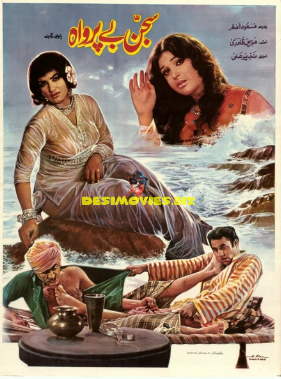
The text comprises a dramatic monologue or play script, exploring complex themes of love, family honor, poverty, and justice within a rural South Asian community. The narrative unfolds through interwoven conversations and monologues revealing multiple perspectives on moral dilemmas, particularly concerning the selling of daughters and the consequences of vendettas. The dialogue is rich in emotional intensity, reflecting the characters’ struggles with societal pressures and personal choices. Multiple storylines intertwine, focusing on various characters grappling with difficult situations and the implications of their actions. The piece concludes with a sense of unresolved tension, leaving the audience to consider the lasting impact of the characters’ choices and the overall societal complexities presented.
Text Analysis Study Guide
Quiz
Instructions: Answer each question in 2-3 sentences.
- What are some of the recurring themes in the text regarding family relationships?
- How does the text portray the power dynamics between the wealthy and the poor?
- What role does alcohol play in the lives of some of the characters?
- What is the significance of land ownership in the text?
- How does the text depict the legal system and its impact on individuals?
- Describe the ways in which honor is a major concern for different characters.
- How are women’s roles and expectations portrayed in the text?
- How do some of the characters use language to manipulate or deceive others?
- What is the role of violence in the text, and what motivations drive it?
- What are the main conflicts in the text, and how do they relate to each other?
Quiz Answer Key
- Family relationships are shown as complex, often strained by conflict, loyalty, and betrayal. There is both deep affection and significant tension, particularly between parents and children and siblings.
- The wealthy hold considerable power, often using their resources to manipulate the poor and the legal system. The poor are often at the mercy of the wealthy and face exploitation.
- Alcohol is depicted as a destructive force in the text, leading to violence, poor judgment, and manipulation of others. It’s often shown as a way for characters to cope with their circumstances.
- Land ownership is a source of power and conflict, with characters willing to go to great lengths to acquire or maintain it. The loss of land is portrayed as a significant blow to social status.
- The legal system is often shown as corrupt and easily manipulated by the wealthy, failing to protect the poor. Lawsuits are used as a tool for personal gain and vengeance.
- Honor is a central concern, with characters taking extreme actions to protect their reputation and family name. This can be the basis for violence, betrayal, and complex relationships.
- Women are often portrayed as having limited agency within a patriarchal society, being objects of negotiation and control. They must uphold family honor while also facing personal struggles and limited choices.
- Characters use language to manipulate, deceive, or negotiate their way through conflicts. This includes both subtle persuasion and outright lying to gain advantage.
- Violence is used as a way to settle scores, enforce power, and seek revenge. This can be both physical and emotional violence with characters driven by jealousy, greed, and the need to protect their honor.
- The main conflicts include class struggles, family disputes, legal battles, and conflicts over land and honor. These different conflicts are interwoven and influence characters’ motivations and actions throughout the story.
Essay Questions
Instructions: Answer each question in a well-structured essay format.
- Analyze the text’s depiction of social class and its impact on characters’ lives and relationships. Consider the roles and constraints placed on the wealthy, laborers, and other social groups present in the text.
- Explore the significance of honor as a theme in the text, including its role in shaping characters’ decisions and actions. How do cultural notions of honor and shame influence the story’s events and outcomes?
- Discuss the portrayal of women in the text. What are their roles within families and communities, and to what extent are they able to assert their agency? How do gender dynamics contribute to the central conflicts?
- Examine the role of language and communication in the text. How do characters use language to manipulate, deceive, or pursue their goals? How does miscommunication contribute to the story’s conflicts?
- Evaluate the ending of the text. What are the central conflicts that remain unresolved? Does the conclusion offer any sense of hope or resolution, or does it further expose the tensions within the text?
Glossary of Key Terms
- Chaudhary: A term used to denote a person of power and status, often a landlord or head of a village.
- Jatt: A term referencing a particular social group or caste in South Asia, often associated with land ownership and agriculture.
- Tilak: A mark or symbol worn on the forehead, often with religious or cultural significance.
- Halal: In the context of the text, refers to actions that are considered proper and permissible according to religious or moral standards.
- Doli: A type of palanquin, traditionally used for carrying a bride during wedding processions.
- Thandar: A police officer, often used in a local context.
- Inshallah: An Arabic phrase meaning “God willing,” used to express hope or intention for a future event.
- Bena: An ambiguous term in the text that seems to refer to a kind of longing or desire.
- Holi: A Hindu spring festival, celebrated with colors.
- Dangal: A traditional Indian wrestling tournament.
Honor, Love, and Revenge in a Class-Bound Society
Okay, here is a detailed briefing document based on the provided text, exploring its main themes, key ideas, and notable quotes:
Briefing Document: Analysis of “Pasted Text”
I. Overview:
The provided text appears to be a transcript of a dramatic narrative, likely from a play or film script. It’s characterized by intense dialogue, shifting perspectives, and a strong sense of conflict rooted in social hierarchies, family honor, love, and revenge. The setting seems to be a rural community, possibly in South Asia, where traditional values and patriarchal structures are prominent. The language is evocative, employing colloquialisms, curses, and poetic pronouncements.
II. Main Themes and Key Ideas:
- Social Hierarchy and Class Conflict: The narrative is deeply embedded in the power dynamics of a class-based society. The “Choudhary” (a title suggesting a landowner or village leader) and their family occupy a position of privilege, while laborers and other poorer villagers are often subjected to their whims and exploitation.
- Quote: “Being the daughter of a chowdhary’s worker, She started coming and going.” This highlights the class difference and the limited agency of those from lower social strata.
- Quote: “I think of him as a worker who works for them. You are the people and we are the ones who do your housework.” This starkly contrasts the different positions in the social structure.
- Idea: The text constantly showcases how the rich use their power (legal, financial, social) to manipulate and dominate the poor.
- Honor, Shame, and Family Reputation: A recurring theme is the immense importance of family honor and reputation, particularly related to women. Marriages are often transactional, and the actions of family members, especially women, can bring shame or pride to the whole family.
- Quote: “I fear your honor, you are a good house.” This illustrates the value placed on a family’s reputation.
- Idea: There’s a strong sense of patriarchal control where women are often viewed as a means to maintain or enhance family standing. The treatment of daughters as “another’s wealth” underscores this patriarchal aspect.
- Quote: “Honor has been auctioned off for this.” This line represents the deep shame experienced when family honor is compromised.
- Love and Sacrifice: The narrative explores the complexities of love, which is often juxtaposed against social constraints and familial obligations. Characters make immense sacrifices for love, often leading to tragedy and further conflict.
- Quote: “He did it, and I did it in my love.” This shows the characters’ extreme actions performed for love.
- Idea: The characters grapple with different kinds of love: familial love, romantic love, and love for one’s community. These are often in conflict.
- Idea: The idea of love being a driving force behind the decisions of characters often leads to tragedy.
- Justice and Revenge: The story is driven by a cycle of violence, where acts of injustice often lead to desires for revenge. The legal system is often depicted as corrupt and easily manipulated by the wealthy.
- Quote: “The entire land was sold for a lawsuit.” This illustrates how legal battles are tools for power, often leaving the poor impoverished.
- Quote: “Revenge for giving him a hug from you. I will take it.” This reveals the intense desire for retribution.
- Idea: The quest for justice is often pursued through personal vendettas, demonstrating the breakdown of institutional fairness.
- Materialism and Greed: The desire for wealth, land, and material possessions is another potent theme, often leading to corruption, exploitation, and the erosion of human values.
- Quote: “What should we do with these newly acquired lands?” The question emphasizes the materialistic focus of the wealthy.
- Idea: The desire for material gain drives many of the conflicts and negative actions seen in the text, showing the dark side of ambition.
- Quote: “The price of the food was paid and our gentleman was in need.” This line highlights the stark transactional nature of their society.
- Moral Ambiguity and the Nature of Good and Evil: The text rarely presents clear-cut heroes and villains. Characters often exhibit a mix of good and bad qualities, making it difficult to judge them definitively.
- Idea: Characters often act out of desperation or under duress, blurring the lines between right and wrong. The text shows how difficult it is to be good within a corrupt system.
- Idea: The cycle of violence and revenge raises questions about moral responsibility and the difficulty of breaking these cycles.
- The Importance of Relationships (Both good and bad): Characters are deeply interwoven and defined by their connections to each other (father/daughter, friends, lovers, rivals) which drives the narrative forward
- Idea: Relationships are often transactional but it does show that even in a ruthless environment like the one described, that connection is still crucial to the human condition.
III. Significant Characters and Relationships:
- Choudhary: Represents the wealthy and powerful landowning class. Their actions are often morally ambiguous, driven by their own self-interest and desire to protect their social standing. Multiple Choudharys appear, highlighting the system of power rather than one bad individual.
- Laborers/Workers: Represent the poor and marginalized, often victimized by the Choudharys and their system. They are also capable of love, loyalty, and vengeance. They are the opposite of the Choudharys in the class system.
- The Women: Characters like Farida, Pino, and other women, are pivotal. They are often caught between family honor and their own desires, leading to difficult choices and often tragic outcomes.
- Friends: Friendship proves important to the lives of the characters, both the loyal bonds and betrayals drive the narrative.
IV. Stylistic Elements:
- Intense Dialogue: The use of direct, often heated dialogue, creates a sense of immediacy and drama. The characters often argue and express raw emotions.
- Colloquial Language: The use of idioms, curses, and colloquialisms gives the text a sense of authenticity and grounds it in a specific cultural context.
- Poetic Pronouncements: Characters use poetic and often metaphorical language to express their feelings, often at moments of heightened emotion.
V. Conclusion:
The text provides a compelling look at a complex society grappling with issues of class, honor, love, justice, and revenge. It is not a simple story of good versus evil but a portrayal of deeply flawed characters navigating a corrupt and often brutal world. The narrative’s power lies in its intense emotionality, its exploration of moral ambiguities, and its depiction of the human condition under oppressive circumstances. This document presents the core concepts of the text while leaving room for deeper interpretations.
Honor, Land, and Justice in a Rural Society
FAQ
- What are the primary social conflicts depicted in this text? The text revolves around conflicts stemming from class disparities, honor, and family relationships. There are tensions between landowners (Chaudharis) and laborers, often resulting in exploitation and violence. Honor, particularly regarding women and family reputation, is a central motivator, driving actions like arranged marriages, revenge killings, and land disputes. Family loyalties are also frequently tested, as individuals choose between loyalty to family, love, or their own principles.
- How is the concept of ‘honor’ presented and what are its consequences? Honor is portrayed as a rigid social construct, especially concerning women. It dictates that women’s actions reflect on the entire family. Violations of honor, often perceived as disrespect or inappropriate romantic relationships, can lead to severe consequences such as murder, forced marriages, or complete social ostracization. The pursuit of honor frequently leads to violence, injustice, and cycles of revenge, suggesting its destructive nature within this society.
- What role does land ownership play in the narrative? Land ownership is directly tied to power and social status. The Chaudharis, as landowners, hold considerable sway over the laborers who often depend on them. Disputes over land are common and can be the source of long-standing feuds and legal battles that consume entire families financially and emotionally. Land is also used as a tool for manipulation and control, with ownership sometimes offered or taken away as part of marriage agreements or as collateral.
- How are women portrayed within the given context? Women are often depicted as vulnerable and their lives are significantly controlled by male relatives. They are frequently treated as commodities, whose value is primarily determined by their family’s honor and their potential to be traded in marriage deals. The text also demonstrates some women challenging these restrictions, exhibiting agency through their actions and defying social expectations. Despite their lack of freedom and limited power, they still actively participate in influencing the decisions of their male counterparts within the family and community.
- What is the significance of the ‘worker’ or ‘laborer’ character, and how are they treated? The worker or laborer class faces significant injustice and exploitation. They are often depicted as being at the mercy of the Chaudharis, with little legal or social power. Their labor is often underpaid, and they’re often considered subservient, making them easy to be manipulated and oppressed. Despite this, there is also resilience and solidarity among them. Their lives are constantly at risk due to land disputes or other conflict, and their plight acts as a clear contrast to the landowners.
- What is the significance of the concept of ‘debt’ and how is it used? Debt acts as a major constraint and a tool of exploitation. It can be a financial burden passed down through generations or the burden of obligation when favors are done for an individual or a family. The text depicts how financial debt often forces people into difficult situations, making them vulnerable to coercion or unfair arrangements, like selling family land or even marrying off daughters for compensation. The idea of “social debt” also exists where favors performed create a never-ending obligation to the benefactor.
- How is the legal system portrayed in this narrative? The legal system is depicted as largely flawed and unjust. It is often influenced by the wealth and power of the landowners, leading to biased outcomes. The legal system is seen as a tool to oppress the poor, leaving them unable to find justice and recourse for any wrongdoing committed against them. Cases can drag on for years, bankrupting families and creating ongoing conflicts. The legal system’s inefficiency and corruption further contributes to the cycles of violence and revenge within the society.
- What are the prevailing themes regarding morality and justice? Morality and justice are frequently compromised in this text. The characters often grapple with ethical dilemmas, choosing between doing what is morally right and succumbing to societal pressures or the desire for revenge. The traditional systems of justice and morality are challenged by actions driven by greed, pride, and the pursuit of honor. The text also explores concepts of individual responsibility and agency within a world where systems are broken, and morality is often a matter of perception.
Love, Honor, and Social Status
The sources explore love and relationships through various lenses, often intertwined with themes of family, honor, and social status. Here’s a breakdown of the different aspects of love and relationships as depicted in the sources:
Romantic Love and Relationships:
- The sources depict romantic relationships, often between individuals of different social classes, that are passionate but face significant obstacles.
- Love is often portrayed as a powerful force, driving characters to make extreme choices. For instance, one character admits to having committed a violent act “in my love”.
- There are hints of love triangles or complicated romantic situations. Some characters express their love directly, while others seem to be involved in more complex romantic entanglements.
- Some relationships are described as being based on true affection and a desire to be together. For example, a character says “I found a gem in your eyes. I have built a palace of thoughts for you”.
- Love is often shown as a source of both joy and pain. Characters express deep affection, but they also struggle with heartbreak and disappointment.
Family Relationships:
- The sources highlight the strong bonds within families, particularly between parents and children.
- Parents make significant sacrifices for their children, often driven by love and a desire to protect them. For example, one character states “Sons are the lights of the home”.
- However, family relationships are also fraught with conflict. Disputes arise over issues such as marriage, honor, and financial matters.
- There are contrasting views on the value of sons and daughters. Some believe that sons are the ‘lights of the home’ while others highlight the importance and value of daughters.
- The sources also discuss the importance of respecting elders and family members, with a specific emphasis on respecting the role of parents.
Relationships and Social Status:
- Social status and wealth greatly influence relationships. The “Chaudhary,” a figure of high social standing, is often at the center of relationship conflicts.
- Marriages are often seen as transactions or means of gaining social or financial advantage, sometimes overriding the desires and wishes of those involved.
- The sources also touch upon the idea of love and relationships across class lines, where those from lower classes struggle to gain acceptance.
- Honor and reputation are closely tied to relationships. Characters are willing to go to extreme lengths to protect their family’s honor and avoid being shamed.
- There is a sense of injustice in how those of lower classes are treated. For example, a character states, “Even if the daughter of the bride becomes a customer, for them There is nothing wrong with you, you are someone’s son, a laborer.”
Other Notable Aspects:
- There is an emphasis on commitment, loyalty, and the importance of keeping one’s word within relationships.
- The sources discuss complex relationships between friends and betrayals.
- The concept of “halal,” or what is permissible, also plays a role in relationships, particularly within the context of marriage and duty.
In conclusion, the sources provide a complex look into various types of love and relationships and emphasize that they are often shaped by social status, family dynamics, and the importance of honor. These elements interweave and create tension and conflicts among individuals.
Murder, Lawsuits, and Social Justice
The sources contain frequent references to murder and lawsuits, often intertwined with themes of honor, family, and social status. Here’s a breakdown of how these elements are portrayed:
Murder:
- Murder is a recurring theme, with several characters either committing or being accused of murder. These acts are often driven by intense emotions such as love, revenge, and anger.
- One character admits to having killed someone “in my love”.
- The murders are often violent, with descriptions of stabbing and other forms of physical assault.
- There’s a sense of retribution, with characters seeking revenge for the murder of loved ones. For example, a character vows to seek revenge for the murder of his son.
- In one instance, a character is killed for marrying someone else’s young daughter.
- The consequences of murder are severe, often leading to imprisonment and legal battles.
- There is also a sense of injustice, as some murders are committed by those in power or those who can manipulate the system.
- The sources suggest that murders are sometimes committed for financial gain or to resolve disputes over land or property.
- There are mentions of the use of bribes to influence outcomes in cases of murder.
Lawsuits:
- Lawsuits are a prominent aspect of the narrative, often arising from disputes over land, property, and murder.
- The sources suggest that the legal system is often biased, with those in power having an advantage.
- The financial burden of lawsuits is significant, with families selling land and property to pay legal fees.
- Lawsuits are often protracted and complex, with multiple cases being filed and the legal process dragging on for years.
- There is a sense of desperation and helplessness among those caught in the legal system.
- The outcomes of lawsuits are often unpredictable, adding to the characters’ anxieties and frustrations.
- Characters try to manipulate or influence the outcome of lawsuits through bribery or connections. For example, a character asks, “If you had him kill you by giving him a bribe, and now Never even to meet him.”
- A character says, “The entire land was sold for a lawsuit.”
- The sources indicate a distrust in the legal system, with characters often feeling that justice is not served.
Interplay between Murder and Lawsuits:
- Murder often leads to lawsuits, which are further complicated by the social and economic status of those involved.
- The pursuit of justice is a major driver of the narrative, with characters seeking retribution for murder through legal channels.
- The legal system is often portrayed as corrupt and unreliable, with the powerful manipulating the process to their advantage.
- The sources also show the emotional toll of murder and lawsuits on individuals and families, with characters experiencing grief, anger, and despair.
Other Notable Aspects:
- The sources highlight the significance of honor and reputation within the context of murder and lawsuits. Characters are willing to go to extreme lengths to protect their families from shame.
- There is a sense of injustice in how the legal system treats those from lower classes, with the rich and powerful often escaping punishment.
- The sources also explore the psychological impact of violence and legal battles on the characters, with many of them becoming disillusioned and embittered.
In conclusion, murder and lawsuits are central themes in the sources, revealing a society riddled with violence, injustice, and corruption. These elements are closely tied to the themes of love, honor, family, and social status, creating a complex and often tragic narrative.
Family Honor and Social Dynamics
Family honor is a central theme in the sources, deeply influencing the actions and decisions of the characters. Here’s an analysis of how family honor is depicted:
Importance of Family Reputation:
- The sources emphasize that maintaining family honor is paramount. Characters are highly concerned with their family’s reputation within the community. They are willing to make significant sacrifices to protect it.
- Characters will go to great lengths to avoid shame or disgrace. The actions of individual family members reflect on the entire family, and their misdeeds can bring dishonor to everyone.
- One character states, “Dishonesty is our good blood”, suggesting that family reputation is tied to honesty.
Actions to Preserve Honor:
- Marriages are often arranged to preserve family honor or to improve a family’s social standing. In some instances, a daughter’s hand is offered to settle disputes or financial obligations.
- The sources depict that family honor can be a motivating factor for both violence and reconciliation. Characters seek revenge to avenge perceived slights to their family, but also to defend their family’s honor.
- Conflicts often arise when honor is threatened. Characters engage in disputes and lawsuits to defend their family’s reputation. For example, one character says, “I have sentenced my daughter to death for this,” highlighting the extreme measures taken to preserve honor.
- Characters take great care to avoid situations that might bring shame upon their families. For instance, a character says, “I won’t let you die of love pain,” indicating a desire to avoid the dishonor that would come from a relationship that goes against social norms.
Conflicts Arising from Honor:
- The pursuit of honor can lead to internal conflicts within families, as characters grapple with competing values and desires.
- Characters often feel pressured to conform to expectations. For instance, a character says, “I am a crazy person, even a child of one year old”, which shows how individuals may feel pressured to adhere to a rigid code of conduct.
- There are instances where a family’s reputation is damaged because of a son’s misdeeds, such as murder. In these cases, family members are prepared to pay a price to restore honor.
- The sources highlight the conflict between individual desires and the demands of family honor. Characters are often forced to choose between their personal happiness and the expectations of their family and community.
Gender and Honor:
- The sources suggest that women’s actions are particularly tied to family honor. A woman’s behavior and choices can either bring honor or disgrace to her family.
- The honor of daughters is treated as a valuable commodity and often used as leverage or collateral in negotiations and disputes.
- The sources reveal that when honor is compromised, it is often women who bear the brunt of the consequences, such as being sold into marriage.
- Sons also play a role in upholding family honor, often expected to be protectors and defenders of their families.
- There is an imbalance, as sons are often given more leeway than daughters. One character states, “If a son goes to jail, he will be acquitted, but if a daughter goes Education should be given from home, not from the next household.”
Social Status and Honor:
- Social status significantly influences how honor is perceived and maintained. Characters from higher social classes, like the “Chaudhary,” have more to lose in terms of reputation and are more likely to enforce codes of honor.
- The sources suggest that the wealthy can sometimes manipulate or circumvent codes of honor, further emphasizing the social inequalities.
- Those from lower social classes struggle to uphold their honor in a system that often disadvantages them. One character remarks, “Even if the daughter of the bride becomes a customer, for them There is nothing wrong with you, you are someone’s son, a laborer.”
Other Notable Aspects:
- The sources show how the concept of “izzat” (respect/honor) is a powerful motivator for characters. They go to great lengths to maintain their standing in the community.
- The sources also display a sense of disillusionment with the emphasis on family honor as it becomes a source of conflict and oppression. Characters question the value of maintaining a strict code of honor at the expense of personal happiness.
- The concept of “halal” is also linked to honor, with characters wanting to do what is permissible within the context of their social and moral codes.
In conclusion, family honor is a dominant theme in the sources, shaping characters’ actions and relationships, and acting as a powerful force that can lead to both conflict and sacrifice. The sources reveal how the rigid adherence to family honor can lead to both tragic outcomes and expressions of enduring loyalty and love, with the concept deeply entwined with social status, gender, and individual choices.
Wealth, Poverty, and Power
Poverty and wealth are major themes in the sources, often presented in stark contrast and highlighting the social and economic disparities that exist within the community. The sources explore how wealth and poverty shape individuals’ lives, their relationships, and their interactions with the legal and social systems.
Wealth and its Implications
- Power and Influence: The sources frequently associate wealth with power and influence. Those who are wealthy, like the “Chaudhary,” often have the ability to manipulate the legal system, exploit the poor, and control social dynamics.
- Social Status: Wealth is a key determinant of social status, separating the rich from the poor and creating a hierarchy within the community. Those with wealth enjoy privileges and advantages that are not available to the less fortunate.
- Control and Exploitation: Wealthy individuals often control resources like land and property. They can exploit laborers and workers who depend on them for their livelihoods.
- Materialism: Some wealthy characters prioritize material possessions and financial gain over ethical or moral considerations. They engage in business and trade, sometimes exploiting others for profit.
- Entitlement and Arrogance: The sources depict wealthy characters as sometimes arrogant and entitled, looking down upon those who are poor and treating them unfairly.
- Corruption: Wealthy individuals are often involved in corrupt practices such as bribery and manipulation of the legal system. They are able to use their wealth to influence outcomes in their favor.
- Responsibility: Despite their negative behavior, the sources also highlight expectations of wealthy people that they will take care of the poor, reflecting a sense of social responsibility that is often unfulfilled.
Poverty and its Challenges
- Lack of Resources: The sources depict the struggles of poor individuals who lack basic resources such as money, land, and property. They are often forced to work as laborers, earning meager wages and living in difficult conditions.
- Dependence: The poor are often dependent on wealthy individuals for their survival, making them vulnerable to exploitation and abuse. They lack power and agency, often having to accept unfair treatment to survive.
- Limited Opportunities: Poverty limits opportunities for education and social mobility, perpetuating the cycle of poverty. The children of laborers are often forced to work instead of attending school.
- Social Stigma: The poor are often stigmatized and looked down upon by those who are wealthy, contributing to a sense of marginalization and despair.
- Powerlessness: The poor are frequently powerless in the face of the legal and social systems, unable to seek justice or challenge the authority of the wealthy. They are often subject to unfair treatment and abuse without recourse.
- Desperation: The sources highlight the desperation of those living in poverty, who sometimes resort to extreme measures to survive, including selling their land, and taking out loans to pay for legal battles.
- Hardship: The lives of the poor are depicted as filled with hardship, including strenuous labor, poor living conditions, and lack of access to essential services.
- Vulnerability: The sources suggest that the poor are vulnerable to the whims of the wealthy and are sometimes used as pawns in their games.
Interactions between Rich and Poor
- Exploitation: The sources highlight the exploitative relationship between the wealthy and the poor. The wealthy often use their resources to benefit at the expense of those who are less fortunate.
- Dependence: The poor are often dependent on the wealthy for their livelihoods and are often forced to accept unfavorable terms.
- Social Tensions: The stark contrast between poverty and wealth creates social tensions and conflicts within the community. The resentment of the poor towards the rich is palpable in many instances.
- Manipulation: Wealthy individuals sometimes use their power to manipulate and control the poor, often for their own benefit.
- Conditional Charity: There are instances where the wealthy provide charity, but often with conditions or self-serving motives.
Other Notable Aspects
- Inheritance: The sources touch on inheritance, with some characters concerned about their land and property being passed on to future generations.
- Debt: Debt is another significant theme, with many characters struggling to repay loans, often to wealthy moneylenders.
- Economic Injustice: The sources portray a society with significant economic injustice, where the wealthy benefit at the expense of the poor.
- Social Mobility: The sources indicate that there is little opportunity for social mobility, with the poor often trapped in their circumstances.
In conclusion, the sources present a stark depiction of the disparities between the wealthy and the poor. The wealthy wield power and influence, while the poor struggle with hardship and exploitation. These economic differences are a major source of social tension, injustice, and conflict in the world portrayed in the sources.
Substance Abuse and Societal Impact
Alcohol and drugs play a significant role in the sources, influencing characters’ actions, relationships, and overall well-being. Here’s an analysis of how these substances are depicted:
Alcohol Consumption:
- Common Occurrence: Alcohol consumption appears to be a common practice, especially among certain characters, with many scenes depicting characters drinking or being intoxicated.
- Social Activity: Drinking is often presented as a social activity, with characters gathering to drink and socialize. It can be part of celebrations, or a way to pass the time.
- Escape from Reality: For some characters, alcohol seems to be a way to escape from the harsh realities of their lives. They use it to forget their troubles and cope with difficult situations.
- Addiction and Dependence: The sources depict characters struggling with alcohol addiction and dependence. They are unable to function without drinking, and their addiction leads to negative consequences.
- Negative Consequences: Alcohol abuse is associated with a range of negative consequences, including violence, poor decision-making, and health problems. Characters are shown behaving irrationally and engaging in destructive behaviors when drunk. For example, one character says, “Drinking alcohol at night and throwing bricks at people Walking I find out as the day progresses”.
- Financial Implications: Characters who are addicted to alcohol often squander their money on drinks, leading to financial difficulties for themselves and their families. One character mentions, “It’s a loss, son, save the money, I’ll drink”.
- Moral Condemnation: Some characters condemn drinking, seeing it as a vice that leads to immoral behavior. Others accept drinking as a normal part of their culture.
- Manipulation: Some characters offer alcohol to others as a means of manipulation or control.
- Social Commentary: Alcohol is also associated with the rich and their excesses. One character states, “Oh, what a drug of the rich, you have given me…”. The sources are using alcohol as a lens through which the morality and power dynamics of the society are examined.
Drug Use:
- Use of Substances: The sources also mention the use of drugs, which are sometimes used in combination with alcohol. The specific types of drugs are not always clear, but they are associated with negative behaviors.
- Manipulation and Control: Drugs are also used as a tool for manipulation and control. Characters are sometimes drugged against their will or given substances to make them more compliant. For example, one character says, “I’ll give you drugs and come and check on you”
- Criminal Activity: The sources imply that drugs are connected with criminal activity. Characters are shown to be involved in illegal activities related to drug use.
Impact of Substance Use:
- Violence and Conflict: Both alcohol and drug use contribute to violence and conflict in the sources. Characters who are under the influence of these substances are more likely to engage in fights and other aggressive behaviors.
- Family Discord: Substance abuse creates tension and discord within families. The sources depict family members struggling to cope with the destructive behaviors of loved ones who are addicted to alcohol or drugs.
- Health Problems: The sources hint at the health problems associated with substance abuse. Characters are described as being sick or having damaged lungs due to their drinking habits.
- Economic Strain: The misuse of alcohol and drugs leads to economic problems, as individuals squander their money on these substances, or are exploited or manipulated due to their dependence.
- Moral Decline: Substance abuse is associated with a decline in moral behavior. Characters who are addicted to alcohol or drugs are more likely to engage in dishonest or unethical actions.
- Loss of Control: Characters under the influence of alcohol and drugs often display a loss of control over their actions, which leads to mistakes, regret, and negative consequences.
- Social Commentary: The portrayal of alcohol and drug use highlights the social and economic issues that exist within the community. These substances are often used by those who are struggling with poverty or oppression, offering a temporary escape from their difficult circumstances.
- Cycle of Addiction: The sources suggest a cycle of addiction, with characters getting trapped in destructive patterns of substance abuse that are difficult to break.
In conclusion, alcohol and drugs are significant elements in the sources, influencing characters’ behaviors, social interactions, and overall well-being. These substances are often associated with negative consequences such as violence, financial problems, and a decline in moral values, while at other times, they are used as part of social gatherings. They highlight the vulnerabilities and problems faced by individuals and the communities in the sources, as well as the power dynamics and social inequalities that exist.

By Amjad Izhar
Contact: amjad.izhar@gmail.com
https://amjadizhar.blog
Affiliate Disclosure: This blog may contain affiliate links, which means I may earn a small commission if you click on the link and make a purchase. This comes at no additional cost to you. I only recommend products or services that I believe will add value to my readers. Your support helps keep this blog running and allows me to continue providing you with quality content. Thank you for your support!

Leave a comment