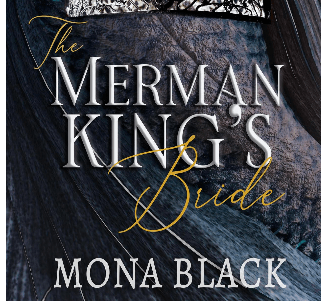
Excerpts from “combinepdf.pdf” present a section of a fantasy romance novel, “The Merman King’s Bride,” focusing on a pivotal scene between the protagonist, Seline, and a fae king. Seline, a human woman, is forced into an uncomfortable situation and experiences intense emotions, physical and emotional distress. The extracted text highlights Seline’s struggle with her feelings, her interactions with the king, and her ultimate decision regarding their relationship. The passages emphasize the themes of coercion, emotional turmoil, and self-discovery within a magical setting. The excerpts show Seline’s internal conflict and the intensity of her emotions as she navigates a difficult choice.
The Merman King’s Bride: A Study Guide
Quiz
- What is Adar’s initial reaction to holding Selina? How does he describe the feeling of holding her?
- How does Adar describe the way Selina makes him feel in contrast to his typical interactions with others?
- When Selina asks why Adar saved her life, what reason does he give? What is implied or revealed about him by his answer?
- How does Adar react when he realizes he has injured Selina? What is his response to her claim that he is a “healer”?
- What is the nature of the “curse” referenced throughout the text, and how does it seem to affect Adar?
- What is Selina’s reaction to Adar’s statement that she “can’t be saved”? What is revealed by this?
- Describe the internal conflict that Adar experiences as he tries to decide what to do with Selina.
- What specific act does Adar take to demonstrate his devotion to Selina in the final pages of the text?
- How does Adar’s perspective on his curse shift from the beginning of the provided text to the end?
- What feelings or states of mind does the text associate with being in the water? How is this significant?
Answer Key
- Adar describes holding Selina as the “greatest pleasure I’ve felt in a long time.” He notes she is warm, alive, and that everything he needs is in her.
- Adar feels like he is all “soft curves and silken dark hair” when he holds her. Selina’s gentleness is in stark contrast to his usual existence as a cursed, and therefore hardened, individual.
- Adar initially states that he saved Selina because of his “pride.” This implies that he is motivated by ego and a desire to not give in to the fate he believes was set for him.
- Adar is distraught after he cuts her and becomes consumed with guilt. He strongly refutes the idea that he is a healer, claiming that the thought that he can be is “a place deep inside of me that hurts almost as much as the wound.”
- The curse is not fully explained, but it turns the cursed person into an animal that cannot have any intimate relationships. It seems to drive Adar to self-loathing and violent impulses.
- Selina denies the idea that she can’t be saved and wants to fight for him. She says that she does not want to cause him any pain, and she doesn’t care about fate.
- Adar fluctuates between wanting to push Selina away and fiercely protecting her, struggling to reconcile his cursed nature with his growing affection. He also struggles with the idea of giving in to fate.
- Adar undoes the knot on the bag around his head to get closer to Selina, which he previously said he could not do because he is cursed. He uses the ribbon in her hair to tie the bag back, suggesting a symbolic bond.
- Adar’s perspective shifts from believing he is forever doomed and beyond help to finding some peace in his decision to fight for Selina. He embraces his love for her as a counterweight to the curse.
- The text associates water with the curse and the pain of his existence. It is initially something he tries to escape and now, by the end, he is choosing to stay in the water with her.
Essay Questions
- Analyze the symbolism of water in “The Merman King’s Bride,” exploring how it represents both danger and transformation.
- Discuss the theme of fate versus free will in the text. How do Adar and Selina’s actions challenge or reinforce the idea of a pre-determined destiny?
- Examine the concept of “curse” in the text. How does it function as a metaphor for self-destructive behavior, and how does Adar’s understanding of it evolve throughout the story?
- Compare and contrast Adar’s treatment of Selina with his described past actions toward others. What do these differences reveal about the change in his character?
- Explore the text as a subversion or retelling of classic fairy tale tropes. How does the story both adhere to and defy expectations of the genre?
Glossary of Key Terms
- Fae: A supernatural being, often associated with nature, magic, and trickery. In this story, it refers to the race to which Adar belongs.
- Curse: A magical spell or affliction that brings misfortune or negative consequences. In this text, it refers to the condition that Adar suffers from which affects his behavior and relationships.
- Lesser Faeries: The beings who are smaller in size and generally perceived as less powerful than other Fae. Adar mentions wanting to use the lesser fae for their power.
- Fate: The pre-determined course of events believed to be inevitable and beyond human control. The idea that Adar’s life is set, and that he will always be a monster who can’t love, is his idea of fate.
- Cursed Fae: A reference to the supernatural beings cursed to be monstrous animals as a punishment for past deeds. This is how Adar defines himself.
- Pride: A sense of one’s own worth or superiority that can lead to arrogance or hubris. Pride is Adar’s initial motivation, but it doesn’t last throughout the text.
- Transformation: A marked change in form, appearance, character, or condition. Adar goes through a transformation by the end of the text.
- Metaphor: A figure of speech in which a word or phrase is applied to an object or action to which it is not literally applicable. Adar describes himself and the curse through various metaphors.
- Symbolism: The use of objects, people, or ideas to represent something else. The water is a symbol that is used throughout this text.
- Internal Conflict: A struggle within the mind of a literary character, such as a dilemma, or struggle with feelings or beliefs. Adar struggles against his curse.
The Merman King’s Bride: A Cursed Romance
Okay, here’s a briefing document summarizing the key themes and ideas from the provided excerpts of “The Merman King’s Bride: A Fairytale Romance (Cursed Fae Kings)”:
Briefing Document: “The Merman King’s Bride” Excerpts
I. Overview
This document summarizes excerpts from a fantasy romance novel, “The Merman King’s Bride,” focusing on the internal conflict and developing relationship between Adar, the Merman King, and Selina, a human woman. The narrative explores themes of self-sacrifice, forbidden love, acceptance, and the struggles of a cursed individual.
II. Key Themes and Ideas
- Forbidden Love & Sacrifice: A central theme is the forbidden nature of the relationship between Adar (a Fae/merman king) and Selina (a human). They are from different worlds and Adar is cursed, which complicates the connection. Adar initially sees Selina as a “prize,” but quickly comes to care for her, willing to put her needs before his own. He even thinks, “I protect what is mine and I never realized that in my mind she already belonged to me.” His actions, especially in rescuing her from drowning, demonstrate a growing selflessness: “You saved my life,” she whispers. “Is that so hard to believe?” I shake my head at her. “You wound my pride.”
- The Curse and Internal Conflict: Adar is depicted as battling his cursed nature. He’s portrayed as both powerful and internally tormented, struggling with his identity as a “beast” due to his curse. He admits, “I’m cursed and desperate, with nothing to offer. I’m a feral animal living in a lake, more beast than man.” His inability to let Selina go is directly tied to his curse, creating a painful paradox for him, “Something was pulling me into the deep.” He is deeply conflicted between wanting her and feeling it might be best for her if he leaves.
- Acceptance vs. Resistance: Both Adar and Selina grapple with accepting the situation they find themselves in. Initially, Selina is confused and questioning, “To me. How it happened to me.” She comes to terms with how things have developed. Adar’s struggle is more internal, fighting with what he feels he deserves versus what he truly desires. He is caught between his duty and longing, “And yet here you are. Why?” and ultimately it is his desire for her happiness that he focuses on, “I should be glad. She’s better off without me.”
- Growth and Transformation: Both characters experience growth throughout these passages. Adar starts off as rather possessive and seeing Selina as a possession. Through the course of their interactions he grows more gentle and caring for her needs over his own. Selina begins very confused and questioning of her position, and by the end of the provided pages, she has a strong awareness of her feelings and how she is impacting Adar.
- Duty vs. Desire: Adar’s position as a king is highlighted. His responsibilities as ruler clash with his personal desires and the love he feels for Selina. The text emphasizes his responsibility to his people: “Up and think I can be a human. Not to ignore the curse. Not to let go.” He feels he must fulfill his duty to his realm and to the curse, and not allow his desire for Selina to impact it.
- Emotional Turmoil and Despair: The excerpts frequently showcase the characters’ internal turmoil. Adar’s anger and despair, such as when he is tearing at the lake shore, “Tearing through the lake, hitting logs and rocks as I approach the opposite bank, I pull myself up on the shore and slam my fists into the ground.” is contrasted with his concern for Selina, “I don’t think my fate has anything to do with you.” He cycles between the two, emphasizing the complexity of their situation.
- The Nature of Love: The text explores the power of love to challenge assumptions and transcend boundaries. For Adar, it seems to be a new experience, causing inner turmoil and a questioning of himself and what he deserves. For Selina, her feeling of obligation and guilt for Adar saving her seems to quickly transform into real care and affection. Her statement that “I never felt this way before, I told you, I wasn’t playing,” showcases that her feelings are genuine and her development through her interactions with Adar.
III. Significant Character Interactions & Quotes
- Adar’s Internal Monologue: The text provides great insight into Adar’s thoughts:
- “I’m cursed and desperate, with nothing to offer. I’m a feral animal living in a lake, more beast than man.” This shows his self-perception as a cursed being.
- “I should be glad. She’s better off without me. She can’t save me, and even if she could, I am Fae and she is human. She’ll marry her prince, have pretty children, live happily ever after. Why should I even want to get in the way of that?” This reveals his inner conflict and willingness to sacrifice his happiness for hers.
- Adar and Selina’s Interactions: Their dialogues showcase a mix of tenderness, tension, and conflict:
- “You saved my life,” she whispers. “Is that so hard to believe?” I shake my head at her. “You wound my pride.” This reveals their developing care and also Adar’s own pride.
- “Adar…” My name is a gush of warm air against my skin where her head rests. “I’m here,” I say, petting her hair. “It’s okay. You will be fine.” This demonstrates his growing protectiveness and tenderness toward her.
- “I care about you,” I say and I know she can’t hear me anymore, but the words come out anyway. It’s like lancing a wound. “I’ve never felt this way before. I told you, I wasn’t playing.” This confirms his genuine feelings for Selina.
- “That’s sweet and unexpected.” “I’m fine, and I should go back,” I tell her, “quickly. You’re wet and it’s cold. Don’t fall sick and blame me for it.” This shows Adar’s genuine care for her.
IV. Conclusion
The excerpts from “The Merman King’s Bride” present a complex narrative about forbidden love, personal sacrifice, and internal conflict. The interplay between Adar and Selina highlights a relationship built on deep care, while also navigating the curse that binds them. The themes of duty versus desire, acceptance, and emotional turmoil create a compelling portrait of a love story set within a fantastical world. The ending of the provided excerpts leaves the reader questioning the fate of these two characters and the future of their relationship.
A Mer-King’s Cursed Love
Frequently Asked Questions:
- What is the central conflict the main character is struggling with?
- The main character, a Mer-King cursed to be a Fae, is grappling with a powerful inner conflict stemming from his growing love for a human woman, Selina, versus his ingrained belief that he should not love or care for anyone due to his cursed nature. He struggles between the instinct to protect and nurture her and the self-inflicted emotional barrier that tells him he must be alone and that she is “better off” without him. This internal struggle is further intensified by his knowledge that as a Fae, his very presence is dangerous to her.
- How does the Mer-King view himself, and why?
- The Mer-King views himself as a monster, a creature “cursed and desperate,” and “more beast than man.” This negative self-perception is rooted in the curse he carries which has turned him into a Fae. This curse causes him to act against his own better judgment, and has created a deep self-loathing, believing he doesn’t deserve love or happiness. He constantly expresses the idea that he is a threat to anyone he cares for.
- Why does the Mer-King initially distance himself from Selina?
- The Mer-King initially distances himself from Selina out of a twisted sense of protection. He believes his love for her is inherently dangerous and that by pushing her away, he will be safeguarding her from the potential harm his cursed nature might inflict. He reasons that as a Fae, he is not capable of true affection and will inevitably hurt her, so it is better to let her go. He also appears to have low self-worth, thinking he is inherently bad for her.
- What kind of relationship is portrayed between the Mer-King and Selina?
- The relationship between the Mer-King and Selina is complex and emotionally charged, marked by deep tenderness but also hindered by the Mer-King’s self-imposed barriers. Despite his attempts to distance himself, their connection is incredibly powerful. Selina’s kindness and unwavering concern towards him cut through his defenses, and his desire to protect her contradicts his fear of getting close. The relationship is shown to be very intense and meaningful to both parties.
- How does the idea of “fate” influence the Mer-King’s actions and thoughts?
- The Mer-King feels as if he is bound by fate and cursed to a life of loneliness and despair. This idea of fate heavily influences his actions, often leading him to believe he has no choice but to push Selina away. He feels as if he’s always been and will always be cursed. This notion of an unchangeable fate prevents him from freely accepting happiness and his own love for Selina, adding to his inner conflict and his belief that he is dangerous to those around him.
- What role does the act of caring and kindness play in the narrative?
- The act of caring and kindness acts as a catalyst in this story, challenging the Mer-King’s negative self-perception. Selina’s unwavering compassion and gentle actions consistently show the Mer-King that he is not, perhaps, irredeemable. Her kindness pierces his guarded heart, forcing him to question his assumptions about himself and his destiny. The kindness is a source of confusion and longing for the Mer-King, as it forces him to face his desires rather than his self-loathing.
- What is the significance of the Mer-King’s physical transformation and curse?
- The Mer-King’s physical transformation into a Fae is more than just a physical change. It represents his inner turmoil and emotional state. His curse forces him to contend with the dangerous side of his nature, adding to his feelings of being monstrous and unworthy of love. The curse is also an external representation of his negative self-view, providing him with the validation that he can’t be loved. It also shows the dangers of the Fae world.
- How does the story end and what themes are highlighted in the ending?
- The story concludes with the Mer-King deciding to fight for his relationship with Selina and the possibility of change. He recognizes that he doesn’t have to follow the path he’s laid out for himself. Despite acknowledging his curse is still upon him, the Mer-King vows to not let it stop him from being with her. Themes of hope, the power of love to challenge fate and self-perception, and a tentative embrace of change are highlighted in the final moments of the text, leaving the reader with a sense of hope and the idea that love can still conquer all, even when a person is their own biggest obstacle.
The Merman’s Bride
The Merman’s bride is a character in a story who is part of a “cursed fae kings”. Here’s what the sources reveal about her:
- Her physical description: The Merman’s bride has dark hair, hazel eyes, and red-rimmed lips. Her hair is often described as having ribbons woven in it. She is also described as small with a soft and silky feel.
- Her relationship with the Merman: The Merman feels a strong connection with her, stating that she is “mine”. He is described as being “cured and desperate” to be with her and that she is the reason he is still alive. He refers to her as his “sweetness”. He also says that she “belongs to me” and that he thought she was “easy prey”. She is the only one he would trust to give his life for. The Merman states that he would drag her out of the water to keep her from harm.
- Her feelings: The Merman’s bride experiences confusion about how she feels. She is described as having a “gut-wrenching feeling of needing her, wanting her, making sure she’s safe”. She feels a strong sense of guilt, believing she is to blame for the Merman’s wounds. She also shows kindness towards the Merman.
- Her actions: She is described as being gentle and warm to the Merman. She tries to give him a way to keep his “pride”. She also seems to have been taken to the Merman through deception. It is said that she is a human, and it seems that there may be other humans with her. She is described as trying to get the Merman to stop his self-destructive behavior. She also has the ability to elicit different feelings from those around her.
- The story suggests that she is a key figure: She may be the reason that the Merman is cursed and she is someone he cares very deeply for, but it seems he may not be good for her. It is also revealed that she has a kindness about her that could break the Merman’s curse.
- She is seen as a source of hope for the Merman. She is described as being the one he can fight for, and the one who can help him change.
A Twisted Fairy Tale Romance
The sources present elements of a fairy tale romance, but with a dark and complex twist. Here’s a breakdown of the fairy tale romance aspects and the ways in which the story challenges those tropes:
Elements of a Traditional Fairy Tale Romance:
- A Cursed King: The Merman is a cursed Fae King, which aligns with the classic trope of a royal figure being under a magical enchantment.
- A Damsel in Need: The Merman’s bride is presented as someone who is in need of protection. She seems to have been taken to the Merman through some form of deception.
- A Powerful Connection: The Merman is intensely drawn to her. He believes she is “his” and feels desperate to be with her. He also states that she “belongs to me” and he thought she was “easy prey”.
- The Promise of Love and Devotion: The Merman is deeply devoted to the Merman’s bride. He says that she is the only one that he would give his life for. He also says that he will pull her out of the water to protect her from harm.
Subversion of Fairy Tale Tropes:
- The Dark Side of Possession: The Merman’s intense feelings of possession over the Merman’s bride add a darker tone to the romance. He thinks of her as “easy prey”.
- Forced Connection: The Merman’s bride appears to have been brought to him through deception, which is not a typical element of a traditional fairy tale romance. This suggests a lack of agency on her part, making the romance not entirely consensual.
- Guilt and Confusion: The Merman’s bride does not seem to embrace the romance wholeheartedly. She feels guilt and confusion over her situation and the feelings she has. This subverts the idea of instant, reciprocal love common in fairy tales.
- The Merman’s Unstable Nature: The Merman is not portrayed as a stable romantic lead. He is described as being “cured and desperate” and “a feral animal living in a lake, more beast than man”. His self-destructive behavior and anger suggest he may not be the ideal partner for the Merman’s bride.
- A Potential for Change: Although the Merman is portrayed as a problematic romantic lead, it seems the Merman’s bride may be the key to breaking the curse and potentially changing him. She is seen as a source of hope and it seems she is the one he will fight for. This introduces a dynamic not always seen in fairy tale romances, where the female character has such an important role in the male character’s arc.
In summary, the story uses the framework of a fairy tale romance, including a cursed king and a damsel in distress, but it complicates these elements with darker themes of possession, forced connection, and a potentially toxic relationship. It seems there is potential that she may be able to change his curse but it is not certain. The Merman’s bride’s feelings of confusion and guilt, along with the Merman’s unstable nature, challenge the typical “happily ever after” trope of traditional fairy tales.
The Cursed Fae Kings
The sources present a complex view of the “cursed fae kings,” focusing primarily on the Merman and hinting at the broader implications of their cursed state. Here’s a breakdown of what the sources reveal about the cursed Fae Kings:
- The Merman’s Condition: The Merman is explicitly identified as a cursed Fae King. His curse seems to have transformed him, as he refers to himself as “a feral animal living in a lake, more beast than man”. This suggests the curse has not only changed his physical being, but also his behavior and emotional state. He is described as “cured and desperate”.
- Consequences of the Curse:
- Emotional Instability: The curse seems to have led to significant emotional instability in the Merman. He is described as being desperate and angry. His feelings of possession and the need to protect the Merman’s bride could be seen as symptoms of the curse, highlighting how it affects his relationships and behavior.
- Self-Destructive Behavior: The Merman appears to be self-destructive, as he is described as going against his better judgment. He says, “I’ve fucked up like I’ve done with everything else in my life”. This adds another dimension to the impact of the curse, indicating it affects his decision making.
- Loss of control: The Merman shows lack of control, and is described as being unable to control the rage he feels.
- The Merman’s Connection to the Merman’s Bride: The Merman’s curse appears to be intertwined with his relationship with the Merman’s bride. He says she “belongs to me”. The Merman believes she is the reason he is still alive, suggesting that his connection to her might be a key aspect of his curse or potential salvation. The text hints that the Merman’s bride is his “sweetness”, and that she may have the potential to break the curse. He also thinks that she was “easy prey”.
- Potential for Change: The sources imply that the curse is not necessarily permanent. The Merman’s bride is described as a source of hope. It is said that she has the kindness to break the curse. It seems the Merman may be able to change with her help. The sources suggest a possibility of breaking the curse, especially since the Merman expresses his desire to change and fight for the Merman’s bride.
- The Nature of the Fae: The phrase “Fae King” implies that the cursed kings are not human. It is mentioned that the Merman is of the Fae, but the Merman’s bride is human. This could suggest a conflict between the Fae and humans. The Merman states, “I am Fae and she is human”. This highlights the distinction between the Merman’s nature and the Merman’s bride’s.
In summary, the “cursed fae kings,” as exemplified by the Merman, are characterized by emotional instability, self-destructive behavior, and a strong, perhaps obsessive, connection to the Merman’s bride. The curse seems to have transformed him both physically and mentally, making him less than human. However, there are hints of hope, as it seems that the Merman’s bride may be the key to breaking the curse and bringing about change. The concept of the Fae and their interactions with humans is also relevant to understanding the nature of the curse.
A Merman’s Forced Marriage
The sources suggest a scenario that resembles a forced marriage, although it is not explicitly stated as such. Here’s a breakdown of the elements that indicate a forced connection:
- Deception and Lack of Agency: The Merman’s bride appears to have been brought to the Merman through deception. This suggests a lack of agency on her part, indicating that she did not willingly enter the relationship. She does not seem to have a say in being with him, and it is something that happened to her.
- Possessive Language: The Merman repeatedly uses possessive language when referring to the Merman’s bride, stating that she “belongs to me”, that she is “mine” and that he thought she was “easy prey”. This language suggests that he views her as property rather than a partner with her own desires and feelings, which is characteristic of a forced relationship.
- Merman’s “Need”: The Merman is described as having a “gut-wrenching feeling of needing her, wanting her, making sure she’s safe”. While this could be interpreted as care, when combined with his possessiveness, it suggests that his need for her is rooted in his own desires and not necessarily her well-being or wishes.
- The Merman’s Unstable Nature: The Merman is not portrayed as a stable romantic lead. He is described as being “cured and desperate” and “a feral animal living in a lake, more beast than man”. His self-destructive behavior and anger suggest he may not be the ideal partner for the Merman’s bride. This adds to the notion that this may not be a relationship based on equal footing.
- Merman’s Bride’s Confusion: The Merman’s bride experiences confusion about her feelings and her situation. This lack of clarity is often associated with situations where one person feels pressured or forced into a relationship.
- The Story Implies a Lack of Consent: The story does not show the Merman’s bride agreeing to be with him, or that she was given a choice to be with him. It can be inferred by his possessiveness and her confusion and guilt that she is forced into the relationship.
While the term “forced marriage” is not directly used, these elements within the story strongly imply a scenario where the Merman’s bride is not entering the relationship of her own free will and that she has had her agency taken away. This challenges the traditional fairy tale romance trope of a consensual relationship built on mutual love and desire. The Merman’s actions and the Merman’s bride’s confusion allude to a situation that seems to be a forced relationship.
The Merman’s Unwanted Bride
The sources strongly suggest an unwanted union between the Merman and the Merman’s bride, though the term “unwanted union” is not explicitly stated. Several aspects of their relationship indicate that the Merman’s bride does not willingly participate in the union.
Here are some key points supporting the idea of an unwanted union:
- Lack of Agency: The Merman’s bride appears to have been brought to the Merman through some form of deception, suggesting a lack of agency on her part. She does not seem to have had a say in being with him, and it is implied that this situation happened to her against her will. This is not characteristic of traditional fairy tale romance where both characters willingly enter the relationship.
- Possessive Language: The Merman uses possessive language, such as stating she “belongs to me” and that she is “mine” and that he thought she was “easy prey”. This language is indicative of a lack of respect for the Merman’s bride as an individual with her own desires and feelings. This possessiveness is a characteristic of a forced relationship where one person sees the other as property rather than a partner.
- Merman’s Need: The Merman is described as having a “gut-wrenching feeling of needing her, wanting her, making sure she’s safe”. While this could be interpreted as care, when combined with his possessiveness, it suggests that his need for her is rooted in his own desires and not necessarily her well-being or wishes.
- Merman’s Instability: The Merman is described as “cured and desperate” and “a feral animal living in a lake, more beast than man”. His self-destructive behavior and anger suggest he may not be the ideal partner, and that this relationship may not be founded on equal terms.
- Merman’s Bride’s Confusion: The Merman’s bride experiences confusion about her feelings and her situation. She also feels guilt over being with the Merman. This confusion and guilt are often associated with situations where one person feels pressured or forced into a relationship. She also states, “I’ve never felt this way before. I told you, I wasn’t playing”.
- Implied Lack of Consent: The story does not depict the Merman’s bride agreeing to be with the Merman, or having any choice in the matter. Instead, it can be inferred from his possessiveness and her confusion and guilt that she is forced into the relationship. The Merman states, “I am Fae and she is human”, further emphasizing the power imbalance and the possibility of force.
These factors indicate that the union between the Merman and the Merman’s bride is not based on mutual desire or consent. It seems the Merman’s bride has been forced into this situation, making it an unwanted union from her perspective. The story challenges the traditional fairy tale trope of a loving relationship built on mutual respect by portraying a scenario where the female character’s agency is absent, and she is essentially forced into a relationship with the Merman.

By Amjad Izhar
Contact: amjad.izhar@gmail.com
https://amjadizhar.blog
Affiliate Disclosure: This blog may contain affiliate links, which means I may earn a small commission if you click on the link and make a purchase. This comes at no additional cost to you. I only recommend products or services that I believe will add value to my readers. Your support helps keep this blog running and allows me to continue providing you with quality content. Thank you for your support!

Leave a comment