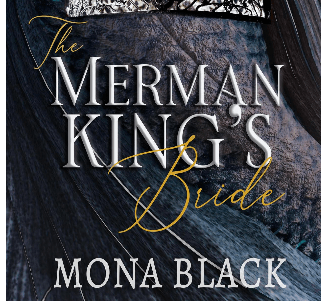
The provided text is an excerpt from a fantasy romance novel titled The Merman King’s Bride: A Fairytale Romance (Cursed Fae Kings). The passage focuses on the protagonist’s interactions with merfolk, including a merman king, and details her struggles with an underwater curse affecting her tail. The excerpt also highlights her emotional turmoil and romantic relationships within the fantastical setting. It showcases elements of a love story intertwined with magical realism and conflict. Significant portions of the narrative involve dialogue and internal monologue.
The Merman King’s Bride: A Fairytale Romance (Cursed Fae Kings) Study Guide
Quiz
- What is the narrator’s physical condition and how does he describe his transformation?
- What is the narrator’s opinion of human love?
- Why is the narrator unable to leave the lake? What curse or circumstance binds him?
- Describe the encounter with the “lesser Fae.” What does he want, and how does he address the narrator?
- How does the narrator react to the suggestion that he seek a healer? Why does he refuse?
- What is the narrator’s relationship to the “empress,” and what is the deal that she offered him?
- What does the narrator think about the idea of his brother marrying the woman in question?
- What is the narrator’s emotional state and behavior when interacting with the Fae?
- How does the narrator feel about being alone? Is his solitude self-imposed or forced upon him?
- What does the narrator remember about the woman who made him smile? What is significant about that memory?
Answer Key
- The narrator is suffering physically, having been transformed into a creature with a “half-cure.” His skin is described as dark, and he is bleeding. He feels like his body is both propelling him and impeding him.
- The narrator appears jaded and cynical about human love, referring to it as a “gruesome wound” and implying that it’s a trap.
- The narrator is bound to the lake by a curse that prevents him from leaving until it’s lifted. He uses the analogy of being caught in a “rope.”
- The “lesser Fae” is an old goblin with ram horns and wooly legs, who addresses the narrator as “Your Majesty” and comes to “check up” on him. He comes with a formal manner and a seemingly polite concern.
- The narrator is angered by the idea of seeking a healer, as he believes any help or aid that could lift his curse will come with a negative trade-off. It seems he does not trust his Fae relatives and views their interference as manipulative.
- The narrator has a complicated relationship with the “empress.” She offered him a deal to lift his curse, which included allowing his brother to take power and “freeing” her. This indicates she is part of the reason for his predicament.
- The narrator is cynical about his brother’s marriage to the woman, calling her “selfish as she is” and questioning whether or not the Fae could make a “great couple”.
- The narrator is abrasive, dismissive, and aggressive toward the Fae. He feels trapped, bitter, and isolated.
- He feels that his solitude is lonely and a product of his negative feelings and bad decisions. He acknowledges it’s “bad company” and a product of his own mind, not necessarily imposed from the outside.
- He remembers the woman because she gave him a moment of happiness, and it contrasts sharply with the suffering he is currently enduring. He considers this memory a symbol of hope and joy, but recognizes she will never return.
Essay Questions
- Analyze the narrator’s internal conflict between his desire for freedom and his cynicism about love and hope. How does this struggle manifest in his interactions and thoughts?
- Discuss the role of power and manipulation in the excerpt. How do the characters (such as the Empress, the lesser Fae, and the narrator himself) use or respond to power dynamics?
- Explore the symbolism of the lake and the narrator’s curse. How does the setting and circumstances contribute to the overall themes of the story?
- Examine the narrator’s character arc, focusing on his shifting perspective on his own situation and his past actions. How does his growing awareness affect his present state?
- How does the author use language to convey the narrator’s emotional and physical pain? Consider the imagery, tone, and word choices.
Glossary of Key Terms
- Half-cure: A state of incomplete transformation or healing, leaving the individual in a state of physical and/or mental suffering.
- Fae: Refers to the mystical beings in the fantasy world, often depicted as powerful, manipulative, and having a complex social hierarchy.
- Empress: A female ruler or authority figure within the Fae world, holding significant power.
- Lesser Fae: Lower-ranking members of the Fae society, often depicted as serving a specific role or purpose within the social order.
- Sondering: The realization that each random passerby has a life as vivid and complex as your own.
- Curse: A supernatural imposition or condition that brings misfortune, hardship, or affliction upon an individual.
- Agony: Extreme physical or mental suffering, often described as unbearable.
- Taunts: Remarks meant to provoke, insult, or make someone angry or upset.
- Selfish: Lacking consideration for others; concerned primarily with one’s own interests, needs, or desires.
- Humiliation: The act of making someone feel ashamed or embarrassed, often publicly.
Adar’s Curse: A Merman King’s Despair
Okay, here is a detailed briefing document reviewing the provided excerpts from “The Merman King’s Bride: A Fairytale Romance (Cursed Fae Kings)”:
Briefing Document: “The Merman King’s Bride” Excerpts
Date: October 26, 2023
Source Material: Excerpts from “combinepdf.pdf”, pages 44, 46, and 48 (Specifically, the text from ‘Adar’s’ perspective.)
Subject: Analysis of narrative perspective and key themes within the provided excerpts.
Overview:
The provided text excerpts offer insights into the internal conflict and experiences of a character named Adar, who is suffering from a curse and grappling with complex emotions. He is revealed to be a merman king, possibly of the Fae, and the tone is angsty and introspective. The excerpts paint a picture of physical and emotional suffering, a loss of hope, a difficult situation with a past relationship, and the struggle to accept their present circumstance. Key themes include: curse, despair, self-blame, a lost relationship, regret, and the struggle for survival and personal autonomy.
Detailed Analysis:
- Character: Adar
- Suffering and Despair: Adar is undergoing a profound physical and mental struggle. The curse has transformed him, and the transformation is painful. “Diving back into the cold water provides at least some relief from the burning pain. Swimming is difficult when half your body, the one normally propelling you forward, is stiff and bleeding.” The transformation has rendered him partially human, and he experiences this as deeply painful and disorienting. The feeling is that of his body having betrayed him. “Getting trapped in a lake of the human world is only the last of my trials. I thought crossing over might help my curse but as it turned out, it became my prison.”
- Loss of Hope: Adar expresses a deep sense of hopelessness. He believes his situation is terminal. “What do you do with a half-curse? Half a cure is worse than death, I’m starting to realize. My tail is agony, the fever consuming my thoughts, but there is no shift. No way to regain my legs, no way to get out of this lake”. He expresses an absence of viable options, a feeling of being trapped.
- Self-Blame and Regret: Adar feels responsible for his current predicament. He mentions that he brought this upon himself: “I want her and can’t have her, and I brought this upon myself. Now I have nobody to blame for it, nobody at all…” He implies a past relationship with a woman and seems to regret how he treated her. He thinks that it’s ironic that the “gruesome wound” he carries “would kiss someone like me?”
- Past Relationship: The excerpts suggest a significant past relationship that ended badly. Adar reflects on the woman he “treated her so.” He says, “She’s gone, and I have no more leverage. What human princess in their right mind would kiss someone like me?” He recalls thinking that “Made my imprisonment smart all the more”. The past relationship seems to be a source of deep pain. He seems to think of the woman as being human.
- Frustration at His Situation: Adar’s internal monologue reveals his frustration at the loss of his freedom, and his physical transformation. “I’m starting to realize. My tail is agony, the fever consuming my thoughts, but there is no shift. No way to regain my legs, no way to get out of this lake.” Adar’s curse prevents him from returning to his kingdom, creating a sense of imprisonment. “It’s a start but has ended up as something else. Something that has consumed my thoughts, turned the cold blood running through my veins into lava. Made my imprisonment smart all the more. Made my escape all the more imperative.” He also has a hard time accepting being part human. “Half-man and half-fish. No, not even that. Fae. You’re Fae and the latter your kind. You’re too strange for her, would have been, even without the fishtail. Your ears may not be too much, but you’re magical, steeped in fearsome legends.” He is stuck in between worlds and does not know his place.
- Cynicism Adar’s experience has made him cynical, as seen by his interaction with a being who claims to be a healer, which he rejects outright. He claims that his brother cares more about his throne than about his well-being. ““If I die, everything will be made easier for my brother. A pity he can’t kill me outright, isn’t it? Any direct attack on me would lift my curse and return my throne to me.” “The Empress offered you the deal first.” “
- Key Themes:
- Curse & Transformation: The curse is a central element of the narrative, causing both physical suffering and emotional turmoil. The curse is not fully explained, but its impact on Adar is clear: “Made my escape all the more imperative.”
- Despair and hopelessness: Adar’s situation seems bleak; he feels trapped and sees no solution. This is displayed in many of his internal monologues. “Hope is a dangerous thing”. “No way to regain my legs, no way to get out of this lake”
- Self-Blame: A pervasive sense of self-blame permeates Adar’s thoughts. He blames himself for his situation, and for past mistakes. He indicates that his present situation is a consequence of past actions, suggesting a strong theme of karmic retribution.
- Lost Relationships: The narrative hints at the painful consequences of a failed relationship. Adar displays regret for how he treated someone.
- Personal Autonomy: Adar desires to regain his power, autonomy and freedom. The lake that he is in is a prison, he thinks. He also chafes at the idea of being subservient to his brother.
- Identity Crisis: Adar seems to be struggling with his identity, being neither entirely human nor entirely of the Fae: “Half-man and half-fish. No, not even that. Fae. You’re Fae and the latter your kind.”
- Significant Plot Points:
- Adar is in pain, and is struggling with being half human.
- He is in a lake, which is seemingly a prison for him.
- He is being offered a “deal”, where he could be returned to his throne.
- His brother is concerned about him, but Adar doesn’t trust his motives.
- Adar had a past relationship with a woman, who he seemed to hurt.
- A “lesser Fae” and healer approached Adar, but Adar was dismissive of their assistance.
Concluding Remarks:
These excerpts introduce a complex and troubled protagonist, Adar, in a desperate situation. The text highlights intense personal struggles, a tragic past, and a bleak present. The themes of curse, despair, self-blame, a lost love, and the fight for personal autonomy are deeply intertwined. The narrative promises a dark, introspective story with hints of a magical world and an overarching struggle for power.
A Merman’s Despair
Questions and Answers
- What is the protagonist’s current state and how did they get there?
- The protagonist, a merman, is in a state of despair and physical agony. They are trapped in a lake, slowly succumbing to a curse that is turning them into something other than a merman. The transformation involves their skin turning dark and their body being weighed down, and it also involves emotional despair. They were initially drawn to the shore because they fell in love with a human woman. They are becoming increasingly like the Fae in their emotions and body, due to the curse.
- What are the key conflicts the protagonist is grappling with?
- The protagonist is facing multiple internal and external conflicts. Internally, they struggle with their intense, obsessive feelings for the woman who caused them to be cursed, their growing physical degradation, and a loss of hope. Externally, they are trapped by the curse and a lack of a cure. They also have conflict with the Fae who seems to be involved in their curse and is now taunting them. They also have conflict with a brother, with whom they have a complicated relationship.
- What does the protagonist mean when they say “Half man and half-fae, no. Not even that. You’re Fae and the latter your kind. You’re too strange for her, would have been, even without the fishtail. Your ears may not be too much, but you’re magical, steeped in ferocious legends.”?
- This statement reflects the protagonist’s growing awareness of their transformation into a Fae creature. They recognize that they are no longer just a merman; they’re becoming something more otherworldly and alien. The comment emphasizes the impossibility of their love and desire to be loved by a human woman. They understand that even if they hadn’t been a merman, their innate magical nature would always make them fundamentally different and perhaps incompatible with a human.
- How does the protagonist’s family, particularly their brother, play a role in their current situation?
- The protagonist’s brother appears to be a figure of both concern and frustration. The brother’s primary concern seems to be his sibling’s happiness, even to the extent of ignoring their suffering. The brother seems also willing to meddle in his sibling’s affairs, to the point of offering them up in marriage. There is also a clear power dynamic, where the brother is in charge and the protagonist is the subject of his actions.
- What is the significance of the “curse” in the story, and how does it affect the protagonist’s physical and emotional state?
- The curse is a crucial element, causing the protagonist’s physical transformation and driving their emotional turmoil. It’s depicted as a source of immense suffering and a loss of identity. The curse not only changes their body but also their mind and spirit, filling them with a dark, intense, and somewhat cruel emotionality. The curse also prevents them from leaving the lake, and is linked to their hope for love and the human woman who caused it.
- What is the role of hope, or a lack thereof, in the narrative?
- Hope is presented as a dangerous force for the protagonist. Initially, hope for a cure and a return to their former self keeps them swimming back to shore and fighting. As they continue to degrade and have more interaction with the Fae, they realize that their hope has been the source of their agony. They begin to accept their cursed state and see hope as a weakness that has led them to this place. There is a sense that relinquishing hope is their best recourse to finding peace, however difficult.
- What does the text imply about the nature of love and desire in this story?
Love and desire are portrayed as both powerful and destructive forces. The protagonist’s love for the human woman is the direct cause of their current suffering and curse. This love is also obsessive and all-consuming, making it hard for them to think clearly. The text suggests that such intense feelings can lead to self-inflicted pain and a loss of control. Love, therefore, is not only a source of intense feeling, but also a source of the protagonist’s pain.
- What is the significance of the protagonist’s interactions with the Fae creature and what does that interaction show?
- The interactions with the Fae creature highlight the protagonist’s shift in identity and their powerlessness. The creature is dismissive and taunting, reflecting the protagonist’s inability to influence their situation. It highlights the protagonist’s loss of status and agency, and that they are merely a pawn of the powerful Fae. The Fae’s taunts also underscore the idea that the protagonist is no longer even human-adjacent, being both transformed in body and mind, and also being more like the Fae than a merman. It is clear that they have become an amusement for the Fae.
The Merman King’s Bride
The provided excerpts from “The Merman King’s Bride” offer a glimpse into a dark and complex fairytale involving a cursed fae king. Here’s a discussion of key elements:
- The Merman’s State: The main character, a merman, is in a state of despair and physical suffering. He’s been cursed, which is causing him pain [1, 2]. He mentions “half a cure is worse than death” and agonizingly notes that “the fever [is] consuming my thoughts” [1]. He also references “a long wound” [2]. He has fins and gills [1, 2]. The merman also states that the cold water gives him “some relief” [1].
- The Curse and Its Origins: The curse seems to stem from a past relationship with a human woman [1]. The merman appears to have been deeply affected by her, and it is implied that their relationship led to his current predicament [1]. He feels betrayed by her, and mentions that “made my imprisonment smart all the more.” [1] He says that the human “never wanted you, never cared for you” [1]. It is implied that she is no longer with him.
- The Merman’s Character: The merman is portrayed as bitter, angry, and self-deprecating. He uses sarcasm frequently [2, 3]. He seems to have a tendency to blame himself for his situation [2]. He is also quite emotional [1, 2]. In one passage, he says, “Don’t despair, I tell myself, as I have done for years.” [1] He seems to be dealing with loneliness [1, 3]. He also shows a willingness to fight to change his situation, stating, “I must haul myself up on the log, wincing as I look down at the long wound in my tail. If it gets worse…I’ll get worse, I may not have the strength to haul myself out of the lake any longer” [2].
- Fae World and Society: The excerpts reveal a glimpse into the fae world and its social dynamics. There are mentions of a “Lesser Fae,” an “Empress” and a “King of the Opal Court” [2, 3]. A Lesser Fae with “ram horns” appears and seems to be under the authority of the King [2]. The merman’s brother is mentioned, and it is stated that the brother is the one who put the curse on the merman [3]. The text implies that there is some political maneuvering, referencing the Empress offering a deal [3].
- Themes: Several themes emerge, including:
- Despair and Hopelessness: The merman’s situation is bleak, and he often expresses a sense of despair [1, 2].
- Betrayal and Loss: The pain of the relationship with the human woman is a recurring element [1].
- Consequences of Choices: The merman reflects on his past actions and their impact on his current state [2].
- Internal Conflict: The merman seems conflicted, as he recognizes that he needs to get out of the lake, but he also is consumed by negative emotions [1, 2].
- The Nature of Love: The merman mentions that “my mind was someone like me” implying his past relationship was perhaps one of the few connections he’s had [1].
- Conflict: In the provided text, the merman states that he has a “long wound” [2]. He describes how he is being eaten alive, and that his blood is turning to lava [1, 2]. He seems to have given up on trying to return to his brother [3]. However, the merman does continue to try to get out of the lake. The excerpt also seems to emphasize the merman’s inner conflict and suffering, which will likely continue to shape the direction of the story.
The Merman King’s Bride: A Dark Fairytale
The excerpts from “The Merman King’s Bride” present a dark and twisted take on fairytale romance, deviating significantly from traditional tropes [1-3]. Here’s a breakdown of how the text plays with and subverts the genre:
- Subverted “Happily Ever After”: The traditional fairytale ending is nowhere to be found in these excerpts [1-3]. Instead, the story opens with the merman in a state of deep suffering, both physical and emotional. He is not living in a world of beauty and magic but rather in a state of torment [1]. His past romantic relationship has led to a curse, and there is no indication of a future with his former lover. He even states that the human woman “never wanted you, never cared for you” [1].
- The Cursed Protagonist: The merman is not a charming prince, but rather a cursed being. He is bitter, angry, and consumed by negative emotions. He is physically injured and in pain [1, 2]. This subverts the idea of a perfect or idealized protagonist often seen in fairytales [1, 2]. His suffering and internal conflict are a major focus, setting a tone that is far from lighthearted or romantic [1-3].
- The Absent or Villainized Love Interest: In traditional fairytales, the love interest is often a damsel in distress or a noble figure. However, in this story, the human woman who was the merman’s love interest is no longer present. She is only mentioned as someone who betrayed him and caused his current suffering [1]. The narrative focuses on the merman’s pain and bitterness, rather than on any possibility of a redemptive romance. Her absence further emphasizes the bleakness of the merman’s situation and subverts the idea of a love interest as a source of salvation [1].
- Emphasis on Internal Conflict and Suffering: The story prioritizes the merman’s internal struggles over any romantic plot. The excerpts highlight his despair, loneliness, and the agony of his curse [1-3]. The narrative focuses on his inner turmoil, the torment that he is experiencing, and his negative feelings. He notes, “my mind was someone like me”, showing the emotional complexity of his character [1]. This contrasts with the common fairytale focus on external challenges or romantic entanglements [1].
- Dark and Twisted Elements: The excerpts include elements that are not typically found in traditional fairytale romances. The merman’s physical suffering, his talk of his blood turning to lava, and the grim tone create a dark atmosphere [1-3]. This suggests a more complex and potentially disturbing narrative that moves beyond typical fairytale conventions [1, 2]. The idea of a curse, as well as the mention of “a wound” and the merman’s efforts to get out of the lake all contribute to this darker tone [1, 2].
- Fae Politics and Power: The excerpts introduce the idea of a fae world with its own social hierarchy and political complexities [2]. This hints at a story that might be as interested in power dynamics as it is in romance. The mention of an Empress and a King suggests a larger political landscape [2, 3]. The merman’s brother is mentioned to have put a curse on him and is the reason for the merman’s suffering [1-3]. This hints at a power struggle and potential conflict between fae figures.
In summary, “The Merman King’s Bride” uses elements of fairytale romance but twists them to create a dark and unconventional story. It shifts the focus from a romantic ideal to the suffering and internal conflicts of the cursed merman, subverting the traditional tropes of the genre [1-3].
The Merman King’s Curse
The provided excerpts from “The Merman King’s Bride” center around a cursed fae king, specifically a merman, and delve into his suffering and the circumstances surrounding his curse [1, 2]. Here’s a detailed discussion of the cursed fae king, drawing from the sources and our previous conversation:
- Nature of the Curse: The merman is under a curse that is causing him both physical and emotional pain [1, 2]. His body seems to be reacting in a violent way, with his blood feeling like lava [1]. It’s described that he has a “long wound” [2], and he is in such a state of despair that he considers “half a cure is worse than death” [1]. The curse seems to be directly related to his past romantic relationship with a human woman and his brother [1, 3].
- The Merman’s Physical Condition: The merman is in a state of physical distress. The cold water provides “some relief” [1], but he seems to be in agony, with a “fever consuming my thoughts” [1]. He also struggles with his physical form, noting that swimming is difficult, and he feels like his body is betraying him [1]. He seems to be unable to leave the lake without great effort [1, 2].
- Emotional Turmoil: The merman is portrayed as bitter, angry, and self-deprecating [1]. He is haunted by the memory of his past relationship with a human woman, stating that she “never wanted you, never cared for you” [1]. This deep sense of betrayal and loss is a major source of his suffering. He is also lonely, stating, “nobody wants to save me in this world or the other” [3]. His emotional state is characterized by despair and hopelessness [1, 2].
- Origin of the Curse: The curse appears to have been placed upon the merman by his brother [3]. It is implied that the curse is a consequence of his relationship with the human woman and a larger power struggle [1-3]. The excerpts reference a deal offered by “The Empress,” and the merman’s refusal [3]. It is mentioned that his brother has accepted the riddle and let his brother be cursed [3]. These elements suggest a complex history and political maneuvering that led to the merman’s current state [2, 3].
- Fae Society and Power: The excerpts offer a glimpse into the fae world. The merman seems to be of high status, as he mentions that he is a “King of the Opal Court” [2]. There is mention of a “Lesser Fae” and an “Empress” suggesting a society with a clear power structure [2, 3]. The fact that the merman’s brother has the power to curse him suggests that there are conflicts and tensions within this fae society [3]. The mention of a “deal” from the Empress and the Merman’s refusal to accept it suggests a complex web of political intrigue [3]. The merman’s brother also seems to be the ruler, and the merman says, “I will convey your concerns to your brother. I am sure he will be very interested to know what is weighing on your mind.” [3].
- Subversion of Fairytale Tropes: The cursed fae king is a subversion of typical fairytale princes [1, 2]. Instead of a noble figure, the merman is suffering, bitter, and flawed [1]. The focus is on his internal conflict and pain rather than on a romantic quest or heroic journey [1, 2]. The curse serves as a plot device that has replaced the traditional narrative arc of a fairytale.
In conclusion, the excerpts paint a picture of a cursed fae king who is tormented by his physical and emotional suffering. The curse itself is rooted in a complex mix of romance, betrayal, and fae power dynamics, resulting in a dark and tragic narrative that subverts traditional fairytale tropes [1-3].
The Merman King’s Bride: An Underwater Prison
The provided excerpts from “The Merman King’s Bride” depict an undersea setting that is integral to the story, influencing the merman’s condition and the narrative’s themes. Here’s a discussion of the underwater world and its significance based on the sources:
- The Lake as a Prison: The merman is confined to a lake, which serves as a type of prison for him [1, 2]. He is unable to leave, and he struggles with his physical form while in the water [1]. The lake setting is not a place of beauty or freedom but rather a place of suffering and confinement. The text states that he is “trapped in a lake” [1]. The lake setting contributes to his feelings of despair and hopelessness.
- Physical Effects of the Undersea Environment: The cold water provides “some relief” from his burning pain, suggesting that his natural environment is also one that is torturing him [1]. The merman’s physical form, with his gills, fins, and tail, is clearly adapted to an aquatic environment [1]. However, his physical state is in conflict with his surroundings, given that he is in pain and his blood feels like lava. Swimming is also difficult, which creates a sense that he is being punished by the very environment he is meant to inhabit [1]. He mentions, “Diving back into the cold water provides at least some relief from the burning pain,” highlighting the duality of the water as both a source of comfort and a reminder of his cursed state [1].
- Isolation and Loneliness: The underwater setting enhances the merman’s isolation and loneliness [1, 3]. He is separated from the rest of the world and is unable to move freely [1]. The merman also seems to be cut off from his brother and fae society, and he says, “Nobody wants to save me in this world or the other” [3]. The lake, therefore, is a place of seclusion, where the merman is left to grapple with his suffering and despair. The text emphasizes the merman’s lack of connection with others and his sense of being abandoned.
- A Place of Torment: The undersea setting is not portrayed as a serene or magical place. It is closely tied to the merman’s suffering. The lake is not an escape or a refuge, but rather a reminder of his curse and his inability to leave [1, 2]. He is trapped and the lake is a constant reminder of the source of his pain and the limitations of his cursed body. The description of his blood turning to lava and his struggles with his body all show the dark and tormenting nature of the setting.
- Contrast with the Surface World: The excerpts highlight a stark contrast between the underwater world and the surface [2]. The merman is drawn to the shore, and the surface symbolizes a world that he is both drawn to, and unable to reach. When he looks to the shore, the merman sees a tree [2]. The surface is both appealing and out of reach, further emphasizing the merman’s isolation and his feeling of imprisonment. The shore represents a freedom that is unattainable. The contrast between the dark, enclosed lake and the surface world serves to emphasize the merman’s separation and the hopelessness of his situation.
- Symbolism: The lake may also symbolize the merman’s inner emotional state. The dark, enclosed environment could represent his internal turmoil and his feeling of being trapped by his negative emotions and his past [1, 2]. The cold water and the pain he experiences might represent the bitterness and suffering that have become a part of him.
In summary, the undersea setting in “The Merman King’s Bride” is not merely a backdrop but an integral element that contributes to the merman’s suffering, reinforces the themes of isolation and despair, and creates a dark and twisted take on traditional fairytale settings. The lake is not a place of beauty or enchantment but rather a prison that reflects the merman’s physical and emotional turmoil.
The Merman King’s Bride: A Forbidden Love
The excerpts from “The Merman King’s Bride” depict a narrative deeply influenced by a forbidden love between the merman and a human woman, which is a central catalyst for the merman’s suffering and curse [1, 2]. Here’s a breakdown of how the theme of forbidden love is explored:
- The Transgression: The relationship between the merman and the human woman is presented as a transgression that has led to dire consequences. It is not a traditional fairytale romance, but rather a relationship that is described as having brought pain, betrayal, and a curse upon the merman [1, 2]. The text indicates that the human woman “never wanted you, never cared for you,” highlighting the imbalanced nature of the relationship and its ultimate failure [1]. The forbidden nature of this love is not explicitly stated, but it can be inferred given the consequences.
- Consequences of the Relationship: The forbidden love is not portrayed as a source of happiness or fulfillment but as the root of the merman’s suffering. His curse, physical pain, and emotional turmoil all stem from this ill-fated romance [1, 2]. He has a “long wound,” and the text says that “half a cure is worse than death” indicating the severity of his situation [1]. He is haunted by memories of the human woman, which further contributes to his despair [1]. The narrative emphasizes the destructive impact of this forbidden love, contrasting it with the common romantic ideals of fairytales.
- Betrayal and Loss: The merman’s emotional state is heavily influenced by feelings of betrayal and loss. The human woman is not depicted as a damsel in distress or an ideal partner but as someone who betrayed him. She is gone and is not coming back [2]. The merman’s bitterness and anger suggest that the forbidden love ended poorly, leaving him with deep emotional scars and a sense of hopelessness [1, 2]. The relationship is a source of pain, rather than a source of joy.
- Subversion of Fairytale Romance: The forbidden love in “The Merman King’s Bride” subverts the traditional fairytale trope of a happy ending. Instead of leading to a “happily ever after,” the relationship is presented as the cause of the merman’s misery [1, 2]. This subversion challenges the idealized notion of romantic love often found in fairytales and underscores the dark, twisted nature of the narrative. The focus shifts from the potential for romance to the consequences of a love that was not meant to be.
- The Curse and Power Dynamics: The forbidden love is intertwined with fae power dynamics and the merman’s curse [1, 3]. The fact that his brother is involved suggests that the love between the merman and the human woman may have been forbidden not just for personal reasons but also for political or societal reasons [3]. The curse can be interpreted as a punishment for defying these rules or expectations. The narrative implies that the relationship not only broke a personal boundary but also a social one, resulting in severe repercussions.
- Internal Conflict and Suffering: The merman’s focus is on his internal suffering, rather than any romantic possibility. He mentions “my mind was someone like me” and that he feels the human woman never cared for him [1]. The forbidden love is more of a source of his torment than a point of interest, highlighting the twisted nature of his story. He is focused on the pain he has been put through, rather than the memories of the relationship.
In summary, the theme of forbidden love in “The Merman King’s Bride” is not presented as a romantic ideal but as a source of immense suffering and despair. The relationship between the merman and the human woman is the catalyst for his curse, pain, and emotional turmoil. This subversion of traditional fairytale romance contributes to the dark and tragic tone of the narrative.

By Amjad Izhar
Contact: amjad.izhar@gmail.com
https://amjadizhar.blog
Affiliate Disclosure: This blog may contain affiliate links, which means I may earn a small commission if you click on the link and make a purchase. This comes at no additional cost to you. I only recommend products or services that I believe will add value to my readers. Your support helps keep this blog running and allows me to continue providing you with quality content. Thank you for your support!

Leave a comment