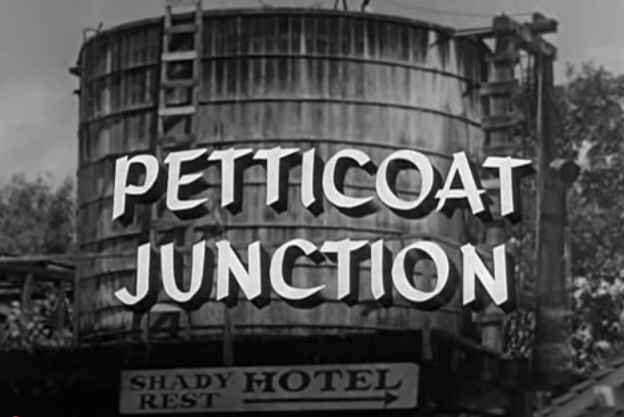
The text is a transcript from a fictional television show, likely a comedy, centered around the quirky inhabitants of the town of Hooterville and their reliance on a whimsical, unreliable train called the Cannonball. The story involves the Cannonball’s frequent stops at Kate Bradley’s hotel, a series of humorous mishaps, and a plot involving the potential closure of the train line. The narrative highlights the eccentric characters and their close-knit community, using dialogue to drive the comedic situations.
Hooterville Cannonball Study Guide
Quiz
- What are Kate Bradley’s plans to improve business at her hotel, the Shady Rest, and how are they connected to the seasons?
- Describe the Hooterville Cannonball, including both its physical state and how it is used by the locals?
- How does the arrival of Homer Bedlow from the main railroad company disrupt the normal routine of Hooterville?
- What is the significance of the train’s stop at Drucker’s General Store and how does this reflect the relationship between the locals?
- Who are the primary operators of the Hooterville Cannonball and what are their roles in its daily operations?
- What is the significance of the Shady Rest’s location and its history according to Kate?
- What do the reactions of the locals to the idea of scrapping the train suggest about their relationship to it?
- What is the significance of the vote taken by the passengers about whether to proceed to Pixley or stay at the Shady Rest?
- Why is the non-functioning elevator at the Shady Rest, also known as “uncle Joe’s minor bird,” considered to give the hotel class?
- What is the nature of the final conflict with Homer Bedlow and what is the outcome?
Quiz Answer Key
- Kate you should have plans to build an Olympic-sized swimming pool in front of the hotel for the summer and turn it into an ice skating ring in the winter. This is intended to give the hotel “class” and attract more customers, allowing her to raise rates. This is a joke cracked by Joe when talking to Kate on the main entrance door.
- The Hooterville Cannonball is an old, dilapidated train that travels a branch line that does not connect to the main line and is nicknamed the “Hooterville Meatball” by local Charlie. It’s used primarily by locals for transportation, shopping, and even socializing.
- Homer Bedlow’s arrival disrupts the easygoing nature of Hooterville, as he intends to assess the line and, ultimately, shut down the train, which threatens the livelihood and traditions of the town.
- The Cannonball’s stop at Drucker’s General Store shows how closely interwoven the local economy and social life are with the train. It is used by locals to conduct business, indicating a deep connection between the train and the community.
- The primary operators of the Cannonball are Charlie, the engineer, and Betty Jo, who often takes the throttle, especially on the way back from town. Floyd is also part of the train’s operation.
- The Shady Rest is located off the main line on a small spur because the flatcars carrying lumber for its original construction tipped over in front of the current location; according to Kate, the stubborn grandpa built it there anyway, making its location a product of chance.
- The locals’ outrage at the idea of scrapping the train demonstrates the deep sentimental and practical value the Cannonball holds for them, which is not only a means of transportation, but a vital part of their community.
- The vote on whether to proceed to Pixley shows how the community prioritizes staying at the Shady Rest over adhering to the railroad schedule, highlighting their community values and the charm of the Shady Rest over a schedule.
- The elevator, though non-functional, is a source of local pride and gives the Shady Rest a sense of uniqueness or sophistication, demonstrating how they value quirky charm and character over practicality.
- The final conflict with Bedlow revolves around his attempt to shut down the train, which ends when he tries to run the train himself and fails miserably, allowing the town to reassert control and decide their own future.
Essay Questions
- Analyze how the text uses contrasting elements like the old-fashioned train, Cannonball, and the “modern” railroad to highlight the themes of progress versus tradition.
- Discuss how the setting of Hooterville and the Shady Rest hotel contributes to the story’s themes and characters.
- Examine the function of the characters of Kate Bradley and Homer Bedlow as symbols of community and corporate bureaucracy, respectively.
- Explore how the text uses humor to create a lighthearted tone while also addressing deeper issues of community and modernization.
- Discuss how the text uses the narrative device of a journey, especially the journey on the train, to reflect personal and community change.
Glossary of Key Terms
- Hooterville Cannonball: An old, dilapidated train that serves as the primary mode of transportation for the fictional town of Hooterville.
- Shady Rest: The hotel owned and operated by Kate Bradley and her daughters, which is a central gathering place and focal point of activity in Hooterville.
- Branch Line: A secondary railway line that diverges from a main railway line; in this case, it is not connected to the main line, thus isolating the community from broader rail service.
- Main Line: The main, primary railway line where faster and more efficient trains travel; the line to which Hooterville is no longer connected.
- CNFW System: The fictional railroad system which includes the main line and the branch line where the Cannonball is used.
- Dead Man’s Curve: An especially dangerous part of the branch line which is referenced by Charlie and which requires the locomotive’s operator to use particular caution.
- Hooterville Meatball: A local nickname for the Cannonball, which reflects its slow speed and its frequent stops to serve community needs.
- Uncle Joe’s Mana Bird: Also known as the elevator, this non-functioning apparatus is kept as a symbol of elegance and status, rather than a practical means for transportation in the Shady Rest.
- Drucker’s General Store: A store located in Hooterville, run by Sam Drucker, where Kate and her daughters shop; this business is intertwined with the train’s operations.
- Boiler Wash: A procedure used to clean the interior of a steam engine’s boiler, necessary for efficient operation of the train.
- Pixley: The next town on the route of the CNFW system, which is used in the story as both a place that is not part of Hooterville’s experience, but also, as a potential destination for passengers on the train.
Hooterville Cannonball: A Rural Showdown
Okay, here is a detailed briefing document reviewing the provided text, which appears to be a script from a television show or movie, likely “Petticoat Junction,” given the recurring themes and elements:
Briefing Document: Analysis of “Pasted Text”
1. Introduction
This document analyzes the provided text, focusing on the main themes, important plot points, and key character interactions. The text portrays a slice of life in a rural, somewhat isolated community, centered around a family-run hotel and a quirky, aging train. The conflict arises with the arrival of an outsider who represents the encroaching modern world and its disregard for the local way of life.
2. Main Themes
- Rural Charm vs. Modernization: The central conflict is between the quaint, traditional life of Hooterville and the cold efficiency of the modern world, represented by the railroad company. The “Hooterville Cannonball,” an old-fashioned train, symbolizes the local way of life, while the supercharged diesel locomotive embodies the modernizing CNFW system.
- “gentlemen this supercharged diesel locomotive is now standard equipment on the entire cnfw system”
- Community & Family: The strong sense of community and family bonds are evident. The Bradley family, especially Kate and her daughters, are at the heart of Hooterville’s social fabric. They run the hotel, and the townspeople clearly support and care for them.
- “the boys are real fond of kate”
- Quirky Characters & Humor: The text is filled with quirky characters and comedic situations, often arising from the clash between the old-fashioned ways of Hooterville and the outsider, Homer Bedlow. The characters’ colorful personalities and dialogue create a humorous and light-hearted tone.
- “the hooterville meatball couldn’t make the grade that’s cannonball”
- “this isn’t a train it’s a rolling booby hatch”
- Nostalgia and the Past: There is a sense of nostalgia for a simpler time, evident in the descriptions of the old train and the community’s attachment to its traditional ways. The mention of the long-abandoned trestle underscores the isolation of Hooterville and its detachment from the modern world.
- “it must be 20 years since we’ve seen the main line yeah you reckon they’ll ever put that trestle back up so we can get there no floyd if you ask me the folks have forgotten all about us back at the cnfw”
3. Important Plot Points & Facts
- The Hooterville Cannonball: This is a small, old-fashioned train that runs on a branch line. It’s driven by Charlie Pratt, and Betty Joe often helps as the “driver.” The train is not just a mode of transport but a symbol of the community’s identity. It is described as “getting a little old” and in need of repair.
- The Shady Rest Hotel: Run by Kate Bradley, the hotel serves as the community hub. It’s described as a “shady” and comfortable place with an unusual elevator that doesn’t actually work but “gives the hotel class.” The hotel’s prosperity is linked to the continued operation of the train.
- Homer Bedlow: He’s a representative of the CNFW railroad, sent to investigate the branch line. He is an outsider, initially dismissive of the local people and their ways. He ultimately fails to operate the train and is forced to spend the night, delaying his immediate plans to shut down the line.
- Conflict with the Railroad: Bedlow is explicitly there to shut down the branch line, believing it’s unprofitable and outdated. He announces that the line is “scrapped, junked” and everyone involved is “discharged” or “fired.” This action immediately endangers the livelihood of everyone in town.
- The Community Votes: Hooterville residents use a vote to decide if they will accommodate Bedlow by staying at Kate’s hotel. They vote to not accommodate him but to stay the night there instead, which also delays his shutting down of the railroad and suggests they will rally to save the train.
- Kate’s Resourcefulness: Kate is depicted as a capable and resourceful woman, managing her hotel, dealing with her family, and engaging in trade with the train personnel.
- Humorous Misunderstandings: The text is full of comedic misunderstandings, such as Bedlow’s confusion over the non-functioning elevator, the local phone system, and the train’s flexible schedule.
- Recurring Gags: The missing “Indian” artifact and Uncle Joe’s “mana bird” and are used for comedic effect.
4. Key Characters
- Kate Bradley: The matriarch of the Bradley family, she runs the Shady Rest Hotel. She’s resourceful, kind, and respected by the community.
- Betty Joe, Bobbie Jo, and Billy Jo Bradley: Kate’s daughters. They are involved in running the hotel and often accompany her to the general store. Betty Joe has a special connection to the train.
- Uncle Joe: Kate’s uncle and a resident at the hotel, known for his quirky ideas and gadgets.
- Charlie Pratt: The engineer of the Hooterville Cannonball. He is skilled and patient, allowing Billy Joe to drive the train.
- Floyd: A railroad employee who works with Charlie on the train.
- Sam Drucker: The owner of the general store who is friendly and helpful to Kate and her family.
- Homer Bedlow: The outsider and railroad representative.
5. Significant Quotes
- “i’ll melt that thing down for paperweights” – Bedlow’s dismissive attitude towards the Cannonball.
- “The hooterville cannonball waits for nobody” – Reflects the quirky way things work in Hooterville
- “that’s the only elevator don’t worry about the washroom it’s connected” – An example of the absurdity and humor of Hooterville.
- “if you scrap the train it’ll ruin this hotel” – Highlights the central conflict and stakes involved.
6. Conclusion
The provided text introduces a classic conflict between old and new, rural and urban, and community and corporate interests. The characters are charmingly quirky and the situations are filled with lighthearted humor. The impending closure of the branch line and the fate of the Hooterville Cannonball and the hotel are left unresolved, setting up the next episode. The community, led by Kate, seems poised to fight for their way of life, pitting them against the corporate interests represented by Bedlow. This likely sets up the future narrative, that will most likely end with the community successfully saving the train.
Hooterville Cannonball: Tradition vs. Modernity
Frequently Asked Questions about Hooterville and the Cannonball
- What is the “Hooterville Cannonball” and why is it important to the community? The Hooterville Cannonball is a small, aging passenger train that runs on a branch line connecting Hooterville to the main railway. It’s not just a mode of transportation; it’s the lifeblood of the community. It brings supplies, carries residents, and is essential to Kate Bradley’s hotel, the Shady Rest, as it delivers customers and transports vital resources. The Cannonball is an integral part of Hooterville’s identity, and its potential demise threatens the entire town.
- Who are the main characters involved with the Cannonball, and what are their roles? The key figures include:
- Kate Bradley: The owner of the Shady Rest Hotel, whose livelihood depends heavily on the train’s operation.
- Her three daughters who help run the hotel and table.
- Charlie Pratt: The long-time engineer of the Cannonball.
- Floyd Smoot: Charlie’s partner on the Cannonball.
- Homer Bedlow: A representative from the main railroad line sent to investigate the branch line and ultimately scrap the train.
- Sam Drucker: The owner of the local general store, who is a friend and benefactor to Kate, even if it means losing out on immediate sales.
- What is the relationship between the Cannonball and the Shady Rest Hotel? The Cannonball and the Shady Rest Hotel are intrinsically linked. The train brings customers to the hotel, and the hotel relies on the train for access to supplies and for a connection to the outside world. The train often adjusts its schedule to accommodate Kate’s needs, such as waiting while she shops, which highlights their close interdependence. It can be argued that the train is as much a part of the hotel as it is a source of transport. The survival of one depends on the survival of the other.
- Why is the main railroad company considering discontinuing the Hooterville branch line? The main railroad company sees the Hooterville branch line as outdated and unprofitable. Mr. Bedlow explains that modern diesel locomotives and a focus on the main line have led to the branch being seen as obsolete. They are losing money, and the branch line doesn’t even connect directly to the main line anymore so it is considered expendable. The company believes that scrapping the train is the only way to cut losses.
- What are some of the unique characteristics of the Hooterville Cannonball and how is it run? The Hooterville Cannonball is an old train, almost a relic. It’s run more like a local shuttle or taxi than a serious rail line. The crew has a strong connection with the community. The train makes unscheduled stops, bends to the will of the people, and even lets one of Kate’s daughters operate it. The Cannonball frequently suffers from mechanical issues, further highlighting its age and lack of modernity. The crew has a particular way of maintaining and running the train that is unique to them and the town.
- How does the community of Hooterville react to the threat of losing the Cannonball? The community is deeply resistant to the idea of losing the Cannonball. The train represents their history, their way of life, and their connection to the outside world. They band together to support Kate, and they ultimately decide to stay at the Shady Rest and continue to use the train. They choose to vote against leaving for the end of the line and demonstrate a strong sense of camaraderie, tradition and collective spirit in the face of modernization.
- What are some of the humorous and quirky aspects of life in Hooterville, as demonstrated in the provided text? Life in Hooterville is characterized by humorous situations and eccentric characters. Examples include:
- The train stops for shopping, apple picking, and hotel meals.
- The train’s operation is unconventional, with a young girl often taking the helm.
- The hotel has an elevator that doesn’t work and a phone that is not connected.
- The general store owner is a benefactor more than an efficient capitalist.
- The community votes on everything, even the train’s schedule.
- There is a general lack of seriousness and a strong sense of community, all contributing to a charming and quirky atmosphere.
- What is the overall message or theme conveyed in the excerpt? The main theme revolves around the clash between tradition and modernization, with a focus on the value of community and heritage. The narrative celebrates the charm of a simpler life, the importance of local connections, and the deep roots that can sustain a community even against financial pressures and perceived obsolescence. It highlights the importance of valuing what is old and local even in the face of progress. The community’s decision to stick together despite the threat of the train’s closure emphasizes that some things are more valuable than profit or efficiency.
The Shady Rest Hotel
The hotel at the junction, called the Shady Rest, is run by Kate. It is located above the train tracks.
Here are some key details about the Shady Rest:
- Guests and Service: Kate welcomes guests at the hotel. Her daughters work in the dining room.
- Meals: The hotel serves meals, including fried chicken, mashed potatoes with cream gravy, corn on the cob, hot biscuits and jam, and fresh apple pie with homemade ice cream. The hotel is known for its great breakfasts.
- Activities: Kate plans to build an olympic-sized swimming pool in front of the hotel that can be turned into a skating rink in the winter.
- Reputation: The Shady Rest is a popular spot, and people are willing to take a layover to eat there. It’s described as having class.
- Features: The hotel has an elevator that doesn’t work. It was bought by Uncle Joe because he said it gives the hotel class. The hotel also has the only telephone between Hooterville and Pixley, which is also not connected.
- History: The hotel was built by Kate’s grandfather. He intended to build in Pixley but built the hotel at the junction when his lumber fell off flat cars.
- Supplies: Kate purchases supplies for the hotel from Drucker’s general store. She often has the train stop while she and her daughters get their shopping done.
- Financials: The hotel is losing money. The railroad is also losing money.
The hotel’s location and connection to the railroad are integral to its story and the lives of those who interact with it.
The Hooterville Cannonball
The Hooterville Cannonball is a branch line train that is central to the story of the Shady Rest Hotel and the town of Hooterville. Here are some key aspects of the Cannonball:
- Route: The Cannonball runs on a branch line that does not connect to the main line. The train travels between Hooterville and Pixley, but the line is no longer in operation. It seems to make stops as needed, rather than on a strict schedule.
- Crew: The regular engineer is Charlie Pratt, who has been working on the line for years. Floyd is also part of the crew. Kate’s daughter, Betty Joe, often drives the train, especially when returning from town.
- Condition: The Cannonball is described as old and sometimes unreliable. It is referred to as the “Hooterville meatball”. The train’s boiler needs to be washed out, and it sometimes runs with mud in its belly. The Cannonball also has a tendency to overshoot the station. The train sometimes burns railroad ties as fuel, which causes it to spout black smoke.
- Passengers: The Cannonball primarily carries locals, including Kate and her daughters, to and from Hooterville. It also carries traveling salesmen. The train will often make unscheduled stops to accommodate passengers or to allow Kate to do her shopping.
- Importance: The Cannonball is essential for bringing supplies to the Shady Rest Hotel. The train also serves as a means of transportation for the residents of Hooterville and a source of entertainment. The train is so important to the town, that residents will vote to stop at the Shady Rest for supper, even if it is not on the schedule.
- Possible Replacement: A new supercharged diesel locomotive is now standard on the main line, but it does not run on the branch line to Hooterville.
- Threatened Status: The main office has decided that the train from Pixley to Hooterville is no longer in operation, and it is to be scrapped. Mr. Bedlow, a main fellow at the main office, comes to Hooterville to investigate. The residents of Hooterville vote to try to save the train. The residents worry that if the train is scrapped, it will ruin the hotel.
The Hooterville Cannonball is not just a mode of transportation; it is an integral part of the community’s life and a symbol of the unique character of Hooterville.
Hooterville Cannonball’s Peril
The branch line that the Hooterville Cannonball runs on faces several significant troubles, which threaten its existence and impact the community it serves. Here’s a breakdown of those issues:
- Disconnection from the Main Line: The branch line does not connect to the main line, which isolates Hooterville from the rest of the railway system. This disconnection has lasted for around 20 years, and there is no plan to rebuild the trestle to reconnect it.
- Outdated Equipment: The Hooterville Cannonball itself is old, unreliable, and in need of repair. It is referred to as the “Hooterville meatball,” which shows it is not in the best condition. The Cannonball needs a boiler wash and has a tendency to overshoot the station.
- Financial Losses: Both the branch line and the Shady Rest Hotel are losing money, which contributes to the instability of the situation. The railroad is not making a profit.
- Threat of Closure: The main office has decided to scrap the train and shut down the branch line. This decision threatens the livelihood of the people who depend on the train, including the Shady Rest Hotel and its patrons.
- Lack of Modernization: While the main line has upgraded to a supercharged diesel locomotive, the branch line has not received any such updates. The Cannonball is an older steam engine. The disparity in technology highlights the neglect of the branch line.
- Unconventional Operations: The train often runs on its own schedule, making stops as needed, which contrasts with the standard timetable. This informality reflects the unique character of the line but also suggests a lack of organization.
- Operational Challenges: The train sometimes burns railroad ties as fuel. When attempting to operate the train himself, Mr. Bedlow is unable to get it to run.
The main problem is the threat of the branch line being shut down entirely, which would have a devastating effect on the community. The residents recognize that the train and the hotel are linked, so they vote to stay at the hotel in order to address the issue. The loss of the train would ruin the hotel, and that the people up at the main office do not understand how to run a railroad.
These issues illustrate the challenges faced by the Hooterville branch line and the Hooterville Cannonball.
Hooterville Cannonball: A Railroad Story
The railroad employees featured in the sources include a mix of those working on the branch line and those at the main office, each with their own roles and perspectives. Here’s a breakdown of the key individuals:
Branch Line Employees:
- Charlie Pratt: He is the engineer of the Hooterville Cannonball. He is described as the best engineer and has been working on the line for years. He allows Kate’s daughter, Betty Joe, to drive the train, especially on the return trip from town.
- Floyd: He is part of the Cannonball’s crew and works alongside Charlie. Floyd is also involved in the day-to-day operations of the train, such as loading supplies and collecting fares. Floyd sometimes burns railroad ties as fuel for the train, which causes it to emit black smoke.
- Unnamed Conductor: He collects fares from the passengers on the Hooterville Cannonball.
Main Office Employees:
- Mr. Bedlow: He is a main fellow at the main office and is sent to Hooterville to investigate the branch line. He is surprised by the way the branch line operates. He is the one who announces that the train is no longer in operation and is to be scrapped. He tries to operate the train, but he is unable to get it to run.
Other Notable Individuals:
- Kate Bradley: While not a railroad employee, she is a significant figure. She runs the Shady Rest Hotel and is a regular passenger on the Cannonball. Her relationship with the train and its crew is essential to the story. She relies on the train for supplies and transportation.
- Betty Joe: Kate’s daughter, she often drives the train, especially on the way back from town. She is very familiar with the train and its operation.
Key Themes and Observations:
- Experience vs. Modernization: The branch line employees like Charlie and Floyd have years of experience working on the Hooterville Cannonball. In contrast, Mr. Bedlow represents the main office, which is focused on modernization. The main line has upgraded to supercharged diesel locomotives, while the branch line uses an old steam engine.
- Local Knowledge: The branch line crew and the community have an intimate understanding of the line’s unique needs and challenges. The main office appears to be out of touch with the day-to-day realities of the branch line.
- Conflict of Interests: Mr. Bedlow and the main office view the branch line as a financial burden, whereas the community sees it as essential to their livelihood and way of life. This difference in perspective is the core of the conflict.
- Community Connection: The train crew is deeply integrated into the community, as seen in the way they accommodate Kate’s needs and the passengers’ preferences.
These interactions between different types of railroad employees highlight the challenges of the branch line and the clash between tradition and modernization.
Hooterville Cannonball’s Uncertain Future
The future of the Hooterville Cannonball is uncertain, with its existence threatened by the decisions of the main office. Here’s a breakdown of the key points:
- Threat of Scrapping: The main office has decided that the train from Pixley to Hooterville is no longer in operation and is to be scrapped. This decision is a major threat to the future of the Cannonball and the community it serves. Mr. Bedlow, representing the main office, comes to Hooterville to enforce this decision.
- Financial Issues: The railroad is losing money, which is one of the reasons the main office wants to scrap the branch line. This financial trouble contributes to the decision to shut down the Hooterville Cannonball. The hotel is also losing money.
- Community Resistance: The residents of Hooterville are determined to save their train. They vote to stay at the Shady Rest Hotel and to deal with the issue of the train the next day. They understand that the train is essential for the hotel and the community’s well-being.
- Unconventional Operation: The branch line and its train operate in an informal way with the train stopping as needed. It is not a standard operation, which may be one of the reasons why the main office views it as a liability.
- Dependence: The Shady Rest Hotel depends on the Cannonball for the transportation of supplies and customers. The residents rely on the train for transportation. If the train is scrapped, it will ruin the hotel.
- Uncertainty: The sources end with the community determined to solve the problem of the train, but there is no clear resolution. Mr. Bedlow is unable to run the train himself, which suggests the community’s intimate knowledge of the train and line is an important factor in its operation. The future of the Cannonball remains undecided.
- Lack of Understanding from Main Office: The main office does not seem to grasp the importance of the branch line to the community, nor the reasons for its unusual operating procedures. The people in the main office “just don’t know anything about running a railroad”.
In summary, the Hooterville Cannonball faces an imminent threat of being scrapped by the main office due to financial losses and a perceived lack of value. However, the community is committed to fighting for its survival, highlighting the tension between the economic decisions of the main office and the community’s needs and the importance of the train to the local way of life.

By Amjad Izhar
Contact: amjad.izhar@gmail.com
https://amjadizhar.blog
Affiliate Disclosure: This blog may contain affiliate links, which means I may earn a small commission if you click on the link and make a purchase. This comes at no additional cost to you. I only recommend products or services that I believe will add value to my readers. Your support helps keep this blog running and allows me to continue providing you with quality content. Thank you for your support!

Leave a comment