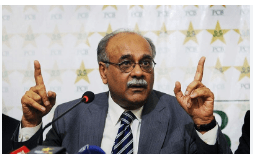
Military courts in Pakistan recently sentenced 25 individuals involved in the May 9th attacks on military installations. This decision, announced by the ISPR, comes amidst ongoing negotiations between the government and the PTI, raising questions about its political implications. Simultaneously, a judicial commission received a six-month extension to decide on the legality of civilian trials in military courts. Separately, discussions surrounding the Pakistan Cricket Board’s (PCB) Champions Trophy schedule and a potential tri-nation tournament are detailed, along with analysis of the PCB’s evolving relationship with the BCCI and ICC. Finally, concerns are raised regarding potential future Western pressure on Pakistan’s nuclear program, drawing parallels to historical events and highlighting ongoing geopolitical tensions.
Pakistan Political & Security Analysis Study Guide
Quiz
Instructions: Answer each question in 2-3 complete sentences.
- What is the significance of the May 9th incidents in the context of the source material?
- According to the source, what is the main difference between the initial Supreme Court ruling and the recent military court sentencing regarding the May 9th accused?
- What does the source suggest is the reason for the recent military court sentences, given the ongoing political negotiations?
- What is the “hybrid model” discussed in the context of the Pakistan Cricket Board (PCB)?
- According to the source, what is the potential political consequence of military trials of PTI leaders and what international entity may the PTI appeal to?
- Why does the source suggest the military is handling the May 9th cases “in phases?”
- What is the importance of the six-month extension granted to the Judicial Commission?
- What is the primary fear of the West, particularly Israel, about Pakistan’s nuclear program, according to the source?
- Why does the source suggest that the balance of power within the ICC (International Cricket Council) may be shifting away from India?
- What is the tri-nation tournament being discussed and what is it intended to address?
Answer Key
- The May 9th incidents involved attacks on military and government properties in Pakistan, leading to arrests and military court trials. These incidents are central to the source as they are the basis for the military court sentences that are being debated.
- The Supreme Court initially allowed trials but prohibited sentencing until a decision on the legality of military courts for civilians. The recent decision allows the military courts to pronounce sentences, pending a final ruling by the Supreme Court.
- The source suggests the sentences are a message of deterrence from the establishment, aimed at Imran Khan and his supporters, who are perceived as continuing attacks on the military and the state. It’s a show of strength that they will not tolerate further disruptions.
- The “hybrid model,” in this context, refers to a proposal where matches would be played in different countries, instead of only in Pakistan. This allowed Pakistan to participate in tournaments even when teams such as India would not travel to Pakistan due to security concerns.
- Military trials for PTI leaders could lead to further political instability and polarization. The PTI has stated that it may appeal to international courts regarding any punishment handed down in military courts, arguing violations of human rights and due process.
- The military is handling the cases in phases to exert calculated pressure and offer measured concessions in an attempt to bring Imran Khan and his party to the negotiating table. The government wants to avoid a full break with Khan.
- The six-month extension granted to the Judicial Commission is crucial because the constitutional bench will rule whether trials of civilians can be held in military courts, which will impact the validity of the military court sentencing and cases against the accused.
- The West, particularly Israel, fears Pakistan’s nuclear program falling into the hands of radical Islamic groups. They see this as a serious risk, potentially leading to nuclear weapons falling into the hands of groups perceived as militant or hostile.
- The source suggests that Bangladesh’s shift in political alignment and the increasing strength and confidence of the Afghan cricket team could reduce India’s influence within the ICC and shift votes in Pakistan’s favor.
- The tri-nation tournament is a proposed cricket series between India, Pakistan, and a third country that the PCB is trying to set up, and it is intended to generate additional revenue to offset any losses from India not playing in Pakistan and to slowly mend relations between the nations.
Essay Questions
Instructions: Answer each question with a well-organized, 4-5 paragraph essay, citing specific evidence and making clear references to the source material.
- Analyze the complex interplay between the military, the judiciary, and the political establishment as depicted in the source material regarding the May 9th events. Discuss the shifting dynamics and underlying motivations of each.
- Evaluate the strategic motivations behind both the recent military court sentences and the extended timeline of the Judicial Commission, considering the current political environment and the ongoing negotiations with the PTI.
- Discuss the significance of the sports-related discussions in the source material, particularly regarding the hybrid model, the tri-nation tournament, and shifts in power within the International Cricket Council. What are the underlying political implications of these events?
- Using the source as your primary resource, explore and explain the historical and contemporary fears of the West, especially Israel, concerning Pakistan’s nuclear program, and how these fears impact Pakistan’s relationship with the West.
- Assess the role of Imran Khan and the PTI in the ongoing political crisis. How does the source portray their actions, and how do their actions seem to impact the decisions and actions of other institutions in Pakistan?
Glossary of Key Terms
- ISPR: Inter-Services Public Relations; the media wing of the Pakistani military.
- GHQ Rawalpindi: General Headquarters of the Pakistan Army, located in Rawalpindi.
- Jinnah House, Lahore: A historical building in Lahore that was attacked during the May 9th incidents.
- Mianwali Airbase: An air force base that was also attacked on May 9th.
- Field General Court Martial: A type of military court, the results of which were detailed in the source.
- PTI: Pakistan Tehreek-e-Insaf, a political party led by Imran Khan.
- Civil Disobedience Movement: A form of protest, sometimes involving the refusal to obey certain laws or demands.
- Judicial Commission: Refers to an entity that reviews and rules on legal matters; in this case, the specific one with a mandate to rule on the legality of military court trials for civilians.
- Hybrid Model (Cricket): A proposal for cricket tournaments where matches are hosted in multiple locations due to political or security concerns.
- BCCI: Board of Control for Cricket in India; the governing body for cricket in India.
- PCB: Pakistan Cricket Board; the governing body for cricket in Pakistan.
- ICC: International Cricket Council; the international governing body for cricket.
- Tri-Nation Tournament: A cricket tournament involving three nations.
- Mufham/Mujham: Terms used to distinguish between an actual agreement and just talk. Mufham implies actual progress and agreement.
- False Flag Operation: An act committed with the intent of disguising the actual source of responsibility.
- JIT (Joint Investigation Team): A team comprising members from different agencies to investigate a specific case.
- Remittances: Money sent by migrants to their families in their home country.
Pakistan: Politics, Cricket, and Nuclear Concerns
Okay, here is a detailed briefing document summarizing the key themes and ideas from the provided text:
Briefing Document: Analysis of Pakistani Political & Cricket Developments
Date: October 26, 2023 Prepared By: Bard Subject: Analysis of recent political events in Pakistan, including the sentencing of 9th May protestors, and developments in Pakistani cricket, including Champions Trophy preparations, along with discussion of Pakistan’s nuclear program. Sources: Excerpts from “Pasted Text”
I. Overview:
This briefing document analyzes recent developments in Pakistan, particularly concerning the aftermath of the May 9th riots, the ongoing tensions between the government, military establishment and the PTI party led by Imran Khan, and the resolution of the Pakistan Cricket Board’s hybrid model for international tournaments. Additionally, it addresses concerns about Pakistan’s nuclear program in light of potential regional instability. The document highlights a complex interplay of power dynamics, legal processes, and political maneuvering within Pakistan.
II. Key Themes and Ideas:
A. Military Court Sentences and the Aftermath of May 9th Riots:
- Sentencing of Rioters: Military courts have sentenced 25 individuals involved in the May 9th attacks on military installations, including the GHQ Rawalpindi, Jinnah House in Lahore, and the Mianwali airbase. Sentences range from 2 to 10 years.
- Quote: “Military courts have sentenced 25 accused in a joint hearing on 9 May. Those sentenced include those who attacked GHQ Rawalpindi, Jinnah House, Lahore and Mianwali airbase.”
- Right to Appeal: Those convicted have the right to appeal through legal channels.
- ISPR Statement: The Inter-Services Public Relations (ISPR) emphasized that this is the first phase of justice and that “true justice will be done only when the masterminds and conspirators of 9 May are punished according to the law.”
- Timing and Messaging: These sentences come amidst talks of a truce between the government and PTI (Pakistan Tehreek-e-Insaf) and are seen as a message of strength from the establishment.
- Supreme Court’s Role: The legal proceedings were initially stalled by a Supreme Court decision but were then allowed to continue. However, the final decision on civilian trials in military courts remains pending.
- Motivation behind the Sentences: The decision to pronounce the sentences is seen as a sign of the establishment showing they are not weak. The argument is made that this is a reaction to the ongoing attacks on the military and Imran Khan’s continued threats.
- Comparison with US Capitol Hill Attack: A comparison is drawn with the US Capitol Hill attack, where rioters were swiftly punished, highlighting a perception that Pakistani courts have been slow to act in this case.
- Phased Approach: The sentencing is being carried out in phases, which is interpreted as an attempt to signal a warning to Imran Khan and to encourage negotiations, to avoid a full blown conflict with PTI.
- PTI’s Response: Imran Khan has termed the sentencing as a violation of human rights and called for international intervention. He claims the May 9th attacks were a “false flag operation.”
- Focus on Masterminds: ISPR’s focus on punishing the ‘masterminds’ behind the 9th May violence has led to the implication of PTI’s leadership, including the involvement of General Faiz. The individuals sentenced appear to be foot soldiers not leaders.
B. Political Ramifications and Negotiations:
- Power Play: The sentencing is viewed as a demonstration of the establishment’s power and a message not to be taken lightly. The aim is to discourage further attacks against the military.
- Negotiation Strategy: The phased approach to sentences is meant to allow a bit of leverage in negotiating with PTI. The military seems to be attempting to “explain” to Khan before resorting to heavier punishment.
- Khan’s Threats: Khan’s continued threats and challenges to the establishment are seen as reasons for the harsh approach. This includes threats of further civil disobedience.
- Backdoor Channels: It is suggested that the government is using backdoor channels to communicate with PTI, seeking a “Mufham” (understanding) over “Mujham” (confrontation).
- Judicial Commission Demands: PTI is demanding the formation of a judicial commission to investigate the May 9th events and the release of their detained members. However, these demands have been undermined by the sentencing.
- Potential for Escalation: The situation remains volatile with the potential for escalation if Imran Khan does not de-escalate, including the threat of targeting overseas remittances, which could destabilize the Pakistani economy.
- Trial of PTI Leadership: There’s the possibility of the trial of PTI leaders, if investigations reveal they were part of a plan with military officials to undermine the army chief. Specifically there are implications of Imran Khan and General Faiz conspiring against General Asif Munir.
C. The Legal System and the Judiciary:
- Military vs. Civilian Courts: The debate over whether civilians should be tried in military courts is a central issue.
- Delay and Accusations of Bias: The judicial system was accused of being slow to act, leading to military courts taking over. There have also been allegations of judicial bias.
- Constitutional Bench Extension: The Judicial Commission has extended the term of the constitutional bench by six months, raising questions about the judiciary’s independence and efficiency. This bench is set to rule on the constitutionality of the military trials of civilians.
- Future of the Military Trials: The Supreme Court’s decision on the legality of military court trials for civilians will determine the long-term fate of those tried in military courts.
- Independent Commission Challenges: The formation of a truly independent commission is considered difficult, given the likelihood that its decisions could anger either the establishment or Imran Khan.
D. Cricket and the Champions Trophy:
- Hybrid Model Success: The hybrid model for the Champions Trophy, originally proposed by Najam Sethi, has been agreed upon, with Pakistan set to host matches in Pakistan, but without Indian participation due to their objections.
- Financial Implications: The Pakistan Cricket Board (PCB) will incur costs for hosting the tournament, but may recoup money if there is a three nation tournament as has been discussed between India and Pakistan and a third unnamed country.
- Tri-Nation Tournament: Discussions are underway for a potential Tri-Nation tournament featuring India, Pakistan, and a third country to offset financial losses and ease tensions between the two nations. This is considered a way to break the ice between the two countries.
- BCCI Criticism: Jay Shah, the BCCI secretary, is facing criticism in India for agreeing to a hybrid model.
- Shifting Dynamics in ICC: There is a view that Pakistan’s role in the International Cricket Council (ICC) may increase due to changing alliances and political situations. Specifically Bangladesh, and possibly Sri Lanka, are seen as potential allies against Indian dominance.
- Afghanistan’s Rise: The rise of the Afghanistan cricket team is mentioned, noting that Afghanistan now is independent and is not totally dependent on India.
E. Pakistan’s Nuclear Program Concerns:
- Threat Perception: There’s concern about Western and Israeli fears of radical Islamic elements gaining control of Pakistan’s nuclear weapons.
- Historical Context: Historical incidents and concerns about Pakistan’s nuclear program from the 1980s onward are highlighted. Israel has a history of worrying about Pakistan’s nuclear bomb and the potential of the program being shared or exported to other countries.
- Israeli Position: The Israeli government views preventing militant Islamic regimes from acquiring nuclear weapons as its greatest mission. This is especially directed at Iran and Pakistan.
- Potential for Future Pressure: The analysis suggests that after dealing with Iran, the focus of the West and Israel may shift to Pakistan’s nuclear program, with increased pressure to “freeze,” “cap,” and “roll back” its nuclear capabilities.
III. Conclusion:
The briefing document reveals a volatile and complex situation in Pakistan, characterized by high political tensions, legal battles, and strategic maneuvering by various actors. The military establishment’s response to the May 9th riots, coupled with the pending legal decisions and concerns regarding Pakistan’s nuclear program, creates an unstable and uncertain political landscape. The situation in Pakistan is further complicated by the need to stabilize the economy and international cricket events. The coming months are likely to be marked by more negotiations, threats, and potential shifts in power dynamics.
IV. Recommendations:
- Monitor Closely: Continue to monitor the political situation in Pakistan closely, paying attention to both internal developments and international pressures.
- Analyze Judicial Decisions: Analyze decisions coming from the Supreme Court regarding military courts.
- Evaluate International Pressure: Analyze shifts in the international landscape and evaluate international actions concerning Pakistan’s nuclear program.
- Assess Economic Impact: Analyze the potential economic impacts of political instability and shifts in international relations and sanctions.
This document provides a comprehensive overview of the current situation. Further updates will be provided as events unfold.
Pakistan: Military Courts, Politics, and Nuclear Concerns
FAQ: Recent Events in Pakistan
- Q: What were the sentences handed down by the military courts, and who was targeted?
- A: Military courts sentenced 25 individuals in a joint hearing related to the May 9th incidents, which included attacks on the GHQ in Rawalpindi, Jinnah House in Lahore, and the Mianwali airbase. These individuals were sentenced to varying terms, ranging from 2 to 10 years, and two of them reportedly died in custody. The military has stated that this is only the first phase and that they intend to punish the masterminds and conspirators of these attacks as well.
- Q: Why did the military courts decide to announce these sentences now, given previous directives?
- A: Initially, the Supreme Court had allowed the military courts to conduct trials but had held off on pronouncing sentences. The recent decision to announce the sentences now signals a shift in approach by the establishment and the government. This is interpreted as a message of deterrence to those who believe the government is acting too softly, specifically towards Imran Khan and his supporters who have not ceased attacks on military institutions. It is also seen as an attempt to demonstrate strength after perceived delays in civilian courts.
- Q: How has Imran Khan and his party, PTI, reacted to these military court sentences?
- A: Imran Khan and PTI leadership have strongly condemned the military court sentences, characterizing them as a violation of human rights and accusing the government of acting as judge, jury, and executioner. PTI has also stated that they plan to pursue the matter in international courts, although it’s unlikely that internal matters will be resolved there. Khan has reiterated claims that the May 9th incidents were a false flag operation and accused the government of not giving an opportunity for justice.
- Q: What is the political significance of these sentences within the ongoing negotiations between the government and PTI?
- A: These sentences seem to be a calculated move by the establishment to exert pressure on Imran Khan and his party. It is seen as an attempt to bring PTI to the negotiation table by demonstrating a willingness to use stricter measures. The establishment is trying to avoid further instability which would harm both the nation and the military itself, which makes some level of negotiation with PTI necessary. This is also a signal that despite the ongoing dialogues, the government is not willing to be seen as weak.
- Q: What role does the Supreme Court play in the military court trials of civilians, and what recent changes have been made?
- A: The Supreme Court has the final say regarding whether military courts can try civilians. Initially, the court had allowed the trials but did not allow the pronouncement of sentences. Now that sentences have been given, they will need to be adjudicated in line with the Supreme Court’s rulings on civilian trials in military court settings. The recent six-month extension for the Judicial Commission, which has the authority to rule on these cases, suggests the matter is still very much under review.
- Q: What implications do these recent events have on the possibility of a coup attempt?
- A: The ISPR press release hints at “hidden hands” behind the May 9th incidents, indicating involvement by certain members of the military, possibly including General Faiz, in a potential conspiracy. There is speculation that a coup was planned with support from both inside and outside the military. If proven, such allegations could lead to the trial of both PTI leaders and involved military officers in military courts, escalating the matter significantly. There have been press conferences from other sides warning that if the founders of PTI are tried in military courts it would be a tragedy.
- Q: How did the hybrid model for the Champions Trophy come about, and what are its implications?
- A: The hybrid model for the Champions Trophy was devised as a way to manage the strained relationship between the Pakistan Cricket Board (PCB) and the Board of Control for Cricket in India (BCCI). The agreement allows matches to be played in a neutral third country, but it also results in Pakistan experiencing some financial losses due to the cost of hosting matches in another country. It is hoped this could also allow for a future Tri-Nation series that would help alleviate lost funds. This hybrid solution will allow for international cricket to continue without forcing a compromise on either country involved.
- Q: Why is there concern about Pakistan’s nuclear program, and what role does Iran play in this equation?
- A: There are concerns about Pakistan’s nuclear program based on historical fears of the program falling into the wrong hands, particularly militant Islamic groups. The West and Israel are worried about an Islamic radical regime gaining access to nuclear weapons, and Pakistan is considered a risk due to the presence of such groups and the country’s history of instability. Israel views the situation with Iran as similar to that of Pakistan, therefore a change of regime in Iran is thought to be a precursor to increased Western pressure to restrict and monitor Pakistan’s nuclear capabilities and to prevent exports of Pakistan’s nuclear tech.
Pakistan’s May 9th Crisis: Politics, Justice, and Nuclear
Okay, here’s the timeline and cast of characters based on the provided text:
Timeline of Main Events:
- May 9th (Specific Year Not Stated):Attacks occur on GHQ Rawalpindi, Jinnah House (Lahore), and Mianwali airbase. These are attributed to “masterminds and conspirators” and become the center of legal and political wrangling.
- Post May 9th:The Muslim League of Nations and the military establishment demand that those guilty of the May 9th incidents be punished swiftly.
- Talks begin between the Pakistan Tehreek-e-Insaf (PTI) party and the government.
- Imran Khan postpones a planned Civil Disobedience Movement until a later date.
- Ongoing:Military courts conduct trials of individuals involved in the May 9th incidents.
- The Supreme Court deliberates on the legality of trying civilians in military courts.
- The judicial commission is granted a 6-month extension to continue to deliberate on the matter of military courts and it’s Chief Justice remains in post.
- The establishment and government engage in a push-and-pull with PTI, trying to bring them to negotiations while also demonstrating a firm hand.
- Recent Past (Before May 9th Events)Imran Khan’s previous actions of attacking PTV (Pakistan Television Corporation), and the Parliament are mentioned as parallels to the current attacks on Military institutions.
- Recent Past (Before May 9th Events)There was a general feeling that the current judiciary is not independent and influenced by Imran Khan as well as allegations made that Imran Khan’s supporters were planning a “new May” around the 6th of some unspecified month.
- May 9th and Following (Recent)Military courts sentence 25 accused individuals involved in the May 9th attacks.
- Sentences range from 2 to 10 years imprisonment. Two of the accused died in jail.
- This decision overrules previous court decisions not to announce sentences prior to Supreme Court determination of the legality of trying civilians in military courts.
- The military maintains that true justice will only be served when the “masterminds and conspirators” are also punished.
- The government is attempting to send a strong message to Imran Khan and his supporters that they need to relent.
- Imran Khan tweets that the sentences are a violation of human rights. He describes the trial as an example of how he is being made the judge and the jury. He calls for an international investigation of what he terms “the murder of justice.”
- The legal bench of the Supreme Court still has yet to make a decision on the legality of trying civilians in military courts which is expected in the next six months.
- Ongoing attempts at dialogue between the government and PTI continue with a variety of tactics including public statements and behind-the-scenes maneuvering.
- PTI leadership is said to recognize that they have some “approvers” among the people and that this is a sensitive matter for them.
- Ongoing *The Pakistani government has asked the US to impose sanctions on it’s own country.
- The government believes there may have been a collaboration between Imran Khan and elements of the military in an attempt to force the resignation of the Army Chief (General Asif Munir).
- Sports-Related:The Pakistan Cricket Board (PCB) and Board of Control for Cricket in India (BCCI) resolve issues regarding the Champions Trophy, implementing a hybrid formula.
- The Champions Trophy schedule is announced, although the location of the final is yet to be determined.
- Discussions regarding a tri-nation tournament involving India, Pakistan, and a third country begin as a way to offset financial losses related to the Champions Trophy.
- Past Events Mentioned in Context of Nuclear Program:1979: Israel starts letter writing campaign to convince western leaders to clamp down on the Pakistani nuclear program.
- 1981: Israel bombs a nuclear reactor in Iraq.
- 1990: Pakistani officials consider transferring nuclear technology to Iran but stop.
- 1990s: US attempts to pressure Pakistan to “freeze, cap, and roll back” their nuclear program.
- Future (Speculative):There is speculation about increased pressure on Pakistan regarding its nuclear program following potential actions against Iran’s nuclear program.
Cast of Characters:
- Imran Khan: Leader of Pakistan Tehreek-e-Insaf (PTI). A key figure in the political conflict, seen as the target of the military and government’s recent actions as well as potentially being under investigation for being involved in the May 9th riots. Also said to be potentially responsible for a conspiracy with military officials.
- General Asif Munir: Army Chief of Pakistan, potentially the target of a coup attempt.
- Najam Sethi: (Sangeet) The individual being interviewed in the source, he appears to have had a past role with PCB as well and is well informed on national issues and political figures.
- Syeda Ayesha Nas: The interviewer, also a journalist.
- General Faiz: A military officer potentially involved in a conspiracy with Imran Khan to destabilize the Army, but is not currently charged.
- Salman Akram Raja: A lawyer and PTI leader, worried about the possibility of civilian trials in military court.
- Mohsin Naqvi: Head of the Pakistani Cricket Board and mentioned in relation to discussions about a tri-nation tournament.
- Jay Shah: Indian official associated with the BCCI who is being criticized for the agreements about the Champions Trophy and potentially the tri-nation tour.
- Margaret Thatcher: Former British Prime Minister, whose timeline is referenced in relation to the Israeli concerns about nuclear weapons in the 80s.
- Menam Begin: Former Israeli Prime Minister, whose timeline is referenced in relation to his letter writing campaign trying to prevent Pakistan from gaining nuclear weapons.
- Nawaz Sharif: Former Prime Minister of Pakistan. Stopped a Pakistani official from transferring nuclear technology to Iran.
- U Nasir: A Pakistani military or civilian official who was stopped from transferring nuclear technology to Iran by Nawaz Sharif.
- Colonel Guffy: (Likely a reference to Muammar Gaddafi of Libya.) A figure said to have been the concern of Israel, that he might get his hands on Pakistani nuclear technology.
- Netanyahu: Israeli Prime Minister who has made public statements linking Pakistani nuclear weapons with militant Islamic regimes.
- BATHAL MU: (Likely a reference to Robert M. Kimmitt ) An American official who threatened sanctions on Pakistan over its nuclear program in 1990.
- Chief Justice Manuuddin: Chief Justice of the judicial commission that is investigating whether civilians can be tried in military courts.
Key Themes and Conflicts:
- Military vs. Civilian Jurisdiction: A major point of contention is the use of military courts for civilians, and whether that will be upheld by the Supreme Court.
- Government vs. Opposition (PTI): The political tension between the government and PTI, with the May 9th attacks as a catalyst.
- Establishment vs. Imran Khan: An apparent power struggle between the military establishment and Imran Khan.
- Negotiation vs. Coercion: The use of both negotiation tactics and hard-line tactics to force an outcome.
- Pakistani Nuclear Program Concerns: The issue of the Pakistani nuclear program and concerns in the West about the possibility of militant Islamic groups gaining control of the weapons.
- India Vs Pakistan: The ongoing political tensions between India and Pakistan and how that relates to regional cricket.
Let me know if you have any other questions.
Pakistan’s May 9th Military Sentences
Military courts have recently sentenced 25 accused individuals in a joint hearing related to the events of May 9th [1]. These individuals were involved in attacks on the GHQ Rawalpindi, Jinnah House, Lahore, and Mianwali airbase [1].
Key aspects of the sentences include:
- The sentences, which range from 2 to 10 years, were decided by the Field General Court Martial in the first phase [1].
- The convicted have the right to appeal and other legal recourses [1].
- Two of the accused were killed in Ayala jail [1].
- The sentences were announced by ISPR [1, 2].
The timing of these sentences is notable because:
- It coincides with ongoing truce talks between the government and Pakistan Tehreek-e-Insaf (PTI) [1].
- Imran Khan had postponed the Civil Disobedience Movement until Sunday [1].
- A judicial commission has been given a six-month extension [1].
- The sentences were announced after the Supreme Court’s decision was changed, allowing verdicts to be given in the 885 military court cases [2]. Initially, the Supreme Court had allowed trials but had not allowed sentences to be pronounced [2].
The reasons behind the decision to pronounce the sentences are complex [2]:
- The establishment and government decided on a stricter approach [2].
- This is seen as a message to Khan and his supporters who are viewed as having gone too far [2].
- The army and its institution have been under attack [2].
- The government and establishment want to show they are not soft [2].
There is also a comparison to the US Capitol Hill attack, where those involved were punished quickly, while in Pakistan, the courts have been slow [3]. This has led to the military courts being used for these cases [3].
There are some limitations and further complications in this matter:
- The final decision on the sentences will depend on the Supreme Court’s decision regarding the trial of civilians in military courts [2].
- There are still about 60 more people awaiting investigation [4].
- There is a perception that these punishments are being handed out in phases to send a message to Khan [4].
- PTI leadership is not among those punished in this round, which suggests a focus on the foot soldiers [5].
Political ramifications include:
- The move is seen as a sign of strength from the establishment [4].
- It is intended to show that the establishment’s power should not be underestimated [4].
- The sentences contradict demands to release under-trial prisoners and form a commission on May 9 [6].
- Khan views the sentences as a violation of human rights and has stated he may seek international intervention [5].
- There is a possibility that PTI leaders could face military trials if evidence shows their involvement in a conspiracy with military officers [7, 8].
The overall situation is part of an ongoing negotiation process, with pressure, concessions, and breakdowns in talks expected [9]. The matter remains with the courts, and appeals will go through the legal system, with the Supreme Court’s decision on military courts still pending [10]. The constitutional bench which has to take this decision has been given a six-month extension [10].
Pakistan’s Military Court Sentences: Political Ramifications
The recent military court sentences have significant political ramifications, impacting the relationship between the government, the establishment, and PTI [1, 2].
Key political ramifications:
- Show of Strength: The sentences are viewed as a demonstration of determination and strength by the establishment, indicating that they should not be underestimated [3]. This action aims to counter the perception that the establishment is “soft” on dissent and to show they are willing to take a firm stance [2].
- Message to Imran Khan and PTI: The sentences are intended as a direct message to Imran Khan and his supporters, who are seen as having gone too far [2]. The establishment aims to deter further attacks on the army and its institutions, sending a signal that such actions will not be tolerated [2]. The phased approach to these punishments is an attempt to communicate with Khan, showing him that the establishment can impose consequences [3].
- Undermining PTI Demands: The sentences directly contradict PTI’s demands to release under-trial prisoners and to form a commission to investigate the events of May 9th [4]. This move undermines PTI’s position and weakens their negotiating power [4].
- Contradiction and Controversy: The timing of the sentences, amid ongoing truce talks and a postponed civil disobedience movement, raises questions about the government’s motives and whether they are using “backdoors” [1]. The decision to pronounce sentences now is particularly controversial given the earlier decision to withhold sentencing until the Supreme Court’s ruling on the legality of military courts [2].
- Human Rights Concerns: Imran Khan has criticized the sentences as a violation of human rights, stating that the accused were judged and sentenced without due process [5]. He has also suggested seeking international intervention, although such efforts are unlikely to succeed [5].
- Potential for Further Action: There is a possibility that PTI leaders could face military trials if evidence emerges of their involvement in a conspiracy with military officers [5, 6]. This could further escalate tensions and increase the political ramifications of the May 9th events [6]. There is a perception that the military has held back some evidence and has not concluded investigations in order to maintain leverage [3, 7].
- Impact on Negotiations: The sentences are also seen as a negotiating tactic by the establishment, using pressure and concessions to influence PTI’s behavior [8]. The situation is volatile, with potential for breakdowns and resumption of talks [8]. The overall situation is part of an ongoing process, with both sides trying to gain leverage [8].
- Impact on Judiciary: The extension of the judicial commission’s term by six months, especially given the debate on whether to allow the incumbent chief justice to remain, indicates the sensitivity of the issue [9]. The future of the military trials depends on the Supreme Court’s pending decision regarding the trial of civilians in military courts [1, 2, 9].
- Public Perception: The public perception in G.E. information circles is that there was a coordinated effort between Khan and General Faiz to remove General Asif Munir [10].
- International implications: The government’s handling of the May 9th incident is also having international implications, as Khan’s supporters are asking the US to impose sanctions [3].
Overall, the military court sentences have created a complex and volatile political environment, with potential for further escalation and significant long-term implications [3, 5].
Pakistan’s Nuclear Program: History, Threats, and Future
The sources discuss Pakistan’s nuclear program in the context of historical concerns, current geopolitical tensions, and potential future threats. Here’s a breakdown:
Historical Context and Concerns:
- Early Development: The development of Pakistan’s nuclear program, often referred to as the “Islamic bomb,” has been a source of concern for the West and Israel since its inception [1].
- Israeli Fears: Israel has been particularly worried about Pakistan’s nuclear program since the 1970s. They feared that Pakistan, funded by Libya, might share nuclear technology or weapons with other nations hostile to Israel, such as Libya or Iran [1, 2].
- Operation Opera: Israel’s bombing of Iraq’s nuclear reactor in 1981 (Operation Opera) highlighted their determination to prevent nuclear proliferation in the Middle East. At that time, Israel was also concerned that Pakistan was developing an Islamic bomb [1].
- Letter Campaign: Israeli Prime Minister Menachem Begin launched a letter-writing campaign in 1979 to convince Western leaders to stop Pakistan’s nuclear program [1, 2].
Past Incidents:
- Export Concerns: In the 1990s, there were concerns that Pakistan might export nuclear technology, such as centrifuge technology, to Iran for financial gain, which then Prime Minister Nawaz Sharif stopped [2].
- US Concerns: The US was also concerned that Pakistan might share nuclear technology with Iran and Libya [2].
Current Situation:
- Nuclear Deterrent: Pakistan has successfully developed and tested nuclear weapons and long-range missiles [3].
- Militant Threat: Despite having a tested nuclear program, there are fears among Western powers that Pakistan’s nuclear weapons could fall into the hands of militant Islamic groups, especially given the presence of radical Islamic organizations in the country [3, 4].
- Taliban Concerns: There have been concerns that if the Taliban were to take over Islamabad, the nuclear program could be at risk [3].
- Western Policy: The West has been concerned that a radical Islamic regime could acquire nuclear weapons. This concern was expressed by Israeli Prime Minister Netanyahu [4].
Potential Future Threats:
- Post-Iran Scenario: There is an opinion that after a potential regime change in Iran and the dismantling of Iran’s nuclear program, Pakistan’s nuclear program might become the next target for international pressure [1, 4].
- Israeli Perspective: Israel’s Prime Minister has stated that their greatest mission is to prevent militant Islamic regimes from acquiring nuclear weapons, naming both Iran and Pakistan as potential concerns [4].
- Potential Action: The sources suggest that Western powers have contingency plans in case Pakistan’s nuclear arsenal is at risk of being taken over by militant groups [3].
Historical Pressure:
- Past Demands: In 1990, the US demanded that Pakistan freeze, cap, and roll back its nuclear program. When Pakistan refused, the US imposed sanctions [4].
Overall, the discussion about Pakistan’s nuclear program in the sources revolves around historical fears of proliferation, current concerns about the safety and security of the arsenal, and potential future threats in the context of regional instability and the rise of militant groups.
Champions Trophy Schedule and Indo-Pak Relations
The sources discuss the Champions Trophy schedule, focusing on the resolution of disputes between the Pakistan Cricket Board (PCB) and the Board of Control for Cricket in India (BCCI), and the financial implications for Pakistan [1].
Key points regarding the Champions Trophy schedule:
- Hybrid Formula: The hybrid formula that was presented by Najam Sethi, has been successfully implemented for the tournament [1]. This formula was a key point of contention between the PCB and BCCI [1].
- Schedule Finalization: The schedule for the Champions Trophy has been finalized, except for the final match [1]. The venue for the final will depend on which teams qualify [1].
- Financial Implications for Pakistan:Pakistan has to pay the expenses of hosting the tournament [1].
- Some believe that Pakistan got a bad deal by agreeing to host matches while also paying the expenses [1].
- To offset the financial losses, there are discussions about organizing a tri-nation tournament involving India, Pakistan, and a third country [2]. This tri-nation tournament is intended to generate more revenue [2].
- The idea is that the tri-nation series, if approved, would include more matches between India and Pakistan and could ease tensions [2].
- Matches in Neutral Countries: India will not play in Pakistan, and Pakistan will not play in India; instead, both will play in a third country [2].
- Potential for Future Changes: If India-Pakistan matches generate significant revenue, there is a possibility that the current agreement to not play in each other’s countries might be revised in the future [2]. There are hopes that improved government-to-government relations could allow for matches in either country in the future [2].
- Pakistan’s Satisfaction: Overall, the PCB is satisfied with the outcome, especially regarding the implementation of the hybrid formula [1].
- Indian Criticism: In India, the decision is facing criticism, particularly toward Jay Shah for agreeing to the hybrid formula [2].
Additional points related to ICC and regional influence:
- ICC Voting Dynamics: Jay Shah’s influence in the ICC used to be based on a voting bloc, that included, Sri Lanka, Afghanistan, and Bangladesh [3].
- Bangladesh Shift: Bangladesh is no longer part of the bloc, and is now more likely to support Pakistan, due to the change in their political leadership [3].
- Afghanistan’s Growing Independence: Afghanistan’s cricket team has become stronger, increasing their confidence and their influence, and giving them more independence from India [4].
- Pakistan’s Growing Influence: Pakistan’s influence in the ICC is growing [4].
In summary, the Champions Trophy schedule has been a contentious issue, but a resolution has been reached through a hybrid formula. While there are financial implications for Pakistan, there are also potential opportunities for future growth and reconciliation between the cricket boards of India and Pakistan.
Pakistan’s Post-May 9th Political Negotiations
The sources discuss the negotiations between the government and Pakistan Tehreek-e-Insaf (PTI) as a complex process characterized by alternating periods of tension and dialogue, with the establishment playing a key role in shaping the dynamics. Here’s a breakdown of the key aspects:
Initial Conflict and Crackdown:
- Following the May 9th incidents, the government and establishment adopted a strict stance, demanding punishment for those involved [1, 2].
- The military courts were used to try civilians accused of attacking military installations [1].
- The government’s actions were seen as a response to perceived attacks on the army and the state, as well as threats from Imran Khan and his supporters [2].
Negotiating Tactics and Underlying Tensions:
- The government and establishment have employed a strategy of “talk talk fight fight,” alternating between dialogue and applying pressure [3, 4].
- The sentencing of 25 accused individuals by military courts is seen as a show of strength and a message to Imran Khan and PTI not to underestimate the establishment [2, 5].
- The phased approach to the punishments is intended as a way of communicating with Imran Khan, demonstrating that the establishment can impose consequences. [5]
- The military court sentences are also a negotiating tactic, designed to create pressure, with the potential for concessions to be granted if PTI changes its behavior [4].
- The sentences also directly contradict PTI’s demands for the release of under-trial prisoners and the formation of a commission, thus undermining PTI’s negotiating power [6].
- The government is accused of using “backdoors” to achieve its objectives, especially when it comes to the judiciary [1].
PTI’s Demands and Actions:
- PTI has been demanding the release of its members and the formation of a judicial commission to investigate the May 9th incidents [6].
- Imran Khan has called the May 9th events a “false flag operation” and criticized the military court sentences as human rights violations [3].
- PTI has also threatened to take the matter to international courts and has asked the US to impose sanctions [3, 7].
- PTI’s call for a civil disobedience movement was postponed till Sunday, creating a sense of uncertainty in their political strategy [1].
- There are reports that PTI has been engaging with the government through back channels, indicating that they are willing to engage in dialogue [8].
Establishment’s Role and Objectives:
- The establishment aims to deter further attacks on the army and its institutions, and to send a signal that such actions will not be tolerated [2].
- The establishment is trying to find a way to bring Imran Khan into negotiations, as his continued confrontation is seen as damaging to the country and to the establishment itself [5].
- The establishment is carefully managing the situation, keeping some cards in hand, and proceeding cautiously in the national interest. They are using the legal system, while maintaining leverage with ongoing investigations, and are not giving a free hand to military courts [9, 10]
- There is also a suggestion that the establishment is aware of the involvement of some of their own military officers, such as General Faiz, in the events of May 9th [3].
Future of the Negotiations:
- The talks are expected to be volatile, with potential breakdowns and resumptions [4].
- The release of some prisoners, coupled with punishments for others, and ongoing trials in anti-terrorist courts, are all part of a mixed process that will likely continue [4].
- The formation of a judicial commission is possible, but will be approached with caution, and may happen in phases, pending the release of prisoners [4, 6].
- The extension of the judicial commission’s term suggests that the matter is not likely to be resolved quickly [9].
- The Supreme Court’s decision regarding the trial of civilians in military courts will play a crucial role in shaping the future of these negotiations and the military trials [2].
In summary, the government-PTI negotiations are a complex dance between confrontation and dialogue, with the establishment strategically using pressure and concessions. The situation is fluid and uncertain, with potential for further escalation or compromise, and any resolution is likely to take considerable time to emerge.

By Amjad Izhar
Contact: amjad.izhar@gmail.com
https://amjadizhar.blog
Affiliate Disclosure: This blog may contain affiliate links, which means I may earn a small commission if you click on the link and make a purchase. This comes at no additional cost to you. I only recommend products or services that I believe will add value to my readers. Your support helps keep this blog running and allows me to continue providing you with quality content. Thank you for your support!

Leave a comment