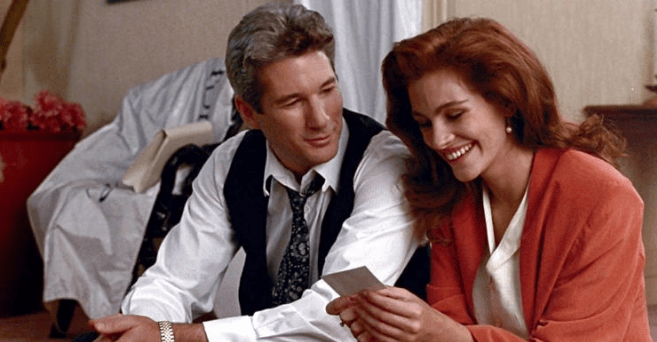
Few things resonate as deeply as a love story that unfolds on the silver screen. American romance films have long held a special place in cinematic history, weaving unforgettable tales that touch on the highs and lows of human connection. These films transport us into worlds where love triumphs, falters, and evolves in beautifully unpredictable ways. For decades, Hollywood has been the birthplace of some of the most iconic romantic narratives, blending humor, drama, and heartfelt moments that linger in the hearts of viewers.
From sweeping epics to quirky modern tales, American romance films have a unique way of mirroring our own relationships. They explore universal themes of vulnerability, passion, and longing, making them relatable to audiences worldwide. These timeless stories are not just about romance; they are about personal growth, self-discovery, and the transformative power of love. No matter the setting or era, they remind us that love is both a journey and a destination.
In this blog, we delve into 10 American romance films you simply cannot miss. Each movie offers a unique perspective on love, proving that while the stories may vary, the emotions they evoke remain timeless. Whether you’re a fan of heartfelt classics or modern love tales, this selection is guaranteed to captivate your heart and leave you reaching for the popcorn.
1- Pretty Woman by Garry Marshall (1990)
Garry Marshall’s Pretty Woman is a quintessential romance that has charmed audiences for over three decades. At its core, the film explores the transformative power of love, as the seemingly mismatched Vivian and Edward navigate their differences to find a deep connection. Julia Roberts’ luminous performance as Vivian and Richard Gere’s stoic yet vulnerable portrayal of Edward create an irresistible on-screen chemistry that transcends social barriers. The narrative, though rooted in a modern fairy tale, resonates with universal truths about self-worth and acceptance.
The film also serves as a commentary on societal norms and class distinctions. Through Vivian’s journey, we see how love can redefine personal identity and challenge preconceived notions of success. Pretty Woman is more than a romance; it is a celebration of resilience and the human capacity for change. As scholar Timothy Corrigan notes, “Films like Pretty Woman demonstrate the enduring appeal of love stories that challenge societal conventions while affirming individual agency.”
2- The Holiday by Nancy Meyers (2006)
Nancy Meyers’ The Holiday is a heartwarming exploration of second chances and the unexpected paths to finding love. Set against picturesque backdrops in England and Los Angeles, the film juxtaposes two women’s journeys of self-discovery and emotional healing. Cameron Diaz and Kate Winslet deliver standout performances, portraying characters who embrace vulnerability and take bold steps toward happiness. The film’s unique premise of a house swap adds an element of whimsy while highlighting the importance of stepping out of one’s comfort zone. As the characters encounter love in unfamiliar circumstances, The Holiday reminds viewers that sometimes, love is found in the most unexpected places. Drawing inspiration from its themes, David Thomson’s book The Big Screen: The Story of the Movies underscores how romance films like The Holiday reflect personal transformation through love and risk-taking.
3- 500 Days of Summer by Marc Webb (2009)
500 Days of Summer stands apart as a modern romance that dares to deconstruct the idea of a “happily ever after.” Through its non-linear storytelling, the film captures the raw complexity of relationships, making it a poignant and relatable watch. Joseph Gordon-Levitt’s portrayal of Tom, a hopeless romantic, and Zooey Deschanel’s nuanced performance as Summer, a pragmatic free spirit, provide a refreshing departure from traditional love stories.
The film’s realistic portrayal of heartbreak and self-discovery is a testament to its depth. By exploring the ebb and flow of emotions in a relationship, 500 Days of Summer emphasizes the importance of understanding oneself before seeking love. As film critic Roger Ebert noted, “This is not a love story, but it is a story about love—and one of the best of its kind.” Readers interested in exploring more about unconventional storytelling in film can turn to Kristin Thompson’s Storytelling in Film and Television.
Conclusion
These three films showcase the diversity and depth of American romance cinema. Whether it’s the fairy-tale allure of Pretty Woman, the heartfelt journeys in The Holiday, or the raw realism of 500 Days of Summer, each film offers a unique lens through which to view love. They remind us that love is not a one-size-fits-all experience but a multifaceted journey that shapes who we are.
Together, these movies underscore the timeless appeal of romance on screen, captivating audiences with stories that feel both intimate and universal. As you explore these cinematic gems, you’ll find yourself not only entertained but also inspired to reflect on the enduring power of love in all its forms.
4- Crazy, Stupid, Love by Glenn Ficarra and John Requa (2011)
Crazy, Stupid, Love is a brilliant blend of comedy and heartfelt emotion, exploring the nuances of modern relationships and the many forms love can take. At its heart is Cal, a middle-aged man thrust into the unfamiliar world of singlehood after his wife ends their marriage. Steve Carell brings depth and humor to Cal, while Ryan Gosling’s Jacob provides a charismatic foil as a confident ladies’ man who teaches Cal the art of attraction. The film masterfully balances its comedic elements with poignant moments of self-discovery and redemption.
The film also tackles themes of vulnerability and forgiveness, showing how love can evolve and heal even the deepest wounds. Jacob’s transformation, catalyzed by his connection with Hannah (played by Emma Stone), reflects the idea that love has the power to change even the most resistant hearts. Glenn Ficarra and John Requa craft a story that resonates because of its authenticity and relatability. As critic David Bordwell notes in Narrative in the Fiction Film, the movie’s interwoven storylines showcase the intricate dynamics of human connection, making it both engaging and thought-provoking.
5- Hitch by Andy Tennant (2005)
Andy Tennant’s Hitch is a charming exploration of romance and self-perception, with Will Smith delivering a charismatic performance as Alex “Hitch” Hitchens. As a professional “date doctor,” Hitch helps men overcome their insecurities to find love. However, the tables turn when he meets Sara Melas, a sharp and independent journalist played by Eva Mendes. Their relationship becomes a delightful battleground where vulnerability and authenticity triumph over calculated moves.
What sets Hitch apart is its focus on breaking down romantic stereotypes. It emphasizes that true connection arises from sincerity rather than manipulation. The film’s humor and heartfelt moments underscore the universality of love, making it a relatable narrative for audiences across the spectrum. As The Art of Seduction by Robert Greene suggests, romance often requires a blend of confidence and vulnerability—a theme that Hitch encapsulates with wit and charm.
6- The Proposal by Anne Fletcher (2009)
Anne Fletcher’s The Proposal combines humor, romance, and personal growth in a delightful tale of opposites attracting. Sandra Bullock shines as Margaret Tate, a high-powered editor whose icy demeanor is matched by Ryan Reynolds’ Andrew Paxton, her sarcastic assistant. Forced into a fake engagement to avoid deportation, their journey from mutual disdain to genuine affection is both comedic and touching.
The film explores themes of identity and compromise, showing how love can break down barriers and reveal hidden vulnerabilities. Margaret’s transformation from a rigid perfectionist to a woman capable of letting go is a testament to the redemptive power of love. Andrew’s willingness to embrace the unexpected further underscores the idea that love often thrives in the most unplanned circumstances. Readers interested in the dynamics of opposites in romance can find further insights in Deborah Tannen’s You Just Don’t Understand: Women and Men in Conversation.
Conclusion
These three films—Crazy, Stupid, Love, Hitch, and The Proposal—offer a fresh perspective on love, highlighting its complexities, humor, and transformative power. Each story illustrates that while love can be messy and unpredictable, it is also deeply rewarding. From rediscovering self-worth to embracing vulnerability, these narratives capture the essence of romantic connection in unique and memorable ways.
Together, these movies remind us that love is as diverse as the people who experience it. Whether it’s navigating a midlife crisis, breaking down emotional barriers, or finding common ground amidst conflict, these stories celebrate the beauty of love in all its forms. They encourage us to laugh, reflect, and believe in the magic of connection, no matter the circumstances.
7- 10 Things I Hate About You by Gil Junger (1999)
Gil Junger’s 10 Things I Hate About You is a clever modern retelling of Shakespeare’s The Taming of the Shrew, set in a high school context. The film’s brilliance lies in its witty adaptation of a classic story into a contemporary romance that resonates with younger audiences. Julia Stiles delivers a fiery performance as Kat Stratford, a fiercely independent and sharp-tongued teenager, while Heath Ledger’s Patrick Verona captivates with his charm and rebellious spirit. Their evolving relationship transforms the antagonism into an unexpected romance that feels both authentic and timeless.
The film also explores themes of identity, sisterhood, and personal growth. Kat’s journey toward vulnerability and Patrick’s ability to look beyond his initial motives create a narrative that balances humor with genuine emotion. By combining Shakespearean wit with modern sensibilities, 10 Things I Hate About You remains a standout teen romance. For those interested in how Shakespeare’s works continue to inspire modern cinema, consider reading Shakespeare and Modern Culture by Marjorie Garber.
8- The Notebook by Nick Cassavetes (2004)
Nick Cassavetes’ The Notebook is a quintessential romance that has become a cultural touchstone for love stories on film. Based on Nicholas Sparks’ bestselling novel, the film follows Noah and Allie, two lovers separated by societal expectations but united by an enduring passion. Ryan Gosling and Rachel McAdams deliver heartfelt performances, portraying the depth and intensity of young love while also capturing the tender, bittersweet moments of aging and loss.
The film’s structure, with its dual timeline narrative, adds emotional weight as we see the couple’s story through the eyes of an elderly Noah reading to his wife, who suffers from Alzheimer’s. The Notebook poignantly reminds us of the power of love to transcend time and memory, making it a deeply moving experience. As the philosopher Alain de Botton writes in Essays in Love, “The heart of romance lies not just in grand gestures but in the quiet moments of connection that define a relationship.”
9- When Harry Met Sally by Rob Reiner (1989)
Rob Reiner’s When Harry Met Sally is a timeless exploration of whether men and women can ever truly be just friends. Billy Crystal and Meg Ryan bring Harry and Sally to life with their impeccable chemistry and razor-sharp dialogue, penned by Nora Ephron. The film’s witty and insightful conversations about relationships, commitment, and gender dynamics make it as much a social commentary as it is a romantic comedy.
The story’s structure, interspersed with interviews of older couples recounting their love stories, adds depth and authenticity, making the narrative universally relatable. When Harry Met Sally has become iconic not just for its memorable one-liners but for its exploration of how friendships can evolve into deep romantic bonds. As Nora Ephron wrote, “In the end, what makes a relationship work is not just love but also a deep, abiding friendship.” For readers wanting to delve deeper into the art of screenwriting, consider Syd Field’s Screenplay: The Foundations of Screenwriting.
Conclusion
The films 10 Things I Hate About You, The Notebook, and When Harry Met Sally showcase the rich tapestry of romance cinema, each offering a unique perspective on love’s challenges and triumphs. From Shakespeare-inspired wit to enduring passion and friendship-turned-romance, these movies highlight the diversity of romantic experiences. These stories remind us that love can be fiery, tender, or deeply humorous, but it is always transformative. They inspire viewers to embrace the complexities of relationships and the beauty of connection. As you immerse yourself in these cinematic treasures, you’ll find yourself reflecting on the many forms love can take and the timeless truths it reveals.
10- Titanic by James Cameron (1997)
James Cameron’s Titanic is a monumental cinematic achievement, blending romance, history, and tragedy into an unforgettable narrative. Leonardo DiCaprio and Kate Winslet deliver iconic performances as Jack Dawson and Rose DeWitt Bukater, two individuals from vastly different social classes who find love amidst the opulence and impending doom of the ill-fated ocean liner. Their chemistry and the richly detailed world of the Titanic create a story that is as captivating as it is heartbreaking.
The film explores themes of love, sacrifice, and the fragility of life, with the Titanic serving as both a literal and metaphorical vessel for human ambition and hubris. Cameron’s meticulous attention to historical detail enhances the story’s impact, making it a poignant reminder of the lives lost in one of history’s greatest maritime disasters. As scholar Deborah Cartmell notes in Adaptations in the Sound Era: 1927-37, Titanic exemplifies how cinema can transform historical events into deeply personal and emotional experiences.
Conclusion
From the Shakespearean roots of 10 Things I Hate About You to the epic romance of Titanic, these films demonstrate the incredible range and depth of American romance cinema. Each story takes a unique approach to love, highlighting its joys, challenges, and transformative power across different contexts and eras.
Together, these films remind us why love remains a timeless theme in storytelling. They capture the magic of connection, the resilience of the human spirit, and the beauty of shared moments. Whether set in a high school, a nursing home, or aboard a doomed ship, these stories resonate because they reflect the universal truths of love and its profound impact on our lives. As you explore these cinematic masterpieces, prepare to laugh, cry, and, most importantly, believe in the enduring power of love.
Bibliography
- Bordwell, David.Narrative in the Fiction Film. University of Wisconsin Press, 1985.
- A seminal work exploring storytelling techniques in cinema, with insights into how narratives create emotional resonance.
- Cartmell, Deborah.Adaptations in the Sound Era: 1927–37. Bloomsbury Academic, 2015.
- This book examines how historical events and literary works are adapted into cinematic narratives, offering context for films like Titanic.
- Ephron, Nora.I Feel Bad About My Neck: And Other Thoughts on Being a Woman. Knopf, 2006.
- A witty exploration of relationships and aging, providing context to her work in romantic storytelling such as When Harry Met Sally.
- Field, Syd.Screenplay: The Foundations of Screenwriting. Bantam Dell Publishing, 2005.
- An essential guide for understanding the structure of film scripts, particularly for romance-driven narratives.
- Garber, Marjorie.Shakespeare and Modern Culture. Pantheon Books, 2008.
- A detailed analysis of how Shakespeare’s works continue to influence modern storytelling, including films like 10 Things I Hate About You.
- Greene, Robert.The Art of Seduction. Viking Penguin, 2001.
- A psychological and historical exploration of romance and attraction, with parallels to the dynamics explored in films like Hitch.
- Sparks, Nicholas.The Notebook. Warner Books, 1996.
- The novel that inspired the film, offering a deeper understanding of the themes and emotions behind the story.
- Tannen, Deborah.You Just Don’t Understand: Women and Men in Conversation. Ballantine Books, 1990.
- A landmark study on gender communication dynamics, relevant to films exploring romantic and platonic relationships.
- Thompson, Kristin.Storytelling in Film and Television. Harvard University Press, 2003.
- A comprehensive examination of narrative techniques in visual media, providing insights into unconventional love stories like 500 Days of Summer.
- Thomson, David.The Big Screen: The Story of the Movies. Farrar, Straus and Giroux, 2012.
- A history of cinema, including its evolution in portraying romance and human relationships.
This bibliography offers resources for a deeper exploration of the themes, techniques, and cultural significance of romance in American cinema.

By Amjad Izhar
Contact: amjad.izhar@gmail.com
https://amjadizhar.blog
Affiliate Disclosure: This blog may contain affiliate links, which means I may earn a small commission if you click on the link and make a purchase. This comes at no additional cost to you. I only recommend products or services that I believe will add value to my readers. Your support helps keep this blog running and allows me to continue providing you with quality content. Thank you for your support!

Leave a comment