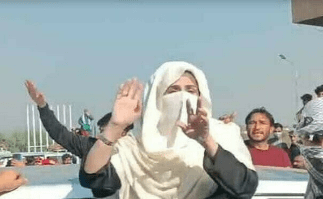
The text is a critical analysis of the Pakistan Tehreek-e-Insaf (PTI) party and its leader, Imran Khan. It accuses the PTI of employing violent tactics and spreading misinformation, citing instances of contradictory statements and exaggerations. The author questions the party’s democratic claims and criticizes its leadership’s strategic decisions, particularly regarding a major protest. The analysis contrasts the PTI’s actions with genuine democratic processes, highlighting the dangers of their approach and advocating for a more pragmatic political strategy. Ultimately, the piece argues that the PTI’s methods are unsustainable and ultimately self-defeating.
FAQ: PTI’s Political Strategy and the November 26th Protest
1. What is the main criticism being leveled against PTI and its founder?
The author criticizes PTI for claiming to be a democratic party while reacting harshly to criticism. They compare PTI’s behavior to extremist groups like the Taliban, Hamas, and Boko Haram, accusing them of hypocrisy and using violence while playing the victim.
2. What is the significance of the “278 testimonies” and the later clarification of “a dozen testimonies”?
An elderly barrister initially claimed there were 278 testimonies supporting PTI’s version of events on November 26th, when protestors were removed from D-Chowk. This claim was later contradicted by another barrister who clarified that there were only a dozen testimonies. This discrepancy highlights inconsistencies and potential exaggeration within PTI’s narrative.
3. What was the purpose of the “last call” protest according to the author?
The author suggests that PTI’s “last call” protest, inspired by student protests in Dhaka, aimed to mobilize enough public support to occupy the Parliament and Prime Minister’s House, paralyzing the government and paving the way for Imran Khan’s “revolution.”
4. How does the author critique this plan?
The author criticizes the plan as dangerous and unrealistic, comparing it to the occupation of the Kaaba, a holy site in Islam. They argue that such actions are driven by “madness” and disregard the complexities of modern politics.
5. What is the author’s opinion on the potential consequences of the protest lasting longer?
The author believes that if the protest had continued for an extended period, it could have resulted in significant casualties and chaos, similar to the occupation of the Haram. They argue that PTI’s approach is unsustainable and lacks the necessary public support.
6. What does the author believe is the difference between Imran Khan and “Mr. Hafiz”?
The author contrasts Imran Khan with “Mr. Hafiz,” suggesting that the latter has proven the strength of democracy. This implies that Imran Khan’s methods are incompatible with democratic principles.
7. What advice does the author give to Imran Khan?
The author advises Imran Khan to abandon his confrontational approach and acknowledge that he lacks the public support to challenge the existing power structures. They suggest that political maneuvering, not conflict, is the path to gaining power.
8. What is the overall tone and purpose of the text?
The text is a highly critical commentary on PTI and Imran Khan’s political strategy. The author employs sarcasm, historical comparisons, and strong language to portray PTI’s actions as hypocritical, dangerous, and ultimately futile. The purpose appears to be to discredit PTI’s narrative and expose the flaws in their approach to achieving political power.
PTI and the Politics of Protest: A Study Guide
Glossary of Key Terms:
- PTI: Pakistan Tehreek-e-Insaf, a political party in Pakistan founded by Imran Khan.
- Youthia: A term used in Pakistani media to refer to young PTI supporters.
- D Chowk: A major intersection in Islamabad, Pakistan, often the site of political rallies and protests.
- Sangjani: A town located near Islamabad, Pakistan.
- Bushra Begum (Pinki Peerni Sahiba): The third and current wife of Imran Khan, known for her spiritual influence on him.
- Barrister: A type of lawyer in some common law jurisdictions.
- Imran Reham Khan: Imran Khan’s second wife, a journalist and author.
- Jamaima Khan: Imran Khan’s first wife, a British socialite and filmmaker.
- Haram Sharif: The holiest mosque in Islam, located in Mecca, Saudi Arabia.
- Imam Mehdi: A messianic figure in Islamic tradition who is believed to appear at the end of times.
- Hafiz: A term of respect used for someone who has memorized the entire Quran.
- Lanka Dahan: The burning of Lanka, an event in the Hindu epic Ramayana, often used as a metaphor for destruction.
- Hasul Layli: A metaphor for achieving a difficult goal, often used in the context of love and longing.
Short Answer Questions:
- How does the author compare the reactions of PTI supporters to criticism with the actions of groups like the Taliban, Hamas, or Boko Haram?
- What is the author’s perspective on the use of terms like “Mother of the Nation” for political figures?
- Explain the conflicting accounts of the number of testimonies related to the November 26th protest at D Chowk.
- What role did Bushra Begum allegedly play in the planning and execution of the protest at D Chowk?
- What historical event does the author use to illustrate Imran Khan’s alleged plan for the protest?
- What critique does the author offer of Imran Khan’s approach to achieving political power?
- What does the author suggest is the “real point” of Imran Khan’s protest?
- What metaphor does the author use to describe the difference between Imran Khan and his political opponents?
- According to the author, what is the more effective strategy for gaining political power?
- How does the author utilize religious imagery and metaphors to make his points?
Short Answer Key:
- The author criticizes PTI supporters for reacting defensively and aggressively to criticism, comparing them to extremist groups who resort to violence and refuse accountability.
- The author finds the use of such terms to be excessive flattery and possibly unwelcome by the individuals being addressed.
- The author highlights discrepancies between the initial claim of 278 testimonies and the later clarification of a dozen testimonies, suggesting exaggeration and a lack of credibility within PTI.
- The author suggests that Bushra Begum influenced the decision to return from D Chowk and that blame for the protest’s failure is unfairly placed on her.
- The author compares Imran Khan’s alleged plan to the 1971 student protests in Dhaka, Bangladesh, which ultimately led to the country’s independence.
- The author criticizes Imran Khan’s confrontational approach and argues that he lacks the public support necessary to succeed through such tactics.
- The author posits that the protest was not merely a rally but an attempt to paralyze the government and force a change in leadership.
- The author uses the metaphor of a storm to contrast the resilience of a genuine leader with the fragility of someone focused on selfish ambitions.
- The author suggests that political maneuvering and negotiation are more effective than direct confrontation in achieving power.
- The author draws parallels with religious figures and events like the occupation of the Haram Sharif to emphasize the potential dangers of Imran Khan’s alleged plan and his followers’ blind faith.
Essay Questions:
- Analyze the author’s use of language and tone in portraying PTI and its supporters. How does the author employ rhetorical devices to construct his argument?
- Explore the author’s criticism of Imran Khan’s leadership style. Do you agree with the author’s assessment? Provide evidence from the text to support your position.
- Examine the author’s use of historical and religious analogies. How effective are these comparisons in conveying his message?
- Discuss the role of Bushra Begum in Imran Khan’s political life as portrayed in the text. Is her influence depicted as positive or negative? Explain your reasoning.
- What broader commentary does the text offer on the nature of political power and the strategies for achieving it?
Table of Contents: Decoding PTI’s Political Strategy
Source: Excerpts from “Pasted Text”
I. Critique of PTI’s Self-Image
This section analyzes the dissonance between PTI’s self-proclaimed democratic identity and its reactions to criticism. The author uses provocative comparisons to groups like the Taliban and Boko Haram to highlight PTI’s perceived intolerance and aggressive tendencies when faced with dissent.
II. PTI’s Internal Contradictions
This section explores inconsistencies within PTI’s leadership and rhetoric. The author points out contradictory stances on figures like Bushra Begam and Imran Khan’s ex-wives, highlighting the party’s fluctuating narratives and tendency towards hero-worship and personality cults.
III. Examining the November 26th Incident
This section focuses on conflicting accounts of the November 26th protest at D-Chowk. The author emphasizes the discrepancies between claims of violence against PTI protestors and the lack of evidence, exposing potential exaggerations and attempts to manipulate public perception.
IV. Deconstructing the “Last Call” Protest
This section scrutinizes the true objectives of Imran Khan’s “Last Call” protest. The author questions whether the protest aimed for a peaceful rally or a prolonged sit-in with more radical goals, drawing parallels to historical examples like student protests in Dhaka and the occupation of the Kaaba.
V. The “Consciousness and Madness” Dichotomy
This section delves into the author’s critique of PTI’s political strategy, contrasting it with a more pragmatic and realistic approach. The author argues against the romanticized and potentially dangerous aspects of PTI’s revolutionary zeal, advocating for a shift from “madness” to “consciousness” in political engagement.
VI. The Limits of PTI’s Power
This section analyzes the limitations of PTI’s confrontational approach to power. The author acknowledges the challenges of challenging entrenched power structures through brute force and suggests that PTI may need to adopt more nuanced political strategies to achieve its goals.
Briefing Doc: PTI’s Political Strategy and the “Long March”
This briefing document analyzes the political strategy employed by Pakistan Tehreek-e-Insaf (PTI) and its leader, Imran Khan, focusing on their use of protest and agitation. The analysis is based on the provided source, which appears to be an opinion piece or blog post critical of PTI.
Main Themes:
- PTI’s Aggressive Protest Tactics: The source compares PTI’s actions to extremist groups like the Taliban and Hamas, criticizing their “attacking, killing, and looting” while simultaneously claiming victimhood. This highlights the perception of PTI’s aggressive approach to protests and their tendency to escalate situations.
- Cult of Personality around Imran Khan: The source criticizes the excessive praise and devotion directed towards Imran Khan, comparing him to a “player” and highlighting the use of hyperbolic titles like “Mother of the Nation” for figures associated with him. This suggests a personality-driven political strategy that relies heavily on Khan’s charisma and popularity.
- Manipulation and Misinformation: The source accuses PTI of manipulating facts and using misleading narratives, specifically regarding the events of November 26th and the number of casualties. This emphasizes concerns about the party’s reliance on propaganda and potentially false information to bolster their claims.
- Unrealistic Expectations and Dangerous Rhetoric: The source argues that PTI’s protest strategy, inspired by student protests in Dhaka, is unrealistic and potentially dangerous. It suggests that PTI aimed to paralyze the government and seize power through mass mobilization, drawing parallels to extremist groups occupying religious sites. This highlights concerns about the potential for violence and instability stemming from PTI’s actions.
Key Facts and Ideas:
- PTI claims to be a democratic party but faces criticism for its aggressive tactics.
- The party is accused of exaggerating events and manipulating information for political gain.
- Imran Khan’s leadership style is characterized as charismatic but potentially reckless.
- PTI’s protest strategy is seen as unrealistic and potentially dangerous, aiming to overthrow the government through mass mobilization.
Key Quotes:
- “Like Taliban Hamas or Boko Haram, these people have a strange attitude. While being attackers, killing and looting slogans of ‘Jihad Al-Jihad’ is also permissible, but when their punch is slapped in retaliation, they immediately put on a black veil of innocence while shedding tissues.” This quote highlights the perception of PTI’s hypocrisy and aggressive approach.
- “His claimant was sitting on the same lines, that gradually so much in a few days. There will be more public participation that one night, the event will be occupied by the Parliament and the Prime Minister’s House in a very close manner, which will leave the entire government system paralyzed and jammed. In other words, the sun of Imran’s revolution will rise.” This quote describes PTI’s alleged strategy of seizing power through mass mobilization.
Conclusion:
The source presents a highly critical view of PTI’s political strategy, portraying the party as manipulative, aggressive, and potentially dangerous. While the source’s biases should be considered, it raises important questions about the role of personality cults, misinformation, and aggressive tactics in Pakistani politics.
What are the central goals and strategies of the PTI party?
The sources discuss the actions and rhetoric of the leader of the PTI party, Imran Khan, more than they lay out the party’s central goals. The author of the sources is critical of Khan’s approach. Here is a summary of what the sources say about Khan’s goals and strategies:
- Goal: To gain power by inciting a popular uprising similar to a student protest in Dhaka that paralyzed the government.
- Strategy: Khan urged supporters to participate in a sit-in protest in Islamabad with the goal of attracting so many people that it would overwhelm government buildings like the Parliament and Prime Minister’s house. The author compares this approach to the dangerous fanaticism of those who might try to occupy the Kaaba in Mecca.
- Criticism: The author of the sources argues that Khan’s strategy was dangerous and reckless and could have led to widespread violence and death. The author claims that Khan should recognize he lacks the public support to take power by force and should instead focus on achieving his goals through political maneuvering.
The sources do not explicitly list the central goals of the PTI party, but they imply that Khan’s personal goal of taking power is also the party’s goal.
How does the PTI’s rhetoric and actions compare to other groups?
Comparisons Between PTI and Other Groups
The sources compare the rhetoric and actions of the Pakistani political party, PTI, to several other groups, including:
- Taliban, Hamas, and Boko Haram: The sources suggest that PTI, like these extremist organizations, exhibits aggressive behavior and justifies violence. They employ inflammatory rhetoric, using phrases such as “Jihad Al-Jihad”, but quickly adopt a posture of innocence when facing repercussions for their actions.
- Individuals involved in the occupation of the Haram Sharif: The sources draw a parallel between PTI’s actions and the hypothetical scenario of individuals justifying the occupation of the Kaaba by claiming the appearance of Imam Mehdi. This comparison highlights what the author sees as PTI’s tendency to pursue their objectives with a disregard for potential consequences, driven by a “consciousness and madness”.
- An individual referred to as “Mr. Hafiz”: While the sources do not explicitly identify “Mr. Hafiz,” they suggest that he may be playing a “duplicate role” similar to “Lanka Dhane” within PTI. This comparison possibly implies that certain figures within PTI are mirroring the actions or strategies of individuals associated with extremism.
The sources also criticize PTI’s internal dynamics, particularly their approach to leadership figures:
- PTI members’ use of familial titles for leaders: The sources find fault with PTI members addressing leaders with familial titles like “mother” and “father”. They highlight the inconsistency in attributing these titles to various individuals, including Bushra Begum, Imran Khan’s wife, and Jamaima Khan, his ex-wife. This critique suggests an element of opportunism and insincerity within the party’s culture.
Overall, the sources express concern about PTI’s rhetoric and actions, comparing them to extremist groups and highlighting potentially problematic internal dynamics. They suggest that PTI’s approach to politics is characterized by aggression, justification of violence, and a disregard for potential consequences, driven by a “consciousness and madness”.
What are the long-term consequences of PTI’s political tactics?
Based on the provided sources, there are several potential long-term consequences of PTI’s political tactics:
- Increased political instability and violence: The sources suggest that PTI’s tactics, which include inciting supporters to engage in violent protests and making unsubstantiated claims of election fraud, could lead to increased political instability and violence in Pakistan.
- Erosion of public trust in democratic institutions: PTI’s rhetoric, which often portrays democratic institutions as corrupt and illegitimate, could erode public trust in these institutions, making it more difficult to govern effectively and peacefully.
- Damage to Pakistan’s international reputation: PTI’s actions, particularly its allegations of foreign interference in Pakistani politics, could damage Pakistan’s international reputation and make it more difficult for the country to attract foreign investment and build strong relationships with other countries.
- Empowerment of extremist groups: The sources imply that PTI’s use of religious rhetoric and its willingness to engage in violent confrontations could empower extremist groups in Pakistan, further destabilizing the country.
It is important to note that these are potential consequences based on the provided sources. The actual long-term consequences of PTI’s political tactics will depend on a variety of factors, including the response of other political parties, the actions of the Pakistani government, and the broader political and social context in Pakistan.
An Overview of PTI’s Actions
The sources primarily focus on criticizing the actions and rhetoric of PTI’s leader, Imran Khan, during a specific protest event, which they frame as reckless and potentially dangerous.
- Incitement of Protestors: Khan encouraged his supporters to participate in a large-scale sit-in protest in Islamabad. The sources claim his intention was to attract such a large crowd that it would overwhelm government buildings like the Parliament and Prime Minister’s house and effectively paralyze the government.
- Comparisons to Dangerous Groups: The sources draw alarming parallels between PTI’s actions and those of extremist organizations like the Taliban, Hamas, and Boko Haram. They suggest that PTI, under Khan’s leadership, similarly employs aggressive tactics and violent rhetoric, while attempting to evade responsibility for any resulting consequences.
- Unsubstantiated Claims and Shifting Narratives: The sources point to inconsistencies in PTI’s claims regarding the protest. They mention an instance where a PTI lawyer initially claimed to have 278 testimonies of violence against protesters, but later reduced this number to a dozen. This, along with conflicting accounts of Khan’s instructions to his supporters during the protest, suggests an attempt to manipulate the narrative and avoid accountability.
- Exploitation of Religious Sentiment: The sources criticize Khan for invoking religious imagery and language, drawing a comparison with those who might justify occupying the Kaaba in Mecca by claiming the appearance of Imam Mehdi. This comparison suggests that Khan may be using religious sentiment to incite his followers and legitimize potentially dangerous actions.
The sources also express concern about the potential long-term consequences of PTI’s actions, including increased political instability, violence, erosion of public trust in democratic institutions, damage to Pakistan’s international reputation, and the empowerment of extremist groups. [from our conversation history]
The sources paint a negative picture of PTI’s actions, highlighting the potential dangers of its tactics and rhetoric. However, it’s important to note that these sources represent a single perspective and may not provide a complete or unbiased view of the situation.
PTI’s Use of the Concept of “Political Mothers”
The sources mention the concept of “political mothers” in the context of Pakistani politics, specifically within the PTI party. The author critiques the practice of assigning familial titles like “mother” and “father” to political leaders.1 While the tradition of calling leaders “fathers” for political gain has existed, the author notes that creating “political mothers” is less common.1
The author cites the example of Fatima Jinnah, sister of Pakistan’s founder Muhammad Ali Jinnah, who was positioned as a “mother of the nation.”1 However, the author also highlights a disparaging remark made by former President Ayub Khan, who questioned her role as a “mother of the nation” due to her never having given birth.1
Within PTI, the author observes an inconsistent and opportunistic application of the “political mother” label.1 Bushra Begum, the wife of PTI leader Imran Khan, is referred to as a “mother” by some party members.12 The author questions whether Begum welcomes this title, drawing a parallel with singer Madam Noor Jahan who rejected such a label from an elderly person.1
The author also notes that some within PTI bestowed the title “Mother of the Nation” on Imran Khan’s ex-wife, Reham Khan.1 They suggest that others might similarly address Khan’s first wife, Jemima Khan, as “mother” despite the likelihood that she, too, would find such a label undesirable.1
The author’s criticism of PTI’s use of “political mothers” suggests that the practice is:
Inconsistent: The title is applied to different women with varying relationships to the party leader, highlighting a lack of clear criteria or meaning.
Opportunistic: The use of familial terms like “mother” appears to be a calculated strategy to evoke emotional connections and garner support, rather than a genuine reflection of respect or admiration.
Potentially disrespectful: The author implies that using such titles without the individual’s consent is disrespectful and potentially objectifies women by reducing them to their familial roles.
The author’s observations suggest that the concept of “political mothers” within PTI is more about political maneuvering and leveraging emotional appeals than about genuine respect or recognition of women’s contributions to the party.
A Critical Look at Imran Khan’s “Protest Call”
The sources focus on a specific “protest call” made by Imran Khan, the leader of the Pakistani political party PTI. The author strongly criticizes Khan’s approach and the potential consequences of his actions.
The Nature of the Protest Call: Khan called for a large-scale sit-in protest in Islamabad, encouraging his supporters to gather in such large numbers that they would overwhelm government buildings like the Parliament and Prime Minister’s house. The sources suggest that his ultimate goal was to paralyze the government and seize power through this disruptive demonstration. Khan drew inspiration from a student protest in Dhaka, which he presented as a model for success.
Dangerous Comparisons and Reckless Tactics: The author expresses deep concern about Khan’s methods, comparing them to the tactics of extremist groups like the Taliban, Hamas, and Boko Haram. They argue that Khan, like these organizations, utilizes aggressive rhetoric and justifies violence, while quickly adopting a posture of innocence when facing consequences. They also compare his approach to the dangerous fanaticism of individuals who might attempt to occupy the Kaaba in Mecca, driven by a reckless disregard for potential consequences.
Shifting Narratives and Unsubstantiated Claims: The sources point out inconsistencies in the accounts of events surrounding the protest. They highlight an incident where a PTI lawyer initially claimed to have 278 testimonies of violence against protesters but later revised the number down to a dozen. This discrepancy, along with conflicting narratives about Khan’s instructions to his supporters during the protest, raises concerns about PTI’s attempts to manipulate the narrative and avoid accountability for their actions.
The “Consciousness and Madness” of the Protest Call: The author characterizes Khan’s approach as a dangerous mix of “consciousness and madness.” They argue that while his goals may be driven by a desire for political change, his methods are reckless and potentially disastrous. The author contends that Khan’s romanticized view of historical events and his disregard for the complexities of the modern world make his approach unsustainable and dangerous.
Potential Consequences: The author warns of severe long-term consequences if Khan continues to employ such tactics. These include increased political instability and violence, erosion of public trust in democratic institutions, damage to Pakistan’s international reputation, and empowerment of extremist groups. [5, from our conversation history]
A Call for a Change in Approach: The sources ultimately suggest that Khan should abandon his confrontational approach and recognize that he lacks the public support to achieve his goals through force. They urge him to focus on building political alliances and engaging in constructive dialogue rather than pursuing a path of conflict and disruption.
Public Power and PTI’s Political Strategy
The sources discuss the concept of “public power” in relation to the political strategies of the Pakistani political party, PTI, and its leader, Imran Khan. The author argues that Khan’s pursuit of power relies on a flawed understanding of public support and the dynamics of political change.
Khan’s Belief in Mass Mobilization: Khan appears to believe that he can achieve his political objectives through mass mobilization and disruptive protests, as evidenced by his call for a large-scale sit-in in Islamabad. He aimed to attract a massive crowd to paralyze the government and force his way into power. This strategy is based on the assumption that overwhelming displays of public support can effectively challenge the existing power structures.
The Limits of Public Power: The author, however, contends that Khan overestimates his level of public support and the effectiveness of his confrontational approach. They argue that he lacks the necessary “public power” to succeed in his attempts to seize control through force. This suggests that relying solely on mass mobilization and disruptive tactics is insufficient to achieve lasting political change.
The Need for Political Strategy: The sources suggest that true political power lies in building broad-based support through political maneuvering and strategic alliances rather than relying on brute force or emotional appeals. The author advises Khan to change his approach, recognizing that “the goddess of power can only be embraced in the feet of Aap Sir,” but “the path that the player has taken to Hasul Layli is of colliding with power, in which he will not be able to succeed.” This implies that a more nuanced and strategic approach is necessary to navigate the complexities of Pakistani politics.
The Importance of Political Acceptability: The author emphasizes that sustainable political power requires more than just mobilizing crowds; it necessitates building legitimacy and acceptance within the existing political framework. Khan’s confrontational tactics and his attempts to bypass established political processes, as seen in his “protest call,” ultimately undermine his ability to gain lasting power.
The Dangers of Miscalculating Public Power: The author warns that Khan’s miscalculation of his public power and his reliance on disruptive tactics could have significant negative consequences for Pakistan. They express concern about the potential for increased political instability, violence, and the empowerment of extremist groups. [4, 5, from our conversation history]
The sources highlight the importance of accurately assessing one’s level of public support and understanding the limitations of relying solely on mass mobilization to achieve political goals. They argue that building lasting political power requires a more strategic approach that involves political negotiation, coalition-building, and a recognition of the existing power structures.
Examining Imran Khan’s Plan and its Underlying Assumptions
The sources provide a critical analysis of Imran Khan’s political strategy, particularly his plan to orchestrate a massive sit-in protest in Islamabad. The author portrays this plan as dangerous and built on a flawed understanding of political power dynamics.
Khan’s Goal: The sources indicate that Khan’s objective was to mobilize such a large number of supporters that they would effectively paralyze the government by occupying key government buildings like Parliament and the Prime Minister’s House. This suggests an attempt to seize power through disruptive force, rather than through established political processes.
Inspiration from a Student Protest: Khan drew inspiration from a student protest in Dhaka, presenting it as a successful model for his own plan. However, the sources do not provide details about this specific protest or its outcome, leaving it unclear whether it serves as a valid comparison or a realistic basis for Khan’s strategy.
A Dangerous Gamble: The sources characterize Khan’s plan as a dangerous gamble that could have disastrous consequences for Pakistan. They highlight several concerning aspects:
- Unsubstantiated Claims of Violence: The sources point to discrepancies in PTI’s accounts of violence against protesters during a previous event. A lawyer initially claimed to have 278 testimonies but later reduced the number to a dozen, raising questions about the party’s credibility and attempts to manipulate narratives.
- Unrealistic Expectations of Public Support: The sources suggest that Khan overestimates his level of public support and the effectiveness of mass mobilization as a means to achieve his goals. They argue that he lacks the necessary “public power” to succeed in seizing control through force alone.
- Ignoring Potential for Violence and Instability: The sources warn that Khan’s confrontational approach could lead to increased political instability, violence, and the empowerment of extremist groups. [4, 5, from our conversation history] They draw alarming parallels between his tactics and those of organizations like the Taliban, Hamas, and Boko Haram, suggesting that he may be inciting his followers towards dangerous actions while attempting to evade accountability for the consequences.
A Flawed Understanding of Political Power: The sources ultimately argue that Khan’s plan reflects a flawed understanding of political power. They suggest that sustainable political change requires building broad-based support through strategic alliances, political negotiation, and engagement within existing power structures, rather than relying on brute force or emotional appeals. They advise him to recognize the limitations of his approach and focus on building legitimacy through established political processes.
Summary: The author argues that the Pakistani political party PTI, led by Imran Khan, employs dangerous and deceptive tactics to gain power, comparing their behavior to extremist groups.
Explanation: This passage criticizes the tactics of the Pakistani political party PTI and its leader, Imran Khan (referred to as “the player”). The author contends that despite claiming to be democratic, PTI reacts aggressively to criticism and utilizes inflammatory rhetoric reminiscent of extremist groups like the Taliban. The author points to inconsistencies in PTI’s narrative surrounding a protest they held, particularly regarding the number of injuries and the role of Imran Khan’s wife, Bushra Begum. The passage suggests that PTI’s ultimate goal is to seize power through disruptive means, even at the expense of public safety, comparing their ambitions to dangerous historical events. The author concludes by advising Imran Khan to abandon his confrontational approach and embrace more conventional political strategies.
Key terms:
- PTI: Pakistan Tehreek-e-Insaf, a political party in Pakistan led by Imran Khan.
- Youthia: A term used in Pakistani media to refer to young PTI supporters.
- D Chowk: A major intersection in Islamabad, Pakistan, often the site of political protests.
- Bushra Begum: The wife of Imran Khan.
- Sangjani: A town on the outskirts of Islamabad, Pakistan.
Examining Conflicting Narratives about the PTI’s November 26th Protest
The sources highlight a notable inconsistency in witness accounts regarding the events of the PTI’s November 26th protest, specifically regarding the alleged violence against protesters. A PTI lawyer initially claimed to possess 278 testimonies supporting their claims of violence against demonstrators during the protest. However, this number was later significantly revised downward, with the lawyer stating that there were only “a dozen testimonies of PTI workers in the process of killing our protestors.”
Significance of the Discrepancy: This change in the number of testimonies raises concerns about the reliability of PTI’s narrative and their potential attempts to exaggerate the level of violence against their supporters. The drastic reduction from 278 to a dozen suggests either a significant misrepresentation of the facts or a lack of organization in gathering evidence.
Impact on PTI’s Credibility: The discrepancy in the number of testimonies could damage PTI’s credibility and their attempts to portray themselves as victims of state oppression. It casts doubt on their claims and raises questions about their motives in presenting an inflated number of testimonies initially.
Broader Context of Conflicting Narratives: This inconsistency aligns with a broader pattern identified in the sources, where PTI is accused of shifting narratives and utilizing inflammatory rhetoric to manipulate public perception and avoid accountability for their actions. The sources draw comparisons between PTI’s tactics and those of extremist groups, alleging that they readily adopt a posture of victimhood while engaging in aggressive behavior.
Implications for Understanding the Protest: The conflicting witness accounts make it difficult to ascertain the true extent of violence and the overall events of the November 26th protest. The lack of reliable information underscores the importance of critical analysis and consideration of multiple perspectives when evaluating political events and the claims made by different actors.
The PTI’s Goals for the November 26th Protest: A Drive for Disruptive Power
The sources offer a critical perspective on the PTI’s November 26th protest, suggesting that its primary goals revolved around disrupting the government and projecting an image of mass public support for Imran Khan. While the sources don’t explicitly state the protest’s intended outcomes, they do shed light on the underlying motivations and strategies driving the PTI’s actions.
- Paralyzing the Government: The sources indicate that Khan aimed to mobilize a sufficiently large crowd to effectively paralyze the government by occupying key government buildings like Parliament and the Prime Minister’s House. This tactic suggests an intention to seize power through forceful disruption rather than through established political processes.
- Emulating a Student Protest Model: The sources mention that Khan drew inspiration from a student protest in Dhaka, viewing it as a successful blueprint for his own plan. However, the specifics of this protest and its outcomes remain unclear in the sources, raising questions about the validity of the comparison and the feasibility of replicating its success.
- Projecting an Image of Mass Support: The sources imply that a crucial goal of the protest was to showcase the scale of public support for Imran Khan and the PTI. By creating a spectacle of mass mobilization, the PTI sought to bolster its political legitimacy and influence public perception, even if the actual level of support might have been overstated.
- Pressuring the Government through Public Display: The protest can also be interpreted as a tactic to exert pressure on the government through a massive display of public discontent. By showcasing the strength of their opposition, the PTI aimed to force the government into concessions or potentially even trigger a collapse of the ruling structure, paving the way for their own ascension to power.
However, the sources are highly critical of the PTI’s approach, arguing that their goals were ultimately driven by a flawed understanding of political power and a dangerous reliance on disruptive tactics. The sources warn that such actions could destabilize the country and empower extremist elements, ultimately harming Pakistan’s political landscape.
Contradictions in Claims Surrounding the PTI’s November 26th Protest
The sources reveal several conflicting narratives surrounding the PTI’s November 26th protest, particularly regarding the scale of violence against protesters and Imran Khan’s intentions behind the demonstration.
- Discrepancies in Witness Accounts: A significant contradiction arises from the varying accounts provided by a PTI lawyer regarding the number of witness testimonies supporting allegations of violence against protesters. The lawyer initially claimed to have 278 testimonies, but later reduced this number to a mere “dozen.” This drastic change casts doubt on the PTI’s claims and raises questions about their efforts to portray themselves as victims.
- Shifting Narratives Regarding Imran Khan’s Role: The sources suggest that Khan initially presented the protest as a peaceful demonstration, emphasizing a plan to sit-in at a specific location. However, his actions and subsequent rhetoric appeared to shift towards a more aggressive and disruptive stance, with allusions to occupying government buildings and paralyzing the state. This shift in messaging, coupled with his praise of a student protest in Dhaka, potentially involving forceful takeover, raises concerns about his true intentions and the potential for escalating violence.
- Contradictions Regarding the Protest’s Goals: While the PTI initially framed the protest as a peaceful demonstration of public support for Khan, the sources imply that a more strategic and disruptive objective was at play. The goal appeared to be to create a spectacle of mass mobilization to pressure the government, potentially leading to its collapse and paving the way for the PTI’s rise to power. This underlying ambition contradicts the image of a peaceful sit-in and reveals a more calculated and potentially dangerous political strategy.
These contradictions highlight the challenges in assessing the true nature of the November 26th protest and the PTI’s motives. The conflicting narratives, coupled with the PTI’s tendency to employ inflammatory rhetoric and shift blame, necessitate a cautious and critical approach to evaluating their claims and understanding the complexities of Pakistani politics.
Analyzing the Contradiction Between PTI’s Actions and its Democratic Image
The sources paint a critical picture of the PTI, arguing that the party’s actions often clash with its self-proclaimed democratic image.
- Aggressive Response to Criticism: Despite positioning itself as a democratic party, the PTI exhibits a notable intolerance towards criticism, responding aggressively to any questioning of its actions or motives. The sources highlight the party’s tendency to react with hostility and accusations, suggesting a lack of openness to dialogue or dissent, characteristics that are typically associated with authoritarian rather than democratic approaches.
- Inflammatory Rhetoric and Comparisons to Extremist Groups: The sources draw alarming parallels between PTI’s rhetoric and tactics and those of extremist groups like the Taliban, Hamas, and Boko Haram. This comparison underscores the party’s proclivity for inflammatory language and its willingness to employ disruptive and potentially violent methods to achieve its political goals, contradicting its claims to uphold democratic values.
- Shifting Narratives and Lack of Accountability: The sources expose inconsistencies in the PTI’s accounts of events, particularly concerning the November 26th protest, where witness testimonies were dramatically altered and narratives shifted to deflect blame and evade responsibility. This manipulation of information and lack of transparency raise serious questions about the party’s commitment to honesty and accountability, core principles of democratic governance.
- Undermining Democratic Processes: The sources suggest that the PTI, under Imran Khan’s leadership, seeks to gain power through disruptive means rather than through established democratic processes. Khan’s plan to paralyze the government by occupying key institutions reflects a disregard for democratic norms and a preference for forceful tactics over dialogue and negotiation.
- Manipulating Public Perception: The PTI is accused of employing emotional appeals and manipulating public sentiment to advance its agenda. The sources suggest that the party leverages religious symbolism and plays on the public’s desire for change, potentially exploiting these sentiments to gain support without offering concrete solutions or engaging in constructive political discourse.
The sources ultimately argue that the PTI’s actions, characterized by aggression, manipulation, and a disregard for democratic norms, directly contradict its carefully crafted image as a democratic force for positive change. This disconnect between rhetoric and reality raises concerns about the party’s true commitment to democracy and its potential to erode democratic values in Pakistan.

By Amjad Izhar
Contact: amjad.izhar@gmail.com
https://amjadizhar.blog
Affiliate Disclosure: This blog may contain affiliate links, which means I may earn a small commission if you click on the link and make a purchase. This comes at no additional cost to you. I only recommend products or services that I believe will add value to my readers. Your support helps keep this blog running and allows me to continue providing you with quality content. Thank you for your support!

Leave a comment