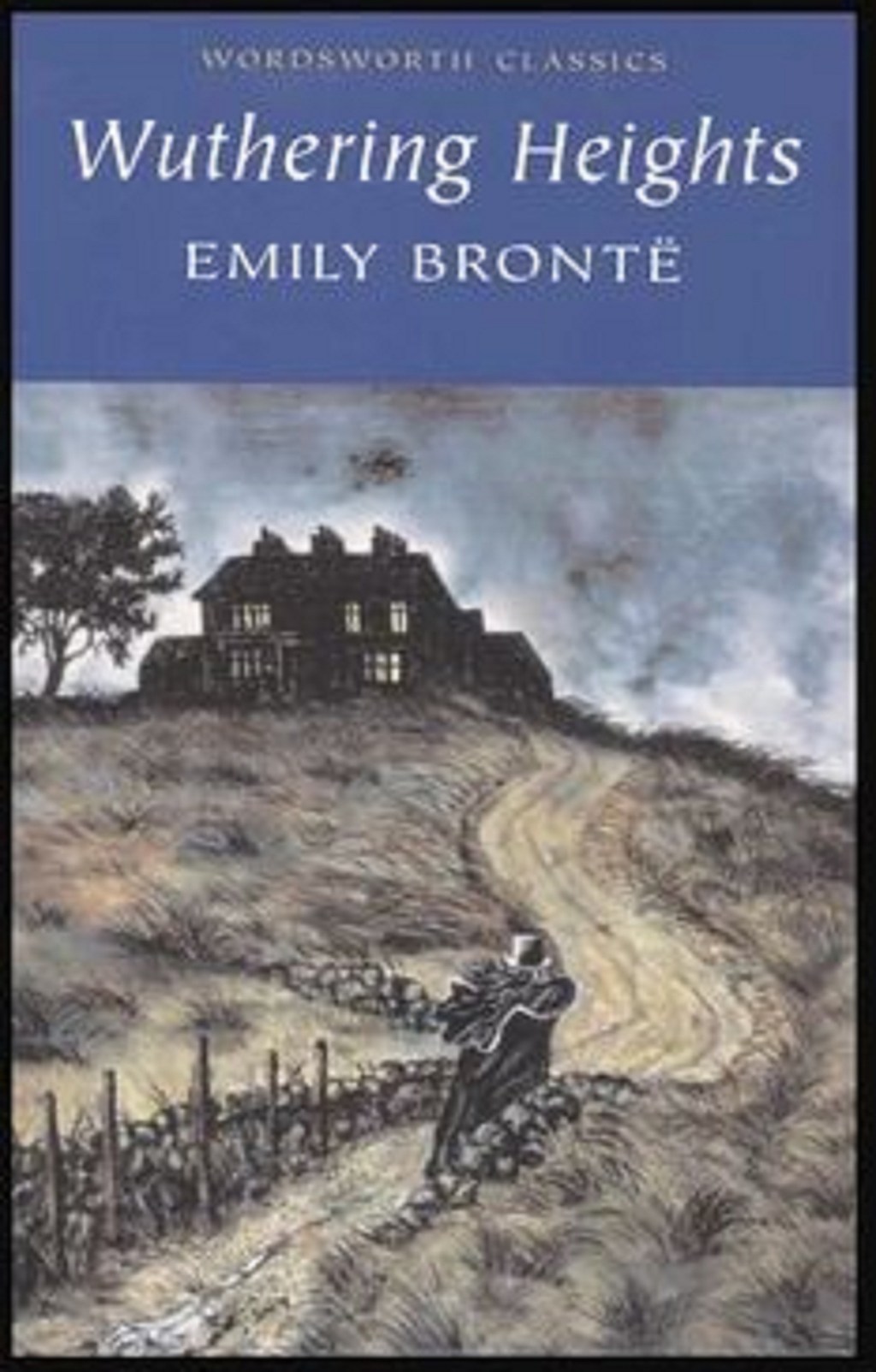
Love, Loss, and the Complexity of Human Emotion
The sources highlight various forms of love and the devastating effects of loss, emphasizing the complexity of human emotions and relationships.
- Romantic love is a driving force in the story, particularly the intense and passionate love between Catherine Earnshaw and Heathcliff. Catherine describes their connection as spiritual, stating, “Whatever our souls are made of, his and mine are the same” [1]. However, societal pressures and Heathcliff’s social standing lead Catherine to marry Edgar Linton, a decision she later regrets. [1]
- Catherine’s decision to marry Edgar stems from a desire for a comfortable life and a higher social position, highlighting the conflict between love and practicality. [2, 3] She admits to Nelly that she will be “the greatest woman of the neighbourhood” and “proud” of her wealthy husband. [2]
- The consequences of this decision are far-reaching, leading to unhappiness, jealousy, and resentment. Heathcliff is consumed by a desire for revenge against those he believes wronged him, particularly Hindley Earnshaw and Edgar Linton. [4]
- Heathcliff’s love for Catherine, though deep and unwavering, becomes twisted and destructive. He takes out his pain and anger on those around him, mistreating Isabella Linton, whom he marries out of spite, and abusing Hindley’s son, Hareton. [5, 6]
- The sources also explore familial love, contrasting the tender and nurturing bond between Catherine and Edgar with the tumultuous and often abusive relationships within the Earnshaw family. [6, 7]
- The death of Catherine is a pivotal event in the story, leaving behind a trail of devastation and grief. Heathcliff’s reaction to her death is particularly poignant, expressing both intense sorrow and a desire to join her in the afterlife. [8, 9] He replaces the contents of a locket around her neck with a lock of his own hair, symbolizing his enduring love and connection to her. [10]
- The impact of loss is felt by other characters as well. Edgar is consumed by grief and dedicates himself to caring for his daughter, Cathy. [11, 12] He recognizes the pain of losing a loved one and wishes to protect Cathy from experiencing similar suffering. [12]
- Loss also serves as a catalyst for reflection and change. Hindley’s downward spiral following the death of his wife demonstrates the destructive nature of grief when not processed healthily. [4, 13]
- Conversely, Edgar’s devotion to Cathy and his acceptance of his impending death showcase the potential for growth and spiritual understanding in the face of loss. [14, 15]
The sources paint a complex picture of love and loss, exploring their intertwined nature and their profound impact on human lives. These emotions can drive individuals to acts of both great compassion and terrible cruelty, shaping their destinies and leaving lasting consequences for themselves and those around them.
The Path and Consequences of Heathcliff’s Revenge
Heathcliff’s desire for revenge is a driving force behind many of his actions in the sources. His motivations stem from a deep-seated resentment towards those who have wronged him, particularly Hindley Earnshaw and Edgar Linton.
- Heathcliff’s childhood is marked by humiliation and mistreatment at the hands of Hindley. Hindley, jealous of Heathcliff’s favored status with their father, degrades him to the level of a servant, denies him education, and subjects him to physical abuse [1-3].
- This early experience of injustice and cruelty fuels Heathcliff’s desire for retribution.
- When Mr. Earnshaw dies, Hindley inherits Wuthering Heights and intensifies his mistreatment of Heathcliff, further fueling his desire for revenge [4, 5].
- Heathcliff witnesses Catherine’s marriage to Edgar Linton as the ultimate betrayal, believing she chose social status over their deep connection [6].
- This event solidifies his resolve to seek revenge against both Hindley, for his past actions, and Edgar, for “stealing” Catherine from him.
- Upon his return to Wuthering Heights as a wealthy man, Heathcliff sets about systematically dismantling the lives of those he perceives as his enemies. He exploits Hindley’s gambling addiction, taking possession of Wuthering Heights and reducing him to a state of destitution and despair [7, 8].
- Heathcliff’s revenge extends beyond Hindley to his son, Hareton. He deliberately deprives Hareton of education and fosters a sense of inferiority in him, mirroring the treatment he received from Hindley [9, 10].
- Heathcliff manipulates Isabella Linton into marrying him, using her infatuation as a means to further his revenge against Edgar [11, 12]. He treats Isabella cruelly, subjecting her to emotional abuse and isolation, mirroring the pain he experienced after losing Catherine [13-15].
- Heathcliff’s ultimate act of revenge is his orchestration of the marriage between his sickly son, Linton, and Edgar’s daughter, Cathy. This union allows him to gain control of Thrushcross Grange after the deaths of Edgar and Linton, fulfilling his desire to see his lineage inherit the property of his enemies [16].
Heathcliff’s pursuit of revenge ultimately consumes him, leaving a trail of broken lives and perpetuating a cycle of pain and suffering across generations. While the sources provide glimpses of his internal struggles and the depth of his love for Catherine, they ultimately portray him as a figure driven by a destructive thirst for retribution, highlighting the devastating consequences of unchecked anger and the corrupting nature of revenge.
A Discussion of Wuthering Heights
Wuthering Heights is a complex and multifaceted novel exploring themes of love, revenge, class, and the destructive nature of societal pressures. The story unfolds on the wild and desolate Yorkshire moors, a setting that mirrors the intense and often turbulent emotions of the characters.
- At the heart of the novel lies the passionate and tumultuous relationship between Catherine Earnshaw and Heathcliff. Their bond is presented as something primal and spiritual, transcending social boundaries. Catherine famously declares, “Whatever our souls are made of, his and mine are the same; and Linton’s is as different as a moonbeam from lightning, or frost from fire.” [1]
- Despite their deep connection, Catherine chooses to marry Edgar Linton, swayed by his wealth and social standing. This decision has devastating consequences, setting in motion a chain of events fueled by jealousy, resentment, and Heathcliff’s insatiable thirst for revenge. [1, 2]
- Heathcliff’s quest for retribution is a central theme in the novel, as discussed previously. His actions are driven by the profound sense of injustice he experienced as a child at the hands of Hindley, and later by Catherine’s perceived betrayal.
- The novel explores the destructive consequences of Heathcliff’s revenge on himself and those around him. He systematically destroys Hindley, usurping his property and reducing him to a shadow of his former self. [3]
- He torments Isabella, whom he marries out of spite, subjecting her to a life of misery and isolation. [4]
- His cruelty extends to Hareton Earnshaw, Hindley’s son, whom he deliberately deprives of education and treats with disdain. [5, 6]
- The setting of Wuthering Heights plays a significant role in shaping the atmosphere and reflecting the characters’ psychological states. The wild and unforgiving moors, subject to harsh weather and a sense of isolation, mirror the untamed passions and emotional turmoil experienced by the characters, particularly Heathcliff. [7-9]
- The novel contrasts the two main households: Wuthering Heights, representing darkness, passion, and wildness; and Thrushcross Grange, representing civility, refinement, and social order. These settings reflect the conflicting values and desires that drive the characters’ choices and actions. [8, 10-14]
- Wuthering Heights is a multi-generational story, tracing the consequences of past actions on future generations. The cycle of abuse and revenge initiated by Hindley and perpetuated by Heathcliff casts a long shadow, affecting the lives of their children and ultimately culminating in a glimmer of hope for redemption through the budding relationship between Cathy and Hareton. [15, 16]
- Social class and its impact on individual destinies are prominent themes in the novel. Catherine’s decision to marry Edgar is heavily influenced by societal expectations and the desire for upward mobility. Heathcliff’s status as an outsider, shrouded in mystery about his origins, contributes to his marginalization and fuels his resentment. [1, 2, 17]
- The novel provides insight into the complexities of human nature, showcasing the capacity for both great love and profound cruelty. Heathcliff embodies this duality, capable of passionate devotion to Catherine while simultaneously inflicting pain and suffering on those around him. [1, 4, 18]
Wuthering Heights is a powerful and enduring work of literature that continues to resonate with readers due to its exploration of universal themes, complex characters, and evocative setting. The novel raises questions about the nature of love, the corrosive effects of revenge, and the enduring impact of societal pressures on individual lives.
Catherine’s Choice: Love vs. Society
Catherine’s decision to marry Edgar Linton is a pivotal point in the sources, setting off a chain reaction of devastating events. While deeply in love with Heathcliff, she ultimately chooses Edgar, driven by a complex interplay of societal pressures, ambition, and a desire for security.
- Catherine’s love for Heathcliff is presented as intense and all-consuming. She describes their souls as being the same and feels their connection deeply [1]. However, Heathcliff’s lack of social standing and his rough demeanor pose a significant obstacle to their union.
- Catherine acknowledges the societal implications of choosing Heathcliff, recognizing that marrying him would lead to a life of poverty and social ostracism [2]. She voices her aspirations for a more comfortable life, stating that with Edgar she will be “the greatest woman of the neighbourhood” [2].
- Her desire for social elevation and the material comforts it brings ultimately outweighs her passionate love for Heathcliff.
- Catherine attempts to rationalize her decision by suggesting that she can help elevate Heathcliff’s position by marrying Edgar [3]. She naively believes that their bond will remain strong and that she can somehow bridge the gap between their vastly different social circles.
- However, this plan backfires spectacularly. Heathcliff feels betrayed and deeply wounded by her decision, interpreting it as a rejection of their love in favor of social advancement. This perceived betrayal fuels his desire for revenge and sets him on a destructive path.
- The consequences of Catherine’s choice are far-reaching and tragic. Her marriage to Edgar, while providing her with material security and social standing, leaves her emotionally unfulfilled. She struggles to reconcile her love for Heathcliff with her commitment to Edgar, leading to inner turmoil and unhappiness.
- Catherine’s decision also has a profound impact on Heathcliff. Consumed by a sense of betrayal and loss, he embarks on a vengeful campaign against those he blames for his misery, ultimately destroying the lives of several characters, including Hindley, Isabella, and even his own son, Linton.
- The sources portray Catherine’s choice as a product of her time, highlighting the powerful influence of societal expectations and the limitations placed upon women in her social class. Despite her strong will and independent spirit, she succumbs to the pressures of convention, sacrificing her true love for a life of social acceptance and material comfort.
Catherine’s decision to marry Edgar is a complex and ultimately tragic one. It underscores the tension between individual desires and societal constraints, the allure of ambition, and the often-devastating consequences of choosing practicality over love. Her choice serves as a catalyst for the novel’s central conflicts, fueling the cycle of revenge and highlighting the destructive power of societal pressures on individual lives.
The Tragic Fate of Linton Heathcliff
Linton Heathcliff, the son of Heathcliff and Isabella Linton, suffers a life marked by illness, manipulation, and an early death. The sources depict him as a weak and sickly child, used as a pawn in his father’s vengeful schemes.
- From his birth, Linton is described as a “peevish” and ailing child [1]. His frail health continues throughout his life, making him susceptible to manipulation and control.
- Heathcliff shows little genuine affection for his son, seeing him primarily as a tool to inherit Thrushcross Grange [2]. He even expresses a desire to replace Linton with Hareton, whom he views as stronger and more worthy [3].
- After Isabella escapes from Wuthering Heights, Linton remains with his mother until her death thirteen years later [1, 4]. Upon her passing, Heathcliff reclaims his son, bringing him to live at Wuthering Heights.
- Heathcliff’s treatment of Linton is harsh and uncaring. He mocks his son’s weakness and forces him to participate in his plan to secure Cathy’s inheritance [5, 6].
- Linton is compelled to court and marry Cathy, Edgar Linton’s daughter. This union, orchestrated by Heathcliff, is devoid of love and serves solely to ensure his control over both Wuthering Heights and Thrushcross Grange [2].
- Linton’s physical and emotional state deteriorates rapidly under the strain of his father’s manipulations and the forced marriage to Cathy [7, 8]. He is constantly fearful of Heathcliff’s anger and becomes increasingly withdrawn and apathetic [8-10].
- Despite his initial dislike for Linton, Cathy shows compassion for her sickly cousin, recognizing his vulnerability and the manipulative control exerted by his father [11-13].
- However, Linton dies shortly after his marriage to Cathy, fulfilling Heathcliff’s scheme to inherit Thrushcross Grange [14, 15]. His death is met with indifference by Heathcliff, who views him as an obstacle removed from his path [16].
Linton’s tragic fate highlights the destructive effects of Heathcliff’s revenge. He is denied a loving upbringing, treated with contempt by his father, and ultimately sacrificed to fulfill Heathcliff’s desire for control. Linton’s short life is a testament to the devastating consequences of a vengeful heart and the innocent victims caught in its wake.
Here are the chapter summaries of Emily Brontë’s Wuthering Heights:
- Chapter 1: Lockwood, the new tenant of Thrushcross Grange, visits his landlord, Heathcliff, at Wuthering Heights. He describes the house’s rugged architecture and its surly occupants. [1] Lockwood shares his peculiar disposition, which makes him appear cold and heartless to others. [2] He recounts his uncomfortable encounter with Heathcliff’s dogs and the inhospitable reception he received. [3] Despite feeling unwelcome, Lockwood plans to return for another visit. [4]
- Chapter 2: Lockwood’s second visit to Wuthering Heights is marked by harsh weather. [4] He is caught in a snowstorm and forced to seek shelter at the Heights. [4] He encounters a young man named Hareton Earnshaw and is bewildered by the strange dynamics between him and Heathcliff. [5] Lockwood is shown to a bedroom where he discovers carvings and books belonging to a Catherine Earnshaw. [6] He tries to read a diary entry but falls asleep. [6]
- Chapter 3: Lockwood dreams about a sermon delivered by a preacher named Jabez Branderham. [7] The dream turns into a nightmare with a chaotic scene in the chapel. [8-11] He wakes up terrified and encounters Heathcliff, who seems disturbed by his cries. [12] Lockwood attempts to leave the Heights, but the heavy snow forces him to stay. [13] He leaves the next morning with Heathcliff’s help, navigating the snow-covered landscape. [14]
- Chapter 4: Feeling lonely at Thrushcross Grange, Lockwood asks the housekeeper, Nelly Dean, to tell him about the history of Wuthering Heights. [15] Nelly begins her story by describing the arrival of Heathcliff, an orphaned boy brought home by Mr. Earnshaw, the former owner of Wuthering Heights. [16] She recounts Heathcliff’s troubled relationship with Hindley, Mr. Earnshaw’s son, who is jealous of the attention Heathcliff receives. [16]
- Chapter 5: Nelly continues her tale, describing the decline in Mr. Earnshaw’s health and his growing favoritism toward Heathcliff. [17] This intensifies the animosity between Hindley and Heathcliff, leading to further mistreatment of the latter. [17]
- Chapter 6: After Mr. Earnshaw’s death, Hindley returns home with a wife, much to the surprise of Nelly and others. [18] He inherits Wuthering Heights and immediately degrades Heathcliff to the status of a servant. [19]
- Chapter 7: Catherine Earnshaw, Hindley’s sister, returns home after spending five weeks at Thrushcross Grange. [20] She has been transformed into a young lady, but her reunion with Heathcliff reveals her continued fondness for him. [21] Hindley’s wife, Frances, dislikes Heathcliff and encourages her husband’s cruelty toward him. [22] Nelly reflects on the turbulent atmosphere at Wuthering Heights and her efforts to mitigate the animosity. [23] Lockwood is captivated by Nelly’s story and requests she continue. [24-26]
- Chapter 8: Nelly recounts the birth of Hindley and Frances’s son, Hareton. [27] Frances’s health deteriorates after childbirth, and she dies shortly after. [28] Hindley becomes consumed by grief and descends into a life of debauchery, further neglecting Heathcliff and Hareton. [29] Catherine, meanwhile, forms a friendship with Edgar Linton, a well-bred young man from Thrushcross Grange, creating a complex dynamic between the three. [29, 30]
- Chapter 9: Hindley’s drunken rage and mistreatment of Hareton reach a terrifying point. [31] Catherine confides in Nelly about her feelings for Edgar and Heathcliff, torn between her love for Heathcliff and Edgar’s social standing. [32] Nelly cautions her about the implications of choosing either man. [33] Later, Catherine waits for Heathcliff but he doesn’t appear. [34] Joseph, the elderly servant, gossips about the relationships within the house. [35] Nelly concludes her story for the night, leaving Lockwood to contemplate the events. [36]
- Chapter 10: Lockwood, confined to Thrushcross Grange due to illness, summons Nelly to continue her story. [37] He inquires about Heathcliff’s whereabouts and speculates on his fate. [38] Nelly resumes her tale, revealing that Catherine ultimately chose to marry Edgar Linton, leaving Heathcliff heartbroken and embittered. [39]
- Chapter 11: Three years later, Heathcliff returns to Wuthering Heights, transformed into a gentleman. [40] Catherine is overjoyed to see him, but her happiness is tinged with sadness for the lost years. [40] Edgar, while civil to Heathcliff, harbors a deep-seated jealousy and resentment toward him. [41] Isabella Linton, Edgar’s sister, becomes infatuated with Heathcliff, much to Catherine’s dismay. [42, 43]
- Chapter 12: Nelly describes the growing tension at Thrushcross Grange as Isabella’s infatuation with Heathcliff deepens, while Catherine remains conflicted about her feelings for both men. [44] Catherine falls ill after a confrontation with Edgar regarding Heathcliff, refusing any comfort. [45] Her delirium reveals her inner turmoil and longing for Heathcliff. [46, 47] Edgar, distraught by his wife’s condition, blames Nelly for keeping him in the dark about her suffering. [48, 49]
- Chapter 13: Isabella elopes with Heathcliff, leaving a note for Edgar. [50] Catherine’s illness intensifies, leaving her in a precarious state, both physically and mentally. [51] Edgar cares for her devotedly, despite the doctor’s grim prognosis. [52]
- Chapter 14: Nelly receives a letter from Isabella, detailing her unhappy marriage to Heathcliff and expressing her desire for reconciliation with Edgar. [53] Nelly delivers Isabella’s message to Edgar, who refuses any contact with his sister. [54] Nelly visits Isabella at Wuthering Heights, witnessing the bleak and oppressive atmosphere of the house. [55] Heathcliff questions Nelly about Catherine’s health and demands to see her. [56, 57]
- Chapter 15: Nelly recounts her visit to Wuthering Heights, delivering Edgar’s message and witnessing the growing friction between Heathcliff and Isabella. [58] She describes Catherine’s fragile state and her emotional reunion with Heathcliff. [59, 60] The chapter culminates in a confrontation between Heathcliff and Edgar, fueled by their long-standing animosity. [61]
- Chapter 16: Nelly describes the aftermath of Heathcliff and Edgar’s confrontation. [62] Catherine’s health deteriorates rapidly, and she dies that night. [62] Heathcliff is devastated by her death, expressing his anguish and despair in a heart-wrenching outburst. [62]
- Chapter 17: Isabella flees Wuthering Heights and seeks refuge at a distant location. [63] She recounts the events leading up to her escape, describing Heathcliff’s brutality and her desperate yearning for freedom. [64-66] Nelly reveals that Isabella later gives birth to a son, Linton, who is described as a sickly and peevish child. [67] She transitions her narrative to Hindley’s decline and death, drawing a comparison between his choices and Edgar’s, highlighting their contrasting reactions to loss and hardship. [68]
- Chapter 18: Twelve years pass after Catherine’s death, marked by a period of relative peace and stability at Thrushcross Grange. [69] Nelly describes the growth and development of young Catherine, Edgar’s daughter, emphasizing her resemblance to her mother in both appearance and temperament. [69, 70] Isabella falls ill and requests Edgar to take care of Linton after her death. [71] Edgar agrees and travels to retrieve his nephew, leaving young Catherine in Nelly’s care. [71]
- Chapter 19: Young Catherine, left at Thrushcross Grange during Edgar’s absence, disobeys her father’s instructions and ventures to Wuthering Heights, where she meets Hareton Earnshaw, Hindley’s son. [72] Nelly describes the encounter and the animosity that develops between Catherine and Hareton due to their contrasting social positions and upbringing. [72] Edgar returns home with Linton, a sickly and frail boy, setting the stage for a new generation of conflict. [73]
- Chapter 20: Heathcliff arrives at Thrushcross Grange shortly after Edgar’s return, demanding to see Linton. [74] Edgar refuses, citing his son’s fragile health and his own antipathy towards Heathcliff. [75] The chapter concludes with Nelly escorting Linton to Wuthering Heights, where he is reunited with his father. [76, 77]
- Chapter 21: Young Catherine mourns Linton’s departure, unaware that he is living close by at Wuthering Heights. [77] Nelly explains to Lockwood that Heathcliff intends to manipulate the situation for his own benefit, aiming to arrange a marriage between his son and Edgar’s daughter to secure control over Thrushcross Grange. [78]
- Chapter 22: Young Catherine, now thirteen, discovers the proximity of Wuthering Heights and expresses a desire to visit her cousin. [79] Edgar discourages her, revealing his hatred for Heathcliff and his fear for his daughter’s well-being. [80] Nelly intercepts a letter from Catherine to Linton and forbids further communication between them. [81, 82]
- Chapter 23: Three years later, Catherine, defying her father’s wishes, visits Linton at Wuthering Heights. [83] She finds him in poor health and emotionally distant. [84] Nelly witnesses the strained interaction between the two and the growing influence of Heathcliff over his son. [85] Nelly falls ill after the visit and is unable to work for three weeks. [86]
- Chapter 24: Catherine continues her clandestine visits to Linton, her sympathy for his illness outweighing her initial dislike. [87] Nelly, concerned about the situation, confronts Linton about his behavior towards Catherine, but he dismisses her concerns. [88] Edgar intercepts a letter from Linton to Catherine, revealing their secret meetings. [89] He forbids Catherine from seeing Linton again, fearing Heathcliff’s machinations. [89]
- Chapter 25: Nelly reflects on the events of the previous year and observes Lockwood’s interest in young Catherine. [89] She resumes her narrative, describing Linton’s attempts to maintain contact with Catherine through letters, despite their separation. [90]
- Chapter 26: Edgar reluctantly allows Catherine and Nelly to visit Linton at a designated meeting point. [91] However, upon arrival, they are instructed to proceed to Wuthering Heights. [91] Linton’s demeanor has changed; he appears apathetic and withdrawn, exhibiting signs of manipulation by his father. [92, 93]
- Chapter 27: Catherine and Nelly are forced to stay at Wuthering Heights due to Linton’s fabricated illness. [94-96] Heathcliff reveals his plan to keep Catherine at the Heights until Edgar’s death, ensuring Linton’s inheritance of Thrushcross Grange. [97] He justifies his actions by claiming he is protecting his son and securing Catherine’s future. [98] Nelly is held captive at Wuthering Heights, with only Hareton as her occasional contact. [99]
- Chapter 28: Nelly is finally released from her confinement at Wuthering Heights. [100] She returns to Thrushcross Grange to find Edgar on his deathbed. [101] She informs him of Catherine’s situation and his impending death. [101]
- Chapter 29: Edgar dies, leaving Catherine heartbroken and alone at Thrushcross Grange. [102] Heathcliff, now in control of both estates, arrives at the Grange and asserts his authority over young Catherine. [103] He forces her to return to Wuthering Heights, severing her ties with her former life. [104]
- Chapter 30: Nelly visits Wuthering Heights to inquire about Catherine but is denied entry by Joseph. [104] She later learns from Zillah, Heathcliff’s housekeeper, about Catherine’s difficult life at the Heights and her strained relationship with both Heathcliff and Hareton. [104]
- Chapter 31: Zillah describes Linton’s declining health and Catherine’s efforts to care for him, despite his ill temper and indifference. [105, 106] She reveals that Linton dies shortly after, leaving Catherine widowed and even more isolated. [106]
- Chapter 32: Zillah recounts the events following Linton’s death, including Catherine’s forced mourning period and her strained interactions with Hareton. [107] She observes a budding connection between Catherine and Hareton, sparked by Catherine’s attempt to educate him. [108, 109] Nelly, hearing this from Zillah, contemplates her own future and considers leaving her position at Thrushcross Grange. [110]
- Chapter 33: Lockwood, recovering from his illness, expresses his desire to visit Wuthering Heights. [110] He learns from Nelly about Catherine’s and Hareton’s evolving relationship. [111-114] He departs for London, promising to return in six months. [110]
- Chapter 34: Lockwood returns to Thrushcross Grange after six months and is surprised by the changes he finds at Wuthering Heights. [115] He overhears a tender exchange between Catherine and Hareton, signifying a blossoming romance. [116] He encounters Nelly Dean, who updates him on the events that transpired during his absence. [117] She reveals the transformation in Hareton’s character and his growing affection for Catherine. [117]
- Chapter 35: Joseph laments the changes at Wuthering Heights, particularly Catherine’s influence over Hareton. [118] Nelly recounts to Lockwood the events leading up to Heathcliff’s death and the reconciliation between Catherine and Hareton. [119]
- Chapter 36: Nelly describes Heathcliff’s final days, marked by a growing detachment from the world and a preoccupation with his reunion with Catherine Earnshaw in the afterlife. [120-124] She witnesses his gradual decline and his instructions for his burial alongside Catherine. [124]
- Chapter 37: Nelly recounts Catherine’s and Hareton’s growing love for each other, detailing their shared lessons, their newfound understanding, and their blossoming relationship. [125, 126] She expresses her joy at their happiness and her anticipation of their marriage. [127]
- Chapter 38: Lockwood observes the positive changes at Wuthering Heights, noting the warmth and contentment that now permeate the house. [128] He learns from Nelly about the plans for Catherine and Hareton’s wedding, symbolizing a final resolution to the generations-long conflict between the two families. [120] Nelly expresses her hope for their future happiness and the promise of peace at both Wuthering Heights and Thrushcross Grange. [120]
Wuthering Heights Main Plot Summary
- Wuthering Heights follows the tumultuous relationships between the inhabitants of two houses on the Yorkshire moors: Wuthering Heights and Thrushcross Grange. [1, 2]
- The novel begins in 1801, as the new tenant of Thrushcross Grange, Mr. Lockwood, visits his landlord, the mysterious Mr. Heathcliff. [1]
- Intrigued by the strange characters at Wuthering Heights, Lockwood asks the housekeeper, Nelly Dean, to tell him their story. The rest of the novel is essentially Nelly’s narrative, recounting the events of the past few decades. [3]
- The story goes back to 1778, when Mr. Earnshaw, the former owner of Wuthering Heights, brings home an orphaned boy he found on the streets of Liverpool. [4, 5]
- This boy, Heathcliff, is taken in and raised alongside Earnshaw’s children, Hindley and Catherine. [4, 6]
- While Catherine initially forms a strong bond with Heathcliff, Hindley resents his presence and treats him cruelly, a dynamic exacerbated by their father’s favoritism towards Heathcliff. [6, 7]
- After Earnshaw’s death, Hindley inherits Wuthering Heights and relegates Heathcliff to the status of a servant. [8]
- Catherine, meanwhile, becomes increasingly drawn to the refined world of Thrushcross Grange and its inhabitants, Edgar and Isabella Linton. [9, 10]
- Despite her deep love for Heathcliff, Catherine chooses to marry Edgar, believing it will elevate her social standing and, in a twisted way, help Heathcliff improve his own position. [11-14]
- This decision devastates Heathcliff, who disappears for three years. [15]
- Catherine’s marriage to Edgar is initially happy, but the reappearance of a transformed and vengeful Heathcliff disrupts their lives. [16, 17]
- Heathcliff manipulates Hindley’s gambling addiction to take ownership of Wuthering Heights, further solidifying his control and setting the stage for his revenge. [18-20]
- Isabella becomes infatuated with Heathcliff and elopes with him, only to discover his true nature and the depths of his obsession with Catherine. [21-23]
- Catherine falls ill and dies after a period of emotional turmoil and delirium. [24-29]
- Heathcliff is consumed by grief and rage over Catherine’s death, seeking solace in tormenting those around him, including his own sickly son, Linton, and Hindley’s son, Hareton. [29-32]
- Years pass, and Heathcliff orchestrates a marriage between his son and Catherine’s daughter, also named Catherine, as a final act of revenge against Edgar Linton. [33-37]
- Young Catherine is initially repelled by Linton and Hareton but gradually forms a bond with both, offering a glimmer of hope amidst the darkness. [38-43]
- Edgar and Linton die, leaving young Catherine and Hareton under Heathcliff’s tyrannical rule. [44-46]
- However, Heathcliff’s desire for revenge wanes in his final days. He becomes increasingly withdrawn and haunted by Catherine’s memory, dying mysteriously on the moors. [47]
- The novel concludes with the suggestion of a budding romance between young Catherine and Hareton, hinting at the possibility of healing and reconciliation in the next generation. [42, 43]
Heathcliff’s Reaction to Catherine’s Death
Heathcliff’s reaction to Catherine’s death is complex and multifaceted, marked by intense grief, rage, denial, and a haunting desire to reunite with her.
- Initial Reaction: Upon hearing the news from Nelly Dean, Heathcliff’s immediate response is a mix of denial and anger. He tells Nelly to “[p]ut [her] handkerchief away—don’t snivel before me. Damn you all! she wants none of your tears!” [1] This outburst suggests an attempt to suppress his own overwhelming grief by lashing out at others.
- Seeking Confirmation and Details: Despite his harsh words, Heathcliff desperately seeks confirmation and details of Catherine’s death. He demands Nelly to “[g]ive [him] a true history of the event. How did—?” [2] He struggles to pronounce Catherine’s name, revealing the depth of his emotional turmoil. His need to know the specifics of her passing reflects a desperate attempt to grasp the reality of her loss.
- Visiting Catherine’s Corpse: Driven by his grief and longing, Heathcliff secretly visits Catherine’s coffin before her funeral. He spends his nights outside Thrushcross Grange, “equally a stranger to repose,” waiting for an opportunity to see her one last time. [3] This act demonstrates the intensity of his devotion and his need to be near her, even in death. He replaces a lock of her hair in a locket with one of his own, signifying a desire to remain connected to her. [3]
- Years of Grief and Torment: Catherine’s death has a profound and lasting impact on Heathcliff. He becomes consumed by grief and rage, seeking solace in tormenting those around him, including his own son and Hindley’s son. [4] He even expresses a desire for Hindley to die, stating, “I hope he will not die before I do!” [5] His actions suggest a desire to inflict pain on others as a reflection of his own suffering.
- Haunted by Catherine’s Memory: Even years later, Heathcliff remains haunted by Catherine’s memory. He sees her in others, particularly in his son, Linton, causing him both pain and a strange sense of possessiveness. [6, 7] He expresses a desire to have his son inherit Thrushcross Grange, not out of love, but as a means of revenge against Edgar Linton and a twisted way of fulfilling his own thwarted desires for Catherine. [8]
- Longing for Reunion: In his final days, Heathcliff’s desire for revenge wanes, and his longing for Catherine intensifies. He becomes increasingly withdrawn, spending time on the moors, close to Catherine’s grave. [9] His death is shrouded in mystery, with some suggesting he willfully starved himself, seeking to reunite with Catherine in death. [10, 11]
Heathcliff’s reaction to Catherine’s death is a testament to the power of their love, albeit a love intertwined with possessiveness, obsession, and ultimately, self-destruction. He remains a complex and tragic figure, forever bound to the memory of his lost love.
The Meaning of “Wuthering” in Wuthering Heights
The word “wuthering” is a provincial adjective used to describe the turbulent and stormy weather that the house, Wuthering Heights, is exposed to. [1]
- The specific passage states that “‘Wuthering’ being a significant provincial adjective, descriptive of the atmospheric tumult to which its station is exposed in stormy weather.” [1]
- This suggests that the word “wuthering” captures the wild, intense, and almost violent nature of the environment surrounding the house.
- The exposed location on the bleak hilltop, with stunted firs and “gaunt thorns…stretching their limbs one way, as if craving alms of the sun,” further emphasizes the harsh conditions. [1]
The choice of the word “Wuthering” for the title of the novel is significant. It not only describes the physical setting but also foreshadows the tumultuous and passionate nature of the relationships among the characters. The novel is filled with love, hate, revenge, and intense emotions, all of which mirror the wild and unpredictable weather of the moors.
Significance of the Name “Wuthering Heights”
The name “Wuthering Heights” holds a deep significance within Emily Brontë’s novel, reflecting both the physical environment and the turbulent nature of the characters and their relationships.
- Meaning of “Wuthering”: “Wuthering” is described as a “significant provincial adjective, descriptive of the atmospheric tumult to which its station is exposed in stormy weather” [1]. This immediately establishes a connection between the name and the wild, intense, and almost violent weather conditions that characterize the Yorkshire moors where the house stands.
- Physical Landscape: The description of Wuthering Heights emphasizes its exposed and bleak location. There are “a few stunted firs at the end of the house” and “gaunt thorns all stretching their limbs one way, as if craving alms of the sun” [1]. These details paint a picture of a harsh and unforgiving environment, constantly battered by strong winds and storms.
- Symbolic Connection: The word “wuthering” extends beyond a mere description of the weather. It becomes a symbol for the passionate and tumultuous lives of the characters. Just as the house is exposed to the harsh elements, the inhabitants are subject to intense emotions, wild impulses, and destructive passions.
- Mirroring the Characters: The turbulent and destructive relationships between Heathcliff, Catherine Earnshaw, Hindley, and other characters are reflected in the stormy and unpredictable nature of the moors, creating a powerful link between the setting and the unfolding drama. The novel’s plot is full of love, hate, revenge, and deep-seated resentment, all of which echo the intensity of “wuthering” weather.
- Foreboding Atmosphere: The name “Wuthering Heights” also creates a sense of foreboding and mystery. The word “wuthering” evokes a feeling of unease and suggests that darkness and turmoil lie ahead. This effectively sets the tone for the novel’s gothic and tragic elements.
In essence, the name “Wuthering Heights” serves as a powerful metaphor. It represents not just a physical location but also the inner turmoil and the wild, untamed spirit that permeates the story and its characters.
Relationships between Heathcliff, Catherine Earnshaw, and Edgar Linton
The relationships between Heathcliff, Catherine Earnshaw, and Edgar Linton form the core of Wuthering Heights, driving the plot and shaping the destinies of all those involved.
Heathcliff and Catherine Earnshaw: A Passionate and Destructive Bond
- A Deep and Wild Connection: Heathcliff and Catherine share a bond that transcends conventional love. They are kindred spirits, connected on a primal and almost spiritual level. Catherine famously declares, “Nelly, I AM Heathcliff! He’s always, always in my mind: not as a pleasure, any more than I am always a pleasure to myself, but as my own being.” [1] Their shared childhood on the wild moors, their rebellious natures, and their fierce independence forge a powerful connection between them.
- Love and Conflict: Their relationship is intensely passionate but also marked by conflict. They tease, challenge, and provoke each other, often engaging in heated arguments. Catherine recognizes Heathcliff’s dark side, describing him as “an unreclaimed creature, without refinement, without cultivation; an arid wilderness of furze and whinstone.” [2] Yet, she is drawn to his intensity and feels a sense of completeness with him that she lacks with Edgar.
- Social Divide: Catherine’s decision to marry Edgar Linton stems partly from a desire for social elevation and a belief that it will ultimately benefit Heathcliff. However, this choice creates a deep rift between them, leading to Heathcliff’s disappearance and his eventual return fueled by a thirst for revenge.
- Catherine’s Death and Heathcliff’s Grief: Catherine’s death devastates Heathcliff. He becomes consumed by grief, rage, and a desperate longing to reunite with her. His actions become increasingly cruel and vindictive as he seeks to punish those he believes responsible for her demise, particularly Edgar.
- A Haunting Presence: Even in death, Catherine’s presence continues to haunt Heathcliff. He sees her in others, particularly in his son, Linton, further fueling his torment and obsession. His final days are marked by a yearning for reunion, culminating in a mysterious death that suggests a desire to join Catherine in the afterlife.
Catherine Earnshaw and Edgar Linton: A Conventional Love Marred by Heathcliff
- Opposites Attract: Catherine and Edgar represent opposing worlds. Catherine is wild, passionate, and connected to the untamed beauty of the moors, while Edgar embodies refinement, civility, and social standing. Initially, Catherine is drawn to Edgar’s gentler nature and the stability he offers.
- Social Aspiration vs. True Love: Catherine chooses to marry Edgar partly out of a desire for social elevation and a belief that it will ultimately help Heathcliff. However, this decision proves disastrous, as she ultimately cannot deny her deeper connection with Heathcliff, leading to a loveless and ultimately tragic marriage.
- A Troubled Marriage: The reappearance of Heathcliff disrupts Catherine and Edgar’s marriage. Catherine is torn between her love for Heathcliff and her commitment to Edgar, while Edgar struggles with jealousy and resentment towards Heathcliff’s influence over his wife.
- Catherine’s Decline and Death: Catherine’s emotional turmoil and unresolved feelings for Heathcliff contribute to her decline in health. Her death leaves Edgar heartbroken and consumed by guilt. He spends the rest of his life devoted to his daughter, Catherine, determined to protect her from the darkness that permeated his marriage to Catherine Earnshaw.
Heathcliff and Edgar Linton: A Bitter Rivalry Fueled by Love and Revenge
- Clash of Personalities: From the outset, Heathcliff and Edgar represent opposing forces. Heathcliff is dark, brooding, and vengeful, while Edgar is refined, gentle, and controlled. Their contrasting personalities lead to an immediate and lasting animosity.
- Competition for Catherine: Heathcliff and Edgar’s rivalry is fueled by their shared love for Catherine. Heathcliff resents Edgar for “stealing” Catherine away from him, while Edgar views Heathcliff as a threat to his marriage and a corrupting influence on his wife.
- Revenge and Manipulation: Catherine’s death intensifies Heathcliff’s hatred for Edgar. He sets out on a path of revenge, using his newfound wealth and power to manipulate and torment Edgar, culminating in the forced marriage between their children.
- A Lasting Impact: Heathcliff’s vengeful actions cast a long shadow over Edgar’s life, leaving him emotionally scarred and deeply distrustful of the world beyond Thrushcross Grange. Even after Heathcliff’s death, his presence continues to haunt Edgar and his daughter, serving as a constant reminder of the pain and loss he inflicted upon their family.
In conclusion, the relationships between Heathcliff, Catherine Earnshaw, and Edgar Linton are a tangled web of love, hate, passion, and revenge. Their conflicting desires and the societal forces that drive them apart ultimately lead to tragedy and a cycle of pain that echoes through generations.
Hindley’s Treatment of Heathcliff after Mr. Earnshaw’s Death
After the death of Mr. Earnshaw, Hindley’s treatment of Heathcliff becomes incredibly cruel and oppressive, driven by jealousy, resentment, and a desire to punish Heathcliff for his perceived favored status in the household.
- Degradation and Labor: Hindley relegates Heathcliff to the status of a servant, forcing him to work alongside the other laborers on the farm [1, 2]. Hindley deprives Heathcliff of the education provided by the curate and ensures he endures hard labor, equivalent to any other farmhand [2].
- Social Isolation: Hindley forbids Heathcliff from interacting with Catherine and prohibits him from sitting or eating with the family [1, 2]. This isolates Heathcliff, forcing him to spend time with the servants and denying him the companionship and affection he once shared with Catherine.
- Physical Abuse and Threats: Hindley resorts to physical violence and threats to exert his dominance over Heathcliff. Catherine recounts in her diary entry how Hindley calls Heathcliff “a vagabond” and threatens to turn him out of the house [1]. This harsh treatment reveals Hindley’s desire to punish Heathcliff and assert his authority as the new master of Wuthering Heights.
- Ignoring Heathcliff’s Needs: Hindley neglects Heathcliff’s well-being. He doesn’t bother ensuring Heathcliff attends church or receives proper care [3]. He only reacts when Joseph and the curate reprimand him for this neglect, and even then, his response is to punish Heathcliff further with a flogging [3].
- Psychological Manipulation: Hindley’s cruelty extends to psychological manipulation. He seeks to undermine Heathcliff’s sense of worth and belonging, constantly reminding him of his lower social standing and lack of education. This creates a deep-seated resentment in Heathcliff and fuels his desire for revenge.
- Encouraging Joseph’s Prejudice: Hindley allows and even encourages Joseph’s prejudiced treatment of Heathcliff [4, 5]. Joseph, a devoutly religious servant, views Heathcliff as a “devil” and reinforces Hindley’s efforts to ostracize and demean him. This creates a hostile environment for Heathcliff, where he is constantly subjected to physical and emotional abuse.
Hindley’s motivations for this mistreatment are complex:
- Jealousy: Hindley had always been jealous of Heathcliff’s close relationship with Mr. Earnshaw [6, 7]. After Mr. Earnshaw’s death, this jealousy turns into bitterness and a desire to punish Heathcliff for the perceived preferential treatment he received.
- Resentment: Hindley resents Heathcliff’s presence in the household, viewing him as an interloper who disrupted the family dynamic [8]. He blames Heathcliff for his father’s favoritism and seeks to restore what he sees as the natural order by relegating Heathcliff to a subservient position.
- Desire for Control: Hindley’s cruelty is partly a manifestation of his newfound power as master of Wuthering Heights. He asserts his authority through physical dominance and seeks to control those around him, particularly Heathcliff, who represents a threat to his newly acquired status.
In conclusion, Hindley’s treatment of Heathcliff after Mr. Earnshaw’s death is marked by cruelty, neglect, and a deliberate attempt to degrade and isolate him. These actions have lasting consequences, fueling Heathcliff’s resentment and setting in motion a cycle of revenge that will shape the destinies of all involved.
Heathcliff and Catherine Earnshaw’s Children: A Complex and Troubled Connection
Heathcliff’s relationship with Catherine Earnshaw’s children is complex and deeply intertwined with his enduring love for Catherine and his desire for revenge against those he believes wronged him. He has a biological son, Linton, with Isabella Linton, whom he marries out of revenge against Catherine for choosing Edgar. He also becomes the legal guardian of Catherine’s daughter, Catherine (Cathy), after the death of Edgar Linton. However, his treatment of both children is driven by his own twisted motivations and ultimately serves to perpetuate the cycle of pain and suffering that permeates Wuthering Heights.
Linton Heathcliff: A Tool for Revenge and Inheritance
Heathcliff treats his son, Linton, with a mixture of neglect and manipulation, viewing him primarily as a means to acquire the Linton family property and exact revenge on Edgar.
- Disinterest and Neglect: Initially, Heathcliff shows little interest in Linton, describing him as a “puling chicken” and questioning where his “share” in the boy is [1]. He allows Linton to remain ignorant of his true parentage and makes no effort to foster a loving father-son relationship [2]. This neglect stems from Heathcliff’s deep resentment towards Isabella and his lack of genuine affection for the child.
- A Means to an End: Heathcliff reveals his true intentions, stating that Linton’s value lies in his being the “prospective owner” of Thrushcross Grange [3]. He plans to ensure that Linton outlives Edgar so that he can inherit the property, thus fulfilling his long-held desire to usurp the Linton family’s wealth and status.
- Forced Affection and Control: As Linton’s health deteriorates, Heathcliff forces him to feign affection for Cathy in order to manipulate her into marriage [4]. He sees this union as a way to secure both Wuthering Heights and Thrushcross Grange for his lineage, further demonstrating his cold-hearted use of Linton as a pawn in his schemes.
- A Loveless Legacy: Linton’s early death leaves Heathcliff without a direct heir to Thrushcross Grange, but he still manages to claim both estates through his legal guardianship of Cathy [5]. Linton’s frail nature and lack of agency ultimately make him a tragic figure, mirroring the destructive effects of Heathcliff’s manipulation and the poisonous legacy of his vendetta.
Catherine (Cathy) Linton: A Replacement and a Target
Heathcliff’s feelings towards Cathy are more complicated, revealing a conflicted mix of lingering affection for Catherine Earnshaw and a desire to exert control and dominance.
- A Ghostly Resemblance: Heathcliff is struck by Cathy’s resemblance to her mother, both physically and in terms of personality [6]. This resemblance initially softens his demeanor, but it ultimately becomes a source of torment as he struggles to reconcile his feelings for Catherine with his resentment towards her daughter.
- Forced Confinement and Isolation: Following Edgar’s death, Heathcliff confines Cathy to Wuthering Heights and attempts to control her interactions with the outside world [7]. This forced isolation mirrors his own experience as a young boy under Hindley’s tyranny and reveals his need to exert power over those connected to Catherine.
- A Replacement for Catherine: Heathcliff encourages a relationship between Cathy and Linton, hoping to recreate the bond he shared with Catherine [8]. He desires to see his son take Edgar’s place and believes that Cathy, as Catherine’s daughter, will fulfill a similar role in Linton’s life. However, this plan is ultimately doomed by Linton’s ill health and Cathy’s growing aversion to both her cousin and Heathcliff.
- Manipulation and Cruelty: Despite his initial leniency, Heathcliff resorts to manipulation and cruelty towards Cathy as she resists his attempts to control her. He destroys her books [9], verbally abuses her [10], and threatens physical violence [11]. These actions reveal his frustration at her defiance and his inability to truly possess her as he desired to possess Catherine.
- A Path to Redemption: In the latter part of the novel, there are hints that Heathcliff’s attitude towards Cathy begins to soften as he witnesses her budding relationship with Hareton. He seems to recognize their growing affection and the possibility of a future that breaks free from the cycle of pain he created. However, his death prevents him from fully embracing this potential for change.
It is important to note that Heathcliff’s relationship with both children is fundamentally shaped by his unresolved grief for Catherine and his relentless pursuit of revenge against the Linton family. He views both Linton and Cathy as tools to achieve his aims, manipulating and mistreating them in his quest for power and control. However, his complex feelings for Cathy and his potential for change at the end of the novel suggest a glimmer of humanity beneath his hardened exterior.
The Transformation of Catherine Earnshaw: From Wild Spirit to Restrained Lady
Catherine Earnshaw undergoes a significant transformation after her five-week stay at Thrushcross Grange and her subsequent marriage to Edgar Linton. This change is multifaceted, encompassing her outward appearance, manners, and internal struggles as she navigates the expectations of her new social sphere and grapples with her enduring feelings for Heathcliff.
Embracing Refinement: A Change in Appearance and Demeanor
- Adopting the Trappings of Gentility: During her time at Thrushcross Grange, Catherine embraces the refinements of a more genteel lifestyle. She readily accepts the fine clothes and flattery bestowed upon her by the Lintons, shedding her former wild appearance [1]. Nelly Dean notes that she transforms from a “wild, hatless little savage” to “a very dignified person” adorned in elegant attire, showcasing a calculated effort to fit in with her new social surroundings [1].
- Cultivating Polished Manners: Catherine’s transformation extends beyond her physical appearance; she also learns to behave with more decorum and courtesy [2]. Realizing the importance of social graces, she adopts a more refined demeanor in the company of the Lintons, demonstrating an awareness of the expectations associated with their social standing [2]. Nelly observes that Catherine “imposed unwittingly on the old lady and gentleman by her ingenious cordiality,” highlighting her ability to adapt her behavior to suit different social contexts [2].
A Divided Self: Balancing Conflicting Identities
- Developing a “Double Character”: Catherine’s transformation is not without its internal conflicts. Nelly Dean suggests that she adopts a “double character,” behaving differently at Thrushcross Grange than she does at Wuthering Heights [2]. While she strives to be polite and refined in the presence of the Lintons, she reverts to her more natural, unrestrained self at home, where societal expectations are less stringent [2]. This duality reflects the internal struggle Catherine faces as she attempts to reconcile her wild nature with the demands of her new social position.
- Prioritizing Reputation over Authenticity: Catherine’s decision to marry Edgar further demonstrates her willingness to prioritize her social standing and future prospects over her deep-seated feelings for Heathcliff [3, 4]. She acknowledges that marrying Heathcliff would lead to poverty, while Edgar offers wealth, respectability, and the opportunity to elevate Heathcliff’s social position [4]. This calculated choice showcases a shift in her priorities, placing greater emphasis on societal approval and material security than on the passionate connection she shares with Heathcliff.
The Consequences of Restraint: A Loss of Spirit and Happiness
- Suppressing Her True Nature: Catherine’s marriage to Edgar comes at a cost. As she conforms to the expectations of her new life, she gradually loses the vibrant, unbridled spirit that defined her earlier years [5, 6]. Nelly Dean describes her as becoming “saucier and more passionate, and haughtier than ever,” suggesting that her repressed emotions manifest in negative ways [5]. This change is further emphasized by her growing irritability and intolerance towards those around her, particularly the servants [7, 8].
- Enduring a Superficial Happiness: While Catherine experiences a period of apparent happiness with Edgar, Nelly Dean suggests that this contentment is ultimately superficial [7]. Edgar’s constant fear of upsetting Catherine and his tendency to avoid conflict contribute to a somewhat strained and inauthentic dynamic within their marriage [7]. Catherine’s moments of “gloom and silence” hint at an underlying dissatisfaction, despite her outward attempts to maintain the facade of a happy marriage [7].
In conclusion, Catherine’s transformation after marrying Edgar is marked by both outward refinement and internal conflict. While she adapts to the expectations of her new social sphere, embracing a more polished appearance and demeanor, she also struggles to reconcile her true nature with the demands of her new life. This internal struggle, coupled with her decision to prioritize social standing over authentic connection, ultimately leads to a diminished sense of self and a superficial happiness that masks a deeper longing for the passionate, unrestrained love she shared with Heathcliff.
The Inhabitants of Wuthering Heights: A Look at the Main Characters
The excerpts from Wuthering Heights introduce a cast of characters entangled in a web of passionate love, bitter revenge, and societal constraints. These characters, with their stark contrasts and complex relationships, drive the narrative of this haunting tale.
Heathcliff: The Embodiment of Passion and Vengeance
- Mysterious Origins and Brooding Presence: Heathcliff’s arrival at Wuthering Heights as a young, “dirty, ragged, black-haired child” sets in motion a chain of events that will forever alter the lives of those around him. [1] His origins remain shrouded in mystery, adding to his enigmatic and unsettling presence.
- A Victim of Circumstance: Initially presented as a victim of abuse and social prejudice, Heathcliff endures cruel treatment from Hindley Earnshaw after the death of their father. [2, 3] This early suffering shapes his character, fueling his resentment and desire for retribution.
- Consumed by Love and Revenge: Heathcliff’s passionate love for Catherine Earnshaw becomes a driving force in his life, shaping both his triumphs and his destructive actions. [4, 5] Her rejection and subsequent marriage to Edgar Linton drive him to seek revenge, not only against Edgar but also against those connected to the Linton family, including his own son. [5]
- A Catalyst for Chaos: Heathcliff’s return to Wuthering Heights as a wealthy and powerful man disrupts the delicate balance of the households, bringing with him a renewed sense of danger and turmoil. [6] His manipulative nature and ruthless pursuit of his goals create a climate of fear and uncertainty, impacting the lives of those both within and beyond the walls of Wuthering Heights.
Catherine Earnshaw: Torn Between Love and Social Aspiration
- A Wild Spirit Tamed by Society: Catherine embodies a captivating blend of wildness and refinement. Initially presented as a free-spirited girl who roams the moors with Heathcliff, she undergoes a transformation after her stay at Thrushcross Grange, embracing a more polished appearance and demeanor. [7, 8]
- Trapped Between Two Worlds: Catherine’s internal conflict arises from her deep-seated love for Heathcliff and her awareness of the social limitations their relationship would impose. [9, 10] Her choice to marry Edgar reflects her desire for a more secure and socially acceptable future, yet this decision ultimately leads to unhappiness and a sense of unfulfillment.
- A Legacy of Unresolved Passion: Catherine’s death leaves a void in the lives of those who loved her, particularly Heathcliff. Her enduring presence haunts the narrative, shaping the destinies of her daughter and influencing the events that unfold long after her passing.
Edgar Linton: The Epitome of Gentility and Restraint
- A Stark Contrast to Heathcliff: Edgar represents a stark contrast to Heathcliff’s wild, passionate nature. He is refined, gentle, and averse to conflict, embodying the ideals of the upper class society to which he belongs. [11]
- A Protective but Controlling Husband: While deeply in love with Catherine, Edgar struggles to understand and accept her untamed spirit. His fear of upsetting her and his tendency to avoid confrontation create a somewhat stifled atmosphere within their marriage. [12, 13]
- A Symbol of Social Order: Edgar represents the forces of order and stability that clash with the untamed passions embodied by Heathcliff. His adherence to social norms and his attempts to maintain a peaceful existence stand in direct opposition to the chaotic and destructive forces unleashed by Heathcliff’s vengeful actions.
Other Notable Characters: A Supporting Cast Caught in the Crossfire
The sources also introduce other characters who play significant roles in the unfolding drama:
- Nelly Dean: The housekeeper at Thrushcross Grange, Nelly serves as a keen observer and a sometimes participant in the events that transpire. Her narration provides insight into the characters’ motivations and helps to illuminate the complex relationships that bind them. [14-16]
- Hindley Earnshaw: Catherine’s brother, Hindley, becomes consumed by jealousy and resentment towards Heathcliff, perpetuating a cycle of abuse and revenge that fuels the central conflict of the story. [2, 17]
- Isabella Linton: Edgar’s sister, Isabella, becomes entangled with Heathcliff, drawn to his mysterious allure despite warnings of his true nature. Her marriage to Heathcliff leads to misery and further fuels the conflict between the two families. [18-20]
- Hareton Earnshaw: Hindley’s son, Hareton, grows up neglected and mistreated under Heathcliff’s rule. He represents a potential for redemption and a break from the cycle of violence that has plagued the inhabitants of Wuthering Heights. [21-23]
- Catherine (Cathy) Linton: Catherine’s daughter, Cathy, possesses a spirit similar to her mother’s but is raised in a more sheltered environment at Thrushcross Grange. She becomes caught in the ongoing feud between Heathcliff and the Lintons, facing manipulation and forced confinement at Wuthering Heights. [24-26]
It is important to note that this analysis is based solely on the provided excerpts. Further exploration of the novel would undoubtedly reveal additional insights into these characters and their intricate relationships.
Heathcliff’s Transformation: From Abused Child to Tyrannical Master
The death of Mr. Earnshaw marks a turning point in Heathcliff’s life and triggers a significant shift in his character. While the sources offer only glimpses into Heathcliff’s development, they clearly illustrate the dramatic change in his circumstances and behavior following the loss of his benefactor.
The Loss of a Protector: Vulnerability and Resentment
- Shift in Power Dynamics: Prior to Mr. Earnshaw’s death, Heathcliff enjoyed a favored position within the household, often receiving preferential treatment over Hindley. [1, 2] This dynamic shifts dramatically with Hindley’s return as the new master of Wuthering Heights. [3] Now in a position of power, Hindley immediately seeks to assert his dominance over Heathcliff, relegating him to the status of a servant and subjecting him to cruel treatment. [4, 5]
- From Favored Child to Abused Servant: The sources detail the harsh conditions Heathcliff endures under Hindley’s rule. He is forced to work long hours, deprived of education, and subjected to physical and emotional abuse. [4-7] Nelly Dean recounts Hindley’s attempts to “reduce him to his right place,” highlighting the stark contrast between his former status and his current plight. [5]
- Intensified Resentment and Desire for Revenge: The loss of Mr. Earnshaw’s protection leaves Heathcliff vulnerable and fuels his resentment towards Hindley. Catherine’s diary entries reveal her distress at Hindley’s mistreatment of Heathcliff, noting his increasingly “atrocious conduct.” [4] Heathcliff himself expresses his desire for revenge, stating, “I’m trying to settle how I shall pay Hindley back. I don’t care how long I wait, if I can only do it at last.” [8]
Embracing Darkness: A Descent into Cruelty and Isolation
- Extinguishing Curiosity and Love for Learning: The relentless toil and abuse imposed by Hindley effectively extinguish Heathcliff’s intellectual curiosity and love for learning. [6] Nelly Dean observes that “continual hard work, begun soon and concluded late, had extinguished any curiosity he once possessed in pursuit of knowledge, and any love for books or learning.” [6] This forced suppression of his intellectual development contributes to his growing sense of alienation and bitterness.
- Cultivating an “Outward Repulsiveness”: As Heathcliff endures years of hardship, his physical appearance and demeanor transform, reflecting his internal turmoil and growing resentment. [6, 7] Nelly Dean notes that he acquires “a slouching gait and ignoble look,” further emphasizing his decline in social standing and the hardening of his spirit. [7]
- Taking Pleasure in Inspiring Aversion: Withdrawn and embittered, Heathcliff seems to take a perverse pleasure in eliciting fear and disgust from those around him. [7] He actively cultivates a sense of “inward and outward repulsiveness,” pushing away potential kindness and choosing isolation over connection. [6] This behavior suggests a deliberate rejection of societal norms and a growing embrace of darkness and cruelty.
A Transformation Fueled by Loss: The Long Shadow of Mr. Earnshaw’s Death
While Heathcliff’s inherent nature may have contributed to his transformation, the sources suggest that the loss of Mr. Earnshaw’s love and protection played a crucial role in shaping his path.
- A Catalyst for Change: Mr. Earnshaw’s death creates a power vacuum that allows Hindley to unleash his cruelty upon Heathcliff. This sudden shift in circumstances exposes Heathcliff to the worst aspects of human nature and fosters his desire for revenge.
- A Pivotal Moment of Abandonment: The loss of his only protector leaves Heathcliff feeling betrayed and abandoned. This experience likely exacerbates his feelings of alienation and reinforces his belief that the world is a hostile and uncaring place.
- A Missed Opportunity for Kindness and Growth: Had Mr. Earnshaw lived, Heathcliff might have received the guidance and support needed to temper his darker impulses and develop into a more well-adjusted individual. Instead, he is left to fend for himself in a world that seems determined to crush his spirit.
It is important to remember that the excerpts offer a limited perspective on Heathcliff’s development. A fuller understanding of his character would require examining his actions and motivations throughout the entire novel. Nonetheless, the sources clearly demonstrate that Mr. Earnshaw’s death serves as a catalyst for a profound and tragic transformation in Heathcliff’s life, setting him on a path of vengeance and self-destruction.
Favored Son: Evidence of Mr. Earnshaw’s Preference for Heathcliff
The sources provide compelling evidence to suggest that Mr. Earnshaw, the master of Wuthering Heights, favors Heathcliff, the orphaned child he brings home, over his own son, Hindley.
- The Incident of the Colts: A telling example of Mr. Earnshaw’s bias occurs when he purchases two colts and gives one to each boy [1]. Despite Heathcliff choosing the “handsomest” colt, when it becomes lame, he manipulates Hindley into exchanging horses by threatening to reveal Hindley’s mistreatment to Mr. Earnshaw. This incident reveals Heathcliff’s awareness of his influence over the master and his willingness to exploit it. More importantly, it foreshadows Mr. Earnshaw’s likely reaction, suggesting a pattern of siding with Heathcliff over his own son.
- Jealous Protection and Humoring of Heathcliff: As Mr. Earnshaw’s health deteriorates, his partiality towards Heathcliff becomes more pronounced. He becomes “painfully jealous lest a word should be spoken amiss to him” and suspects that everyone hates Heathcliff simply because he, Mr. Earnshaw, likes him [2]. This irrational protectiveness reveals a deep-seated favoritism that blinds him to Heathcliff’s faults.
- Disregarding Hindley’s Concerns: Mr. Earnshaw dismisses Hindley’s complaints about Heathcliff, choosing to believe Heathcliff’s version of events without question. Nelly Dean, the housekeeper, recalls that Mr. Earnshaw “believing all he said” and “petting him up far above Cathy, who was too mischievous and wayward for a favorite” [3]. This consistent dismissal of Hindley’s perspective highlights Mr. Earnshaw’s unwavering belief in Heathcliff’s goodness.
- Enabling Heathcliff’s Pride and Temper: By constantly indulging Heathcliff and shielding him from criticism, Mr. Earnshaw inadvertently fosters the boy’s pride and “black tempers” [4]. Nelly observes that the household, wanting to avoid upsetting the master, “humoured his partiality,” which ultimately “was rich nourishment to the child’s pride” [2]. Mr. Earnshaw’s actions, motivated by affection for Heathcliff, ironically contribute to the development of negative traits in the boy.
- Hindley as a “Reprobate”: Under the influence of Joseph, a manipulative servant, Mr. Earnshaw comes to view Hindley as a “reprobate” and distances himself further from his son [5]. Joseph, fueled by his own biases, consistently “grumbled out a long string of tales against Heathcliff and Catherine: always minding to flatter Earnshaw’s weakness by heaping the heaviest blame on the latter” [5]. While Joseph plays a role in shaping Mr. Earnshaw’s opinion, it is ultimately the master who chooses to believe the negative portrayal of his son.
The consequences of Mr. Earnshaw’s favoritism towards Heathcliff are significant.
- Breeding Resentment and Conflict: Mr. Earnshaw’s blatant preference for Heathcliff breeds resentment in Hindley, creating a hostile environment within the household [3, 4]. This early animosity sets the stage for the destructive cycle of revenge that unfolds throughout the story.
- Hindley’s Downward Spiral: Feeling rejected by his father and overshadowed by Heathcliff, Hindley descends into a spiral of bitterness, anger, and self-destruction. He becomes tyrannical and abusive towards Heathcliff, mirroring the neglect and cruelty he himself experienced.
- Shaping Heathcliff’s Character: While Mr. Earnshaw’s kindness initially offers Heathcliff solace and a sense of belonging, the imbalanced nature of his affection contributes to Heathcliff’s manipulative tendencies and his warped sense of justice.
It is crucial to acknowledge that the sources primarily present Nelly Dean’s perspective, which may be colored by her own biases. Nonetheless, the evidence presented consistently portrays Mr. Earnshaw as a man whose love for Heathcliff blinds him to his flaws and leads him to neglect and undervalue his own son, Hindley. This dynamic sets in motion a tragic chain of events that impacts the lives of all involved.
The Unsettling Gentleman of Wuthering Heights: A Contrast in Appearance and Lifestyle
The sources paint a fascinating portrait of Heathcliff, a man whose physical appearance and demeanor clash sharply with his surroundings and way of life. While he embodies certain aspects of a gentleman, his darker, more primal nature reveals itself through his choices and his impact on those around him.
- Heathcliff’s Appearance and Manner: Despite his “darkskinned gipsy” looks [1], Heathcliff carries himself with the air of a gentleman, at least in the manner of a “country squire” [1]. His attire reflects this social aspiration, and while he might be considered “rather slovenly,” his “erect and handsome figure” prevents him from looking entirely out of place [1]. However, there’s an underlying moroseness to his manner [1], a sense of brooding intensity that sets him apart from the more jovial country gentlemen.
- The Homely Abode of Wuthering Heights: In stark contrast to Heathcliff’s attempt at gentility, his home, Wuthering Heights, embodies a rugged, almost primitive simplicity. The narrator describes it as belonging to a “homely, northern farmer” with sturdy build and plain tastes [1]. The furnishings are functional and unadorned: “smooth, white stone” floors, “high-backed, primitive structures, painted green” for chairs, and a simple dresser with “sundry villainous old guns, and a couple of horse-pistols” for decoration [1]. Even the presence of dogs, a “huge, liver-coloured bitch pointer” and her “squealing puppies” alongside other canines [1], contribute to the image of a rough, unrefined dwelling.
- A Disparity in Refinement: This contrast between Heathcliff’s cultivated appearance and the starkness of his home raises intriguing questions. Why would a man who aspires to be a gentleman choose to live in such an unrefined environment? The sources hint that Heathcliff’s motivations might be more complex than a simple lack of resources. He is described as “very near close-handed” despite having ample wealth [2], suggesting that his choice of residence reflects a deeper aspect of his personality – perhaps a rejection of societal expectations or a lingering connection to a less civilized past.
- Heathcliff’s Impact on Wuthering Heights: While Heathcliff may dress like a gentleman, his actions and their impact on Wuthering Heights reveal a darker, less polished nature. Under his stewardship, the house becomes associated with “scenes of riot” and a general atmosphere of neglect and cruelty [3]. The once “cheerful house” transforms into a “dingy, untidy hole” [4], reflecting the corrosive effect of Heathcliff’s presence.
- The Contradiction Within: This contradiction between Heathcliff’s outward aspirations and his inward nature is a central element of his character. He strives for a level of social acceptance while simultaneously perpetuating behaviors that alienate and repulse those around him.
It’s important to note that the novel does not explicitly explain Heathcliff’s reasons for maintaining this stark contrast between his personal appearance and his chosen lifestyle. However, by highlighting this disparity, the sources offer valuable insights into the complexities of Heathcliff’s character, leaving readers to ponder the motivations behind his choices and their impact on the world around him.
A Gloomy and Imposing Structure: The Physical Characteristics of Wuthering Heights
The sources, primarily through the observations of Lockwood, the narrator, offer a vivid depiction of Wuthering Heights, revealing a dwelling that reflects the rugged landscape and the turbulent lives of its inhabitants. Here are some of its defining physical characteristics:
- Exposed and Weather-beaten: Wuthering Heights is located on a “bleak hill-top” exposed to the full force of the elements. [1, 2] The name itself, “Wuthering,” speaks to the “atmospheric tumult” that the house endures, particularly during storms. [1] The constant battering of wind is evident in the “excessive slant” of the stunted fir trees and the “gaunt thorns” that seem to stretch towards the sun as if pleading for relief. [1]
- Sturdy Construction: The house, built in 1500, is a testament to the foresight of its architect, having been constructed to withstand the harsh conditions. [1, 3] The “narrow windows are deeply set in the wall,” offering minimal exposure to the elements. [3] The corners are reinforced with “large jutting stones,” providing additional strength and stability. [3]
- Ornate Facade: Despite its rugged surroundings and austere interior, the front of Wuthering Heights features “grotesque carving,” particularly around the main entrance. [3] The carvings include “crumbling griffins and shameless little boys,” adding a touch of whimsical macabre to the otherwise imposing structure. [3] Above the door, the date “1500” and the name “Hareton Earnshaw” are etched, hinting at the history embedded within the house’s walls. [3]
- Dark and Simple Interior: Inside, Wuthering Heights is characterized by a lack of ornamentation and a prevalence of dark, functional furniture. [4] The main living space, referred to as “the house,” combines the kitchen and parlor, reflecting the practicality of rural life. [4] The absence of “signs of roasting, boiling, or baking” around the “huge fireplace” suggests that the kitchen is located elsewhere, possibly to contain the mess and smells of cooking. [4] Instead, the focus in this space is on storage and display, with a “vast oak dresser” reaching the ceiling, filled with “ranks of immense pewter dishes” and “silver jugs and tankards,” reflecting a pride in practicality and abundance rather than elegance. [4]
- Rustic Simplicity: The remaining furnishings reinforce the impression of a simple, almost primitive, dwelling. The floor is made of unadorned “smooth, white stone,” and the chairs are “high-backed, primitive structures, painted green,” with a few “heavy black ones lurking in the shade.” [4] The overall atmosphere suggests functionality and a connection to the rugged landscape, devoid of the refinements one might expect in the home of a gentleman.
- A House Haunted by the Past: Wuthering Heights is more than just a physical structure; it’s a repository of memories, both joyful and tragic. Lockwood’s encounter with the ghost of Catherine Earnshaw at the window underscores the sense that the past lingers within the house’s walls. [5] This spectral presence, combined with the tales of Heathcliff’s turbulent life and the destructive relationships that have unfolded within its confines, infuses Wuthering Heights with an almost palpable atmosphere of mystery and melancholy.
The physical attributes of Wuthering Heights are intricately woven into the narrative, serving not merely as a backdrop but as a reflection of the characters and their relationships. Its exposed location, sturdy construction, and stark interior embody the harsh realities of life on the moors, while the grotesque carvings and ghostly apparitions hint at the darker, more psychological aspects of the story. Just as Heathcliff’s own appearance contrasts with his surroundings, Wuthering Heights represents a juxtaposition of beauty and brutality, of resilience and despair, mirroring the complexities of the human experience within its walls.
A Striking Disparity: Heathcliff’s Appearance vs. Wuthering Heights
The sources highlight a fascinating contradiction between Heathcliff’s cultivated appearance and the rough simplicity of his dwelling, Wuthering Heights. This contrast underscores the complex nature of his character and raises questions about his motivations and aspirations.
- **Heathcliff, the Gentleman: ** Despite his “darkskinned gipsy” features, Heathcliff consciously adopts the dress and manners of a gentleman, aiming to fit the mold of a “country squire” [1]. Even though his attire might be considered “rather slovenly,” his naturally “erect and handsome figure” prevents him from appearing entirely out of place [1]. However, an underlying moroseness and “under-bred pride” [1] set him apart from the typical jovial country gentleman. He cultivates an air of mystery and aloofness, keeping his emotions hidden and maintaining a distance from those around him.
- **Wuthering Heights, the Rustic Abode: ** Heathcliff’s home stands in stark contrast to his aspirations of gentility. Wuthering Heights is described as a “homely, northern farmer” ‘s residence [1], lacking any of the elegance or refinement one might expect from a man of his social ambitions.
- The interior is characterized by its simplicity and functionality. The main living area, a combined kitchen and parlor, features a “vast oak dresser” filled with “immense pewter dishes” and “silver jugs and tankards” [2] – practical items meant for use rather than display. The “smooth, white stone” floor and the “high-backed, primitive structures, painted green” chairs [1] further reinforce the impression of rustic simplicity.
- The house’s exterior is equally stark. Exposed on a “bleak hill-top,” it is constantly subjected to harsh weather conditions, evident in the “excessive slant” of the stunted fir trees and the “gaunt thorns” struggling for sunlight [3].
- The Question of Choice: The sources indicate that Heathcliff possesses significant wealth, “nobody knows what money, and every year it increases” [4]. This raises the question: why would a man with the means to live comfortably choose to remain in such a rugged, unrefined dwelling?
- Is it a matter of frugality? While he’s described as “very near close-handed” [4], his wealth seems to exceed mere miserliness.
- Does his dwelling reflect a rejection of societal norms? Perhaps Heathcliff, with his “darkskinned gipsy” looks [1], feels alienated from the world of the “country squire” [1] and chooses to create his own domain, where he sets the rules.
- Or is there a deeper connection to the wildness of the moors and the primal simplicity of Wuthering Heights that draws him in? The house, like Heathcliff himself, embodies a certain untamed spirit that defies easy categorization.
This intriguing disconnect between Heathcliff’s appearance and his chosen lifestyle adds another layer to his enigmatic persona. It prompts readers to consider the forces that have shaped his character and the motivations behind his choices, revealing a man driven by complex desires and a profound sense of alienation.
Staying at the Heights: Heathcliff’s Reasons
While the sources, encompassing excerpts from Emily Brontë’s Wuthering Heights, don’t provide a direct list of reasons why Heathcliff chooses to remain at Wuthering Heights, they do offer glimpses into his motivations, primarily through observations of his behavior, conversations, and impact on the house and its inhabitants. Here’s a look at the factors that contribute to his decision:
- Control and Possession: After Hindley Earnshaw gambles away Wuthering Heights, Heathcliff becomes the mortgagee, effectively taking control of the property and securing his position as master. He relishes this power, particularly over Hindley and Hareton, as seen when he “lifted the unfortunate child on to the table and muttered, with peculiar gusto, ‘Now, my bonny lad, you are MINE! And we’ll see if one tree won’t grow as crooked as another, with the same wind to twist it!’” [1] This desire for control extends to his relationships as well, particularly with Catherine Earnshaw and later with Isabella Linton.
- Proximity to Catherine Earnshaw: Heathcliff’s deep, obsessive love for Catherine is a driving force behind many of his actions. Even after she marries Edgar Linton, Heathcliff rents Thrushcross Grange to be closer to her. He explains to Nelly Dean that one of his primary reasons for staying at Wuthering Heights is its proximity to the Grange, allowing him more opportunities to see Catherine. [2] He clearly states, “I’m not wishing you greater torment than I have, Heathcliff. I only wish us never to be parted: and should a word of mine distress you hereafter, think I feel the same distress underground, and for my own sake, forgive me! Come here and kneel down again! You never harmed me in your life. Nay, if you nurse anger, that will be worse to remember than my harsh words! Won’t you come here again? Do!” [3]
- Aversion to Society: Despite adopting the appearance and manners of a gentleman, Heathcliff displays a consistent aversion to social interaction. He prefers solitude and isolation, finding solace in the ruggedness of the moors and the seclusion of Wuthering Heights. The narrator describes him as a “perfect misanthropist” [4] and notes his “aversion to showy displays of feeling” and “manifestations of mutual kindliness.” [5] This preference for isolation is further emphasized when Lockwood, after spending a night at Wuthering Heights, observes, “It is astonishing how sociable I feel myself compared with him.” [6]
- Childhood Memories: Wuthering Heights is where Heathcliff spent his formative years, both experiencing moments of connection with Catherine and enduring harsh treatment from Hindley. This creates a complex relationship with the place, imbued with both pain and a sense of belonging. His attachment to the house where he and Catherine lived together is cited as another reason for his staying at Wuthering Heights. [2] He is “jealous of monopolising” [7] Linton’s affection.
- Revenge and Retribution: Heathcliff harbors a deep-seated resentment towards Hindley for the abuse he suffered and the loss of Catherine. Wuthering Heights becomes a stage for his revenge, allowing him to gradually dismantle Hindley’s life and exert control over Hareton, depriving him of his rightful inheritance. [8, 9] He finds some kind of pleasure in revenge. “No, God won’t have the satisfaction that I shall… I only wish I knew the best way! Let me alone, and I’ll plan it out: while I’m thinking of that I don’t feel pain.” [10] This desire for retribution fuels his actions and reinforces his decision to remain at Wuthering Heights.
- Connection to the Land: The sources portray Heathcliff as being deeply connected to the wild, untamed nature of the moors. This affinity for the rugged landscape surrounding Wuthering Heights might also contribute to his decision to stay. For example, he frequently walks on the moors for pleasure, particularly during shooting season. [11]
It’s important to note that Heathcliff’s reasons for staying at Wuthering Heights are intertwined and evolve over time. His initial motivation might be driven by revenge, but as the story unfolds, his desire for control, his longing for Catherine, and his aversion to society all play a part in his decision to remain in this isolated, windswept dwelling.
The Narrator’s Illness and Unplanned Stay
Lockwood, the narrator, decides to visit his landlord, Heathcliff, at Wuthering Heights despite Heathcliff’s lack of enthusiasm for the visit [1, 2]. He sets off on his journey, noting that the day was “misty and cold” and he had initially considered staying home [2].
• Upon arriving, he is greeted gruffly by Joseph, a servant, and then by Heathcliff himself [3, 4]. Lockwood attempts to be cheerful and friendly, explaining that he has come as promised and hoping Heathcliff will offer him shelter as snow begins to fall [4].
• At this point, Lockwood encounters a rather aggressive dog. While attempting to defend himself from the dog, he finds himself struggling with the entire Heathcliff family [5]. He is “pulled into the kitchen” by a woman who throws “a pint of icy water down [his] neck” [5].
• This event leaves Lockwood “sick exceedingly, and dizzy, and faint” [5]. His poor physical state forces him to accept Heathcliff’s begrudging offer of lodging for the night. Zillah, a servant, tends to Lockwood and sees that he gets to bed [5].
Contrasting Worlds: Wuthering Heights vs. Thrushcross Grange
The sources, excerpts from Emily Brontë’s Wuthering Heights, present a striking contrast between the two primary settings: Wuthering Heights and Thrushcross Grange. These differences extend beyond the physical characteristics of the houses, reflecting the social dynamics, values, and overall atmosphere that define each location.
Wuthering Heights: A Realm of Wildness and Passion
Location and Atmosphere: Situated on a “bleak hill-top” [1], Wuthering Heights is constantly exposed to harsh weather conditions, mirroring the untamed passions and turbulent emotions that characterize its inhabitants. The “power of the north wind blowing over the edge” [1] is a constant reminder of the harsh realities of life on the moors and the forcefulness with which emotions erupt within the house.
- **The “significant provincial adjective” [1] “wuthering” emphasizes the wild, tumultuous nature of both the environment and the lives of those who reside there.
Social Dynamics and Values: Wuthering Heights is marked by intense, often destructive relationships.
- Heathcliff’s arrival as a young orphan disrupts the established order and sets in motion a chain of events fueled by jealousy, revenge, and unrequited love.
- Hindley’s descent into drunkenness and debauchery further darkens the atmosphere, creating a chaotic and oppressive environment.
Interior and Exterior: The physical characteristics of Wuthering Heights reflect its inhabitants’ rough, unrefined nature.
- The main living area combines kitchen and parlor, a practical arrangement reflecting the lack of social graces and the focus on basic necessities. [2]
- The furnishings are simple and sturdy, meant for use rather than display.
- **The presence of “sundry villainous old guns, and a couple of horse-pistols” [3] above the chimney hints at a history of violence and a need for protection.
Overall Impression: Wuthering Heights embodies raw emotion, untamed passions, and a connection to the wildness of the moors. It is a place where social conventions are challenged and individual desires clash with societal expectations.
Thrushcross Grange: Elegance, Restraint, and Social Conformity
Location and Atmosphere: Nestled in a valley, sheltered by trees and surrounded by a well-maintained park, Thrushcross Grange offers a stark contrast to the exposed and unforgiving environment of Wuthering Heights.
- The name “Grange” itself suggests agricultural prosperity and a sense of order and stability.
Social Dynamics and Values: The Lintons, who reside at Thrushcross Grange, represent cultivation, refinement, and adherence to social norms.
- Their lives are characterized by politeness, restraint, and a focus on appearances.
- Their interactions, while sometimes strained, lack the volatile intensity that defines relationships at Wuthering Heights.
Interior and Exterior: Thrushcross Grange is described as “a splendid place carpeted with crimson, and crimson-covered chairs and tables, and a pure white ceiling bordered by gold, a shower of glass-drops hanging in silver chains from the centre, and shimmering with little soft tapers” [4]. This opulent decor reflects the Linton’s wealth and their emphasis on elegance and beauty.
- The house is well-maintained and comfortable, a haven from the harshness of the moors.
Overall Impression: Thrushcross Grange represents social order, refinement, and a more controlled, civilized way of life. It is a world where emotions are kept in check and appearances are paramount.
The Significance of the Contrast
The stark differences between Wuthering Heights and Thrushcross Grange contribute significantly to the novel’s themes and character development.
- The contrasting settings mirror the inner conflicts of the characters, particularly Catherine Earnshaw, who is torn between her passionate love for Heathcliff and her desire for a socially acceptable life with Edgar Linton.
- The physical and emotional distance between the two houses serves as a constant reminder of the social and emotional barriers that separate the characters.
- The movement of characters between these two contrasting worlds highlights the transformative power of environment and the challenges of reconciling opposing values and desires.
The ongoing tension between the wild, passionate world of Wuthering Heights and the restrained, cultivated atmosphere of Thrushcross Grange provides a rich backdrop for the unfolding drama of Wuthering Heights. It underscores the complexity of human nature and the enduring power of love, revenge, and social constraints.
A Complex and Evolving Relationship: Heathcliff and Hareton Earnshaw
The relationship between Heathcliff and Hareton Earnshaw in Emily Brontë’s Wuthering Heights is complicated, evolving from one of animosity and control to a grudging acceptance and, ultimately, a surprising kinship. It’s a dynamic fueled by Heathcliff’s thirst for revenge against Hindley Earnshaw, Hareton’s father, and shaped by the complexities of their shared history at Wuthering Heights.
Early Animosity and Control
Heathcliff initially views Hareton as a tool for his revenge against Hindley. After Hindley’s downfall, Heathcliff seizes control of Wuthering Heights and relishes the opportunity to subjugate Hareton, mirroring the cruel treatment he himself endured under Hindley. He denies Hareton education and exposes him to a coarse, uncivilized environment, boasting, “Now, my bonny lad, you are MINE! And we’ll see if one tree won’t grow as crooked as another, with the same wind to twist it!” [1]. This statement reveals Heathcliff’s intention to mold Hareton into a rough image of himself, perpetuating the cycle of abuse and resentment.
Heathcliff’s manipulation extends to Hareton’s perception of his own father. He encourages Joseph, the embittered servant, to blame Hindley for all of Hareton’s faults, further isolating the boy and distorting his understanding of family ties. Heathcliff takes pride in Hareton’s “brutishness,” seeing it as a reflection of his own successful revenge against Hindley [2].
Grudging Acceptance and Unintentional Mirroring
Despite his initial cruelty, Heathcliff displays a contradictory possessiveness over Hareton. He describes the boy as “the only one in all this parish that does not guess how he has been cheated” [3], acknowledging the injustice he has inflicted while simultaneously reveling in his control. He boasts to Nelly that he has secured Hareton “faster than his scoundrel of a father secured me, and lower” [2], highlighting his twisted sense of triumph in replicating Hindley’s abusive behavior.
As the story progresses, Heathcliff’s feelings toward Hareton become increasingly complex. He admits to being “damnably fond” of the young man [2] and expresses a begrudging respect for Hareton’s strength and loyalty. He even pits Hareton against his own sickly son, Linton, in a competition for Catherine Linton’s affection [4], perhaps unconsciously recognizing a kindred spirit in Hareton’s rugged nature.
Unforeseen Kinship and Transformation
A significant shift in their relationship occurs after the death of Catherine Linton. Heathcliff, consumed by grief and haunted by Catherine’s memory, becomes increasingly withdrawn and introspective. He begins to see reflections of Catherine in Hareton’s features and demeanor, leading to a softening of his heart. He notes, “But when I look for his father in his face, I find HER every day more! How the devil is he so like? I can hardly bear to see him” [5]. This realization marks a turning point, prompting Heathcliff to reevaluate his treatment of Hareton.
At the same time, Catherine Linton’s daughter, also named Catherine, enters the picture. She develops a genuine affection for Hareton, despite his lack of education and rough manners. Catherine encourages Hareton to learn to read, challenging Heathcliff’s efforts to keep him in a state of ignorance [6]. She sees potential in Hareton that Heathcliff, blinded by his own pain and bitterness, has failed to recognize.
Witnessing the blossoming relationship between Catherine and Hareton further awakens something in Heathcliff. He observes their interactions with a mixture of curiosity and reluctant approval, noting their “eager interest of children” and the similarities in their eyes, which remind him of Catherine Earnshaw [7]. He allows their relationship to develop, perhaps sensing a chance for redemption in their happiness.
The sources end before the full resolution of their relationship plays out; however, the trajectory suggests a potential for reconciliation and growth. Heathcliff’s grudging acceptance of Hareton, coupled with Catherine’s influence and the shared grief over Catherine Linton, creates a foundation for a more positive dynamic.
Ultimately, the relationship between Heathcliff and Hareton Earnshaw serves as a powerful testament to the destructive nature of revenge and the unexpected ways in which love and compassion can emerge even in the most unlikely circumstances.
Societal Pressures and A Desire for Security: Catherine Linton’s Choice
Catherine Linton’s decision to marry Edgar Linton in Emily Brontë’s Wuthering Heights is driven by a complex interplay of social expectations, personal desires, and a pragmatic assessment of her options. While deeply in love with Heathcliff, she recognizes the societal constraints that make a future with him appear impossible. Ultimately, her choice reflects a desire for security, stability, and a life that aligns with the social norms of her time.
- Social Standing and Advancement: Catherine acknowledges that marrying Edgar would elevate her social status and offer her a more comfortable life than she could ever have at Wuthering Heights or with Heathcliff. She explicitly tells Nelly, “He will be rich, and I shall like to be the greatest woman of the neighbourhood, and I shall be proud of having such a husband” [1]. This desire for social recognition and the material comforts it affords is a significant factor in her decision. This motivation is further underscored by our previous discussion about the stark differences between Wuthering Heights and Thrushcross Grange. We know that Thrushcross Grange represents wealth, refinement, and social respectability, qualities absent from the wild, untamed world of Wuthering Heights. Catherine’s attraction to these qualities suggests a longing to escape the harsh realities of her upbringing and embrace a more comfortable and socially acceptable way of life.
- Stability and Security: Edgar represents a safe and predictable choice, offering Catherine a stable and secure future that Heathcliff, with his uncertain background and volatile nature, cannot provide. Nelly points out that Edgar will provide a “wealthy, respectable” home, a stark contrast to the “disorderly, comfortless home” she would leave behind [2]. This promise of stability is particularly appealing given the turbulent and often chaotic environment at Wuthering Heights, particularly under Hindley’s rule.
- Heathcliff’s Lack of Social Standing: Catherine recognizes that Heathcliff’s lack of social standing and education would make him an unsuitable match in the eyes of society. She acknowledges this, telling Nelly, “It would degrade me to marry Heathcliff now” [3]. This understanding of social hierarchies and their impact on her reputation reveals a pragmatic side to Catherine’s character.
- A Belief She Can Help Heathcliff: Catherine attempts to justify her decision by claiming that marrying Edgar will allow her to help Heathcliff improve his social standing and escape the control of her brother Hindley. She tells Nelly, “If I marry Linton, I can aid Heathcliff to rise, and place him out of my brother’s power” [4]. This rationale, however, is met with skepticism by Nelly, who questions whether Catherine can truly control Edgar’s wealth and influence.
- Internal Conflict and Justification: Catherine struggles with her decision, admitting to Nelly that she feels “extremely miserable” about marrying Edgar [3]. She famously declares, “I AM Heathcliff!” [5], highlighting her profound connection to him and the emotional sacrifice she makes in choosing Edgar. To reconcile her decision with her feelings, Catherine deludes herself into believing that her love for Heathcliff is unwavering and that their souls are eternally bound.
While Catherine ultimately chooses the security and social acceptance offered by Edgar, her decision is not without cost. Her internal conflict and her persistent feelings for Heathcliff contribute to the tumultuous events that unfold throughout the novel.
A Strategic Union: Catherine’s Motivations for Marrying Edgar
Catherine’s agreement to marry Edgar is a calculated decision, primarily motivated by her desire to improve both her own social standing and Heathcliff’s prospects. Recognizing the limitations placed upon her as a woman in 19th century England, she views this marriage as a strategic move to acquire power and influence within their society. This understanding is enriched by our previous conversation where we established the stark contrast between the social environments of Wuthering Heights and Thrushcross Grange.
- Elevating Heathcliff’s Position: Catherine believes that marrying Edgar will provide her with the resources and social leverage needed to help Heathcliff escape the oppressive control of her brother, Hindley. She envisions using Edgar’s wealth and influence to elevate Heathcliff’s position, stating, “If I marry Linton, I can aid Heathcliff to rise, and place him out of my brother’s power.” [1] This desire to protect and uplift Heathcliff underscores the depth of her feelings for him, even as she chooses a different path for herself.
- Securing Her Own Future: Catherine is acutely aware of the societal constraints that limit her options, particularly as a woman without significant means. She explicitly tells Nelly, “If Heathcliff and I married, we should be beggars? whereas, if I marry Linton I can aid Heathcliff to rise, and place him out of my brother’s power.” [1] This statement reveals a pragmatic understanding of the importance of financial security and the social advantages that come with wealth and a respectable marriage.
- Social Advancement and Recognition: Catherine acknowledges that marrying Edgar will grant her a higher social standing and access to a world of refinement and comfort. She openly admits her ambition, telling Nelly that she desires to be “the greatest woman of the neighbourhood” and to take pride in having Edgar as her husband. [2] This desire for social recognition and the material comforts it affords is a significant factor in her decision.
While Catherine attempts to frame her decision as a selfless act to benefit Heathcliff, her motivations are more complex, intertwining her love for him with a shrewd understanding of her own needs and ambitions. The sources suggest that Catherine believes this marriage will ultimately allow her to have both: security and social standing for herself and a path to improvement for Heathcliff.
Heathcliff’s Calculated Cruelty: Making Linton’s Life Miserable
While the sources don’t explicitly outline a detailed plan by Heathcliff to make Linton’s life miserable after he marries Catherine, they do provide ample evidence of his intentions and the methods he employs to achieve them. Heathcliff’s strategy appears to be multifaceted, driven by a desire for revenge against Edgar and a twisted sense of possession over Catherine.
- Exploiting Linton’s Weakness: Heathcliff recognizes Linton’s frail health and delicate nature as vulnerabilities he can exploit. He notes Linton’s “paltry creature” status and his inability to compete with Hareton for Catherine’s affections [1]. This understanding allows him to manipulate Linton, both physically and emotionally, with relative ease. This strategy aligns with our previous conversation where we explored Heathcliff’s tendency to exploit weaknesses in others, as he did with Hareton, denying him education and subjecting him to a harsh upbringing.
- Isolating Linton from Catherine: Heathcliff exerts control over Linton’s access to Catherine, using his authority as Linton’s father to enforce separations and dictate the terms of their interactions [2, 3]. He understands that their limited contact will fuel Linton’s anxieties and insecurities, creating further distress. This tactic resonates with our previous discussion about Catherine’s reasons for marrying Edgar. We know she believed that doing so would grant her the power to help Heathcliff, but instead, it provides Heathcliff with the leverage to manipulate their lives and further his own agenda.
- Undermining Edgar’s Authority: Heathcliff relishes the opportunity to undermine Edgar’s authority and paint him as a weak and ineffectual figure in Linton’s eyes. He describes Edgar’s care for Catherine as stemming from mere “duty and humanity” [4], minimizing the genuine love Edgar feels for his wife and aiming to diminish his stature in Linton’s perception.
- Psychological Manipulation and Threats: Heathcliff employs psychological tactics to instill fear and anxiety in Linton. He threatens violence, reminding Linton of his physical superiority and hinting at potential harm if he disobeys [5]. This constant state of apprehension weakens Linton’s already fragile emotional state, contributing to his overall misery.
- Forcing a Loveless Marriage: By orchestrating the marriage between Catherine and Linton, Heathcliff ensures that Linton will experience the pain of an unrequited love [6, 7]. He knows Catherine harbors no real affection for Linton and that her heart remains with Heathcliff. This calculated cruelty forces Linton into a marriage devoid of genuine love and affection, a situation guaranteed to breed resentment and unhappiness.
- Financial Control and Inheritance: Heathcliff aims to secure control over Edgar’s property and wealth through Linton, solidifying his triumph over the Linton family and ensuring his own future dominance [6, 8]. This financial manipulation serves as another tool to exert power over Linton, who is acutely aware of his father’s declining health and the impending inheritance.
Though the sources end before the full extent of Heathcliff’s plans unfolds, it’s clear that he intends to make Linton’s life as miserable as possible, both as a means of revenge against Edgar and as a twisted expression of his own possessive love for Catherine. His methods, characterized by manipulation, cruelty, and a keen understanding of human weakness, paint a bleak picture of Linton’s future under his control.
A Yearning for Annihilation: Heathcliff’s Desire to Obliterate His Property
While the sources never explicitly state that Heathcliff wants to destroy his property, they offer a glimpse into his profound emotional turmoil and disillusionment with material possessions, suggesting a deep-seated desire to erase the tangible symbols of his tumultuous past and unfulfilled desires.
- A Burdened Soul: Heathcliff’s acquisition of Wuthering Heights and Thrushcross Grange, initially driven by a thirst for revenge and a desire to claim what he felt was rightfully his, ultimately brings him little satisfaction. Instead, these properties become constant reminders of his tormented love for Catherine, her loss, and the bitter consequences of his actions. As Nelly observes, “The master was too gloomy to seek companionship with any people, good or bad; and he is yet” [1], highlighting his isolation and inability to find solace in his surroundings.
- Annihilation as Release: Towards the end of the novel, Heathcliff expresses a desire to “annihilate” his property, wishing it could vanish from the face of the earth [2]. This statement, uttered in a moment of deep emotional distress and instability, reveals a longing to escape the weight of his past and the painful memories associated with his possessions. This longing for annihilation can be seen as a reflection of his desire to undo the choices that led to his current state of misery and isolation.
- The Futility of Material Wealth: Heathcliff’s weariness with his property reflects a growing understanding of the futility of material wealth in bringing happiness or fulfillment. Having achieved his long-sought revenge and amassed considerable wealth, he finds himself no closer to peace or contentment. The properties, once symbols of his triumph, now represent the emptiness of his victories. This disillusionment underscores the novel’s exploration of the destructive nature of revenge and the limitations of material gain in achieving true happiness.
- Transcending Physical Boundaries: Heathcliff’s desire to obliterate his property can also be interpreted as a yearning to transcend the physical boundaries of his existence and reunite with Catherine in death. His haunting of the moors, his visions of Catherine’s ghost, and his increasing detachment from the material world suggest a desire to escape the confines of his earthly life and join her in a realm beyond the reach of pain and loss.
While Heathcliff never acts upon his desire to destroy his property, his words offer a profound insight into his inner turmoil and the emptiness he feels despite his material success. His longing for annihilation speaks to a profound disenchantment with the world he has created, suggesting a desire to escape the painful legacy of his actions and find peace in oblivion.
Jealousy, Control, and Revenge: Heathcliff’s Objections to Catherine and Linton
Heathcliff’s objections to Catherine spending time with Linton are rooted in a complex web of jealousy, possessiveness, and his desire for revenge against Edgar Linton. The sources portray Heathcliff as a man consumed by his love for Catherine, a love that twists into a dark obsession after she chooses to marry Edgar. Linton, as Edgar’s son and heir, becomes a target for Heathcliff’s resentment and a pawn in his intricate scheme for retribution.
- Jealousy and Possessiveness: Heathcliff’s deep-seated jealousy of Edgar fuels his animosity towards Linton. He sees Linton as a constant reminder of Catherine’s choice to marry another, a choice that wounded his pride and denied him the love he craved. Catherine confirms this jealousy when she tells Isabella, “you wished me away, because you knew I liked to be there!” [1]. This statement reveals that Catherine recognizes Heathcliff’s discomfort and resentment when she interacts with Linton.
- Fear of Losing Catherine’s Affection: Heathcliff, though harboring a twisted sense of love, fears that Catherine’s affections might genuinely shift towards Linton, further diminishing his own hold over her. As Linton grows older and becomes more involved in Catherine’s life, Heathcliff perceives a threat to his position as the central figure in her heart. He expresses this fear to Nelly, saying, “If I imagined you really wished me to marry Isabel, I’d cut my throat!” [2], highlighting his desperation to remain the primary object of Catherine’s attention.
- Control and Manipulation: Heathcliff seeks to control Catherine’s interactions with Linton as a means of asserting dominance over both of them. By limiting their contact, he can manipulate their emotions and exploit their vulnerabilities, furthering his own agenda. He leverages his position as Linton’s father to dictate the terms of their meetings, as seen when he tells Catherine, “I want her to see Linton” [3], emphasizing his desire to orchestrate their encounters.
- Revenge Against Edgar: Linton, as Edgar’s son, represents everything Heathcliff despises about the Linton family: wealth, social standing, and the life Catherine chose over him. By targeting Linton, Heathcliff aims to inflict pain on Edgar and undermine his happiness, achieving a twisted sense of satisfaction. Catherine states that Heathcliff “is a most diabolical man, delighting to wrong and ruin those he hates” [4], revealing her understanding of the vengeful nature behind his actions.
- A Twisted Sense of Love: Paradoxically, Heathcliff’s desire to control Catherine’s interactions with Linton might also be, in part, a distorted expression of his love for her. He seeks to isolate her from the influence of the Lintons, attempting to draw her back into the world of Wuthering Heights and reassert their shared past. He makes it clear that he wants to sever all ties between Catherine and the Grange, saying “we are eternally divided; and should she really wish to oblige me, let her persuade the villain she has married to leave the country” [5].
Heathcliff’s objections to Catherine spending time with Linton reveal the depths of his possessiveness, his relentless pursuit of revenge, and the complexities of his twisted love for Catherine. His actions, driven by a desire to control and manipulate those around him, demonstrate the destructive power of unrequited love and the lasting impact of past grievances.
Protective Measures: Why Catherine Is Forbidden from Seeing Linton
After Heathcliff learns of Linton’s illness, Catherine is forbidden from seeing him due to Edgar’s protective instincts and his deep mistrust of Heathcliff. Edgar’s decision is driven by a combination of factors:
- Concern for Catherine’s Well-being: Edgar worries about the impact of Linton’s illness on Catherine’s emotional state. He knows she is already burdened with grief over her own mother’s death and the loss of her close bond with Heathcliff. Exposing her to Linton’s fragile health and potential demise could exacerbate her emotional distress, hindering her own recovery. As Nelly notes, Edgar instructs her to “keep her with me. It was enough if he were obliged to see her once or twice a day” [1], demonstrating his concern for Catherine’s well-being and desire to shield her from unnecessary pain.
- Distrust of Heathcliff’s Motives: Edgar harbors deep suspicion towards Heathcliff’s intentions, believing him to be a manipulative and malevolent individual capable of using Linton’s illness to his advantage. He fears that Heathcliff might exploit the situation to gain further control over Catherine or manipulate her into actions that would ultimately harm her. This is consistent with our previous conversation where we discussed Heathcliff’s history of exploiting weaknesses in others and his calculated cruelty towards those he seeks to control.
- Protecting Catherine from Heathcliff’s Influence: Edgar aims to protect Catherine from the negative influence of Heathcliff, whom he sees as a corrupting force in her life. He understands the depth of Catherine’s feelings for Heathcliff and wants to prevent her from being drawn back into his orbit, believing it would lead to her unhappiness and jeopardize her future well-being. In our previous conversation, we noted that Edgar fears Heathcliff will poison Catherine’s mind against him, which is a valid concern given Heathcliff’s manipulative nature and desire to alienate Catherine from her husband.
- Belief in Heathcliff’s Malice: Edgar is convinced of Heathcliff’s inherently malicious nature, as evidenced by his past treatment of Isabella and his general disregard for the well-being of others. He assumes that Heathcliff will exploit Linton’s illness for his own gain, potentially neglecting his son’s needs or using him as a bargaining chip in his ongoing conflict with the Linton family. This belief is further reinforced by Nelly’s observations of Heathcliff’s behavior, as she describes him as “a most diabolical man, delighting to wrong and ruin those he hates” [2].
Edgar’s decision to forbid Catherine from seeing Linton stems from a protective instinct to shield his daughter from emotional distress, Heathcliff’s manipulative tactics, and the potential for further harm. While his actions might appear restrictive, they are driven by genuine concern for Catherine’s well-being and a deep-seated mistrust of Heathcliff’s motives.
The Complexity of Catherine’s Rejection of Hareton’s Peace-Offering
Catherine’s rejection of the terrier puppy offered by Hareton stems from a confluence of factors, reflecting her internal struggles with social class, pride, and her own evolving feelings towards Hareton.
- Social Class and Pride: Catherine, raised in the refined environment of Thrushcross Grange, has internalized a sense of social superiority over Hareton, whom she views as rough and uncultured. This class-consciousness is exacerbated by her father’s prejudice against the inhabitants of Wuthering Heights and her own initial aversion to Hareton’s lack of manners and education. When first introduced to Hareton, she reacts with “a scornful laugh” and openly weeps at “the bare notion of relationship with such a clown” [1]. At this point, she sees the terrier, symbolic of Hareton’s world, as beneath her and unworthy of her acceptance.
- Hurt Feelings and Resentment: Catherine’s rejection is also a reaction to the previous insults and hurtful language directed towards her by Hareton. Earlier, he had refused to help her, angrily declaring “I’ll see thee damned before I be THY servant!” [2]. This, coupled with his other rude remarks, wounded her pride and made her wary of accepting any gesture of goodwill from him. She feels deeply insulted by his behavior, especially since she is accustomed to being treated with adoration and affection by everyone at the Grange.
- A Shift in Dynamics: While initially repulsed by Hareton, Catherine’s feelings begin to evolve as she spends more time at Wuthering Heights. She develops a grudging respect for his strength and loyalty, and even experiences moments of sympathy for his difficult upbringing. However, her pride and past hurts make it difficult for her to fully accept him, leading to a complex push and pull dynamic between them. The terrier, offered at this transitional point, represents a potential bridge between them, but Catherine is not yet ready to fully embrace it.
- The Significance of the Dogs: The choice of a dog as a peace offering is significant. Dogs are often seen as symbols of loyalty, companionship, and unconditional love. By offering the terrier, Hareton is unknowingly expressing a desire for connection and acceptance from Catherine. However, Catherine, still grappling with her own internal conflicts, misinterprets his gesture and sees it as an extension of his previous disrespect rather than an attempt at reconciliation.
Catherine’s rejection of the terrier puppy highlights the intricate interplay of social conditioning, personal pride, and evolving emotions that shape her relationship with Hareton. This seemingly small act reveals the deeper complexities of their interactions and foreshadows the challenges they will face in overcoming their past hurts and forging a genuine connection.
From Scorn to Affection: The Evolution of Catherine and Hareton’s Relationship
Catherine’s relationship with Hareton undergoes a significant transformation, evolving from initial disdain and animosity to a deep and genuine affection. This shift occurs gradually, influenced by changing circumstances, shared experiences, and the gradual erosion of social barriers.
- Early Scorn and Class Prejudice: In the beginning, Catherine views Hareton with contempt, influenced by her upbringing at Thrushcross Grange and her perception of social hierarchy. She sees him as rough, uncultured, and unworthy of her attention. This initial disdain is evident in her reaction to discovering their kinship, where she “stopped, and wept outright; upset at the bare notion of relationship with such a clown” [1]. This early phase is marked by insults, misunderstandings, and a clear social divide between them.
- Forced Proximity and Shifting Perspectives: As Catherine spends more time at Wuthering Heights, forced by circumstances and her own stubborn nature, she begins to see Hareton in a different light. Their shared experiences, particularly the neglect and cruelty inflicted upon them by Heathcliff, create a bond of understanding and empathy. Catherine witnesses Hareton’s mistreatment firsthand, recognizing the “bitter contempt” Heathcliff directs towards his son [2]. This shared suffering softens Catherine’s initial prejudice and allows her to see Hareton as a victim rather than a villain.
- Catherine’s Efforts at Reconciliation: Recognizing Hareton’s inherent goodness beneath his rough exterior, Catherine initiates attempts at reconciliation. She seeks to bridge the gap between them, offering kindness and understanding despite his initial rejections. This shift in her attitude is evident in her decision to gift Hareton a book, accompanied by an offer to teach him to read [3]. This act of generosity signifies her desire to connect with him on an intellectual level and help him improve himself.
- Shared Learning and Mutual Respect: Catherine’s willingness to teach Hareton to read becomes a turning point in their relationship. As they spend time together, poring over books and sharing knowledge, mutual respect and admiration blossom. Hareton’s “brightening mind brightened his features, and added spirit and nobility to their aspect” [4], demonstrating the positive impact of Catherine’s influence. This shared learning experience breaks down the remaining social barriers between them and fosters a genuine connection based on intellectual curiosity and shared goals.
- A Love Story Blossoms: The sources conclude with a strong indication of a budding romance between Catherine and Hareton. Their shared adversity, combined with their growing affection and mutual respect, lays the foundation for a deep and lasting love. Nelly predicts their eventual union, stating that “the crown of all my wishes will be the union of those two” [5]. This anticipated marriage symbolizes the ultimate triumph over social prejudice and the healing power of love in the face of past trauma.
The development of Catherine and Hareton’s relationship reflects the transformative power of empathy, shared experiences, and the willingness to look beyond superficial differences. Their journey from scorn to love highlights the complexities of human connection and the possibility of finding solace and happiness in unexpected places.
Roots of Resentment: Exploring the Source of Hindley’s Hatred for Heathcliff
Hindley Earnshaw’s resentment towards Heathcliff stems from a complex interplay of jealousy, insecurity, and a perceived threat to his position within the family. The sources highlight several key factors that contribute to his deep-seated animosity.
- Heathcliff’s Arrival and Favoritism: From the moment Heathcliff enters the Earnshaw household, he disrupts the established family dynamics. Mr. Earnshaw, Hindley’s father, takes a peculiar liking to the “sullen, patient child,” showering him with affection and preferential treatment. This favoritism breeds immediate resentment in Hindley, who sees Heathcliff as an intruder vying for his father’s love and attention. As Nelly recounts, Hindley begins to see his father “as an oppressor rather than a friend, and Heathcliff as a usurper of his parent’s affections and his privileges.” [1]
- Heathcliff’s Stoicism and Endurance: Heathcliff’s stoic nature further fuels Hindley’s ire. He endures Hindley’s physical and emotional abuse with remarkable resilience, never complaining or seeking retribution. This “endurance made old Earnshaw furious,” further solidifying his favoritism towards Heathcliff and deepening Hindley’s sense of injustice. [2] Hindley, perhaps projecting his own insecurities, interprets Heathcliff’s stoicism as a calculated attempt to gain sympathy and manipulate his father. This perception of manipulation only intensifies his hatred and desire to expose Heathcliff’s perceived weakness.
- Competition and Jealousy: As the boys grow older, their rivalry intensifies. They compete for attention, affection, and a sense of belonging within the family. Heathcliff’s close bond with Catherine, Hindley’s sister, further exacerbates his jealousy, as he sees Heathcliff encroaching on yet another cherished relationship. Episodes like the horse exchange, where Heathcliff cleverly manipulates Hindley into giving him the better colt, exemplify the power dynamics at play and further fuel Hindley’s frustration and bitterness. [3]
- Mr. Earnshaw’s Death and Hindley’s Ascension: Upon Mr. Earnshaw’s death, Hindley assumes control of Wuthering Heights, allowing his resentment towards Heathcliff to manifest fully. He relegates Heathcliff to the status of a servant, forcing him to perform menial labor and denying him access to education and social interaction. This act of revenge, fueled by years of pent-up anger and jealousy, highlights Hindley’s desire to assert dominance and punish Heathcliff for the perceived injustices of his childhood. [4]
- A Self-Destructive Spiral: Hindley’s resentment, however, consumes him, leading to a path of self-destruction marked by alcohol abuse, gambling, and neglect of his responsibilities. His downward spiral contrasts sharply with Heathcliff’s calculated rise to power, further emphasizing the contrasting personalities and motivations of the two men. While Hindley wallows in bitterness and self-pity, Heathcliff strategically exploits the situation to his advantage, ultimately usurping Hindley’s authority and claiming Wuthering Heights as his own.
Hindley’s resentment towards Heathcliff is a potent force that shapes the narrative of the sources. It stems from a childhood marked by perceived favoritism, competition, and jealousy. Hindley’s inability to cope with these emotions leads to a destructive path that ultimately culminates in his downfall, allowing Heathcliff to seize control and perpetuate the cycle of pain and vengeance that defines the world of Wuthering Heights.
Catherine’s Endeavors to Improve Hareton’s Life
While Catherine initially harbors a strong aversion towards Hareton, viewing him as rough and uncultured, a shift occurs in her attitude as she becomes increasingly aware of his mistreatment by Heathcliff and recognizes his inherent goodness. She embarks on several attempts to improve his life, primarily through education and kindness, aiming to elevate him both intellectually and socially.
- Challenging Heathcliff’s Neglect: Catherine openly opposes Heathcliff’s deliberate neglect of Hareton’s education. When she learns that Hareton is denied basic literacy skills, she expresses her disapproval, questioning, “And the curate does not teach you to read and write, then?” This direct challenge to Heathcliff’s authority demonstrates her willingness to advocate for Hareton’s well-being, even at the risk of incurring her father-in-law’s wrath.
- Offering Education and Encouragement: Catherine takes it upon herself to bridge the educational gap created by Heathcliff’s negligence. She gifts Hareton a book, accompanied by a genuine offer to teach him to read, stating, “And tell him, if he’ll take it, I’ll come and teach him to read it right“. This act of generosity signifies her desire to empower Hareton with knowledge and help him overcome the limitations imposed by his upbringing. She persists in her efforts despite Hareton’s initial resistance, demonstrating her commitment to his intellectual growth.
- Promoting Social Interaction and Kindness: Catherine actively encourages Hareton to engage in social interaction, recognizing the detrimental effects of his isolation. She invites him to join her and Nelly for tea, promotes conversations between them, and even attempts to mediate between him and Joseph, recognizing the need for positive relationships in his life. She also encourages Hareton to improve his manners and appearance, subtly guiding him towards a more refined demeanor. These actions reveal her belief in Hareton’s potential for social development and her desire to integrate him into a more civilized world.
- Inspiring Change through Example: Catherine’s own behavior serves as a model for Hareton, demonstrating the qualities of kindness, empathy, and intellectual curiosity. She displays patience and understanding in her interactions with him, gradually earning his trust and respect. Her willingness to engage with him on an intellectual level, sharing books and knowledge, sparks a desire for self-improvement within Hareton, leading him to seek further learning opportunities. As Nelly observes, “his brightening mind brightened his features, and added spirit and nobility to their aspect“, highlighting the transformative power of Catherine’s influence.
- Fostering a Loving Relationship: While the sources do not explicitly state the full extent of their relationship’s development, there are strong indications of a budding romance between Catherine and Hareton. This potential for love and companionship offers the greatest hope for Hareton’s future happiness and well-being. Their shared experiences of adversity and their growing mutual affection create a powerful bond that has the potential to heal the wounds of the past and break the cycle of cruelty and revenge that has plagued Wuthering Heights.
Catherine’s attempts to improve Hareton’s life, though often met with resistance and hindered by Heathcliff’s manipulation, demonstrate her compassion, her belief in Hareton’s inherent worth, and her unwavering determination to create a better future for him. Her efforts, ultimately culminating in their blossoming romance, represent a beacon of hope and the possibility of redemption within the otherwise bleak and unforgiving world of Wuthering Heights.
Catherine’s Claimed Source of Unhappiness: A Complex Interplay of Factors
While Catherine Linton expresses unhappiness in the sources, she doesn’t explicitly pinpoint a single, primary cause. Her distress stems from a combination of factors, often intertwined and shifting depending on the context.
- Illness and Confinement: During her periods of physical illness, Catherine frequently cites her confinement and weakness as sources of misery. For instance, during her first serious illness after marrying Edgar, she laments, “Oh, dear! I’m very unhappy!” [1]. This unhappiness seems tied to her inability to move freely and engage in her usual activities. Later, when bedridden after a confrontation with Heathcliff, she fixates on “this shattered prison, after all,” expressing a longing to “escape into that glorious world” [2]. This suggests that physical limitations exacerbate her emotional distress.
- Heathcliff’s Absence and Rejection: Catherine’s profound emotional attachment to Heathcliff figures prominently in her unhappiness. His absence, particularly after she chooses to marry Edgar, leaves a deep void. She mourns his departure, cries over their lost connection, and fantasizes about their reunion, even in death. She expresses frustration at his coldness and unwillingness to comfort her, as seen in her desperate plea, “Oh, you see, Nelly, he would not relent a moment to keep me out of the grave. THAT is how I’m loved!” [2]. These instances suggest that Heathcliff’s rejection and unavailability contribute significantly to her emotional turmoil.
- Internal Conflict and Guilt: Catherine’s decision to marry Edgar, while motivated by social and financial aspirations, creates a deep internal conflict. She recognizes the incompatibility between her passionate nature and Edgar’s more temperate disposition, acknowledging that she has “no more business to marry Edgar Linton than I have to be in heaven” [3]. This internal struggle, coupled with the guilt of betraying her heart and potentially hurting both Heathcliff and Edgar, likely contributes to her overall unhappiness.
- Manipulation and Control: It’s important to note that Catherine often expresses her unhappiness in dramatic and manipulative ways, particularly in front of Edgar and Nelly. Her declarations of misery might be partially motivated by a desire for attention, sympathy, or control over others. This tendency towards manipulation makes it difficult to discern the genuine depth and root of her unhappiness, adding complexity to her emotional landscape.
Ultimately, Catherine’s claimed unhappiness is a multifaceted and evolving state, influenced by a complex interplay of physical limitations, unrequited love, internal conflict, and potentially manipulative tendencies. The sources offer glimpses into her emotional turmoil but stop short of providing a definitive explanation for its primary source.
Isabella’s Declared Source of Unhappiness: A Brutally Honest Assessment
Isabella Linton is quite explicit about the root of her unhappiness: her marriage to Heathcliff. Throughout her letters and her interactions with Nelly, she paints a stark and brutal picture of her life at Wuthering Heights, detailing Heathcliff’s cruelty, her own disillusionment, and the utter lack of love within their union.
- Heathcliff’s Abusive Nature: Isabella quickly realizes the error of her romanticized perception of Heathcliff. She describes him as a “fiend,” a “brute beast,” and an “incarnate goblin,” highlighting his cruel and abusive behavior. She reveals his physical violence, his emotional manipulation, and his complete disregard for her feelings. He hangs her dog to assert his dominance, threatens her with further violence, and constantly berates and belittles her, crushing her spirit and leaving her feeling utterly wretched.
- Absence of Love and Affection: Isabella suffers deeply from the absence of love and affection in her marriage. She acknowledges that her love for Heathcliff was unreciprocated, stating, “I gave him my heart, and he took and pinched it to death, and flung it back to me“. This lack of emotional connection leaves her feeling isolated, unvalued, and deeply unhappy.
- Isolation and Neglect: Isabella’s life at Wuthering Heights is characterized by isolation and neglect. She is cut off from her family and friends, trapped in a hostile environment where she receives no support or kindness. She describes the atmosphere as “dreary” and “dismal,” reflecting her own emotional state. Even after she gives birth to Linton, Heathcliff shows no interest in either her or the child, further deepening her sense of loneliness and despair.
- Regret and Self-Blame: Isabella feels intense regret for her decision to marry Heathcliff, recognizing her own naivety and foolishness in believing his deceptive facade. She calls herself a “fool” and acknowledges that she has “been a fool!“. This self-blame adds to her burden of unhappiness, as she grapples with the consequences of her misguided choices.
- Loss of Hope and Future Prospects: Isabella’s marriage to Heathcliff robs her of any hope for a happy future. She recognizes that she is trapped in a loveless and abusive relationship, with no prospect of escape or improvement. This bleak outlook intensifies her feelings of despair and contributes to her overall unhappiness.
Isabella’s descriptions of her married life leave no room for ambiguity. She directly and repeatedly attributes her unhappiness to her union with Heathcliff, detailing his abusive behavior, her emotional isolation, and the utter lack of love within their relationship. Her experience stands as a stark warning against romanticizing dangerous individuals and highlights the devastating consequences of entering into a relationship devoid of genuine affection and respect.
Catherine’s Varied Reactions to Linton’s Illness
Catherine’s reactions to Linton’s illness evolve throughout the story, shifting from initial indifference to concern, pity, frustration, and eventually a sense of protectiveness.
- Early Indifference: In the early stages of their acquaintance, Catherine shows little concern for Linton’s well-being. When he is brought to Thrushcross Grange after being bitten by her dog, she focuses more on her own discomfort, complaining about her headache and wanting to go out to the moors [1]. She doesn’t express sympathy for Linton’s injury or inquire about his condition.
- Growing Concern and Pity: As Catherine’s relationship with Linton develops, her reactions to his illness become more complex. She expresses concern for him when he is upset after an encounter with Heathcliff, even refusing to eat her dinner due to worry [2]. She also demonstrates pity for his weakness and fragility, as seen in her interactions with him at Wuthering Heights when she tries to comfort and care for him [3, 4].
- Frustration and Annoyance: Catherine’s concern for Linton is often overshadowed by frustration and annoyance at his peevish and demanding behavior. His constant complaints, fragility, and need for attention try her patience. She finds his lack of spirit and energy tiresome, especially when compared to the vitality and passion she associates with Heathcliff [5]. This frustration is evident in her sharp retorts and her attempts to distance herself from his negativity [6].
- Protective Instinct: Despite her frustration, Catherine develops a protective instinct towards Linton. She defends him against Hareton’s teasing and tries to shield him from his father’s harshness [7, 8]. She feels responsible for his well-being and is determined to help him, even going against her father’s wishes to visit him at Wuthering Heights [9]. This protectiveness stems from a combination of pity, a sense of duty, and perhaps a residual affection for him.
- Grief and Acceptance: In the final stages of Linton’s illness, Catherine experiences a profound sense of grief and helplessness. She recognizes the inevitability of his decline and accepts his fate with a heavy heart [10]. She mourns his passing and reflects on the complexities of their relationship, ultimately acknowledging the love she held for him despite their differences.
It’s worth noting that Catherine’s reactions to Linton’s illness are often intertwined with her feelings for Heathcliff. Her frustration with Linton’s weakness is partly fueled by her longing for Heathcliff’s strength and passion. Similarly, her protectiveness towards Linton might be seen as a way of indirectly expressing her love for Heathcliff, as Linton represents a connection to him. This complex interplay of emotions adds another layer to Catherine’s responses to Linton’s declining health.
Catherine and Linton: A Complex Relationship Web
Catherine’s relationship to Linton is multifaceted and evolves throughout the story, encompassing familial ties, romantic interest, pity, and a sense of duty. It’s also significantly shaped by her deep emotional connection to Heathcliff, Linton’s father.
- Cousins by Marriage: Catherine and Linton are cousins through marriage. Catherine marries Edgar Linton, while Linton is the son of Heathcliff and Isabella Linton, Edgar’s sister [1]. Their connection is further complicated by the fact that Heathcliff and Catherine shared a passionate but ultimately unfulfilled love for each other [2, 3]. This backstory adds a layer of tension and unspoken emotions to their interactions.
- Initially Distant: At the beginning of their acquaintance, Catherine and Linton are distant and somewhat indifferent to each other. Catherine, still grieving the loss of Heathcliff and preoccupied with her own life, doesn’t pay much attention to Linton’s arrival at Thrushcross Grange [4]. Linton, on the other hand, is sickly and withdrawn, struggling to adjust to his new surroundings and the loss of his mother [5, 6].
- Developing Relationship: As they spend more time together, a relationship begins to develop, though it remains complex and somewhat strained. Catherine, encouraged by her father to be kind to her ailing cousin, makes efforts to engage with Linton [7]. She attempts to befriend him, showing him affection and trying to entertain him [8, 9]. However, Linton’s peevish and demanding nature, along with his obvious resentment towards her for her past indifference, often frustrate Catherine [10, 11].
- Heathcliff’s Manipulation: The dynamics of their relationship are heavily influenced by Heathcliff’s manipulative schemes. Recognizing Linton’s frailty and Catherine’s compassionate nature, Heathcliff orchestrates situations to force them together [12, 13]. He uses Linton’s declining health and emotional vulnerability to manipulate Catherine, hoping to secure his son’s inheritance and exert control over both of them [14, 15].
- Forced Proximity and Marriage: Through a combination of Linton’s pleas, Heathcliff’s coercion, and Catherine’s own sense of duty, she ends up effectively trapped at Wuthering Heights. Heathcliff exploits the situation to force a marriage between Catherine and Linton, despite their lack of genuine affection for each other [16].
- Love and Pity: Despite the circumstances of their marriage, Catherine does develop some level of affection for Linton. She pities his weakness and vulnerability, recognizing his difficult upbringing and the harsh treatment he endures from his father [17]. She tries to be a supportive wife, attending to his needs and offering him companionship [18, 19]. While her love for Linton might not match the passionate intensity of her feelings for Heathcliff, it is nonetheless genuine and stems from a combination of pity, a sense of responsibility, and perhaps a residual fondness for the boy she once tried to befriend.
In the end, Catherine’s relationship with Linton is a tragic blend of circumstance, manipulation, and genuine emotion. It highlights the destructive impact of Heathcliff’s machinations on those around him and the complex ways in which love, pity, and duty can intertwine in the face of adversity.
Examining Emily Brontë’s Writing Style
While the sources provided are excerpts from Wuthering Heights, they offer insights into Brontë’s writing style, particularly her adept use of:
- Strong Narrative Voice: Brontë employs a distinctive narrative voice, primarily through the character of Nelly Dean, the housekeeper, who recounts the tumultuous events of the novel. Nelly’s voice is engaging, insightful, and often infused with dry humor. For instance, she interrupts her own retelling to acknowledge the lateness of the hour and the possibility of boring her listener, Mr. Lockwood [1]. This self-awareness and direct address to the reader create a sense of intimacy and immediacy, drawing the audience into the narrative.
- Detailed Descriptions: Brontë’s writing is rich with vivid descriptions, painting a clear picture of both the characters and the settings. In the opening chapter, the reader is introduced to Wuthering Heights, a dark and imposing structure that reflects the turbulent emotions of its inhabitants [2, 3]. Brontë meticulously describes the house’s architectural features, from the “narrow windows” and “jutting stones” to the “grotesque carving” over the door [3]. These details establish a sense of place and atmosphere, immersing the reader in the bleak and unforgiving world of the novel.
- Layered Characterization: Brontë crafts complex and compelling characters, revealing their personalities through actions, dialogue, and the observations of others. Heathcliff, the brooding and enigmatic protagonist, is introduced through the eyes of Lockwood, who is both drawn to and repelled by his mysterious nature [2]. Nelly Dean, the primary narrator, provides further insights into Heathcliff’s character, exposing his cruelty, his deep-seated pain, and his unwavering love for Catherine [4, 5]. This layered approach to characterization allows the reader to gradually understand the motivations and complexities of the individuals who populate the novel’s world.
- Exploration of Intense Emotions: Wuthering Heights is a novel driven by powerful emotions: love, hate, revenge, jealousy, and despair. Brontë captures these intense feelings through her characters’ actions and dialogue, creating a charged and often unsettling atmosphere. For example, Catherine’s declaration of love for Heathcliff is raw, passionate, and infused with a sense of longing and despair [6, 7]. This willingness to explore the depths of human emotion gives the novel its enduring power and resonance.
- Use of Symbolism and Foreshadowing: Brontë weaves symbolism and foreshadowing into her narrative, adding layers of meaning and creating a sense of foreboding. The wild and untamed moors surrounding Wuthering Heights serve as a symbol of the untamed passions and destructive forces that drive the story [8, 9]. Dreams and ghostly apparitions, like Catherine’s haunting presence at Lockwood’s window, foreshadow future events and suggest the enduring power of the past [10, 11]. These elements add a layer of mystery and complexity to the novel, prompting the reader to consider the deeper implications of the events unfolding before them.
Yes, Wuthering Heights is a Tragedy of Love
The sources provided strongly support the idea that Wuthering Heights is a tragic love story. The novel centers around the intense, passionate, and ultimately destructive love between Catherine Earnshaw and Heathcliff. Their relationship is marked by a profound connection, described by Catherine as being like two parts of the same soul [1]. However, their love is thwarted by societal expectations, class differences, and their own volatile personalities, leading to a series of tragic events that ripple through generations.
Here’s why Wuthering Heights can be considered a tragedy of love:
- Unfulfilled Love: The novel is steeped in the pain of unrequited and unfulfilled love. Catherine, torn between her love for Heathcliff and her desire for a comfortable life, chooses to marry Edgar Linton [2]. This decision devastates Heathcliff and sets in motion a chain of events fueled by his desire for revenge and his longing for Catherine. Even after Catherine’s death, Heathcliff remains consumed by his love for her, unable to find peace or move on [3-5].
- Destructive Passion: The intensity of Catherine and Heathcliff’s love becomes a destructive force, not only for themselves but also for those around them. Their volatile relationship is marked by jealousy, possessiveness, and fits of rage. Heathcliff’s thirst for revenge, fueled by his grief and anger over losing Catherine, poisons the lives of everyone at Wuthering Heights and Thrushcross Grange. He manipulates and torments those around him, perpetuating a cycle of pain and suffering.
- Loss and Death: Death is a recurring motif in the novel, underscoring the tragic consequences of unfulfilled love and unbridled passion. Catherine’s death in childbirth is a pivotal event that shatters Heathcliff and casts a long shadow over the rest of the story. Her passing is followed by the deaths of several other characters, including Linton, Isabella, Hindley, and eventually Heathcliff himself. The prevalence of death reinforces the novel’s bleak and tragic atmosphere.
- Social Constraints: Societal expectations and class differences play a significant role in hindering Catherine and Heathcliff’s relationship. Catherine’s decision to marry Edgar is partly driven by her desire for social advancement and a more comfortable life [2, 6]. Heathcliff’s status as an orphan and an outsider further complicates their love. He is seen as beneath Catherine by her family and society, and his lack of social standing makes it impossible for them to be together openly.
- Cycles of Abuse and Revenge: Heathcliff’s mistreatment at the hands of Hindley, fueled by jealousy and resentment, sets a precedent for the cycles of abuse and revenge that permeate the novel. Heathcliff, in turn, becomes a cruel and vindictive figure, perpetuating the cycle of pain he endured. His actions, though motivated by his love for Catherine, create a legacy of suffering that impacts the next generation, including his son Linton and Catherine’s daughter Cathy.
- Lack of Redemption: The novel offers little hope for redemption or reconciliation. The characters, trapped in their own cycles of pain and resentment, find it difficult to break free from the past. Even in death, Heathcliff remains a haunting presence, unable to find peace. The absence of a clear resolution or happy ending underscores the tragic nature of the story.
The excerpts from Wuthering Heights reveal the destructive nature of love when it is thwarted by social constraints and poisoned by revenge. Brontë’s writing effectively captures the intense emotions and tragic consequences that arise from these circumstances, making it a powerful and enduring example of a tragic love story.
Joseph: The Voice of Harsh Judgment in Wuthering Heights
Emily Brontë utilizes the character of Joseph, the elderly servant at Wuthering Heights, as a vehicle for conveying a rigid and often hypocritical sense of moral judgment. Joseph embodies a strict, fire-and-brimstone religious perspective, constantly scrutinizing the actions of others and finding them wanting. However, his own behavior often contradicts his pronouncements, revealing the hypocrisy that underscores his pronouncements.
- Constant Reprimands: Throughout the sources, Joseph is shown to be quick to criticize and condemn those around him. He berates Heathcliff for his “wickedness” and predicts divine retribution for his actions [1]. He labels Catherine a “castaway” and threatens her with supernatural punishment [2]. Even the young Hareton is not spared from Joseph’s harsh judgments; the old servant condemns his behavior and takes a perverse satisfaction in seeing the boy’s “soul abandoned to perdition” [3]. This relentless criticism establishes Joseph as a figure who sees himself as the moral arbiter of Wuthering Heights, constantly measuring others against his own rigid standards.
- Religious Language and Biblical References: Joseph’s judgments are often couched in religious language and allusions to scripture. He frequently invokes the name of the Lord, both in his condemnations and in his expressions of self-righteousness. He refers to the “red cow” that died and suggests that it was a sign of divine judgment [1]. He quotes scripture to support his claims and uses biblical imagery to paint a picture of damnation for those who transgress his moral code [4, 5]. This use of religious language emphasizes Joseph’s belief in his own righteousness and his authority to judge others.
- Hypocrisy and Self-Righteousness: While Joseph is quick to condemn others, his own behavior often reveals a deep sense of hypocrisy. He enjoys gossiping and spreading rumors, as Nelly Dean points out when she recounts his tale of Heathcliff’s “fine living” at the Grange [5]. He shows a marked preference for Hareton, favoring him over Linton despite the latter’s frailty and need for care [6]. This favoritism stems from Hareton’s connection to the “ancient stock” of the Earnshaw family, revealing Joseph’s own prejudices and his willingness to overlook certain behaviors based on lineage [7]. This hypocrisy undermines Joseph’s claims of moral authority and highlights the flawed nature of his judgment.
- Impact on Others: Joseph’s constant negativity and judgment have a profound impact on the inhabitants of Wuthering Heights. His pronouncements contribute to the atmosphere of tension and conflict that permeates the household. His harsh words, particularly those directed at Heathcliff and Catherine, likely exacerbate their own feelings of guilt and shame, further fueling their destructive behaviors. His influence on the young Hareton is particularly damaging, as Joseph encourages the boy’s brutishness and reinforces his sense of inferiority [8].
While Joseph might see himself as upholding moral standards, his methods are often cruel, hypocritical, and ultimately destructive. Brontë uses his character to explore the dangers of rigid moral judgment and the hypocrisy that can lurk beneath a veneer of piety.
Isabella’s Desperate Flight from Wuthering Heights
Isabella’s escape from Wuthering Heights is a dramatic event driven by fear, desperation, and a growing awareness of the true nature of her husband, Heathcliff. The sources paint a vivid picture of the events leading up to her flight, revealing the abusive and manipulative environment she endured, her growing disillusionment with Heathcliff, and the courageous act that finally set her free.
- A Loveless and Abusive Marriage: Isabella’s marriage to Heathcliff was a disastrous mismatch from the start. She entered the union blinded by infatuation, seeing in Heathcliff a romantic hero. However, the reality of their relationship was far different. Heathcliff, consumed by his unrequited love for Catherine and his thirst for revenge, treated Isabella with cruelty and disdain. He openly admitted to Nelly Dean that he did not love Isabella, and his actions reflected this lack of affection [1]. He belittled her, ignored her pleas, and subjected her to verbal and emotional abuse [1]. He even went so far as to hang her beloved dog, Fanny, as a demonstration of his power and indifference to her feelings [1].
- Escalating Tension and Violence: The sources reveal a gradual escalation of tension and violence at Wuthering Heights, culminating in a physical altercation that triggers Isabella’s decision to flee. During a meal, Heathcliff, angered by Isabella’s presence and her attempts to engage with him, throws a dinner knife at her head [2]. This act of violence, witnessed by Nelly Dean, underscores the danger Isabella faced and the volatile nature of Heathcliff’s temper.
- A Daring Escape: In a moment of desperation and fueled by adrenaline, Isabella seizes the opportunity to escape while Heathcliff is momentarily distracted. She runs from the house, fleeing across the moors with no clear destination in mind [2]. Her flight is a testament to her courage and her determination to break free from the oppressive and abusive environment of Wuthering Heights. Nelly Dean later discovers Fanny, Isabella’s dog, hanging from a bridle hook, suggesting that Heathcliff attempted to prevent Isabella’s escape by harming her pet [3]. This detail further highlights the lengths to which Heathcliff was willing to go to exert control and the danger Isabella faced in remaining at his mercy.
- Seeking Refuge at the Grange: Isabella, battered and exhausted, eventually finds her way to Thrushcross Grange, seeking refuge with her brother, Edgar Linton [4]. Her appearance is a shock to Nelly Dean, who describes her as “panting and holding her hand to her side,” having “run the whole way from Wuthering Heights” [4]. Isabella’s desperate flight and her injuries serve as physical evidence of the trauma she has endured.
- Consequences and Aftermath: Isabella’s escape has significant consequences for all involved. She effectively cuts ties with Heathcliff, refusing to return to Wuthering Heights [2]. Her brother, Edgar, though initially shocked and angered by her decision to marry Heathcliff, eventually comes to understand the circumstances of her flight and offers her support [5, 6]. Heathcliff, though seemingly unfazed by Isabella’s departure, harbors resentment towards her and forbids her from seeing her brother [7]. Isabella, despite the trauma she has endured, eventually finds a measure of peace and independence, establishing a new life for herself away from the shadow of Wuthering Heights [6]. She never forgets the horrors she experienced, however, and she instills in her son, Linton, a deep fear of his father [7, 8].
Isabella’s escape from Wuthering Heights is a pivotal moment in the novel. It underscores the destructive nature of Heathcliff’s character, exposes the toxic environment that prevailed at the Heights, and marks a turning point in Isabella’s life as she chooses to reclaim her freedom and forge a new path for herself.
Edgar’s Profound Grief: The Impact of Catherine’s Illness and Death
Catherine’s illness and death have a devastating effect on Edgar Linton. He descends into a deep and consuming grief that transforms his personality and shapes the remaining years of his life. The sources illustrate the different facets of his grief, from his desperate attempts to save Catherine’s life to his long-lasting sorrow and the ways he seeks solace and meaning after her passing.
- Unwavering Devotion and Care: Throughout Catherine’s illness, Edgar displays unwavering devotion and care, putting her needs above his own. Nelly Dean notes that he tends to her constantly, “watching, and patiently enduring all the annoyances that irritable nerves and a shaken reason could inflict” [1]. He refuses to give up hope, even when others acknowledge the severity of her condition. His dedication to Catherine during this period highlights the depth of his love and his unwillingness to accept the possibility of losing her.
- Despair and Anguish: Catherine’s death plunges Edgar into a state of profound despair and anguish. Nelly describes his grief as “a subject too painful to be dwelt on” [2], suggesting the intensity of his suffering. He spends his days and nights by Catherine’s coffin, unable to tear himself away from her even in death. This behavior reflects his inability to process the loss and his desperate attempts to cling to the last vestiges of her presence.
- Transformation and Withdrawal: The sources detail a marked change in Edgar’s personality after Catherine’s death. He becomes withdrawn and reclusive, shunning social interaction and finding solace only in solitude. He gives up his position as magistrate and avoids the village, choosing instead to spend his time in his library or wandering the moors [3]. This self-imposed isolation reflects his profound sense of loss and his inability to engage with the world without Catherine.
- Lingering Sorrow and Memories: Despite the passage of time, Edgar’s grief for Catherine does not diminish. He continues to mourn her deeply, finding comfort in memories of their past happiness. He makes regular pilgrimages to her grave, often spending entire nights there, lost in thought [3, 4]. This enduring sorrow underscores the depth of his love for Catherine and the indelible mark her loss left on his soul.
- Finding Solace in Religion: In his grief, Edgar turns to religion for solace and meaning. Nelly observes that he “trusted God; and God comforted him” [5], suggesting that he finds a measure of peace in his faith. He contrasts Edgar’s response to grief with Hindley’s descent into despair and self-destruction, implying that Edgar’s belief in God helps him to endure the pain of loss.
- Paternal Love and a New Focus: While Edgar’s grief for Catherine never fully abates, he eventually finds a new source of purpose and affection in his daughter, Cathy. He transfers his love and devotion to her, seeing in her a reflection of his lost love. Nelly describes his attachment to Cathy as springing from her “relation to her [Catherine]” [6], suggesting that he sees his daughter as a link to the past and a way to keep Catherine’s memory alive.
Catherine’s illness and death are pivotal events that shatter Edgar’s world. He experiences a profound and lasting grief that transforms him into a solitary and melancholy figure. While he eventually finds some measure of peace in religion and in his love for his daughter, he never fully recovers from the loss of his beloved Catherine.
Here is a 4-bullet summary of Chapter 1 of Wuthering Heights:
- The narrator, Lockwood, visits his new landlord, Heathcliff, at Wuthering Heights. He finds Heathcliff to be a brooding, solitary figure who is deeply suspicious of his new tenant. The house is described as gloomy and neglected, populated by a pack of aggressive dogs.
- Lockwood, despite feeling unwelcome, is intrigued by Heathcliff and the strange atmosphere of the house. He decides to return for another visit the following day, even though it’s clear Heathcliff doesn’t desire company.
- Through Lockwood’s internal monologue, we learn he is a somewhat awkward and self-isolating character. He recounts a recent experience where he scared away a woman he was interested in by becoming cold and distant.
- Lockwood’s second visit to Wuthering Heights is also defined by a cold reception. The house is locked up, the servants are unhelpful, and he is forced to wait in a side room until Heathcliff appears. He encounters a young man and a woman, referred to as “the missis,” both of whom offer little warmth to the unexpected guest.
Superstition in Wuthering Heights
- Superstition plays a significant role in establishing the atmosphere and influencing character actions in “Wuthering Heights.” The isolated setting, harsh weather, and characters’ belief in ghosts and omens create a world where supernatural forces seem plausible. [1-6]
- Lockwood’s initial encounter with Wuthering Heights and its inhabitants highlights the setting’s connection to superstition. He describes the area as a “misanthropist’s heaven,” isolated from society. [1] The house itself, named “Wuthering Heights,” reflects the turbulent and wild nature of the area. [2] Lockwood arrives during a snowstorm, adding to the bleak and eerie atmosphere. [3, 7]
- Lockwood experiences a supernatural encounter in what is supposedly Catherine Earnshaw’s old bedroom. He dreams of a ghostly child, identifying herself as Catherine Linton, trying to enter through the window. [4] This dream significantly impacts Lockwood, and his retelling of it to Heathcliff provokes a strong emotional reaction. [5, 8-10]
- Heathcliff’s passionate reaction to Lockwood’s dream reveals his own deep-seated belief in the supernatural, particularly concerning Catherine’s spirit. He calls out to her, begging her to return. [5] This incident highlights the enduring power of Catherine’s presence, even in death, over Heathcliff. [5]
- Nelly Dean, the housekeeper, also displays superstitious beliefs. She recounts Hindley’s reaction to finding a strange child, Heathcliff, in Liverpool, noting Hindley’s fear that the child was “almost as dark as if it came from the devil.” [11] Additionally, Nelly expresses her own superstition about dreams when Catherine tries to share one with her, refusing to listen because of the potential for a “fearful catastrophe” being revealed. [12]
- Joseph, the devout servant, frequently invokes the Lord’s name and sees divine judgment in everyday events. He interprets misfortunes as punishments for sin, as seen in his reaction to the storm damaging Wuthering Heights. [6] He views Heathcliff as a figure of evil and believes he is responsible for Hindley’s decline. [13]
- The characters’ superstitious beliefs shape their actions and contribute to the novel’s sense of mystery and foreboding. They provide an underlying tension and contribute to the dark, gothic atmosphere that permeates “Wuthering Heights.”
Description of Wuthering Heights
- The sources describe Wuthering Heights as a sturdy house built to withstand harsh weather. [1] Its location on a bleak, exposed hilltop subjects it to strong winds, especially from the north. [1] The name “Wuthering” itself indicates the tumult and atmospheric turbulence the house experiences in stormy conditions. [1]
- The building is described as strong, with deep-set, narrow windows and large jutting stones at the corners, all features likely intended to protect it from the harsh elements. [2]
- Grotesque carvings adorn the front of the house, particularly around the main door. [2] These carvings include crumbling griffins and “shameless” little boys. [2] The date “1500” and the name “Hareton Earnshaw” are carved above the door. [2]
- The house’s interior layout is simple and practical, with the main living space, called “the house,” combining the kitchen and parlor. [3] A separate, unseen area houses the actual kitchen, where food preparation occurs. [3]
- The “house” is described as a grand, rustic space. [3, 4]
- Immense pewter dishes, silver jugs, and tankards are displayed on a vast oak dresser that reaches the roof. [3]
- Oatcakes and various meats hang from a wooden frame near the ceiling. [3]
- The fireplace is huge, and above it hang “villainous” old guns, horse-pistols, and three brightly painted canisters. [4]
- The floor is made of smooth, white stone. [4]
- The chairs are high-backed and painted green, with some “heavy black ones lurking in the shade.” [4]
- Various dogs, including a “liver-coloured bitch pointer” with puppies, reside in different parts of the room. [4]
- Overall, Wuthering Heights is portrayed as a solid, imposing dwelling, reflective of the wild, rugged landscape and the hardy, often unwelcoming people who inhabit it. [1, 4]
The Contrast of Heathcliff’s Appearance and Lifestyle
Heathcliff’s physical appearance, after his return as an adult, starkly contrasts with the rough and isolated lifestyle he leads at Wuthering Heights.
- When Lockwood first encounters Heathcliff, he describes him as having the appearance of a “dark-skinned gypsy,” but his clothing and manners are those of a gentleman [1]. This description suggests that while Heathcliff’s heritage might be humble, he carries himself with a certain refinement and sophistication.
- Nelly Dean observes that Heathcliff has transformed into a “tall, athletic, well-formed man” with an “upright carriage” that suggests military experience. His face, while showing signs of his difficult past, is now “intelligent” and devoid of “former degradation”. Nelly even notes a “dignified” air about him [2].
- This polished appearance directly clashes with the rough environment and lifestyle he has cultivated at Wuthering Heights.
- As discussed in our conversation, the house itself is a stark and imposing structure, exposed to harsh weather on the wild moors.
- The interior, while spacious, reflects a rustic and functional aesthetic, far removed from the elegance one might expect from a gentleman.
- Heathcliff has allowed the property to fall into disrepair [3], and he prefers the company of the rough farmhand Hareton to anyone else.
- The sources also depict Heathcliff as “close-handed” and unwilling to spend money on improving his living situation, even though he has ample wealth [4].
- He rents out the more refined Thrushcross Grange while choosing to remain in the dilapidated Wuthering Heights [3].
- This miserly behavior seems at odds with his gentlemanly appearance and suggests a deeper psychological complexity.
- The contrast between Heathcliff’s appearance and his chosen lifestyle raises questions about his motivations and past experiences.
- What events in his life led him to embrace such a harsh existence despite his outward refinement?
- Is his rough lifestyle a conscious choice, or is it a reflection of inner turmoil and resentment?
The sources offer clues but don’t explicitly answer these questions, leaving room for interpretation and analysis.
The Impact of Mr. Earnshaw’s Death
Mr. Earnshaw’s death profoundly impacted the lives of both Heathcliff and Catherine, marking a turning point that led to their separation and shaped their destinies.
For Heathcliff:
- Mr. Earnshaw’s death brought an abrupt end to the relatively stable and somewhat favored position he held within the family [1, 2].
- While never fully accepted, he had found a protector in Mr. Earnshaw, who treated him with kindness and defended him against Hindley’s hostility [2, 3].
- Hindley, now the head of the household, wasted no time in asserting his authority over Heathcliff, reducing him to the status of a servant and subjecting him to harsh treatment [4-6].He was denied education, forced to do manual labor, and forbidden from associating with Catherine [6, 7].
- This sudden shift in circumstances fueled Heathcliff’s resentment and bitterness towards Hindley [8, 9], setting the stage for his future desire for revenge [10].
- The loss of Mr. Earnshaw also meant the loss of a father figure for Heathcliff, who had been orphaned and brought to Wuthering Heights as a young child [1, 2].This further compounded his feelings of isolation and vulnerability in an already hostile environment.
For Catherine:
- Mr. Earnshaw’s death deprived Catherine of a loving, if sometimes exasperated, father [11, 12].
- He had indulged her wild spirit, even when frustrated by her behavior [11].
- His death placed her under the control of Hindley and his new wife, Frances [6].
- While initially welcoming, Frances soon tired of Catherine and joined Hindley in restricting her freedom and interactions with Heathcliff [6, 7].
- The sources don’t explicitly describe Catherine’s grief for her father, but they suggest a deep sense of loss and a change in her demeanor after his death. [4, 13].She becomes more rebellious and defiant [7], engaging in acts like running away to the moors with Heathcliff [14].
- It’s possible that this rebellious behavior is a way of coping with her grief and the newfound restrictions imposed upon her.
The Impact on Their Relationship:
- The most significant consequence of Mr. Earnshaw’s death was the wedge it drove between Catherine and Heathcliff.Hindley’s efforts to separate them intensified their bond, forcing them to meet in secret and further solidifying their connection [7, 14].
- However, their shared isolation and suffering also planted the seeds of resentment.
- Heathcliff’s bitterness over his degradation and Catherine’s frustration with her confinement created tension in their relationship [15].
- Ultimately, Mr. Earnshaw’s death set in motion a chain of events that culminated in Catherine’s decision to marry Edgar Linton, leading to a tragic and complex web of love, betrayal, and revenge that drives the narrative of “Wuthering Heights” [16].
The Transformation of Hindley and Heathcliff’s Relationship After Mr. Earnshaw’s Death
The death of Mr. Earnshaw drastically changed the dynamic between Hindley and Heathcliff. Before Mr. Earnshaw’s death, Hindley resented Heathcliff, seeing him as a rival for their father’s affection [1-3]. However, the sources suggest that this resentment was tempered by Mr. Earnshaw’s authority and protection of Heathcliff [4].
With Mr. Earnshaw gone, Hindley, now the master of Wuthering Heights, was free to unleash the full force of his hatred upon Heathcliff [5, 6]. He stripped Heathcliff of his status within the family, reducing him to a servant and denying him an education [6]. Hindley forced Heathcliff to perform hard labor and forbade him from associating with Catherine [6]. He even insisted that Heathcliff be treated as a servant, demanding that he greet Catherine upon her return from the Lintons’ as one would greet a guest [7].
Hindley’s actions towards Heathcliff after their father’s death were not merely cruel but fueled by a desire for revenge [8]. Heathcliff recognizes this, vowing to pay Hindley back for his ill-treatment [8]. The sources suggest that Hindley’s cruelty stemmed from a deep-seated resentment that had festered for years, exacerbated by his jealousy of Heathcliff’s relationship with Catherine and their father [3, 5, 9].
Heathcliff, subjected to Hindley’s tyranny, became hardened and withdrawn [10, 11]. He lost the academic ambition he once had, struggling to keep up with Catherine’s studies before ultimately abandoning them altogether [11]. He developed a “slouching gait” and an “ignoble look,” his naturally reserved disposition transforming into “unsociable moroseness” [11]. The sources imply that Heathcliff took a grim satisfaction in provoking disgust in those around him, his outward appearance reflecting the bitterness and resentment that consumed him [11].
Mr. Earnshaw’s death did not simply shift the power dynamic at Wuthering Heights; it served as a catalyst that irrevocably transformed the relationship between Hindley and Heathcliff, setting them on a collision course of hatred and revenge that would have devastating consequences for both men and those around them.
Catherine’s Changing Attitude Towards Heathcliff
Catherine Earnshaw’s attitude towards Heathcliff after her father’s death undergoes a complex transformation, marked by a mix of enduring affection, frustration, and ultimately, a tragic shift in priorities.
- Despite Hindley’s attempts to separate them, Catherine continues to see Heathcliff and maintain their close bond. They share a sense of understanding and connection that transcends their difficult circumstances. [1, 2]
- However, Hindley’s mistreatment of Heathcliff clearly distresses Catherine. She recognizes the injustice of his situation and expresses sadness over his reduced status and lack of education. [1] This suggests that her affection for Heathcliff is genuine and that she values him not just as a playmate but as an individual worthy of respect and opportunity.
- Catherine’s own life changes significantly after her father’s death. She is subjected to a new set of rules and limitations imposed by Hindley and his wife, Frances. It’s possible that this loss of freedom and control contributes to her rebellious behavior, including her defiant interactions with Heathcliff.
- The sources suggest that Catherine experiences a period of emotional turmoil after her father’s death, which likely influences her interactions with Heathcliff.
- She becomes more volatile and unpredictable, at times rejecting Heathcliff’s attempts at affection and lashing out at him verbally. [3-5]
- These moments of conflict suggest that Catherine is struggling to reconcile her feelings for Heathcliff with her changing circumstances and aspirations.
- A pivotal moment occurs when Catherine returns from her five-week stay with the Lintons. She appears transformed, adopting a more refined demeanor and showing interest in Edgar Linton, a wealthy and socially acceptable suitor. [3, 6, 7]
- This shift in Catherine’s behavior creates a rift between her and Heathcliff. He feels abandoned and betrayed, while she seems torn between her affection for him and her desire for a more secure and comfortable life. [5, 8, 9]
- Catherine’s ultimate decision to marry Edgar represents a tragic turning point in her relationship with Heathcliff. While still claiming to love him deeply, she prioritizes social standing and material comfort over their shared history and intense connection. [10-13]
- This choice has devastating consequences for both of them, leading to years of resentment, bitterness, and ultimately, a cycle of pain and revenge that affects the next generation.
It’s important to note that the sources offer a limited perspective on Catherine’s inner thoughts and feelings. Her attitude towards Heathcliff is revealed primarily through her actions and dialogue, leaving room for interpretation and analysis.

By Amjad Izhar
Contact: amjad.izhar@gmail.com
https://amjadizhar.blog
Affiliate Disclosure: This blog may contain affiliate links, which means I may earn a small commission if you click on the link and make a purchase. This comes at no additional cost to you. I only recommend products or services that I believe will add value to my readers. Your support helps keep this blog running and allows me to continue providing you with quality content. Thank you for your support!

Leave a comment