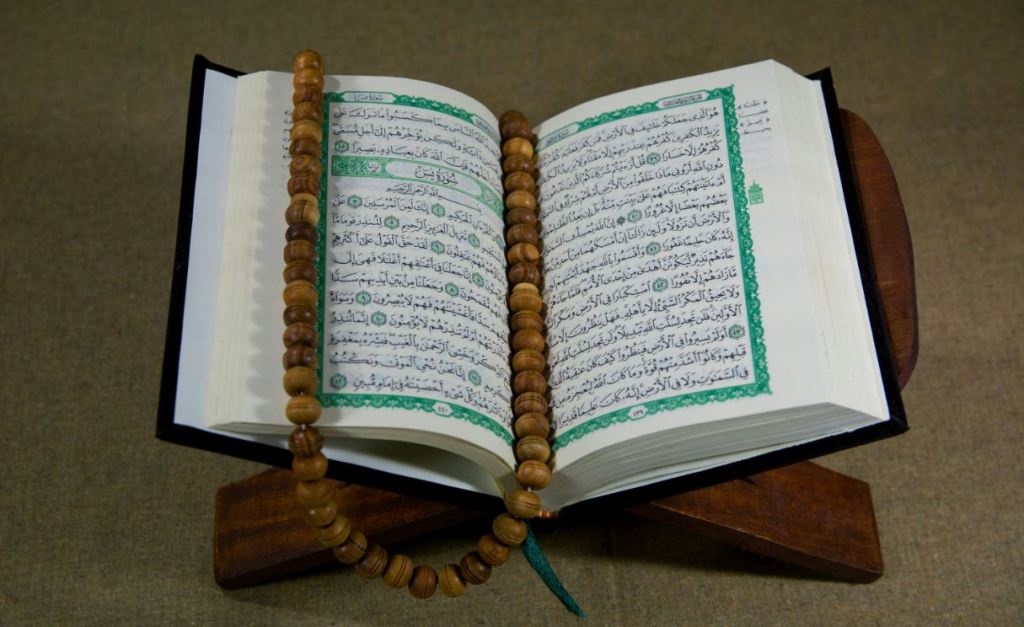
The Quran, Islam’s holy book, holds immense spiritual and intellectual significance, offering profound insights into life, worship, and morality. Its chapters, known as Surahs, serve as a source of divine guidance, encouraging believers to develop faith and live righteously. At the heart of this sacred scripture are Surah Al-Fatiha and Surah Al-Baqara, two chapters that lay the foundation for Islamic theology and practice.
Surah Al-Fatiha, often referred to as “The Opening,” functions as a prayer and an invocation, recited in every unit of Muslim prayer (Salah). It establishes the essence of worship by praising Allah and seeking His guidance. Meanwhile, Surah Al-Baqara, the longest chapter in the Quran, elaborates on themes of faith, divine law, and moral conduct, serving as a comprehensive manual for personal and communal life. Together, these two Surahs encapsulate the core principles of Islam.
The study of these Surahs offers readers an opportunity to reflect deeply on their meanings and relevance to both spiritual and practical life. Scholars have long emphasized the importance of understanding these chapters, highlighting them as essential tools for believers striving to strengthen their relationship with Allah. As we embark on this exploration, we uncover not only the theological insights but also the ethical frameworks that continue to shape Muslim communities worldwide.
SEO Keywords: Quran study, Surah Fatiha, Surah Al-Baqara, spiritual guidance, Islamic theology
Hashtags: #QuranStudy #SurahAlFatiha #SurahAlBaqara #IslamicGuidance #FaithandPractice
1. A Discussion of Quran Chapters
Quranic Structure and Surah Overview
The Quran is divided into 114 chapters, or Surahs, each with its distinct themes and purposes. Some Surahs, such as Al-Fatiha, are brief yet profound, while others, like Al-Baqara, span numerous pages with a vast array of topics. This division into chapters allows for ease of recitation, reflection, and study, and each Surah carries a message that remains relevant across time and place. Whether offering stories of the prophets or instructions for social interactions, the Quran addresses various aspects of life, serving as a comprehensive guide.
The significance of reading and understanding these chapters lies not only in their content but also in their divine origin. As Muslims believe the Quran to be the word of Allah revealed to the Prophet Muhammad, each chapter carries an invitation to reflect, submit, and act according to divine will. Surah Al-Fatiha, for example, is recited daily, emphasizing its foundational role in a believer’s spiritual journey. Surah Al-Baqara, on the other hand, includes extensive discussions on legal matters, ethical conduct, and faith, providing guidance for personal and societal behavior.
SEO Keywords: Quran chapters, Surah structure, Quran recitation, Islamic scripture, divine revelation
Hashtags: #QuranChapters #IslamicScripture #DivineGuidance #FaithInPractice
Thematic Insights into Surah Fatiha and Al-Baqara
Surah Al-Fatiha offers a concise but all-encompassing summary of the relationship between Allah and His creation. It begins with praise for Allah, the “Lord of the Worlds,” and establishes His qualities of mercy and justice. This Surah teaches the believer to seek guidance on the “straight path,” highlighting the importance of continuous spiritual striving. Its repetitive recitation reinforces mindfulness and humility, which are central to Islamic worship.
Surah Al-Baqara takes these principles further by addressing both the personal and communal dimensions of faith. It discusses belief, legal rulings, moral behavior, and the consequences of disbelief. It also provides narratives of past prophets, such as Moses and Abraham, showing how earlier communities were guided—and sometimes deviated—from Allah’s path. This Surah urges believers to uphold justice, show patience, and trust Allah’s wisdom, regardless of trials and tribulations.
SEO Keywords: Quran themes, Surah Al-Fatiha meaning, Surah Al-Baqara significance, personal faith, Islamic law
Hashtags: #IslamicTeachings #SurahAlFatiha #SurahAlBaqara #FaithAndCommunity
Conclusion of Point 1
Both Surah Al-Fatiha and Surah Al-Baqara demonstrate the Quran’s unique ability to blend spiritual insight with practical guidance. Surah Al-Fatiha reminds believers of their dependence on divine mercy and the necessity of seeking constant guidance, making it a daily prayer for Muslims. Surah Al-Baqara complements this spiritual foundation by elaborating on the responsibilities and trials believers face in everyday life, emphasizing patience, justice, and righteous conduct.
These Surahs offer a holistic view of Islam, combining worship with action, faith with ethics. As such, they continue to serve as essential tools for personal development and community building. Their study provides believers with an opportunity to deepen their understanding of Allah’s will, reinforcing their commitment to living righteous and meaningful lives.
SEO Keywords: Surah Al-Fatiha reflection, Surah Al-Baqara lessons, Quran guidance, personal development, Islamic ethics
Hashtags: #SpiritualReflection #IslamicWisdom #QuranLessons #GuidanceAndFaith
2. The Day of Judgement in the Quran
The Gravity of the Day of Judgement
The Day of Judgement is a cornerstone of Islamic theology, representing the moment when every soul will stand accountable before Allah. This event is referred to by various names in the Quran, such as “Yawm al-Qiyamah” (Day of Resurrection) and “Yawm ad-Din” (Day of Reckoning), each highlighting different aspects of its seriousness. The Quran’s vivid descriptions—where the heavens will split, the earth will shine with divine light, and every secret will be revealed—underscore the magnitude of this day. Believers are reminded that no action, however small, will escape Allah’s judgment, emphasizing that accountability is central to Islamic life.
The Quran also stresses that the Day of Judgement will arrive unexpectedly, known only to Allah. This unpredictability serves as a constant reminder for believers to remain spiritually vigilant and morally upright. As stated in Surah Al-Zalzalah, “Whoever does an atom’s weight of good will see it, and whoever does an atom’s weight of evil will see it” (99:7-8). This verse epitomizes the Quran’s focus on justice and the ultimate revelation of truth on that day.
SEO Keywords: Day of Judgement in Islam, Quranic eschatology, Yawm al-Qiyamah, divine accountability, spiritual vigilance
Hashtags: #JudgementDay #QuranEschatology #IslamicBelief #Accountability
Rewards, Punishments, and Absolute Justice
On the Day of Judgement, every soul will be judged with perfect fairness. Good deeds will be rewarded generously, and those who lived righteously will be granted eternal paradise, described in the Quran as “gardens beneath which rivers flow” (Surah Muhammad: 15). In contrast, those who reject faith and indulge in corruption will face severe punishment in Hell. The Quran presents Hell not only as a place of torment but also as a manifestation of divine justice for those who ignored warnings and disobeyed Allah’s commands.
One of the most compelling aspects of the Day of Judgement is that no intercession or worldly advantage will help a person on that day. The Quran declares, “No soul will be burdened with the burden of another” (Surah Al-An’am: 164), reinforcing the idea of individual accountability. This notion eliminates any sense of complacency, urging believers to focus on personal growth, sincere repentance, and the pursuit of righteousness throughout their lives.
SEO Keywords: Quran on accountability, rewards and punishment in Islam, eternal paradise, individual judgment, spiritual growth
Hashtags: #IslamicEschatology #DivineJustice #ParadiseAndHell #FaithAndAccountability
3. Divine Justice in the Quran
The Balance between Justice and Mercy
The Quran presents Allah as both just and merciful, striking a perfect balance between retribution and forgiveness. Divine justice, as outlined in the Quran, ensures that every individual receives what they deserve, whether it be reward or punishment. However, Allah’s mercy often tempers His justice. This duality is emphasized in Surah Al-Zumar: “Say, ‘O My servants who have transgressed against themselves, do not despair of the mercy of Allah. Indeed, Allah forgives all sins’” (39:53). This verse reassures believers that sincere repentance opens the doors to divine mercy, even for those who have strayed from the path.
The Quran also introduces the concept of Qisas (retaliation), a form of justice that ensures the punishment fits the offense. Yet, the text encourages forgiveness when possible, stating that pardoning an offender is a higher moral ground, leading to divine reward. This principle demonstrates the Quran’s holistic approach to justice, promoting both fairness and compassion, as well as peace within society.
SEO Keywords: Divine justice in the Quran, forgiveness in Islam, Qisas in the Quran, mercy of Allah, Islamic ethics
Hashtags: #DivineJustice #IslamicCompassion #QuranicWisdom #ForgivenessAndMercy
Worldly and Eternal Justice
While the ultimate judgment occurs in the afterlife, Allah’s justice is also evident in the temporal world. The Quran acknowledges that life’s trials—whether through hardship or blessings—are part of Allah’s justice and serve as tests for believers. These experiences remind individuals that material success or suffering is not always an indication of divine favor or disfavor. As highlighted in Surah Al-Baqarah: “We will surely test you with something of fear and hunger and a loss of wealth and lives and fruits, but give good tidings to the patient” (2:155).
Believers are encouraged to trust in Allah’s wisdom, even when divine justice is not immediately apparent. The Quran assures them that ultimate justice will be served, whether in this life or the Hereafter. This trust cultivates patience and perseverance, essential virtues for navigating life’s challenges. The belief in divine justice empowers Muslims to accept trials as part of a greater plan, knowing that every act of goodness will eventually be rewarded.
SEO Keywords: Allah’s justice in this world, trials and tests in Islam, divine wisdom, patience in the Quran, eternal justice
Hashtags: #IslamicPatience #DivineWisdom #JusticeInThisWorld #FaithInAdversity
Conclusion of Points 2 and 3
The concepts of the Day of Judgement and divine justice are interconnected pillars of Islamic faith, emphasizing individual accountability, fairness, and the balance between justice and mercy. Together, these themes convey the message that every soul will be judged based on their deeds and intentions, with no room for favoritism or intercession. The Quran’s portrayal of judgment serves as a constant reminder to lead a life of righteousness and mindfulness.
Moreover, divine justice extends beyond the afterlife to the realities of this world, where believers are tested through trials and blessings. This ensures that even in the face of suffering, there is wisdom and fairness in Allah’s plan. The Quran inspires believers to trust in this divine justice, to seek Allah’s mercy, and to strive for good deeds, knowing that ultimate justice will prevail. These teachings provide comfort, guidance, and motivation for believers in their spiritual journey.
SEO Keywords: Day of Judgement and divine justice, Islamic faith pillars, Allah’s mercy, righteous living, Quran teachings
Hashtags: #IslamicFaith #QuranGuidance #JudgementAndJustice #MercyAndRighteousness
4. Divine Justice in the Quran
Allah’s Justice: Perfect and Unbiased
The Quran presents Allah as the ultimate judge, governing the universe with absolute fairness and wisdom. He is described by His divine attributes—Al-‘Adl (The Just), Al-‘Aziz (The Mighty), and Al-Hakim (The Wise)—which reflect His perfect ability to balance justice, power, and wisdom. His justice is comprehensive, ensuring that every individual receives what they deserve, whether reward or punishment, without any form of prejudice or injustice. As the Quran states, “Indeed, Allah does not do injustice, [even] as much as an atom’s weight” (Surah An-Nisa: 40).
SEO Keywords: divine justice in Islam, Quranic justice, Allah the Just, Al-‘Adl meaning, fairness in Islam
Hashtags: #DivineJustice #AlAdl #IslamicWisdom
Justice, Forgiveness, and Qisas (Retribution)
The Quran presents Qisas (retributive justice) as a mechanism for maintaining fairness, especially in cases of murder or injury. However, it emphasizes the virtue of mercy by allowing the victim’s family to forgive the offender and seek reconciliation instead of retaliation. Surah Al-Baqarah (2:178) explains, “And there is for you in retribution [saving of] life, O people of understanding, that you may become righteous.” This approach demonstrates the Quran’s nuanced understanding of justice—not only as retribution but also as an opportunity for mercy and moral elevation.
The Quran thus encourages believers to forgive whenever possible, aligning with Allah’s nature as Ar-Rahman (The Most Compassionate) and Ar-Raheem (The Most Merciful). Mercy is not seen as a negation of justice but as an integral part of it, promoting harmony in society and spiritual growth in individuals.
SEO Keywords: Qisas in the Quran, Islamic forgiveness, mercy and justice, restorative justice in Islam, compassion in the Quran
Hashtags: #IslamicForgiveness #MercyAndJustice #RestorativeJustice
Justice in the Afterlife: Reward and Punishment
The Quran emphasizes that Allah’s justice will manifest most fully on the Day of Judgement, where the righteous will be rewarded with Paradise, and the wicked will face punishment in Hell. Those who lived according to Allah’s commands will enjoy eternal blessings, while those who disbelieved or committed injustice will encounter retribution. Surah Az-Zumar (39:70) declares, “And every soul will be fully compensated for what it did, and He is most knowing of what they do.”
In Islam, belief in the Day of Judgement reinforces accountability in this life, reminding individuals that their actions have consequences beyond the present moment. The Quran inspires believers to act righteously, seek forgiveness, and maintain hope in Allah’s mercy, knowing that no good deed will be overlooked.
SEO Keywords: Quran on reward and punishment, Islamic eschatology, Hell and Paradise in Islam, righteous deeds in the Quran
Hashtags: #IslamicEschatology #ParadiseAndHell #RighteousLiving
Justice in This Life: Tests, Trials, and Trust
Allah’s justice is not limited to the afterlife but extends to the trials and experiences individuals face in this world. The Quran teaches that tests, whether through hardship or prosperity, are part of Allah’s divine justice and wisdom. As stated in Surah Al-Anbiya: “We test you with both good and evil as a trial, and to Us you will be returned” (21:35). These experiences are designed to purify the soul, strengthen faith, and develop patience.
Even though divine justice may not always be apparent in worldly events, believers are encouraged to trust in Allah’s wisdom and fairness. This trust fosters resilience and patience, as highlighted in Surah Al-Baqarah: “Indeed, Allah is with the patient” (2:153). The Quran teaches that hardships are not necessarily signs of divine displeasure but opportunities for spiritual growth and reward.
SEO Keywords: patience in Islam, trials and tests in the Quran, divine wisdom and trust, tests in Islam, hardship and faith
Hashtags: #IslamicPatience #FaithInAdversity #DivineWisdom
Mercy as the Essence of Divine Justice
A distinctive aspect of Allah’s justice is His mercy, which offers hope even to those who have sinned. While Allah is swift in retribution for those who persist in wrongdoing, He is also forgiving to those who sincerely repent. Surah Ash-Shura (42:25) states, “And it is He who accepts repentance from His servants and pardons misdeeds.” The Quran emphasizes that Allah’s mercy encompasses all things, underscoring that repentance and humility can open the doors to forgiveness and redemption.
This interplay between justice and mercy reflects the Quran’s holistic vision of divine justice—balancing the need for accountability with opportunities for grace. It reassures believers that even when justice is served, it is always accompanied by compassion.
SEO Keywords: repentance in the Quran, Allah’s mercy and justice, divine mercy in Islam, forgiveness after sin
Hashtags: #AllahsMercy #DivineCompassion #IslamicForgiveness
Conclusion
The Quran presents a comprehensive concept of divine justice that encompasses both accountability and mercy. Allah’s justice ensures that every soul receives what it deserves, whether in this life or the Hereafter. At the same time, the Quran emphasizes that justice is not rigid or harsh but is often softened by mercy and forgiveness. This balance between justice and compassion reflects Allah’s attributes as Al-‘Adl (The Just) and Ar-Rahman (The Most Compassionate).
Whether through the principle of Qisas, the promise of reward for the righteous, or the trials of life, divine justice teaches believers to trust in Allah’s wisdom and strive for righteousness. The Quran also reminds them that no hardship is without purpose and that repentance and faith can always lead to divine mercy. This holistic understanding of justice inspires Muslims to live a life of integrity, patience, and hope.
SEO Keywords: divine justice in Islam, Quran on trials and tests, forgiveness and retribution, justice and mercy balance
Hashtags: #QuranicWisdom #JusticeAndMercy #FaithAndIntegrity #RighteousLiving
5. Allah’s Power as Described in the Quran
Allah’s Power: Limitless and Absolute
The Quran presents Allah as the supreme being, whose power is unparalleled and unrestricted. He is described as Al-Qadir (The All-Powerful) and Al-Muqtadir (The Omnipotent), emphasizing that He can accomplish anything He wills without limitation. The Quran reiterates, “Indeed, Allah is over all things competent” (Surah Al-Baqarah: 2:284), making it clear that nothing exists or happens outside His divine will. His power is not dependent on any external force or condition, as all creation owes its existence to His command.
SEO Keywords: Allah the All-Powerful, omnipotence in Islam, Quranic verses on power, divine will in Islam
Hashtags: #AlQadir #AllahsMight #IslamicBeliefs
Creation as a Manifestation of Allah’s Power
One of the most striking demonstrations of Allah’s power is His ability to create. The Quran frequently emphasizes that the creation of the heavens, the earth, and all living beings—including humans, animals, and jinn—occurred by His command. In Surah Yasin (36:82), it says: “His command is only when He intends a thing that He says to it, ‘Be,’ and it is.”
This verse reflects the effortless nature of divine creation. Allah’s power extends to the cycle of life and death; He brings the living from the dead and the dead from the living (Surah Ar-Rum: 30:19). His ability to create and give life from nothing emphasizes His mastery over existence and time.
SEO Keywords: creation in the Quran, life and death in Islam, Allah’s creative power, divine command Be and it is
Hashtags: #CreationInIslam #AllahTheCreator #DivineCommand
Allah’s Power in Regulating the Universe
Beyond creation, Allah’s power governs every aspect of the universe. He controls celestial bodies such as the sun, moon, and stars, regulates the seasons, sends rain to nourish the earth, and commands the winds. As the Quran states: “It is Allah who alternates the night and the day, and He has subjected the sun and the moon” (Surah Fatir: 35:13).
Nothing occurs without His permission or decree. This governance reflects the seamless integration of divine power with the natural world, emphasizing that all phenomena—big or small—are under His command.
SEO Keywords: Quran on nature, Allah’s control over the universe, divine regulation, Allah and natural phenomena
Hashtags: #DivineControl #IslamicCreation #UniversalOrder
Granting and Removing Sovereignty
Allah’s power extends to human affairs, including the rise and fall of leaders and nations. In Surah Al-Imran (3:26), it is stated: “Say, ‘O Allah, Owner of Sovereignty, You give sovereignty to whom You will and You take sovereignty away from whom You will.’” The Quran illustrates this through stories of prophets and kings, such as the rise of King Saul and the authority granted to King David.
Similarly, Allah has the power to bestow wealth, honor, or hardship, as part of His divine plan to test and guide individuals. This aspect of divine power encourages believers to acknowledge that all success and adversity are part of Allah’s will.
SEO Keywords: sovereignty in Islam, Allah and leadership, divine tests, Quran on wealth and honor
Hashtags: #DivineSovereignty #IslamicLeadership #TrustInAllah
Guidance and Misguidance: A Reflection of Allah’s Power
The Quran highlights Allah’s power to guide or lead astray whomever He wills. As Surah Al-Baqarah (2:272) explains: “It is not upon you [O Muhammad] to guide them, but Allah guides whom He wills.” This demonstrates that while believers are encouraged to seek and offer guidance, ultimately, it is Allah who opens hearts to faith.
Conversely, those who persist in arrogance and reject truth are left in misguidance. Allah’s power in guiding or allowing misguidance is a reminder to believers to sincerely seek His guidance and submit fully to His will.
SEO Keywords: divine guidance in Islam, misguidance in the Quran, Allah’s will, submission to divine guidance
Hashtags: #SeekGuidance #TrustInAllahsWill #IslamicFaith
Allah’s Knowledge: Power Beyond the Physical Realm
Allah’s power is not limited to physical control but also encompasses perfect knowledge of the seen and unseen. The Quran describes Him as knowing everything in the heavens and the earth, including the deepest secrets within human hearts. Surah Al-An’am (6:59) states: “And with Him are the keys of the unseen; none knows them except Him.”
This perfect knowledge reflects Allah’s ability to govern all matters with precision and justice. His power to know all things—past, present, and future—reassures believers that nothing escapes His notice, and every deed will receive its due recompense.
SEO Keywords: divine knowledge in Islam, Allah’s omniscience, unseen knowledge, secrets of the heart in the Quran
Hashtags: #Omniscience #DivineKnowledge #IslamicWisdom
Power Tempered with Mercy and Compassion
Although Allah’s power is absolute, it is also coupled with mercy. The Quran frequently refers to Him as Ar-Rahman (The Most Gracious) and Ar-Rahim (The Most Merciful). This balance ensures that His omnipotence is not tyrannical but is exercised with compassion. Even when Allah tests or punishes, His mercy is always within reach for those who repent and seek His guidance.
This duality of power and mercy inspires believers to live with hope and humility. They recognize that while Allah is powerful enough to punish, He is also merciful enough to forgive those who sincerely repent.
SEO Keywords: Allah’s mercy and power, divine compassion in Islam, Ar-Rahman meaning, Quran on mercy
Hashtags: #MercyAndPower #ArRahman #IslamicCompassion
Recognizing Allah’s Power: Trust, Fear, and Awe
The Quran emphasizes the importance of recognizing and acknowledging Allah’s immense power. This recognition fosters taqwa (consciousness of Allah) and encourages believers to rely solely on Him in times of need. In Surah At-Tawbah (9:51), it states: “Say, ‘Never will we be struck except by what Allah has decreed for us; He is our protector.’” This verse teaches believers to place their trust in Allah, knowing that His power is greater than any difficulty or adversary.
At the same time, believers are encouraged to feel awe and fear of Allah’s might. This sense of reverence motivates righteous conduct and humility, acknowledging that every soul is accountable to Allah for its actions.
SEO Keywords: trust in Allah, fear of Allah, taqwa in Islam, reliance on divine power
Hashtags: #TrustInAllah #FearOfAllah #Taqwa
Conclusion
The Quran presents Allah’s power as limitless and all-encompassing, manifesting through His creation, control of the universe, sovereignty over human affairs, and perfect knowledge. Yet, this immense power is also tempered with mercy and compassion, offering hope and forgiveness to those who seek Him.
Recognizing Allah’s power inspires believers to live with both humility and trust. They are reminded to rely on Allah during trials, knowing that everything occurs by His will. This understanding of divine power reinforces the importance of submission to Allah and helps cultivate a meaningful relationship with Him.
SEO Keywords: Allah’s power in Islam, divine will, omnipotence in the Quran, trust and reliance on Allah
Hashtags: #DivinePower #IslamicFaith #TrustAndTaqwa
6. Human Nature as Presented in the Quran
The Quran offers a deep and nuanced exploration of human nature, portraying it as a blend of potential for goodness and vulnerability to error. Humans, as creations of Allah, are inherently valuable but also prone to weakness. This duality serves to highlight the importance of striving towards righteousness while being mindful of the flaws inherent in human existence.
1. Created from a Single Soul: Unity and Equality
The Quran emphasizes the common origin of humanity. In Surah An-Nisa (4:1), it says: “O mankind, fear your Lord, who created you from one soul and created from it its mate and dispersed from both of them many men and women.” This verse highlights not only the interconnectedness of all people but also the inherent equality of human beings. Regardless of differences in race, gender, or status, all humans share the same essence and are connected through their divine origin.
SEO Keywords: unity of humanity in Islam, equality in the Quran, creation from a single soul, human connection
Hashtags: #UnityInIslam #QuranOnEquality #HumanConnection
2. Capacity for Virtuous Conduct
The Quran acknowledges the intrinsic ability of humans to engage in good deeds and act righteously. In Surah Al-Baqarah (2:45), it encourages believers: “Seek help through patience and prayer.” This reflects the Quran’s belief in the human capacity to cultivate virtues like patience, kindness, and humility through personal effort and faith.
Human nature, therefore, contains a potential for excellence—individuals are capable of embodying high moral values when guided by divine teachings. However, these virtues require conscious effort and the use of free will in alignment with Allah’s guidance.
SEO Keywords: human virtue in the Quran, righteous conduct in Islam, patience and prayer, moral capacity in Islam
Hashtags: #HumanVirtue #PatienceAndPrayer #IslamicMoralGuidance
3. Prone to Forgetfulness and Error
Despite the capacity for good, the Quran recognizes that humans are fallible and prone to forgetfulness. Surah Al-Baqarah (2:44) states: “Do you order righteousness of the people and forget yourselves while you recite the Scripture?” This verse highlights a tendency in humans to neglect their own spiritual growth while focusing on others, revealing a common flaw in human behavior—forgetting personal responsibilities.
This fallibility also underscores the need for constant self-reflection and the importance of repentance in maintaining spiritual integrity.
SEO Keywords: human fallibility in the Quran, forgetfulness in Islam, moral responsibility, self-reflection in Islam
Hashtags: #HumanError #IslamicSelfReflection #QuranOnFallibility
4. Susceptibility to Temptation and Desire
The Quran acknowledges the susceptibility of humans to worldly desires, such as greed, lust, and the pursuit of pleasure. In Surah Al-Imran (3:14), it states: “Beautified for people is the love of that which they desire—of women, children, treasures of gold and silver…” This verse reflects the innate attraction humans feel towards material wealth and earthly pleasures, which, if not managed, can lead them away from righteousness.
The Quran warns that succumbing to such desires can result in moral decay, urging believers to remain vigilant and seek guidance to resist temptation.
SEO Keywords: human desires in Islam, Quran on temptation, managing lust and greed, materialism in the Quran
Hashtags: #ResistTemptation #IslamOnDesires #MaterialismInIslam
5. Inherent Restlessness and Anxiety
Human nature is also characterized by restlessness, especially in times of hardship. Surah Al-Ma’arij (70:19) states: “Indeed, mankind was created anxious.” When faced with adversity, humans may become impatient or overwhelmed by anxiety, leading to dissatisfaction and excessive pursuit of worldly possessions.
This restlessness highlights the importance of cultivating patience and trust in Allah’s decree, recognizing that peace and contentment are found in spiritual rather than material fulfillment.
SEO Keywords: anxiety in the Quran, human restlessness, trust in Allah, spiritual contentment in Islam
Hashtags: #RestlessnessInIslam #TrustInAllah #SpiritualPeace
6. Tendency Towards Disagreement and Division
The Quran addresses humanity’s tendency toward disagreement and division. In Surah Al-Baqarah (2:213), it mentions that humanity was once united but became divided after the arrival of prophets and scriptures: “Mankind was [of] one religion [before]; then Allah sent the prophets…” This verse reflects the human inclination to interpret matters differently, leading to disputes and conflict.
However, the Quran encourages believers to strive for unity and avoid unnecessary disputes, emphasizing that diversity of thought should not become a source of division.
SEO Keywords: disagreement in Islam, unity in diversity, division in the Quran, Islamic teachings on conflict
Hashtags: #IslamicUnity #AvoidDisputes #DiversityInIslam
7. Capacity for Reasoning and Understanding
The Quran frequently appeals to human reason and reflection, indicating that humans possess an inherent capacity for understanding. Phrases such as “Do they not reflect?” (Surah Al-Rum: 30:8) and “Have they not considered?” (Surah Al-Ghashiyah: 88:17) challenge individuals to use their intellect to comprehend the truth.
This capacity for reason underscores the Quran’s emphasis on seeking knowledge and using critical thinking to strengthen faith and make informed moral decisions.
SEO Keywords: reasoning in the Quran, reflection in Islam, human intellect in the Quran, critical thinking in Islam
Hashtags: #IslamicReflection #QuranOnReason #SeekKnowledge
8. Accountability for Actions
A fundamental aspect of human nature presented in the Quran is personal accountability. Surah Az-Zalzalah (99:7-8) states: “So whoever does an atom’s weight of good will see it, and whoever does an atom’s weight of evil will see it.” This reflects the belief that humans are responsible for their actions and will be held accountable on the Day of Judgment.
The concept of accountability encourages believers to act righteously, knowing that every deed—no matter how small—will have consequences.
SEO Keywords: accountability in Islam, Quran on responsibility, actions and consequences, Day of Judgment accountability
Hashtags: #AccountabilityInIslam #QuranOnActions #IslamicResponsibility
9. Potential for Transformation and Guidance
Despite human weaknesses, the Quran emphasizes the potential for transformation. Allah provides guidance through prophets and scriptures, offering humans the opportunity to repent and seek His forgiveness. In Surah Az-Zumar (39:53), Allah says: “Say, ‘O My servants who have transgressed against themselves, do not despair of the mercy of Allah. Indeed, Allah forgives all sins.’”
This verse reflects the Quran’s message of hope, reminding believers that they can overcome their flaws and attain spiritual purification through sincere repentance.
SEO Keywords: repentance in the Quran, transformation in Islam, Allah’s forgiveness, guidance in the Quran
Hashtags: #Repentance #AllahsGuidance #IslamicTransformation
Conclusion
The Quran presents a comprehensive view of human nature, recognizing both its strengths and vulnerabilities. Humans are capable of great virtue but also prone to error, restlessness, and temptation. Despite these challenges, the Quran emphasizes that individuals have the capacity for reflection, transformation, and moral growth through Allah’s guidance. Personal accountability and the pursuit of righteousness play essential roles in navigating the complexities of human nature.
Ultimately, the Quran’s portrayal of human nature serves as a call to action—inviting believers to recognize their weaknesses, strive for moral excellence, and seek Allah’s mercy and guidance throughout life’s journey.
SEO Keywords: human nature in the Quran, strengths and weaknesses in Islam, personal accountability, transformation through faith
Hashtags: #IslamOnHumanNature #QuranOnGrowth #DivineGuidance
7. Declaration of Faith
The Declaration of Faith (Shahada) lies at the heart of Islamic belief, affirming the oneness of Allah (Tawhid) and recognizing Him as the only deity worthy of worship. This fundamental declaration reads: “There is no god but Allah, and Muhammad is His Messenger.” It encapsulates the essence of Islamic monotheism and serves as the entry point into the faith.
The Quran emphasizes Allah’s attributes, such as being Ar-Rahman (The Most Gracious), Ar-Rahim (The Most Merciful), and Maliki Yawmid-Din (Master of the Day of Judgment). These names highlight both His mercy and authority, reminding believers that they are under the care of a just and compassionate God who will judge them fairly.
The declaration further establishes that Allah alone is worthy of worship, without partners or equals. This conviction forms the foundation for all acts of worship and obedience, guiding believers to dedicate their lives to serving and pleasing Allah. Through prayer, charity, fasting, and other forms of devotion, Muslims express their commitment to this core belief.
SEO Keywords: Islamic declaration of faith, Tawhid in Islam, belief in Allah, Shahada significance
Hashtags: #Shahada #DeclarationOfFaith #Tawhid
8. Guidance from the Quran
The Quran introduces itself as a book free from any doubt, guiding those who seek the truth. Surah Al-Baqarah (2:2) states: “This is the Book about which there is no doubt, a guidance for those conscious of Allah.” This verse affirms the Quran as an infallible source of knowledge, intended to steer believers toward righteousness and truth.
The Quran’s guidance is not limited to religious rituals but extends to all aspects of life—moral conduct, social justice, personal development, and more. It calls for believers to reflect on its teachings and apply them with sincerity. Those who are conscious of Allah’s presence (taqwa) will find the Quran to be a beacon, helping them navigate the challenges of life with clarity and purpose.
The Quran encourages self-reflection, critical thinking, and continual growth, serving as a spiritual compass for those who are committed to seeking Allah’s guidance and living in accordance with His will.
SEO Keywords: Quran as guidance, truth in the Quran, taqwa in Islam, Quran’s role in life
Hashtags: #QuranGuidance #IslamicTaqwa #SeekTheTruth
9. Characteristics of the Righteous
The Quran outlines several key traits that define the righteous, offering believers a model for leading a life that is pleasing to Allah. These characteristics reflect a balance of faith, actions, and intentions.
Belief in the Unseen
The righteous believe in what cannot be seen, such as Allah, the angels, the Day of Judgment, and divine decree. This faith reflects trust in Allah’s wisdom and a recognition that not everything can be perceived through human senses. (Surah Al-Baqarah: 2:3)
Establishing Prayer (Salah)
Prayer serves as the most direct form of communication between a believer and Allah. It is a daily reminder of submission, humility, and gratitude. Establishing prayer consistently (iqamat al-salah) signifies discipline and devotion.
Charity from Sustenance (Zakat and Sadaqah)
The righteous give charity (zakat) from the wealth Allah has provided them, recognizing that material blessings are a trust from Allah. This generosity promotes empathy, helps alleviate poverty, and purifies the soul.
Belief in the Quran and Previous Revelations
A righteous person accepts the truth of all divine scriptures revealed by Allah, including the Torah, the Psalms, and the Gospel, acknowledging Islam’s continuity with earlier messages and prophets.
Certainty in the Hereafter
The righteous are certain about the Hereafter—that there will be resurrection, judgment, and reward or punishment based on their deeds. This belief encourages them to live ethically, knowing that their actions in this world have eternal consequences.
Together, these characteristics represent the moral and spiritual framework that the Quran urges believers to cultivate. They highlight a balance between faith, actions, and relationships with others, underscoring the importance of worship, generosity, and accountability.
SEO Keywords: characteristics of the righteous, traits of believers, faith in unseen, prayer in Islam, charity in Quran
Hashtags: #RighteousInIslam #IslamicCharity #FaithInTheUnseen
10. Trials and Tests in Life
The Quran emphasizes that trials and tests are an integral part of human life. These tests are designed to assess one’s faith, patience, gratitude, and resilience. Allah reminds believers that hardships are not a punishment but a means of spiritual refinement and growth:
“And We will surely test you with something of fear and hunger and a loss of wealth and lives and fruits, but give good tidings to the patient” (Surah Al-Baqarah: 2:155).
Purpose of Trials
Trials help distinguish the sincere believers from those whose faith is weak. Through challenges, believers can deepen their relationship with Allah, develop humility, and recognize their dependence on Him. The Quran teaches that hardship is followed by ease: “Indeed, with hardship [will be] ease” (Surah Ash-Sharh: 94:6).
Patience and Gratitude
Believers are encouraged to respond to trials with sabr (patience) and shukr (gratitude). Patience is considered an essential virtue in the Quran, and those who persevere are promised immense rewards. Gratitude for blessings, even in difficult moments, strengthens faith and fosters contentment.
Tests Through Prosperity and Adversity
The Quran explains that both prosperity and hardship are tests. Wealth, success, and comfort test one’s gratitude and generosity, while poverty, loss, and suffering test patience and reliance on Allah. The Quran warns believers not to become arrogant in times of ease or despair in times of difficulty (Surah Al-Hadid: 57:23).
Reliance on Allah (Tawakkul)
Believers are urged to place their trust in Allah, understanding that all events unfold according to His wisdom. Tawakkul (trust in Allah) means that, while believers make efforts, they also submit to Allah’s decree and remain content with the outcome, knowing that Allah’s plan is always for the best.
SEO Keywords: Islamic view on trials, patience in Islam, gratitude in Quran, tests of wealth and hardship, reliance on Allah
Hashtags: #IslamicPatience #FaithThroughTrials #Tawakkul
11. Reward and Punishment in the Hereafter
The Quran repeatedly stresses the concept of reward and punishment in the Hereafter, reinforcing the idea that every action in this world has consequences. The Hereafter serves as the ultimate destination where justice will prevail—the righteous will be rewarded with eternal bliss in Paradise, while wrongdoers will face punishment in Hell.
Paradise (Jannah)
Paradise is described as an eternal abode of peace, happiness, and luxury, reserved for those who have faith in Allah and perform righteous deeds. The Quran paints vivid imagery of lush gardens, rivers, and beautiful companions, emphasizing the joy awaiting the righteous (Surah Al-Waqi’ah: 56:12-24). It is a place where no sorrow, fatigue, or pain will exist.
Hell (Jahannam)
Hell is described as a place of immense suffering for those who reject Allah’s guidance and commit evil deeds. The Quran mentions its blazing fire, scorching winds, and the endless regret of those who enter it (Surah Al-Mulk: 67:6-8). However, Allah also emphasizes that Hell is reserved for those who persist in disbelief and wrongdoing despite receiving guidance.
Scales of Justice
On the Day of Judgment, every person’s deeds will be weighed on the scales of justice (Surah Al-A’raf: 7:8). Even the smallest act—good or evil—will be accounted for. Those whose good deeds outweigh their bad will enter Paradise, while those whose bad deeds prevail will be punished accordingly.
Intercession and Mercy
Although Allah’s justice is absolute, the Quran also emphasizes His mercy. For some believers, the intercession of prophets—particularly Prophet Muhammad (PBUH)—and Allah’s boundless mercy may grant them entry into Paradise despite their sins. The Quran teaches that Allah’s mercy surpasses His wrath (Surah Az-Zumar: 39:53).
Eternal Accountability
The Hereafter serves as a reminder that the choices made in this world determine one’s eternal fate. Believers are encouraged to live a life of righteousness, always mindful of their actions and their consequences in the Hereafter.
SEO Keywords: reward in Paradise, punishment in Hell, Day of Judgment, scales of justice in Quran, mercy and intercession
Hashtags: #JannahAndJahannam #IslamicJustice #DayOfJudgment
12. Mercy and Forgiveness in the Quran
The Quran frequently emphasizes Allah’s mercy and forgiveness, assuring believers that no matter how great their sins, they can always return to Him through sincere repentance. Allah is described as Ar-Rahman (The Most Merciful) and Al-Ghaffar (The Oft-Forgiving), highlighting His willingness to forgive those who seek His mercy.
Allah’s Boundless Mercy
Allah’s mercy encompasses everything: “My mercy embraces all things” (Surah Al-A’raf: 7:156). It is available not only in the Hereafter but also in this life, as Allah constantly forgives the mistakes and shortcomings of believers.
The Door of Repentance
The Quran assures believers that Allah’s door of repentance is always open, and He loves those who turn to Him in remorse (Surah Al-Baqarah: 2:222). Even those who have committed grave sins are not beyond His forgiveness: “Do not despair of the mercy of Allah. Indeed, Allah forgives all sins” (Surah Az-Zumar: 39:53).
Seeking Forgiveness Through Prayer and Acts of Goodness
In addition to verbal repentance, believers are encouraged to seek Allah’s forgiveness through prayer (istighfar), charity, and acts of kindness. Good deeds can erase bad ones: “Indeed, good deeds erase bad deeds” (Surah Hud: 11:114).
Balancing Fear and Hope
The Quran teaches that believers should maintain a balance between fear of Allah’s justice and hope in His mercy. This balance ensures that they strive for righteousness while remaining humble, knowing that their salvation ultimately depends on Allah’s mercy.
Forgiving Others
Just as Allah forgives, believers are urged to forgive others and overlook their faults. The Quran teaches that forgiveness and forbearance are noble traits, fostering peace and harmony among people (Surah Ash-Shura: 42:43).
SEO Keywords: mercy of Allah, repentance in Islam, forgiveness in Quran, hope and fear in Islam, forgiving others
Hashtags: #AllahsMercy #ForgivenessInIslam #HopeAndFear
13. Following Divine Guidance
Following divine guidance is a fundamental theme in the Quran, emphasizing that believers who adhere to Allah’s teachings will find clarity, purpose, and direction in their lives. This guidance is not merely a set of rules but a comprehensive way of life that encompasses all aspects of existence.
Nature of Divine Guidance
The Quran is portrayed as a comprehensive manual for life, providing instructions on ethical conduct, social justice, family relations, and spiritual practices. It serves as a beacon for those seeking truth, ensuring that believers have a clear path to follow: “This is the Book about which there is no doubt, a guidance for those conscious of Allah” (Surah Al-Baqarah: 2:2).
Characteristics of the Guided
The Quran describes the characteristics of those who follow divine guidance, including steadfastness in prayer, charity, and trust in Allah. These traits are essential for developing a strong relationship with Allah and achieving a righteous life. Believers are encouraged to embody qualities such as humility, compassion, and justice in their daily interactions.
Importance of Following Prophetic Teachings
In addition to the Quran, the teachings of Prophet Muhammad (PBUH) are essential for understanding divine guidance. His life serves as a model for how to implement Quranic principles in daily life. The Sunnah (traditions) complements the Quran, providing practical examples of how to live in accordance with Allah’s will.
Seeking Knowledge
The pursuit of knowledge is highly encouraged in Islam. Believers are urged to seek understanding of the Quran and the world around them. This knowledge enables them to make informed decisions and remain steadfast in their faith: “Say, ‘My Lord, increase me in knowledge’” (Surah Ta-Ha: 20:114).
Community Support
Following divine guidance is also strengthened within the community. Believers are encouraged to support one another in their spiritual journeys, fostering an environment where collective worship, discussion, and learning can flourish. The Quran emphasizes the importance of community in upholding faith and morality (Surah Al-Hujurat: 49:10).
SEO Keywords: divine guidance in Quran, characteristics of the guided, importance of Sunnah, pursuit of knowledge in Islam, community support in faith
Hashtags: #DivineGuidance #FollowTheSunnah #IslamicCommunity
14. Path to Success
The Quran unequivocally states that the path to true success lies in adhering to divine guidance. Success, in the Islamic context, is multifaceted, encompassing both spiritual fulfillment and worldly achievements.
Definition of Success
Success in Islam is not merely measured by material wealth or social status but by one’s relationship with Allah and adherence to His guidance. True success involves fulfilling one’s obligations, striving for righteousness, and ultimately earning Allah’s pleasure: “And whoever follows My guidance will neither go astray nor suffer” (Surah Ta-Ha: 20:123).
Worldly vs. Spiritual Success
While the Quran acknowledges the importance of worldly achievements, it warns against prioritizing them over spiritual obligations. Believers are encouraged to find a balance, utilizing their worldly success as a means to serve Allah and benefit humanity.
Patience and Perseverance
The journey to success is often fraught with challenges. The Quran teaches that patience (sabr) and perseverance are essential virtues. Those who endure hardships with faith will ultimately be rewarded: “Indeed, the patient will be given their reward without account” (Surah Az-Zumar: 39:10).
Accountability and Preparation for the Hereafter
Success also entails preparing for the Hereafter. Believers are reminded that their actions in this life will determine their eternal fate. The Quran urges individuals to live consciously, with the understanding that they will be held accountable for their choices: “Whoever does an atom’s weight of good will see it” (Surah Az-Zalzalah: 99:7).
The Ultimate Reward
The ultimate success, as depicted in the Quran, is attaining Paradise and being in the presence of Allah. This reward is reserved for those who faithfully follow His guidance and strive for righteousness in their lives: “Indeed, those who believe and do righteous deeds will have the Gardens of Paradise as a lodging” (Surah Al-Kahf: 18:107).
SEO Keywords: path to success in Islam, definition of success, patience and perseverance, preparing for the Hereafter, ultimate reward in Paradise
Hashtags: #PathToSuccess #IslamicSuccess #EternalReward
15. Main Points from the Quran Passage Surah Al-Baqara (2:1-11)
Guidance for the Righteous:
The Quran is affirmed as a book free from doubt, offering divine guidance specifically tailored for those who possess faith in the unseen, diligently pray, give charity from their sustenance, and uphold belief in both the Quran and previous revelations. This guidance serves as a compass for leading a life aligned with Allah’s will.
Success Comes from Belief:
Those who genuinely follow the guidance of the Quran are assured that they are on the correct path. Their adherence leads to true success, marked by blessings in this life and the Hereafter. The passage emphasizes that success is contingent upon sincere faith and righteous actions.
Disbelievers Reject the Truth:
The passage poignantly highlights the condition of disbelievers, who remain impervious to the truth, regardless of warnings. Their hearts and minds have been sealed by Allah, preventing them from accepting guidance. Consequently, they will face severe punishment for their disbelief and rejection of divine truths.
Hypocrisy is Self-Deception:
The Quran warns against hypocrisy, where individuals may outwardly profess belief in Allah and the Last Day but lack sincerity in their hearts. This form of self-deception leads them to overlook their insincerity, distancing them from genuine faith and understanding the true implications of their actions.
False Piety Earns Punishment:
Those who project an image of righteousness while simultaneously engaging in corrupt practices will find themselves increasingly afflicted by spiritual sickness. Their deceit will not go unnoticed, as they will face painful punishments for their duplicity and failure to live in accordance with their professed beliefs.
Conclusion
This passage serves as a foundational reminder of the importance of sincerity, belief, and the consequences of one’s actions in relation to divine guidance. It underscores the essential qualities of the righteous while issuing warnings to those who fall into hypocrisy and disbelief. The Quran continually invites reflection on one’s faith and encourages believers to strive for authenticity in their relationship with Allah.
16. Summary of Quran Verses Surah Al-Baqarah (2:11-21)
Hypocrisy & Denial:
The verses address individuals who falsely present themselves as reformers while actively spreading corruption. These hypocrites mock true believers and refuse to accept the truth, choosing instead to align themselves with falsehood and deceit. Their duality exposes their insincerity and detachment from genuine faith.
Divine Ridicule & Bewilderment:
Allah highlights the hypocrisy of these individuals by allowing them to remain lost in their misguided beliefs and actions. Their refusal to seek guidance leads to a state of spiritual confusion, rendering their efforts and deeds ineffective and fruitless in the sight of Allah.
Spiritual Blindness:
The Quran likens the state of these hypocrites to those enveloped in darkness, deaf, dumb, and blind to the truth. Their spiritual blindness prevents them from recognizing the reality of their situation, making them incapable of finding their way back to the light of faith and understanding.
Power of Allah:
The verses illustrate Allah’s supreme power over all creation using powerful metaphors of fire and storms. Allah controls both light and darkness, emphasizing His authority and dominion over existence. The potential to strip individuals of their senses serves as a reminder of their ultimate dependence on Him, highlighting that guidance and understanding are gifts from Allah.
Conclusion
This passage serves as a profound commentary on the nature of hypocrisy and the consequences of denying the truth. It emphasizes the importance of sincerity in belief and highlights Allah’s absolute power over creation, reminding believers of the need to seek guidance and remain steadfast in faith.
17. Summary of the Passage
One God, Worthy of Worship:
The passage underscores the fundamental belief in worshiping the one true God, who is the creator of everything. It emphasizes the importance of monotheism and warns against associating any partners with Him, reaffirming His unique status as the sole deity deserving of worship.
Evidence of God’s Creation:
The natural world serves as compelling evidence of God’s existence and creative power. The intricacy of systems in the universe, such as the sky, the cycle of rain, and the growth of plants, demonstrates the signs of Allah’s handiwork and His ability to provide sustenance for all living beings.
Challenge to the Disbelievers:
Those who question or doubt the divine revelation are challenged to produce a chapter akin to the Quran, highlighting its miraculous nature and unmatched eloquence. This challenge serves to assert the authenticity of the Quran and warns that the consequence of disbelief is eternal punishment in Hellfire.
Reward for the Believers:
In contrast to the disbelievers, those who have faith and engage in good deeds are promised immense rewards in Paradise. This paradise is depicted as lush gardens with flowing rivers, abundant fruits, and pure companions, illustrating the immense joy and fulfillment awaiting the righteous.
God’s Wisdom in Creation:
The passage reflects on the creation of Adam as Allah’s successor on Earth, acknowledging the angels’ concerns about humanity’s potential for corruption. This dialogue highlights God’s wisdom and knowledge, which encompass aspects of creation that go beyond human understanding and insight.
Conclusion
This passage encapsulates core Islamic beliefs about monotheism, the evidence of divine creation, the miraculous nature of the Quran, the consequences of disbelief, and the promises of paradise for the faithful. It emphasizes the wisdom and authority of God in the grand scheme of creation, inviting believers to reflect on their relationship with Him and the world around them.
18. Summary of the Provided Quran Verses Surah Al-Baqarah
God’s Creation of Adam:
God announces to the angels His intention to create a successor on Earth, named Adam. Despite the angels’ inquiries regarding humanity’s potential for corruption, God proceeds to teach Adam the names of all things, signifying Adam’s unique capacity for knowledge and understanding.
The Command to Bow:
God commands the angels to bow to Adam, underscoring Adam’s elevated status among creation. However, Satan refuses to comply due to his arrogance, which leads to his downfall and transformation into a disbeliever.
Temptation and Expulsion from the Garden:
Adam and his spouse are placed in the Garden, where they face temptation from Satan. Their succumbing to this temptation results in their expulsion, marking the beginning of human vulnerability to sin and the subsequent consequences of their actions.
Reminders of God’s Blessings to the Children of Israel:
God continually reminds the Children of Israel of His blessings, such as their deliverance from Pharaoh, the provision of manna and quails, and the revelation of scripture and guidance through Moses. These reminders highlight the importance of gratitude and obedience to God.
Covenant with God:
The Children of Israel are urged to uphold their covenant with God by believing in His revelations, practicing righteousness, and avoiding the mixing of truth with falsehood. This call to action emphasizes the core principles of faith, ethical living, and the responsibility of believers in Islam.
Conclusion
These verses reflect key themes in Islamic teachings, including the significance of knowledge, the consequences of pride and disobedience, the importance of gratitude for divine blessings, and the ethical obligations of believers. The narrative serves to guide Muslims in understanding their relationship with God and the foundational principles that govern righteous living.
19. Summary of the Quranic Passage Surah Al-Baqarah (2:59-95)
Disobeying Divine Instructions:
The Israelites consistently disobeyed God’s commands despite witnessing miraculous signs, such as water gushing from a rock. They voiced complaints about their provisions, engaged in the worship of a golden calf, and broke their covenant with God, demonstrating a pattern of ingratitude and rebellion.
Rejecting Prophets and Revelations:
Even after receiving guidance through prophets like Moses and Jesus, the Israelites rejected the divine truths conveyed to them. They distorted the messages, killed some prophets, and allowed their hearts to become hardened against faith, showcasing their resistance to spiritual enlightenment.
Hypocrisy and Worldly Desires:
The Israelites outwardly professed belief while internally harboring doubts and disobedience. They prioritized material gains over spiritual growth, even resorting to selling divine scriptures for profit, reflecting a profound disconnect between their claims and their actions.
Facing Consequences:
The consequences of their actions included humiliation, poverty, and the wrath of God. They were warned about severe punishments awaiting them in the Hereafter, emphasizing the necessity of sincere belief and righteous deeds over the pursuit of fleeting worldly desires.
Conclusion This passage serves as a cautionary tale about the consequences of disobedience and hypocrisy, highlighting the importance of aligning one’s actions with sincere faith. The experiences of the Israelites are presented as lessons for all believers, reinforcing the need for gratitude, adherence to divine guidance, and the avoidance of worldly distractions that lead to spiritual decline.
20. Summary of the Quranic Passage Surah Al-Baqarah (2:94-110)
Rejecting Faith:
Those who choose disbelief after receiving clear signs and knowing the truth will face painful torment. Their rejection is rooted in their own inner resistance, and Allah is fully aware of their actions.
True Guidance:
The Quran is revealed by Allah through the angel Gabriel, serving as guidance and good news for believers. Any rejection of this message or hostility toward Allah, His angels, or His messengers equates to opposing Allah Himself.
Beware of Deception:
The verses warn against following the ways of those misled by devils, including some who falsely attribute corrupt teachings to Solomon. True believers are encouraged to maintain their faith and resist being swayed by such falsehoods.
Allah’s Power and Mercy:
Allah holds power over all things and decides who receives His mercy. He can replace verses in the Quran with better or similar ones, underscoring His authority. Believers are urged to trust in His plan and wisdom.
Call to Righteousness:
Believers are encouraged to speak respectfully, exercise patience with those who wrong them, and focus on performing good deeds such as prayer and charity. Allah observes all actions done for His sake and promises rewards for those who strive for righteousness.
Conclusion
This passage emphasizes the importance of faith, the consequences of disbelief, and the need to adhere to true guidance as presented in the Quran. It encourages believers to remain steadfast in their faith and to focus on righteous actions, reinforcing the message that Allah’s mercy is available to those who sincerely strive for goodness.
21. Summary of the Passage Surah Al-Baqarah
Salvation through Submission:
True faith is rooted in submission to Allah and performing good deeds, irrespective of one’s religious identity. Those who embrace this principle will be rewarded by God, alleviating their fears and sorrows.
Critique of Blind Adherence:
The passage criticizes Jews and Christians for their uncritical adherence to scripture and mutual rejection of beliefs. It underscores that God will judge individuals based on their deeds and intentions, rather than their religious affiliations alone.
Condemnation of Worship Destruction:
Strong condemnation is directed at those who prevent the remembrance of God in places of worship or contribute to their destruction. The text emphasizes that such sacred spaces should be approached with reverence and a deep sense of accountability to God.
Abraham’s Legacy:
The passage highlights the legacy of Abraham as a figure of righteous leadership, showcasing his obedience to God. This reflects the notion that true leadership is characterized by adherence to divine guidance.
The Kaaba as a Universal Sanctuary:
The Kaaba is presented as a significant center for worship, symbolizing a sanctuary open to all people. This serves as a reminder that God’s presence transcends geographical and cultural boundaries, welcoming everyone to worship.
Conclusion
This passage reinforces the idea that true faith transcends religious labels, emphasizing the significance of sincere submission to God and righteous actions. It critiques blind adherence to traditions and highlights the importance of community in maintaining the sanctity of worship spaces. Moreover, it elevates the figure of Abraham as a model for leadership grounded in divine obedience, while also establishing the Kaaba as a universal symbol of worship.
22. Summary of the Passage Surah Al-Baqarah (Quran 2:126-142)
Abraham’s Prayer for Makkah & Divine Justice:
Abraham prays for Makkah to be a place of peace and abundance, recognizing that Allah will reward the believers while punishing the disbelievers for their actions.
Building the Kaaba & Submission to Allah:
Abraham and his son Ishmael work together to raise the foundations of the Kaaba, praying for Allah to accept their efforts and guide their descendants in submitting to Him and performing the pilgrimage rites.
A Messenger from Among Them:
The prayer includes a request for a messenger to arise from their community, one who will convey Allah’s revelations, teach the scriptures and wisdom, and purify the people.
The True Path is Abraham’s:
The passage emphasizes that true religion is rooted in the monotheism of Abraham, rejecting the notion that guidance is exclusive to Jews or Christians. It asserts that following the Prophet Muhammad (peace be upon him) continues the legacy of Abraham’s faith.
Accountability for One’s Own Deeds:
Each generation bears the responsibility for its actions and beliefs, and will be judged accordingly. The text warns against hiding the truth from Allah, particularly regarding the messages conveyed by His prophets.
Conclusion
This passage highlights the foundational role of Abraham in establishing monotheism and the significance of the Kaaba as a center of worship. It underscores the importance of community, accountability, and the continuity of divine guidance through the messengers sent by Allah. The emphasis on personal responsibility in belief and action serves as a reminder that each individual is accountable for their choices in faith.
23. Summary in 5 Bullet Points Surah Al-Baqarah (Quran 2:143-170)
A Universal Direction of Prayer:
God has designated the Sacred Mosque as the new qibla (direction of prayer) for Muslims, marking a significant change that distinguishes genuine believers from those who merely adhere to tradition.
Truth Over Desire:
Muslims are cautioned not to be influenced by the varying beliefs of other religious groups. Prioritizing personal desires over God’s guidance is viewed as a serious sin.
Recognizing Truth:
The People of the Book (Jews and Christians) are encouraged to acknowledge the truth of the Quran as clearly as they recognize their own children. Despite this, some choose to conceal this truth out of stubbornness.
Strive for Goodness:
Every community has its own direction of prayer. Muslims are urged to focus on striving towards righteousness and goodness, with the assurance that God will unite them in the end.
Seeking Help and Remaining Steadfast:
Believers are advised to seek strength through patience and prayer, particularly during difficult times. They should maintain faith that those who die in the cause of Allah are alive in His presence and not truly lost.
Conclusion
This passage emphasizes the importance of faith, community, and the correct orientation in worship. It encourages believers to stay true to God’s guidance, recognize the truth, and remain steadfast in their practice, trusting in Allah’s ultimate plan and justice. The call for patience and prayer serves as a reminder of the spiritual strength that sustains believers through trials.
24. Summary in 4 Bullet Points Surah Al-Baqarah (Quran 2:171-177)
Consequences of Rejecting Faith:
Those who die in a state of disbelief will face severe and eternal punishment from Allah, alongside the angels and the rest of humanity. This serves as a stark warning about the gravity of rejecting faith.
Proofs of Allah’s Existence and Oneness:
The creation of the heavens and the earth, the cycles of day and night, and the natural world all provide clear evidence of the existence of one God, Allah, who is deserving of worship. These signs invite reflection on His oneness.
Call to Follow True Guidance:
Individuals are urged to follow the true guidance revealed by Allah rather than blindly adhering to ancestral traditions, especially if those traditions are misguided. Those who reject this guidance are compared to the deaf, dumb, and blind, illustrating their spiritual state.
Guidelines for Believers:
Believers are instructed to consume lawful and good food, express gratitude to Allah, avoid prohibited substances, practice just retaliation while allowing for forgiveness, and leave a fair will upon death. These guidelines emphasize the importance of righteousness and ethical conduct in daily life.
Conclusion
This passage highlights the fundamental principles of faith, the significance of recognizing God’s signs, and the ethical responsibilities that believers must uphold. It serves as a reminder of the consequences of disbelief while encouraging a life grounded in gratitude, justice, and adherence to divine guidance.
25. Summary in 5 Bullet Points Surah Al-Baqarah (Quran 2:183-188)
Fasting During Ramadan:
Fasting is prescribed for Muslims during the month of Ramadan for a set number of days. Exceptions are made for those who are sick, traveling, or unable to fast. Individuals who cannot fast due to valid reasons must make up the missed fasts later or provide food for the needy as an alternative.
Conduct During Hajj:
Muslims undertaking Hajj are instructed to abstain from sexual relations, arguments, and any misconduct. They should be mindful of Allah and prepare provisions for their journey, but the verses emphasize that righteousness and piety are the best provisions for the journey.
Fighting in the Cause of Allah:
Fighting is permitted in self-defense and against oppression, but acts of aggression are explicitly forbidden. Muslims are reminded not to engage in combat within the Sacred Mosque unless they are attacked there, highlighting the sanctity of that holy space.
Seeking Forgiveness and Guidance:
Allah is portrayed as forgiving and merciful, and Muslims are encouraged to continually seek His forgiveness and guidance. The verses affirm that Allah answers the prayers of those who call on Him with sincerity and faith.
Relationships and Interactions:
Muslims are called to treat each other with justice, avoid unlawful consumption of wealth, and approach homes from their doors, reflecting respect and integrity in their interactions. This underscores the importance of ethical behavior in community relations.
Conclusion
This passage encapsulates core practices of Islam, including the significance of fasting, ethical conduct during Hajj, the principles governing conflict, and the importance of seeking Allah’s mercy. It also highlights the essence of maintaining justice and respect in social interactions, fostering a sense of community and integrity.
26. Summary in 5 Bullet Points Surah Al-Baqarah (Quran 2:188-195)
Hypocrisy and True Righteousness:
The passage critiques individuals who project an image of righteousness through their words while concealing ill intentions in their hearts. True righteousness is characterized by genuine devotion to Allah and commitment to good deeds, rather than pursuing personal gain or fostering corruption.
Following Allah’s Guidance:
Believers are urged to fully submit to Allah and resist the temptations posed by Satan. The passage underscores that Allah guides those who believe toward the truth, highlighting the importance of remaining steadfast on the path of righteousness.
The Importance of Perseverance:
The text encourages perseverance, especially during times of adversity, reminding believers that hardship can precede victory. Those who remain steadfast in their faith are promised Allah’s mercy and support.
Charity and Its Significance:
Muslims are instructed to give generously to those in need, including parents, relatives, orphans, the poor, and travelers. Engaging in acts of charity is portrayed as highly valued by Allah, reinforcing the ethical obligation to support the vulnerable in society.
Fighting for Justice, Not Hate:
The verses address the concept of fighting, stipulating that it should only be undertaken for just causes, such as defending faith and opposing oppression. The passage emphasizes that Allah possesses perfect knowledge of what is ultimately good, even when it might appear unfavorable in certain circumstances.
Conclusion
This passage encapsulates essential Islamic principles regarding sincerity, perseverance, charity, and just conduct in times of conflict. It calls for a genuine commitment to faith and ethical living, urging believers to act with compassion and justice while relying on Allah’s guidance through life’s challenges.
27. Summary in 4 Bullet Points Surah Al-Baqarah (Quran 2:221-230)
Marriage and Faith:
The Quran forbids marriage between believers and idolaters unless the latter embrace faith. This emphasizes the significance of shared religious beliefs and values in fostering a harmonious marital relationship.
Menstruation and Intimacy:
Husbands are instructed to refrain from intimate relations with their wives during menstruation and to resume such relations only after the wives have purified themselves. This guideline underscores the importance of hygiene and respect for divine commands within marital interactions.
Divorce and Reconciliation:
Divorce is permitted twice, with the expectation that couples should either reconcile honorably or separate amicably thereafter. The text encourages reconciliation, provided both parties are committed to upholding Allah’s boundaries and guidelines.
Waiting Period (Iddah):
Divorced women are required to observe a waiting period of three menstrual cycles before remarrying. This waiting period allows for the possibility of reconciliation and ensures clarity regarding paternity in the event of a pregnancy.
Conclusion
These verses provide important insights into the ethical and moral frameworks surrounding marriage, intimacy, and divorce in Islam. They highlight the significance of faith in marital choices, the need for respect and hygiene in relationships, and the importance of maintaining family integrity through structured guidelines.
28. Summary in 4 Bullet Points Surah Al-Baqarah (Quran 2:231-240)
Divorce:
The Quran emphasizes treating divorcing wives with kindness and fairness, prohibiting any actions intended to cause harm. Husbands are responsible for ensuring a fair divorce settlement and allowing their ex-wives to remarry after their waiting period (iddah).
Nursing and Weaning:
Mothers are encouraged to breastfeed their children for two years, with fathers held financially accountable for supporting both the mother and child during this nursing period. Weaning should be approached with mutual consent and consultation between parents.
Waiting Period for Widows:
Widows are instructed to observe a waiting period of four months and ten days following their husband’s death. This waiting period provides time for mourning and ensures clarity before they are free to remarry.
Prayer and Remembrance:
Believers are called to uphold their prayers, particularly the middle prayer, and to approach Allah in sincere devotion. The Quran stresses the importance of remembering Allah, especially in times of safety, as He is the ultimate source of all knowledge.
Conclusion
These verses underscore the importance of compassion, responsibility, and spirituality in various aspects of life, particularly concerning family and personal conduct. They guide believers to maintain fairness in relationships, prioritize the well-being of children, respect mourning periods, and remain devoted to prayer and remembrance of Allah.
29. Summary of Quranic Principles Surah Al-Baqarah (Quran 2:241-245)
Fair Treatment of Divorced Women:
Divorced women are to be treated fairly and provided for, reflecting the duty of righteous individuals to ensure their well-being (Verse 241).
Clarity of Divine Revelations:
Allah clarifies His revelations to help people understand His guidance (Verse 242), emphasizing the importance of comprehension in following divine instructions.
Trust in Allah’s Sovereignty:
Those who flee their homes out of fear for their lives should place their trust in Allah, who holds the power over both life and death. This verse reminds believers that Allah’s blessings are often underappreciated (Verse 243).
Striving for Allah’s Cause:
Believers are encouraged to fight for the sake of Allah, maintaining awareness of His omniscience and responsiveness (Verse 244). This highlights the importance of intention in actions.
Generosity and Divine Reward:
Allah rewards those who lend to Him with good intentions, promising to multiply their generosity. This verse emphasizes the necessity of trust in Allah’s power and judgment (Verse 245).
Conclusion
These verses highlight the significance of fairness, understanding, and trust in Allah’s wisdom and mercy. They encourage believers to treat others justly, recognize the clarity of divine guidance, maintain faith during adversity, strive for righteousness, and practice generosity with the assurance of divine rewards.
30. Summary of Quranic Principles Surah Al-Baqarah (Quran 2:246-260)
Allah’s Power and Wisdom:
Allah grants victory and authority according to His will, exemplified by David’s triumph over Goliath. He imparts knowledge and guidance to humanity, encouraging stewardship of the Earth and demonstrating mercy towards humankind.
Prophets and Revelation:
Allah sends messengers of varying ranks, some who speak directly to Him. Notable among them is Jesus, son of Mary, who performed miracles and was supported by the Holy Spirit. The existence of disagreements and conflicts, even in the face of divine guidance, underscores human free will within Allah’s overarching plan.
Call to Belief and Action:
Believers are urged to utilize their resources wisely before the Day of Judgment, emphasizing that worldly ties will be inconsequential at that time. This call highlights the necessity of faith and righteous actions in the present life.
The Oneness and Attributes of Allah:
Allah is presented as the sole true God, the Living and Everlasting, free from human limitations such as sleep. His omniscience encompasses all aspects of existence, and His power sustains creation effortlessly.
Free Will and Seeking Truth:
The principle of “no compulsion in religion” is asserted, with clear distinctions between belief and disbelief. True faith is depicted as a secure grasp (like holding onto a firm handle), while rejecting Allah results in spiritual darkness. The pursuit of understanding, akin to Abraham’s inquiries about resurrection, is encouraged as a means to deepen faith.
Conclusion
These verses emphasize Allah’s sovereignty, the significance of divine guidance through prophets, the importance of righteous action in this life, the uniqueness of Allah’s attributes, and the value of free will in seeking truth. This message encourages believers to engage actively with their faith while being mindful of their responsibilities in both spiritual and worldly matters.
31. Summary of Quranic Principles Surah Al-Baqarah (Quran 2:261-270)
Charity Given Sincerely is Richly Rewarded:
Allah multiplies the reward for those who give sincerely for His sake, emphasizing the importance of giving without boasting or causing harm. This sincere act of charity fosters inner peace and alleviates fear or regret.
True Charity Surpasses Insincere Giving:
The passage underscores that kind words and forgiveness hold greater value than giving charity followed by insults. Charity should not be nullified by seeking praise or showing off, as insincerity detracts from the act’s worth.
Give with a Pure Heart, Like a Fruitful Garden:
Sincere giving is likened to a flourishing garden blessed by Allah, thriving and yielding abundant rewards. In contrast, insincere charity is compared to a barren rock, which provides no benefit or growth.
Allah Promises Forgiveness and Grace:
Believers are cautioned not to succumb to Satan’s whispers of poverty or temptation, as these may lead them away from the path of righteousness. Allah assures forgiveness and blessings to those who commit to His way and seek His wisdom earnestly.
Conclusion
These verses emphasize the significance of sincerity in charitable acts, the value of genuine intentions over mere outward actions, and the spiritual rewards associated with selfless giving. They serve as a reminder to believers to cultivate a heart inclined towards charity and to trust in Allah’s mercy and provisions.
32. Summary of Quranic Principles Surah Al-Baqarah (Quran 2:271-285)
Charity & Usury:
The passage emphasizes the significance of giving charity, especially in secret, as it atones for sins and earns Allah’s favor. In contrast, usury (riba) is strongly condemned, with a call for believers to abandon it. Those who face financial struggles should be granted additional time to repay their debts, and forgiving debts as an act of charity is considered even more virtuous.
Importance of Written Contracts:
Believers are instructed to document financial agreements in writing and involve witnesses to ensure fairness and transparency. This practice is essential for all transactions, whether significant or minor, as it helps prevent disputes and protects the rights of all parties involved.
Allah’s Knowledge & Judgment:
Allah is all-knowing, aware of all actions, whether they are concealed or open. He will hold individuals accountable for their choices, offering forgiveness or punishment as He sees fit. Concealing the truth, particularly in matters of testimony or financial dealings, is deemed a sin.
The Messenger and Belief:
The verses highlight that the Messenger (Prophet Muhammad) and all believers have complete faith in Allah’s revelations. This belief encompasses faith in Allah, His angels, scriptures, and messengers, stressing the importance of total adherence to the divine message and guidance.
Conclusion
This passage illustrates fundamental principles regarding financial ethics, the importance of transparency in transactions, and the value of charity in Islam. It also reinforces the belief system of the faithful, establishing a framework for accountability and moral conduct in both financial and spiritual matters.
Final Conclusion
The passages from the Quran, particularly from Surah Al-Baqarah (Chapter 2), encompass fundamental teachings that guide the ethical, spiritual, and social conduct of believers. Here are the key takeaways from the summaries:
Foundation of Faith: The Quran emphasizes the oneness of Allah and the importance of submitting to His guidance. Belief in the unseen, adherence to prayer, and charitable acts are presented as essential characteristics of the righteous.
Hypocrisy and True Righteousness: The texts warn against hypocrisy and the danger of outwardly appearing righteous while harboring ill intentions. True faith is depicted as a sincere devotion to Allah and a commitment to righteousness.
Moral and Ethical Conduct: Believers are instructed to engage in fair treatment of others, especially in marital and financial dealings. Issues like divorce, charity, and contracts are addressed, promoting justice, transparency, and compassion.
Social Responsibility: The Quran calls upon believers to care for the needy, uphold the rights of others, and engage in charitable acts that are sincere and without the desire for recognition or reward.
Consequences of Actions: The texts remind believers of accountability in the Hereafter. Those who reject faith or engage in wrongdoing will face consequences, while those who adhere to Allah’s guidance will be rewarded.
Unity and Community: The teachings encourage unity among believers and emphasize the importance of shared faith, guiding individuals towards mutual respect and understanding regardless of their background.
Seeking Knowledge and Truth: The Quran invites individuals to seek knowledge, question with sincerity, and understand the truth behind their faith. This intellectual engagement is crucial for developing a strong and authentic belief.
Divine Mercy and Forgiveness: Allah’s attributes of mercy and forgiveness are recurrent themes. Believers are encouraged to seek His forgiveness, trust in His wisdom, and remain steadfast in their faith, especially during times of hardship.
In conclusion, the Quranic passages collectively underscore a comprehensive ethical framework that integrates faith with action. They foster a sense of community, responsibility, and personal accountability, guiding believers toward a life of righteousness, compassion, and devotion to Allah. These principles remain relevant, urging individuals to embody the values of justice, kindness, and sincerity in their daily lives and interactions with others.
Bibliography
- The Quran
The Holy Quran: Translation and Commentary. (Various translators). Various editions, Islamic Publications, 2023. - Islamic Theology and Beliefs
Esposito, John L. Islam: The Straight Path. Oxford University Press, 2016.
Rahman, Fazlur. Major Themes of the Quran. University of Chicago Press, 1980. - Islamic Ethics and Morality
Kamali, Mohammad Hashim. Principles of Islamic Jurisprudence. Islamic Texts Society, 2003.
Al-Ghazali, Abu Hamid. The Revivification of the Religious Sciences (Ihya Ulum al-Din). Translated by Fazlur Rahman. University of Chicago Press, 2004. - Islamic Law and Social Justice
Hallaq, Wael B. An Introduction to Islamic Law. Cambridge University Press, 2009.
Sachedina, Abdulaziz. Islamic Biomedical Ethics: Principles and Application. Oxford University Press, 2009. - Charity and Social Responsibility in Islam
Mawdudi, Abul A’la. Towards Understanding Islam. Islamic Publications, 1997.
Khumaini, Ruhollah. Islamic Government: Governance of the Jurist. Translated by Hamid Algar. Institute for Compilation and Publication of Imam Khomeini’s Works, 1991. - History of Islamic Thought
Nasr, Seyyed Hossein. Islamic Philosophy from Its Origin to the Present: Philosophy in the Land of Prophecy. State University of New York Press, 2006.
Ahmed, Akbar S. Islam Today: A Short Introduction to the Muslim World. I.B. Tauris, 2010. - Interfaith Relations and Understanding
Rippin, Andrew. * Muslims: Their Religious Beliefs and Practices*. Routledge, 2012.
Smith, Huston. The World’s Religions: Our Great Wisdom Traditions. HarperOne, 2009. - Contemporary Issues in Islam
Raza, Ameer. The Political Economy of Islam: Modernization and Economic Development in Muslim Societies. Routledge, 2019.
Kamali, Mohammad Hashim. Islam, Law and Ethics. Islamic Texts Society, 2005. - Commentaries on Specific Quranic Verses
Ibn Kathir, Ismail. Tafsir Ibn Kathir (Abridged). Darussalam Publishers, 2000. Al-Tabari, Muhammad. The History of the Prophets and Kings. Translated by Franz Rosenthal. Harvard University Press, 1989.

By Amjad Izhar
Contact: amjad.izhar@gmail.com
https://amjadizhar.blog
Affiliate Disclosure: This blog may contain affiliate links, which means I may earn a small commission if you click on the link and make a purchase. This comes at no additional cost to you. I only recommend products or services that I believe will add value to my readers. Your support helps keep this blog running and allows me to continue providing you with quality content. Thank you for your support!

Leave a comment